


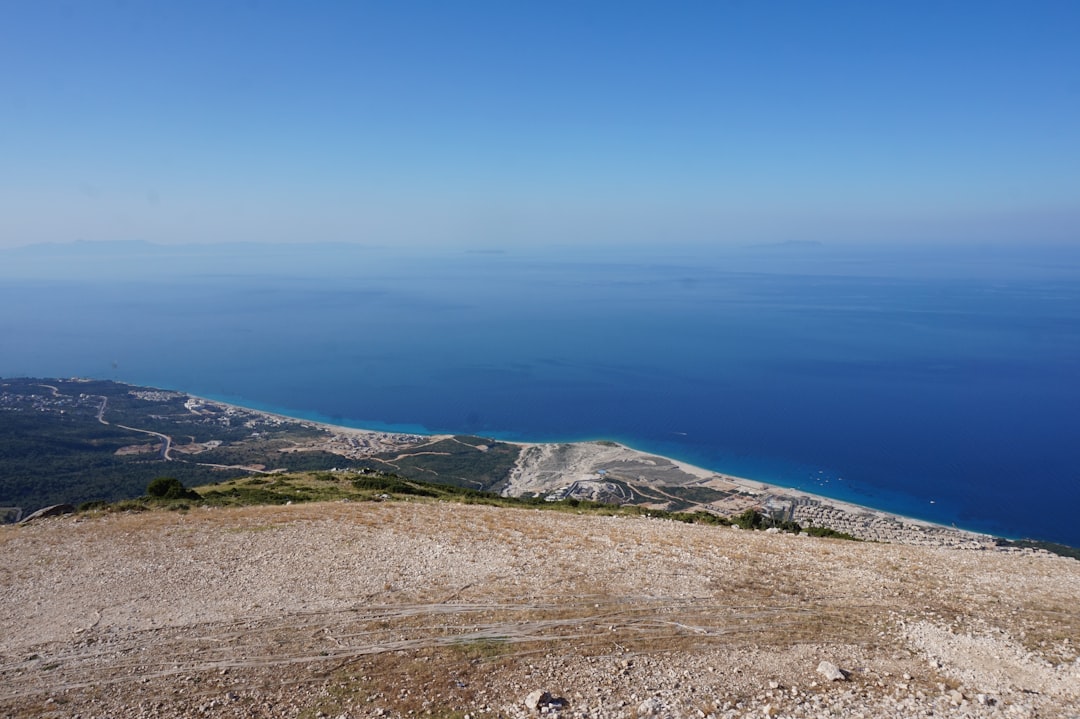
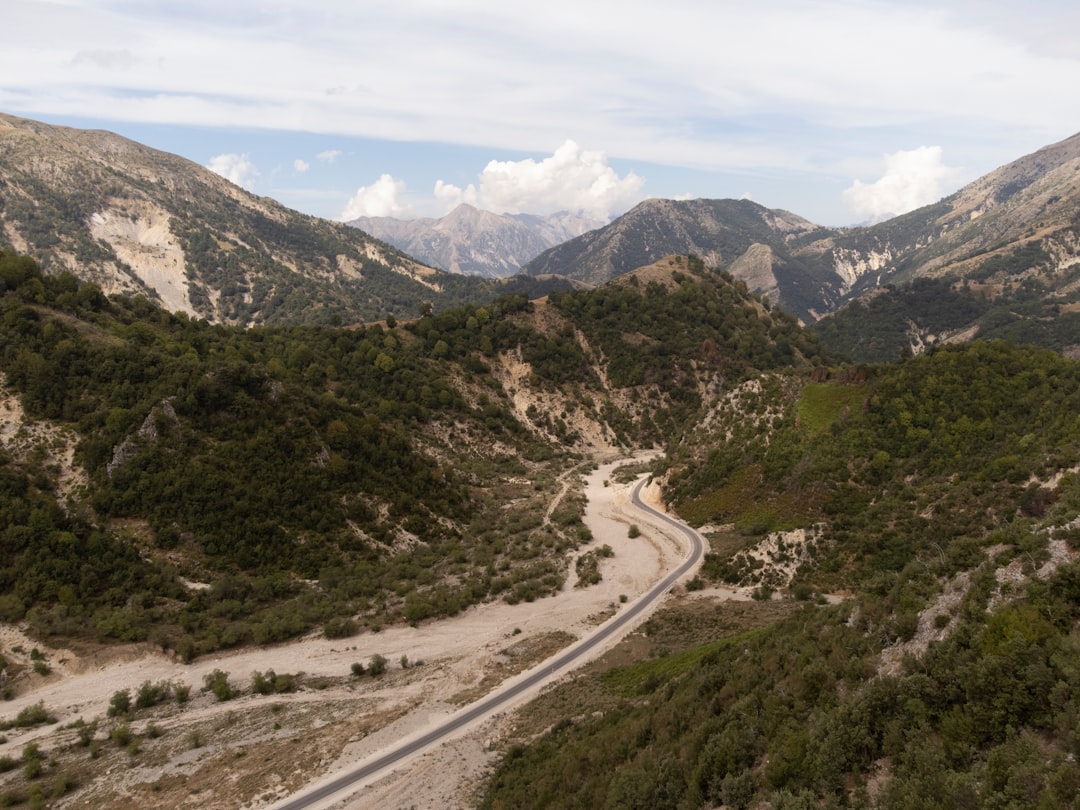
I drove a rented Skoda Fabia up the Llogara Pass with a thermos of bitter Turkish coffee and zero expectations of survival. The tires screamed against the tarmac, the steering wheel vibrated like a dying insect, and the air smelled of pine resin and exhaust fumes. I wasn't here for a postcard. I was here because someone told me this road cuts through the spine of the Balkans like a jagged scar, dropping from high alpine silence to the turquoise violence of the Adriatic coast in under an hour. The truth? It's both terrifying and necessary. This isn't a scenic route; it's a test of nerve, a place where the Ceraunian Mountains throw their weight around and the sea below looks less like water and more like liquid glass.
My first mistake was thinking I could drive this blind. The second was wearing sneakers that offered no grip. But the moment I crested the pass, with the wind howling through the deflector walls and the Llogara National Park spreading out beneath me like a green ocean, I understood why locals treat this road as sacred. It's not just a connector between Sarandë and Vlorë. It's a portal. And if you're foolish enough to ignore it, you're missing the raw, untamed heart of southern Albania.
History & Identity
The Llogara Pass wasn't built for tourism. It was carved out by necessity, connecting the isolated coastal villages of the Riviera to the inland highlands of the Ceraunian range. For centuries, this region was a stronghold of rebellion, a place where Albanian clans resisted Ottoman rule and later survived the iron grip of communist isolation. The mountains here are steep, the passes narrow, and the history is written in blood and stone. During the Hoxha era, this road was a lifeline for smuggling and resistance, a place where the state's control frayed at the edges.
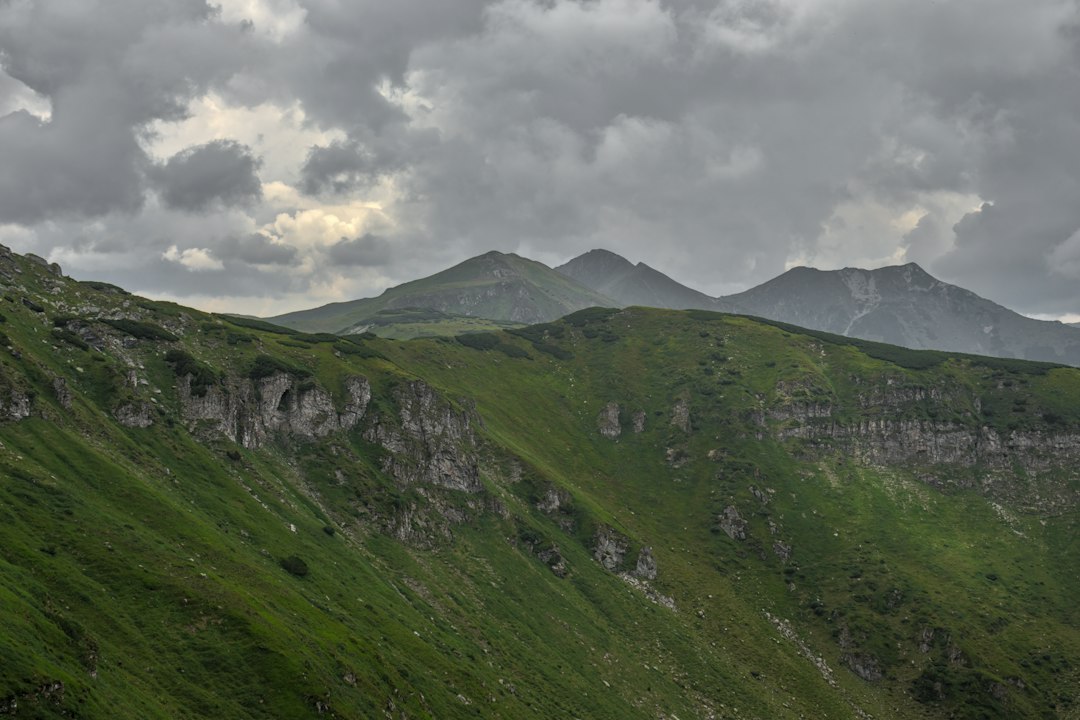
Today, the pass is a symbol of Albania's dramatic geography and its stubborn independence. It's a place where the past lingers in the form of abandoned stone houses and old military bunkers, reminders of a time when survival meant staying hidden. The national park, established to protect the rich biodiversity of the Ceraunian Mountains, now draws hikers, photographers, and thrill-seekers who come to witness the sheer scale of the landscape. But beneath the modern veneer of asphalt and guardrails, the wildness remains. This is a place where nature still dictates the terms, and where history is not just remembered but felt in every switchback.
Where to Go
Llogara Pass Viewpoint — The crown jewel of the drive. At 1,027 meters above sea level, this is where the road pauses to let you breathe. The view stretches from the jagged peaks of the Ceraunian Mountains to the endless blue of the Adriatic. It's a photographer's dream and a driver's warning. Entry is free, but the real cost is the adrenaline spike. Best visited at sunrise or sunset, when the light turns the mountains gold and the sea looks like hammered copper.
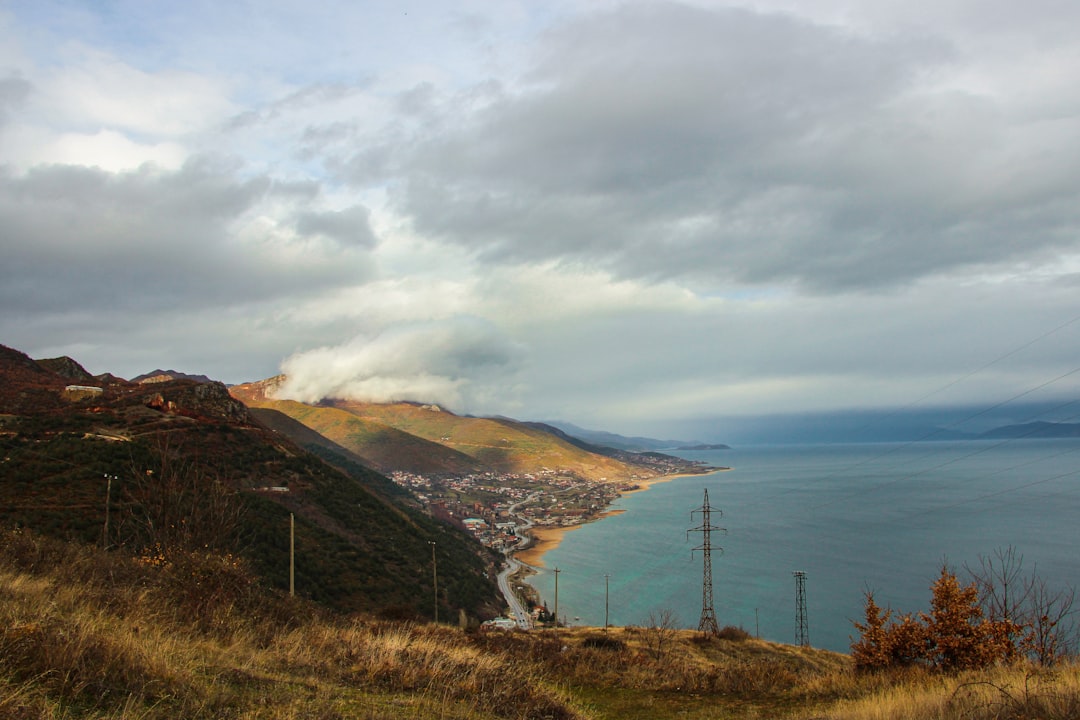
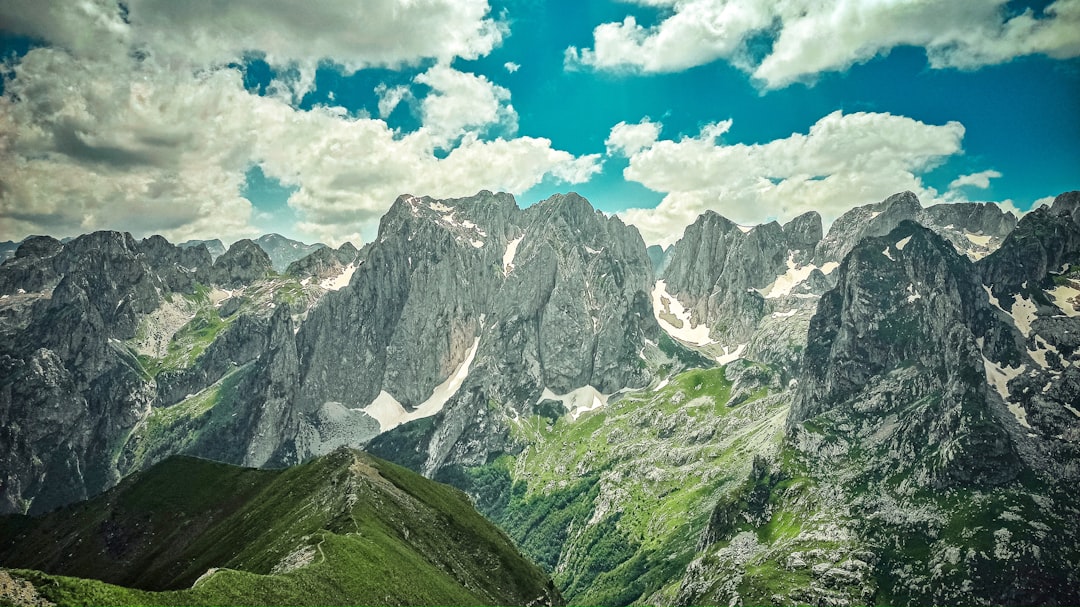
Shpilla e Llogarasë (Llogara Peak) — For those willing to leave the car behind, this trail leads to the highest point in the immediate pass area. The hike is short but steep, rewarding you with a 360-degree view that makes the drive seem trivial. The trail is well-marked but can be slippery after rain. Bring water and good shoes. This isn't a stroll; it's a conquest.
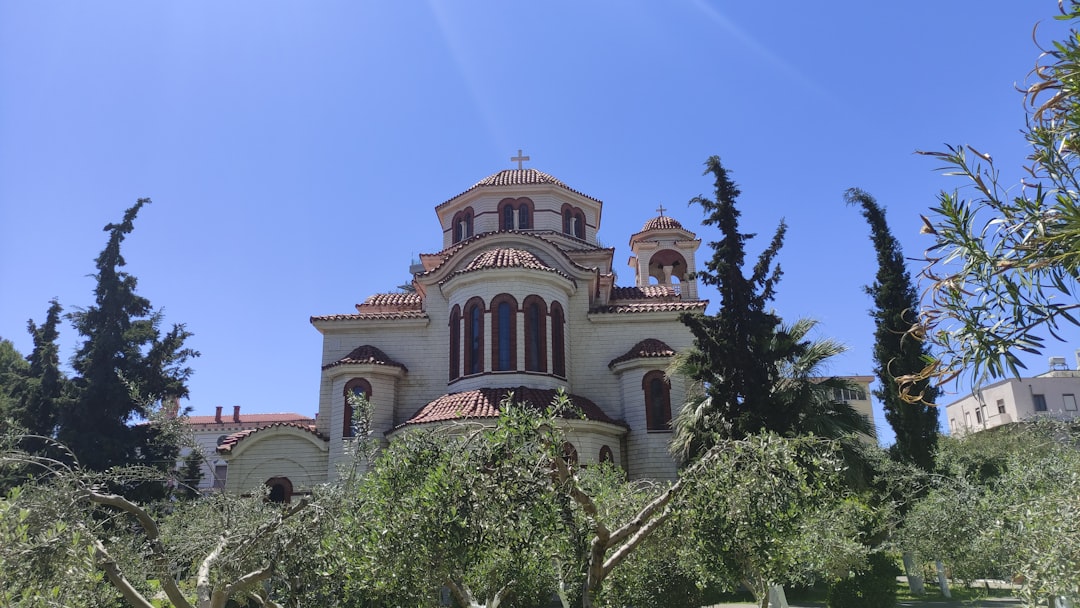
Agios Georgis (Shën Gjergj) Monastery — Perched on a cliffside above the village of Llogara, this Orthodox monastery dates back to the 11th century. It's a place of quiet contemplation, far from the chaos of the coastal resorts. The monks welcome visitors, and the frescoes inside are surprisingly well-preserved. Entry is free, but donations are appreciated. The climb up is steep, but the view from the monastery courtyard is worth every step.
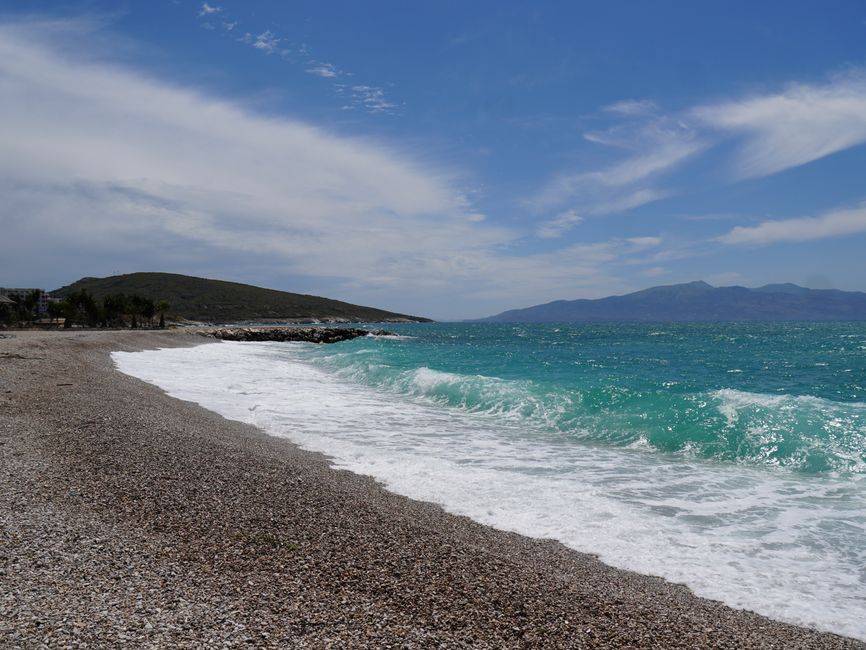
Kokonozi Beach — Just a short drive down from the pass, this pebble beach is a stark contrast to the sand-filled resorts of Sarandë. The water is crystal clear, the rocks are black, and the atmosphere is wild. There are no hotels here, just a few tavernas and a sense of being off the grid. It's a place to swim, sunbathe, and forget the world exists beyond the horizon.
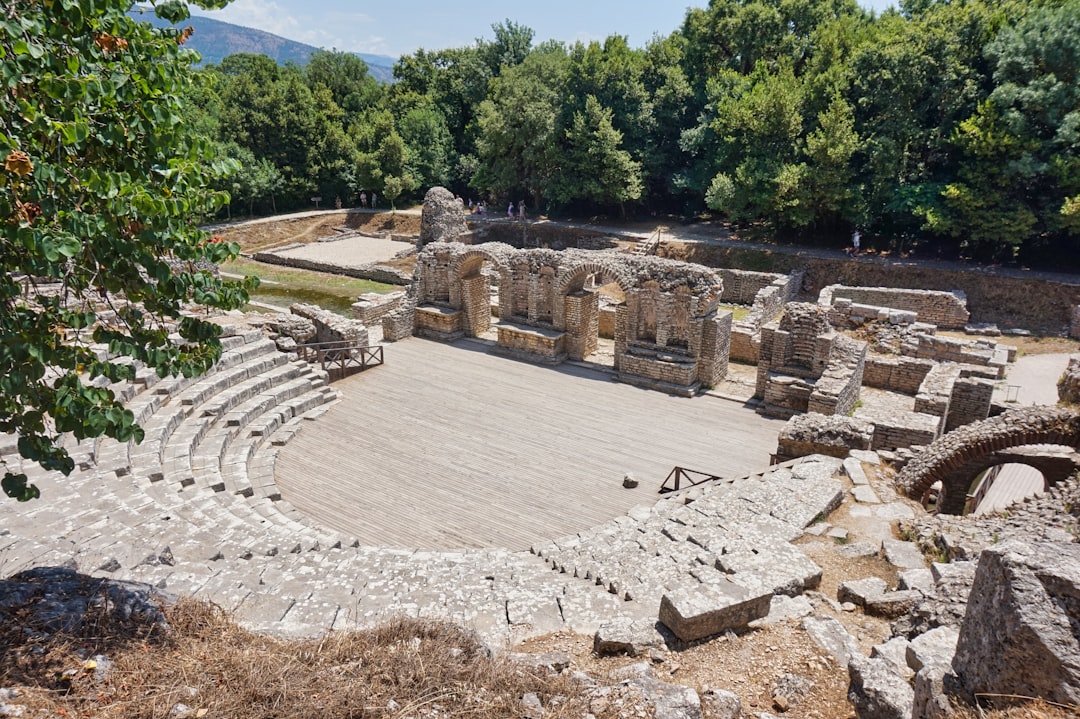
Butrint National Park — A detour worth making, this UNESCO World Heritage site is a labyrinth of ancient ruins, from Greek temples to Roman theaters to Byzantine churches. It's a place where history layers upon history, and where the ruins seem to grow out of the earth itself. Entry is 8 EUR, and the best time to visit is early morning, before the tour buses arrive. The site is extensive, so allow at least three hours to explore properly.
What to Eat & Drink
Eating in Llogara is an exercise in simplicity and flavor. The local cuisine is a blend of Albanian, Greek, and Italian influences, with an emphasis on fresh seafood, wild herbs, and slow-cooked meats. Here's what to look for:
Fresh Grilled Fish — Served at the tavernas along Kokonozi Beach, this is the undisputed king of the menu. Typically prepared with lemon, olive oil, and wild oregano, it's a dish that speaks for itself. Price: 12-18 EUR per portion.
Byrek — A flaky pastry filled with cheese, spinach, or meat, this is the perfect snack for a long drive. It's cheap, filling, and widely available at roadside stands. Price: 2-4 EUR.
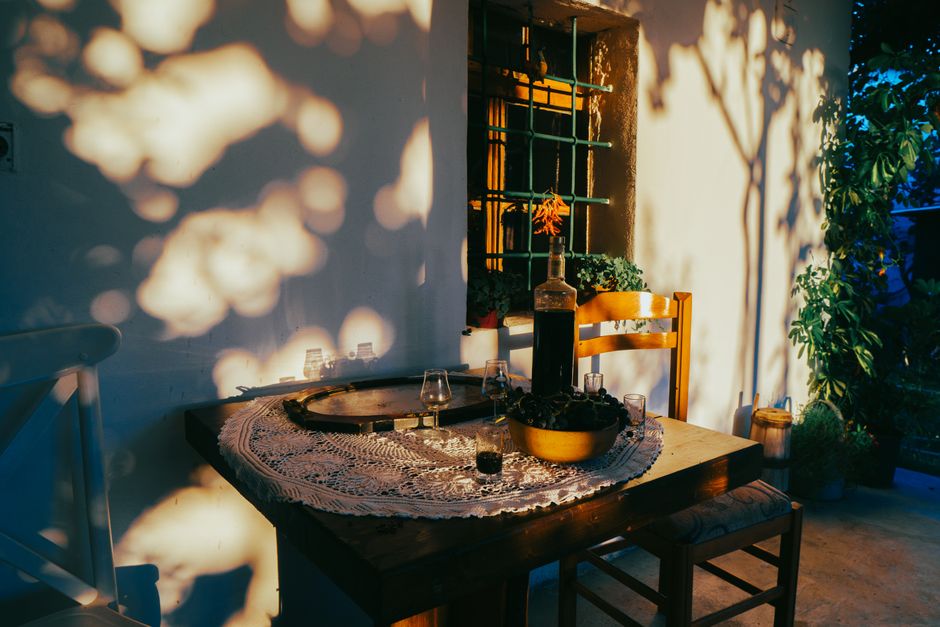
Raki — The national drink of Albania, this clear fruit brandy is strong, sweet, and often homemade. It's served in small glasses and best enjoyed with a meal or as a digestif. Price: 3-5 EUR per glass.
Wild Herbs and Salads — The mountains around Llogara are rich in wild edibles, and many tavernas serve salads made with locally foraged ingredients. Look for dishes featuring wild garlic, thyme, and mountain herbs. Price: 4-6 EUR.
Budget breakdown: Street food and take-away options are plentiful and cheap, with most meals costing under 5 EUR. Sit-down restaurants in the village of Llogara range from 10-15 EUR per person for a full meal, while mid-range tavernas near the coast can cost 15-25 EUR. For the best food scene, head to the coastal villages of Kokonozi and Vuno, where the tavernas are clustered along the waterfront.
Nightlife
Nightlife in Llogara is not for the faint of heart. This is not a place for clubbing or late-night raves. The nearest party scene is in Sarandë, a 30-minute drive down the coast. But if you're looking for a more authentic experience, the village of Llogara itself offers a few bars and tavernas that stay open until midnight. The atmosphere is relaxed, the music is traditional, and the drinks are strong. It's a place to sit, talk, and watch the stars come out over the mountains.
Bar Llogara — Located in the center of the village, this is the main hub for locals and travelers alike. The music is a mix of Albanian folk and Balkan pop, and the drinks are reasonably priced. Cover charge: None.
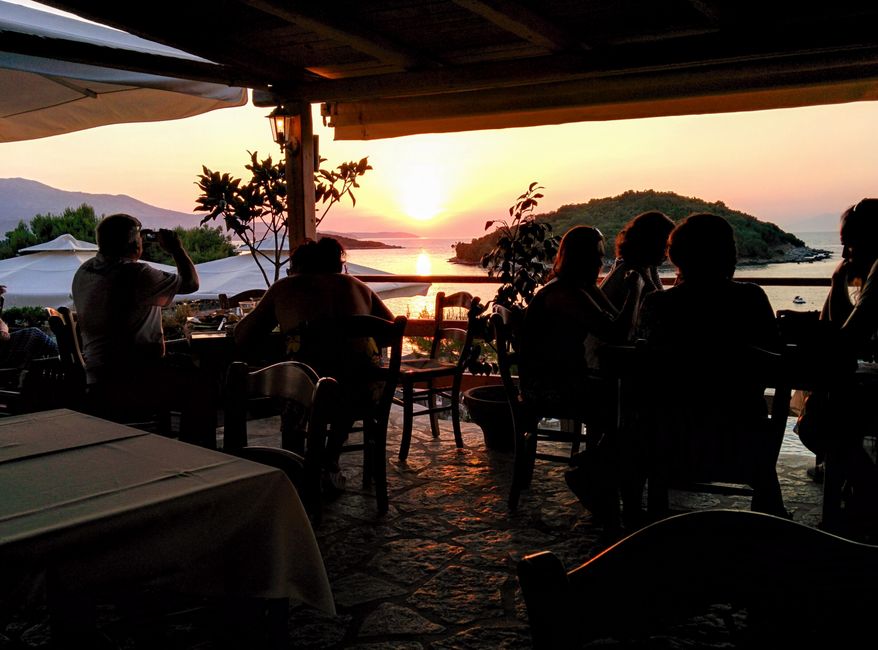
Taverna Panorama — Perched on a hillside overlooking the pass, this taverna offers one of the best views in the area. The food is excellent, the wine is local, and the atmosphere is intimate. It's a place to end the day on a high note.
Getting There & What to Expect
The nearest major city is Vlorë, a two-hour drive from Tirana. From Vlorë, take the SH8 highway south towards Sarandë, then follow the signs for Llogara Pass. The road is well-maintained but winding, with sharp turns and steep drops. Drive carefully, especially in the early morning or late afternoon when visibility can be poor. The pass is open year-round, but winter can bring snow and ice, making the drive dangerous. The best time to visit is between May and October, when the weather is warm and the roads are clear.
Transport options: Rental cars are widely available in Vlorë and Sarandë, with prices starting at 25-35 EUR per day. Buses run regularly between Vlorë and Sarandë, stopping in Llogara, but the schedule is infrequent and the journey is slow. Taxis are available but expensive, with fares ranging from 15-20 EUR for a one-way trip. For the best experience, rent a car and drive the pass yourself.
Accommodation: There are no hotels in Llogara village, but there are several guesthouses and apartments available in the nearby coastal villages of Kokonozi and Vuno. Prices range from 20-40 EUR per night for a basic room to 50-80 EUR for a more comfortable option. Camping is also possible in designated areas, but facilities are basic. For meals, expect to pay 3-5 EUR for a simple meal at a roadside stand, 10-15 EUR for a full meal at a taverna, and 15-25 EUR for a more upscale dining experience.
Search accommodation in Vlorë on Booking.com →
The Last Switchback
I didn't sleep that night. I sat on the roof of my guesthouse in Kokonozi, watching the stars burn through the thin mountain air. The road below was silent, the sea a dark void, and the mountains stood like sentinels guarding a secret I wasn't sure I understood. Llogara Pass isn't a destination you visit; it's a place you survive. It strips away the pretense of comfort, the illusion of control, and leaves you with nothing but the raw, unfiltered truth of the landscape. It's brutal, beautiful, and utterly unforgettable. And if you think you've seen it all, think again. This is where the mountains meet the sea, and where the road ends, but the journey doesn't.
Comments