


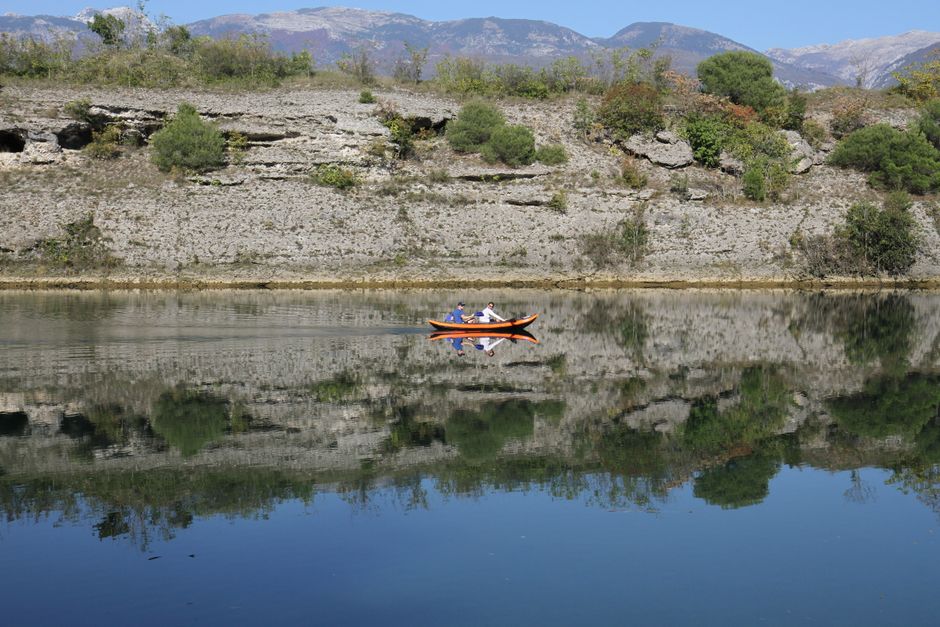
I didn't just arrive in Bosnia and Herzegovina; I was swallowed by it. The air in Una National Park doesn't just smell like pine and damp earth; it tastes like cold iron and ancient stone. I was standing on a slick rock face, boots slipping on moss, looking down at the Una River churning below with a violence that felt personal. A local guide, a man with a beard like a bristle brush and eyes that had seen too much war and too many winters, laughed when I asked if the water was safe to drink. "Safe?" he spat. "This river has washed blood from this valley for centuries. It knows how to clean." That line followed me for three days as I hacked through the dense, green labyrinth of the Lika-Kordun border region, where the forest doesn't end—it just gets thicker, darker, and more indifferent to your existence.
Most tourists treat Bosnia as a single, monolithic destination, a quick stop between Croatia's coast and Serbia's plains. They miss the pulse. They miss the way the light fractures through the canopy of Una National Park, creating a cathedral of shadows where waterfalls don't just fall—they crash, explode, and vanish into mist. This isn't a gentle stroll through a manicured garden. This is a raw, untamed slice of the Balkans where the ridges are jagged, the history is heavy, and the water is the loudest thing you'll ever hear. I came here to escape the noise of the modern world and found something far louder: the roar of the Veliki Slap and the whisper of a forest that remembers everything.
The River That Defines a Nation
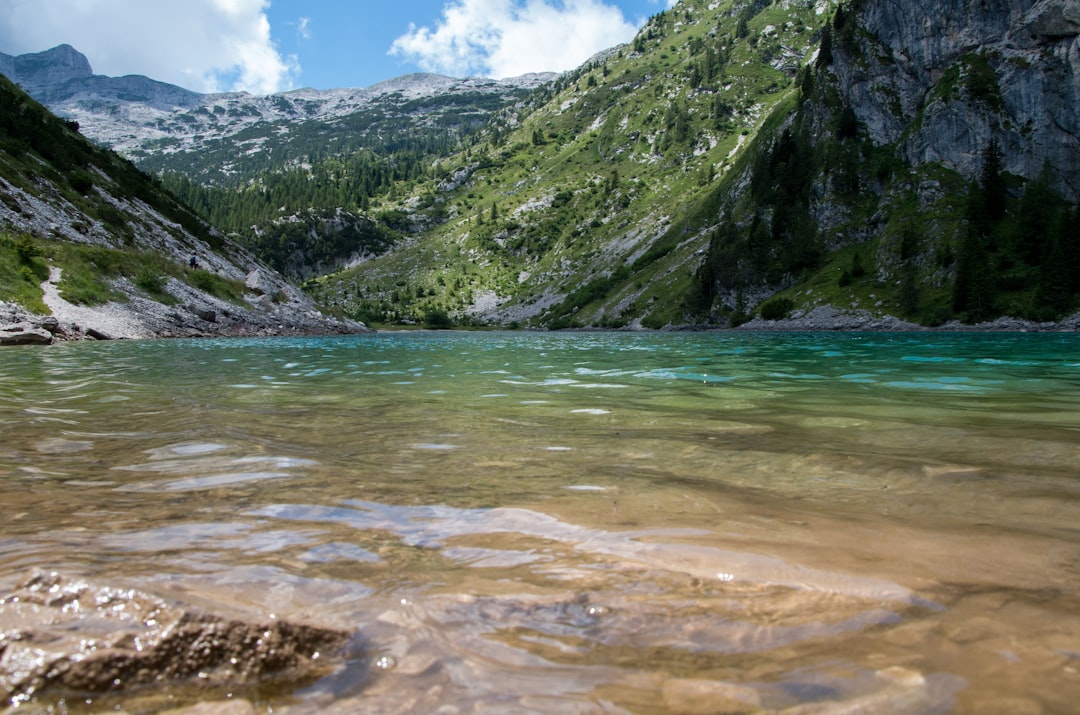
The Una River isn't just a body of water; it's a geographical and historical spine. Formed by the confluence of the Pliva and Raduša rivers, it carves a deep, dramatic canyon through the limestone bedrock of western Bosnia. The water is famously turquoise, a mineral-rich blue that seems almost artificial until you see it in person. It's cold, glacially cold, feeding from the karst aquifers of the nearby mountains. For centuries, this river defined the border between the Ottoman Empire and the Habsburg Monarchy, a literal line in the sand—or rather, in the stone. That border tension is still palpable in the landscape, where the architecture shifts subtly from Ottoman influence in the valley floor to Austro-Hungarian military forts perched on the ridges above.
Established as a national park in 2008, Una National Park protects not just the river, but the surrounding Žabljak and Plitvička Jezera ecosystems. The park is a mosaic of beech and oak forests, some of which are centuries old, growing in the deep shade of the canyon walls. The biodiversity is staggering. You'll spot European otters slipping beneath the surface, golden eagles circling the thermal updrafts, and waterfalls that seem to defy gravity. The park isn't just a scenic backdrop; it's a living, breathing organism that demands respect. The trails are often muddy, the rocks are slippery, and the weather can shift from blinding sun to freezing rain in minutes. This isn't a place for casual sightseeing; it's a place for immersion.
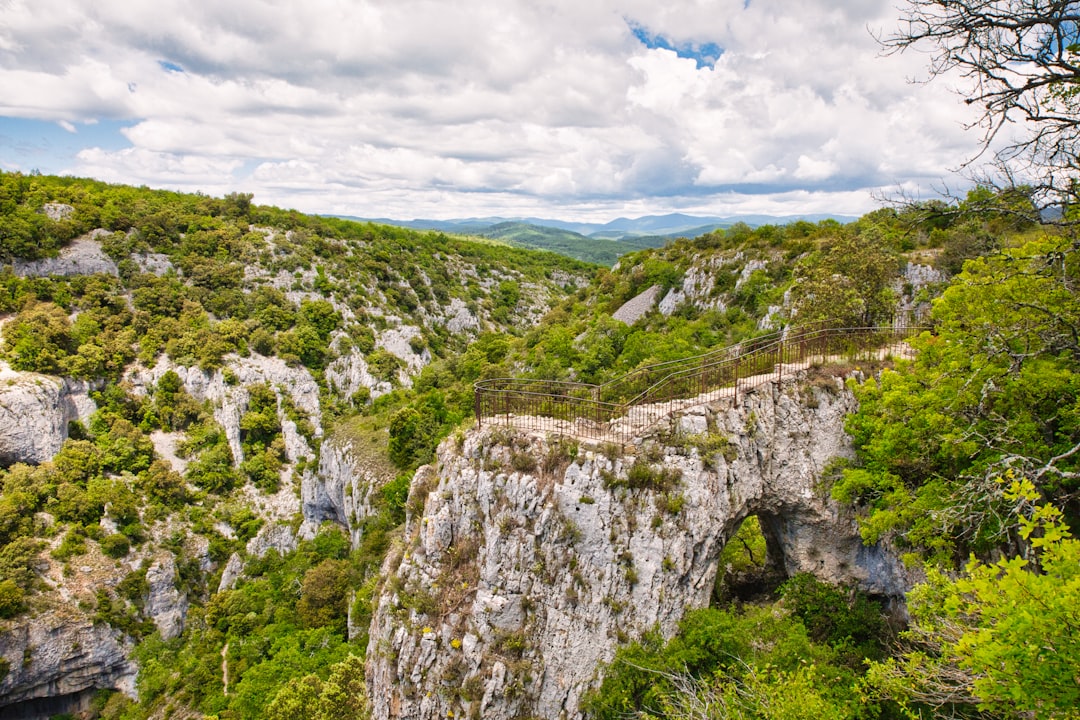
The Waterfalls: Nature's Waterfalls
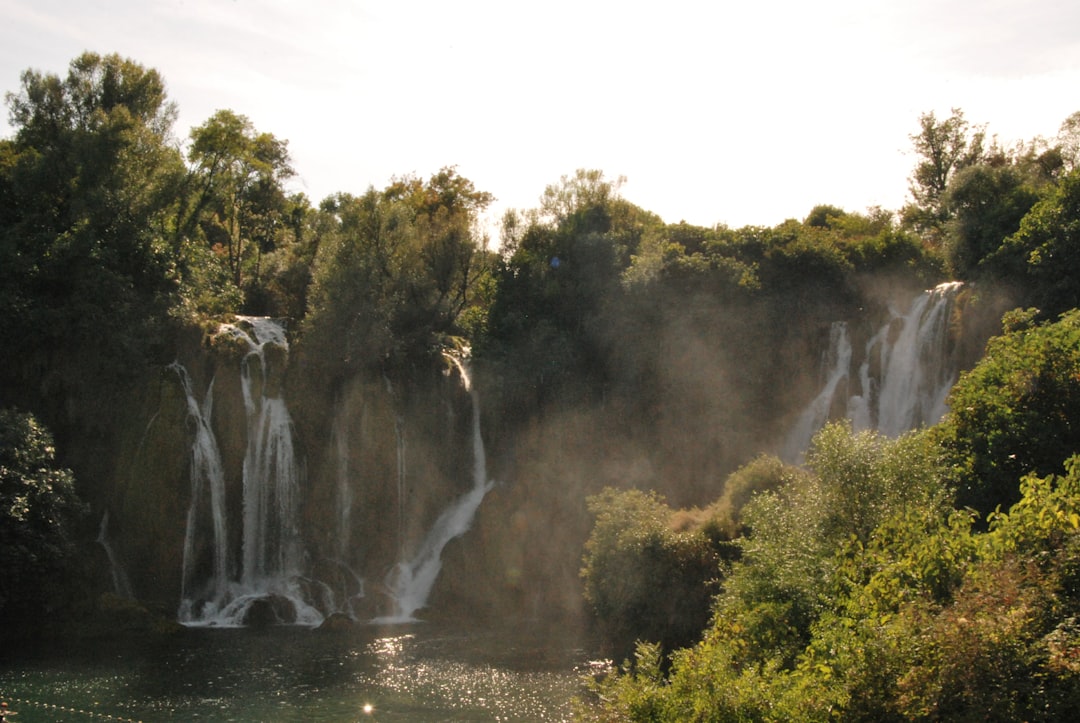
The crown jewel of the park is Veliki Slap, or the Great Waterfall. Standing at 25 meters high, it's not the tallest in Europe, but it's one of the most dramatic. The water doesn't just fall; it explodes into a cloud of mist, creating a perpetual rainbow that dances in the air. The sound is deafening, a constant roar that vibrates in your chest. Walking along the wooden boardwalks that hug the cliff face, you feel the power of the water beneath your feet. It's a humbling experience. You're small, insignificant, and utterly alive. The spray coats your skin, and the air smells of ozone and wet stone. It's a moment of pure, unfiltered nature that no filter can capture.
But Veliki Slap is just the beginning. Further downstream, you'll find Maleni Slap, the Small Waterfall, a more intimate cascade that tumbles into a serene pool. Then there's Šipovan, a series of smaller falls that create a natural staircase of water and rock. Each waterfall has its own character, its own rhythm. Veliki Slap is a brawler; Šipovan is a dancer. The trails connecting them are well-marked but rugged, demanding a good pair of hiking boots and a steady pace. The views are worth every step. From the ridges above, you can see the river winding through the valley like a blue ribbon, surrounded by a sea of green. It's a perspective that changes how you see the landscape. You're not just walking through the park; you're flying above it.
Forests, Forts, and Forgotten History
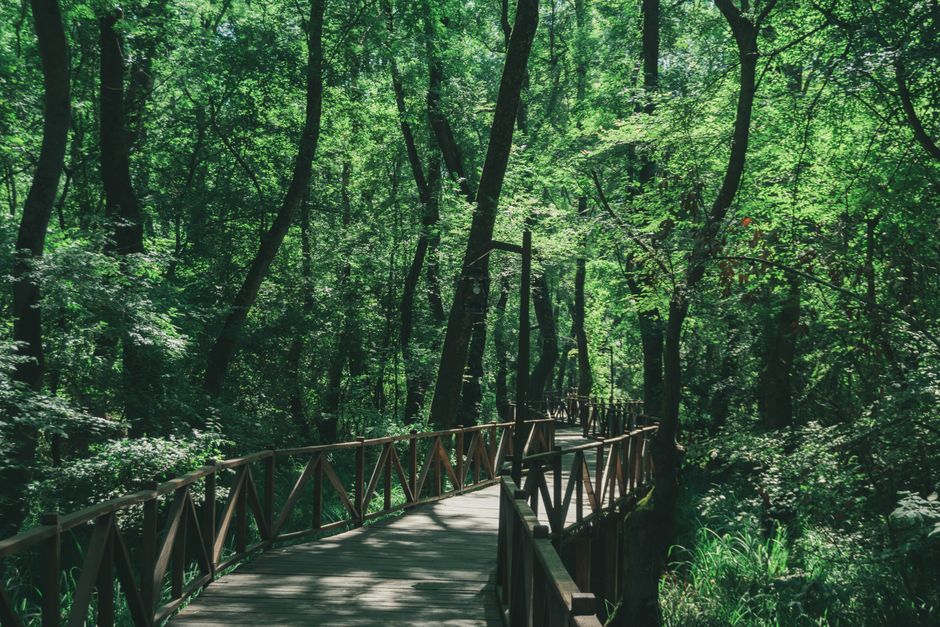
The forests of Una National Park are dense, dark, and deeply atmospheric. These are old-growth forests, with trees that have stood for centuries, their roots gripping the rocky soil. The canopy is thick, filtering the sunlight into dappled patterns on the forest floor. It's a place of quiet solitude, broken only by the sound of birdsong and the distant rush of the river. The trails here are often narrow, winding through undergrowth and over fallen logs. It's easy to lose your way if you're not paying attention. The park is a labyrinth, and the forest is its keeper.
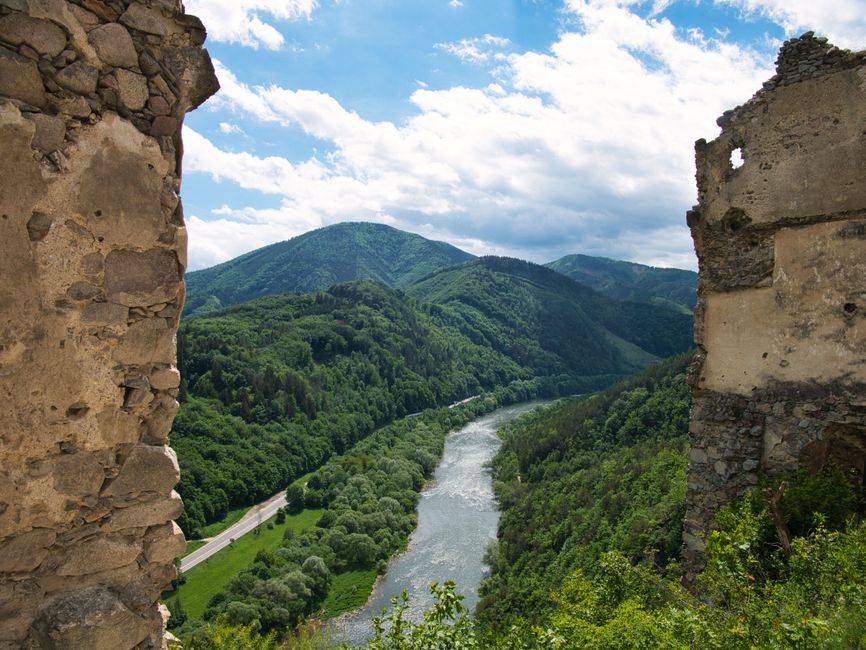
But the history here isn't just natural; it's human. Perched on the ridges above the river are the ruins of old forts and military outposts. Garacin Fort, for example, sits on a rocky peak overlooking the Una River. It was built in the 19th century by the Austro-Hungarian army to control the border. The ruins are crumbling, overgrown with vines and moss, but the strategic position is still clear. From the top, you can see for miles, across the river into Croatia. It's a stark reminder of how this landscape has been contested, fought over, and defended for centuries. The forts are silent now, but their presence is felt. They're ghosts in the machine of the park, watching over the river.
On the Ground: Trails and Trails
The main trail in Una National Park is the Una Trail, a 12-kilometer loop that takes you from Veliki Slap to Šipovan and back. It's a moderate hike, taking about 3-4 hours to complete. The trail is well-marked, but it's not easy. There are steep climbs, slippery rocks, and muddy sections. You need good boots and a sense of adventure. The trail offers a variety of views, from close-up encounters with waterfalls to panoramic vistas of the river valley. It's a perfect introduction to the park, but it's just the beginning. There are dozens of other trails, some shorter, some longer, some easier, some harder. The park is a playground for hikers, and the trails are its games.
For those who want a more challenging experience, there are trails that lead up to the ridges above the park. These trails are steeper, more rugged, and less well-marked. They require a good level of fitness and navigation skills. But the rewards are immense. From the top of Garacin Fort, you can see the entire park, the river, and the surrounding mountains. It's a view that will stay with you for a long time. The trails are the veins of the park, and they carry you to its heart. Follow them, and you'll find what you're looking for.
Getting There & What to Expect
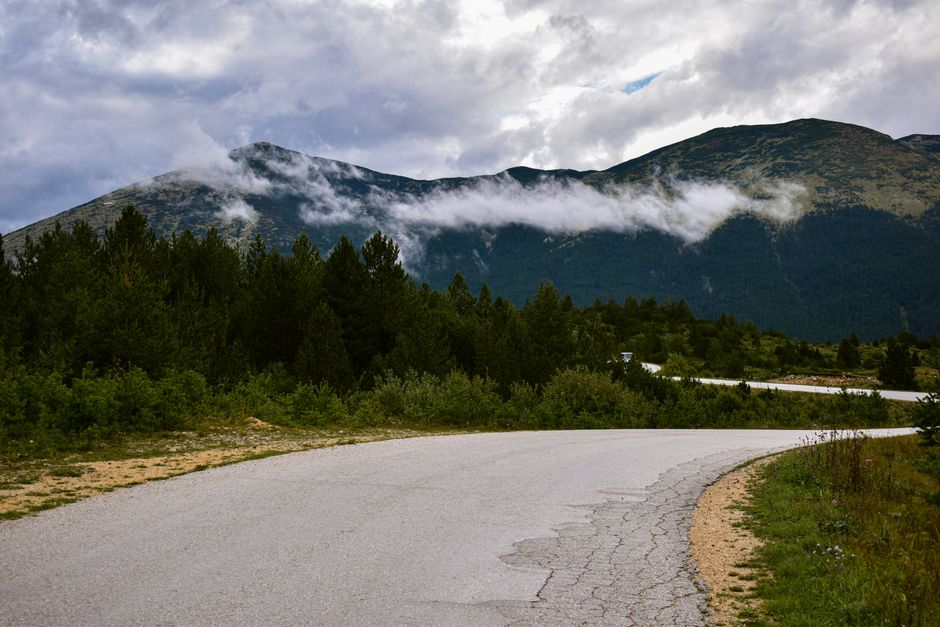
Getting to Una National Park is part of the adventure. The nearest town is Bihać, a city of about 40,000 people. From Bihać, the park is about 15 kilometers away, a 20-minute drive. You can get to Bihać by bus from Split, Croatia, or Zagreb, Croatia. The journey is long and winding, but the views are worth it. Once in Bihać, you can rent a car or take a taxi to the park. The roads are good, but they're narrow and winding. Drive carefully.
Accommodation in the area is limited but improving. There are a few guesthouses and campsites near the park entrance. Prices are reasonable, with a bed in a guesthouse costing around 30-50 EUR per night. Camping is cheaper, around 10-15 EUR per person. Food is also affordable, with a meal in a local restaurant costing around 10-15 EUR. The best time to visit is from late spring to early autumn, when the weather is warm and the trails are dry. Winter is cold and snowy, but it offers a different kind of beauty. The park is a year-round destination, but the experience changes with the seasons.
Search accommodation in Bihać on Booking.com →
The Silence After the Storm
I left Una National Park with mud on my boots, water in my lungs, and a silence in my head that I hadn't felt in years. The noise of the city, the constant ping of notifications, the endless scroll of information—it all faded away, replaced by the roar of the river and the whisper of the forest. Bosnia is a country that is often misunderstood, often overlooked. But in places like Una National Park, you can find something real. Something true. Something that doesn't care about your politics or your prejudices. It just is. And in that "is," there is peace. I came looking for waterfalls and found a mirror. I came looking for adventure and found myself. The forest remembers, but it also forgives. And in the end, that's all you need.
Comments