


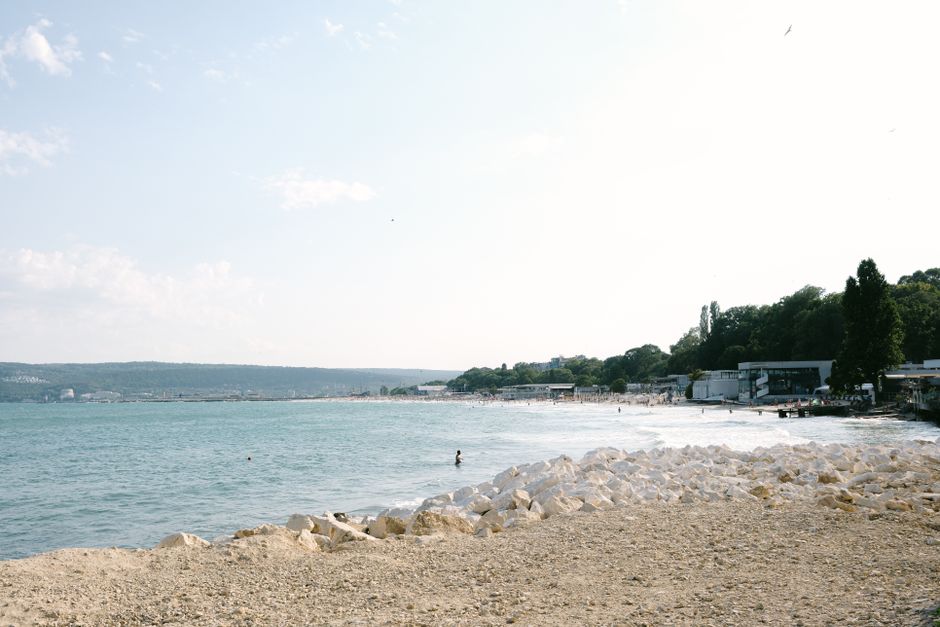
The water here doesn't just warm you; it claims you. I stepped into the mineral pools of Varna expecting the sterile, chlorine-sharp sting of a typical European spa. Instead, I was hit by the heavy, metallic tang of sulfur and the humid, breathless air of a place that has been sweating out its secrets for millennia. A local woman in a faded floral dress sat next to me, reading a paperback by the light of a flickering bulb, utterly unbothered by the steam fogging her glasses. She didn't look up, didn't speak English, but she gestured with her chin toward the deeper end. "Longer," she muttered in Bulgarian. "The pain leaves faster." I stayed for two hours. By the time I crawled out, my joints felt like they'd been replaced with new hinges, and my skin smelled like an egg farm that had exploded in a rose garden. This is the Varna experience: raw, ancient, and uncomfortably effective.
Bulgaria's Black Sea capital is often dismissed as a sun-and-sand destination, a place for cheap all-inclusive holidays and neon-lit beach clubs. But strip away the tourist traps of the Golden Sands strip, and you find a city built on geothermal fire. Varna isn't just sitting on the coast; it's perched on a network of underground thermal veins that have powered its spa culture since the Thracians first learned to harness the earth's heat. Today, that heritage is a mix of crumbling Soviet-era bathhouses and sleek, modern wellness centers, all fighting for your attention and your 5-15 EUR entry fee. It's a chaotic, steaming contradiction, and it's exactly what makes it worth the trip.
History & Identity
One cannot talk about Varna's thermal springs without acknowledging the weight of history pressing down on them. This is the site of the world's oldest known gold treasure, the Varna Necropolis, dating back to 4500 BC. The Thracians, the ancient warrior-priests of the Balkans, didn't just bury their dead with gold; they worshipped the earth's warmth. They believed the thermal waters were gifts from the gods, capable of healing wounds and purifying the soul. For centuries, these springs were sacred sites, places where the boundary between the physical and spiritual worlds felt thin as steam.
Roman influence later formalized this worship into engineering. The Romans, masters of bath culture, built extensive facilities around the natural springs, integrating them into their military and civic infrastructure. When you walk through the modern city, you're treading on layers of imperial ambition and ancient reverence. The spa culture here isn't a modern invention; it's a continuous thread woven through millennia of occupation, from the Ottomans who built hammams to the Communists who turned bathhouses into social hubs for the working class. Today, that legacy survives in the local attitude toward bathing. It's not about vanity or Instagram photos; it's about survival, recovery, and communal endurance.
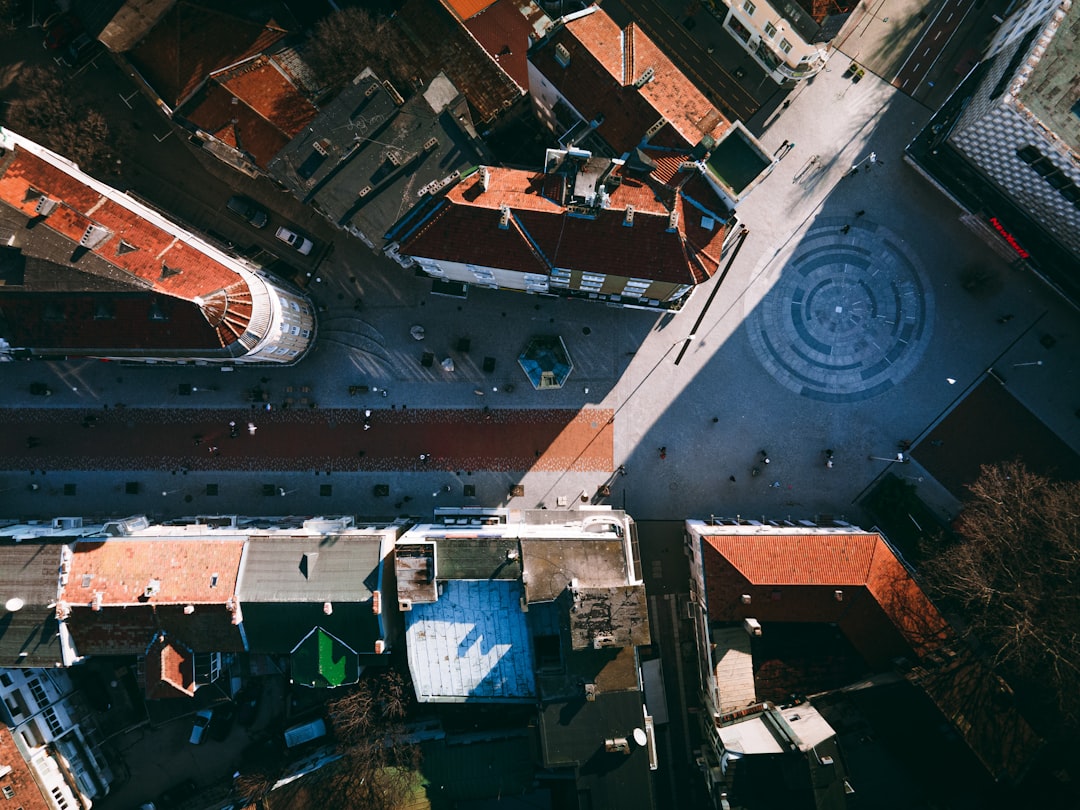
The identity of Varna is deeply tied to this duality. It's a port city, gritty and industrial, yet it holds these pockets of serene, steaming luxury. The thermal springs are the city's hidden heart, beating beneath the asphalt and concrete. They remind visitors that this place has always been about more than just trade and tourism. It's about healing, both physical and historical. The water remembers what the city tries to forget, and it invites you to soak in its memories.
Where to Go
Albena Spa & Wellness Center — Located just north of the city center, this complex is a modern interpretation of traditional Bulgarian spa culture. It offers a range of thermal pools, saunas, and treatment rooms. The water is drawn from natural thermal springs and is rich in minerals. It's a bit more expensive than the local bathhouses, but the facilities are clean, well-maintained, and offer a quieter experience. Entry fees range from 20-40 EUR depending on the package, and it's best visited in the late afternoon when the crowds thin out. The pool areas are heated, making it a year-round destination, even in the damp Bulgarian winter.
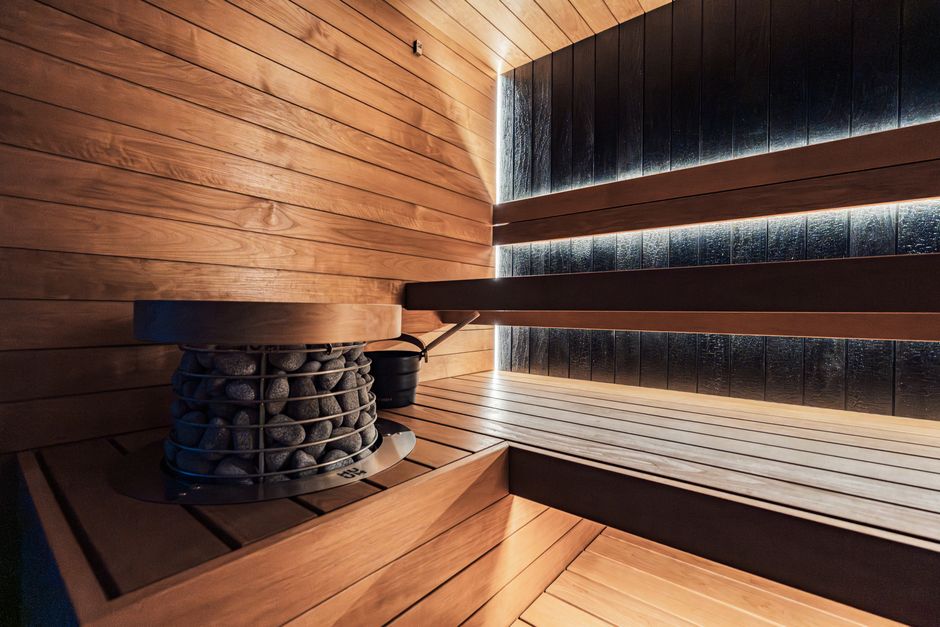
Thracian Spa — For a more authentic, less polished experience, head to the Thracian Spa in the city center. This place feels like a time capsule, with tiled walls that have seen decades of use and water that runs hot and heavy with minerals. It's a favorite among locals, particularly older residents who come here for their daily dose of therapy. The atmosphere is communal and unpretentious. You'll hear Bulgarian spoken loudly, see people playing cards in the corner, and feel the genuine sense of community that defines Varna's spa culture. Entry is affordable, around 10-15 EUR, and it's open late, making it a perfect stop after a day of exploring the city.
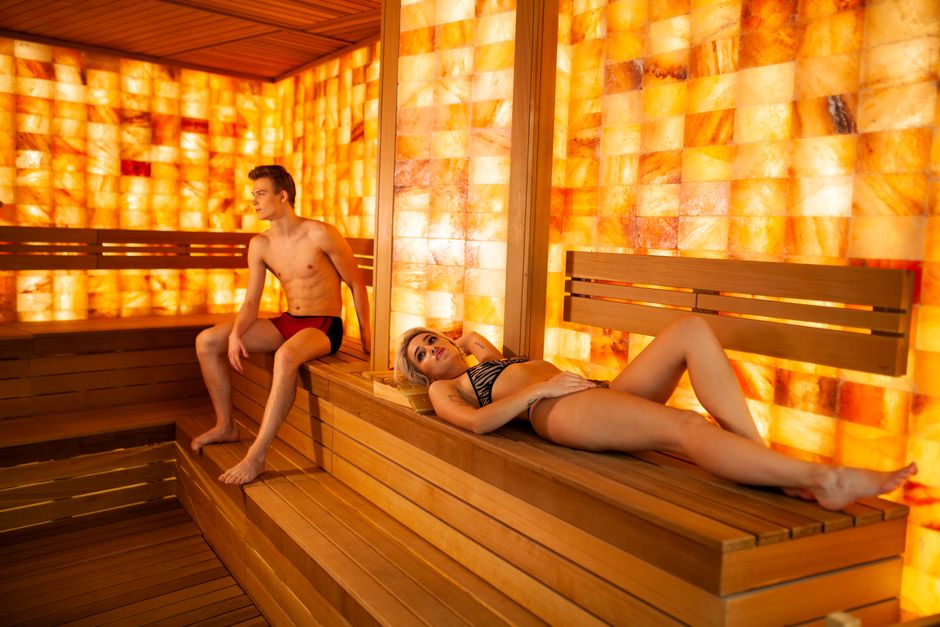
Varna Archaeological Museum — While not a spa itself, you cannot understand the thermal springs without understanding the Thracian heritage. This museum houses the Varna Gold, the oldest gold treasure in the world. Seeing these artifacts provides context for the ancient reverence of the land and its resources. The museum is modern, well-curated, and offers a deep dive into the history of the region. Entry is 5-10 EUR, and it's best visited in the morning before the tour groups arrive. The connection between the gold and the springs is subtle but powerful, reminding you that this land has always been valuable.
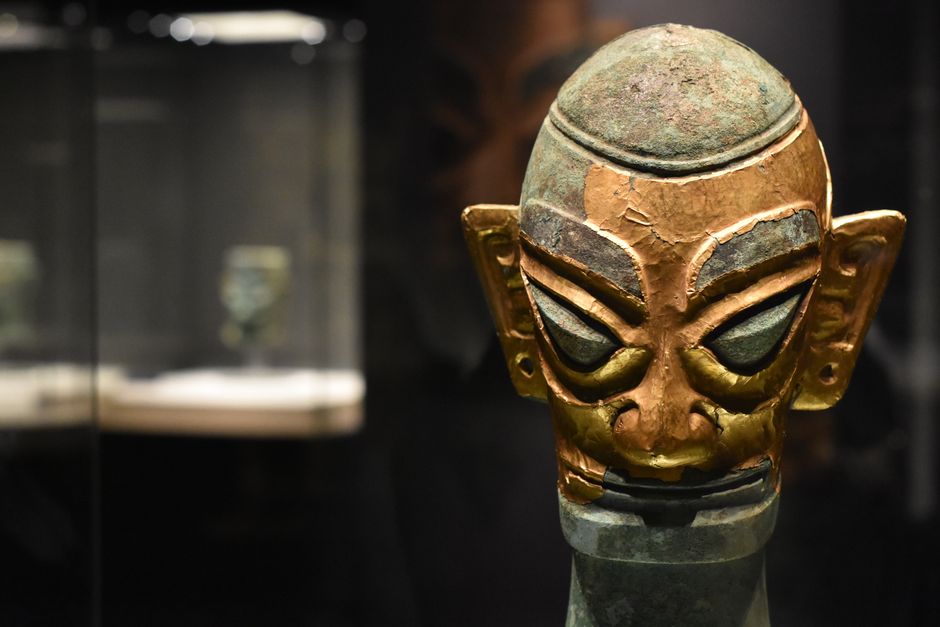
The Old Town — Wander the narrow streets of the Old Town to find the hidden courtyards and small, family-run bathhouses that still operate. These are the true gems of Varna's spa culture, places where the traditions have been passed down through generations. They are often unmarked, requiring a bit of local knowledge to find, but the experience is worth the effort. The water here is often hotter and more mineral-rich, and the atmosphere is intimate and personal. Prices vary, but expect to pay around 5-10 EUR for a soak. It's a chance to experience Varna as the locals do, away from the tourist crowds.
What to Eat & Drink
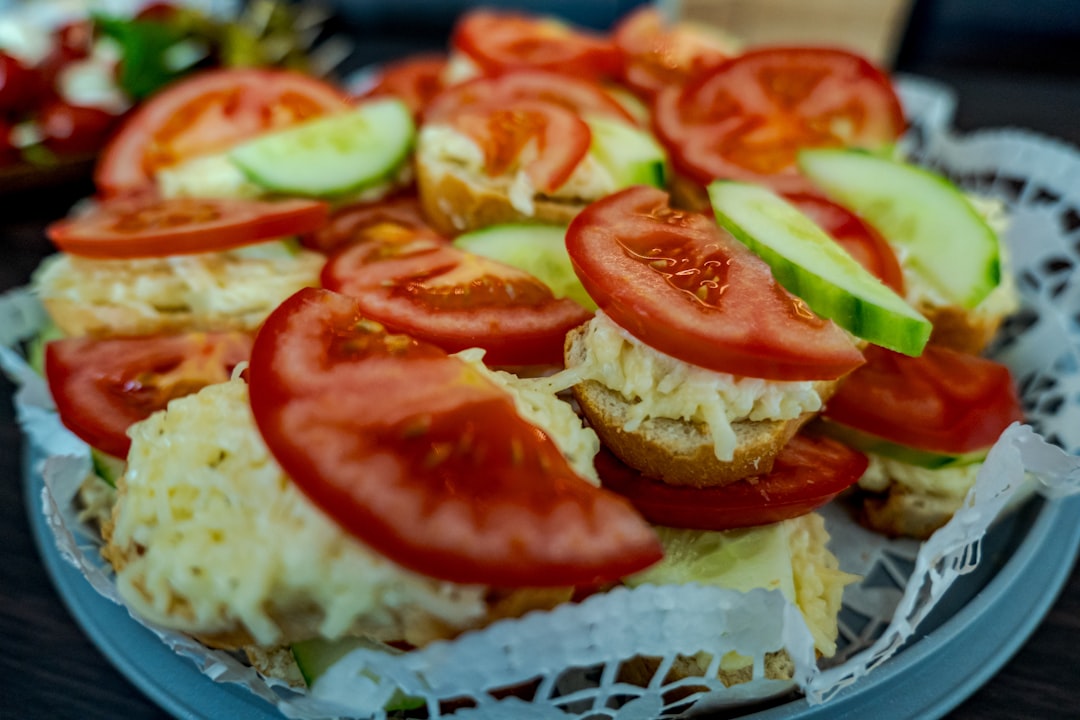
After a long soak, your body will demand fuel. Varna's food scene is a reflection of its coastal location and its inland influences. Start with shopska salad — a refreshing mix of tomatoes, cucumbers, onions, and white cheese, topped with a sprinkle of red pepper flakes. It's the national dish of Bulgaria and a perfect antidote to the heaviness of the spa experience. You can find it at any local restaurant for around 3-5 EUR.
For something more substantial, try kyufte — grilled meatballs made from ground beef or lamb, served with bread and yogurt. They are hearty, flavorful, and cheap, typically costing 4-6 EUR. If you're feeling adventurous, go for banitsa, a flaky pastry filled with eggs and white cheese. It's a breakfast staple, but it's also a great snack any time of day. A slice will set you back about 2-4 EUR.
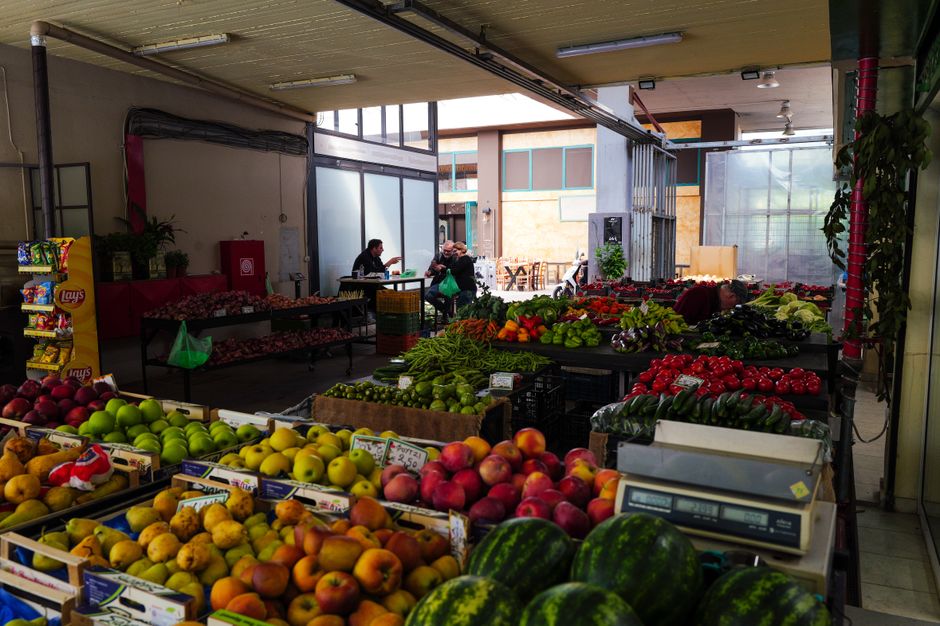
Budget travelers can survive on street food and take-away options. The Central Market in Varna is a hub of activity, with stalls selling fresh produce, meats, and ready-to-eat meals. You can grab a levens — a type of flatbread filled with meat or vegetables — for under 3 EUR. For a sit-down meal at a local restaurant, expect to pay between 8-15 EUR per person. Mid-range restaurants, often located near the promenade, will charge 15-25 EUR per person. The Port of Varna area has several seafood restaurants where you can enjoy fresh fish, but prices are higher, starting at 20 EUR per dish.
Don't leave without trying rakia, the traditional fruit brandy. It's strong, clear, and often homemade. A small glass will cost around 2-4 EUR in a local bar. It's a digestive aid, a social lubricant, and a cultural icon. Drink it slowly, and listen to the locals talk about the best springs in town.
Nightlife
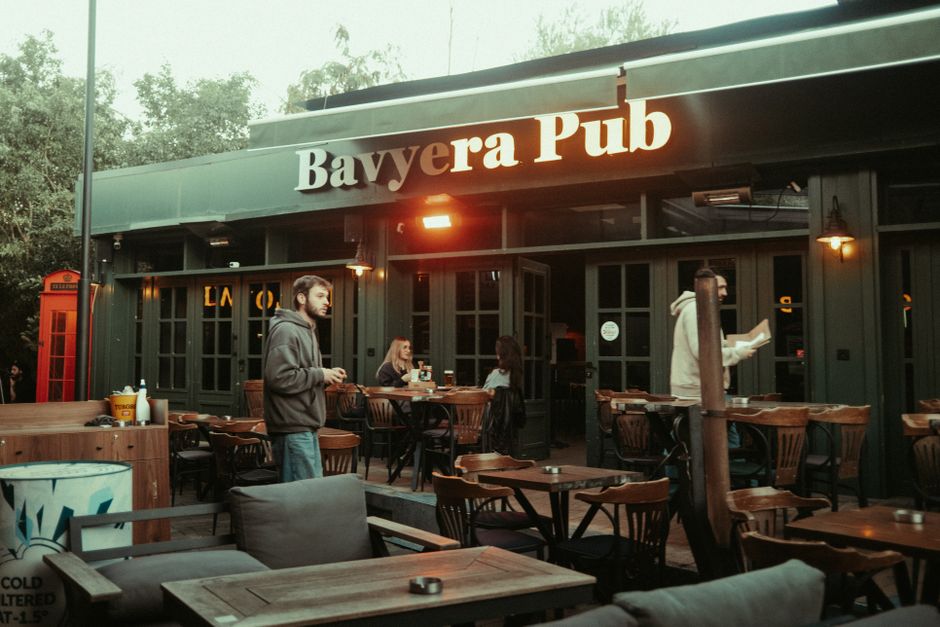
When the steam clears and the sun sets, Varna's nightlife comes alive. The main action is concentrated around the Sea Garden and the Port area. This is where the young crowd gathers, spilling out of bars and onto the promenade. The atmosphere is relaxed but energetic, with live music spilling out onto the streets. Bar 13 is a popular spot, known for its craft beers and relaxed vibe. Cover is free, but drinks will cost around 3-5 EUR.
For a more upscale experience, head to The Roof Bar at one of the city's hotels. It offers panoramic views of the Black Sea and a sophisticated menu of cocktails. Expect to pay 8-12 EUR per drink, and dress code is smart casual. The crowd here is a mix of locals and tourists, all enjoying the sea breeze and the city lights.
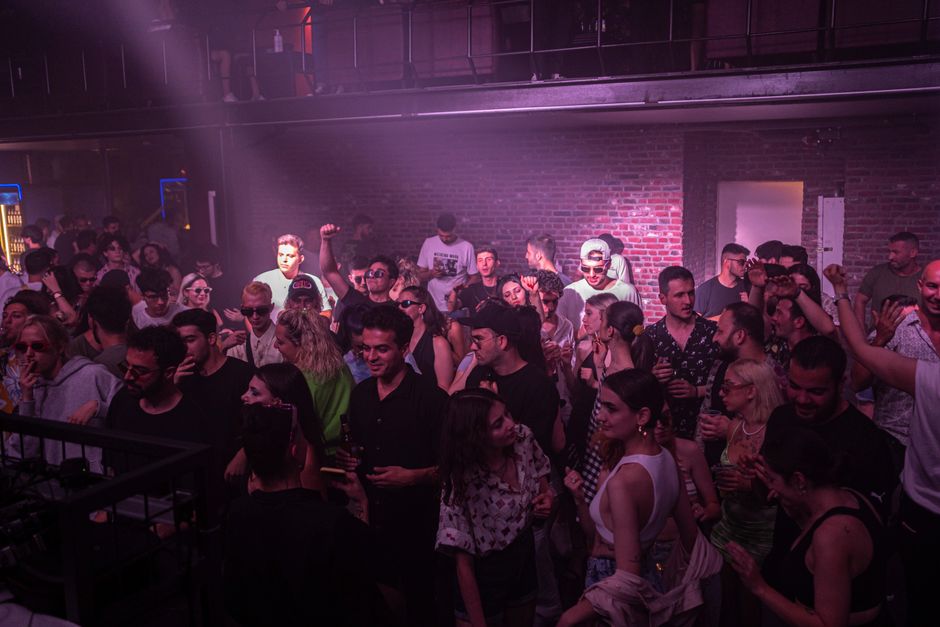
If you prefer dancing, Club 10 is a legendary venue in Varna. It's been around for decades and hosts a mix of local and international DJs. The music ranges from house to techno, and the crowd is diverse. Cover is around 5-10 EUR, and it gets busy from midnight onwards. The energy is high, the drinks are strong, and the sea air keeps you cool. It's a perfect end to a day of soaking and exploring.
Getting There & What to Expect
Varna is well-connected by air, with Varna Airport offering direct flights from major European cities. From the airport, you can take a taxi to the city center for around 10-15 EUR, or use the airport bus service for 2 EUR. If you're coming from Sofia, the capital, you can take a train or a bus. The train journey takes about 7-8 hours and costs around 15-25 EUR, while the bus is slightly faster at 6-7 hours for a similar price. Car rentals are available at the airport, with daily rates starting at 20-30 EUR.
Accommodation in Varna ranges from budget hostels to luxury hotels. Hostels cost around 15-25 EUR per night, while mid-range hotels charge 40-70 EUR per night. Luxury hotels near the sea can cost 100-200 EUR per night. The best time to visit is between May and October, when the weather is warm and the sea is inviting. However, the spa centers are open year-round, so you can enjoy the thermal springs even in the winter. Just be prepared for cooler air and fewer crowds.
Search accommodation in Varna on Booking.com →
The Steam Never Lies
As I walked out of the Thracian Spa that evening, the cold air hit me like a slap. My skin was pruned, my clothes damp, and my head spinning with the residual heat of the water. But I felt alive in a way I hadn't in months. The city of Varna, with its mix of ancient history and modern chaos, had stripped me down to my essentials. There's no pretense in the steam. The water doesn't care about your job, your status, or your worries. It just wants to heal you, one mineral-heavy minute at a time. In a world that's increasingly digital and disconnected, Varna's thermal springs offer a rare, primal connection to the earth and to each other. It's not pretty, it's not polished, but it's real. And that's worth more than gold.
Comments