


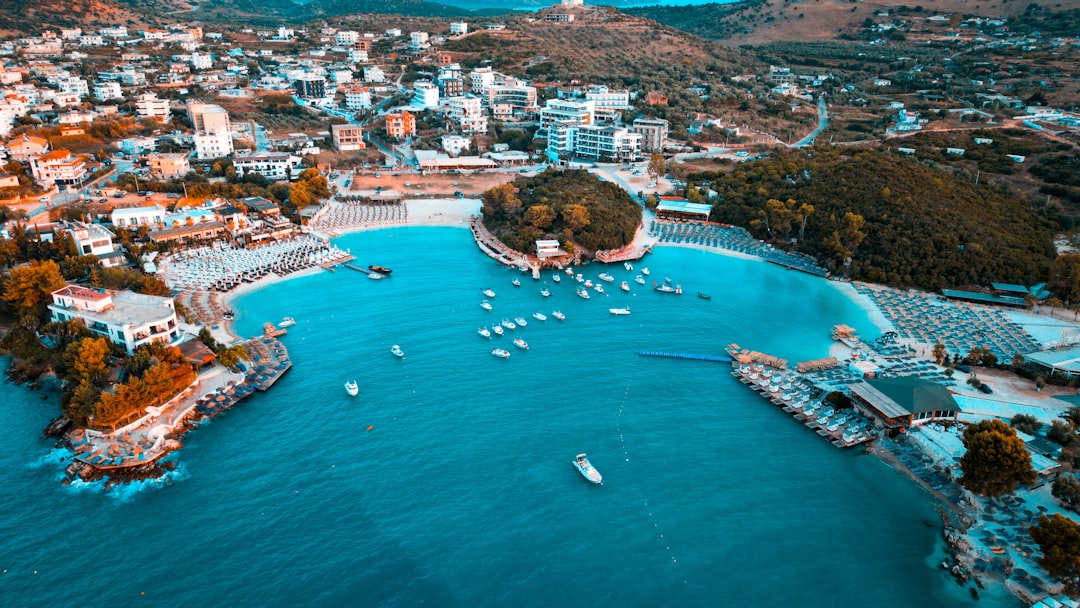
I arrived in Durres at 3 AM, blinking against the glare of a streetlamp that buzzed like an angry hornet. The air smelled of diesel, stale sea salt, and frying dough. I was standing on the asphalt of the main roundabout, clutching a crumpled ticket, watching a line of black sedans idle near the curb. This isn't the romantic postcard of the Adriatic; this is the throat of Albania, swallowing thousands of arrivals every day. A taxi driver, eyes heavy with fatigue, leaned out and shouted something in rapid Albanian that sounded less like a greeting and more like a transaction. I climbed in, the suspension groaning under the weight of a country that is waking up fast, and we tore toward the coast. Durres isn't pretty in the traditional sense. It's raw, loud, and utterly essential. If you want to understand how Albania is opening its doors to the world, you don't start in the marble palaces of Tirana. You start here, in the grit and the glory of the port.
For decades, this city was a sleepy port town, overshadowed by the capital just 30 kilometers away. But the tide has turned. The new international airport, the constant hum of cruise ships, and the relentless construction cranes have transformed Durres into the undisputed gateway to the Albanian Riviera. It's chaotic, yes. But there's a pulse here that you can't find anywhere else in the Balkans. It's the sound of a nation reinventing itself, one container ship and one tourist bus at a time.
History & Identity
Durres doesn't just have history; it is buried under it. This is one of the oldest continuously inhabited cities in the Balkans, with roots stretching back to 7th century BC. The Illyrians founded it, the Romans expanded it into a major naval base, and the Venetians fortified it for centuries. You can feel this layering everywhere. The Roman Amphitheatre, one of the largest in the Balkans, sits right next to modern shopping malls. It's a jarring juxtaposition that defines the city's identity: ancient resilience meets modern ambition.
The city's strategic location on the Adriatic Sea made it a prize for every empire that cared about the Mediterranean. During the Ottoman period, it served as a crucial port for trade and military movement. In the 20th century, it was a closed port during the communist era, isolated from the world. The fall of communism in the early 1990s opened the floodgates. Today, Durres is the engine room of Albania's tourism boom. It's no longer just a stopover; it's a destination in its own right, driven by its beaches, its nightlife, and its role as the main entry point for millions of visitors.
The identity of Durres is shifting. It's shedding its image as a purely industrial port and embracing its role as a coastal hub. The city is investing heavily in its waterfront, cleaning up the beaches, and building infrastructure to handle the influx of tourists. It's a work in progress, but the momentum is undeniable. Durres is proving that you don't need to be a hidden gem to be worth visiting. Sometimes, you just need to be the front door.
DurresWhere to Go
Durres Amphitheatre — This is the crown jewel of the city, a massive Roman arena that could hold up to 15,000 spectators. Built in the 2nd century AD, it's one of the best-preserved amphitheaters in the Balkans. Walking through the stone corridors, you can almost hear the roar of the crowds from two millennia ago. It's free to enter, and the best time to visit is early morning or late afternoon to avoid the heat. The views of the sea from the upper tiers are spectacular, offering a perfect blend of ancient history and modern coastline.
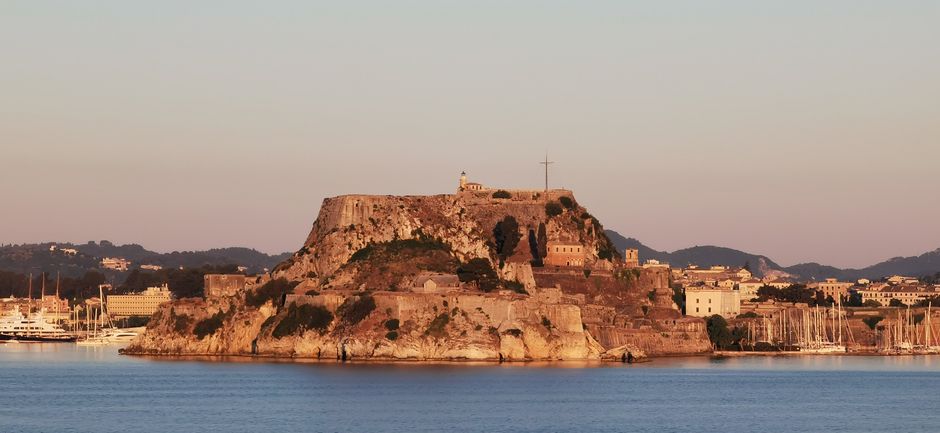
Durres Castle — Perched on a small peninsula, this Venetian fortress offers panoramic views of the entire bay. The castle has been rebuilt and expanded over the centuries, incorporating Roman, Byzantine, and Ottoman elements. Inside, you'll find the Ethnographic Museum, which showcases artifacts from the region's long history. The climb to the top is short but steep, and the reward is a 360-degree view of the city, the port, and the distant mountains. Entry is around 2-3 EUR, and it's a great spot for sunset photos.
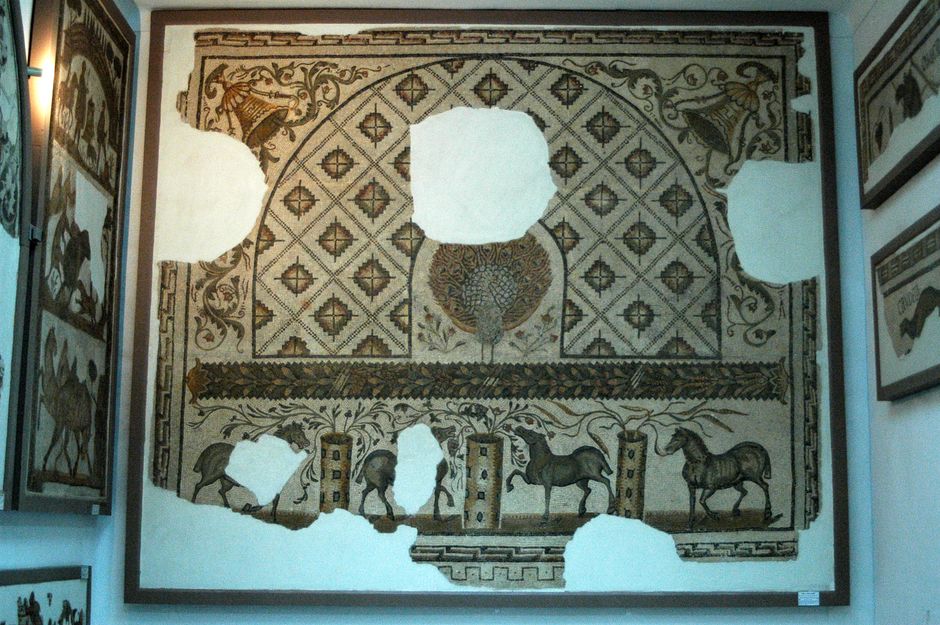
Archaeological Museum of Durres — Located near the amphitheatre, this museum houses an impressive collection of artifacts from the Illyrian, Roman, Byzantine, and Ottoman periods. Highlights include mosaics, pottery, statues, and jewelry. The museum is small but well-organized, offering a concise overview of the city's long and complex history. It's a perfect stop for history buffs, and the entry fee is a reasonable 3 EUR. The staff is knowledgeable and often happy to share stories about the exhibits.
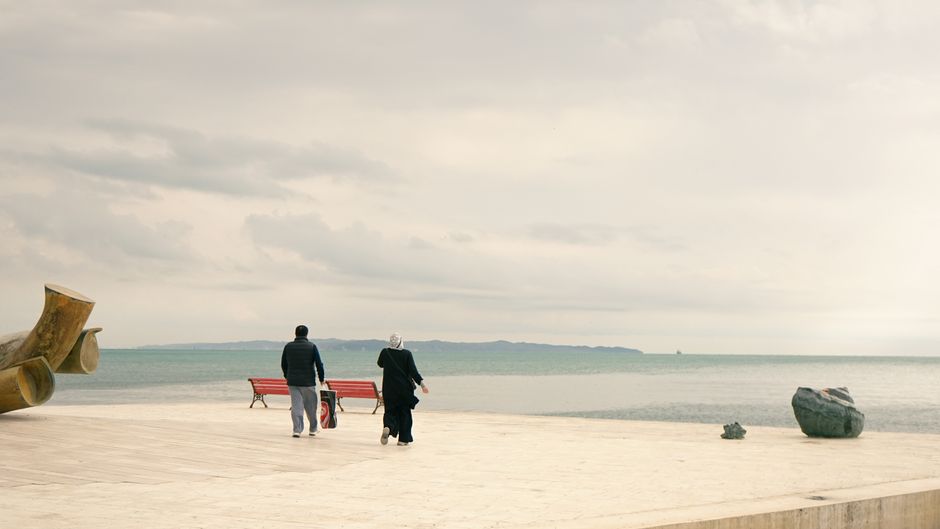
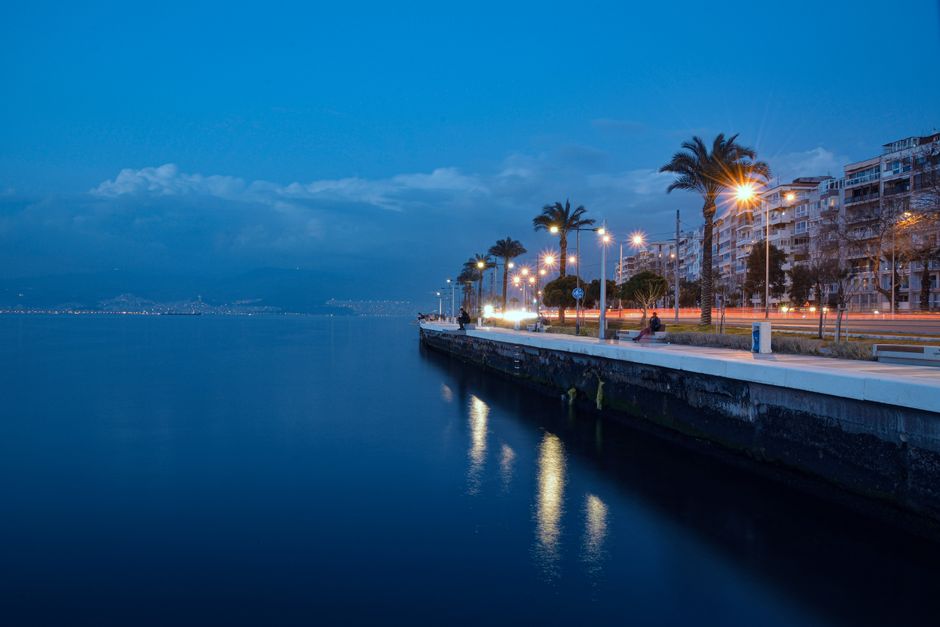
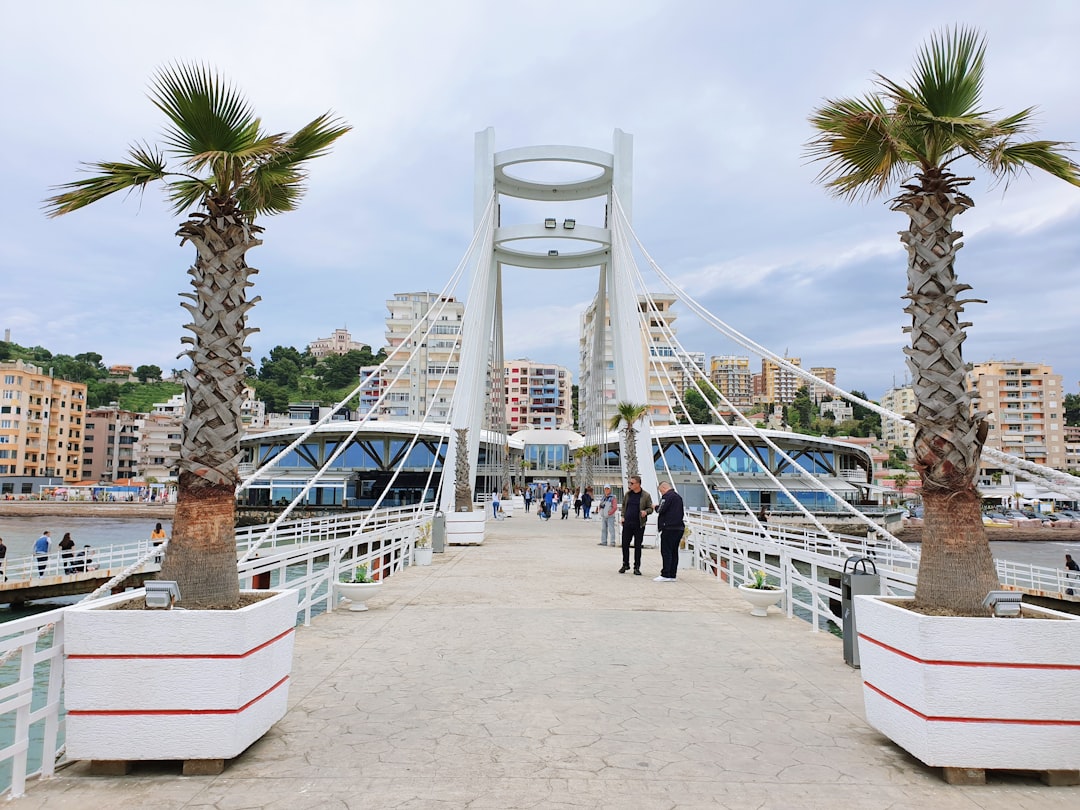
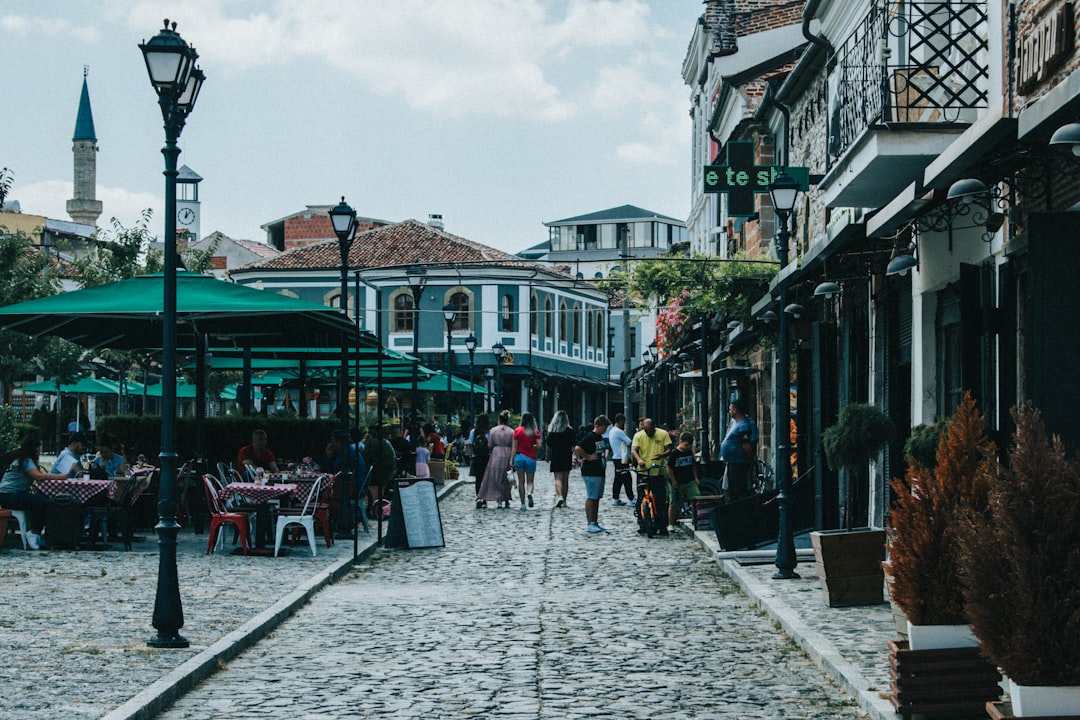
Durres Waterfront — The newly renovated waterfront promenade is the heart of modern Durres. Lined with cafes, restaurants, and shops, it's the perfect place to stroll in the evening. The boardwalk stretches along the beach, offering views of the port and the castle. At night, the area comes alive with music, laughter, and the clinking of glasses. It's a lively, social scene that captures the energy of the city. There's no entry fee, just the cost of a coffee or a beer.
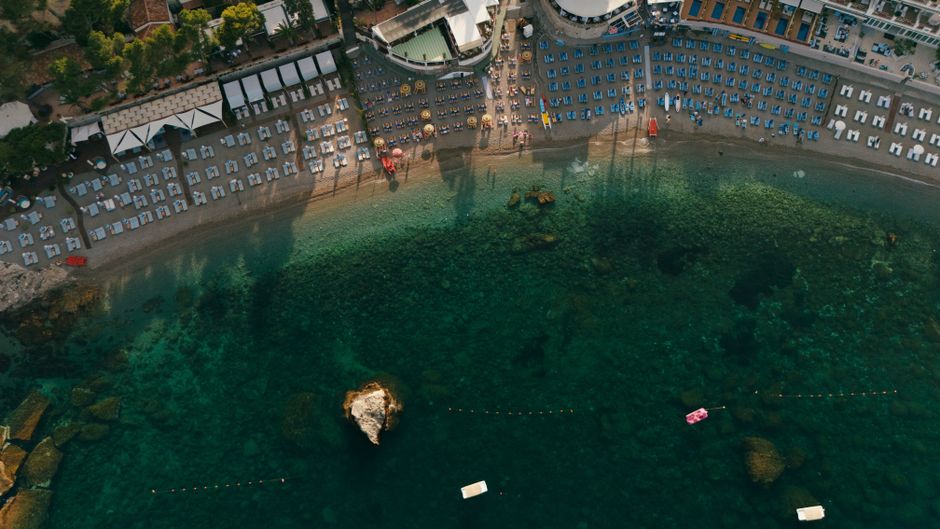
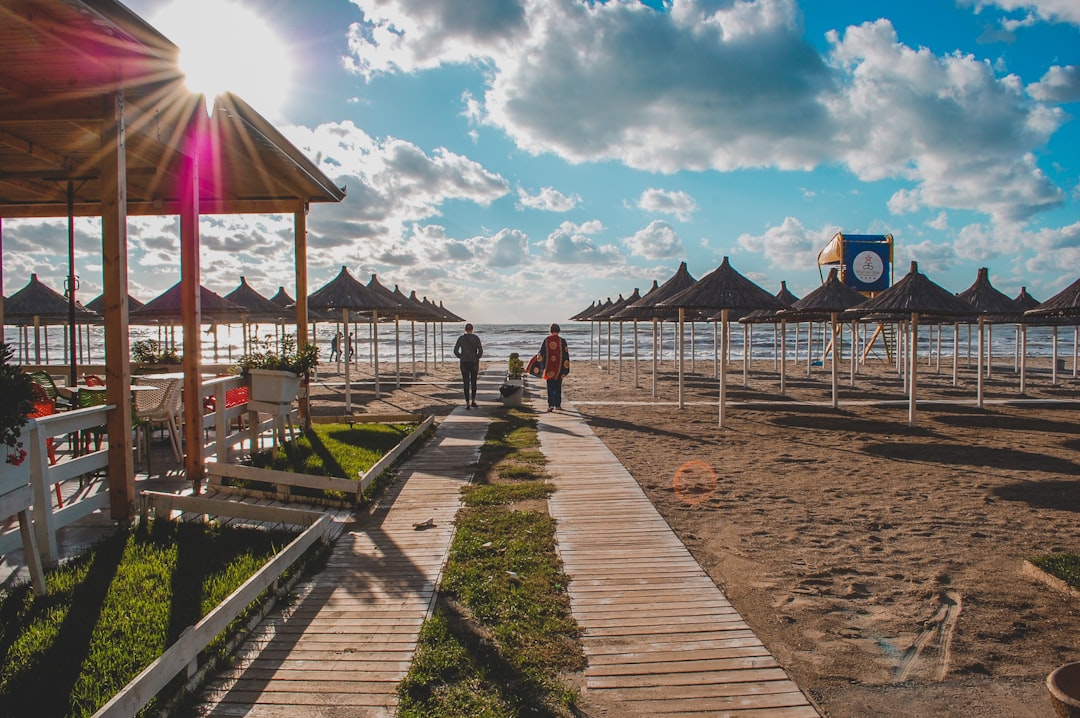
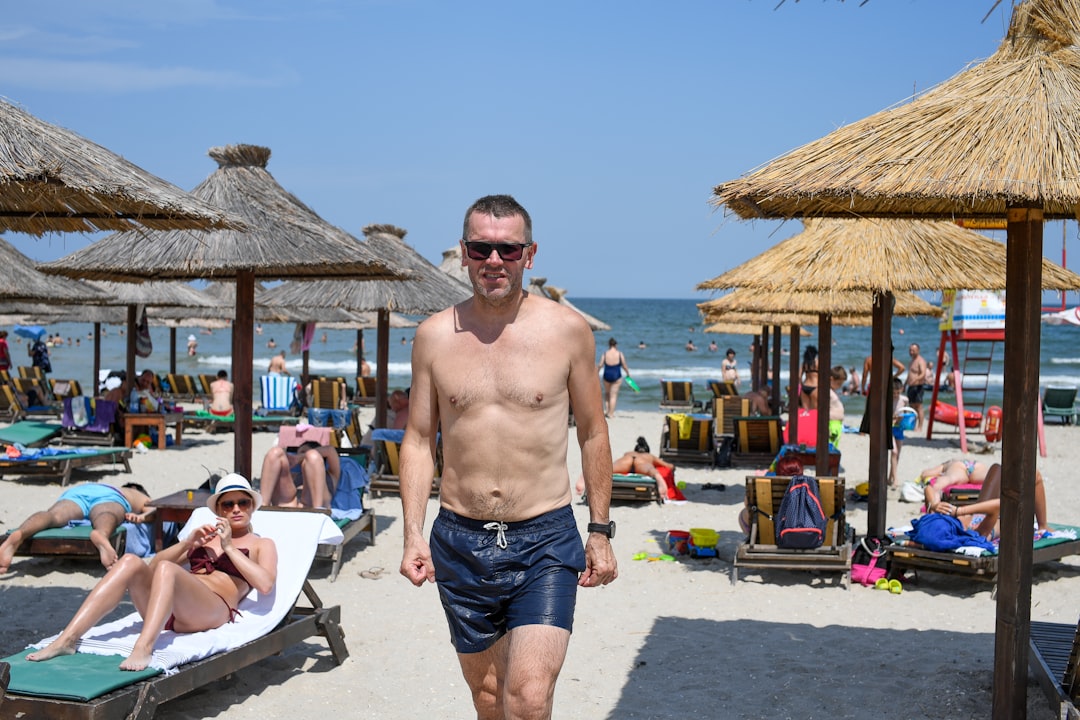
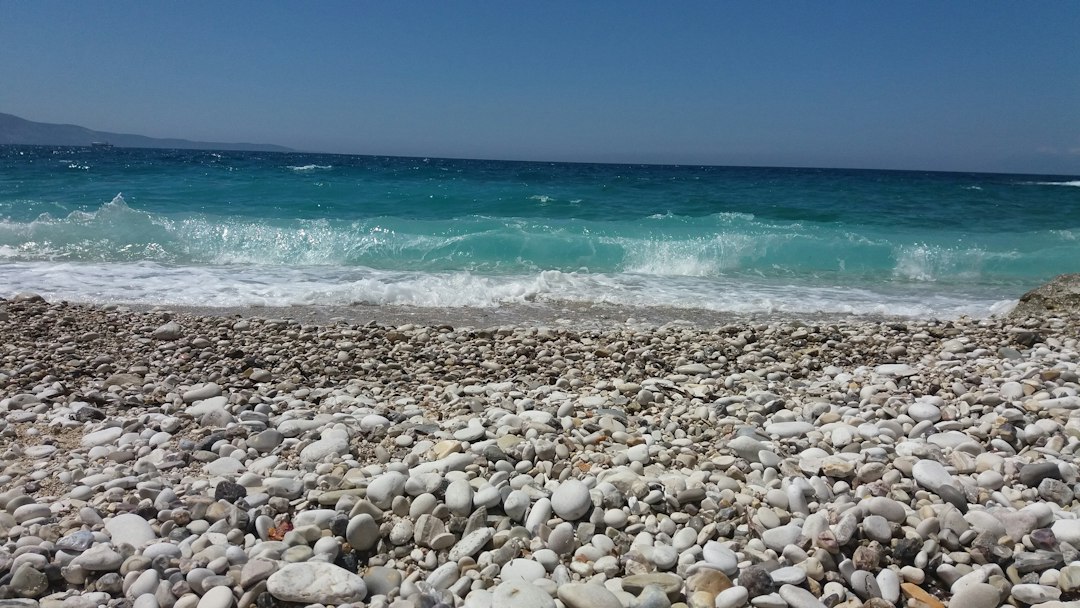
Shkumbin Beach — While Durres has several beaches, Shkumbin Beach is one of the most popular. It's a wide, sandy stretch with clear water and plenty of facilities, including sunbeds, umbrellas, and beach bars. The beach is well-maintained and offers a range of activities, from swimming to water sports. It's a great place to relax and soak up the sun, with prices for sunbeds starting at 5-10 EUR per day. The beach is easily accessible from the city center, making it a convenient option for tourists.
What to Eat & Drink
Food in Durres is a mix of traditional Albanian cuisine and Mediterranean influences. The city is famous for its seafood, which is fresh, affordable, and delicious. Here are some must-try dishes:
Fish Stew (Çorba e Peshkut) — A hearty soup made with fresh fish, tomatoes, onions, and herbs. It's a classic Albanian dish, perfect for a cold evening. Price: 4-6 EUR per serving.
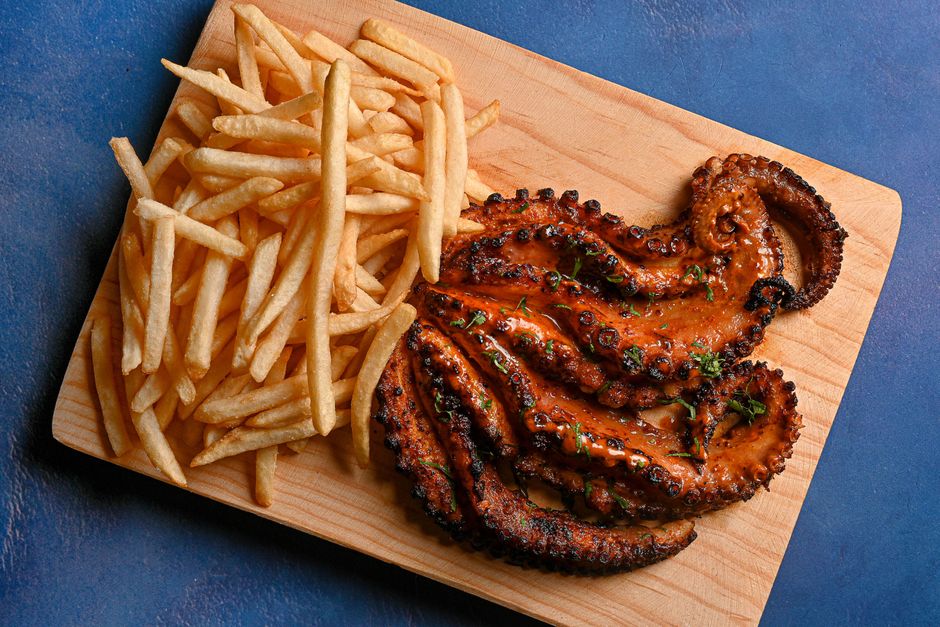
Grilled Octopus — Tender, charred octopus served with olive oil, lemon, and herbs. It's a simple dish that lets the quality of the seafood shine. Price: 8-12 EUR per portion.
Tavë Kosi — A traditional Albanian dish of lamb baked with yogurt and rice. It's creamy, savory, and incredibly comforting. Price: 5-7 EUR per serving.
Byrek — A flaky pastry filled with cheese, spinach, or meat. It's a popular street food, perfect for a quick snack. Price: 1-2 EUR per piece.
Budget travelers can eat well in Durres. Street food and take-away options are plentiful, with meals costing under 5 EUR. Sit-down local restaurants offer full meals for 8-15 EUR per person, while mid-range restaurants with sea views charge 15-25 EUR. The main food district is along the waterfront, where you'll find a mix of casual eateries and upscale restaurants. For budget travelers, the local markets offer fresh produce and ready-to-eat snacks at low prices.
Nightlife
Durres has a vibrant nightlife scene, centered around the waterfront and the beach clubs. The city comes alive after dark, with music pumping from bars and clubs, and people dancing on the sand. Here are some top spots:
Porta Nova — This is one of the largest beach clubs in Durres, located right on the sand. It features multiple bars, a dance floor, and live music. The atmosphere is energetic, with a mix of local and international visitors. Cover charge: 5-10 EUR, depending on the event. It's a great place to party until the early hours.
Blue Note — A stylish bar and lounge located on the waterfront. It offers a more relaxed vibe, with jazz and lounge music, cocktails, and a view of the sea. It's perfect for a pre-game drink or a late-night chat. Cover charge: None, but drinks are pricey, around 5-8 EUR per cocktail.
Albanian Night — This is a local club that focuses on Albanian music and culture. It's a fun, authentic experience, with traditional dances and live bands. Cover charge: 2-5 EUR. It's a great way to connect with locals and experience the true spirit of Albanian nightlife.
The nightlife in Durres is diverse, catering to different tastes and budgets. Whether you want to dance on the beach, sip cocktails by the sea, or dance to traditional music, there's something for everyone. The main district is along the waterfront, where the bars and clubs are concentrated. It's safe, lively, and unforgettable.
Getting There & What to Expect
Durres is easily accessible from Tirana International Airport "Nënë Tereza", which is just 30 kilometers away. The journey takes about 30-40 minutes by taxi or shuttle, costing around 10-15 EUR. There are also regular buses from Tirana to Durres, which take about 45 minutes and cost 2-3 EUR. If you're arriving by sea, Durres Port handles many cruise ships and ferries from Italy, making it a convenient entry point for travelers coming from the Adriatic.
Accommodation in Durres ranges from budget hostels to luxury hotels. A night in a budget hostel costs 15-25 EUR, while a mid-range hotel charges 40-70 EUR per night. Luxury hotels with sea views can cost 100-200 EUR or more. The best months to visit are June to September, when the weather is warm and the beaches are in full swing. However, July and August can be crowded, so if you prefer a quieter experience, consider visiting in May or October.
What to expect: Durres is a city in transition. It's busy, sometimes chaotic, but always energetic. The infrastructure is improving, but there are still signs of construction and development. The people are friendly and welcoming, and the food is excellent. It's not a polished destination, but it's authentic and exciting. If you're looking for a perfect, postcard-perfect vacation, you might be disappointed. But if you're looking for a real, living, breathing city that's on the move, Durres is the place to be.
Search accommodation in Durres on Booking.com →
The Concrete Pulse
I left Durres as the sun was rising, painting the sky in shades of orange and pink. The city was quiet for a moment, the night's energy fading into the morning light. But I knew it wouldn't last long. By noon, the streets would be filled with tourists, the beaches with sunbathers, and the bars with drinkers. Durres is a city that never really sleeps. It's a gateway, a threshold, a place where the old meets the new. It's not for everyone. It's too loud, too busy, too real for some. But for those who can handle the chaos, it offers a glimpse into the future of Albania. It's a place where history is written in stone, but the future is being built in concrete. And that, perhaps, is the most compelling story of all.
Comments