


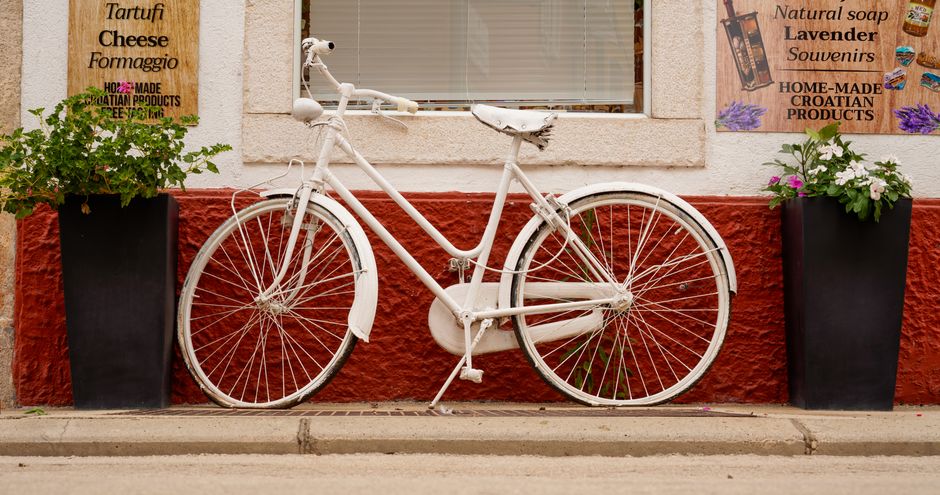
The air in Rijeka tastes like diesel, salt, and cheap espresso. I'm sitting on the back of a battered rental bike, chain already slipping, watching a local in a tracksuit pedal past me with the casual arrogance of someone who has conquered these hills since birth. My legs are already burning. This isn't the lazy, flat coast of Dalmatia where you can cycle from breakfast to sunset without breaking a sweat. This is Kvarner. This is the jagged, rocky, industrial-meets-alpine edge of Croatia where the Adriatic slams into the limestone spine of the continent. I came here to ride the coast, to find the quiet stretches before the summer crowds turn everything into a parking lot. Instead, I found a landscape that fights back, rewarding every grimace with a view that makes you forget why you started in the first place.
There is a myth that cycling in Croatia is just about the Dubrovnik walls or the Split promenade. Those are postcards. The Kvarner Riviera is the real deal. It's a region of sharp contrasts: heavy industry in Rijeka, medieval silence in Cres, and the wild, windswept beaches of Istra. The roads here are narrow, winding, and often empty until August, when the Germans and Italians flood the highways. If you time it right, you have the whole coastline to yourself. The bike is just a tool; the terrain is the story.
The Iron Coast: Rijeka to Opatija
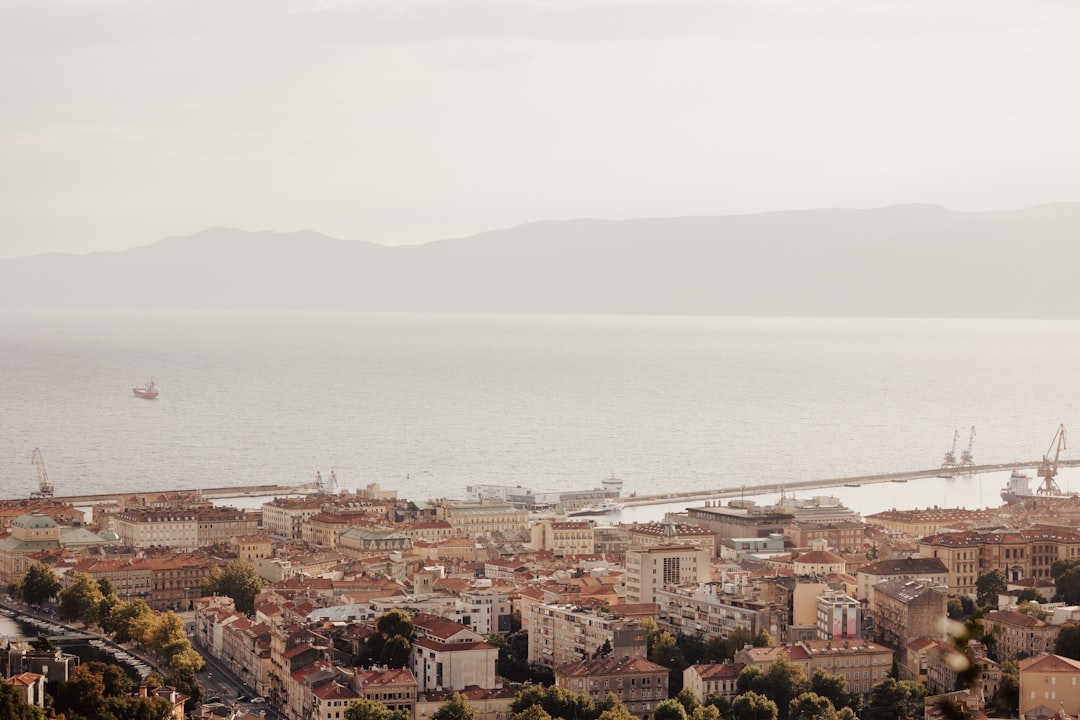
The ride begins in Rijeka, a city that refuses to apologize for its gritty past. Once the largest port in the Austro-Hungarian Empire, it's now a post-industrial hub with a surprising amount of soul. The coastal road out of the city is a brutal test. You're climbing immediately, with the massive Učka mountain looming overhead like a dark, forested fortress. The air is thick with the smell of the harbor, but as you push past the industrial zones, the landscape transforms. You hit Kraljevica, a sleepy town that feels like it's been paused in time. The road here is straight, almost eerily so, flanked by pine forests on one side and the deep blue of the Kvarner Gulf on the right.
As you continue toward Opatija, the vibe shifts dramatically. The grit vanishes, replaced by the manicured elegance of the Austrian era. Opatija is the Riviera of the north, a place where 19th-century aristocrats built villas to escape the winter. The Inglesische Promenade is a cyclist's dream: a flat, paved path lined with century-old trees, offering uninterrupted views of Montenegro across the water on clear days. It's easy riding, almost too easy, which is a trap. The flatness lulls you into complacency before the real climbs begin inland. The architecture here is a mix of Art Nouveau and Neo-Baroque, a stark contrast to the brutalist concrete of Rijeka just an hour away. It's a reminder of how much history is packed into these few kilometers.
The Island Hop: Cres and Lošinj
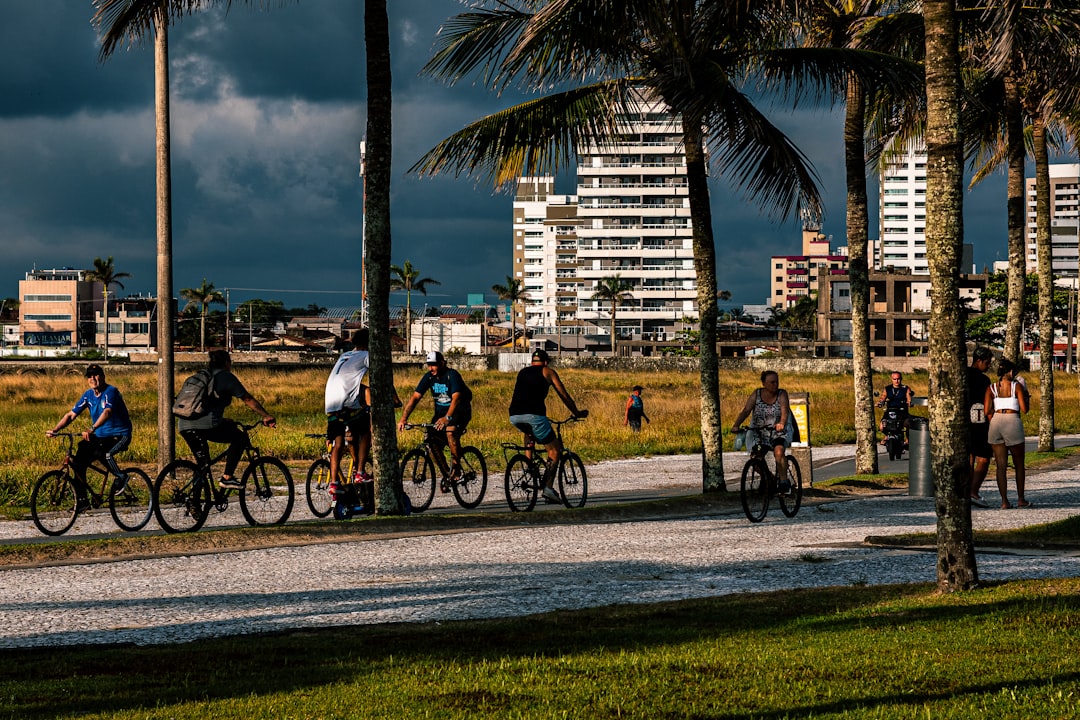
Leaving the mainland for Cres feels like stepping into another century. The ferry from Rijeka is a chaotic affair of buses, cars, and cyclists all crammed into the hold, but once you're on the island, the noise stops. Cres is long, narrow, and deeply indented with inlets. The road from Punat to Cres Town is a masterpiece of engineering and landscape. You climb steeply out of the port, then descend into a valley that feels impossibly green. The island is a paradox: it's arid in summer, yet the forests are dense, and the lakes are full. Vrana Lake, the largest natural lake in Croatia, dominates the southern end. The road circles it, offering views of the water that look like a mirror. It's a technical ride, with sharp turns and occasional potholes, but the scenery makes every bump worth it.
From Cres, you can take a smaller ferry to Lošinj, an island known for its healing air and pine forests. The road here is even quieter. There are few tourists, mostly locals and a handful of serious cyclists who know the secret. The climbs are steep, but short. The descents are fast and dangerous, with gravel on the edges. You're riding through olive groves and vineyards, past stone houses that have stood for centuries. The sense of isolation is profound. You might go an hour without seeing another car. It's the kind of ride that forces you to listen to your own breathing, to the click of the chain, to the wind in the trees. It's meditative, in a raw, unpolished way.
The Istra Peninsula: Hills and Vineyards
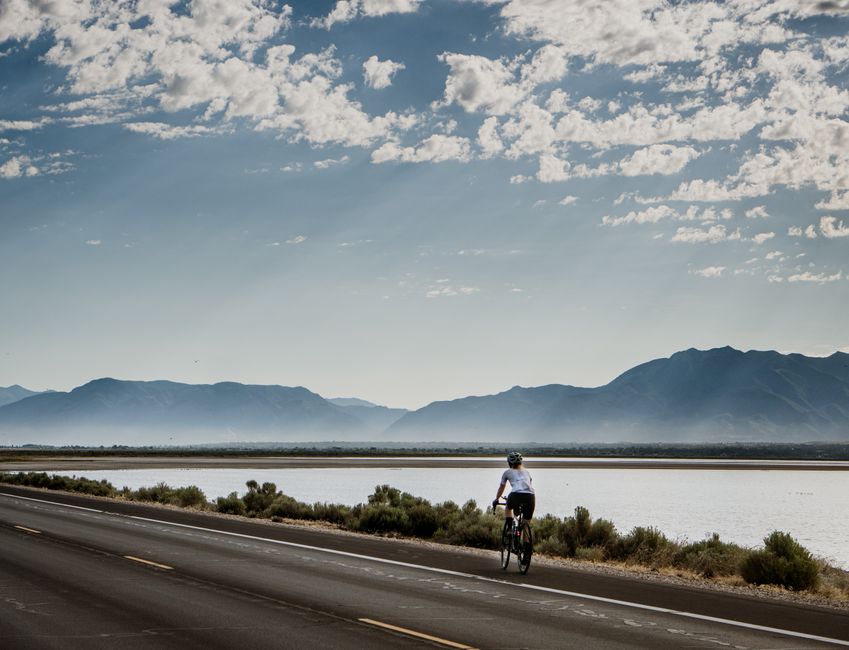
Crossing back to the mainland, the route heads north into Istra. This is a different beast entirely. Istra is hilly, dotted with medieval towns, and covered in vineyards. The roads are wider here, but the traffic is heavier. You're sharing the tarmac with rental cars, tour buses, and delivery trucks. It requires focus. The climb out of Pula is relentless. You're pushing up through olive groves, the sun beating down, the air dry and hot. But the reward is Pula Arena, the best-preserved Roman amphitheater in the Balkans. It stands there, massive and imposing, a reminder of the empire that once ruled these shores. It's a surreal sight, especially when you're sweating and exhausted. You sit on the steps, drinking water, watching the tourists take selfies, and you feel a strange kinship with the gladiators who once fought here. They were tired too.
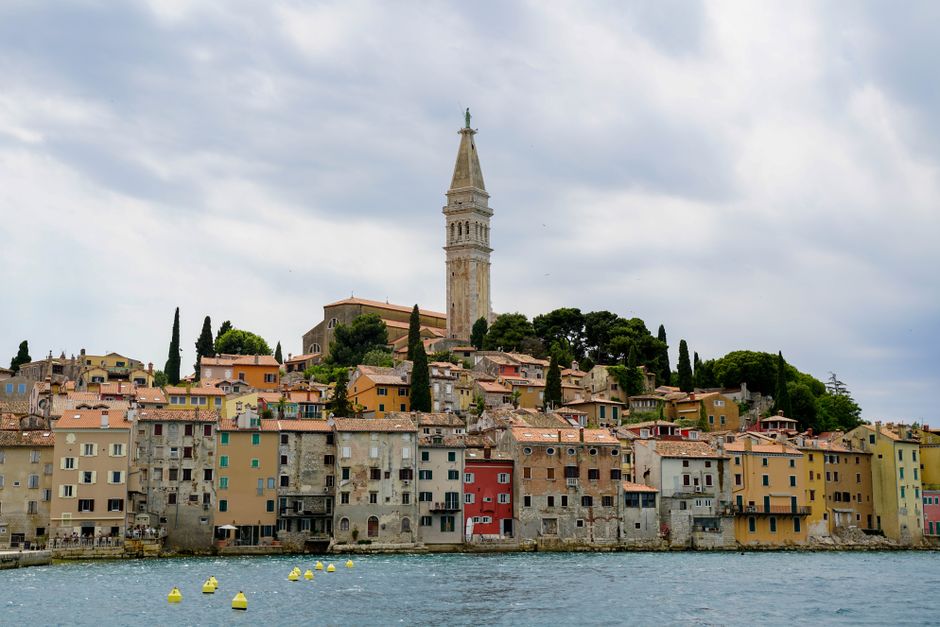
Further north, the landscape opens up. The hills become gentler, the fields wider. You pass through Rovinj, a town that looks like a Venetian painting come to life. The narrow streets are closed to traffic, so you have to carry your bike, which is a hassle, but worth it for the view from the top. The St. Euphemia Tower offers a 360-degree panorama of the Istrian coast. It's crowded, yes, but the view is undeniable. The water is turquoise, the islands are scattered like emeralds, and the air is cool. It's a moment of pure clarity, a pause in the grind. You realize why people keep coming back to this place. It's not just the beauty; it's the feeling of being alive, of being present, of being exactly where you need to be.
On the Ground: Routes & Logistics
The Kvarner coast isn't a single route; it's a network. The most popular loop starts in Rijeka, goes to Opatija, then loops back via Mali Lošinj or Cres. For a longer challenge, add Istra. The Rijeka to Pula leg is about 100 km, with significant elevation gain. Expect 1,500 meters of climbing. It's not for beginners. You need a bike with good gears and brakes. The roads are generally in good condition, but watch for potholes in the summer heat, which can warp the asphalt. The best time to ride is May or September. June and July are hot and crowded. August is a nightmare of traffic and tourists. April can be rainy. Timing is everything.
Accommodation is plentiful but varies wildly. In Rijeka, you can find budget hostels for 15-25 EUR per night. In Opatija, prices jump to 50-80 EUR for a mid-range hotel. On the islands, Cres and Lošinj, there are family-run guesthouses that offer breakfast for 10-15 EUR. Food is cheap and delicious. A pršut (dry-cured ham) sandwich costs 3-5 EUR. A fresh fish meal in a local tavern is 10-15 EUR. Don't skimp on the food; it's fuel. And the wine. Istrian wine is excellent and cheap. A glass of Malvazija is 2-4 EUR. It's the perfect post-ride reward.
Getting There & What to Expect
Getting to Rijeka is straightforward. Rijeka Airport has limited connections, mostly to Vienna and Munich. Most cyclists fly into Zagreb and take the bus or train south. The bus from Zagreb to Rijeka takes about 2 hours and costs 10-15 EUR. The train is slower but scenic. Once you're in Rijeka, bike rentals are available in the city center and in Opatija. A decent hybrid bike costs 20-30 EUR per day. A high-end road bike is 50-70 EUR. Book in advance for July and August. The roads are well-signposted, but a GPS or a good map is essential. The ferry to Cres and Lošinj runs regularly, but check the schedule. It changes in the off-season. The ride is challenging, but the reward is immense. You'll see parts of Croatia that most tourists never do. You'll sweat, you'll struggle, and you'll love every minute of it.
Search accommodation in Rijeka on Booking.com →
The Final Climb
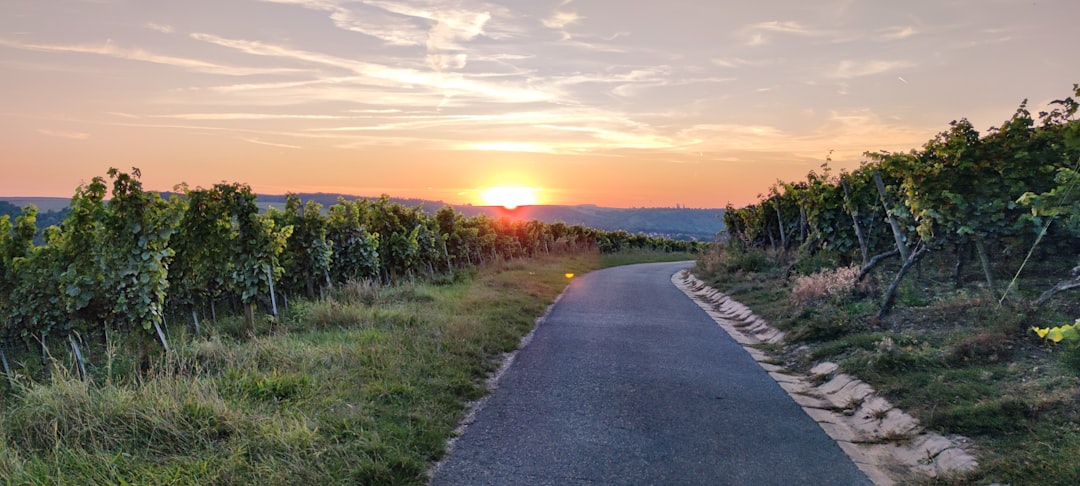
There is a moment, near the end of the ride, when the sun is setting and the road is empty. You're alone with your thoughts, with the rhythm of your pedals, with the wind in your face. The Kvarner coast stretches out before you, wild and beautiful and indifferent to your presence. It doesn't care if you're tired. It doesn't care if you're fast. It just is. And in that moment, you understand why you came. Not for the views, not for the food, not for the history. But for this. For the raw, unfiltered experience of being alive. The bike is just a tool. The road is just a path. The ride is the point. And it's enough.
Comments