


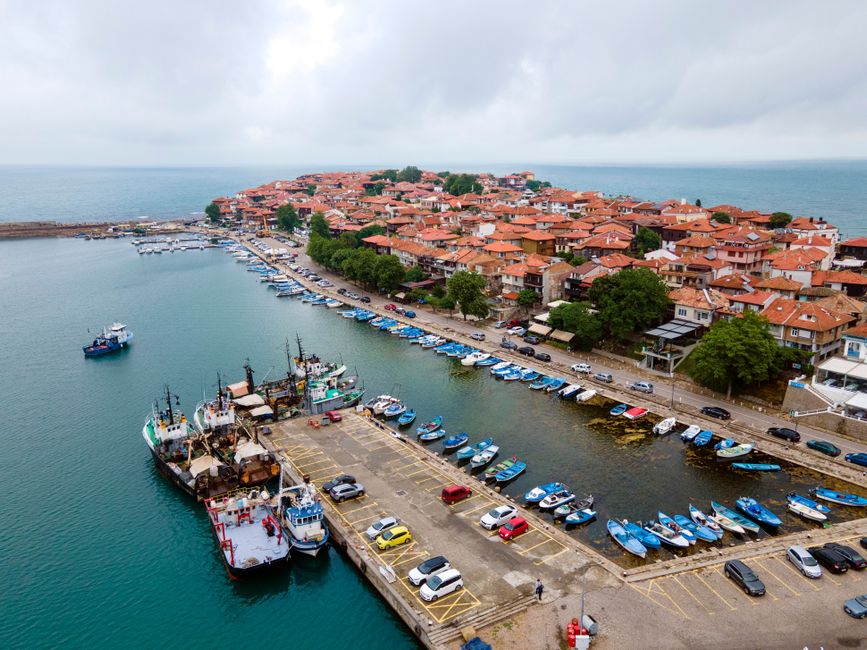
The salt spray here tastes like rust and cheap cigarettes. I am standing on the edge of the Golden Sands promenade, watching a group of teenagers in oversized hoodies kick a deflated soccer ball toward a crumbling concrete slab that used to be a Soviet-era bathhouse. The sun is setting over the Black Sea, turning the water into a bruised purple, and the air is thick with the scent of grilled mackerel and diesel fumes from the fishing boats bobbing in the harbor. This isn't the polished, Instagram-ready coastline of the Mediterranean. This is Bulgaria's Black Sea coast, where the architecture screams of a vanished empire, and the boardwalks are a chaotic mix of luxury resorts and decaying socialist realism. I came here to find the ghosts of the USSR, but I found something more alive: a coastline that refuses to be tamed.
Walking along the Varna Sea Garden, I feel the weight of history under my feet. The pavement is cracked, the benches are bolted down with welded steel, and the statues of long-forgotten heroes are covered in graffiti. Yet, there is a strange beauty in the decay. The brutalist hotels rise like fortresses against the sky, their concrete facades stained by decades of sea salt and neglect. This is not a place for passive tourism. It is a place for active exploration, for getting lost in the maze of boardwalks and discovering the hidden corners of a coastline that has seen empires rise and fall.
History & Identity
The Black Sea coast of Bulgaria has always been a crossroads of cultures, from the Thracians to the Romans, from the Ottomans to the Soviets. But it was during the communist era, from 1944 to 1989, that the coastline was transformed into a showcase of socialist modernity. The state invested heavily in tourism, building massive concrete hotels and sprawling boardwalks to accommodate the influx of workers on holiday. These structures were designed to be monumental, to impress visitors with the might of the socialist state. Today, they stand as stark reminders of a bygone era, their grandeur faded but their presence undeniable.
The identity of the coast is deeply tied to this Soviet heritage. The architecture is not just a backdrop; it is a character in the story of the region. The brutalist hotels, with their blocky forms and repetitive windows, create a unique visual landscape that is unlike anywhere else in Europe. The boardwalks, lined with palm trees and concrete benches, offer a stark contrast to the wild, untamed nature of the Black Sea. This juxtaposition is what makes the coast so compelling. It is a place where the past and present collide, where the ghosts of socialism walk hand in hand with the tourists of the 21st century.
Yet, the coast is not just a museum of decay. It is a living, breathing place, full of life and energy. The locals are proud of their heritage, and they are quick to share their stories with visitors. They talk about the days when the hotels were full, when the boardwalks were bustling with people, when the coast was a symbol of progress and modernity. They also talk about the hardships of the transition period, when the hotels fell into disrepair and the boardwalks were left to the elements. But they also talk about the future, about the potential for renewal and regeneration. They believe that the coast has a unique charm, a character that cannot be replicated elsewhere. And they are right.
Where to Go
Varna Sea Garden — The heart of Varna's promenade, this park is a maze of concrete sculptures, old-fashioned fountains, and brutalist pavilions. The centerpiece is the Fontana, a large fountain complex that has been renovated but still retains its socialist-era charm. Walk along the paths to see the remnants of old pavilions and the imposing Hotel Slavyanka in the background. Entry is free, but the best views are at dusk when the lights reflect off the water.
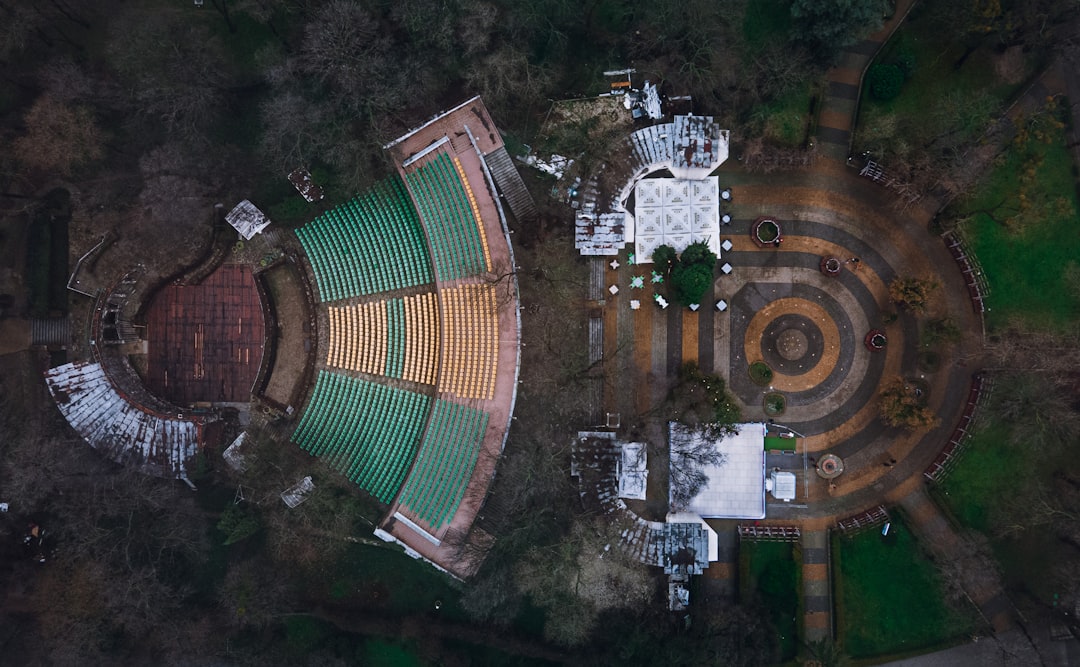
The Grand Hotel Complex in Albena — Located in Albena, this complex is a masterpiece of socialist modernism. The buildings are arranged in a geometric pattern, with long corridors and repetitive windows that create a hypnotic effect. The complex is still operational, but many of the buildings are in a state of disrepair. It is a hauntingly beautiful place, where the past is preserved in concrete. Entry to the complex is free, but access to some areas may be restricted.
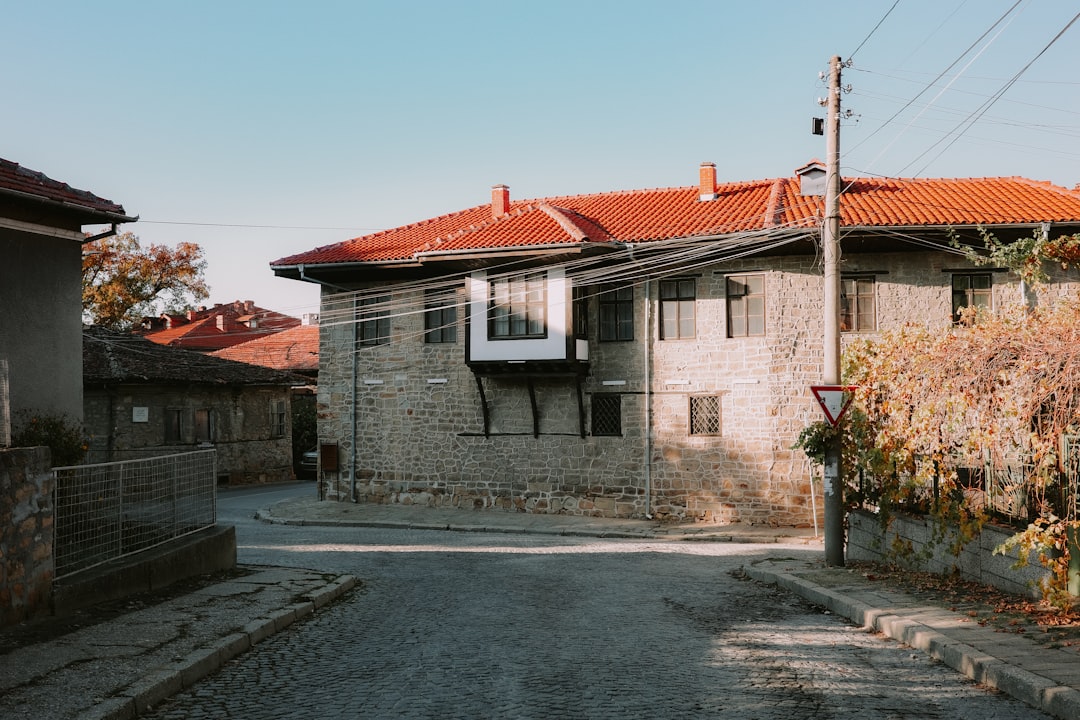
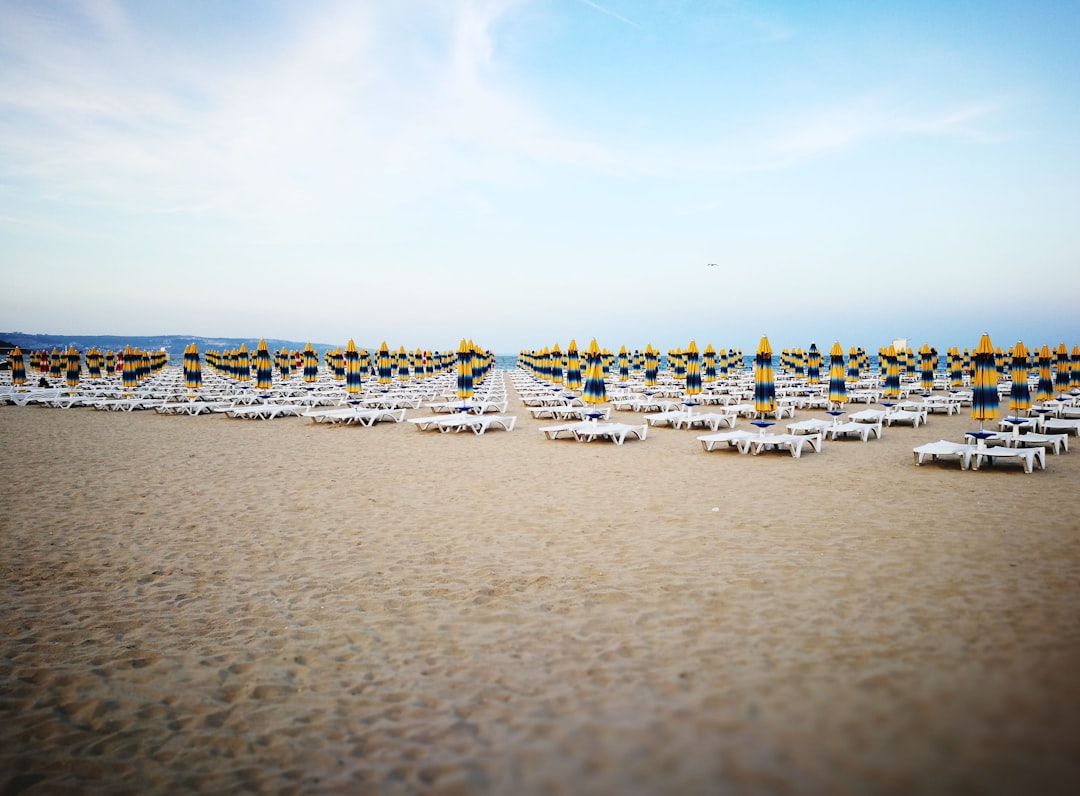
The Boardwalk of Golden Sands — This long, concrete promenade stretches along the Golden Sands resort, lined with palm trees and concrete benches. It is a place of contrasts, where luxury resorts sit next to decaying Soviet-era structures. Walk along the boardwalk to see the Fortress of the Golden Sands, a medieval fortress that has been incorporated into the resort. Entry to the fortress is 3-5 EUR, and the view from the top is worth the climb.
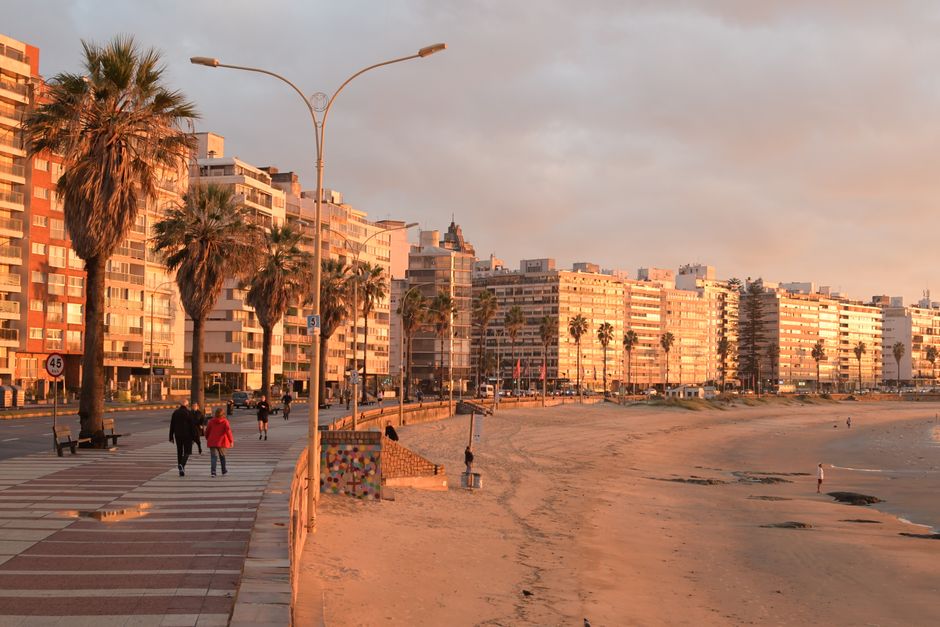
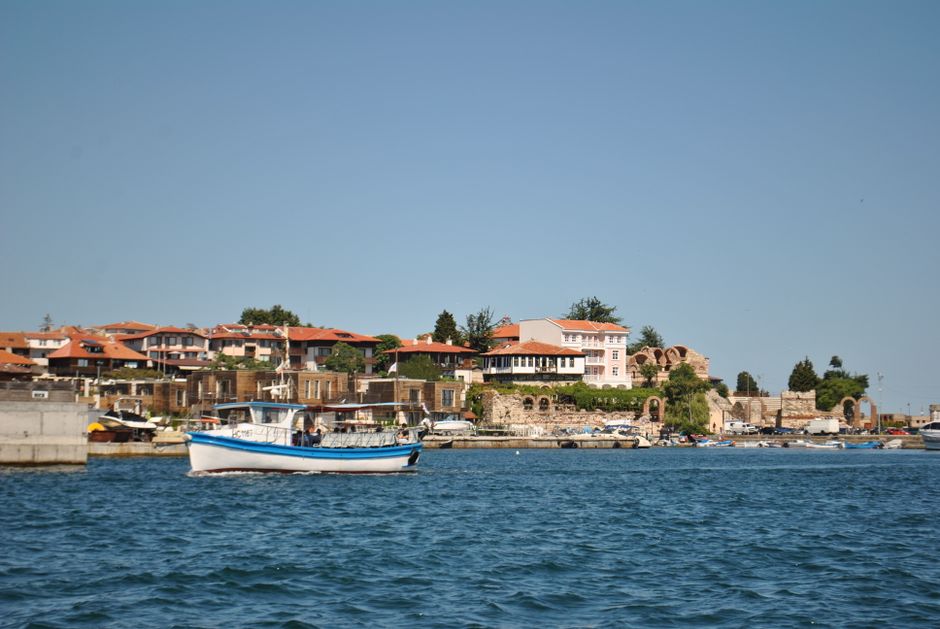
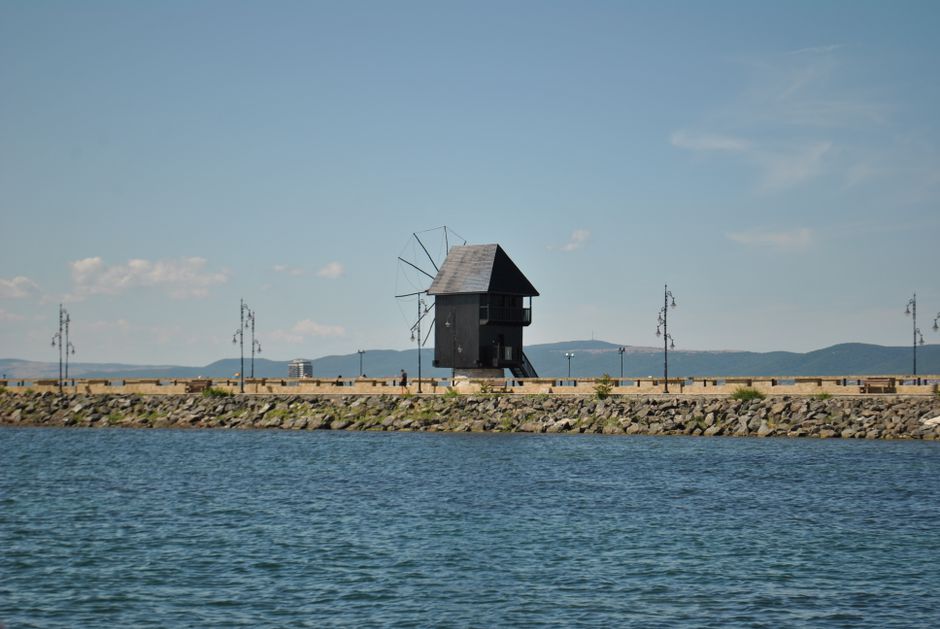
The Old Town of Nessebar — A UNESCO World Heritage site, Nessebar is a treasure trove of history. The old town is a maze of narrow streets and ancient churches, but it is also home to several brutalist buildings from the socialist era. The Nessebar Hotel is a prime example, with its blocky form and repetitive windows. Walk through the old town to see the contrast between the ancient and the modern. Entry to the old town is free, but there are entry fees for some of the museums and churches.
The Black Sea Boulevard in Burgas — This long, concrete promenade in Burgas is a place of leisure and relaxation. It is lined with cafes, restaurants, and bars, and offers stunning views of the Black Sea. The boulevard is also home to several brutalist buildings, including the Burgas Hotel, which is a landmark of the city. Walk along the boulevard to see the St. Ivan Rilski Cathedral, a modern Orthodox cathedral that contrasts with the socialist-era architecture. Entry to the cathedral is free.
What to Eat & Drink
The food on the Bulgarian Black Sea coast is a mix of traditional Bulgarian cuisine and seafood specialties. Here are some must-try dishes:
Skamaritsa — A traditional Bulgarian dish made from pig's head, cooked in a slow oven. It is typically served with bread and a cold beer. Price: 8-12 EUR per serving.
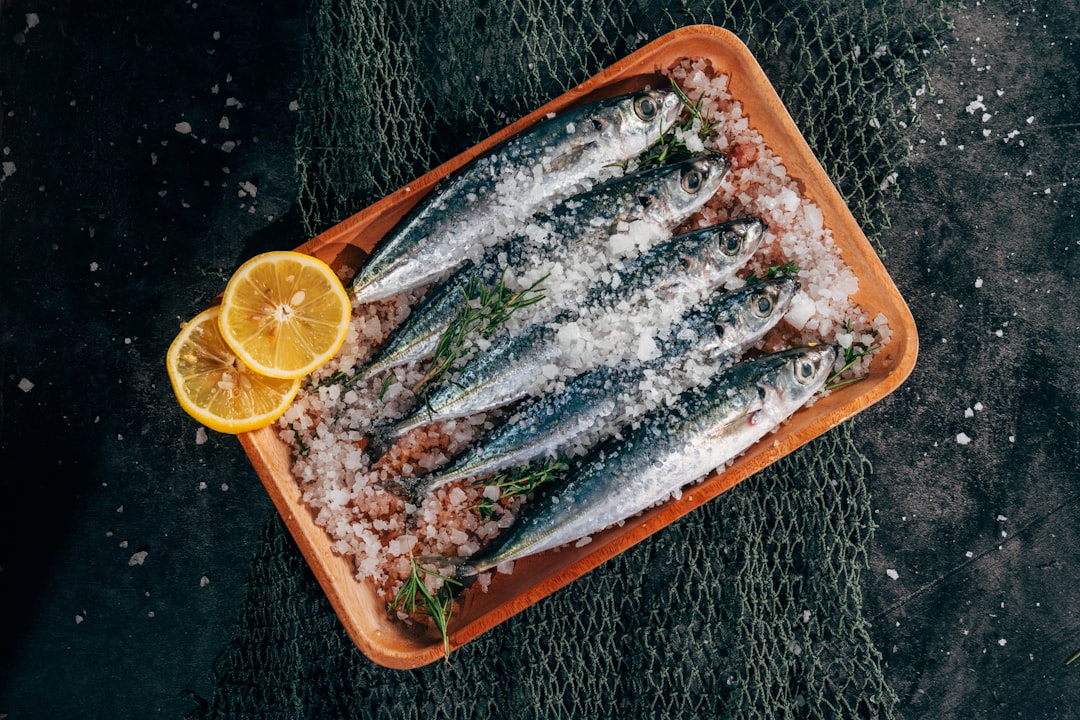
Fresh Grilled Fish — The Black Sea is rich in fish, and you can find fresh grilled fish at many restaurants along the coast. Try the mackerel or the sea bass, grilled with lemon and herbs. Price: 10-15 EUR per serving.
Shop Salad — A refreshing salad made from tomatoes, cucumbers, onions, and sirene cheese. It is a perfect accompaniment to grilled meat or fish. Price: 3-5 EUR per serving.
Kebapa — A traditional Bulgarian sausage, grilled and served with bread and salad. It is a popular street food, and you can find it at many stalls along the boardwalks. Price: 2-4 EUR per serving.
Rakia — A strong fruit brandy, typically made from grapes or plums. It is a popular drink in Bulgaria, and you can find it at many bars and restaurants. Price: 2-5 EUR per shot.
For budget travelers, street food and take-away options are abundant. You can find kebapa and other grilled meats at stalls along the boardwalks for under 5 EUR per meal. For a sit-down meal at a local restaurant, expect to pay 8-15 EUR per person. Mid-range restaurants, with a wider selection of dishes and a more comfortable atmosphere, cost 15-25 EUR per person.
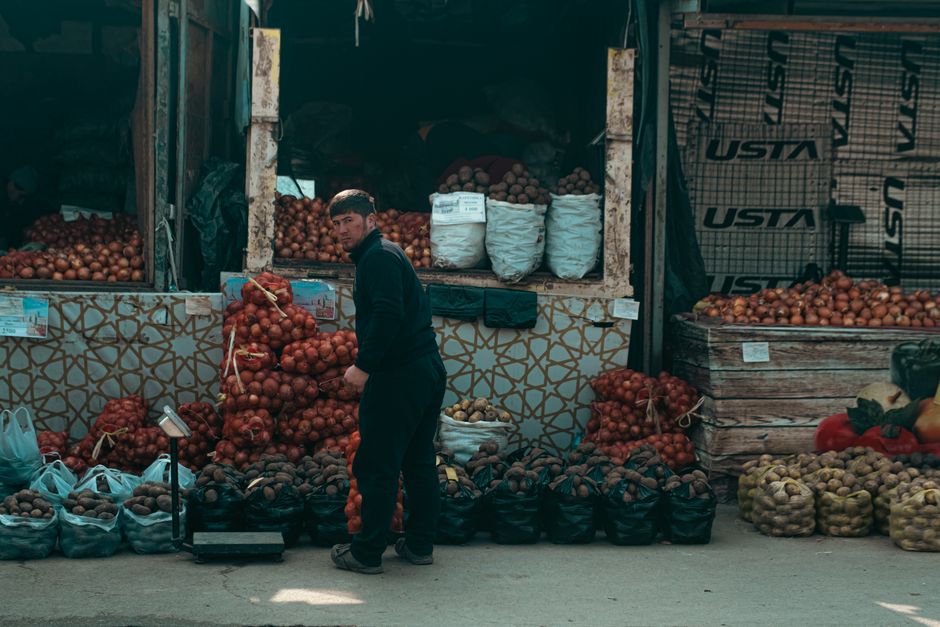
The main food streets and markets are located in the old towns of Varna and Nessebar. In Varna, the Central Market is a great place to find fresh produce and local specialties. In Nessebar, the Old Town Market offers a variety of seafood and traditional Bulgarian dishes.
Nightlife
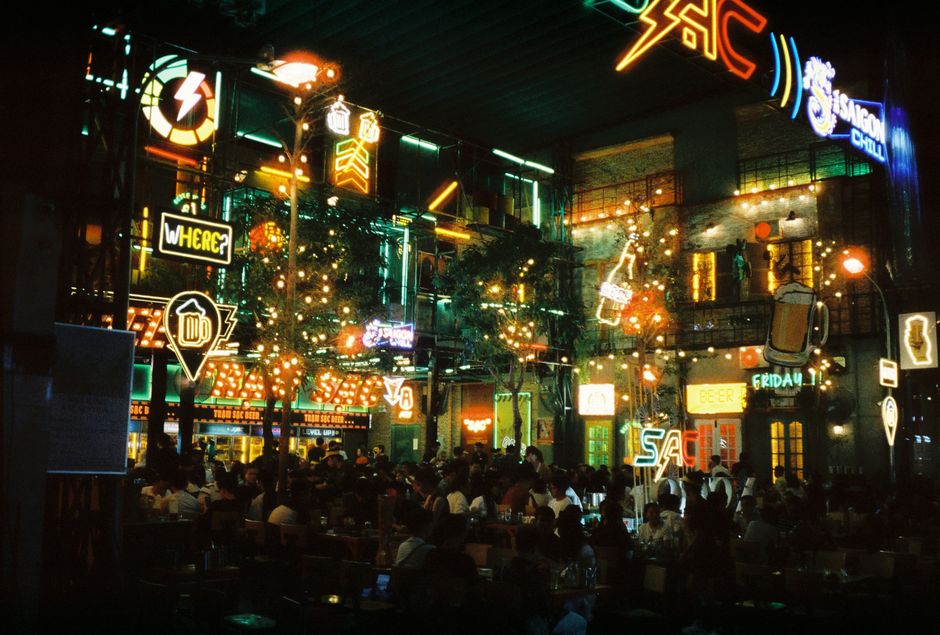
The nightlife on the Bulgarian Black Sea coast is vibrant and diverse. Here are some of the main bar and club districts:
Varna's Sea Garden — The area around the Sea Garden is home to many bars and clubs, with a mix of live music and DJs. The atmosphere is lively and energetic, with people of all ages enjoying the night. Cover charges are typically 5-10 EUR, and drinks are reasonably priced.
Golden Sands' Club District — The Golden Sands resort has a dedicated club district, with many large clubs and bars. The music is predominantly electronic, with international DJs playing at the major venues. Cover charges are higher here, typically 10-20 EUR, and drinks are more expensive.
Burgas' Boulevard — The Black Sea Boulevard in Burgas is lined with bars and restaurants, with a more relaxed atmosphere than the other resorts. The music is a mix of live bands and DJs, and the crowd is more local. Cover charges are low or non-existent, and drinks are affordable.
Getting There & What to Expect
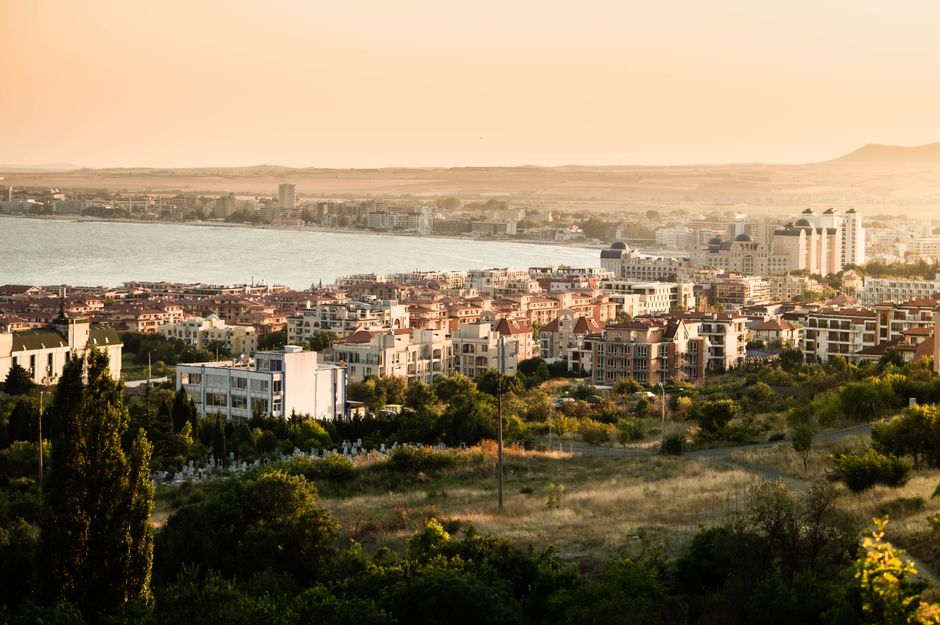
The nearest major airport is Varna Airport, which has connections to major European cities. From Varna, you can take a bus or train to other resorts along the coast. Buses are frequent and cheap, costing 5-10 EUR per ticket. Trains are also available, but they are slower and less comfortable. If you are driving, the coastal road is scenic but can be congested during the summer months.
Accommodation prices vary depending on the season and the location. Budget hostels and guesthouses cost 20-40 EUR per night, while mid-range hotels cost 50-100 EUR per night. Luxury hotels and resorts can cost 150-300 EUR or more per night. It is best to book in advance, especially during the peak season (July and August).
The best months to visit are June and September, when the weather is warm but not too hot, and the crowds are smaller. The water is still warm enough for swimming, and the prices are lower than in the peak season.
Search accommodation in Varna on Booking.com →
The Concrete Ghosts Don't Sleep
I leave the coast at dawn, the sky turning a pale grey over the Black Sea. The boardwalks are empty, the cafes are closed, and the only sound is the crash of the waves against the concrete sea wall. I walk past the brutalist hotels, their windows dark and empty, and I feel a sense of melancholy. These buildings are ghosts of a vanished era, but they are also a testament to the resilience of the human spirit. They have survived the collapse of socialism, the transition to capitalism, and the ravages of time. They are still here, standing tall against the wind and the waves.
I think about the people who built these hotels, who walked these boardwalks, who lived in this place. They believed in a future that never came to pass, but they left behind a legacy that is still visible today. The concrete palaces of the Black Sea coast are not just buildings; they are symbols of a dream that was lost, but also of a reality that endures. And as I walk away, I know that I will return. Because this place, with its decay and its beauty, its ghosts and its living people, is a place that refuses to be forgotten.
Comments