


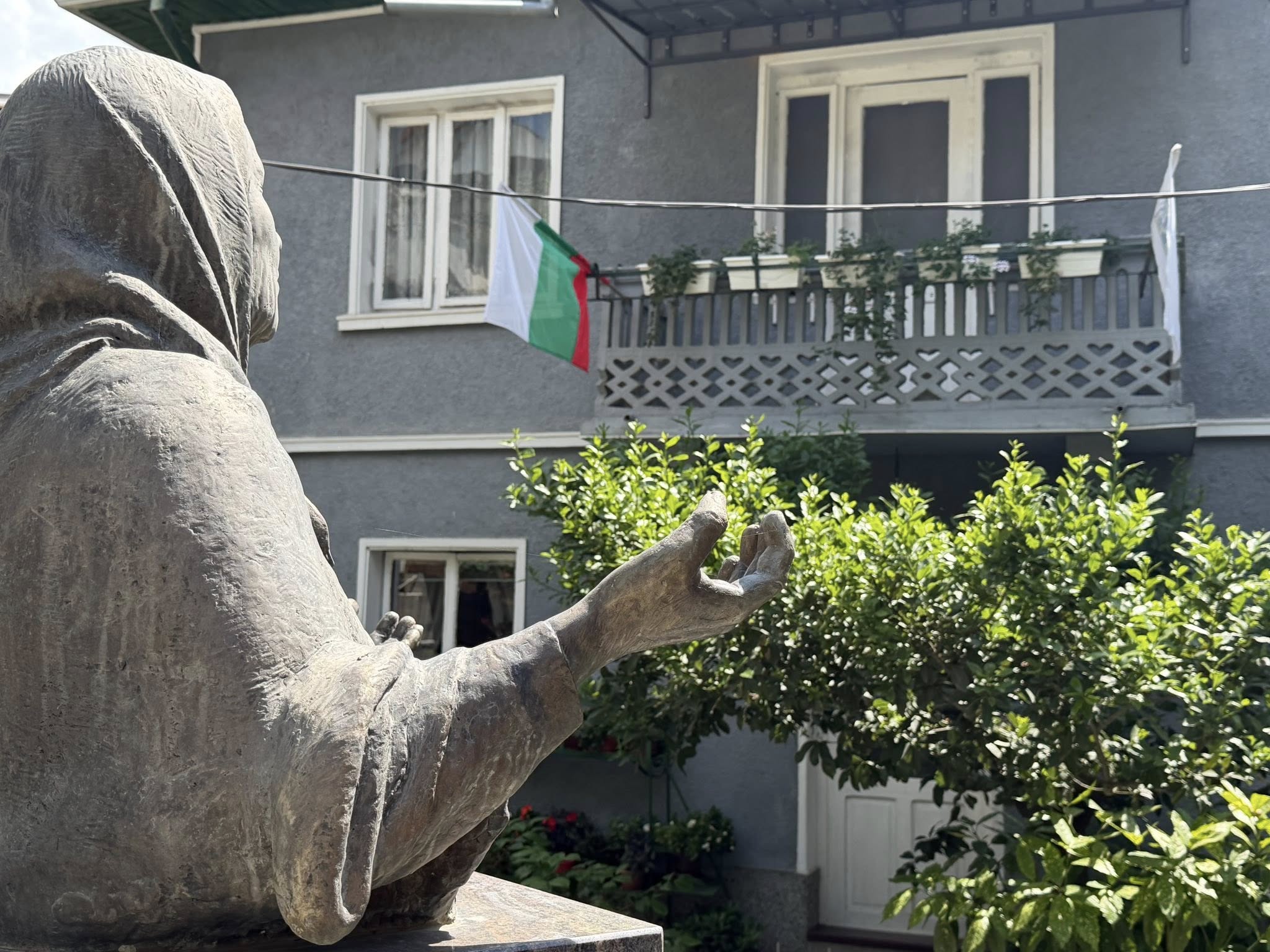
A Timeless Destination in Southern Bulgaria
The house museum of the renowned prophetess Vanga in Petrich remains a powerful magnet for international tourism. Nearly three decades after her passing, interest in the site has not waned. Instead, it is evolving. Tour guide Svetlana Dzhekova notes a distinct trend: visitors from Greece are increasingly discovering the museum, adding a new layer to the site's cross-border appeal.
Travelers from various nations continue to make the journey to southwestern Bulgaria to connect with the place where Vanga lived. Many describe the atmosphere as unique and deeply affecting. While stories about the prophetess are widespread, experiencing the physical space offers a different kind of impact. From the moment visitors enter the courtyard, a sense of calm prevails, befitting a home that preserved the memory of one of the most discussed figures in Bulgarian history.
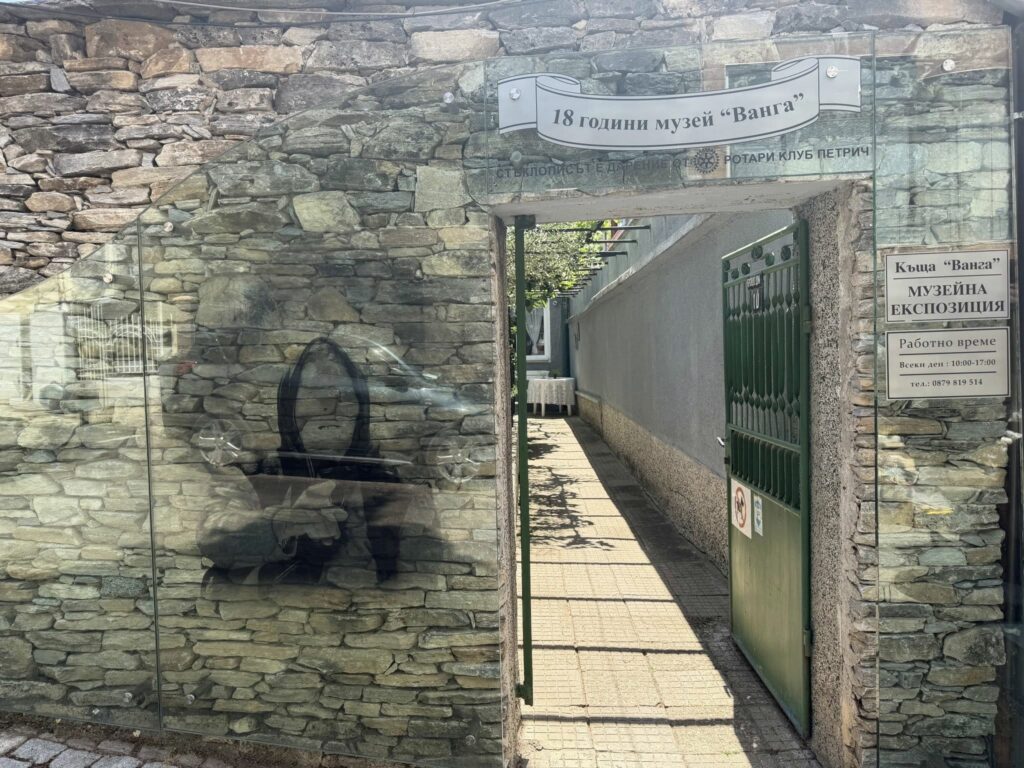
From Family Home to National Heritage
The family house was built in 1947 by her husband, Dimitar Gushcherov, on inherited family land. It was here that their life together began and where Vanga first received people seeking advice, hope, and support. Initially, visitors were welcomed in the yard. As interest grew, additional rooms with a separate entrance were designated so that access to her would not disrupt the family's private life. Eventually, the main house and garden were reserved for closest relatives.
As visitor numbers surged, authorities decided to relocate her reception activities outside central Petrich, which was then a restricted border zone. Vanga herself pointed to the Rupite area as the location for a new visitor center, sensing its specific significance. A facility was built in Rupite not for living, but as a workplace. For years, she traveled daily between Petrich and Rupite to receive guests, only staying in Rupite more permanently in her final years due to declining health.
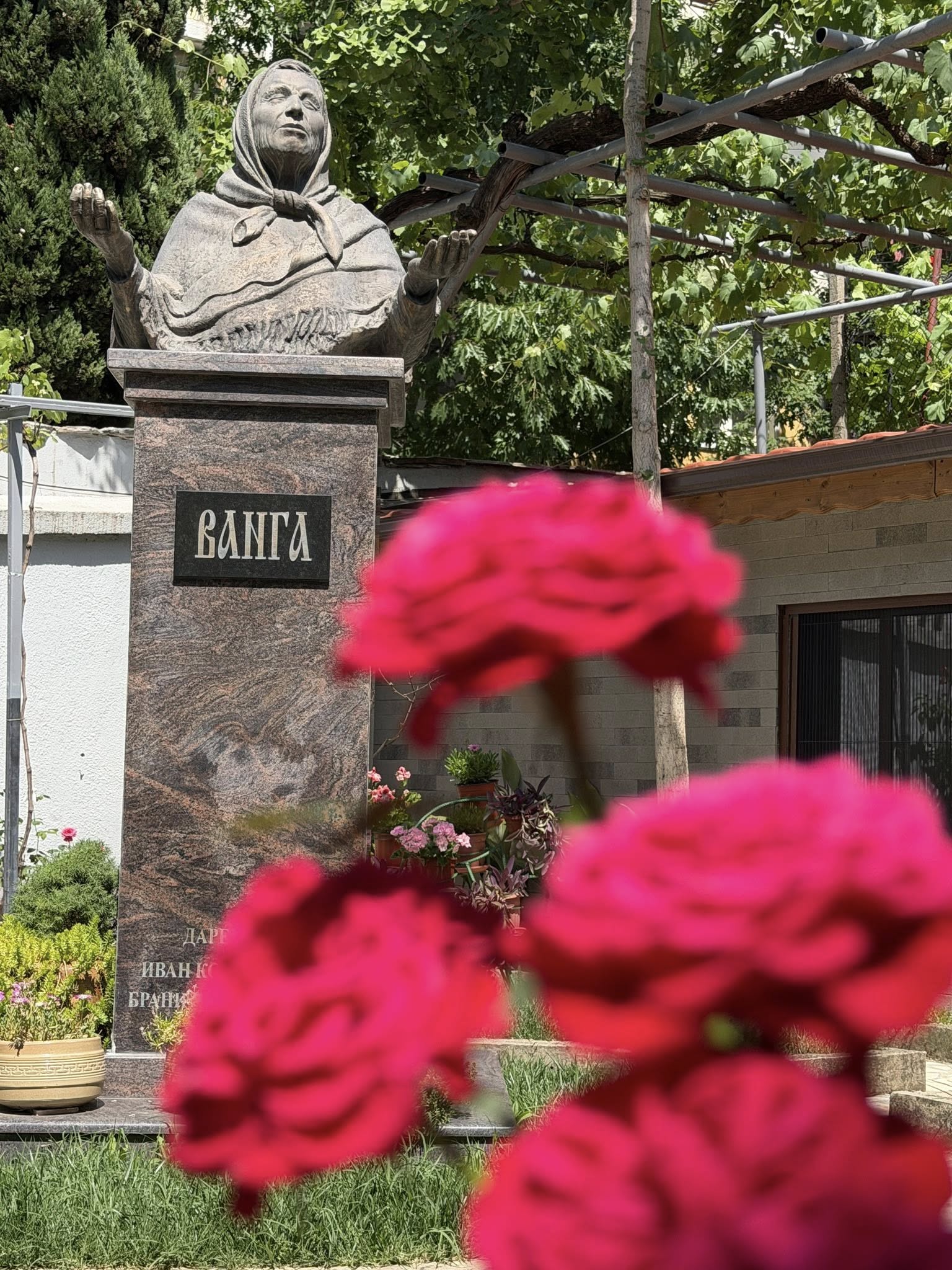
The property in Petrich and all assets were bequeathed to the state. Today, the house is part of the Petrich Historical Museum and is maintained as a museum exhibition, with the interior preserved as close to its original state as possible.
Search accommodation in Petrich on Booking.com →
Spaces of Spirituality and State
One of the most impactful spaces is the prayer room, created at her request. Vanga's day began with prayer and lighting an oil lamp. The room served as a place for solitude and spiritual concentration after daily meetings with numerous visitors. An icon of the Virgin Mary, known as the Sorrowful or Weeping Virgin, is kept there. Legend says it was brought after a woman received a dream message to take it to Petrich. Restorers estimate its age exceeds 150 years.
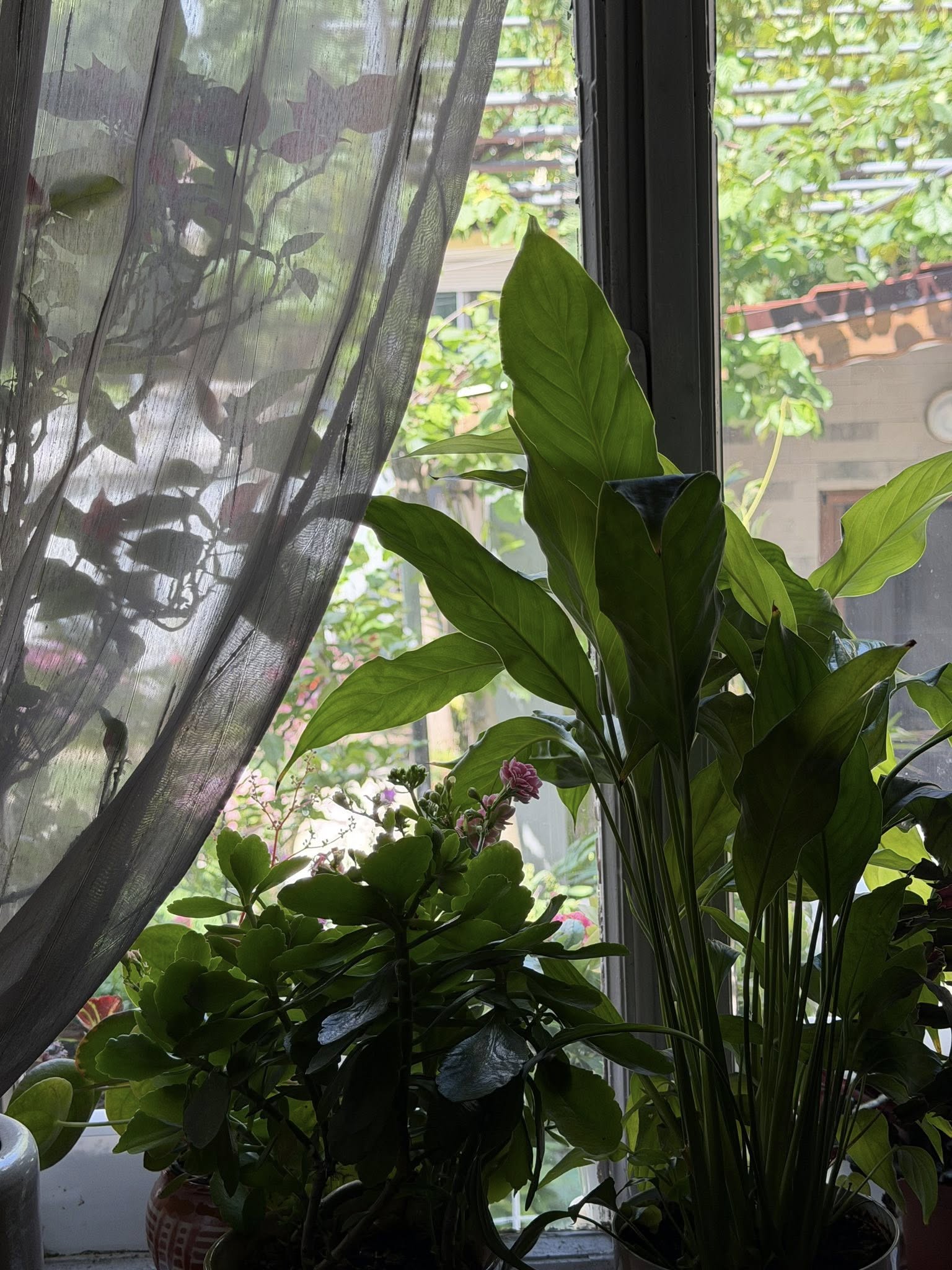
Visitors still leave small items in the room, linked to hopes for family and children, continuing a tradition formed over years. On the second floor, bedrooms and guest rooms are preserved. One room, known as the Blue Room due to its interior, was used for official guests, state representatives, and international delegations. Soundproof doors were installed for these meetings. A glazed corridor, created by her wish and used as a winter garden, connects the main house with additional rooms, reflecting her love for flowers.
честно казано не очаквах толкова много гърци да идват rn. ванда и досега си е феномен но това е нова вълна. ще видим дали ще продължи...