



The football world is turning its attention to Tashkent as Uzbekistan prepares to host Colombia in a highly anticipated international friendly. This match, scheduled for June 17, 2026, represents more than just a routine fixture; it is a strategic test for the Uzbek national team as they look to solidify their status as Asia’s rising power. For Colombia, the trip to Central Asia offers a unique opportunity to test their squad depth against a disciplined and technically proficient opponent ahead of major continental tournaments. The meeting of these two distinct footballing cultures has generated significant buzz across social media and sports forums, with fans from both regions eager to see how the South American flair will fare against Central Asian resilience.
The significance of this clash extends beyond the pitch. For Balkan audiences, particularly in countries like Serbia, Croatia, and Bosnia where football is a central cultural pillar, the match offers a glimpse into the evolving landscape of global football. Many Balkan fans follow the careers of players who have moved to clubs in Asia or South America, and this fixture highlights the increasing interconnectedness of the sport. Furthermore, the presence of coaches and players with European backgrounds in both squads adds another layer of interest for regional viewers who are accustomed to analyzing tactical nuances through a European lens.

The Rise of Uzbek Football
Uzbekistan has undergone a remarkable transformation in recent years, evolving from a post-Soviet footballing entity into a formidable force in Asian football. The national team, known as the "Lions," has consistently qualified for the Asian Cup and recently achieved historic success by reaching the quarter-finals of the AFC Asian Cup. Their playing style is characterized by high intensity, tactical discipline, and a strong emphasis on youth development. Clubs like Pakhtakor and Bunyodkor have become hotbeds for talent, producing players who now feature in top European leagues and across Asia.
The upcoming match against Colombia serves as a crucial benchmark for the Uzbek team. Facing a FIFA-ranked opponent from South America allows them to gauge their progress against a different style of play. Colombia is known for its technical prowess, physicality, and strategic approach, traits that Uzbekistan aims to match. The game will test the Uzbek defense’s ability to contain Colombian attackers and the midfield’s capacity to control the tempo. For Uzbekistan, a positive result or even a competitive draw would be a significant psychological boost, reinforcing their confidence as they prepare for future AFC competitions.
Moreover, the match highlights the growing investment in football infrastructure in Uzbekistan. The government and private entities have poured resources into building world-class stadiums and training facilities, aiming to host major international events. This fixture in Tashkent is part of that broader strategy, showcasing the country’s ability to host high-profile matches and attract global attention. The atmosphere in Tashkent is expected to be electric, with fans eager to support their team on the home front.
Colombia’s Global Ambitions
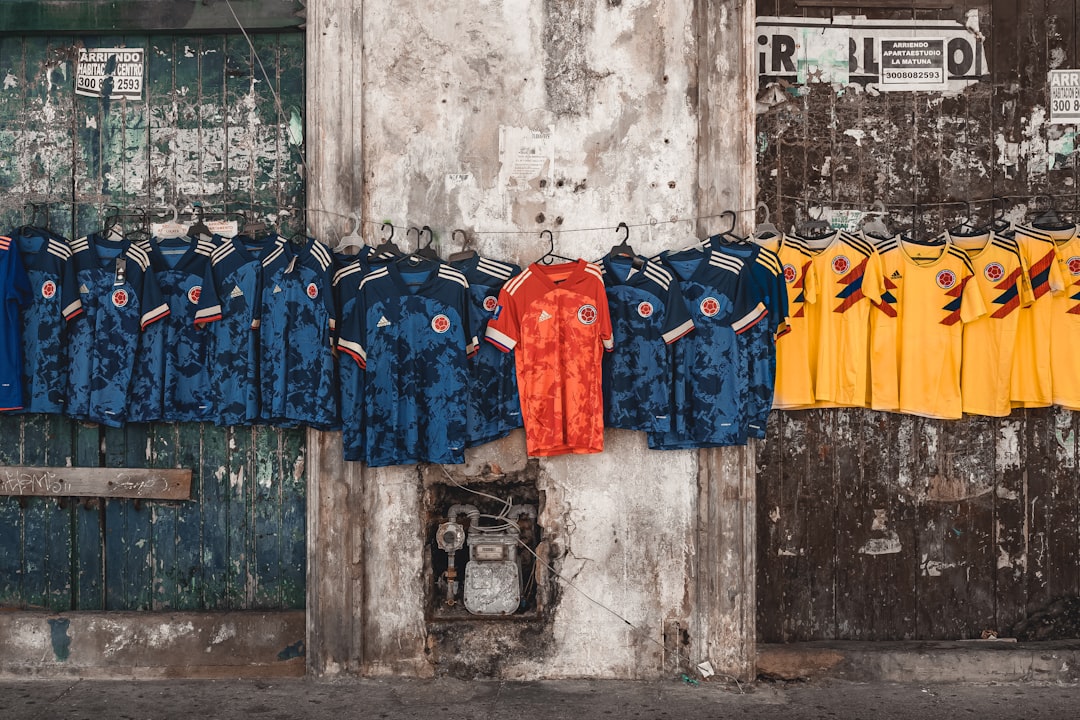
Colombia, a powerhouse in South American football, has a rich history of producing world-class talents such as Fausto Asprilla and modern stars like Luis Díaz. The national team, known as "La Tricolor," has been a consistent presence in World Cups and Copa América tournaments. Their style of play often blends technical skill with physical robustness, making them a challenging opponent for any team. The trip to Uzbekistan provides an opportunity for the Colombian coaching staff to experiment with squad rotations and test new tactical formations without the pressure of a competitive match.
For Colombia, international friendlies against non-confederation opponents are valuable for gaining FIFA ranking points and assessing player performance in different conditions. The match against Uzbekistan allows them to face a team that plays with high intensity and tactical discipline, which can simulate the challenges they might face in major tournaments. Additionally, it offers a chance for younger or less frequently capped players to gain experience on the international stage. The exposure to a different footballing culture can also broaden the players’ tactical understanding, helping them adapt to various styles of play.
The presence of Colombian players in European leagues, including those in the Balkans, adds a layer of familiarity for regional fans. Players like Juan Félix have made their mark in European clubs, and their performances are closely followed by fans across the continent. This connection helps to bridge the gap between South American and European football, fostering a greater appreciation for the global nature of the sport. The match in Tashkent will likely draw attention from these fans, who will be eager to see how their favorite players perform against a tough Asian side.

Implications for the Balkan Football Scene
While the match itself does not involve Balkan teams, its implications resonate across the region. The Balkans have a strong tradition of football expertise, with many coaches, agents, and players operating on the global stage. The growing strength of Asian football, exemplified by Uzbekistan, presents new opportunities for Balkan professionals. Clubs in Asia are increasingly looking to recruit European talent, both players and coaching staff, to elevate their standards. This trend creates a pipeline for Balkan experts to expand their careers beyond Europe.
Furthermore, the tactical evolution seen in Uzbekistan’s national team can offer lessons for Balkan coaches. The emphasis on youth development, tactical discipline, and modern training methods aligns with the approaches used in top European clubs. By studying the progress of teams like Uzbekistan, Balkan coaches can gain insights into effective strategies for developing national teams. The match against Colombia will serve as a practical case study, showcasing how a well-organized Asian team can compete with a traditional South American power.
For Balkan fans, the match also highlights the global reach of football. In an era where fans can easily access matches from around the world, the ability to follow teams like Uzbekistan and Colombia fosters a deeper appreciation for the sport’s diversity. The shared passion for football connects fans across continents, creating a global community that transcends geographical boundaries. As the match approaches, the anticipation builds, promising a thrilling encounter that will captivate audiences worldwide.
The clash between Uzbekistan and Colombia is more than just a football match; it is a symbol of the sport’s global evolution. As Uzbekistan continues to rise in Asian football and Colombia maintains its status in South America, their meeting in Tashkent will be a testament to the increasing interconnectedness of the global football community. For Balkan audiences, the match offers a chance to engage with a different footballing culture, drawing parallels with their own passionate support and tactical appreciation. The outcome may not change the standings, but the insights gained and the connections forged will undoubtedly enrich the footballing landscape for years to come.


Comments