


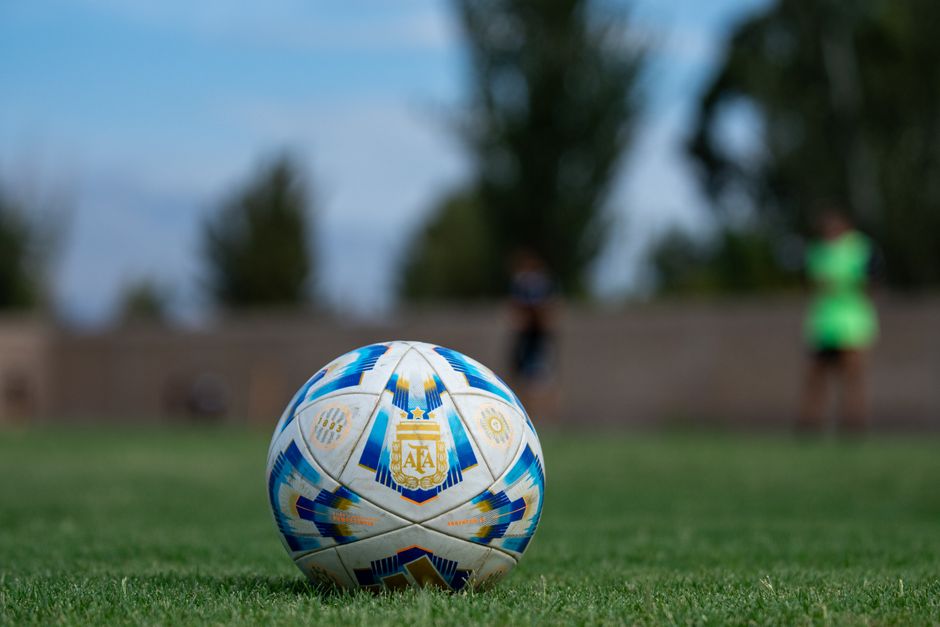
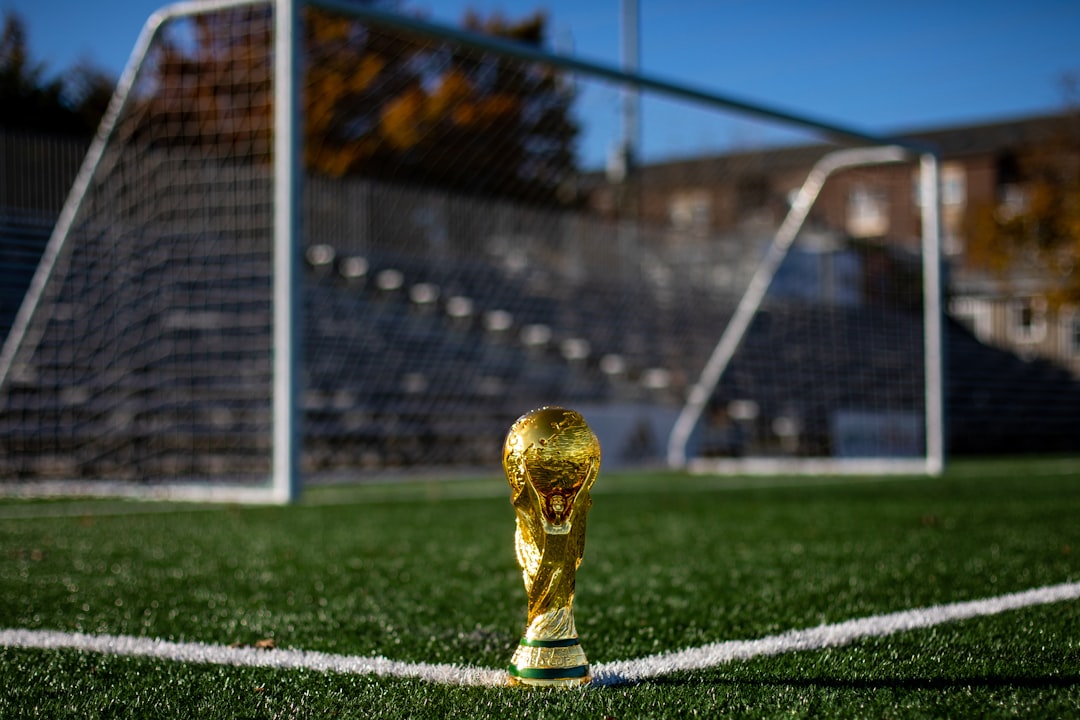
The footballing world is fixated on the impending matchup between Argentina and Algeria, a fixture that has rapidly become the most anticipated narrative of the 2026 FIFA World Cup cycle. While the official draw for the tournament has not yet taken place, the trajectory of both national teams suggests a collision of titans that will reshape the global sporting landscape. Argentina, riding the high of their 2022 World Cup triumph and the enduring legacy of Lionel Messi, faces a critical juncture: do they remain the undisputed kings of South American football, or does the post-Messi transition begin in earnest? Meanwhile, Algeria represents the rising power of African football, a team that has consistently punched above its weight in recent continental tournaments and now eyes a deep run on the world stage.
This matchup matters because it symbolizes the shifting tectonic plates of international football. It is not merely a game between two nations; it is a clash of philosophies, generations, and regional ambitions. For the Balkan audience, which maintains a deep, historical passion for football, this fixture offers a glimpse into the future of the sport. The tactical sophistication required to defeat Argentina mirrors the challenges faced by Balkan clubs in European competitions: technical precision, physical resilience, and strategic adaptability. As the 2026 tournament expands to 48 teams, matches like Argentina vs Algeria will determine which footballing cultures are ascending and which are stagnating.
The Argentine Dilemma: Beyond the Golden Era
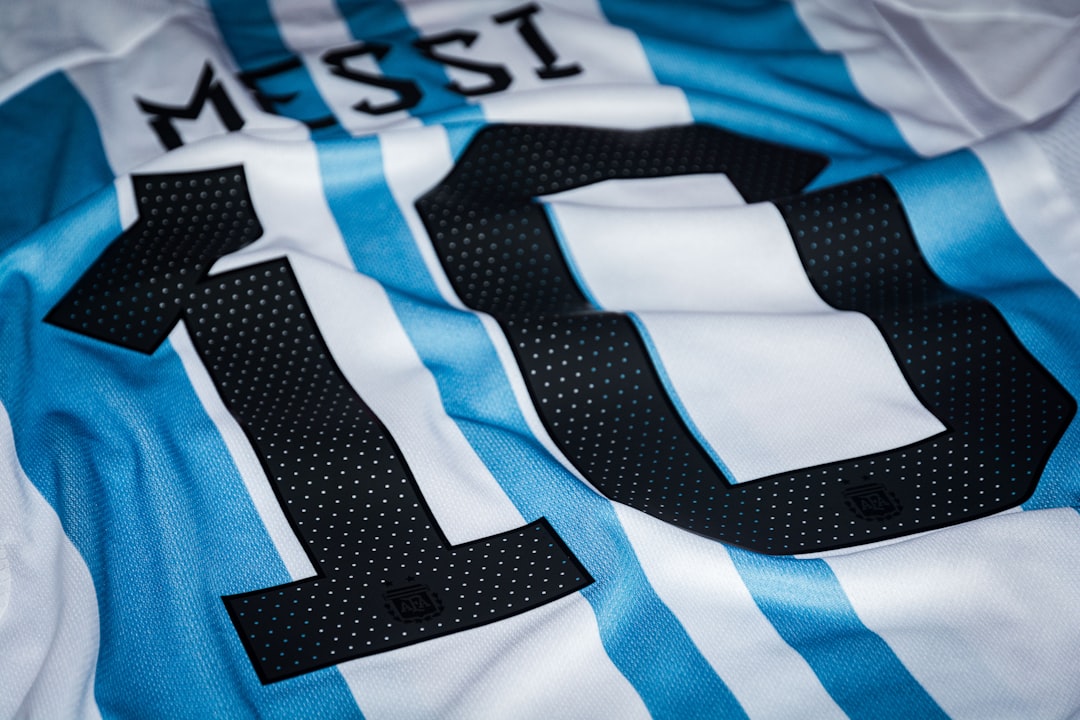
Argentina’s footballing identity is currently undergoing a profound transformation. For over a decade, the national team’s success has been inextricably linked to the genius of Lionel Messi. His performance in the 2022 World Cup in Qatar cemented his status as the greatest player of all time, but it also raised questions about the team’s depth and identity without him. As the 2026 World Cup approaches, La Albiceleste must answer whether their success was sustainable or reliant on a single individual. The emergence of younger talents such as Julián Álvarez and Alejandro Garnacho provides hope, but the pressure to replicate the 2022 miracle is immense.
The tactical setup under current management remains a point of intense debate among analysts. Argentina’s style has evolved from the defensive solidity of the 2022 campaign to a more fluid, attack-minded approach. This shift is necessary to compete in an era where defensive units are increasingly sophisticated. However, it also exposes vulnerabilities that opponents like Algeria are eager to exploit. The Argentine midfield, once anchored by the tireless energy of Enzo Fernández and Ángel Di María, must now find new leaders to control the tempo of the game. The transition period will be tested in the qualifiers and friendly matches leading up to the 2026 tournament, making every result a barometer of the team’s health.
For fans in the Balkans, where football is a matter of national pride and tactical analysis is deeply ingrained in the culture, Argentina’s journey serves as a cautionary tale. Many Balkan national teams, including Serbia and Croatia, have faced similar challenges in transitioning from star-driven success to systemic strength. The ability of Argentina to build a cohesive unit that does not rely solely on individual brilliance will be closely watched by coaches and federations across the region.
Algeria’s Rise: The Wolf Pack of African Football
On the other side of the pitch stands Algeria, a team that has consistently defied expectations. Known as the Fennecs, the Algerian national team has built a reputation for resilience, speed, and tactical discipline. Their journey through the CAF World Cup qualifiers has been marked by impressive performances against traditional African powerhouses. The team’s ability to compete at the highest level is not a recent phenomenon; it is the result of a long-term strategy that has focused on developing players in top European leagues.
Algeria’s squad is filled with players who have proven their quality in competitive European environments. The presence of athletes like Riyad Mahrez and Youcef Atal provides the technical quality needed to challenge any opponent. However, it is the team’s collective spirit that makes them dangerous. Algerian football has always been defined by its passion and intensity, qualities that can overwhelm more technically gifted but less cohesive opponents. In a tournament expanded to 48 teams, Algeria’s ability to adapt to different styles of play will be a key factor in their success.
The significance of Algeria’s rise extends beyond the pitch. It represents the growing influence of African football on the global stage. For decades, African teams have been viewed as underdogs, capable of causing upsets but rarely challenging for the title. Algeria’s consistent performances are changing that narrative. They are demonstrating that African football can be both competitive and sophisticated. This shift is particularly relevant for the Balkan audience, where there is a growing appreciation for the tactical diversity of international football. The Algerian model of combining physicality with technical skill offers a blueprint for other developing football nations.
The Balkan Perspective: A Mirror for Regional Football
The potential clash between Argentina and Algeria in the 2026 World Cup offers a unique mirror for Balkan football. The region, home to some of the most passionate fans and tactically astute players in the world, is currently navigating its own period of transition. Teams like Bulgaria and Romania are working to rebuild their national programs, while powerhouses like Croatia and Serbia aim to maintain their status among the elite. The lessons from the Argentina-Algeria matchup are directly applicable to these regional challenges.
One key takeaway is the importance of youth development and international exposure. Both Argentina and Algeria have benefited from sending their best players to top European leagues. This exposure has raised the overall quality of their national teams and provided them with the tactical awareness needed to compete at the highest level. Balkan nations, which have a long history of exporting talent to Europe, must ensure that this pipeline remains strong. The success of players like Luka Modrić and Dušan Tadić demonstrates the potential of this model, but it requires sustained investment in infrastructure and coaching.
Furthermore, the matchup highlights the importance of mental resilience. Football at the international level is as much about psychology as it is about tactics. The ability to perform under pressure, to bounce back from setbacks, and to maintain focus throughout a long tournament is what separates the good teams from the great ones. Argentina’s 2022 triumph was as much a mental victory as it was a tactical one. Algeria’s rise is similarly built on a foundation of belief and determination. Balkan teams, which often face the challenge of competing against larger, more resource-rich nations, can learn much from these examples. The 2026 World Cup will be a test of these qualities, and the Argentina-Algeria clash will be a defining moment in that process.
As the countdown to the 2026 World Cup continues, the footballing world will be watching closely. The Argentina-Algeria matchup is more than just a game; it is a symbol of the changing dynamics of global football. For fans in the Balkans and beyond, it offers a chance to witness the future of the sport in action. The outcome of this clash will not only determine the fate of two national teams but also signal the direction in which international football is heading. The stakes are high, the passion is palpable, and the story is just beginning.
Comments