


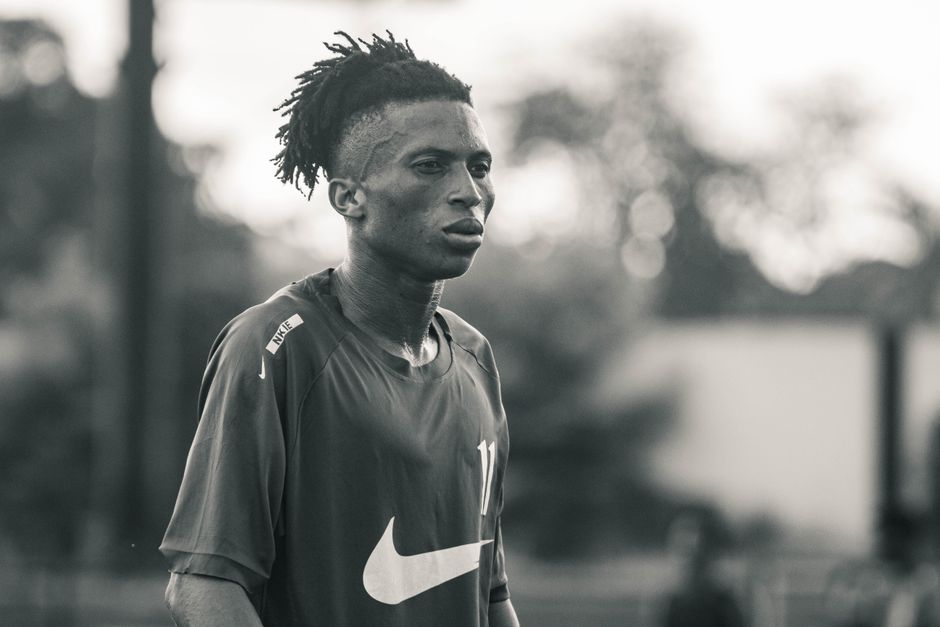
The future of Marcus Rashford, one of Manchester United's most high-profile forwards, is currently dominating headlines across European football. Recent reports, particularly from Romanian sports media outlets like Digi Sport, suggest that Barcelona has effectively removed the English winger from their transfer radar. This development comes after months of speculation linking the 27-year-old striker with a move to Catalonia. For United fans and the wider football community, this news signals a potential end to the transfer saga, forcing both parties to reconsider their strategies ahead of the next transfer window. The implications are significant not just for Rashford's career trajectory, but for the tactical setup of two of Europe's most historic clubs.
The Barcelona Connection Fades
For several months, rumors persisted that FC Barcelona viewed Rashford as a viable target to bolster their attacking options. The Catalan giants have been searching for a dynamic forward who can provide pace, goal threat, and versatility in a high-pressing system. Rashford's profile, with his ability to cut in from the left and finish with power, seemed to fit the bill. However, recent reports indicate that Barcelona's sporting director Deco has made a final decision to pursue other targets. This shift in strategy is likely due to financial constraints, the complexities of Manchester United's valuation, or a change in tactical priorities under Flick, who has taken charge at Camp Nou.
The decision to drop Rashford from their list is a major blow to the speculation machine. It suggests that Barcelona has identified alternative solutions, possibly focusing on younger prospects or players with lower release clauses. For Rashford, this means his time at Old Trafford may be extended, at least in the short term. The uncertainty surrounding his future has plagued his performances this season, and while a move to Barcelona seemed like a fresh start, the door now appears to be firmly closed. Fans in Catalonia, who had hoped for a high-profile signing to boost ticket sales and global appeal, will likely turn their attention to other names.

Rashford's Struggles at Manchester United
Marcus Rashford's career at Manchester United has been a tale of two halves. The academy graduate rose to prominence under Ole Gunnar Solskjaer, scoring crucial goals and becoming a fan favorite. However, the arrival of Erik ten Hag and subsequent managers saw his role diminish, and his goal output dropped significantly. Last season, Rashford struggled to find his rhythm, missing chances and appearing disjointed in the final third. This inconsistency has led to calls for a move away from Old Trafford, with many believing a change of scenery could reignite his form.
The psychological toll of being a high-profile player under constant scrutiny has been evident. Rashford has spoken openly about the pressure of playing for Manchester United and the expectations placed upon him. His recent performances have been a mix of flashes of brilliance and periods of frustration. The lack of a clear transfer destination has added to the uncertainty, making it difficult for him to focus on his game. For United, the dilemma is whether to invest in him further or look elsewhere for a proven goalscorer. The club's recent transfer activity suggests a desire for stability, but Rashford's situation remains a wildcard.
From a tactical perspective, Rashford's decline in form has exposed vulnerabilities in United's attack. The team often lacks a direct threat on the left wing, with Antony and Jadon Sancho failing to provide consistent width and creativity. Rashford's ability to drive forward and create chances is a quality that has been missed. However, his current confidence levels are at an all-time low, and without a significant change in his environment or role, it is unlikely to improve. The club must decide whether to trust him with a new lease of life or accept that his best years at United are behind him.
What Comes Next for the English Forward?
With Barcelona off the table, Rashford's options become more limited. While other clubs, particularly in the Premier League and Middle East, may still be interested, the lack of a high-profile European suitors suggests that a move to United is not imminent. This could lead to a stalemate, with Rashford remaining at Old Trafford for another season. For the player, this period of uncertainty could be detrimental, as he risks further losing his place in the starting lineup. The pressure to perform will only intensify, and any slip-ups could see him dropped entirely.
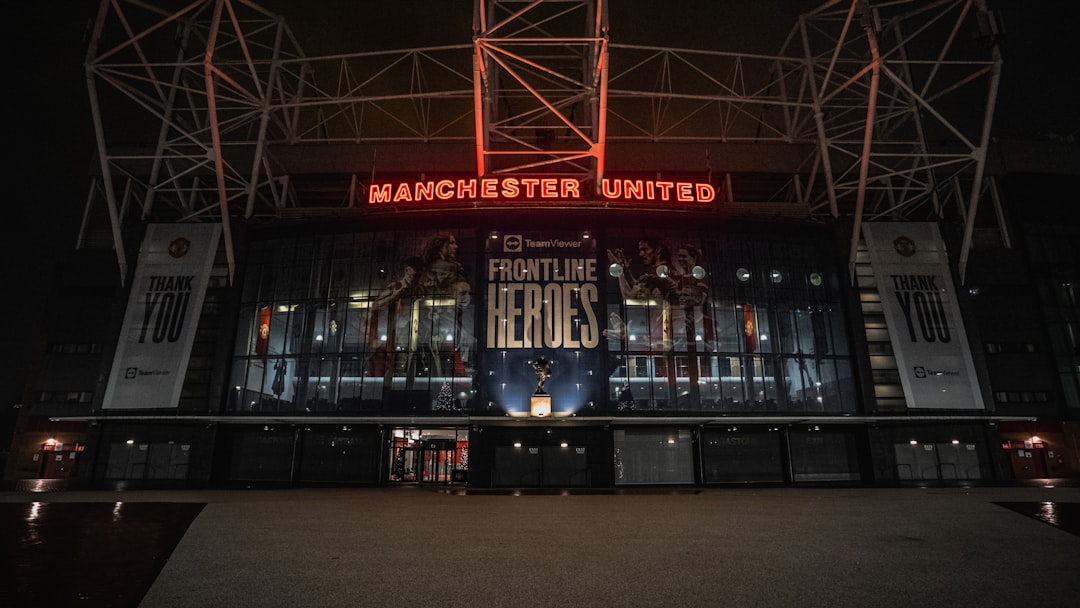
For Manchester United, the decision to retain Rashford or sell him is critical. Keeping him offers familiarity and a chance for redemption, but selling him could bring in funds needed for other reinforcements. The club's hierarchy must weigh the potential for a resurgence against the risk of further decline. If Rashford is to stay, he will need a clear role and the support of the coaching staff to regain his confidence. A move to a club where he is a guaranteed starter might be the best option for his career, but the right fit may not be available this window.
The coming months will be crucial for Rashford. His performance in the remaining fixtures of this season and the pre-season tour will determine his market value and future prospects. If he can rediscover his goalscoring touch, interest from other top clubs may resurface. However, if the struggles continue, he may face a move to a less prestigious league or a lengthy loan spell. For Balkan audiences, who follow European football closely, Rashford's situation serves as a reminder of the volatile nature of modern transfers and the importance of player happiness and form. The story is far from over, but the Barcelona chapter has definitely been closed.

Comments