


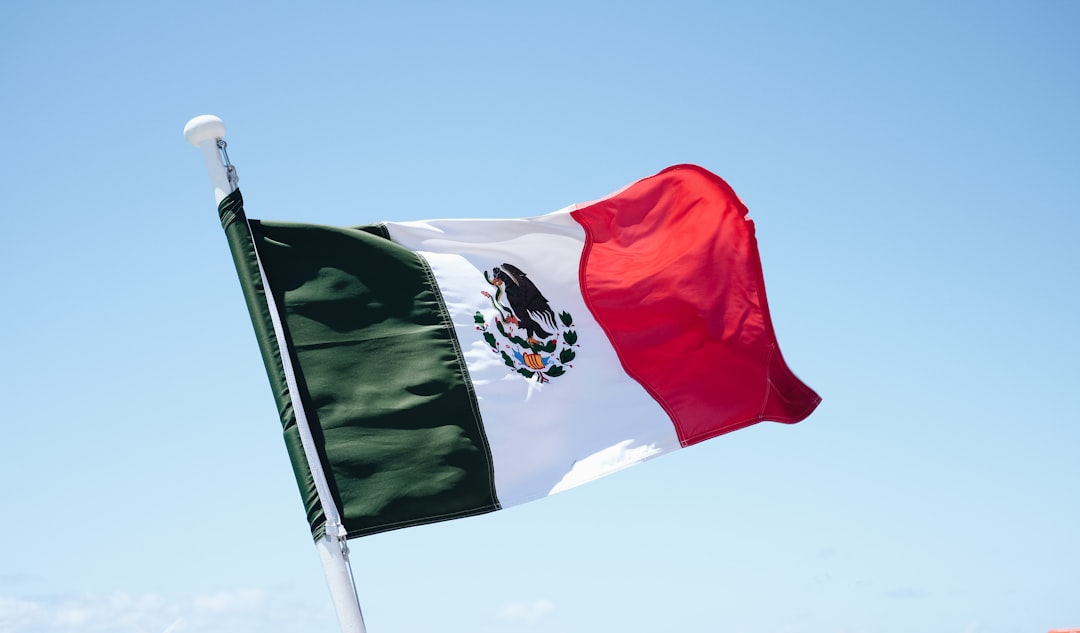
The question "what time does Mexico play today" has surged in global search trends as the 2026 FIFA World Cup countdown accelerates. While no official group-stage matches have been played yet, the anticipation surrounding the host nations—Mexico, the United States, and Canada—has reached a fever pitch. For Balkan audiences, the tournament holds particular significance due to the presence of top European clubs and the potential for high-profile Balkan players to compete on the world's biggest stage. The 2026 format, expanding to 48 teams, promises a more complex schedule and greater visibility for emerging football nations.
Mexico, having secured a guaranteed spot as one of the three co-hosts, is preparing to face intense pressure to perform well on home soil. The national team, known as El Tri, has a rich history in the World Cup, having qualified for every tournament since 1994. Fans are eager for confirmed fixtures, but until the official draw and final schedule are released by FIFA, specific match times remain subject to change. However, the general structure of the tournament has been announced, with matches spread across 16 host cities in North America.
The 2026 World Cup Format and Schedule Structure
The 2026 World Cup marks a historic shift in the tournament's format, expanding from 32 to 48 teams. This expansion means more group-stage matches, with 12 groups of four teams each. The top two teams from each group, along with the eight best third-placed teams, will advance to the round of 32. This new structure ensures that Mexico, as a host, will have a busy schedule, likely playing three group-stage matches in June or July 2026.
For fans trying to determine "what time does Mexico play today," the answer currently depends on the ongoing qualifying phases and friendly matches. In the current cycle, Mexico has been competing in the CONCACAF Nations League and World Cup qualifiers. Match times are typically scheduled to accommodate both regional and international audiences, with games often starting in the late afternoon or evening local time in Mexico City, which translates to early morning in Europe and the Balkans.
FIFA has released preliminary information indicating that host nation matches will be distributed across the three countries. Mexico is expected to host several key group-stage games and potentially knockout rounds. The exact venues are still being finalized, but cities like Mexico City, Guadalajara, and Monterrey are frontrunners. Once the final schedule is published, detailed kick-off times will be available on FIFA's official website and major sports news platforms.
Balkan Connections and European Football Influence
While Mexico's schedule is the primary focus for North American fans, the 2026 World Cup has significant implications for Balkan football. Several top European leagues, including those in Serbia, Croatia, and Romania, have players who may be part of the 48-team roster. The expanded format increases the likelihood that Balkan nations will qualify, offering more opportunities for regional stars to shine.
Moreover, the presence of Mexican clubs in international competitions has led to increased scouting interest in European talent. Clubs like Club América and Chivas Guadalajara have historically recruited from abroad, and the 2026 World Cup could accelerate this trend. Balkan players, known for their technical skills and tactical discipline, are increasingly attractive to Mexican teams looking to bolster their squads ahead of the tournament.
For Balkan audiences, the World Cup is not just about European teams. It is a chance to see how the expanded format affects global football dynamics. The increased number of matches means more broadcasting opportunities for regional networks, allowing fans in Greece, Bulgaria, and beyond to follow their favorite players and teams more closely. The tournament also serves as a platform for emerging Balkan talents to gain international recognition.
What to Watch For Next
As the 2026 World Cup approaches, fans should keep an eye on the official FIFA schedule release, which is expected in the months following the final draw. Until then, "what time does Mexico play today" will remain a question tied to qualifying matches and friendlies. However, the anticipation is building, and the tournament promises to be a landmark event in football history.
Balkan fans, in particular, should monitor the qualification progress of their national teams. With the expanded format, the path to the World Cup may be more accessible, but the competition is fiercer than ever. The presence of Balkan players in top European leagues adds another layer of interest, as their performances could influence national team selections.
In conclusion, the 2026 World Cup is shaping up to be a monumental event for football fans worldwide. For Mexico, it is a chance to showcase their footballing prowess on home soil. For Balkan audiences, it is an opportunity to engage with global football trends and support their regional talents. As the schedule nears finalization, the excitement will only grow, making every match a must-watch event.

Comments