


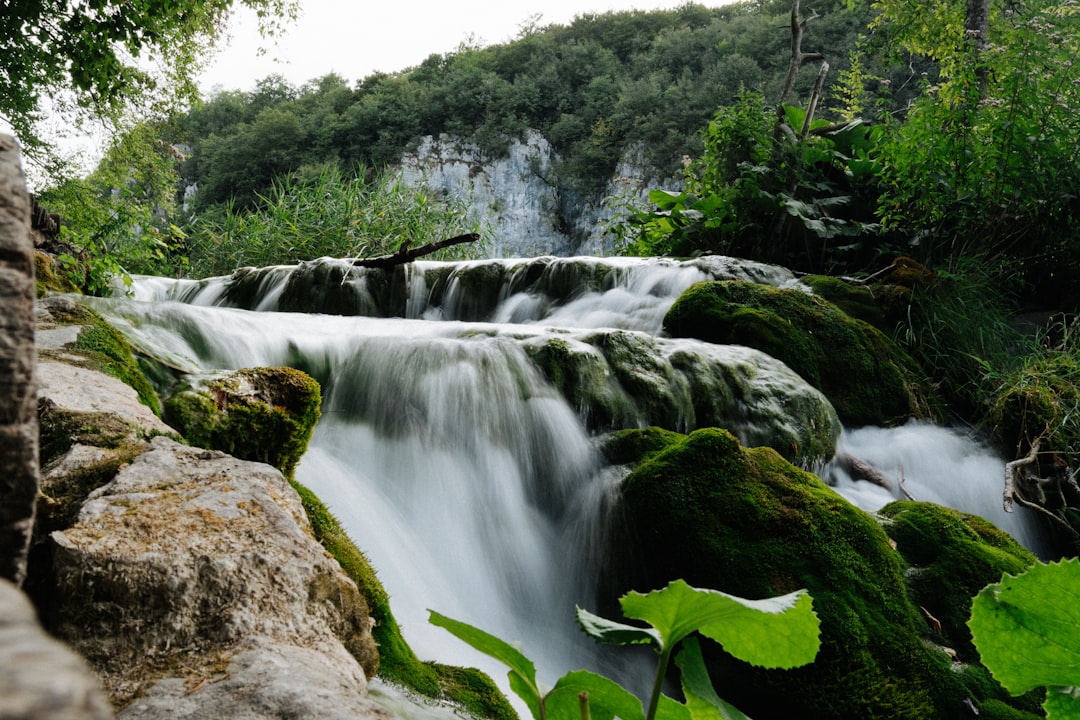
The water is so cold it feels like someone is pouring liquid nitrogen down my wetsuit. I am waist-deep in the Una River, staring at a cascade of turquoise water that looks less like a river and more like a spilled bottle of high-end gin. My guide, a local from Bihać who has been running this river since he could walk, laughs at my grimace. "You pay for this," he shouts over the roar of the falls. "In other countries, you pay to look at it. Here, you pay to feel it." This is not a polished tourist brochure moment. This is the raw, chaotic, beautiful reality of kayaking in Una National Park, where the landscape doesn't care about your comfort, only your respect for the current.
Most people drive through Bosnia and Herzegovina and see the war scars. They see the concrete bunkers, the memorials, the quiet tension in the eyes of the older generation. But dive into the Una, and the scars vanish. The river is a living, breathing artery that cuts through limestone and forest with a violence that is strangely calming. I am here to paddle the Štrbački Buk waterfalls, a series of cascades that drop nearly 100 meters in a short span. It is not for the faint of heart, nor for the unprepared. This is gonzo paddling: wet, wild, and utterly unforgettable.
The River That Carved a Nation
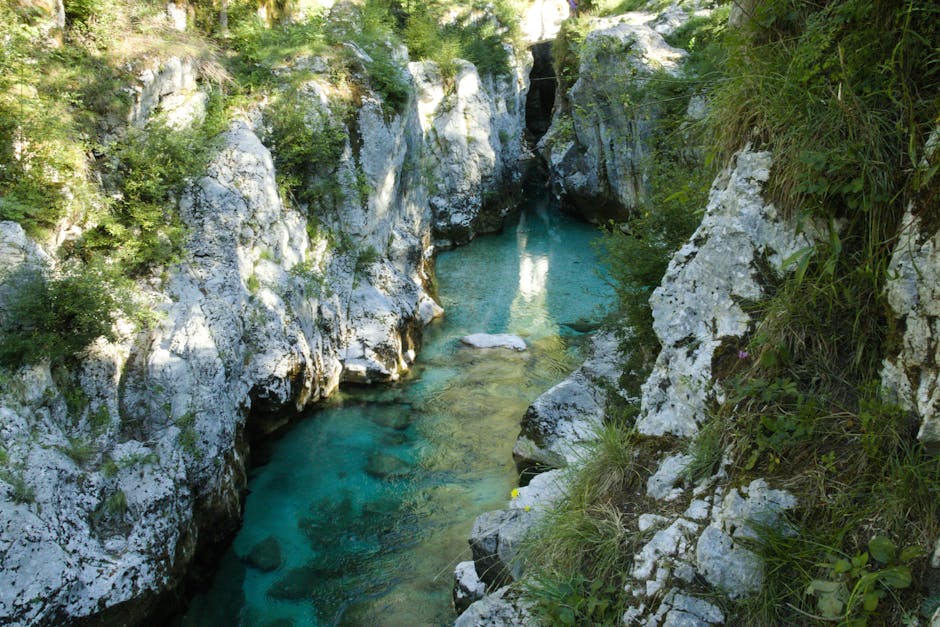
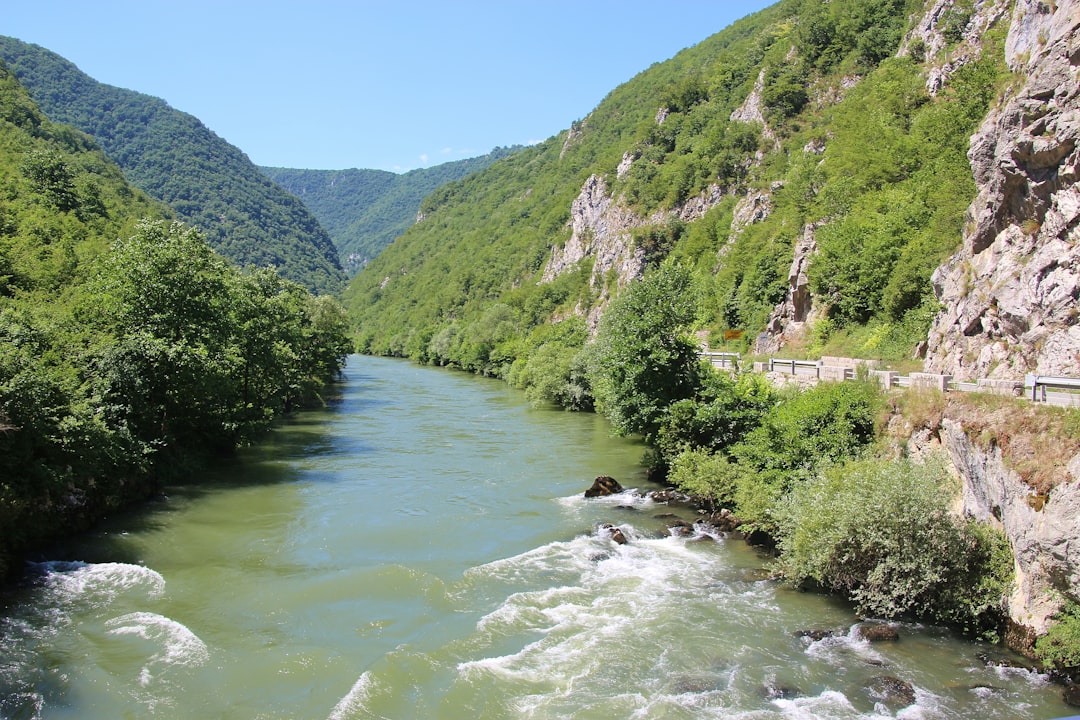
The Una River is not just a body of water; it is a geological force. It begins in the mountains of Croatia, near the village of Mrakovača, and flows south into Bosnia, carving a deep gorge through the Dinaric Alps. The river is famous for its color — a striking turquoise blue caused by the high concentration of calcium carbonate dissolved from the limestone bedrock. This mineral-rich water is so clear that you can see the rocky bottom even in deep sections, and so cold that it stays below 10°C (50°F) year-round, even in the height of summer.
The park itself was established in 2008, making it one of the newest national parks in Bosnia. It covers an area of 186 square kilometers, protecting not just the river but the surrounding forests, caves, and cultural monuments. The region has a complex history, having been a borderland between empires and a frontline during the Bosnian War. Today, the river serves as a symbol of resilience and natural beauty, drawing adventurers from across Europe who want to experience a wild, untouched landscape.
The geology here is dramatic. The river has cut through layers of limestone and dolomite, creating deep gorges, underground caves, and dramatic waterfalls. The most famous of these is Štrbački Buk, a series of seven cascades that drop a total of 98 meters. The water flows over smooth, rounded rocks that have been polished by centuries of flow, creating a natural slide that is both beautiful and dangerous. For kayakers, this is the ultimate challenge: navigating a waterfall system that is constantly changing with the water level.
Where to Go: The Kayaker’s Playground
Štrbački Buk Waterfalls — This is the crown jewel of the park. The cascades are not just for viewing; they are for paddling. Advanced kayakers can run the upper falls, which drop 15 meters into a deep pool. The lower falls are more accessible for intermediate paddlers, offering a thrilling ride through narrow channels and over smooth rock slabs. Entry to the viewing areas is free, but guided kayak tours cost around 50-80 EUR per person, depending on the group size and duration. Best visited in late spring or early autumn when water levels are high but manageable.
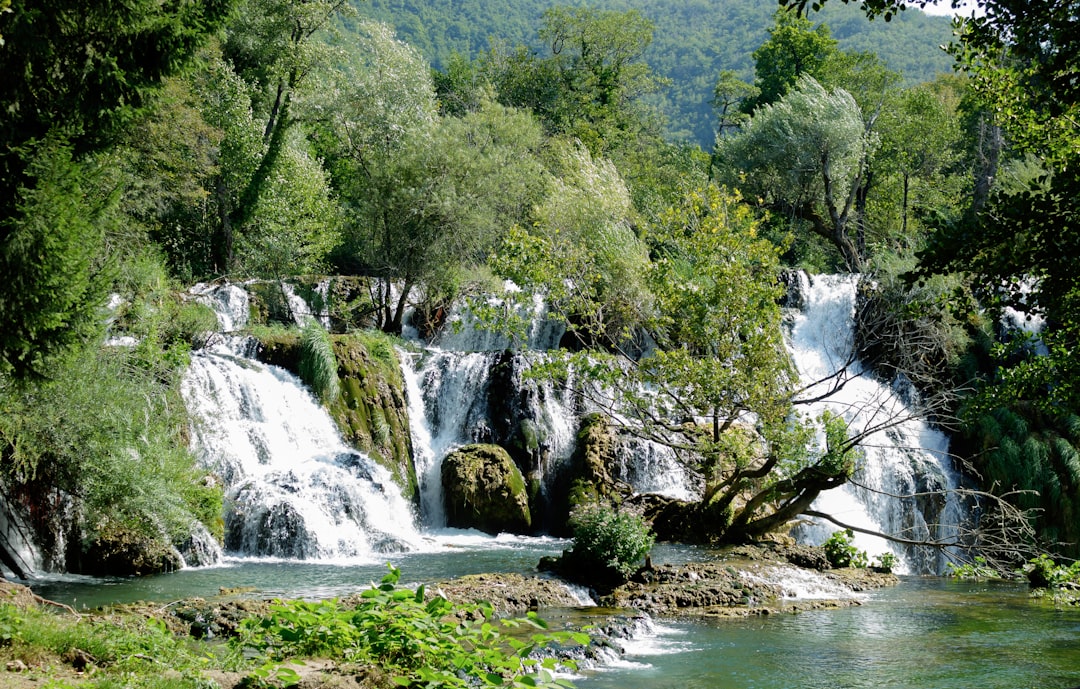
Crkvice Waterfall — Located a few kilometers downstream from Štrbački Buk, this waterfall is smaller but no less impressive. It drops 30 meters into a deep, clear pool surrounded by lush greenery. It is a popular spot for swimming and picnicking, but also for kayakers looking for a calmer section of the river. The area is well-maintained, with wooden walkways and viewing platforms. Entry is free, and it is open year-round.
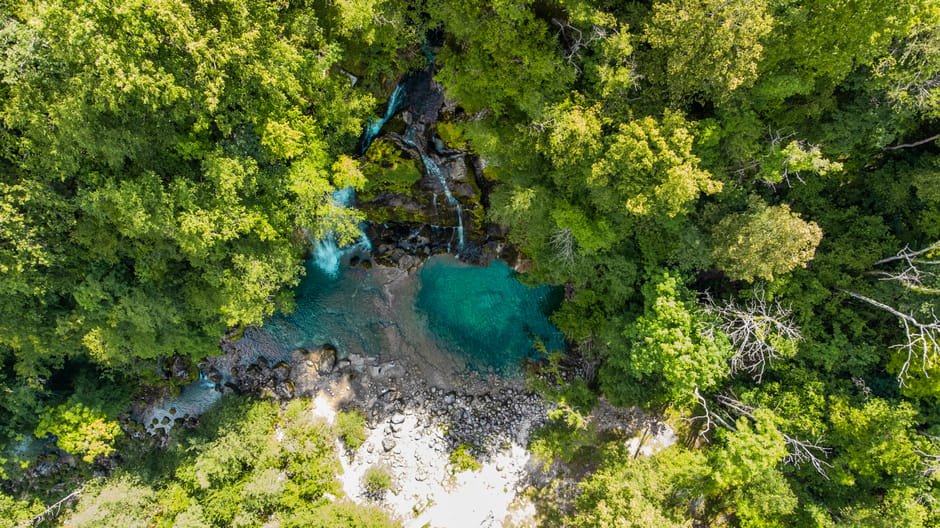
Bihać Old Town — While not on the river itself, the old town of Bihać is a must-visit for anyone kayaking in the park. Located just a few kilometers from the park entrance, the town features a well-preserved Ottoman-era quarter with narrow streets, wooden houses, and the historic Bihać Fortress. The fortress offers panoramic views of the Una River and the surrounding countryside. Entry to the fortress costs 2 EUR, and it is open daily from 9 AM to 6 PM.
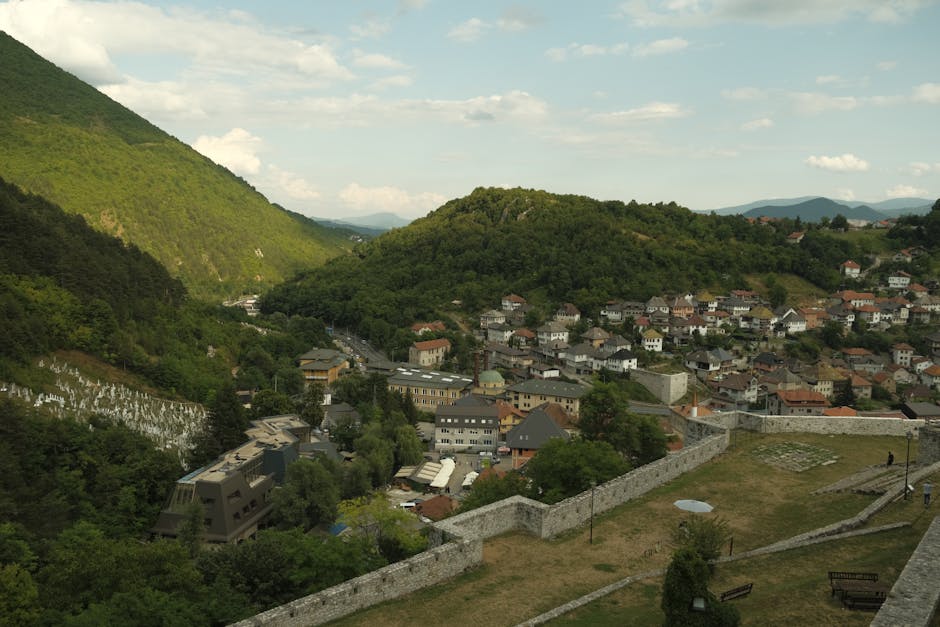
Una River Gorge Trail — For those who want to see the river from a different perspective, the gorge trail offers a hiking experience that runs along the riverbank. The trail is about 10 kilometers long and takes approximately 4 hours to complete. It passes through dense forests, over rocky outcrops, and along the edge of the gorge, offering stunning views of the turquoise water below. The trail is free to access, but sturdy hiking boots are essential due to the rocky terrain.
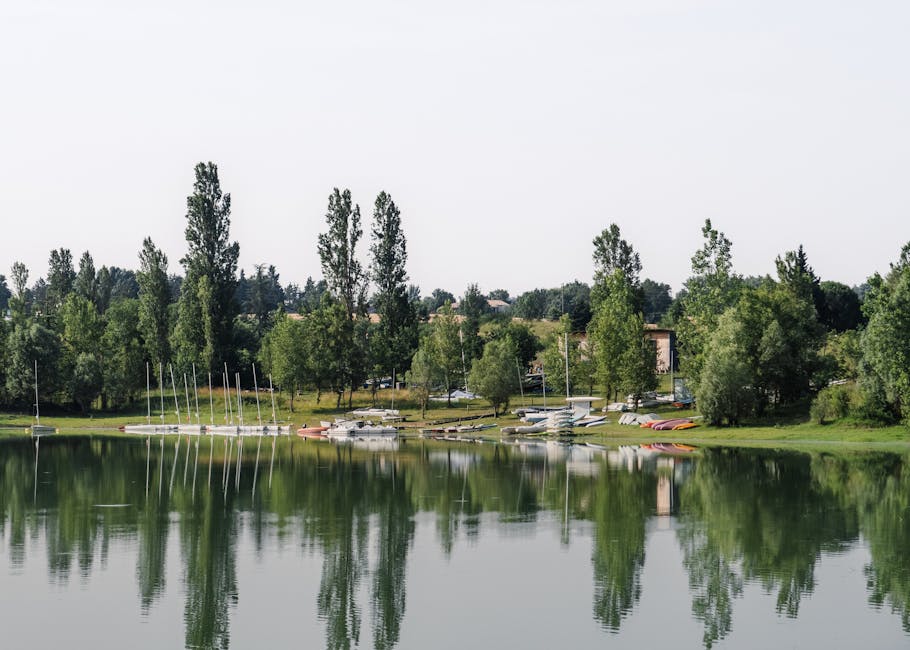
Kozjak Lake — Located just outside the park, this artificial lake is a popular spot for water sports, including kayaking, canoeing, and windsurfing. The lake is calm and sheltered, making it ideal for beginners or those looking for a relaxed paddle after a day on the wilder Una. Boats can be rented for around 10-20 EUR per hour, and there are several cafes and restaurants around the lake shore.
What to Eat & Drink: Fuel for the Gorge
After a day of battling cold water and strong currents, you will need fuel. The local cuisine in the Bihać region is hearty and satisfying, perfect for replenishing energy. Here are some must-try dishes:
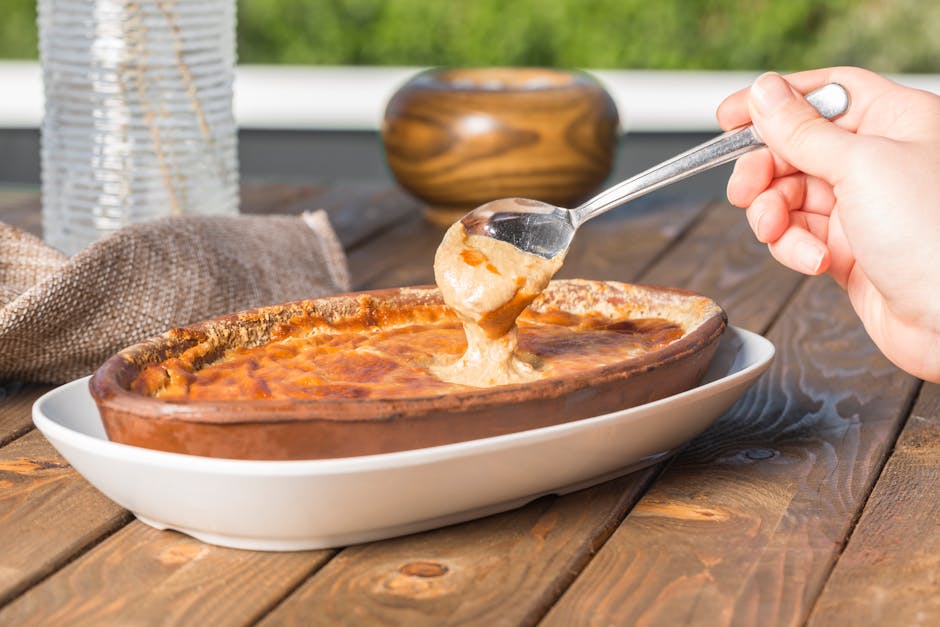
Ćevapi — These are small, grilled minced meat sausages, usually served with flatbread (lepinja), onions, and kajmak (a creamy dairy product). A portion of ćevapi costs around 5-8 EUR and is a staple of Bosnian street food. It is filling, flavorful, and perfect for a quick lunch.
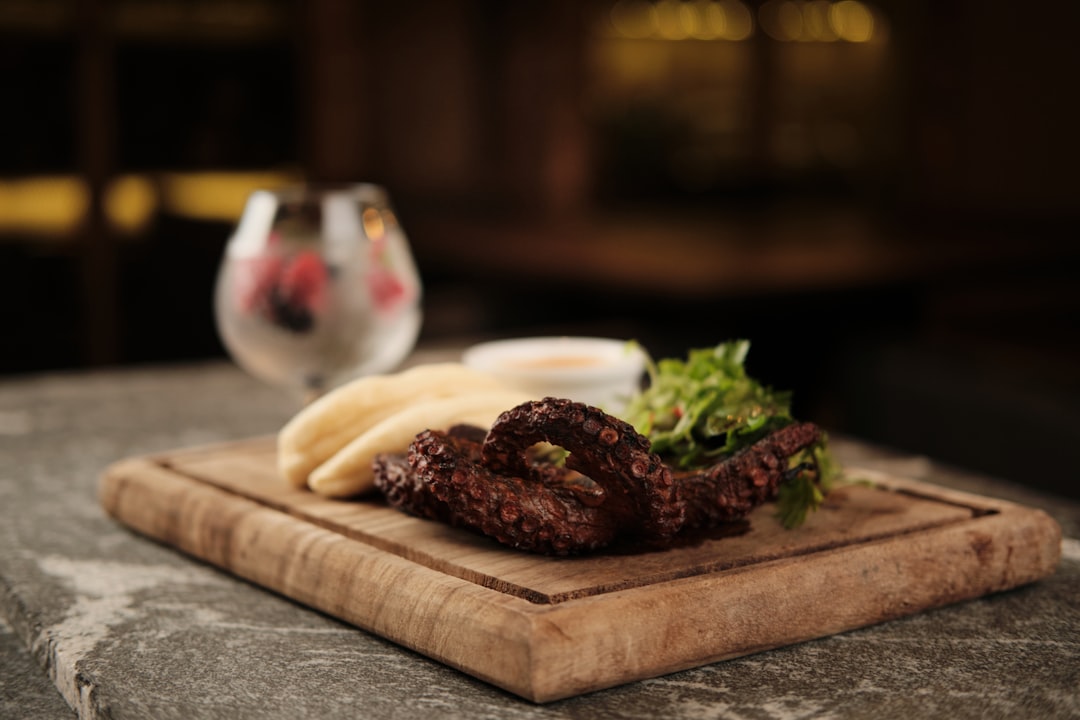
Bosnian Stew (Pirinčana Paprikaša) — A rich, spicy stew made with rice, meat, and peppers. It is a traditional dish from the Bihać region and is often served in local restaurants. A bowl costs around 8-12 EUR and is perfect for a cold day after kayaking.
Klepe — These are Bosnian dumplings, similar to ravioli, filled with meat or cheese and served with butter and sour cream. They are a comfort food favorite and cost around 6-9 EUR per serving.
Local Beer (Zlatni Radivoj or Union) — Bosnia has a strong beer culture, and local brands like Zlatni Radivoj and Union are widely available. A bottle of beer costs around 1-2 EUR in local bars, making it an affordable way to unwind after a day on the river.
Budget Breakdown: Street food and take-away options are available for under 5 EUR per meal. A sit-down meal at a local restaurant will cost between 10-15 EUR per person, while a mid-range restaurant with a view might cost 20-30 EUR. For budget travelers, there are several food courts and local markets in Bihać where you can find affordable meals and snacks.
Nightlife: Cool Down in Bihać
Bihać is not a party city, but it has a vibrant nightlife scene that is perfect for travelers looking to relax after a day on the river. The main nightlife area is around the Kozjak Lake and the old town, where several bars and cafes offer live music, drinks, and a social atmosphere.
Bar 45 — Located in the old town, this bar is known for its craft beers and relaxed vibe. It is a popular spot for locals and travelers alike, with a small outdoor terrace that offers views of the street. Cover charge is free, and drinks start at 2-3 EUR.
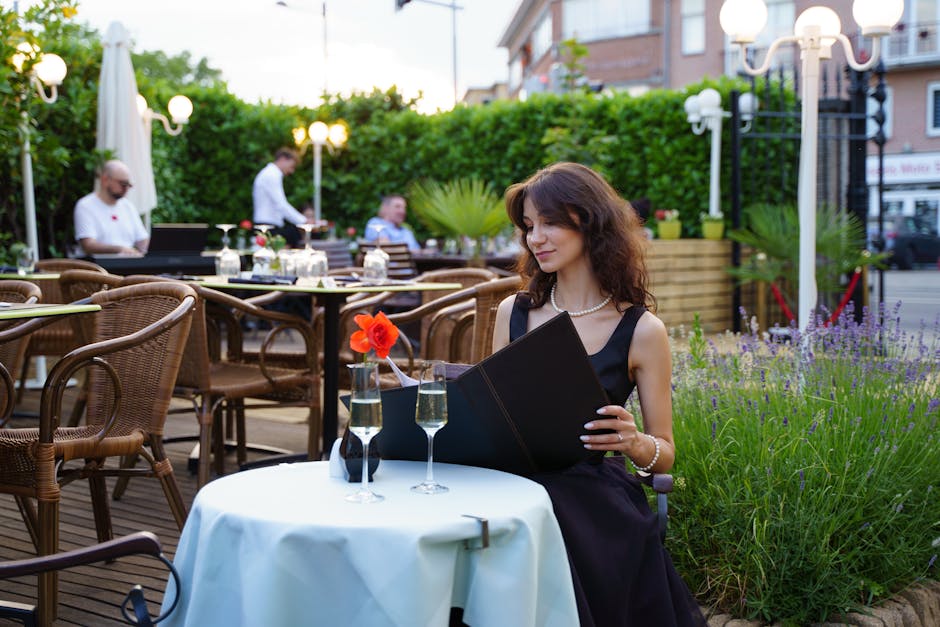
Amadeus Bar — This bar is located near the Kozjak Lake and offers a more upscale experience. It features live jazz music on weekends and a wide selection of wines and cocktails. Cover charge is around 5 EUR on weekends, and drinks start at 3-5 EUR.

Lake View Cafes — Around the Kozjak Lake, there are several cafes that stay open late, offering coffee, desserts, and light snacks. These are perfect for a quiet evening with a view of the lake. Prices range from 1-4 EUR for coffee and pastries.
Getting There & What to Expect
Getting There: The nearest airport is Zagreb Airport in Croatia, which is about 120 kilometers (75 miles) from Bihać. From Zagreb, you can take a bus or rent a car to Bihać, which takes approximately 2 hours. Bus tickets cost around 10-15 EUR, and car rentals start at 30-50 EUR per day. Alternatively, you can fly into Split Airport and take a bus to Bihać, which takes about 5 hours. Bus tickets from Split cost around 20-30 EUR.
By Train: There is no direct train service to Bihać, but you can take a train to Slunj in Croatia and then take a bus or taxi to Bihać. The train ride from Zagreb to Slunj takes about 1.5 hours and costs around 5-10 EUR.
Accommodation: Bihać offers a range of accommodation options, from budget hostels to mid-range hotels. Budget hostels cost around 15-25 EUR per night, while mid-range hotels cost between 40-70 EUR per night. There are also several guesthouses and apartments available for rent, which can be more affordable for longer stays.
Search accommodation in Bihać on Booking.com →
Best Time to Visit: The best time to kayak in Una National Park is from May to October, when the weather is warm and the water levels are manageable. July and August are the busiest months, so book your guided tours in advance. The water is coldest in winter, so kayaking is not recommended during that season.
The Cold Truth
I sit on the bank of the Una, shivering, my clothes soaked, my muscles aching. My hands are numb from gripping the paddle, and my hair is plastered to my forehead. I should be miserable. Instead, I am grinning like an idiot. The sun is setting, casting a golden glow over the turquoise water, and the sound of the rapids is a soothing lullaby. I have just run a waterfall. I have just conquered a river that doesn't care if I live or die. And I would do it all again tomorrow.
This is not a vacation. This is an experience. Una National Park is not for everyone. It is cold, it is wild, and it is demanding. But for those who are willing to step out of their comfort zone, it offers something rare: a connection to the raw, untamed beauty of nature. In a world that is increasingly polished and predictable, the Una River is a reminder that some things still have teeth.


Comments