


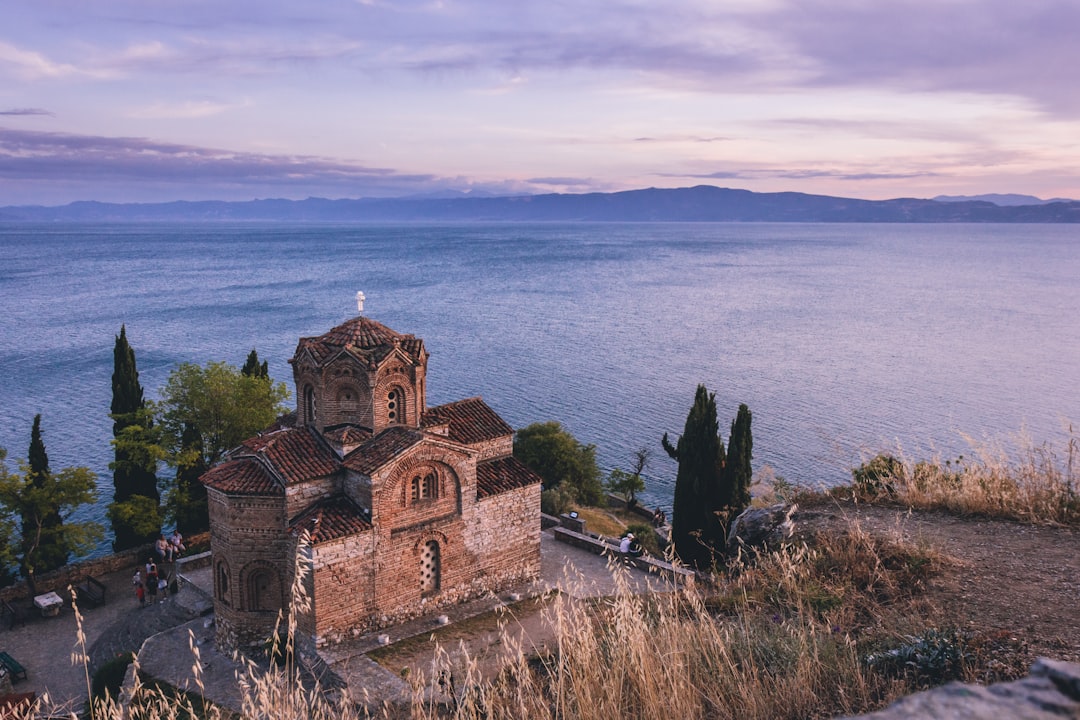
The bus from Skopje dumped me on the asphalt at 4 AM, the engine still ticking like a dying insect. The air hit me first—cold, sharp, and smelling of pine needles and lake water so old it tastes like minerals and time. I wasn't here for the Instagram-worthy blue waters or the postcard sunsets. I came because the locals, the ones with dirt under their fingernails and eyes that have seen empires rise and fall, kept whispering about the "living fossil." Lake Ohrid isn't just water; it's a biological and historical anomaly, a place where the Byzantine Empire didn't just leave a footprint—it left its soul. I walked toward the shore in my socks, the gravel crunching loud in the silence, knowing I was standing on the edge of something that predates most of the nations surrounding it.
By the time the sun cracked the horizon, painting the water in shades of bruised purple and gold, I was already in a cafe in Ohrid Town, nursing a coffee that tasted like burnt sugar and resilience. The town climbs the steep hillside like a geological accident, a chaotic sprawl of stone houses, churches, and souvenir shops that scream "tourist trap" until you look closer. Then you see the gold leaf glinting on a dome, the ancient stone of a fortress, the sheer weight of history pressing down on every cobblestone. This isn't a place you visit; it's a place that consumes you. And if you're not careful, you'll leave with more questions than answers, your pockets lighter and your head full of ghosts.
History & Identity
Ohrid is a palimpsest, a manuscript written over again and again until the original text is barely visible but still hauntingly present. The Lake Ohrid Lake Ohrid basin has been inhabited for millennia, with traces of human activity dating back to the Neolithic period. But it was the Byzantine Empire that turned this remote corner of the Balkans into a cultural capital. In the 10th century, the Byzantines established a powerful ecclesiastical center here, making Ohrid a rival to Constantinople itself. The Ohrid Literary School, founded by Clement of Ohrid, one of the disciples of Saints Cyril and Methodius, became a beacon of Slavic literacy and Orthodox Christianity. For centuries, this small town was the intellectual heart of the Slavic world, producing theologians, poets, and scholars whose works shaped the identity of the region.
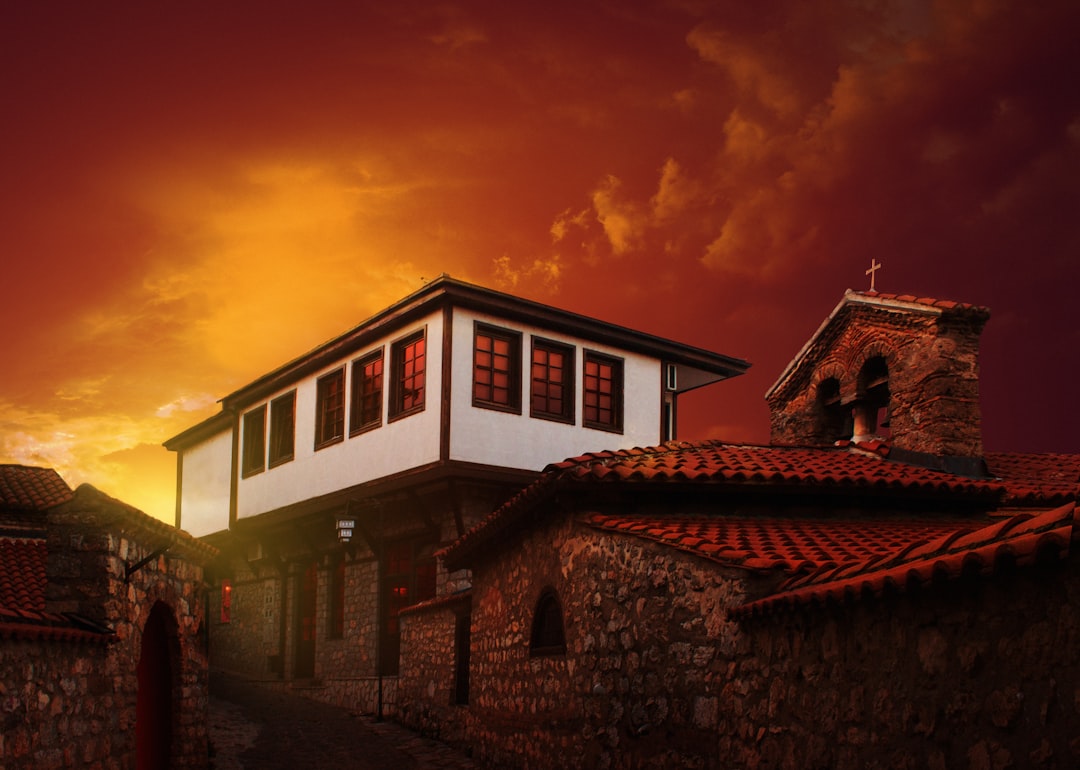
The Ottoman conquest in the 15th century didn't erase this legacy; it layered it. Mosques were built alongside churches, bazaars sprang up next to monasteries, and the town became a melting pot of cultures and faiths. But the Byzantine imprint remained, etched into the stone of the churches and the manuscripts preserved in monastic libraries. Today, Ohrid is a UNESCO World Heritage site, but that label feels inadequate. It's a place where the past isn't just remembered; it's lived. The streets still echo with the footsteps of monks and merchants, the air still carries the incense of ancient rituals, and the water still holds the secrets of a civilization that thought it would last forever.
The modern identity of Ohrid is a complex negotiation between this heavy history and the demands of contemporary tourism. The town has become a summer playground for the Balkans, filled with cafes, bars, and hotels that cater to a growing influx of visitors. Yet, beneath the veneer of commercialization, the old Ohrid persists. The locals, proud and stubborn, guard their heritage with a fierce loyalty, ensuring that the soul of the city isn't lost to the tide of globalization. To understand Ohrid is to understand this tension, to see the beauty in the clash of old and new, sacred and profane.
Where to Go
Church of St. John at Kaneo — Perched on a tiny island in the middle of the lake, this church is the postcard image of Ohrid. It's small, white, and topped with a golden dome, looking like a fairy-tale castle dropped into the water. Accessible only by boat, the journey itself is part of the experience, with the water lapping against the hull and the wind whipping your hair. Once on the island, you can step inside the church, where the frescoes, though faded, still glow with a mystical light. The view from the island back to the town is unbeatable, a perfect symmetry of water, stone, and sky. Entry is free, but the boat ride costs around 5-10 EUR depending on the season and whether you haggle. Go early in the morning to avoid the crowds and catch the light just right.

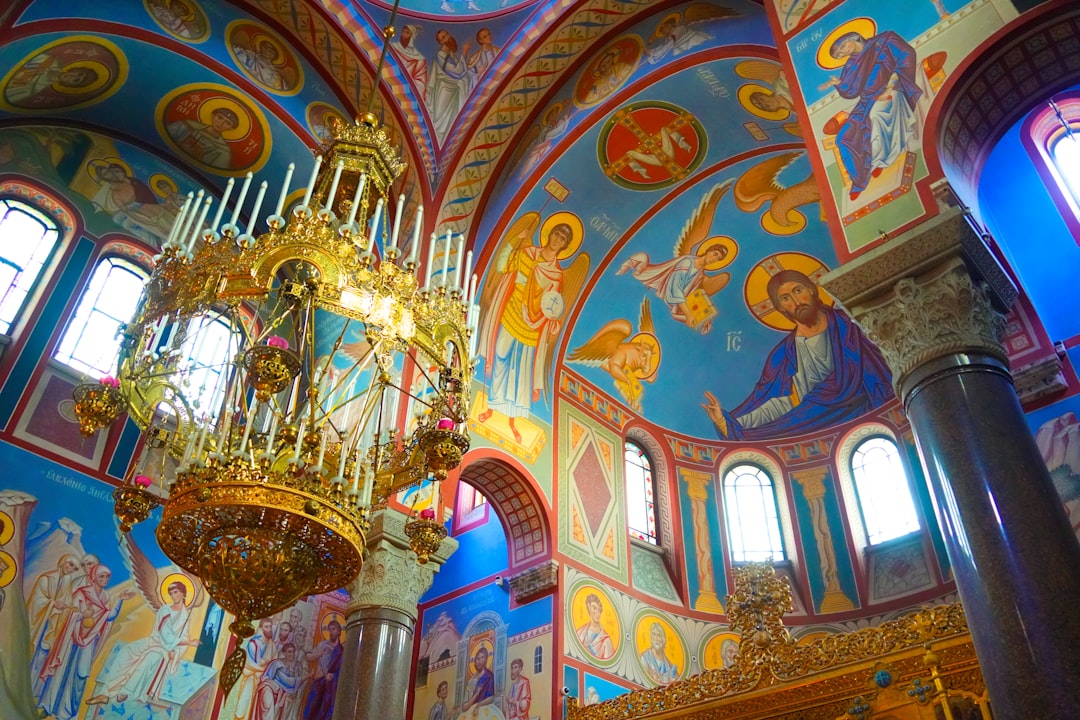
Saint Sophia Cathedral — This is the oldest building in Ohrid, dating back to the 9th century, though it has been rebuilt and renovated many times since. It's a massive, imposing structure that dominates the town, its red brick and stone facade a testament to the power of the Byzantine church. Inside, the atmosphere is cool and quiet, a stark contrast to the bustling streets outside. The frescoes and mosaics are stunning, with intricate details that reward close inspection. The iconostasis, a masterpiece of wood carving, is particularly impressive. Entry costs 3 EUR, which is a steal for the history you're getting. It's best visited in the late afternoon when the light streams through the windows, illuminating the dust motes dancing in the air.
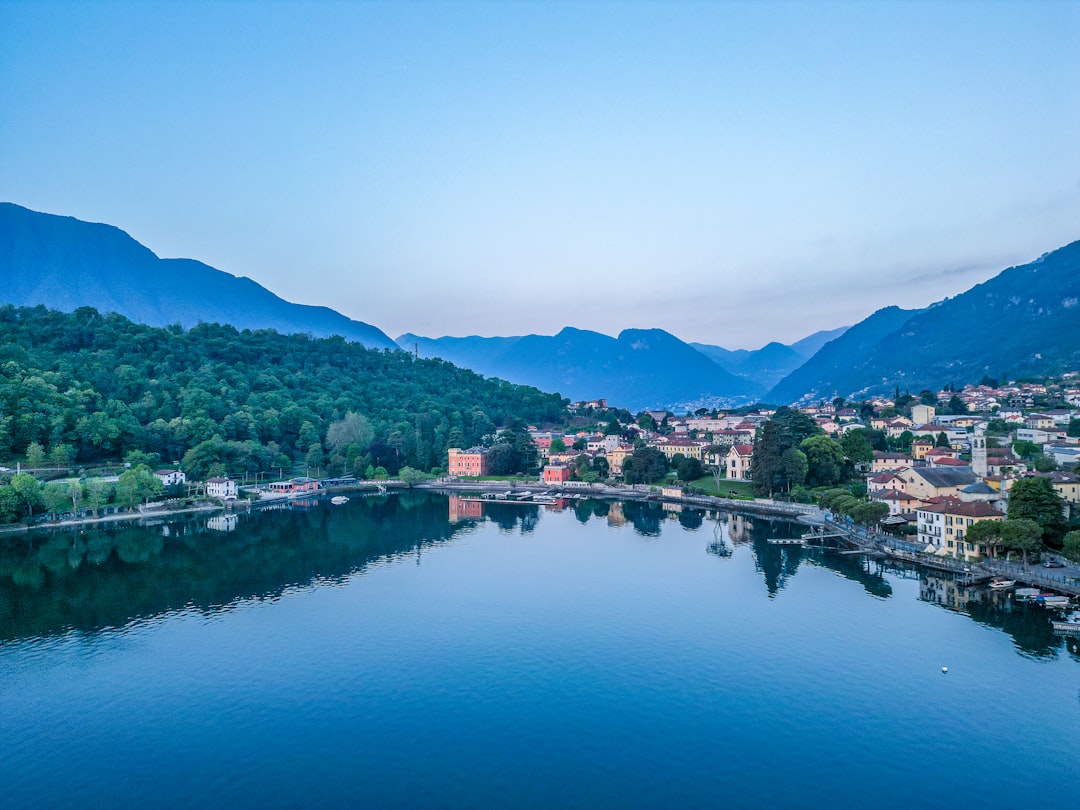
Samuil's Fortress — Climb the steep path from the old town to the top of the hill, and you'll be rewarded with a panoramic view of the lake and the town sprawled below. The fortress, built in the 10th century by Tsar Samuel, is a ruin now, but the walls still stand tall, offering a sense of the town's strategic importance. The climb is steep and tiring, but the view is worth it. You can spend hours wandering the ruins, imagining the battles and sieges that took place here. There's no entry fee, and it's open until sunset. Go at dusk for the best photos, as the town lights up and the stars begin to appear.
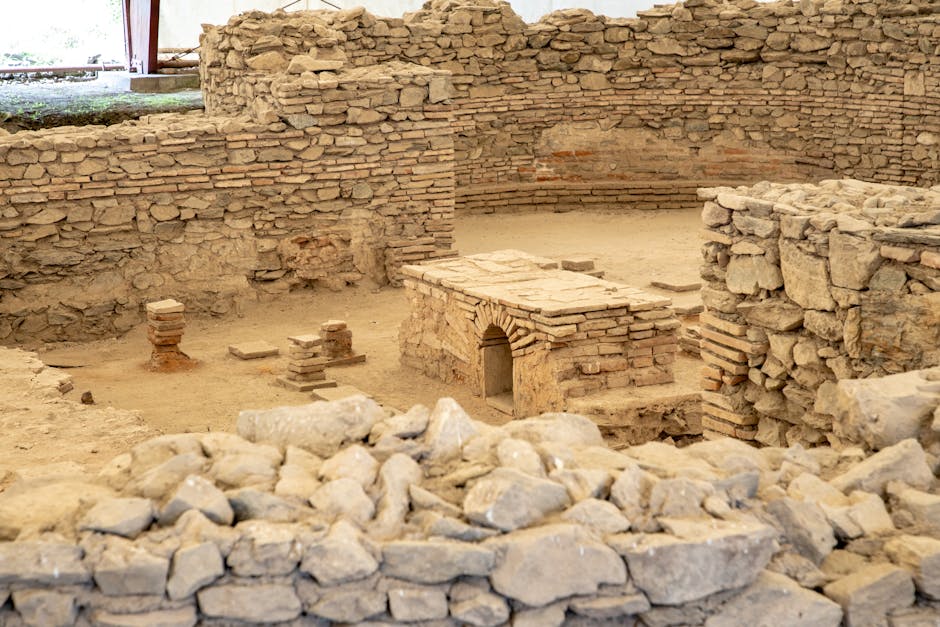
Plaošnik Archaeological Site — Just a short walk from Saint Sophia, this site reveals the layers of Ohrid's history. Excavations have uncovered the remains of a Roman villa, a Byzantine palace, and the crypt of Saint Clement. The site is well-preserved, with informative signs explaining the significance of each layer. It's a fascinating place to visit, especially if you're interested in archaeology. Entry costs 3 EUR, and it's best visited in the morning when the light is soft and the crowds are thin. The crypt of Saint Clement is particularly moving, a small, dark space that feels heavy with history.
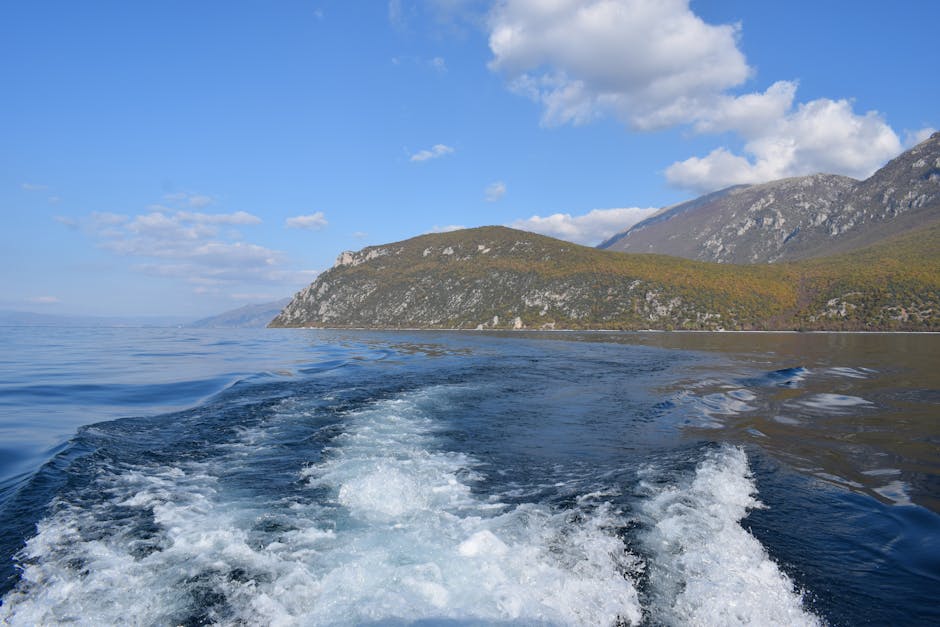
Galichica National Park — For a break from the town, head to Galichica National Park, located on the eastern shore of the lake. The park is a biodiversity hotspot, with dozens of endemic species found nowhere else in the world. The trails are well-marked, and the views are spectacular. You can hike to the top of Galičica Mountain for a 360-degree view of the region, or explore the monasteries hidden in the forests. The park is a peaceful retreat, a place to reconnect with nature and forget the hustle and bustle of the town. Entry to the park is free, but you'll need to pay for parking and possibly a guide if you want to explore the monasteries.
What to Eat & Drink
Ohrid's cuisine is a reflection of its history, a blend of Ottoman, Slavic, and Mediterranean influences. The food is hearty, flavorful, and designed to fuel you for a day of exploring. Start with pašticada, a slow-cooked beef dish served with potatoes and a rich sauce. It's a local favorite, and you'll find it on almost every menu. Price: 8-12 EUR. For something lighter, try zelnik, a savory pie filled with cabbage and cheese. It's cheap, filling, and delicious. Price: 3-5 EUR.
Seafood is a must-try, given the lake's fame. The local trout, grilled simply with olive oil and lemon, is a revelation. Price: 10-15 EUR. Don't skip the makovnjača, a poppy seed roll that's sweet, nutty, and perfect with coffee. Price: 2-3 EUR. For drinks, try the local wine, particularly the Vranec, a bold red that pairs well with the heavy dishes. A glass costs around 3-5 EUR.
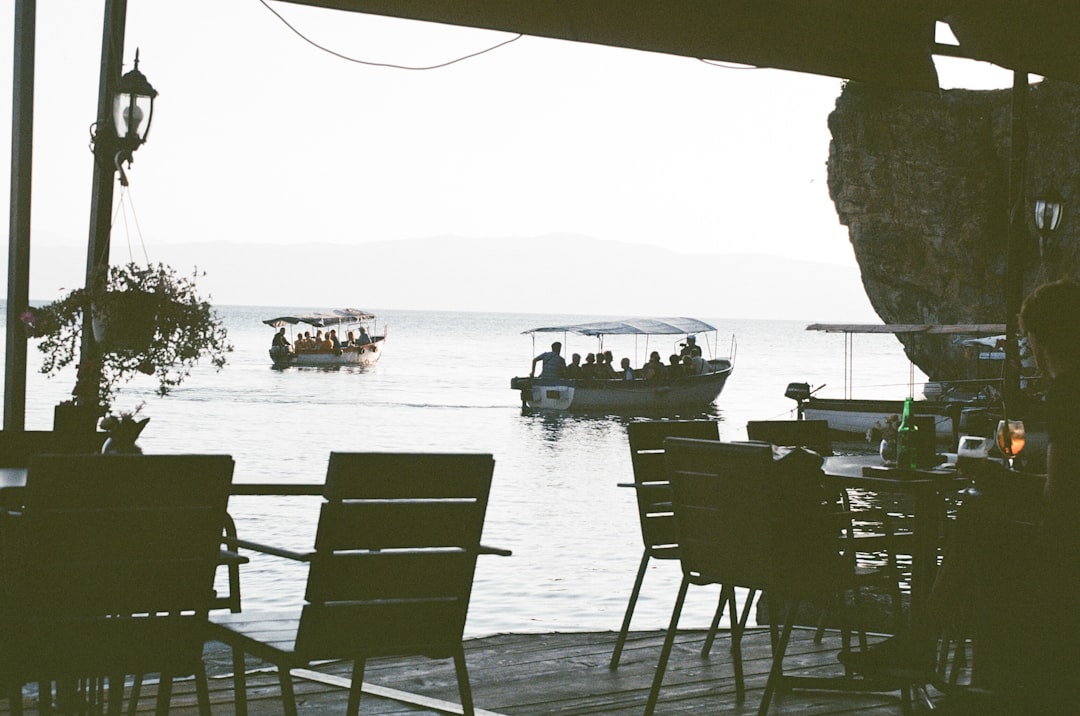
The best place to eat is the Old Bazaar, a maze of narrow streets filled with restaurants, cafes, and shops. The atmosphere is lively, with the sound of music and chatter filling the air. You'll find everything from cheap street food to upscale dining. For a budget meal, head to the Market Square, where you can find take-away options like burek and sandwiches for under 5 EUR. For a sit-down meal, look for the family-run restaurants with outdoor seating and menus written on chalkboards. These are the places where the locals eat, and the food is always fresh and authentic.
Nightlife
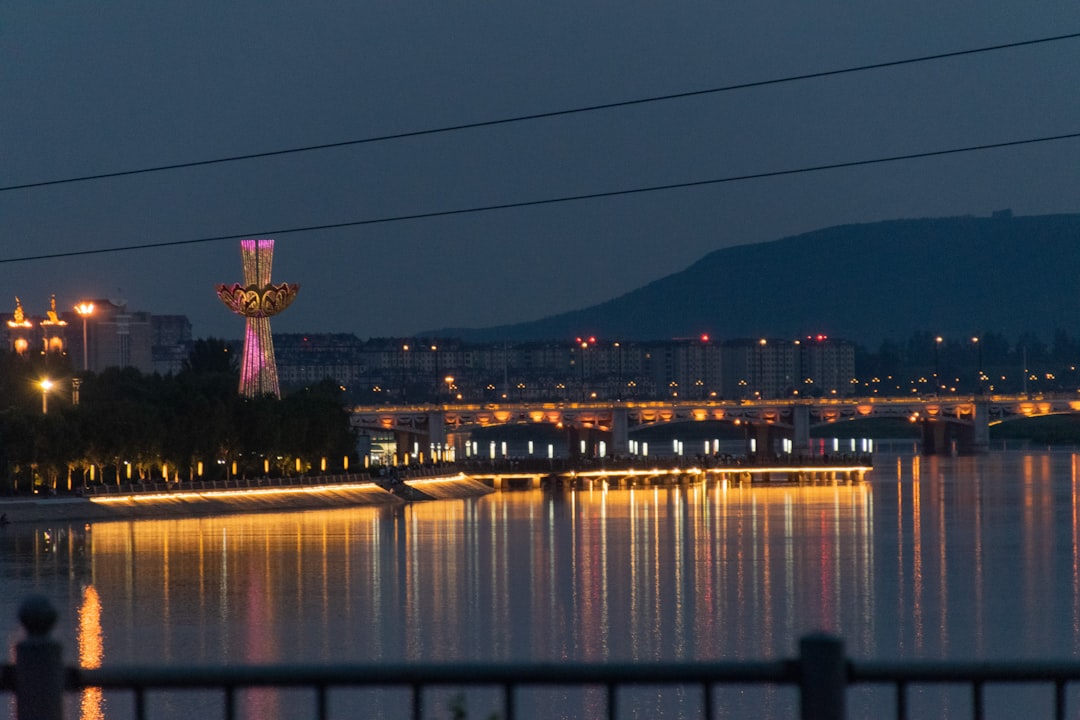
Ohrid's nightlife is surprisingly vibrant, with a mix of traditional cafes, modern bars, and clubs. The main action is along the Lakefront Promenade, where you'll find a string of bars and clubs spilling out onto the water. The atmosphere is relaxed, with people sitting on benches, drinking beer, and listening to live music. It's a place to unwind after a day of exploring, to soak up the views and the vibe.
For a more traditional experience, head to the Old Town, where you'll find cozy bars and cafes with live folk music. The Bar Kanion is a local favorite, with a great selection of drinks and a lively atmosphere. Entry is free, but expect to spend 5-10 EUR on drinks. For dancing, Club 41 is the place to go, with a mix of electronic and pop music. Cover charge is around 5 EUR. The nightlife scene is young and energetic, with a mix of locals and tourists. It's a fun place to let loose and enjoy the night.
Getting There & What to Expect
Getting to Ohrid is relatively easy, with good connections from major cities in the region. The nearest airport is in Skopje, about 170 km away. Buses run regularly from Skopje to Ohrid, taking around 3.5 hours and costing 10-15 EUR. You can also fly directly to Ohrid Airport, but flights are limited and more expensive. From Bitola, the drive is shorter, about 1.5 hours. Buses are frequent and cheap, costing around 5 EUR.
Accommodation in Ohrid ranges from budget hostels to luxury hotels. A bed in a hostel costs around 15-25 EUR per night, while a mid-range hotel room will set you back 50-80 EUR. Luxury hotels with lake views can cost 150-300 EUR per night. The best time to visit is from May to October, when the weather is warm and the lake is inviting. Summer is busy, with crowds and higher prices, but the nightlife is at its peak. Spring and autumn are quieter, with mild weather and fewer tourists. Winter is cold and quiet, but the town has a special charm, with the lake often covered in ice.
Search accommodation in Ohrid on Booking.com →
The Ghosts in the Water
I sat on the shore late one night, the water black and still, reflecting the stars above. The town was quiet, the tourists gone, the bars closed. I could hear the waves lapping against the shore, a rhythmic sound that seemed to go on forever. I thought about all the people who had sat here before me, looking out at the same water, thinking the same thoughts. The Byzantines, the Ottomans, the Slavs, the Romans—all gone, their empires dust, their names forgotten. But the lake remained, unchanged, timeless. It was a humbling thought, a reminder of how small we are in the grand scheme of things. I closed my eyes and let the darkness wash over me, feeling the weight of history pressing down on me, the ghosts of the past whispering in the wind. Ohrid is a place that stays with you, long after you've left. It's a place that changes you, that makes you see the world in a different light. And if you're lucky, it might just give you a glimpse of eternity.


Comments