


The coffee in Kruševo tastes like it was brewed over a fire that’s been burning since the Ottoman Empire. I’m sitting on a plastic chair, legs propped up on a crate of tomatoes, watching a fisherman in Albania cast his line into water that technically belongs to Greece. The border isn’t a wall; it’s a ripple. You can stand on the shore in North Macedonia and throw a stone into the Albanian side of the lake. It’s not a metaphor. It’s geography. And it’s the only place in the Balkans where three countries don’t just share a border—they share a body of water, a bird, and a stubborn refusal to let politicians ruin the view.
Prespa isn’t a single lake. It’s a pair. Great Prespa and Little Prespa. They’re tectonic, ancient, and shallow in places, deep in others. The water is clear enough to see the bottom if you’re lucky and the wind isn’t whipping up sediment from the bottom. The real story isn’t the water, though. It’s the pelicans. The Dalmatian pelican. Massive, prehistoric-looking birds that nest on islands that don’t appear on most maps. They’re the reason this place exists as a protected zone. Without them, Prespa would just be another quiet corner of the Balkans. With them, it’s a sanctuary. And the birds don’t care about passports.
History & Identity
Prespa’s history is written in water and stone. The lakes were formed by tectonic activity, but the people who settled around them built their lives on fishing, farming, and a kind of quiet resilience that comes from living in a borderland. The region was part of the Ottoman Empire for centuries, and you can still see the influence in the architecture, the food, and the way people greet each other. After the Ottoman collapse, the borders were redrawn by European powers, splitting the Prespa region among three new nations. It’s a story that’s repeated across the Balkans, but here it’s more visible because the water doesn’t stop at the border.
The modern identity of Prespa is tied to conservation. The Prespa Parks, a transboundary protected area, were established to protect the Dalmatian pelican and the unique ecosystem of the lakes. It’s one of the few places in Europe where three countries have agreed to manage a shared natural resource. It’s not perfect. There are still tensions, still bureaucratic hurdles, but the fact that it exists at all is a miracle. The parks cover over 100,000 hectares, and they’re home to more than 270 species of birds, 12 species of fish, and a landscape that’s been largely untouched by modern development.
The villages around the lakes are small, scattered, and mostly inhabited by people who have lived here for generations. They speak Macedonian, Greek, and Albanian, often within the same household. The culture is a blend of Orthodox Christian traditions and a kind of rural pragmatism that comes from living in a remote area. There’s no grand narrative here, no heroic battles or famous generals. Just people, water, and birds. And that’s enough.
Where to Go
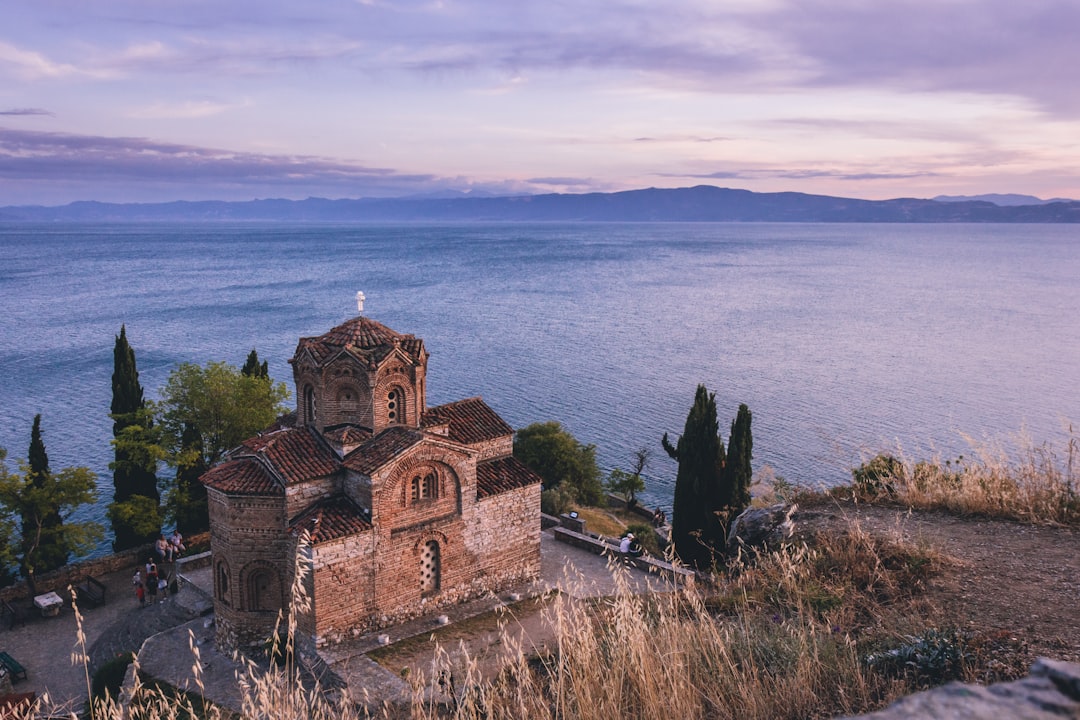
St. Achilleios Island — This tiny island in Great Prespa is home to a Byzantine church and a small monastery. It’s accessible by boat from Nea Prespa in Greece, and the ride is short, about 10 minutes. The island is a pilgrimage site, but it’s also a place to escape the mainland. The church is simple, whitewashed, and surrounded by olive trees. There’s no entry fee, but donations are appreciated. It’s best visited in the morning when the light is soft and the birds are still nesting.

Prespa National Park — The park spans all three countries, but the Macedonian side is the easiest to access. The park office in Resen offers maps and information, and there are several hiking trails that lead to viewpoints overlooking the lakes. The park is free to enter, but guided tours cost around 10-20 EUR per person. The best time to visit is in the spring or autumn when the migratory birds are passing through.

Kruševo — This town in North Macedonia is the gateway to Little Prespa. It’s a small, historic town with a museum, a fortress, and a reputation for being the capital of the short-lived Kruševo Republic in 1903. The town is quiet, but it’s a good base for exploring the lake. There are several guesthouses and restaurants, and the prices are reasonable. The view from the town square is one of the best in the region.

Limnionas — This Greek village on the shore of Great Prespa is known for its fishing industry and its traditional tavernas. The village is small, but it’s a good place to eat fresh fish and drink raki. The boats are moored in the harbor, and the smell of grilled fish is everywhere in the evening. It’s a working village, not a tourist trap, which is part of its charm.

Albanian Prespa — The Albanian side of the lakes is the least developed and the least visited. The villages here are small, and the infrastructure is basic, but the natural beauty is untouched. Fierz i Prespës is the main town, and it’s a good place to stay if you want to explore the Albanian side. There are no major attractions, but the peace and quiet are worth it.

What to Eat & Drink
Prespa Fish — The lakes are full of fish, and the local cuisine revolves around them. The most common species are carp, catfish, and trout. The fish is usually grilled or fried, and it’s served with potatoes, bread, and a simple salad. A plate of grilled fish costs around 8-12 EUR in a local taverna. It’s not gourmet, but it’s fresh and it’s cheap.
Prespa Cheese — The region is also known for its cheese, which is made from sheep’s milk. The cheese is soft, salty, and slightly tangy. It’s often served with bread and raki. A small portion costs around 3-5 EUR. It’s a good snack, and it’s a good way to support local producers.
Raki — The local spirit is raki, which is made from grapes, plums, or figs. It’s strong, clear, and usually served in small glasses. A glass of raki costs around 1-2 EUR. It’s a good way to warm up in the evening, and it’s a good way to meet the locals.
Budget travelers can eat well on 5-10 EUR per meal if they stick to local tavernas and avoid the tourist traps. Street food is limited, but there are some good bakeries that sell fresh bread and cheese. For a sit-down meal, expect to pay 15-25 EUR per person at a mid-range restaurant. The best places to eat are in Kruševo, Limnionas, and Nea Prespa.


Nightlife
Prespa doesn’t have a nightlife scene. It’s not a party destination. The villages go to sleep early, and the only lights you’ll see are the ones from the fishing boats. If you’re looking for bars and clubs, you’ll have to go to Bitola or Thessaloniki. But if you’re looking for quiet, you’ll find it here. The best evening activity is sitting on the shore, drinking raki, and watching the sun go down. The birds are quiet, the water is calm, and the stars are bright. It’s not exciting, but it’s peaceful.


Getting There & What to Expect
The nearest airport is Skopje in North Macedonia, which has connections to major European cities. From Skopje, you can take a bus or a car to Kruševo, which is about 100 km away and takes around 2 hours by car. Buses run regularly, and the cost is around 5-10 EUR. From Thessaloniki in Greece, you can take a bus or a car to Nea Prespa, which is about 150 km away and takes around 2.5 hours. Buses are less frequent, and the cost is around 10-15 EUR. The Albanian side is the hardest to reach, and you’ll need a car to get there.
Accommodation in Prespa is mostly guesthouses and small hotels. Budget options cost around 20-40 EUR per night, and mid-range options cost around 50-80 EUR per night. Camping is possible in some areas, but there are no official campsites. The best time to visit is from May to October, when the weather is warm and the birds are nesting. The winters are cold and wet, and many businesses close.
Search accommodation in Kruševo on Booking.com →
The Border is a Ripple
I left Prespa with a headache from the raki and a heart full of peace. The border isn’t a line on a map. It’s a feeling. It’s the smell of fish frying in a taverna in Limnionas, the sound of a boat engine in Kruševo, the sight of a pelican taking flight over Fierz i Prespës. It’s a place where three countries share a shoreline, a bird, and a way of life. It’s not perfect. It’s not glamorous. But it’s real. And in a world of fake news and fake borders, real is enough.

Comments