


The Salt, The Sand, and The Sunburn
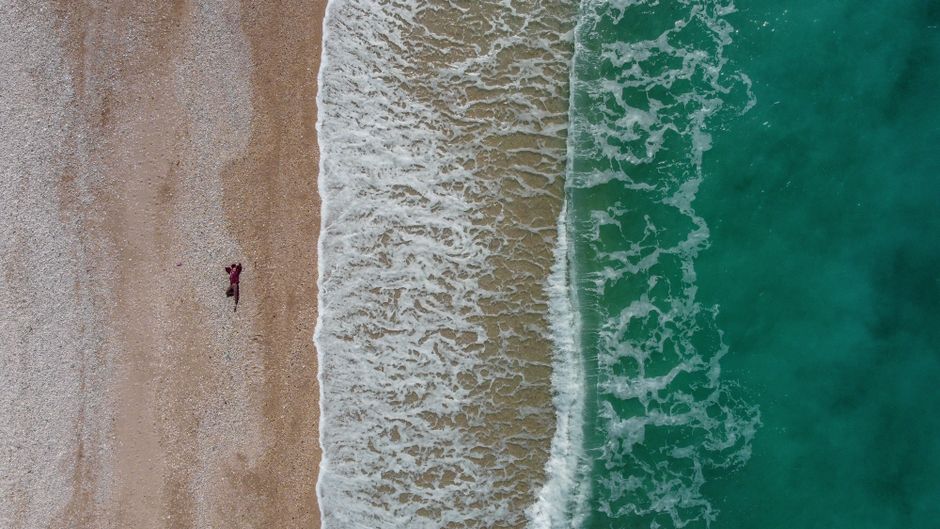
I am sitting on a dune that feels suspiciously like a mirage, staring at a shoreline that stretches further than the eye can see, and trying to convince myself that I am not in Turkey. The air here in Ulcinj is thick with a specific kind of Mediterranean heat that sticks to your skin like cheap cologne. I have spent the last three years chasing beaches across the Balkans — from the jagged pebbles of the Croatian coast to the concrete-heavy promenades of Bulgaria's Black Sea strip. But here, on the southernmost tip of Montenegro, the ground gives way to soft, golden sand. It is Velika Plaža, the Great Beach, and it is the only place in this entire region where you can actually bury your feet without needing a pair of steel-toed boots.
The vibe is raw, unpolished, and utterly addictive. There are no five-star resorts looming over the dunes here, just a chaotic, vibrant mix of locals, Eastern European backpackers, and a few brave souls trying to surf in the Adriatic. I ordered a drink at a wooden shack that looked like it had been assembled from driftwood and hope, and the bartender handed me a beer with a look that said, "Enjoy the sand, it's gone tomorrow if you don't respect it." This is not a curated holiday destination. This is a wild, sandy frontier where the Adriatic Sea crashes against the Balkans with a force that feels personal.
History & Identity
Ulcinj Ulcinj is a town that has been conquered by everyone and owned by no one for long. It is a place of layers, where Ottoman architecture sits comfortably next to Venetian fortifications and modern beach clubs. The town's identity is deeply tied to the sea and its historic role as a pirate haven. In the 18th and 19th centuries, Ulcinj was known for its corsairs, who preyed on ships in the Adriatic. This rebellious spirit is still palpable in the town's narrow, winding streets and the defiant attitude of its residents.
The old town, or Star Grad, is a labyrinth of stone walls and hidden courtyards. It feels like stepping back in time, especially when you reach the Ulcinj Fortress Ulcinj Fortress, which sits on a hill overlooking the town and the sea. The fortress has been rebuilt and expanded by various rulers, from the Romans to the Ottomans, and its thick walls have withstood countless sieges. Today, it offers one of the best panoramic views in Montenegro, framing the contrast between the ancient stone and the modern beach life below.
The town's identity is also shaped by its diverse population, including a significant Romani community. This cultural mix is evident in the music, the food, and the general atmosphere of the town. Ulcinj is not a monolithic tourist destination; it is a living, breathing place with a complex history and a vibrant present. The blend of Ottoman and Mediterranean influences creates a unique cultural tapestry that you won't find anywhere else in the Balkans.
Where to Go
Velika Plaža is the main attraction, a twenty-kilometer stretch of sand and dunes that is home to the Ada Bojana Ada Bojana peninsula. This is where the Bojana River meets the sea, creating a unique ecosystem of saltwater and freshwater. The beach is mostly undeveloped, with a few small restaurants and bars scattered along the shore. It is perfect for long walks, sunbathing, and getting lost in the dunes. Entry is free, but you should bring your own towel and sunscreen. The best time to visit is early morning or late afternoon to avoid the midday heat.
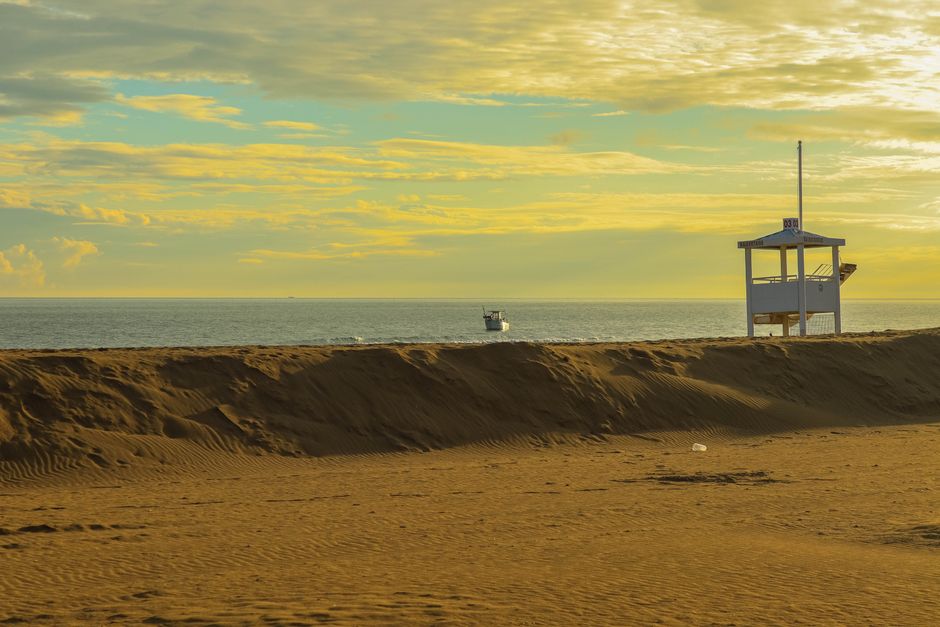
Ulcinj Fortress Ulcinj Fortress is a must-visit for anyone interested in history. The fortress is open to the public, and the entry fee is a nominal 2 EUR. The climb up to the fortress is steep, but the view from the top is worth it. You can see the entire town, the old harbor, and the beach stretching out to the horizon. The fortress is best visited in the late afternoon when the light is soft and the crowds are thinning out.
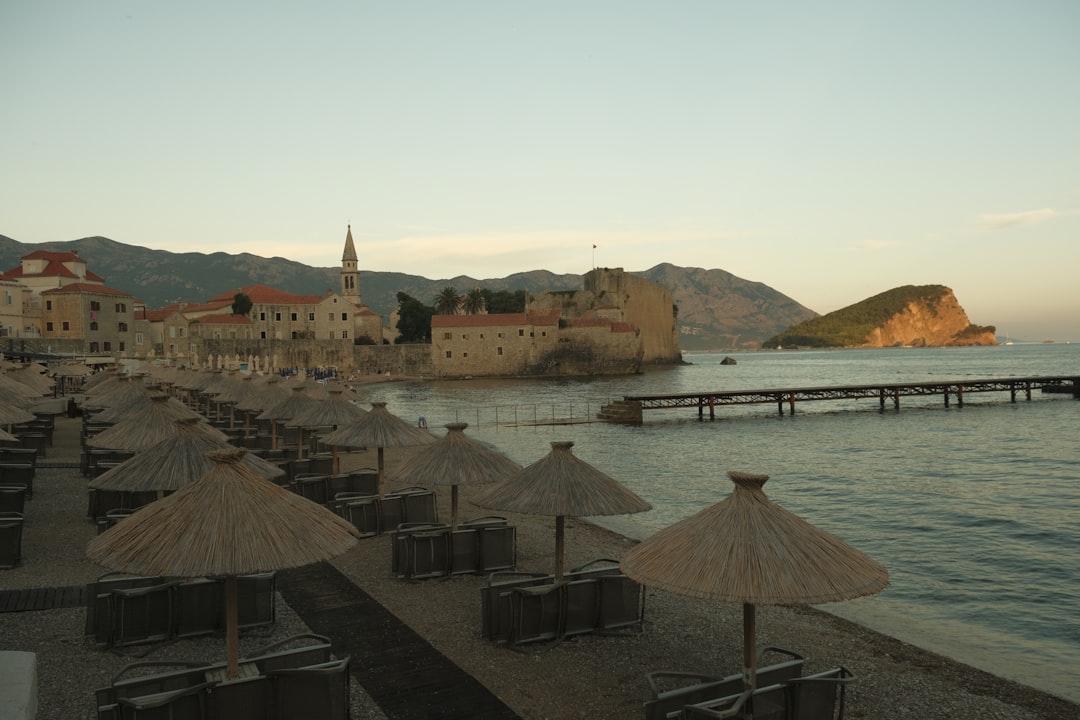
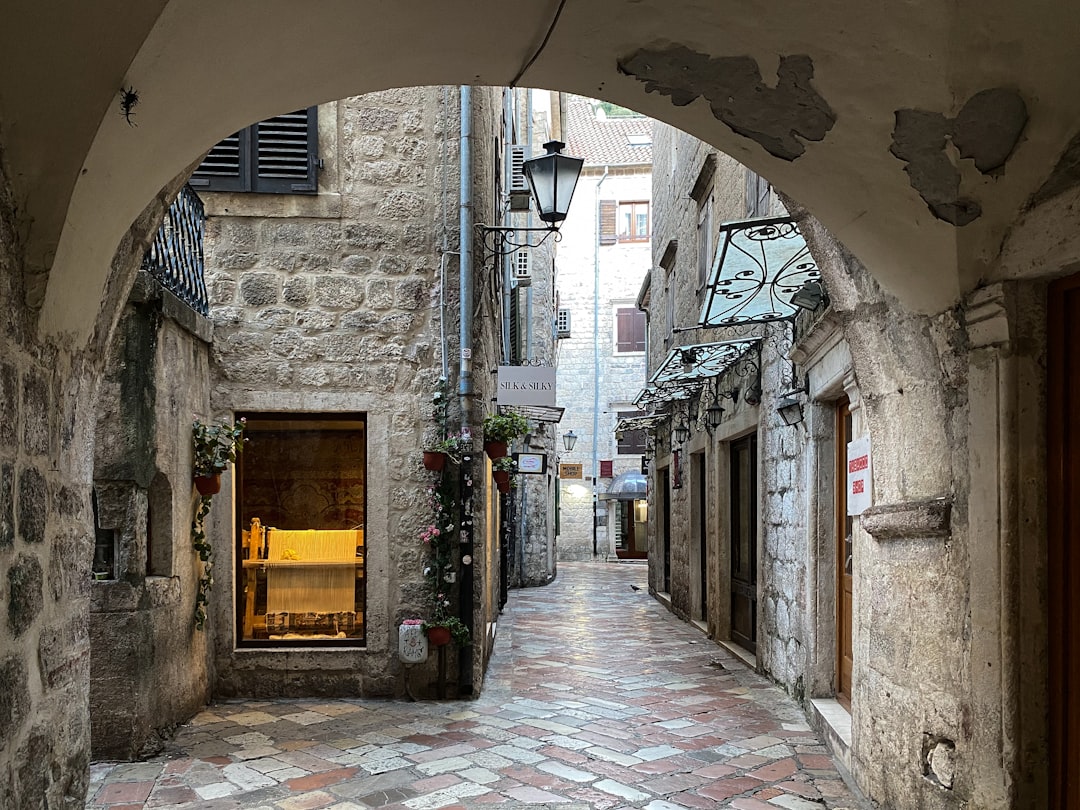
Star Grad (Old Town) is a maze of narrow streets and hidden alleys. It is best explored on foot, wandering from one courtyard to another. The old town is home to several small museums, including the Ulcinj Museum Ulcinj Museum, which has a collection of archaeological finds and historical artifacts. The entry fee is 3 EUR. The old town is also home to several small galleries and craft shops, where you can buy local souvenirs. The best time to visit is in the morning when the streets are quiet and the light is perfect for photography.
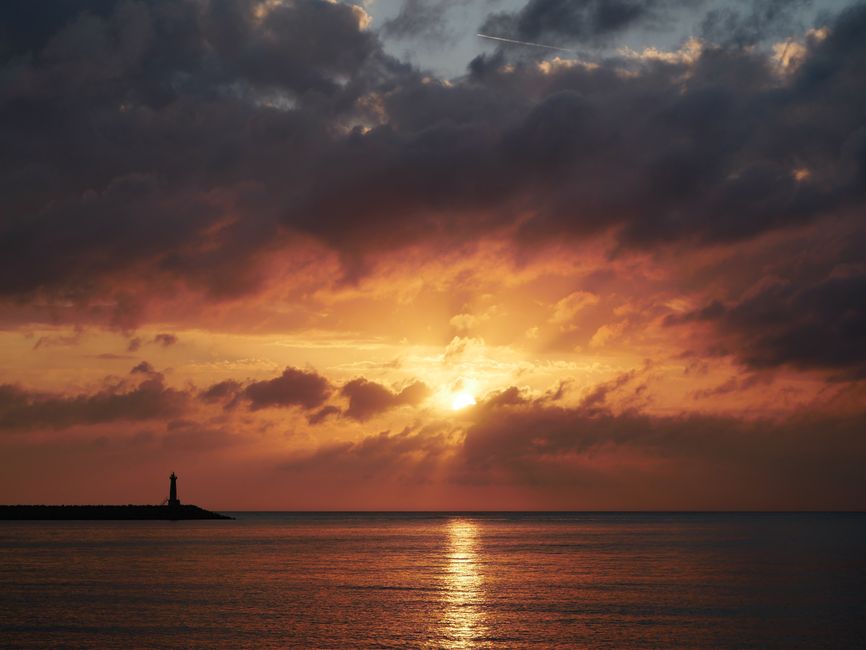
Ada Bojana Ada Bojana is a small peninsula at the mouth of the Bojana River. It is a popular spot for kayaking and windsurfing, and there are several rental shops in the nearby village of Bojana. The peninsula is also home to a small lighthouse and a few beach bars. The best way to get there is by boat from the old harbor in Ulcinj. The ride takes about twenty minutes and costs around 10 EUR for a round trip.
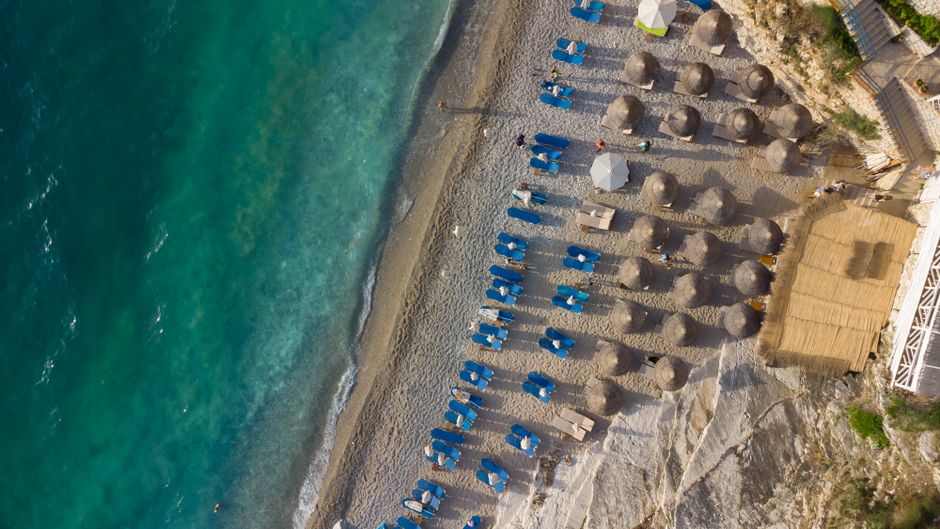
Plava Voda (Blue Water) is a smaller, quieter beach located just north of the old town. It is a good option if you want to avoid the crowds on Velika Plaža. The water is clear and calm, and there are several small restaurants and bars along the shore. Entry is free, and there are sunbeds and umbrellas available for rent for around 5-10 EUR per day.
What to Eat & Drink
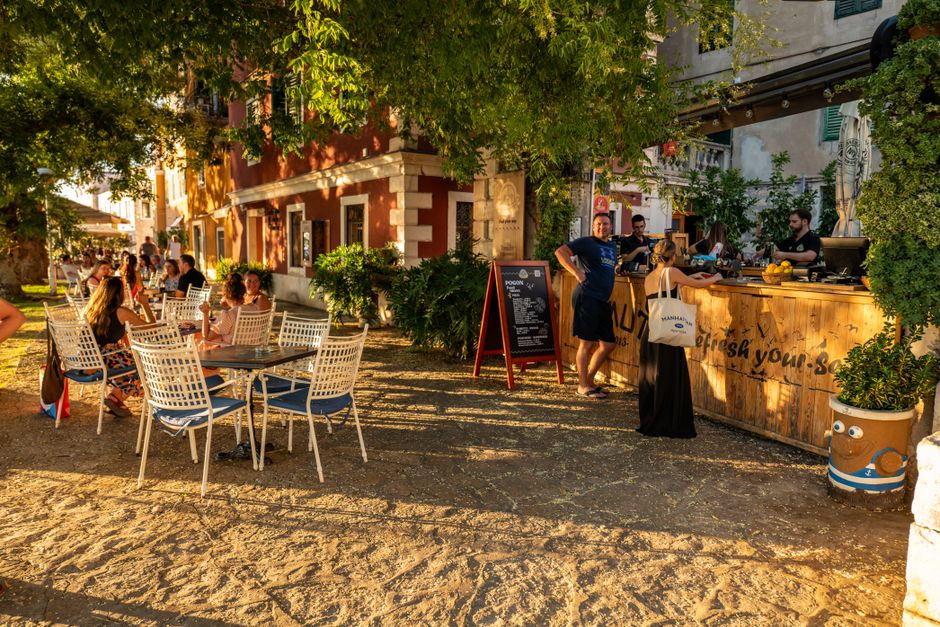
The food in Ulcinj is a mix of Montenegrin and Mediterranean flavors, with a strong emphasis on fresh seafood. Must-try dishes include grilled octopus 8-12 EUR, black risotto 7-10 EUR, and ćevapi 3-5 EUR. For a budget meal, you can grab a sandwich or a pirozhki from a street vendor for around 2-4 EUR. Sit-down meals at a local restaurant will cost around 10-15 EUR per person, while mid-range restaurants will cost around 15-25 EUR.
The main food street in Ulcinj is Njegoševa Street, which runs through the old town. It is lined with small restaurants, cafes, and bars, and is a great place to grab a bite to eat or a drink. The street is especially lively in the evening, when the locals come out to socialize. For a more authentic experience, head to the Ulcinj Market Ulcinj Market, where you can buy fresh produce, seafood, and local specialties.

Nightlife
The nightlife in Ulcinj is centered around Velika Plaža, where there are several beach clubs and bars. The most famous is Blue Bay Beach Club, which is known for its parties and DJ sets. The cover charge is around 10-20 EUR, and there is a minimum spend. The club is open from sunset until late at night, and the atmosphere is electric. Another popular spot is Club 2000, which is located in the old town and is known for its live music and dancing.

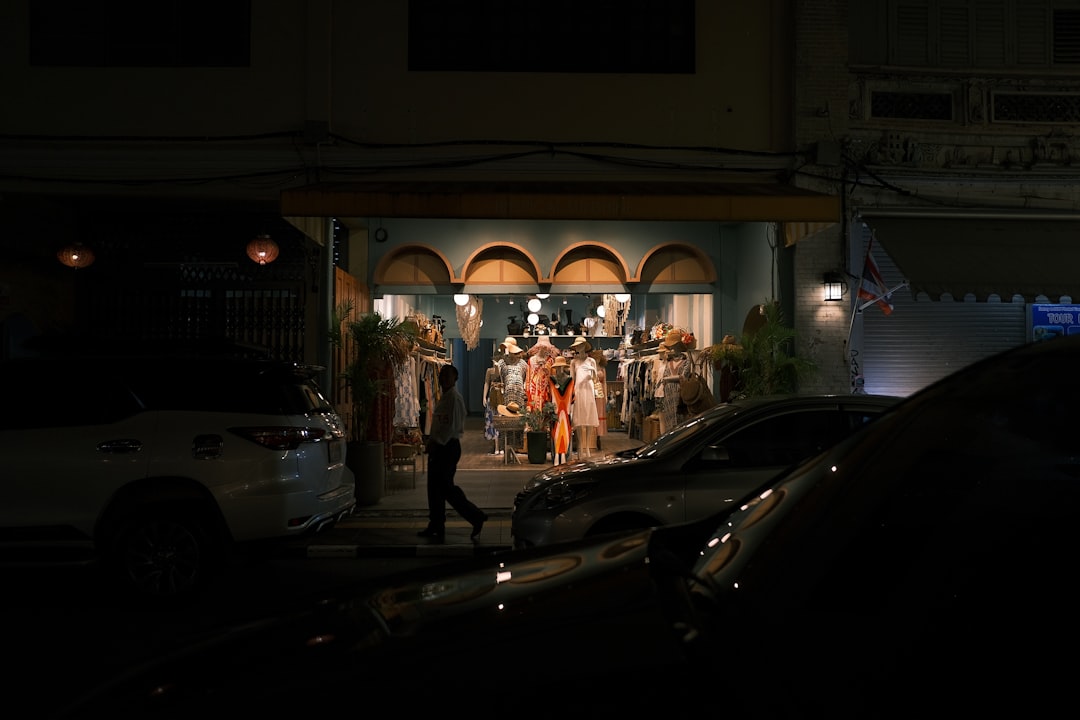
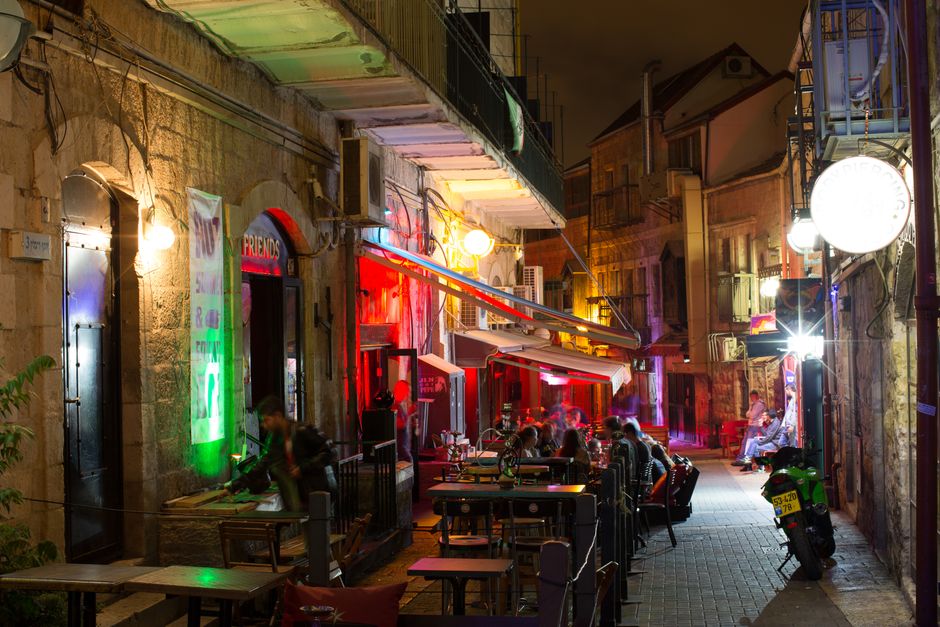
For a more low-key option, head to Old Town Bars, which are scattered throughout the narrow streets of the old town. These bars are small and intimate, and offer a more relaxed atmosphere. Drinks are cheap, around 2-4 EUR for a beer or a cocktail. The bars are open until late at night, and the atmosphere is friendly and welcoming.
Getting There & What to Expect
The nearest airport is Podgorica Airport Podgorica Airport, which is about 100 km north of Ulcinj. There are regular buses from the airport to Ulcinj, which take around two hours and cost around 10 EUR. You can also rent a car at the airport for around 30-50 EUR per day. From Tirana Tirana, the capital of Albania, it is about 100 km to Ulcinj, and the drive takes around two hours. There are also buses from Tirana to Ulcinj, which cost around 10-15 EUR.
Accommodation in Ulcinj ranges from budget hostels to mid-range hotels. A budget hostel will cost around 20-40 EUR per night, while a mid-range hotel will cost around 50-100 EUR per night. The best time to visit Ulcinj is from June to September, when the weather is warm and sunny. However, July and August can be crowded, so it is best to visit in June or September if you want to avoid the crowds.
Search accommodation in Ulcinj on Booking.com →
The Last Dune
As the sun dips below the horizon, painting the sky in shades of orange and purple, I realize that Ulcinj is not just a beach destination. It is a place that demands your attention. The sand is not just sand; it is a reminder of the earth's raw, unfiltered beauty. The people here are not just locals; they are guardians of a history that is as complex as it is captivating. I leave Ulcinj with sand in my shoes and a sense of wonder in my heart. This is not a place you visit; it is a place that visits you. And once it has, you will find yourself dreaming of the salt, the sand, and the sunburn long after you have returned home.
Comments