


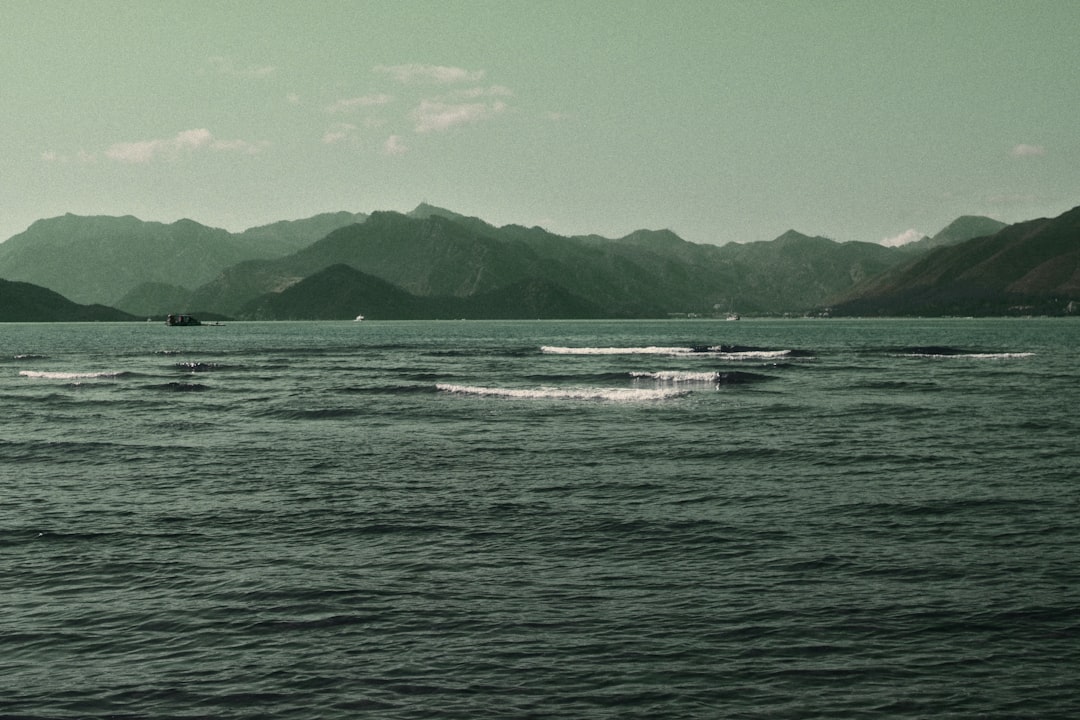
I stood on a windswept spit of sand in Çanakkale, the Aegean Sea slapping my boots with a rhythm that felt less like a lullaby and more like a warning. The air tasted of salt, diesel from the ferries crossing to Greece, and the sharp, metallic tang of history. A local fisherman, his face mapped with wrinkles deeper than the trenches of Gallipoli, spat into the surf and told me, "You come here for the sun, but you stay for the ghosts." I wasn't here for the ghosts, or so I told myself. I was here for the coastline that most travelers skip entirely, rushing through the Dardanelles to get to Istanbul or heading straight to the party islands. But this stretch of Turkey's Balkan coast, known as Eastern Thrace, is a jagged, beautiful contradiction. It is where Europe bleeds into Asia, where ancient battlefields sit next to vineyards, and where the sea doesn't just touch the land—it claims it.
The drive from the border at Kapıkule to the coast is a descent into a landscape that feels entirely untamed. There are no polished resort facades here, no all-inclusive hotels blocking the view. Just rocky coves, olive groves clinging to hillsides, and a coastline that stretches with a wild, indifferent grace. I spent three days chasing the shoreline, from the muddy mouths of rivers to the crystalline clarity of the Sea of Marmara. It is not a destination for the faint of heart or the organizationally challenged. It is for those who want to feel the pulse of a region that has been fought over, settled, and abandoned more times than I can count. This is the Balkan coast of Turkey, and it is raw, real, and utterly unforgettable.
History & Identity
The identity of Eastern Thrace is forged in fire and water. This is not just a geographical region; it is a historical fault line. The peninsula was the last foothold of the Ottoman Empire in Europe, and before that, it was the gateway for the Byzantine Empire. The weight of this history is palpable in every village. When you walk through the streets of Kırklareli, you aren't just walking past houses; you are walking through layers of empires. The region was the site of some of the bloodiest battles in history, particularly during World War I. The scars of those conflicts are still visible in the landscape, in the cemeteries that dot the hillsides and the museums that hold the artifacts of a war that reshaped the modern world.
Yet, for all its martial past, the region is defined by its agricultural abundance. The fertile plains of Thrace have been farmed for millennia, producing some of the best tobacco, grains, and fruits in the country. This agricultural heritage shapes the local identity: hardworking, resilient, and deeply connected to the land. The people here are not interested in the romanticized version of their history. They are interested in the present, in the harvest, and in the sea that provides their livelihood. The coast itself is a testament to this duality. It is a place where ancient trade routes meet modern fishing villages, where the ruins of Roman ports sit next to small marinas, and where the past is not a museum exhibit but a living, breathing part of daily life.
The sea here is not just a backdrop; it is a central character. The Sea of Marmara is a small, enclosed sea, but it is a crucial link between the Black Sea and the Aegean. It is a busy waterway, filled with cargo ships, ferries, and fishing boats. The coastlines of Eastern Thrace are rugged and rocky, with few natural harbors. This has made the region a strategic military prize for centuries, but it has also kept it relatively isolated. The isolation has preserved a culture that is distinct from the rest of Turkey, a culture that is more Balkan in its sensibilities, more European in its outlook, but still firmly rooted in Turkish tradition.
Where to Go
Çanakkale City — This is the gateway to the Gallipoli Peninsula and the heart of the region's historical narrative. The city itself is small and unassuming, but it serves as an excellent base for exploring the surrounding area. The Çanakkale Maritime Museum is a must-visit, offering a detailed look at the naval battles that took place in the Dardanelles. The old town, with its narrow streets and Ottoman-era houses, is a pleasant place to wander, especially in the evening when the sea breeze cools the air. Entry to the museum is 10 EUR. Best visited in the morning to beat the tour groups.
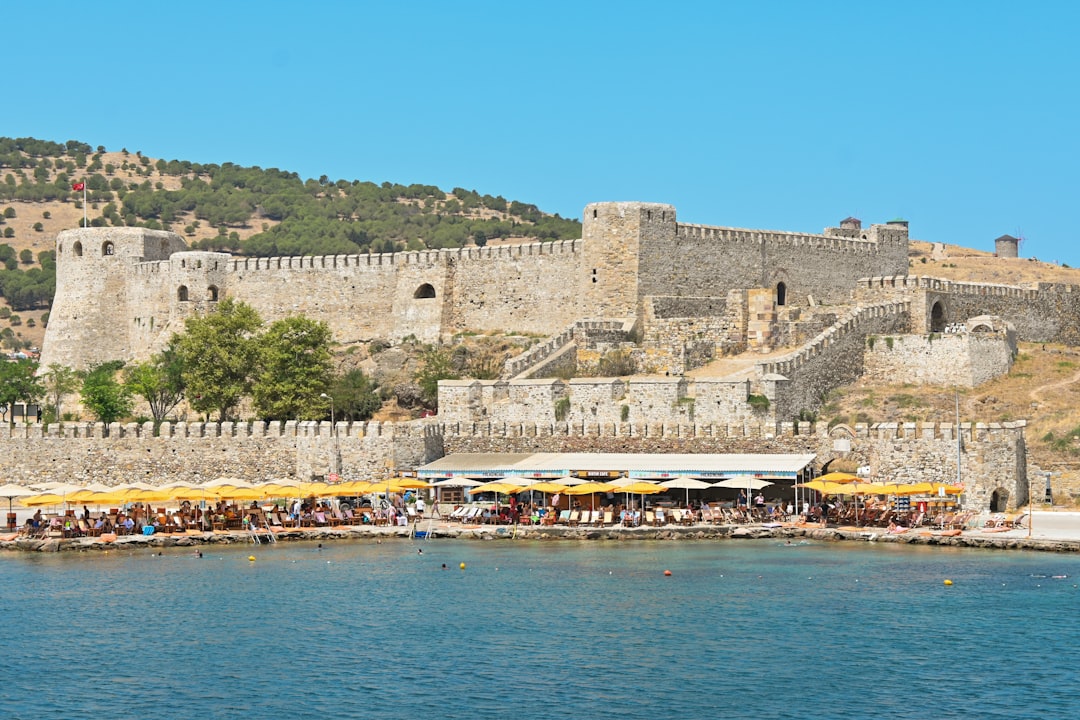
Gallipoli Peninsula — You cannot talk about Eastern Thrace without talking about Gallipoli. The peninsula is a landscape of cemeteries, monuments, and battlefields. The Anzac Cove is the most famous site, but there are many others, including the Kapıkule border crossing, which marks the eastern edge of the European Union. The drive across the peninsula is a sobering experience, a reminder of the cost of war. The Çanakkale 18 Mart Bridge now spans the strait, a modern marvel that connects Europe and Asia. Entry to the main historical sites is free, but a guided tour is recommended. Best visited in spring or autumn to avoid the heat.
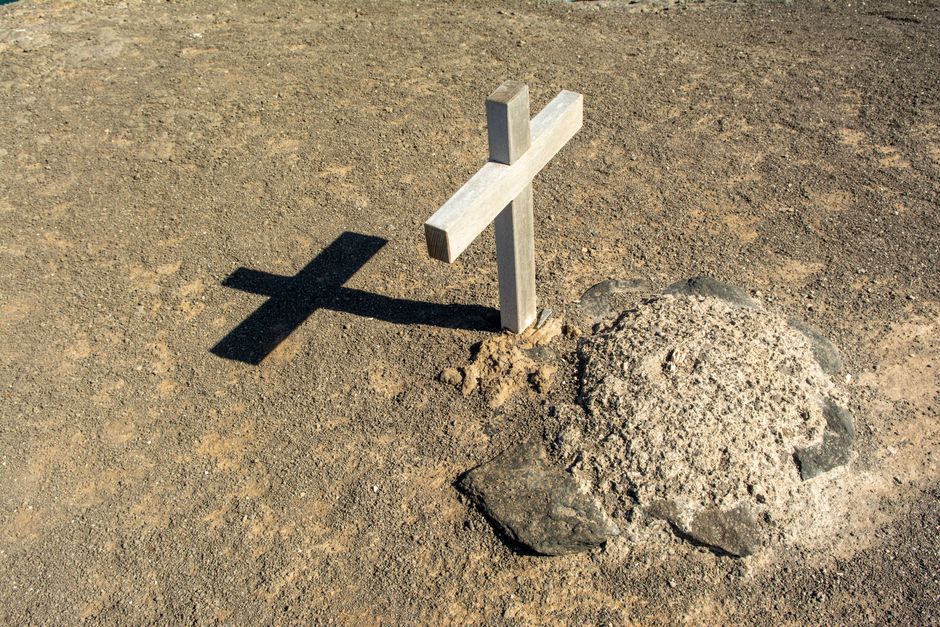
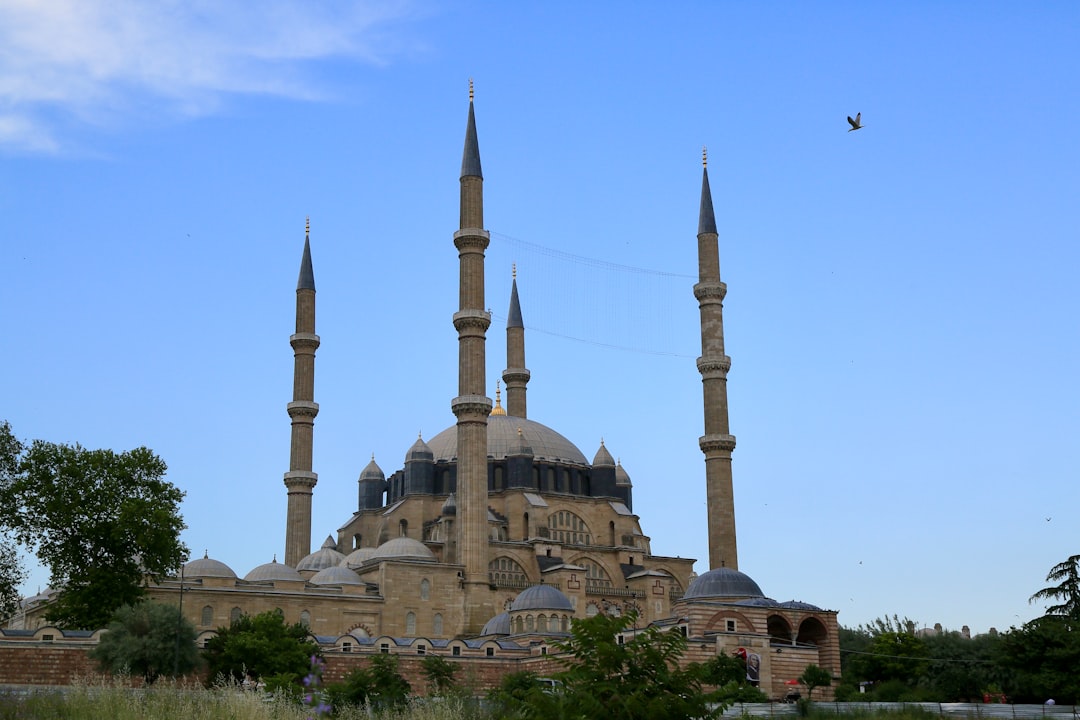
Edirne — Located in the north of Eastern Thrace, Edirne is a city of stunning Ottoman architecture. The Selimiye Mosque is a masterpiece of Islamic architecture, designed by the great architect Mimar Sinan. The city is also known for its thermal springs and its vibrant food scene. The Edirne Castle offers panoramic views of the city and the surrounding plains. Entry to the mosque is free, but donations are appreciated. Best visited in the early morning or late afternoon to avoid the crowds.
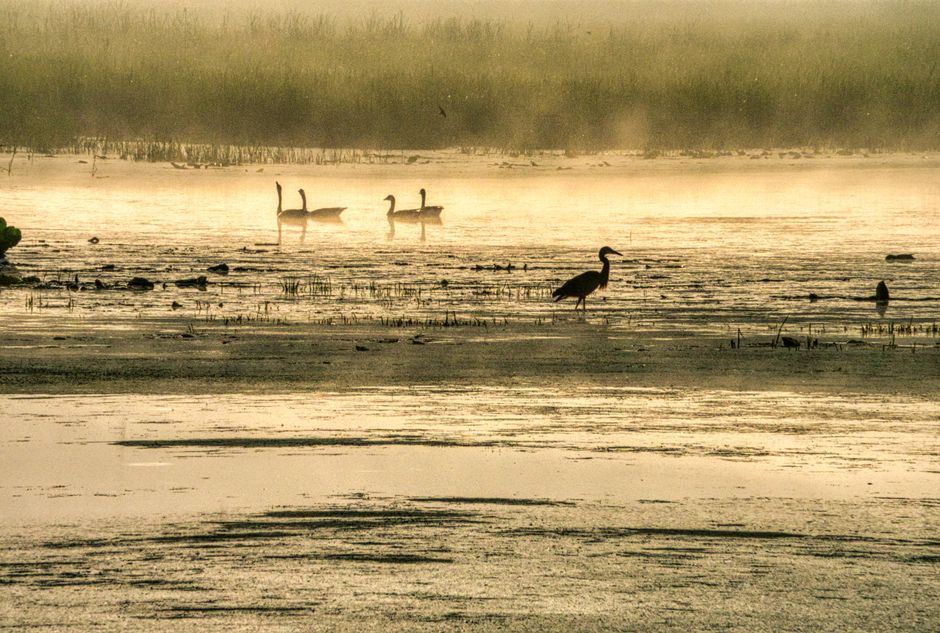
Meriç River Delta — Located on the border with Greece, the Meriç River Delta is a protected wetland area and a haven for birdwatchers. The delta is a mosaic of marshes, reeds, and shallow waters, providing a habitat for hundreds of species of birds. The Meriç River forms the border between Turkey and Greece, and the delta is a place of natural beauty and tranquility. There are no entry fees, but a guide is recommended to navigate the area. Best visited in spring or autumn for bird migration.
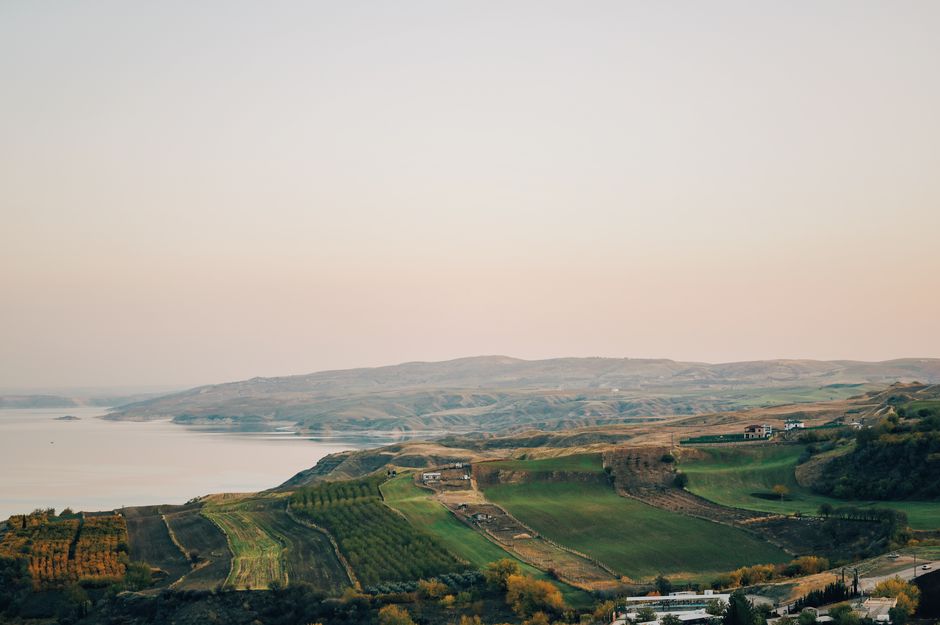
Çerkezköy — A small town in the heart of the Thrace plains, Çerkezköy is known for its tobacco production and its rural charm. The town is a good base for exploring the surrounding countryside, with its rolling hills and olive groves. The Çerkezköy Museum offers a look at the region's agricultural history. Entry to the museum is 5 EUR. Best visited in the autumn during the tobacco harvest.
What to Eat & Drink
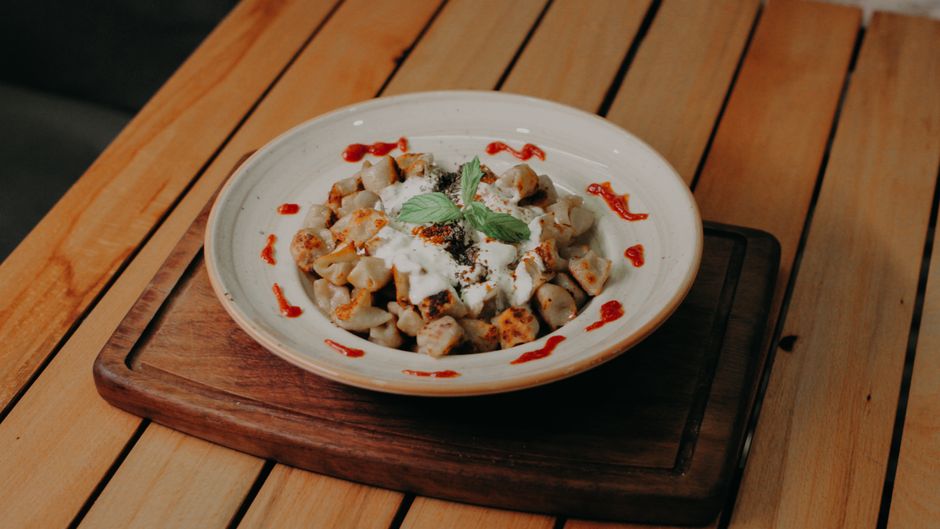
The food of Eastern Thrace is a reflection of its agricultural abundance and its Balkan connections. The region is known for its dairy products, particularly its yogurt and cheese. Trabzon böreği is a local specialty, a flaky pastry filled with cheese and herbs. It is typically served for breakfast, accompanied by tea and fresh vegetables. Edirne kebabı is another local dish, a spicy meatball served with bulgur and yogurt. The region is also known for its çerkes tavuğu, a chicken dish with a tomato and pepper sauce. Typical prices for these dishes are 8-12 EUR per serving in a local restaurant.
For budget travelers, there are plenty of options for street food and take-away meals. Simit, a circular bread covered with sesame seeds, is a popular snack and costs 1-2 EUR. Baklava, a sweet pastry made with layers of phyllo dough and nuts, is a must-try and costs 3-5 EUR per piece. The Edirne Market is a great place to sample local foods and buy souvenirs. There are also several food courts and take-away options in Çanakkale and Kırklareli. Mid-range restaurants offer set menus for 15-20 EUR per person, which typically include a starter, main course, and dessert.
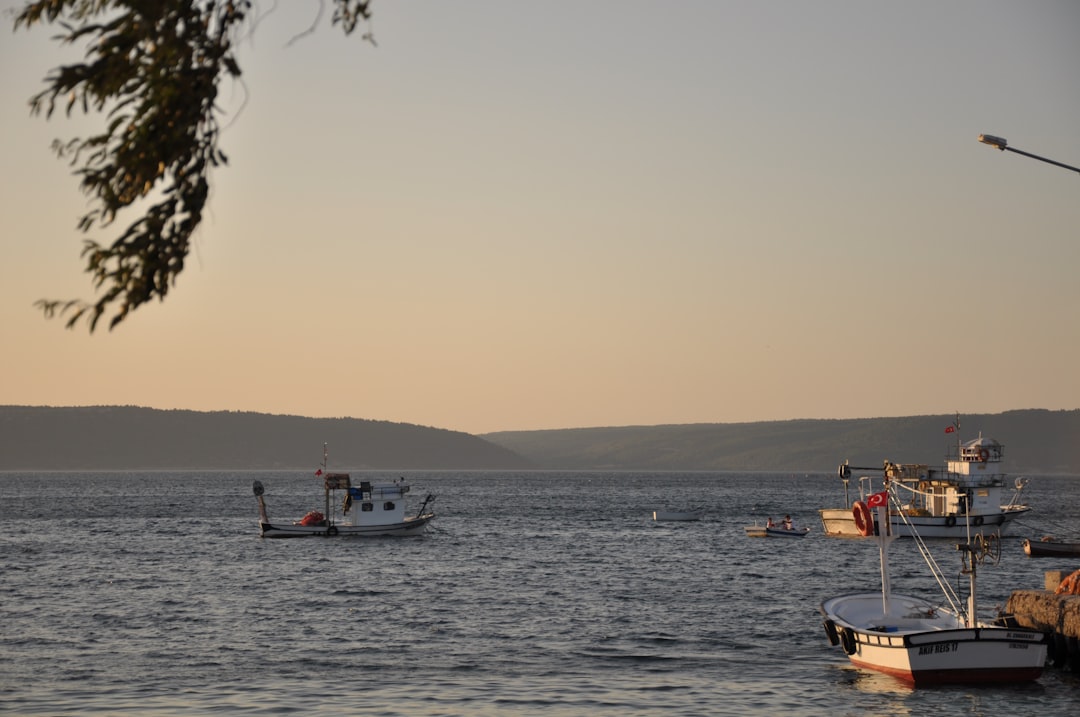
One specific area to explore for food is the Edirne Grand Bazaar district, where you can find a concentration of traditional eateries and sweet shops. The atmosphere is lively, with vendors calling out their specials and the smell of spices filling the air. For a more relaxed dining experience, head to the waterfront in Çanakkale, where you can enjoy fresh seafood with a view of the Dardanelles. Fresh hamsi (anchovies) are a local delicacy, especially in the winter months, and can be found grilled or fried for 6-10 EUR per serving.
Nightlife
Nightlife in Eastern Thrace is not about clubbing or partying. It is about sitting in a cafe, drinking tea, and watching the world go by. The main nightlife districts are in the city centers of Çanakkale and Edirne. In Çanakkale, the Yeni Cami area is a popular spot for evening strolls, with several cafes and bars lining the streets. The Çanakkale University student district is also a lively area, with several bars and clubs that cater to a younger crowd. Cover charges at clubs are typically 5-10 EUR, and drinks cost 3-5 EUR.
In Edirne, the Edirne Castle area is a popular spot for evening drinks, with several cafes and bars offering panoramic views of the city. The Edirne University student district is also a lively area, with several bars and clubs that cater to a younger crowd. The music scene in Eastern Thrace is dominated by Turkish pop and folk music, but there are also several venues that play international music. The atmosphere is relaxed and friendly, and it is easy to strike up a conversation with locals.
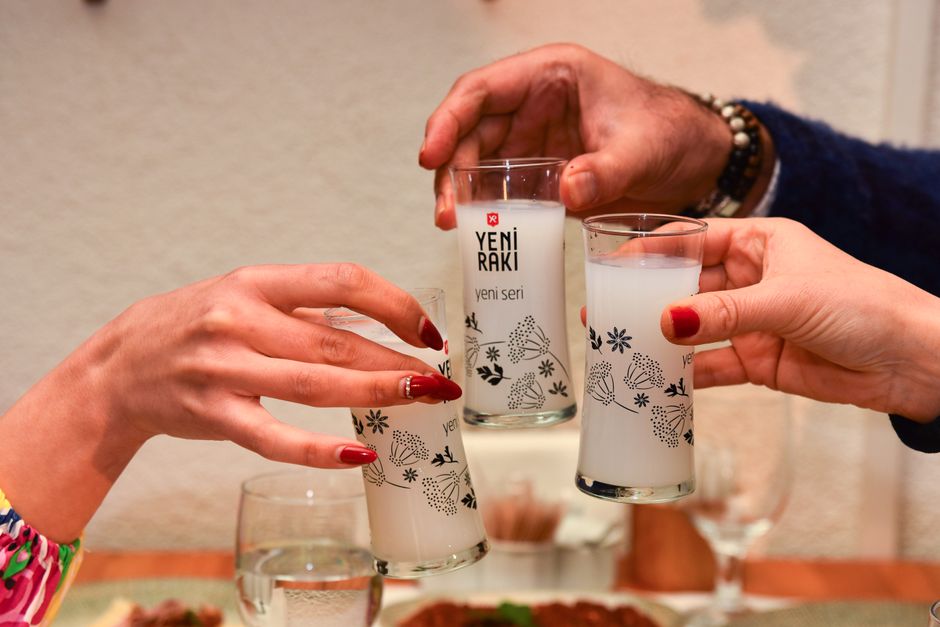
For a more unique experience, try a raki bar. Raki is a traditional Turkish anise-flavored spirit, and it is typically served with meze (small dishes). The Raki Bar in Çanakkale is a popular spot, with a wide selection of raki and meze. The atmosphere is lively, with music and laughter filling the air. Cover charges are 2-5 EUR, and drinks cost 3-6 EUR.
Getting There & What to Expect
The nearest major airport is Çanakkale Airport (CKZ), which has flights from Istanbul and Ankara. The airport is located about 15 km from the city center, and there are taxis and buses available to get to the city. Travel time from Istanbul to Çanakkale by car is approximately 6-7 hours, and the cost of fuel is 50-70 EUR for a round trip. There are also regular bus services from Istanbul and Ankara to Çanakkale and Edirne, with travel times of 5-6 hours and costs of 20-30 EUR one way.
Accommodation in Eastern Thrace is relatively affordable. Budget hostels in Çanakkale and Edirne cost 20-40 EUR per night, while mid-range hotels cost 50-80 EUR per night. There are also several guesthouses and B&Bs available, which offer a more authentic experience. The best months to visit are spring (April-May) and autumn (September-October), when the weather is mild and the crowds are smaller. Summer can be hot and crowded, while winter can be cold and rainy.
Expect a slow pace of life. Things move at a different speed here, and it is important to embrace that. The region is not about rushing from one attraction to another. It is about taking your time, soaking up the atmosphere, and enjoying the local food and drink. The people are friendly and welcoming, and they are happy to share their culture and their stories. Come with an open mind and a willingness to explore, and you will be rewarded with an experience that is truly unforgettable.
Search accommodation in Canakkale on Booking.com →
The Salt and the Sand
I left Eastern Thrace with sand in my shoes and salt in my veins. The region is not for everyone. It is not polished, it is not easy, and it is not always comfortable. But it is real. It is a place where history is not just a story but a presence, where the sea is not just a view but a force, and where the people are not just hosts but partners in your journey. The Balkan coast of Turkey is a place that demands your attention, that challenges your expectations, and that rewards your curiosity. It is a place that stays with you long after you have left, a place that haunts you in the best possible way.
As I drove away from the coast, back towards the bustle of Istanbul, I looked back one last time. The sea was calm, the sky was clear, and the ghosts were at rest. But I knew they were still there, waiting for the next traveler to come and listen to their stories. Eastern Thrace is not just a destination. It is an experience. And it is one that you will not forget.
Comments