


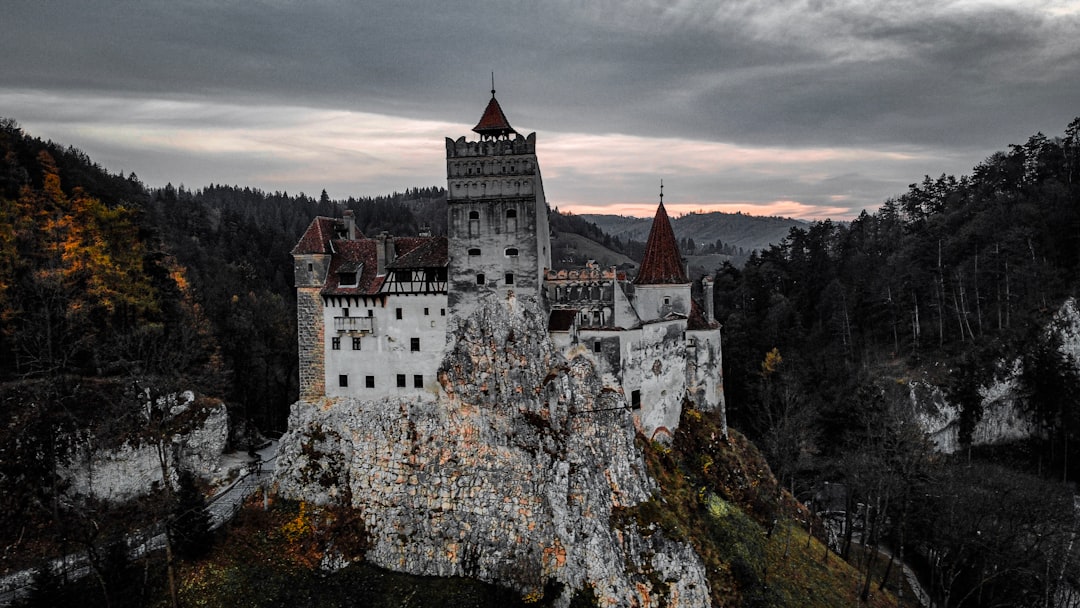
There is a specific kind of silence that hangs over the Carpathians when the fog rolls in off the peaks. It is not peaceful; it is heavy, like a wool blanket soaked in rain. I was standing on a slick wooden deck outside Bran Castle, watching the mist swallow the stone turrets, and I realized why every Hollywood director has ever tried to film a horror movie here. The light is wrong. It bends. The forest doesn't just grow; it encroaches. I had just eaten a plate of mămăligă at a roadside stand that smelled of woodsmoke and pig fat, and the waiters were arguing about football in a dialect that sounded like gravel grinding in a mixer. This is not the Transylvania of postcards. This is a place where the medieval never ended, it just went underground, waiting for the tourists to blink.
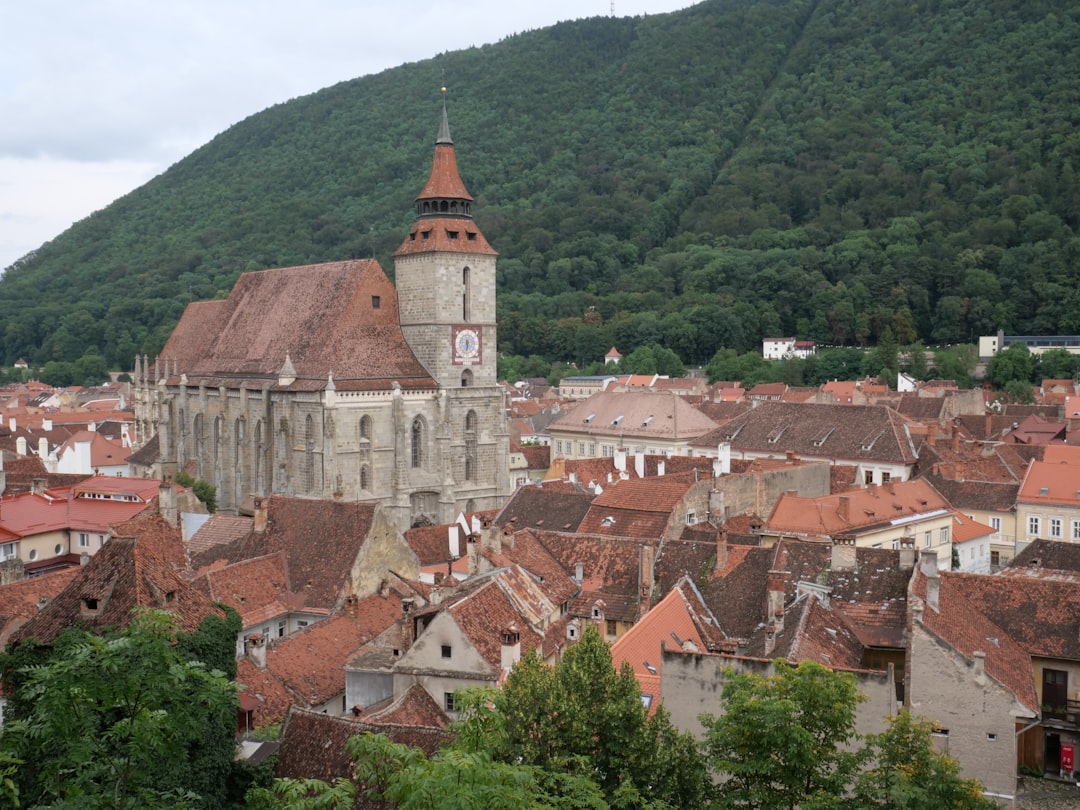
They sell you the vampire myth, sure. They have to. But if you look past the souvenir shops selling plastic fangs in Brașov, you find something far more interesting. You find a region stitched together by three distinct cultures that have spent centuries fighting, trading, and marrying each other: the Romanians, the Saxons, and the Hungarians. The architecture screams this conflict. The fortified churches are not just pretty; they are bunkers. The streets are narrow not for charm, but to slow down invading armies. I spent three days driving the winding roads between the peaks, drinking cheap wine that tastes of earth and iron, and realizing that the real story of Transylvania is not about monsters. It is about survival.
History & Identity
The identity of Transylvania is built on layers of conquest and coexistence. For centuries, this region was a buffer zone between the Ottoman Empire and Central Europe. The Saxons, German settlers invited in the 12th century by the Hungarian kings, built the fortified towns that still define the landscape. They created a parallel society with their own laws, churches, and language. Meanwhile, the Romanian majority lived in the surrounding villages and mountains, maintaining their Orthodox faith and traditions under pressure from both Hungarian nobility and foreign powers.
This tension is visible in every stone. When you walk through the Sibiu Old Town, you are walking through a Saxon stronghold that survived sieges by Ottomans, Tatars, and Habsburgs. The fortified churches scattered across the countryside are not just places of worship; they are defensive fortresses where entire villages would hide during attacks. These structures, many of which are UNESCO World Heritage sites, stand as grim reminders of a volatile past. The region only became part of modern Romania in 1918, ending centuries of foreign rule, but the cultural imprint of the Saxons and Hungarians remains deeply embedded in the architecture, cuisine, and local dialects.
The 20th century brought further upheaval, with the region changing hands between Romania, Hungary, and the Soviet sphere during and after World War II. Many Saxons emigrated to Germany in the 1960s and 70s, leaving behind empty towns and decaying buildings. Today, the region is in a state of reclamation. The abandoned houses are being renovated, the churches are being restored, and a new generation is trying to reconcile these complex histories. The result is a place that feels alive with memory, where every cobblestone has a story of resistance and adaptation.
Where to Go
Bran Castle — Known globally as "Dracula's Castle," this medieval fortress sits on a rocky outcrop overlooking the town of Bran. While its connection to Vlad the Impaler is tenuous, the castle is an impressive architectural feat with a maze of towers, courtyards, and dungeons. The interior is filled with medieval weapons, tapestries, and furniture. It is crowded, but the atmosphere is undeniable. Entry is approximately 10-15 EUR. Visit early in the morning to avoid the peak tour groups.
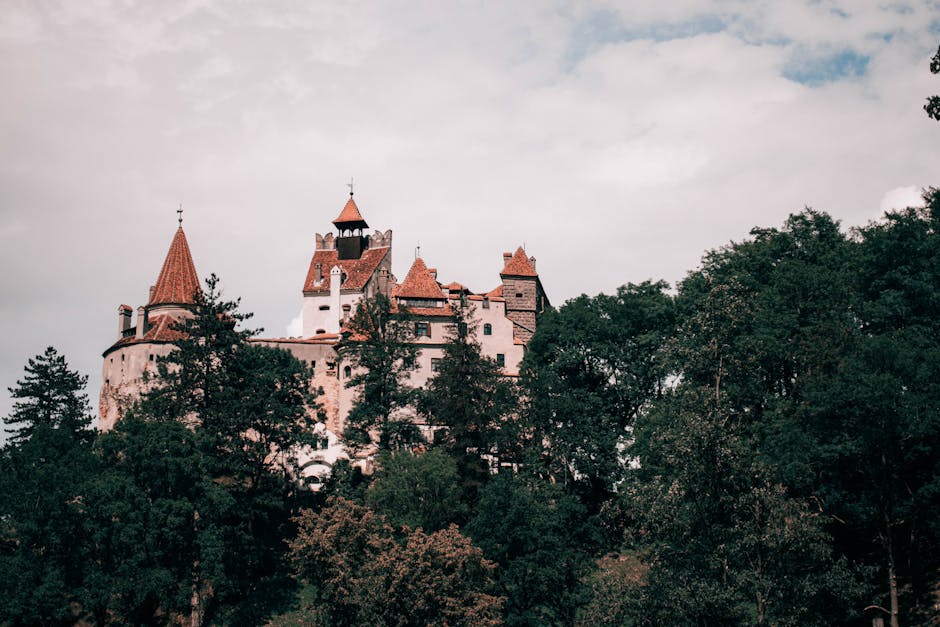
Sighișoara Citadel — This is the only fully preserved medieval citadel in Romania. The cobblestone streets climb up a hill, lined with colorful houses painted in hues of ochre, red, and green. The Clock Tower is the centerpiece, offering a panoramic view of the surrounding plains. This is where Vlad the Impaler was born, and the museum in the tower tells the story of the Saxon settlers. The citadel feels like a living museum, with residents still living in the historic houses. Entry to the museums is around 10 EUR, but walking the streets is free.
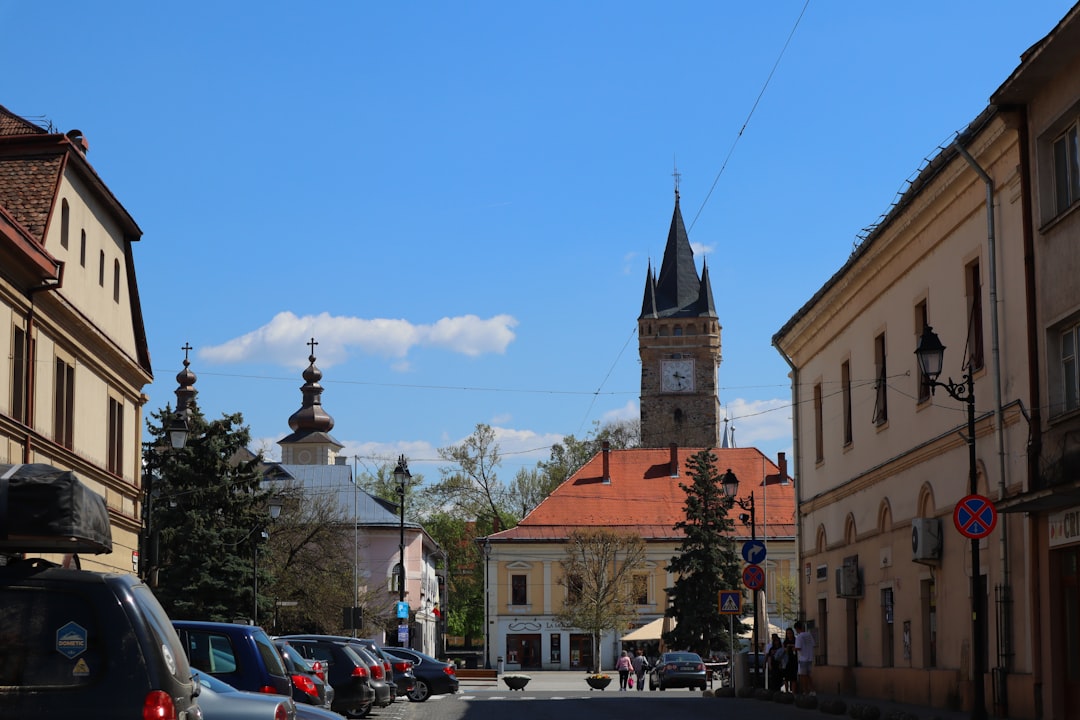
Peleș Castle — Located in Sinaia, this is the summer residence of the Romanian royal family. It is a masterpiece of Neo-Renaissance architecture, with intricate wood carvings, stained glass windows, and a library filled with rare books. The attention to detail is staggering, from the spiral staircases to the armory. It is opulent, polished, and completely different from the rugged fortresses of the region. Entry is about 20-25 EUR. Allow at least two hours for the tour.
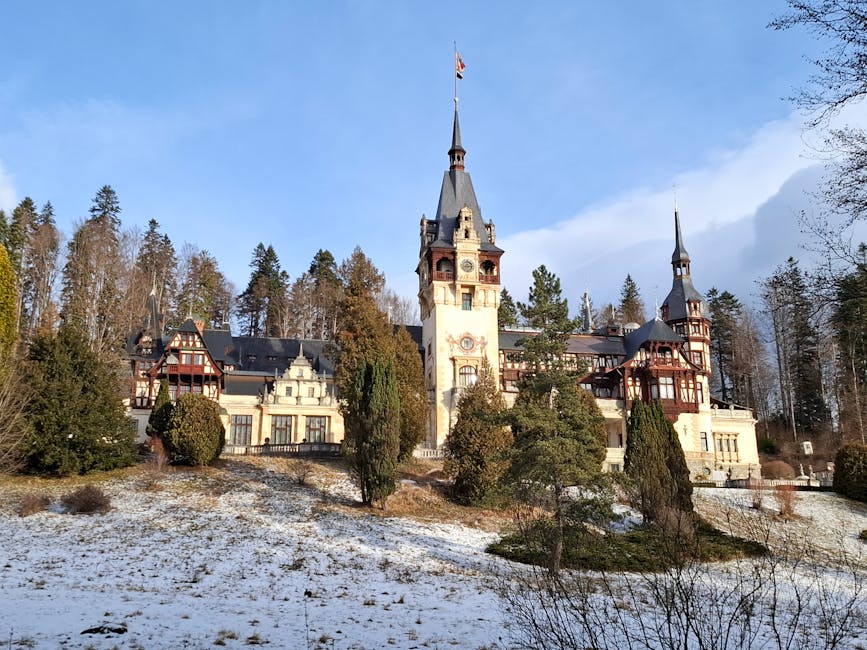
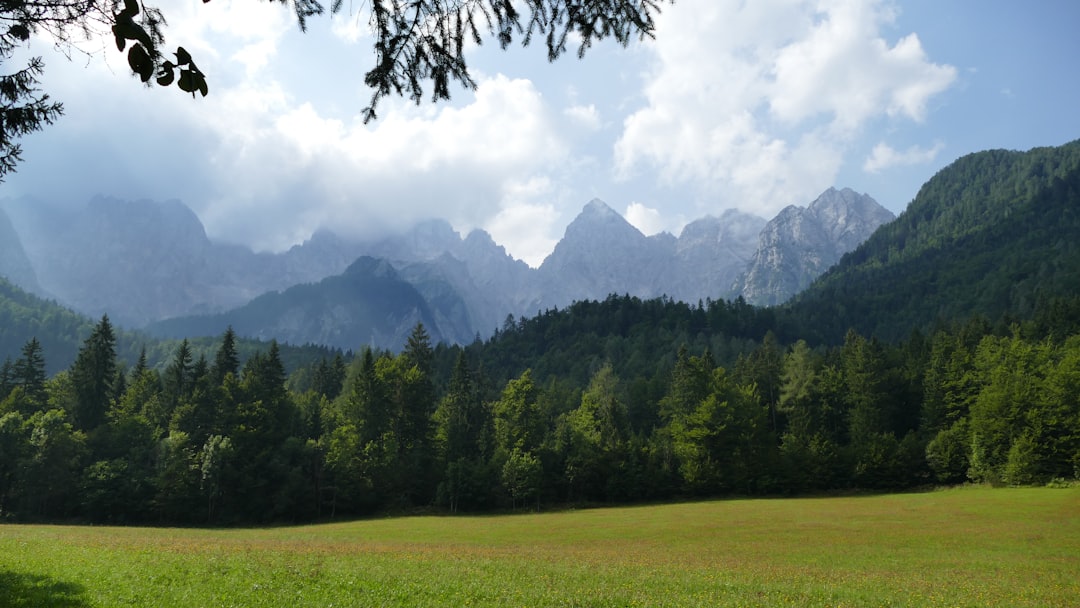
Bâlea Lake — Nestled in the Făgăraș Mountains, this alpine lake is accessible via the Transfăgărășan highway, one of the most scenic roads in the world. The lake is surrounded by pine forests and high peaks, and the water is a deep, cold blue. It is a popular spot for hiking and photography, especially in autumn when the leaves turn gold and red. The lake freezes in winter, creating a surreal ice landscape. Access requires a car or a tour, as public transport is limited.
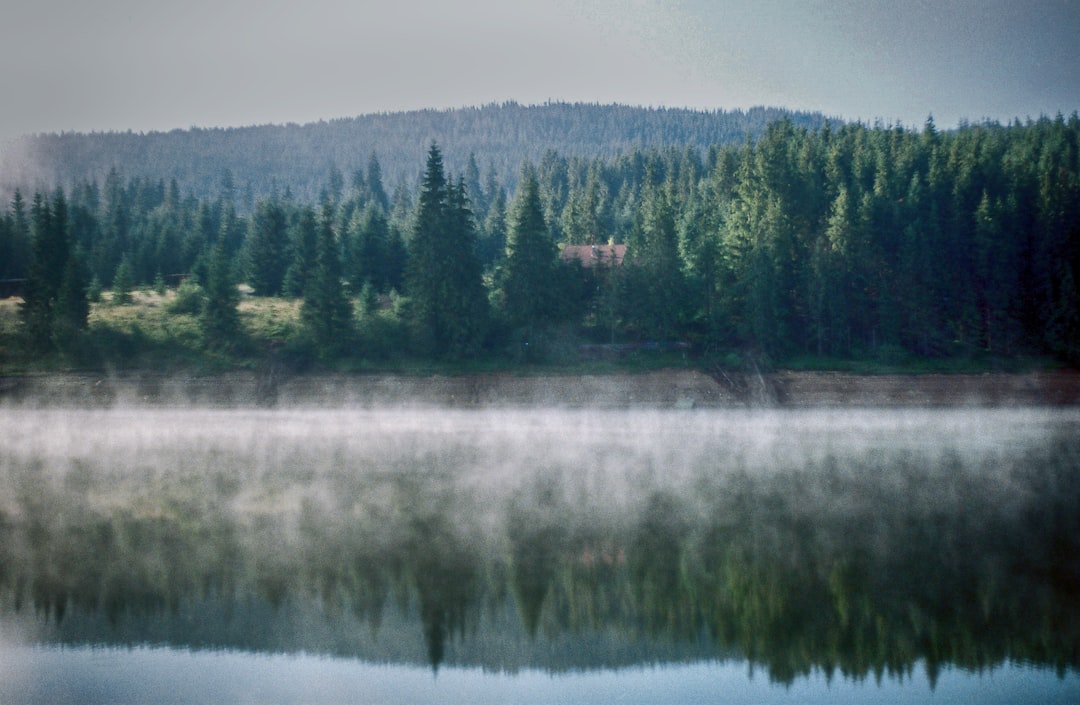
Râșnov Fortress — Perched on a cliff overlooking Brașov, this medieval fortress offers stunning views of the city and the Carpathian peaks. The fortress has a complex history, having been held by various powers including the Teutonic Knights and the Ottomans. The interior includes a museum with archaeological finds and medieval artifacts. The climb to the fortress is steep, but the reward is a 360-degree view of the region. Entry is approximately 10-12 EUR.
What to Eat & Drink
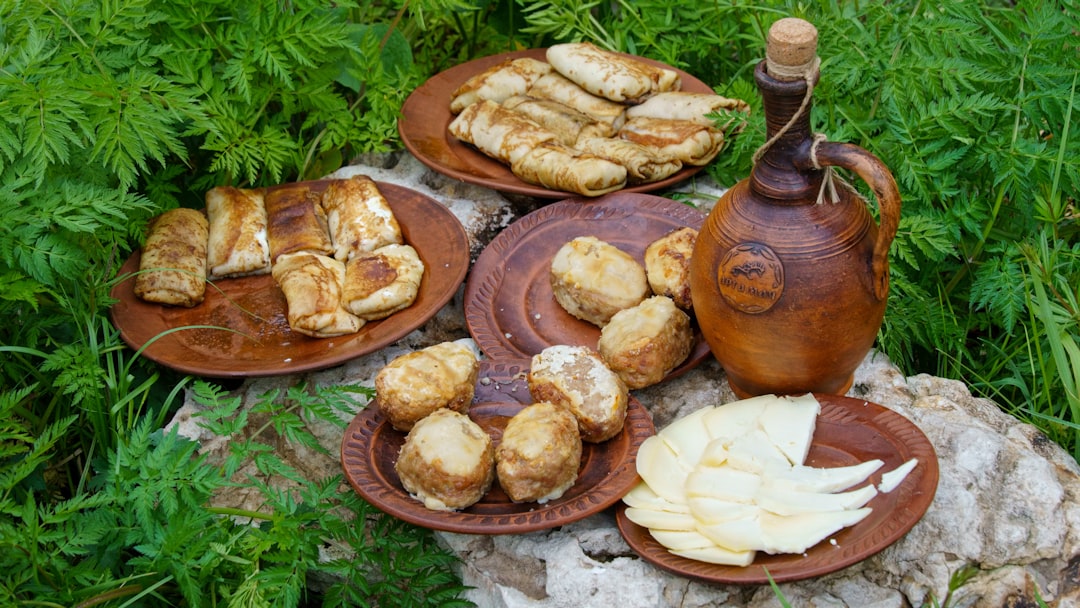
Transylvanian cuisine is hearty, designed to fuel people through cold winters and hard labor. The staples are pork, potatoes, and dairy. You cannot leave without trying sarmale — cabbage rolls stuffed with minced meat and rice, served with sour cream and mămăligă (polenta). A plate costs around 8-12 EUR in a local restaurant. Another must-try is mici, grilled minced meat rolls without skin, often served at street stalls or beer gardens for 3-5 EUR.
For a more unique experience, seek out țuică, a strong plum brandy that is the national spirit. It is clear, fiery, and often homemade. A glass in a village tavern might cost 2-3 EUR, but it will wake you up. In Brașov, the Piata Sfatului (Council Square) is the hub for food, with numerous cafes and restaurants serving both traditional dishes and modern European cuisine. A sit-down meal for two with wine can range from 20-40 EUR. For budget travelers, bakeries offer cozonac (sweet bread) and plăcinte (savory pies) for 1-3 EUR each.
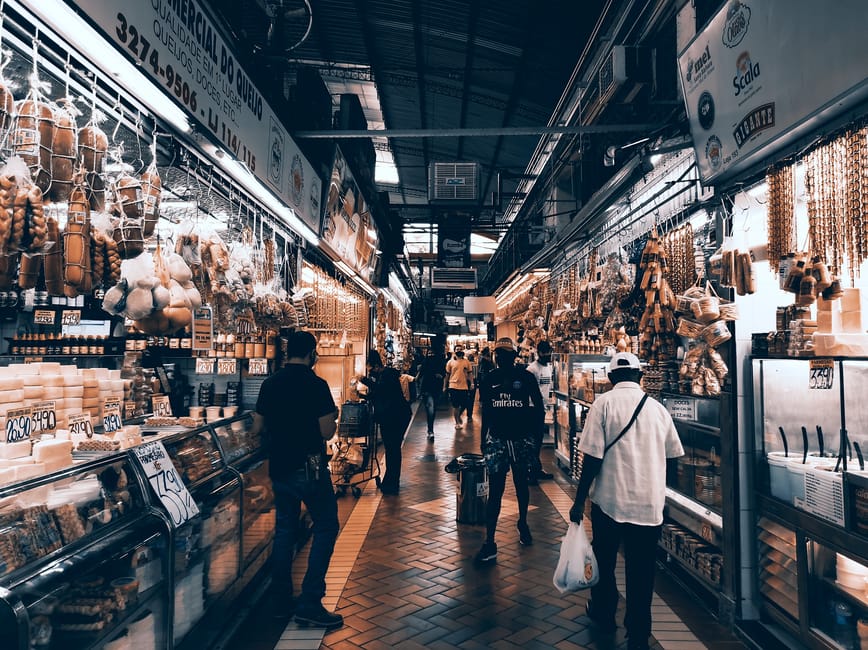
The market in Sighișoara is another food destination, where you can buy fresh produce, handmade cheese, and local jams. It is a sensory overload of smells and colors. Don't miss the țuică bars in Sibiu, where you can taste different varieties of brandy while listening to live folk music. The food scene is affordable, even for mid-range travelers, with plenty of options under 10 EUR per meal if you know where to look.
Nightlife
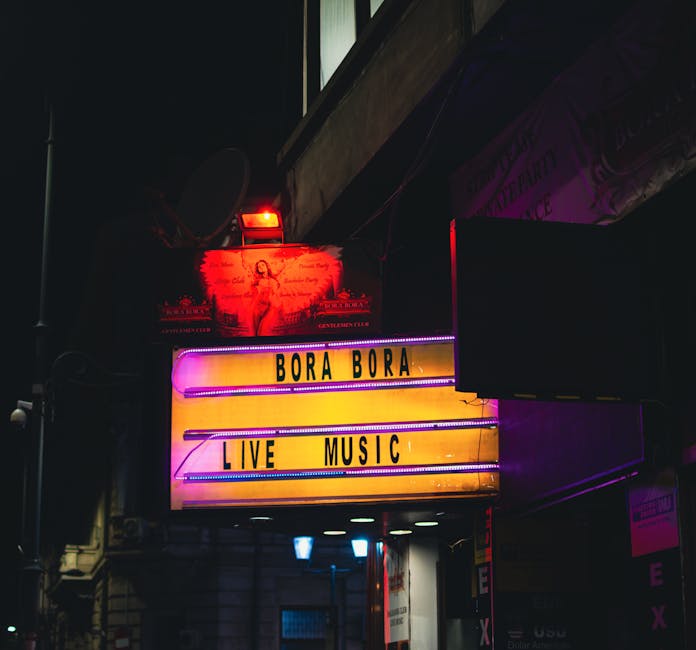
Nightlife in Transylvania is surprisingly vibrant, centered around the university towns of Brașov, Sibiu, and Cluj-Napoca. In Brașov, the area around Piata Sfatului and the nearby Strada Smârdan comes alive at night. Bars like Pubul de la Colț offer a mix of local and international beer, with a crowd of students and young professionals. Cover charges are rare, but drinks range from 3-6 EUR. The atmosphere is relaxed, with live music often starting late.
Sibiu has a more alternative scene, with underground clubs and art spaces. Casa de Cultură hosts concerts and cultural events, while bars in the Strada Huet area offer craft beer and cocktails. The city also hosts the Transilvania International Film Festival, which brings a cosmopolitan energy to the bars and clubs. In Cluj-Napoca, the nightlife is more intense, with clubs like Ex-Pol and Colectiv (now reopened as a cultural space) attracting crowds until dawn. Entry fees can range from 5-10 EUR, depending on the event.
The music scene is dominated by electronic and rock, but traditional folk music is still alive in smaller bars and taverns. In villages, you might find haiduc music played on violins and accordions, accompanied by strong wine. The nightlife is affordable, with plenty of options for budget travelers, and the locals are known for their hospitality and love of a good party.
Getting There & What to Expect
The nearest major airport is Bucharest Henri Coandă International Airport (OTP), which is about 200 km from Brașov. From Bucharest, you can take a direct bus or train to Brașov, Sibiu, or Sighișoara. The bus ride takes about 3-4 hours and costs around 15-20 EUR. Trains are slower, taking 5-6 hours, but are cheaper at 10-15 EUR. Alternatively, you can fly into Cluj-Napoca International Airport (CLJ) for access to northern Transylvania, with buses and trains connecting to Sibiu and Brașov.
Once in the region, renting a car is the best way to explore the castles and mountains. Prices start at 30-50 EUR per day. Public transport between towns is reliable but slow, with buses and trains running several times a day. Accommodation ranges from budget hostels at 15-25 EUR per night to mid-range hotels at 40-70 EUR. Luxury hotels, like those in Sinaia, can cost 100-200 EUR per night. The best months to visit are May to October, when the weather is mild and the roads are open. Winter is beautiful but cold, with some mountain roads closed due to snow.
Expect a mix of modern amenities and rustic charm. Internet is widely available, but in remote villages, it can be slow. The locals are friendly and often speak English, especially in tourist areas. The currency is the Romanian Leu (RON), but prices are often quoted in EUR for tourists. Always carry some cash, as smaller establishments may not accept cards. The region is safe, with low crime rates, but beware of pickpockets in crowded tourist spots.
Search accommodation in Brașov on Booking.com →
The Iron in the Soil
On my last night, I sat on a bench in Sighișoara, watching the sun dip below the fortress walls. The light turned the stone a deep, bloody orange. A group of teenagers walked by, laughing, their voices echoing off the ancient houses. They didn't care about Vlad the Impaler or the Saxon settlers. They were just living. That is the thing about Transylvania. The history is heavy, yes. The castles are dark, the forests are deep. But the people are alive. They drink their țuică, they eat their sarmale, and they keep the lights on in the old houses. The monsters are gone. The history remains. And if you listen closely, you can still hear the echo of the sieges, the prayers in the fortified churches, and the footsteps of the Saxons who built these walls to keep the world out. But the world came in anyway. And it stayed. That is the real story. Not the blood. The stone. The stone that holds it all together.
Comments