


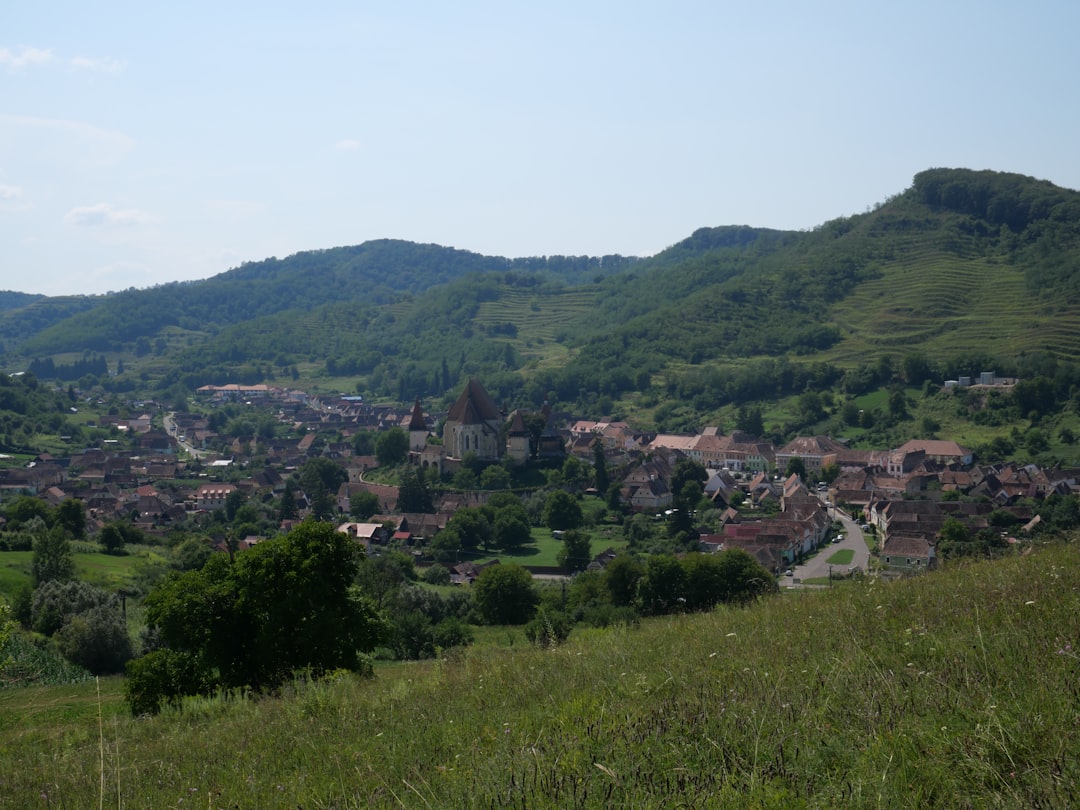
I sat on a crumbling stone wall in Sibiu, nursing a black coffee that tasted faintly of burnt hazelnuts, watching a tourist group walk past me. They were armed with flashlights and looking up at the rooftops, convinced they were hunting for the face of Vlad the Impaler in the architecture. I wanted to laugh. I wanted to scream. Transylvania has been hijacked by a dead vampire for half a century, and it's suffocating the actual, living history right under their noses. The region isn't about bloodsuckers. It's about medieval Saxon masons who built churches thick enough to withstand Ottoman sieges, fortified villages that functioned as independent city-states, and a landscape so dense with timber-framed heritage that you can't throw a stone without hitting a UNESCO site. I came here to escape the Dracula circus, and I found something far more interesting: a ghost town network that never actually died.
The air in the Bran area smells like pine resin and damp earth, a stark contrast to the polished, air-conditioned corridors of the castle that tourists flock to. I left the vampire trail behind and drove north into the heart of the Saxon Triangle. Here, the history isn't a theme park; it's embedded in the cobblestones, the bell towers, and the stubborn pride of the locals. This is a region where identity was forged in stone and faith, where the church wasn't just a place of worship but a fortress, a market, and a shelter. Let's drop the cape and look at what Transylvania actually is.
History & Identity
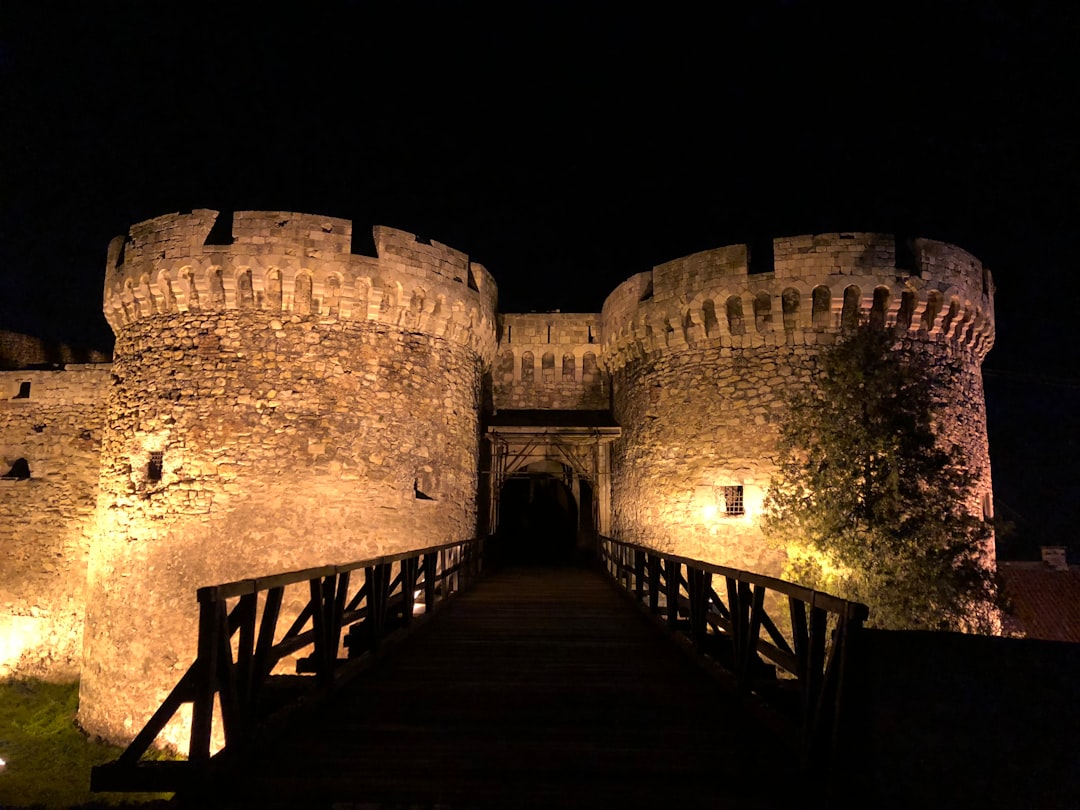
The narrative of Transylvania is dominated by the Saxons, German-speaking settlers invited by King Coloman of Hungary in the 12th century to defend the kingdom's eastern borders. They weren't invaders in the traditional sense; they were mercenaries and craftsmen granted land in exchange for military service. Over centuries, they built a distinct cultural identity, erecting fortified churches that served as the spiritual and defensive centers of their communities. These structures, with their massive walls, multiple defensive towers, and arrow slits, stand as testaments to a time when the threat of invasion was a daily reality.
The Ottoman Empire's advance into the Balkans pushed the Saxons further north and west, consolidating their presence in Transylvania. The region became a melting pot of cultures, with Hungarians, Romanians, and Saxons coexisting, often tensely, under various rulers. The Habsburg Monarchy later took control, bringing Catholicism and a different administrative structure, which further complicated the cultural landscape. Despite these shifts, the Saxon identity remained resilient, preserved in their language, architecture, and traditions.
However, the 20th century brought devastation. Two World Wars, followed by decades of Communist rule under Nicolae Ceaușescu, led to the gradual decline of the Saxon population. Many emigrated to Germany, leaving behind empty villages and decaying churches. Today, the Saxon presence is a shadow of its former self, but the physical remnants of their civilization remain, offering a poignant glimpse into a lost world. The identity of Transylvania is now a complex tapestry, woven from these historical threads, where the past is not just remembered but lived in the ruins and restored monuments.
Where to Go
Biertan Fortified Church — Often cited as the best-preserved fortified church in Transylvania, Biertan is a UNESCO World Heritage site. The massive church, with its thick walls and defensive towers, dominates the village. Inside, you'll find stunning Gothic architecture and a wooden ceiling that feels like the interior of a ship. The surrounding village is quiet, almost eerie, with many houses abandoned but the church standing proud. Entry to the church is free, but donations are appreciated. Best visited in the morning to avoid the occasional tour bus.
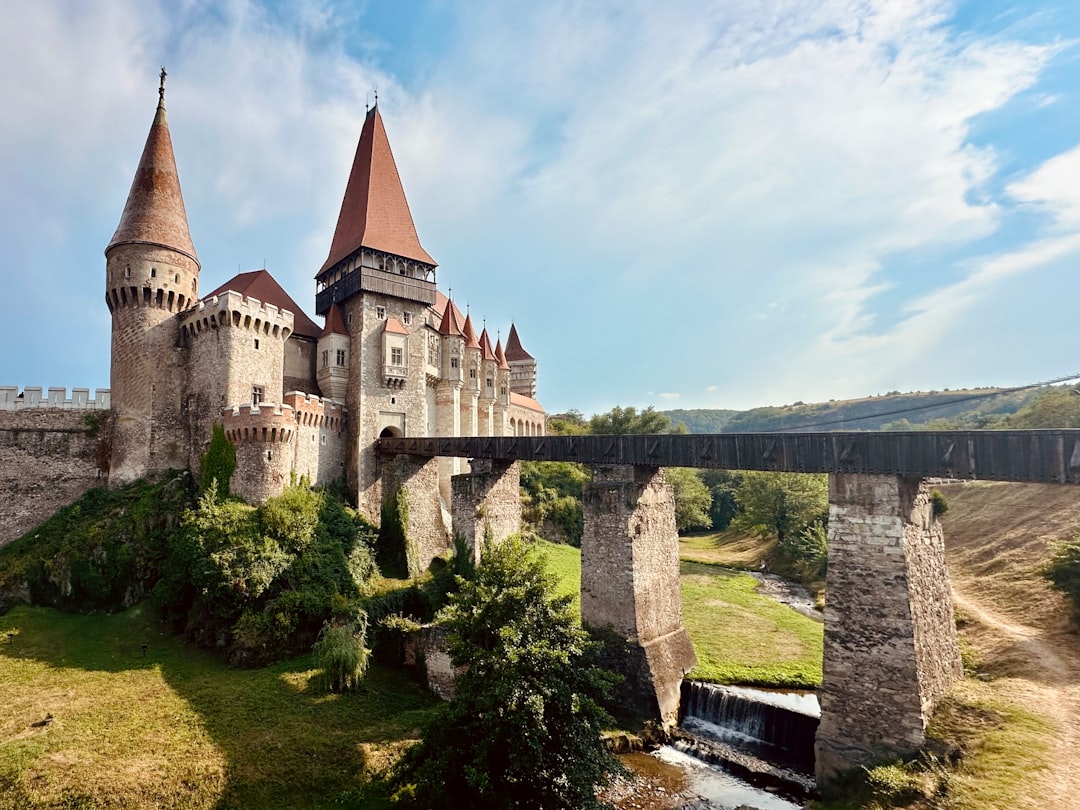
Viscri Village — A fortified village that has managed to retain much of its traditional Saxon character. The houses here are simple, with wooden shutters and small gardens. The church is fortified, but the real draw is the community. Some Saxons still live here, keeping their traditions alive. You can walk the streets, talk to the locals, and feel the history in the air. There's no entry fee, just a respect for the privacy of the residents. Visit in the afternoon when the light is soft and the village is quiet.
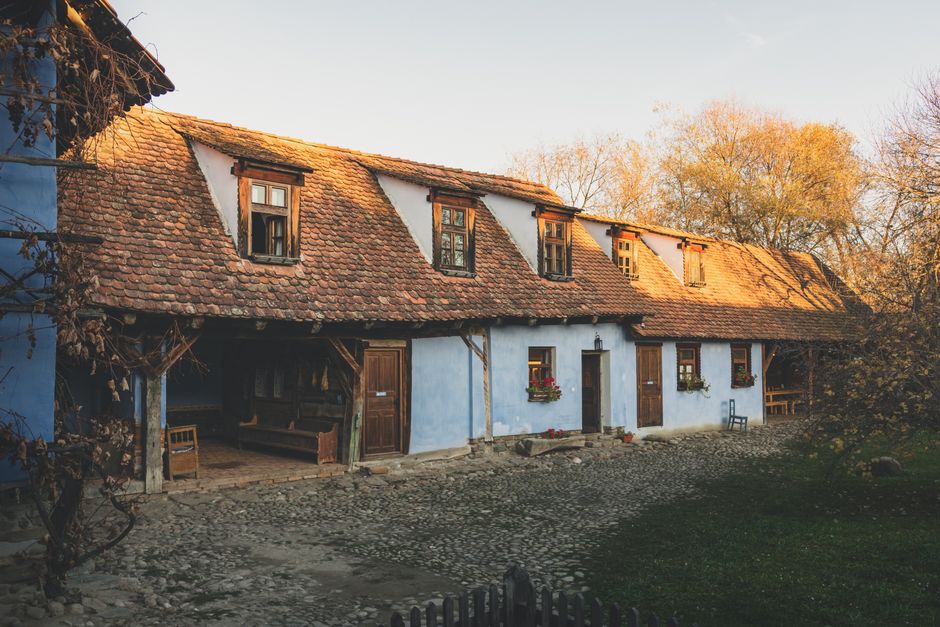
Cetăți Fortress — Located in the village of Cetăți, this fortress is a unique example of a fortified village where the houses are built around a central church. The fortress walls are still intact, and you can walk along the top, looking out over the surrounding hills. Inside, the church is simple but powerful, with a sense of solemnity that's palpable. Entry is free, and the village is small, so you can explore it in an hour. Best visited on a sunny day to appreciate the stone work.
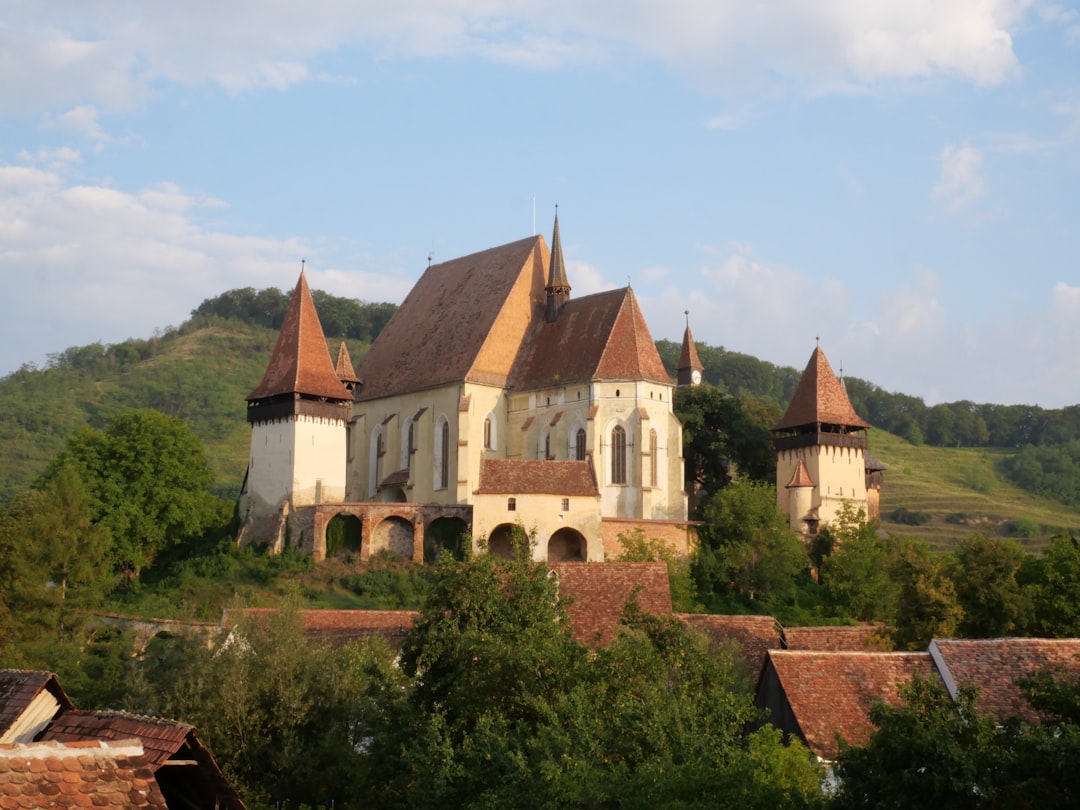
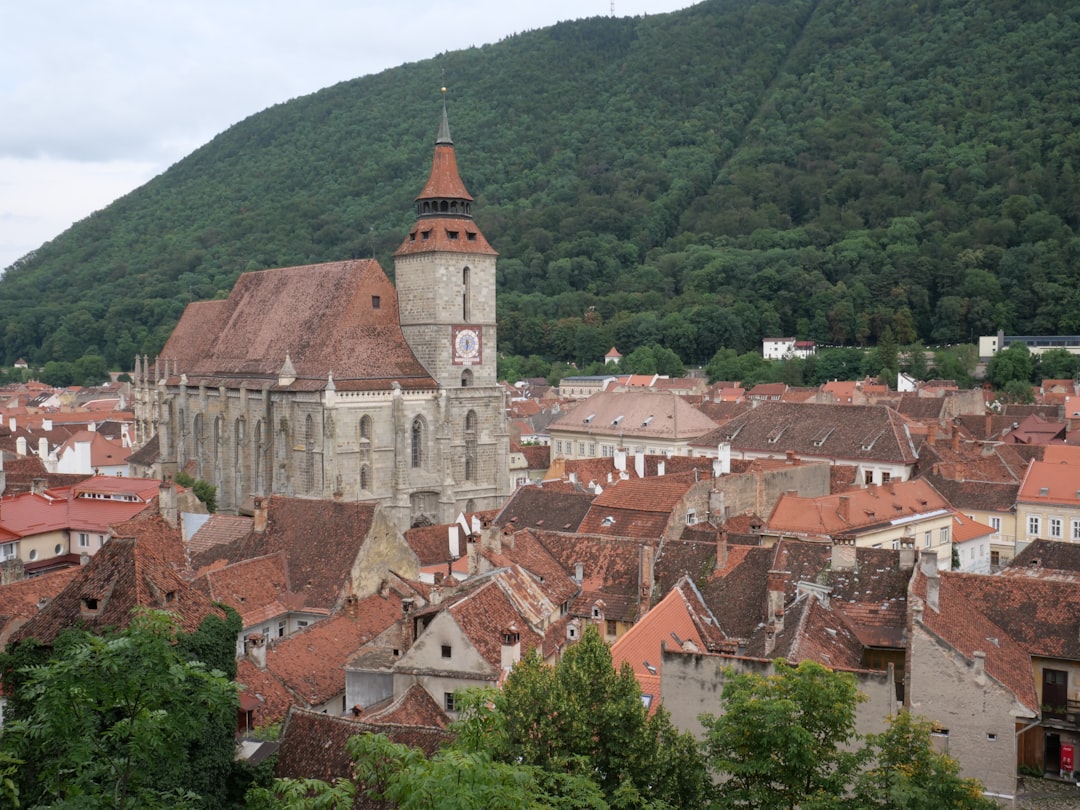
Brașov Black Church — In the city of Brașov, the Black Church is a Gothic masterpiece, named for the soot that darkened its walls after a fire in the 17th century. It's the largest Gothic church in the region and a testament to the wealth and piety of the Saxon merchants who built it. The interior is vast, with a stunning organ and intricate woodwork. Entry is 5 EUR, and it's best visited early in the morning to avoid the crowds.
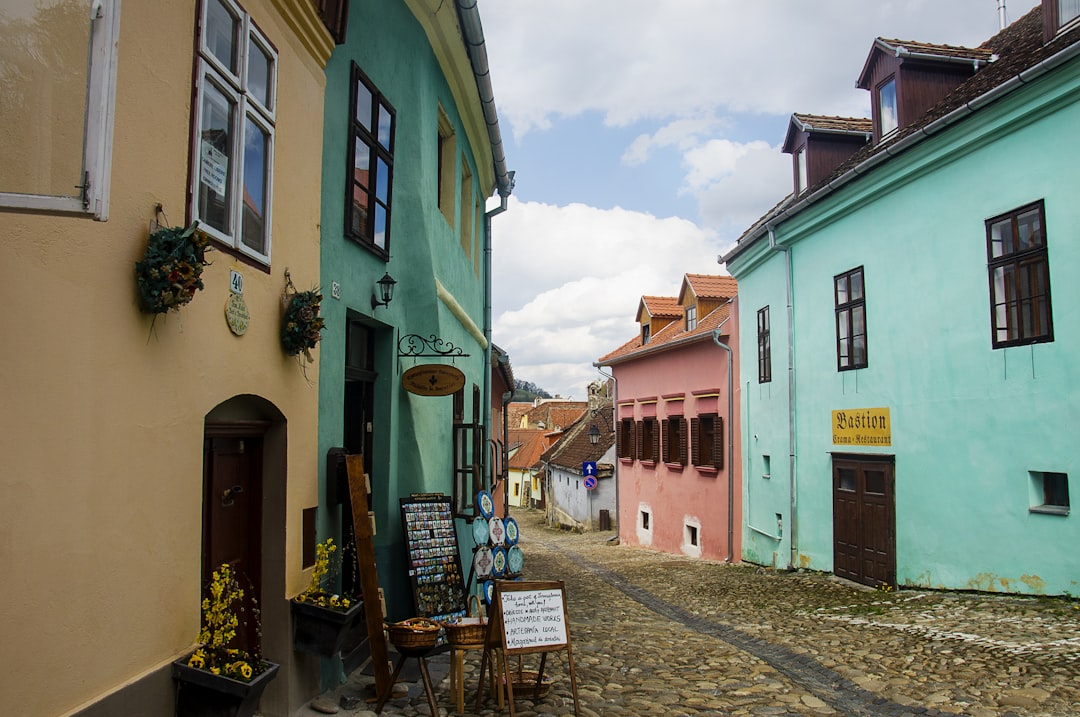
Sighișoara Citadel — The Sighișoara citadel is a UNESCO World Heritage site and one of the best-preserved medieval towns in Europe. The citadel is a maze of narrow streets, colorful houses, and defensive towers. It's also the birthplace of Vlad the Impaler, though the connection is more historical than supernatural. The citadel is alive with tourists, but it's worth exploring the quieter streets and the Council Tower. Entry to the citadel is free, but the museums inside cost 5-10 EUR. Best visited in the late afternoon when the light is golden.
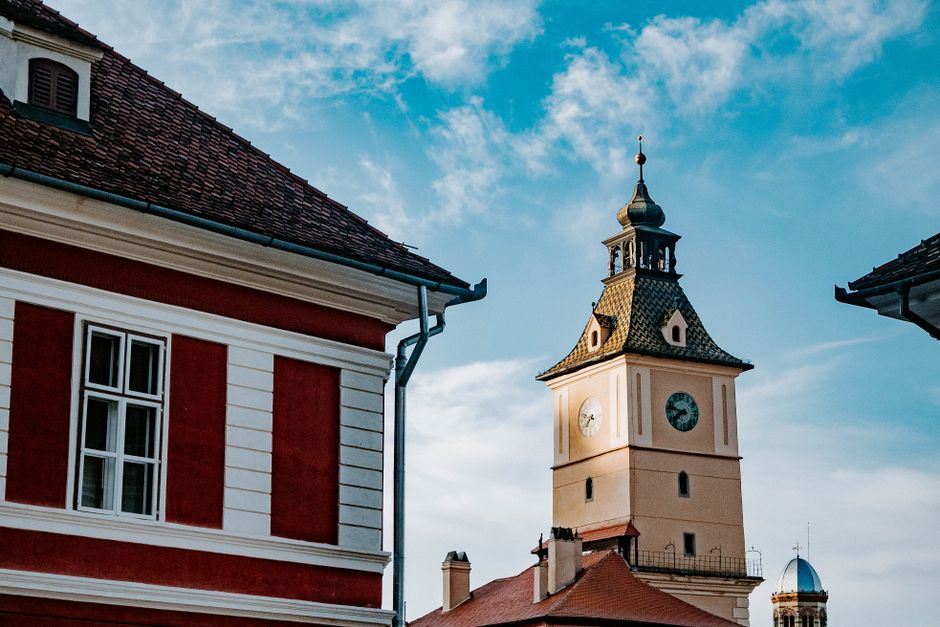
Brasov Council Square — The heart of Brașov, the Council Square is surrounded by colorful merchant houses and the Council House. It's a lively place, with cafes, shops, and street performers. The square is the perfect place to soak in the atmosphere of the city and see the Black Church in the distance. There's no entry fee, and it's best visited at night when the lights are on and the square is filled with locals.
What to Eat & Drink
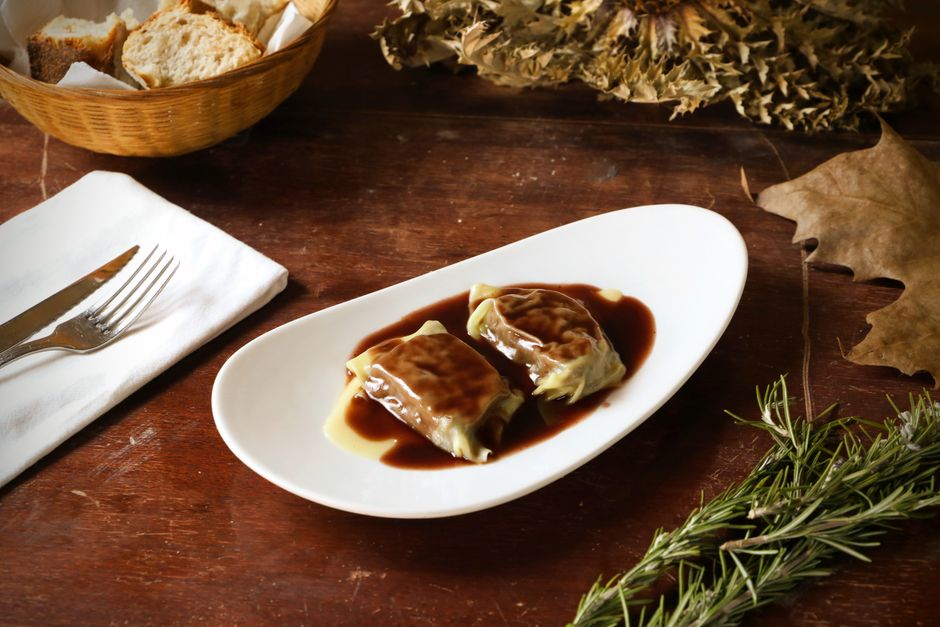
The food in Transylvania is hearty, designed to fuel you through long winters and hard labor. Sarmale — cabbage rolls stuffed with meat and rice — are a staple, typically served with mămăligă (polenta) and sour cream. You can find them in any local restaurant for 4-6 EUR. Ciorbă de burtă — a tripe soup — is another classic, rich and flavorful, perfect for a cold day. It costs about 3-5 EUR. For a lighter option, try mămăliguțe — small polenta balls — served with cheese and sour cream, costing 3-4 EUR.
Budget travelers can eat well on 5-10 EUR per meal by sticking to local restaurants and avoiding the tourist traps. Street food is limited, but you can find plăcinte — savory pies — for 2-3 EUR at local bakeries. For a sit-down meal, expect to pay 10-20 EUR per person at a mid-range restaurant. Sibiu and Brașov have vibrant food scenes, with numerous cafes and restaurants offering both traditional and modern cuisine. Piața Mare in Sibiu is a great place to find local eateries, while Strada Sforii in Brașov is known for its artisanal shops and cafes.
Nightlife
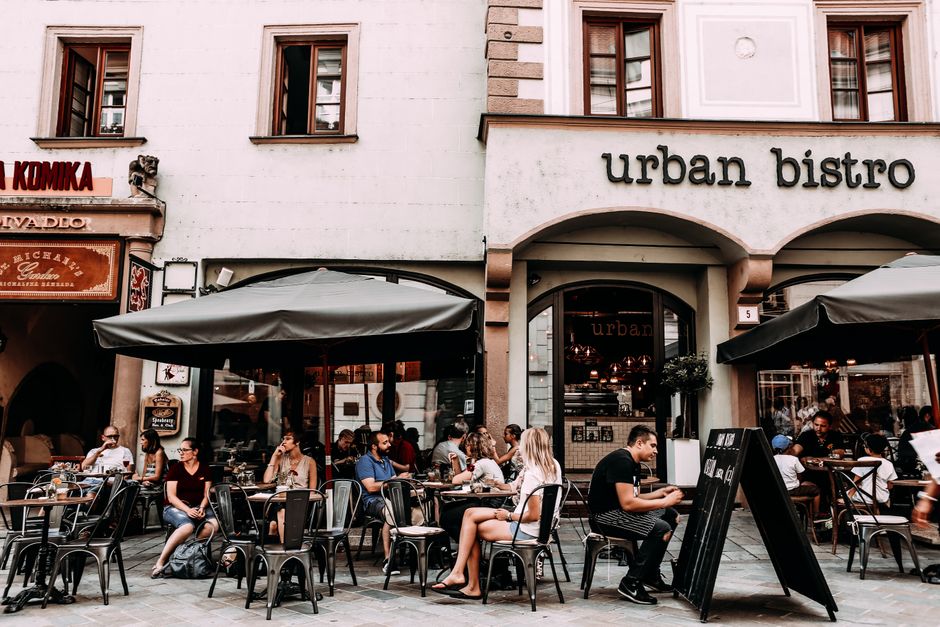
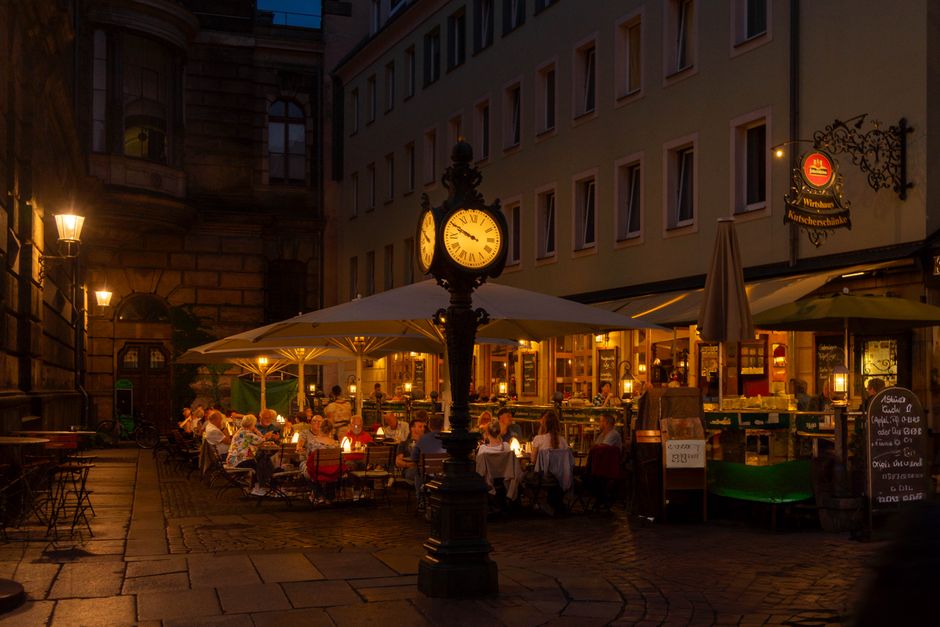
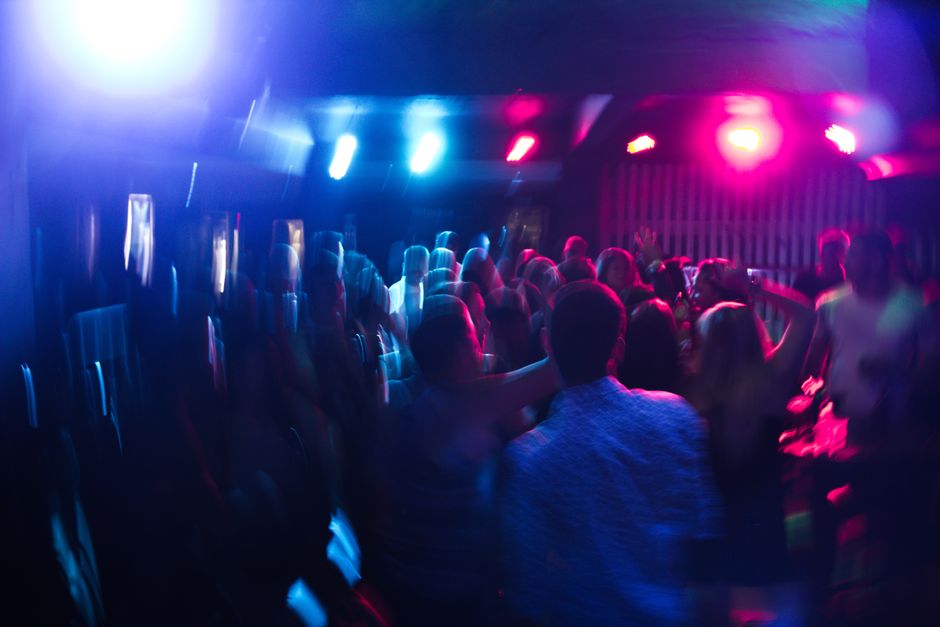
Nightlife in Transylvania is not about wild parties; it's about cozy bars and live music. In Sibiu, the Stadion Bar is a popular spot for locals and tourists alike, offering a relaxed atmosphere and live music on weekends. Cover charge is 5-10 EUR. Brașov has a more vibrant scene, with bars like Club 20 and La Strada offering a mix of electronic and live music. Cover charges are 5-15 EUR. In Sighișoara, the nightlife is more subdued, with a few bars near the citadel offering drinks and a view of the medieval town. The best time to experience the nightlife is from late spring to early autumn, when the weather is warm and the streets are filled with people.
Getting There & What to Expect
The nearest major airport is Bucharest Henri Coandă International Airport, from which you can take a bus or train to Brașov or Sibiu. The journey takes about 3-4 hours by bus, costing 10-15 EUR. From Bucharest, you can also take a direct train to Brașov, which takes about 4-5 hours. If you're coming from Cluj-Napoca, you can take a bus or train to Sibiu or Brașov, which takes about 2-3 hours. Once in the region, renting a car is the best way to explore the fortified villages, as public transport is limited.
Accommodation in Brașov and Sibiu ranges from budget hostels at 15-25 EUR per night to mid-range hotels at 40-60 EUR per night. In the smaller villages like Biertan and Viscri, you can find guesthouses for 20-30 EUR per night. The best time to visit is from May to October, when the weather is pleasant and the villages are lively. In winter, the region is beautiful but cold, with many villages quiet and some attractions closed.
Search accommodation in Brașov on Booking.com →
The Saxon Silence
I ended my trip in Viscri, sitting on the steps of the fortified church as the sun went down. The village was silent, save for the occasional bark of a dog. I thought about the Saxons who had built this place, who had defended it, who had lived and died here. And I thought about the tourists who came here looking for Dracula, missing the real story entirely. Transylvania is not a theme park. It's a place of history, of culture, of resilience. It's a place where the past is not just remembered but lived. And if you're willing to look past the cape, you'll find something far more interesting than a vampire. You'll find a world that's worth exploring.
Comments