


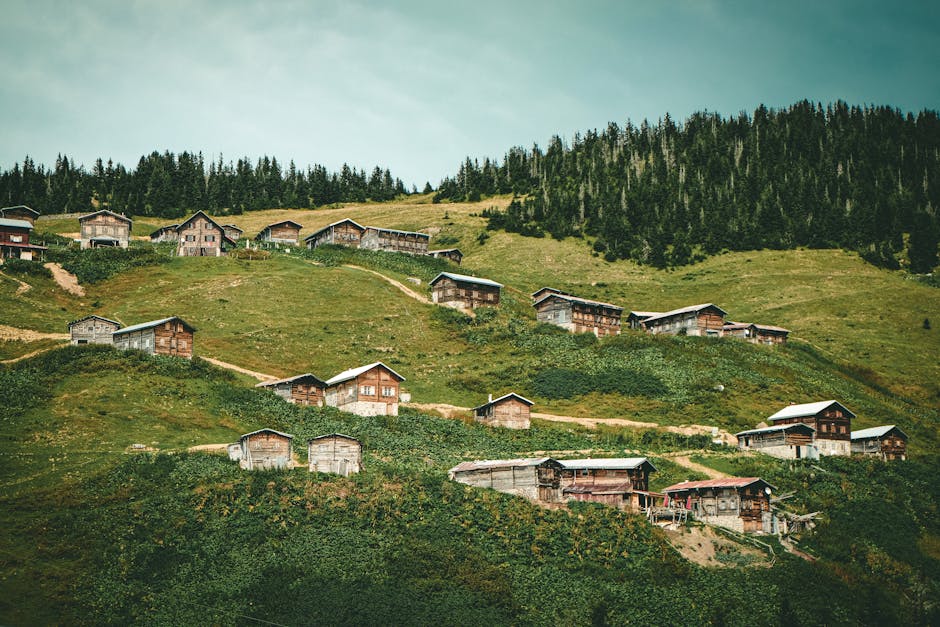
I woke up in Trabzon to the kind of rain that doesn't just fall; it attacks. It hammered the tin roof of my guesthouse in the Yomra district like a thousand tiny drummers, the air thick with the smell of wet pine and diesel. I stepped out onto the slick pavement, clutching a paper cone of simit and a paper cup of çay so hot it burned my fingers, and watched the Bosphorus of the East — the Black Sea — churn grey and violent against the steep, emerald slopes of the Pontic Mountains. This isn't the Turkey of postcards with azure waters and white yachts. This is the wet, green, chaotic, and deeply human north. It's a place where the mountains plunge straight into the sea, where fishing boats bob like corks in the surf, and where the hospitality is as fierce as the weather.
I spent a week driving the coastal highway from Trabzon to Rize, dodging slow-moving trucks laden with tea leaves and stopping at every roadside stand to sample lahmacun that was so thin it was practically edible paper. I talked to fishermen who mended their nets with calloused hands, sipped raki with locals in smoky taverns, and hiked up mist-shrouded trails to monasteries perched on cliffsides. The Black Sea coast is often overlooked by tourists chasing the sun, but for those willing to embrace the damp, it offers a raw, authentic, and utterly unforgettable experience.
History & Identity
The identity of this region is forged in its geography and its history. For millennia, it was the gateway between Europe and Asia, a crucial stop on the Silk Road. The ancient city of Trabzon, known as Trebizond, was the capital of the Empire of Trebizond from 1204 to 1461, a Byzantine successor state that thrived on trade with the East. The legacy of this era is visible in the stunning architecture, the Orthodox churches, and the deep-rooted connections with the Caucasus.
But the modern identity is defined by two things: tea and rain. The Pontic Mountains force the moist air from the Black Sea upward, creating perpetual cloud cover and heavy rainfall. This climate is perfect for tea cultivation, which transformed the region's economy in the 20th century. The terraced hillsides, a patchwork of vibrant green, are a testament to this industry. The people here are proud, resilient, and deeply connected to their land. They speak a distinct dialect of Turkish, peppered with local words and a rhythm all its own. It's a place that feels both ancient and alive, where the past is not a relic but a living part of the daily rhythm.
Where to Go
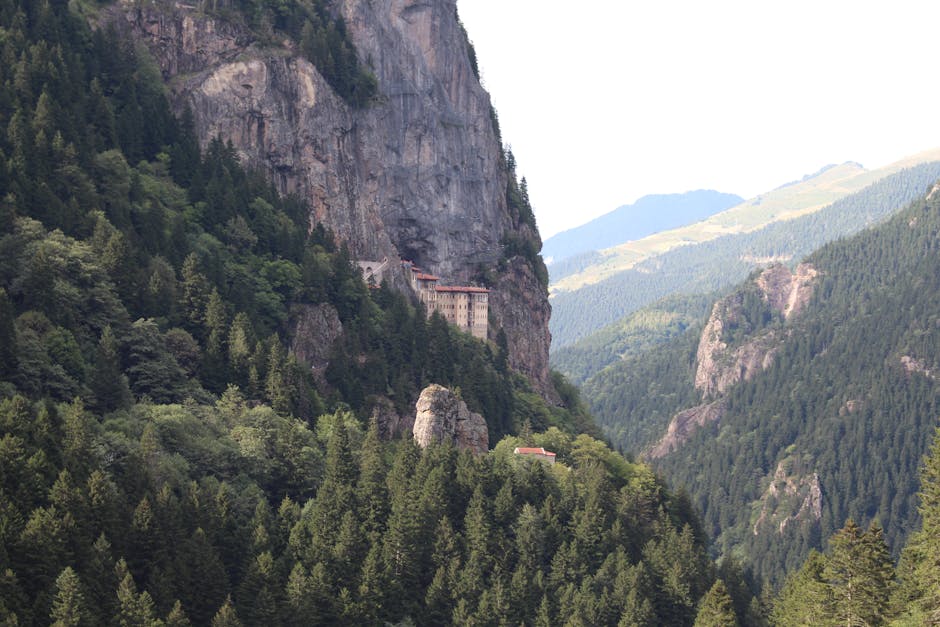
Sumela Monastery — Perched dramatically on a cliffside at an altitude of 1,200 meters, this 4th-century Orthodox monastery is one of the most iconic sights in Turkey. The complex includes a church, a refectory, and living quarters, all carved into the rock face. The hike up from the parking lot is steep but manageable, and the view of the surrounding valleys is rewarding. Entry fee is approximately 5 EUR, and it's best visited early in the morning to avoid crowds. The site is a powerful reminder of the region's Byzantine past.
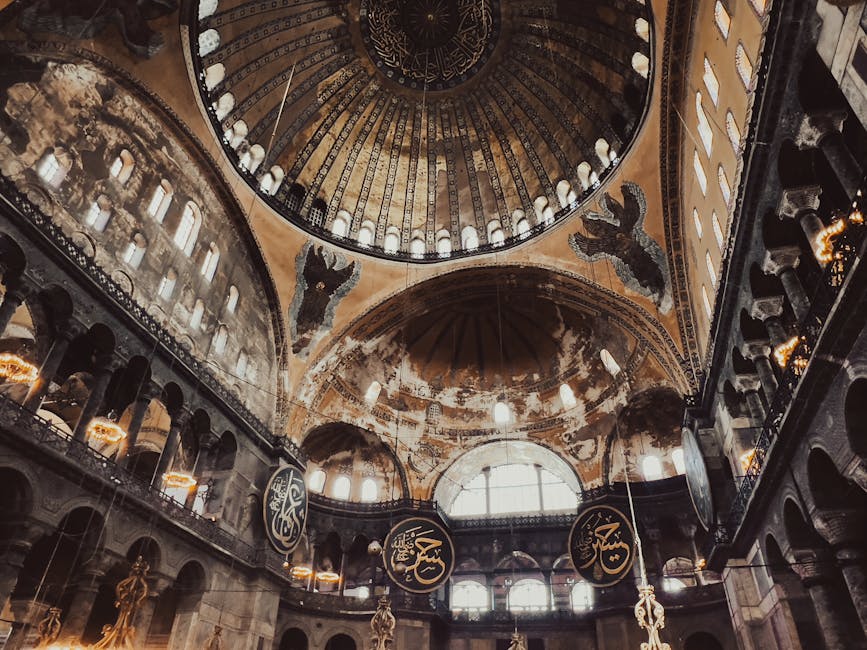
Trabzon City Walls and Hagia Sophia — The old city of Trabzon is a maze of narrow streets and Ottoman-era mansions. The city walls, though fragmented, offer a glimpse into the city's defensive past. The Hagia Sophia of Trabzon, now a museum, is a masterpiece of Byzantine architecture, with intricate mosaics and frescoes that survive from the 13th century. It's a quiet, contemplative space that contrasts with the bustling city outside. Entry fee is around 8 EUR.
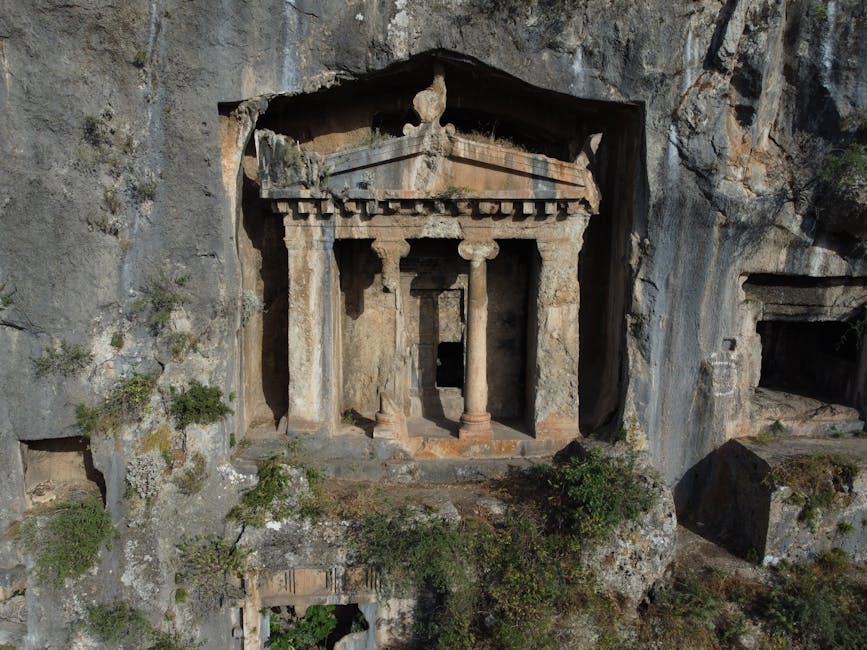
Amastra — Further west, near Sinop, Amastra is a hidden gem. This ancient city features a necropolis carved into the rock, with hundreds of tombs dating back to the Hellenistic and Roman periods. The site is less crowded than other historical sites in Turkey, offering a more intimate experience. The nearby beach is also a great spot for a swim in the cooler Black Sea waters.
Rize Tea Terraces — The drive from Trabzon to Rize is a scenic journey through endless tea terraces. The hillsides are covered in lush green tea bushes, tended by local farmers. You can visit tea gardens to learn about the production process and sample fresh tea. It's a sensory experience, with the aroma of fresh tea leaves filling the air. The views are stunning, especially on a clear day when the sea and mountains are visible in the distance.
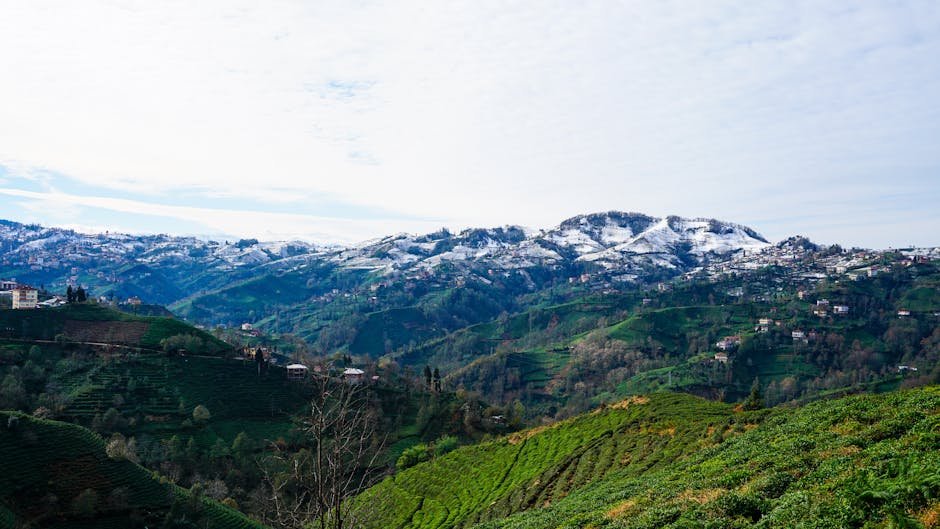
Çamlıhemşin — A small town in Rize province, Çamlıhemşin is a gateway to the mountains and a hub for outdoor activities. The town is surrounded by dense forests and offers numerous hiking trails. The local cuisine, featuring fresh fish and mountain vegetables, is a highlight. It's a peaceful retreat from the busier coastal towns.
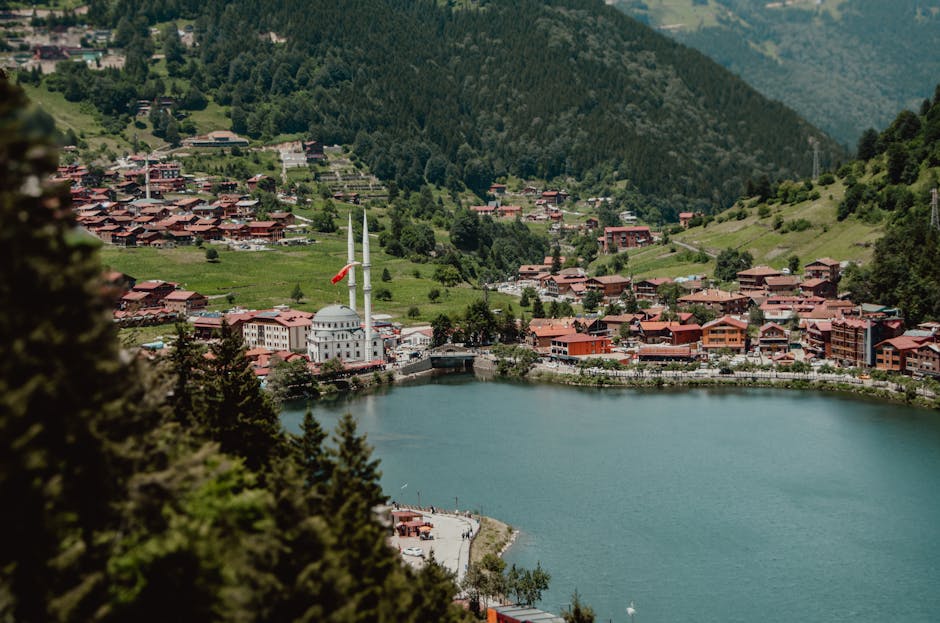
What to Eat & Drink
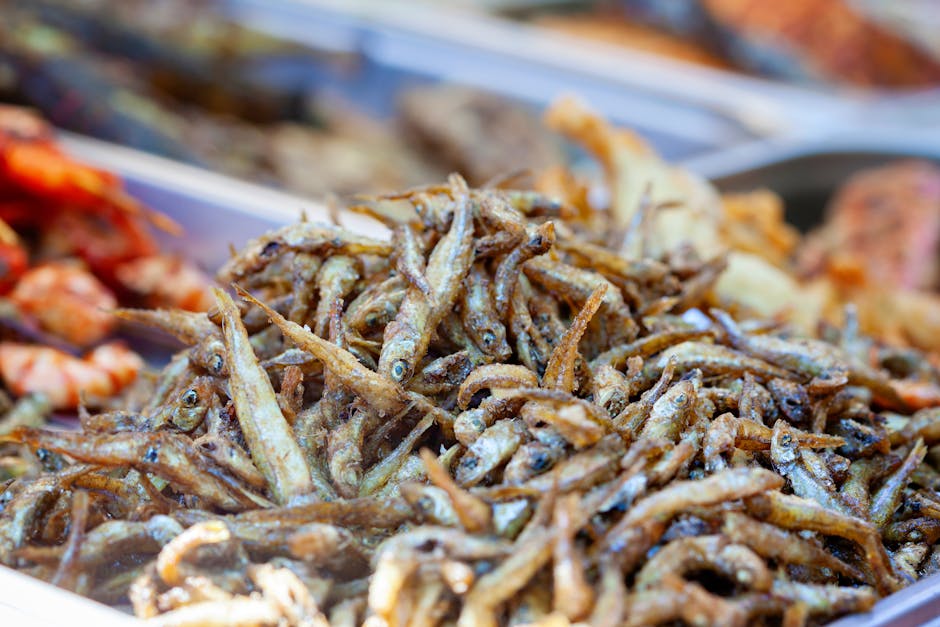
The cuisine of the Black Sea region is distinct from the rest of Turkey, with a focus on fresh fish, corn, and local vegetables. Hamsi (anchovy) is the star ingredient, prepared in numerous ways: fried, stuffed, baked, and even made into a pastry called hamsi boreği. A plate of fried anchovies costs around 3-5 EUR. Kara kekik (wild thyme) is another local specialty, often served as a side dish or used as a seasoning. Lahmacun, a thin, crispy pizza-like dish topped with minced meat and vegetables, is a must-try, costing about 2-4 EUR per piece.
For a more substantial meal, try piyaz, a bean salad with onions and herbs, or hünkar beğendi, a lamb dish served with a creamy eggplant puree. These dishes are typically found in local taverns, where a full meal can cost between 8-15 EUR per person. For budget travelers, street food and take-away options are plentiful. Simit (sesame bread rings) cost 1-2 EUR, and midye dolma (stuffed mussels) are available from street vendors for around 2-3 EUR for a small portion.
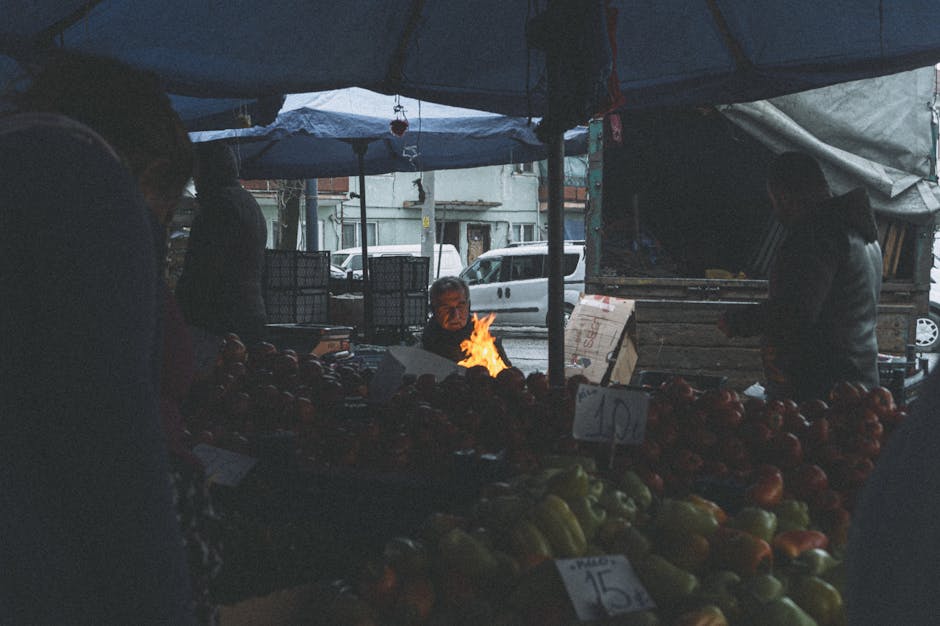
The main food street in Trabzon is around the Trabzon Central Market, where you can find a wide variety of local products, including fresh fish, cheese, and honey. In Rize, the Rize Central Market is a great place to sample local tea and buy souvenirs. For a more upscale dining experience, there are several restaurants in the city center of Trabzon that offer modern interpretations of traditional dishes, with prices ranging from 15-25 EUR per person.
Nightlife
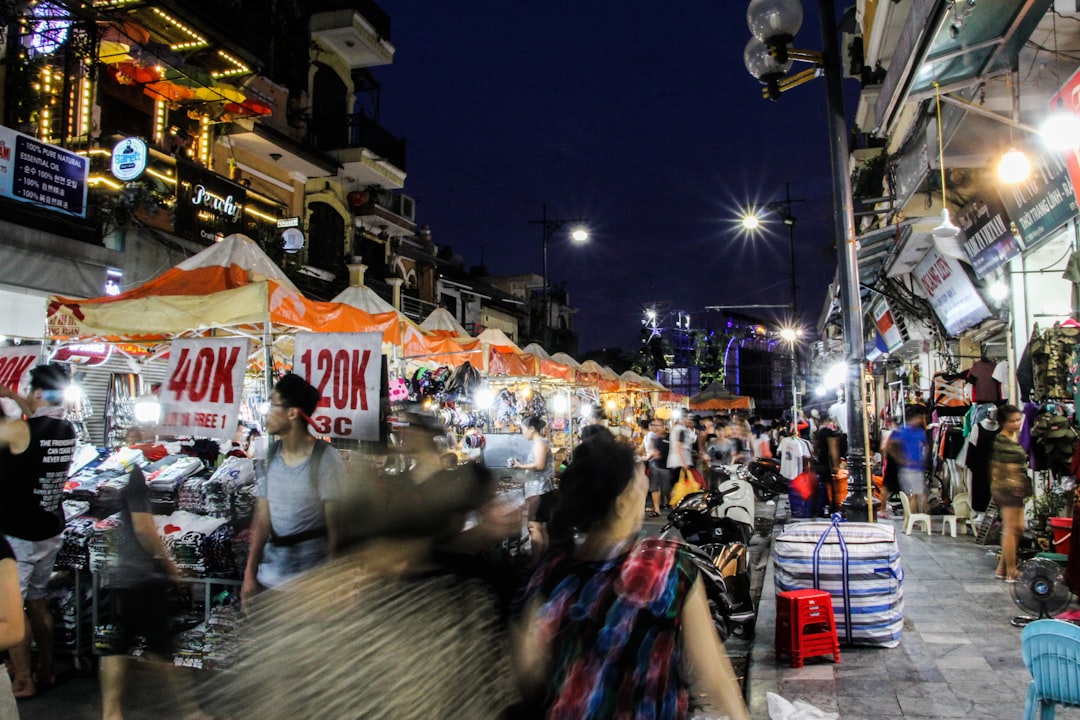
Nightlife in the Black Sea region is more subdued than in Istanbul or Antalya, but it has its own charm. In Trabzon, the main bar and club district is around Türkeli Caddesi and the area near the Trabzon University. Here, you'll find a mix of local pubs, live music venues, and a few clubs. Trabzon Bar is a popular spot for students, with a lively atmosphere and affordable drinks. Çay Bahçesi (tea gardens) are also a social hub, where locals gather to drink tea, play backgammon, and chat into the night. Cover charges at clubs are minimal, often free or around 2-5 EUR.
In Rize, the nightlife is more relaxed, with a focus on local taverns and small bars. Rize Bar and Tea House are popular spots for a drink and a meal. The music is typically Turkish folk or pop, and the atmosphere is friendly and informal. It's a place to unwind after a day of exploring, not to party until dawn.
Getting There & What to Expect
The nearest major airport is Trabzon Airport, which has connections to major Turkish cities like Istanbul, Ankara, and Izmir. From Istanbul, a flight takes about 1.5 hours and costs between 50-100 EUR depending on the season. Alternatively, you can take a bus from Istanbul, which takes around 12-14 hours and costs approximately 20-30 EUR. Buses are comfortable and offer a chance to see the countryside.
Once in Trabzon, you can rent a car to explore the coast, which is the best way to get around. Car rentals start at around 30-50 EUR per day. Accommodation options range from budget guesthouses in Yomra, starting at 20-40 EUR per night, to mid-range hotels in the city center, costing 40-80 EUR per night. For a more luxurious experience, there are several boutique hotels with sea views, starting at 80-150 EUR per night.
The best time to visit the Black Sea coast is from May to October, when the weather is milder and the rain is less frequent. However, even in summer, it's wise to pack a rain jacket. The region is known for its sudden showers, so being prepared is key. Expect a slower pace of life, friendly locals, and a landscape that is constantly changing with the weather. It's a place that demands patience and rewards those who take the time to explore.
Search accommodation in Trabzon on Booking.com →
The Rain Doesn't Wash It Away
I left Trabzon with my shoes soaked and my heart full. The rain hadn't stopped, but it didn't matter. I'd sat in a smoky tavern in Rize, listening to an old man play the kemençe, a local string instrument, while the rain lashed against the windows. I'd eaten anchovies so fresh they still tasted of the sea, and I'd watched the sun set behind the Pontic Mountains, painting the clouds in shades of orange and purple. This place isn't for everyone. It's wet, it's green, and it's unapologetically itself. But for those who seek authenticity over convenience, it's a treasure. The Black Sea coast doesn't just welcome you; it embraces you, rain and all.
Comments