


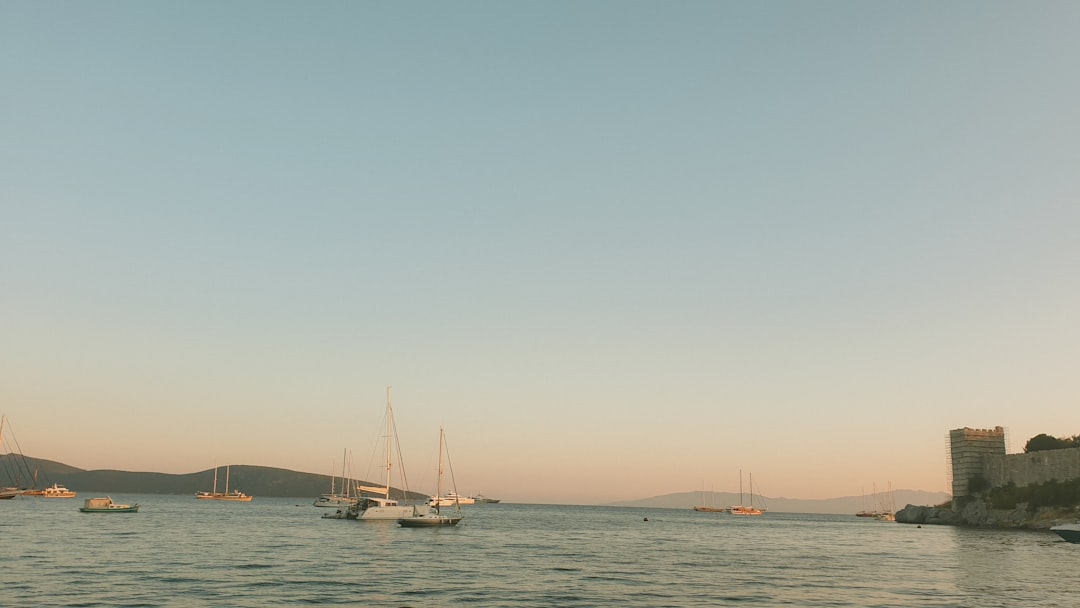
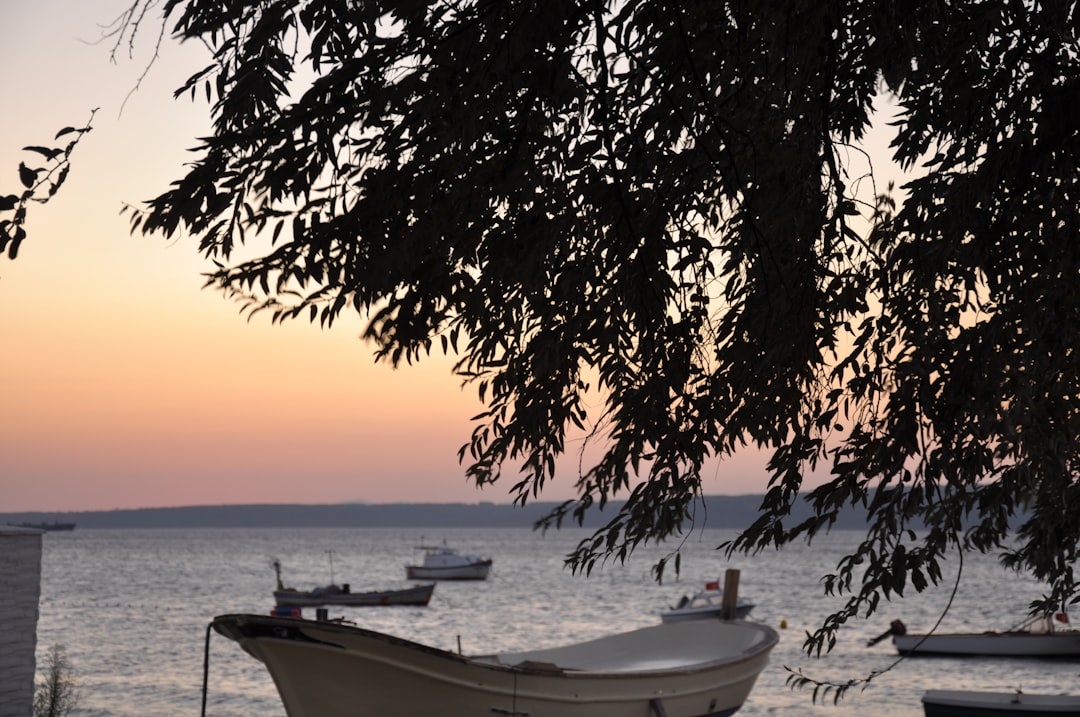
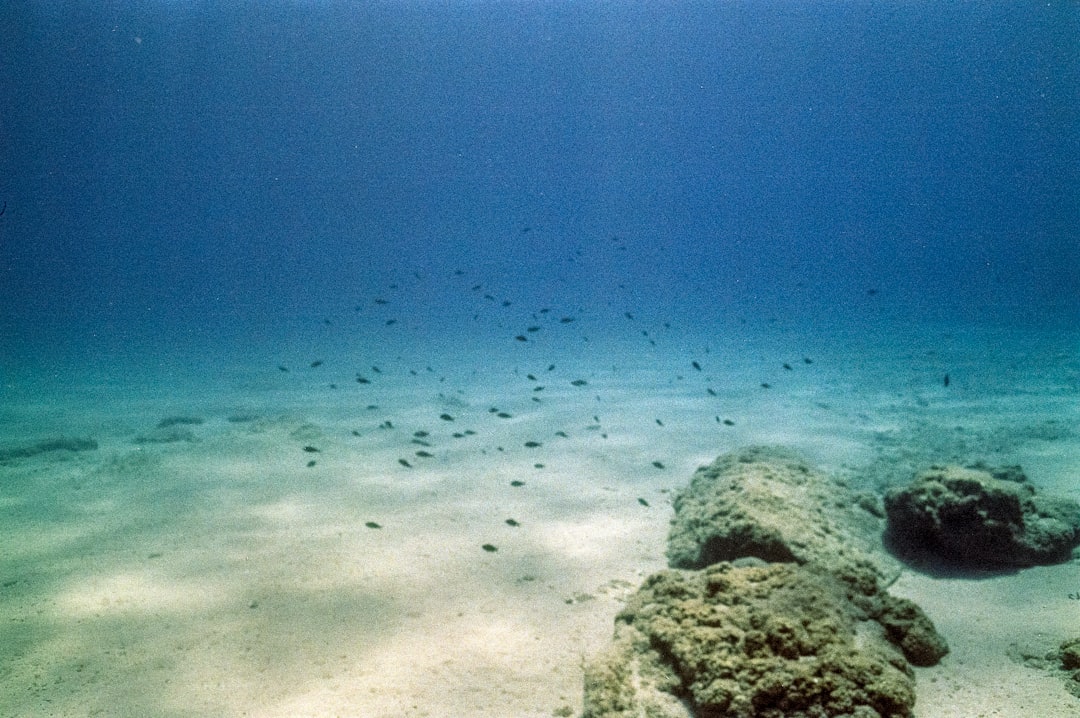
I am standing on a rock that feels less like geology and more like the spine of a sleeping god, staring down at water so blue it looks like it was poured from a paint can labeled "Impossible." My shirt is stuck to my back, not from heat, but from the sheer humidity of a summer afternoon in Çanakkale province. A local fisherman, his skin the texture of cured leather, spits into the Aegean and tells me, in broken English, that the tourists are gone. "Gone for season," he says, pointing to a horizon that stretches into Greece. "Now, only wind." I am here, on the Balkan fringe of Turkey, where the European continent ends and the sea begins, to find out if the coast is really empty. It isn't. But it is quiet. And in a world that screams for attention, quiet is the most expensive luxury you can buy.
This is the Aegean coast of Turkey, the side that looks toward the Balkans, toward the islands of Greece, toward the ancient wars fought over exactly this strip of limestone. It is not the party hub of Bodrum or the cruise ship magnet of Fethiye. This is the northern Aegean, a region of jagged cliffs, ancient ruins, and beaches that demand a bit of effort to reach. I have spent the last week driving the coastal roads, eating fish that was swimming ten minutes ago, and sleeping in rooms that smell of salt and old stone. This is the real edge of the Balkans, and it is waiting.
History & Identity
The history of this coast is written in blood and olive oil. This was the gateway to Europe for the Ottoman Empire, and it remains a strategic chokepoint today. The Dardanelles Strait, which connects the Aegean to the Sea of Marmara, is the reason this region exists as a distinct cultural entity. In 1915, the Gallipoli Campaign turned these hills into a graveyard for hundreds of thousands of soldiers from the British Empire and the Ottoman Empire. The scars are still visible, not just in the cemeteries, but in the collective memory of the locals. You visit the battlefields, and you feel the weight of it. It is not a tourist spectacle; it is a solemn reminder of how close the world came to breaking.
But long before the trenches, this was the land of Troy. The legendary city, the subject of Homer's Iliad, sits just inland from the coast. The ruins of Troy are a massive archaeological site, a layer cake of ancient civilizations that built and rebuilt on top of each other for thousands of years. Walking through the reconstructed walls, you can almost hear the chariots. The identity of this region is tied to these layers of history. It is a place where the ancient world feels immediate, where every olive tree might have been planted in the time of Alexander the Great.
The modern identity, however, is simpler. It is about the sea. The people here are fishermen, farmers, and increasingly, retirees from Istanbul who have fled the city for the clean air and the slow pace. The towns are clean, the mosques are white, and the women often wear headscarves that flutter in the sea breeze. It is a conservative region, but it is not hostile. In fact, the hospitality is fierce. You are a guest, and guests are fed. Always.
Where to Go
Troy Archaeological Site — This is the big one. The site covers a massive area, with nine distinct layers of settlement. The reconstructed wooden walls of Troy VI are impressive, giving you a sense of the scale of the legendary city. The museum on-site is excellent, with artifacts from the various periods. Entry is , which is about 6 EUR. Go early in the morning to avoid the heat and the tour buses. The site is large, so wear comfortable shoes.
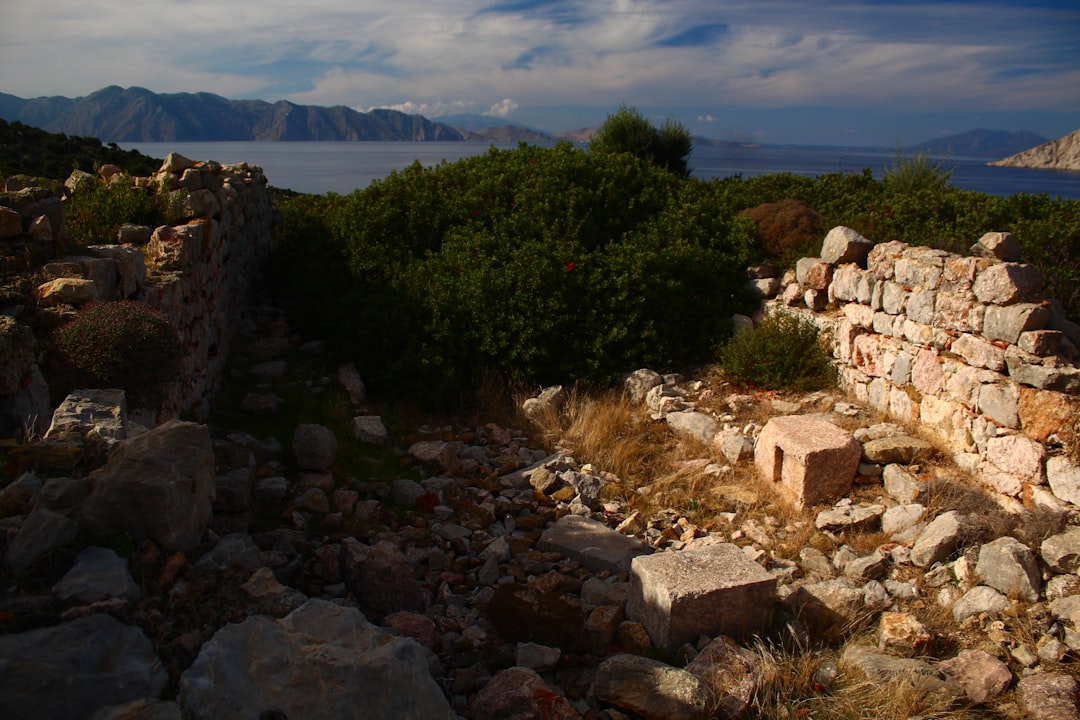
Gallipoli Peninsula Battlefields — A drive through the peninsula takes you through a landscape of pine trees and poppies, dotted with cemeteries and memorials. The Anzac Cove is the most famous site, where Australian and New Zealand troops landed in 1915. It is a small beach now, quiet and respectful. The 17th Infantry Battalion Cemetery is another poignant stop, perched on a hill with a view of the sea. There is no entry fee, but there is an expectation of silence and respect.
Eceabat — This is the main town on the Gallipoli peninsula, a sleepy fishing village that serves as a base for exploring the battlefields. The harbor is full of small boats, and the main street is lined with small restaurants serving fresh fish. It is not glamorous, but it is authentic. The atmosphere is relaxed, and the prices are low. You can rent a car here or take a bus to the various battlefield sites.
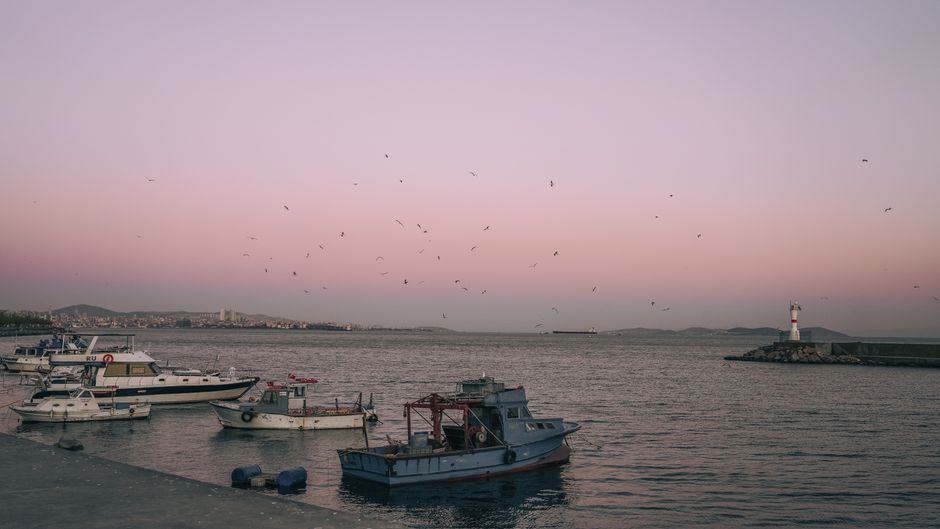
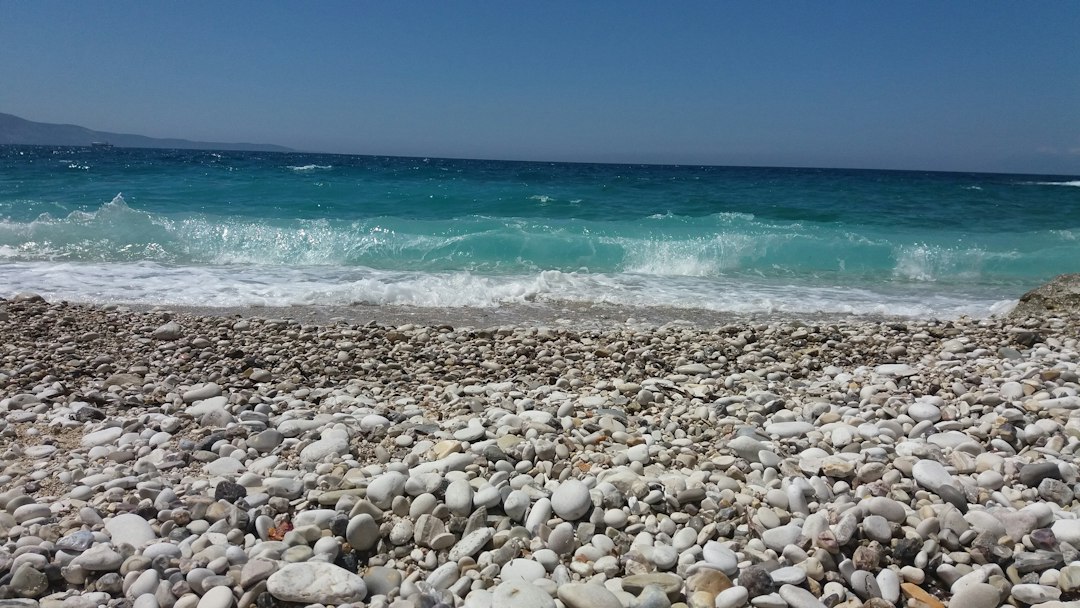
Dikilitaş Beach — Near the town of Gelibolu, this beach is named after the stone pillar that stands in the water. It is a long stretch of sand and pebbles, with clear, shallow water. It is popular with locals, so it can get crowded on weekends. There are cafes and showers nearby, making it a convenient option for a day trip. The view of the Greek island of Imbros across the water is stunning.
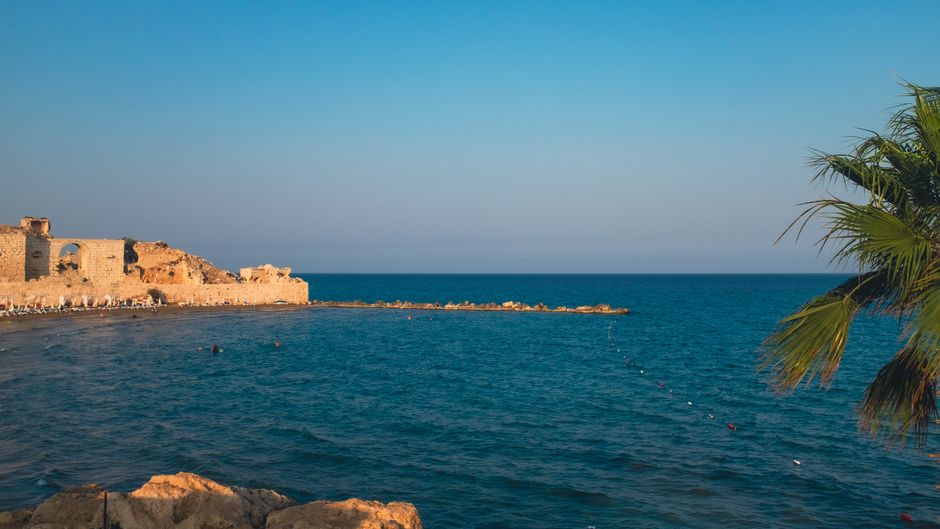
Assos — Located on a hilltop overlooking the Aegean, Assos is one of the most beautiful towns in Turkey. The white-washed buildings, the narrow streets, and the ancient temple of Athena at the top of the hill make it a photographer's dream. The view from the temple, looking out toward the Greek island of Lesbos, is unforgettable. The town is small, so you can walk everywhere. There are several good restaurants in the main square, serving seafood and local wine.
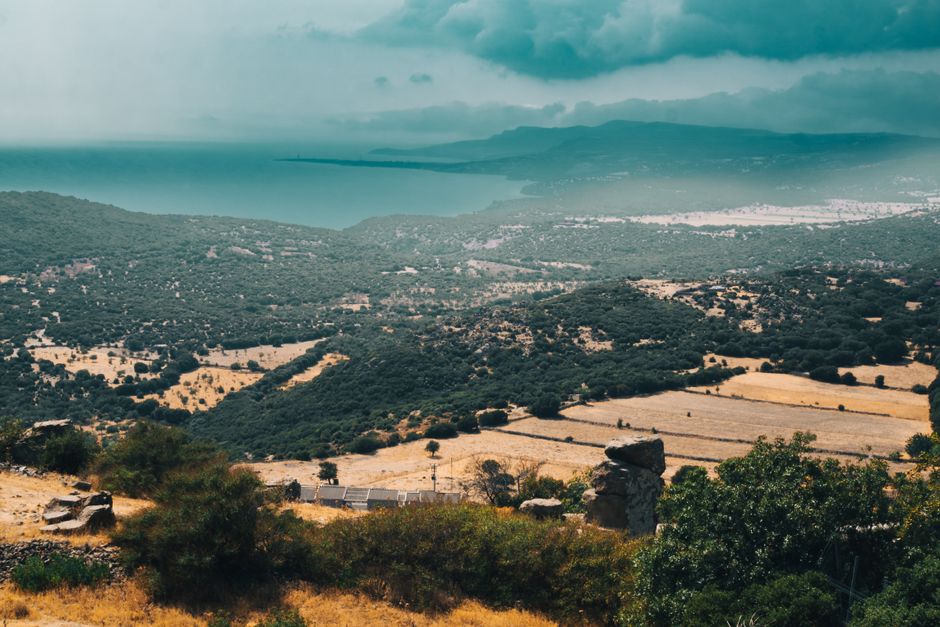
What to Eat & Drink
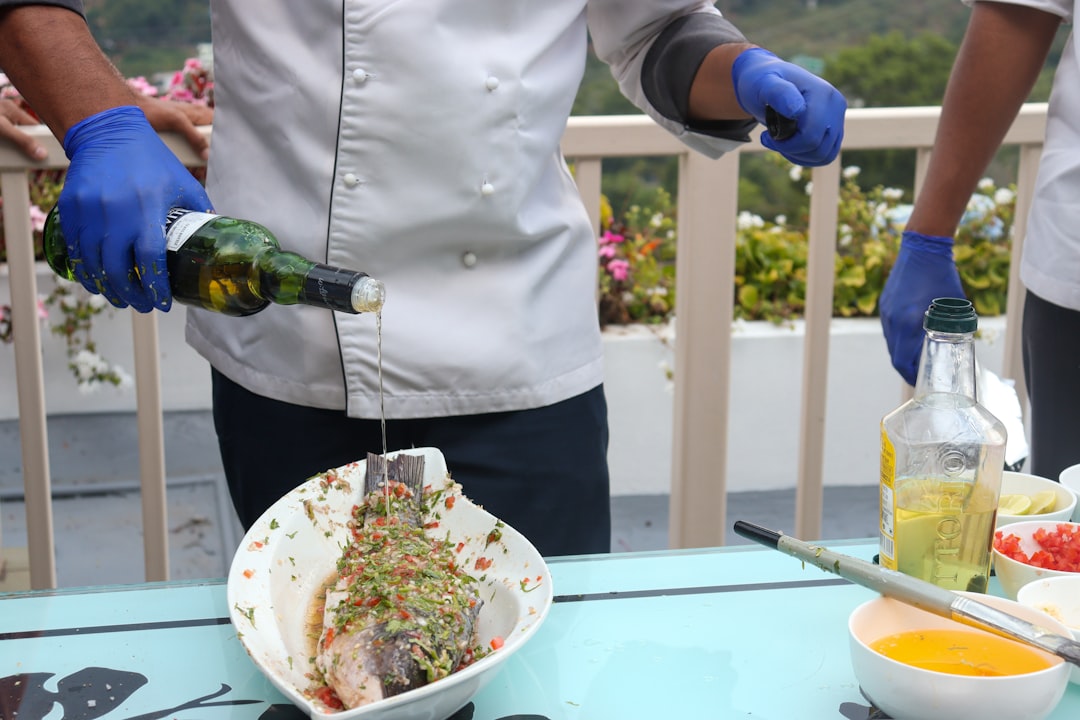
Food on the Aegean coast is simple, fresh, and delicious. The staple is fish, grilled simply with olive oil and lemon. You will also find plenty of lamb, often cooked with potatoes and tomatoes. The local bread is excellent, and the olives and olive oil are among the best in the world. Here are some must-try dishes:
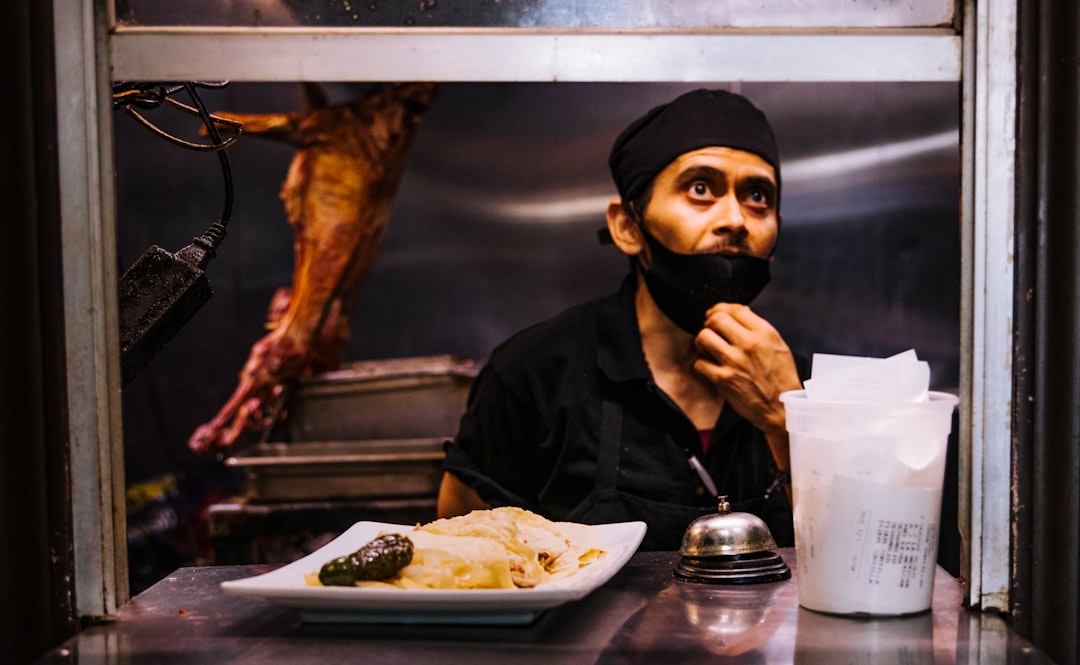
Grilled Fish — Typically sea bass or sea bream, served with boiled potatoes and salad. Price: 15-25 EUR per person. Kebabs — Adana or Urfa kebabs, made with minced lamb and spices. Price: 8-12 EUR. Börek — Flaky pastry filled with cheese, spinach, or meat. Price: 3-5 EUR. Lokma — Fried dough balls soaked in syrup, served as a dessert. Price: 2-4 EUR.
For a budget meal, you can find simit (sesame bread rings) for 1 EUR and a tea for 0.50 EUR. A sit-down meal at a local restaurant will cost you 10-15 EUR per person, while a nicer seafood restaurant might charge 20-30 EUR. In Çanakkale city, the Çanakkale 18 Mart Square area has many restaurants, while in Eceabat, the harborfront is the place to go. For take-away, look for the small lokanta (small eateries) that serve daily specials.
Nightlife
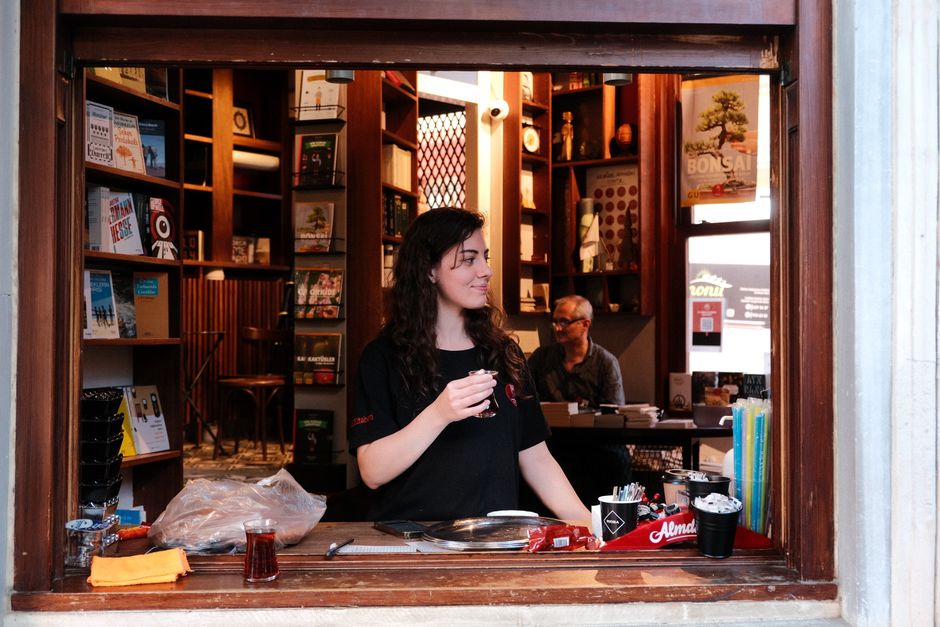
Don't expect Ibiza here. Nightlife on the northern Aegean coast is low-key. In Çanakkale city, the 18 Mart Square and the nearby Kaleiçi (Old Town) have several cafes and bars where you can drink tea, Turkish coffee, or beer while watching the world go by. The atmosphere is relaxed, and the crowds are mostly locals and students. In Assos, the main square has a few bars that play music late into the night, but it is still quiet. For a more vibrant scene, you need to head to Bodrum or Marmaris, but that is a different Turkey entirely. Here, the nightlife is about conversation, not dancing.
Getting There & What to Expect
The nearest airport is Çanakkale Airport, but it has limited flights. Most travelers fly into Istanbul or Izmir and take a bus. Buses from Istanbul to Çanakkale take about 5-6 hours and cost around 15-20 EUR. Buses from Izmir take about 4 hours and cost around 10-15 EUR. From Çanakkale, you can take a dolmuş (shared taxi) or a bus to Eceabat or Assos. Renting a car is the best option, as it gives you the freedom to explore the peninsula and the coast at your own pace. Budget hostels in Çanakkale cost 10-15 EUR per night, while mid-range hotels cost 20-30 EUR. In Assos, prices are higher, with pensions costing 25-40 EUR per night.
The best time to visit is May or September, when the weather is warm but not hot, and the crowds are smaller. July and August are hot and crowded, especially on the beaches. The sea is warm, but the sun can be intense. Bring sunscreen, a hat, and plenty of water. Also, be prepared for the heat in the archaeological sites, where there is little shade.
Search accommodation in Çanakkale on Booking.com →
The Road Less Traveled
As I drive back toward Istanbul, the sun setting behind the Dardanelles, I feel a sense of peace that is rare in this chaotic world. The Aegean coast of Turkey is not a destination for everyone. It is not for those who seek neon lights and loud music. It is for those who seek silence, history, and the simple pleasure of a good meal by the sea. It is a place where time slows down, and where you can hear the whispers of the past in the wind. I came here looking for empty beaches, but I found something better: a sense of place. And in a world that is increasingly homogenized, that is a rare and precious thing. I will be back. Not for the parties, but for the quiet. And for the fish. Mostly for the fish.
Comments