


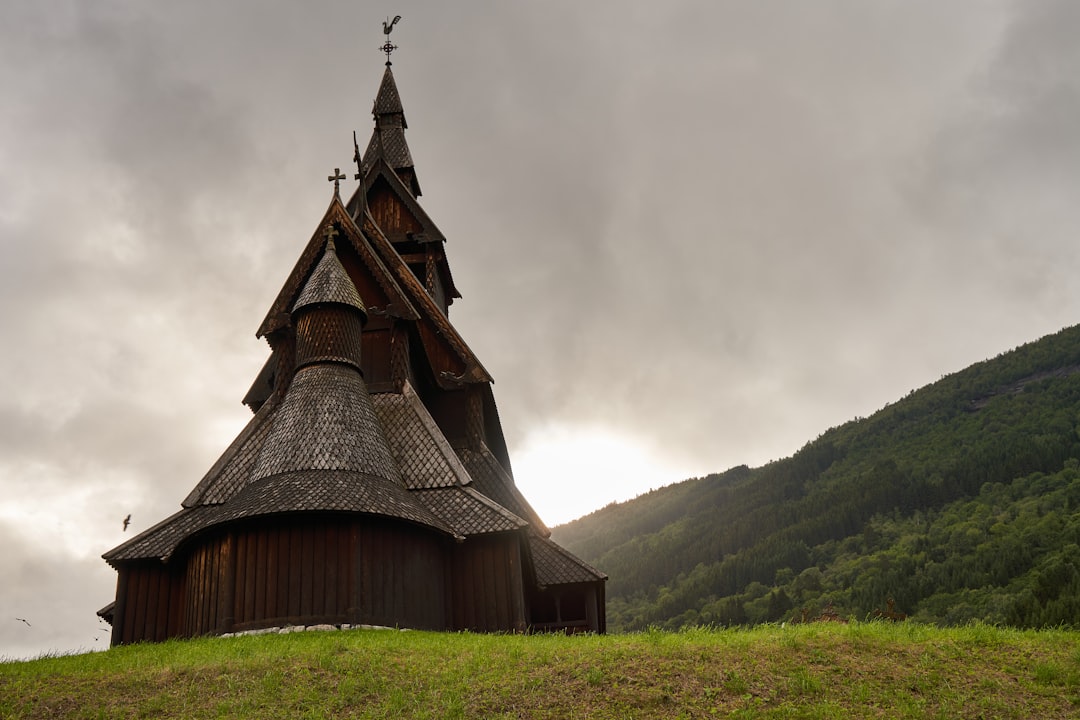
The coffee in Ohrid tastes like burnt sugar and ancient dust, a bitter sludge that wakes you up faster than the 5 AM call to prayer echoing off the limestone cliffs. I sat on a plastic stool outside a kiosk near the lake, watching a flock of starlings explode from the branches of an old olive tree like black confetti. A local woman, her face a map of deep creases and sunspots, tapped my knee with a knuckle wrapped in silver rings. "You look for the wood," she said, not asking, stating a fact. "The stone is for the emperors. The wood is for the people who survived." She pointed a calloused finger toward the ridge line, where the silhouette of St. John at Kaneo cut a jagged shape against the pale morning sky. I followed her gaze, not to the famous monasteries of stone, but to the scattered, splintered wooden churches clinging to the hillsides like barnacles on a giant's back. This isn't a story about marble facades or Byzantine mosaics. It's about how a mountain community kept its soul intact by building its churches out of the very trees that surrounded it, hiding their faith in plain sight, one splinter at a time.
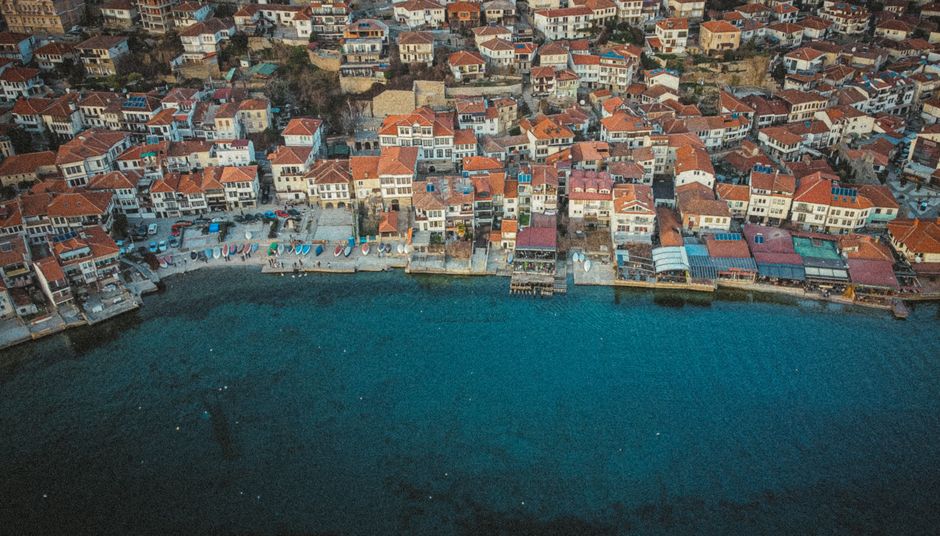
Most tourists to Ohrid chase the UNESCO plaque, snapping photos of the Galichica Mountain and the turquoise waters of Lake Ohrid. They miss the real story, the one written in pine and fir, in the dark, resin-scented interiors of wooden churches that have outlasted empires, earthquakes, and the slow rot of indifference. These structures are not just religious sites; they are architectural refugees, surviving on the fringes of the main road, built by hands that knew the value of every nail and every beam. To understand Ohrid, you have to leave the stone behind and walk into the forest, where the air smells of damp earth and old incense, and the only sound is the creak of wood settling under the weight of centuries.
History & Identity
The history of Ohrid's wooden churches is a history of survival and subterfuge. While the Byzantine and Ottoman empires fought over the stone fortresses and grand cathedrals, the local Slavic populations built their places of worship in the woods, using materials that were cheap, accessible, and easy to replace. These churches were often built in the vernacular style, a blend of traditional Balkan carpentry and religious iconography. They were not meant to impress the passing army or the visiting bishop; they were meant to serve the village, to provide a shelter for the spirit in a harsh, mountainous landscape. Many of these churches date back to the 16th and 17th centuries, a time when the Ottoman Empire was consolidating its power in the Balkans, and building in stone was often forbidden or heavily taxed for non-Muslims. Wood became a political choice, a way to maintain religious practice without drawing the attention of the authorities.
Over the centuries, these churches have been moved, repaired, and repainted. Some have been relocated to safer ground, their foundations lifted and carried on ox carts to new sites. Others have been lost to fire or decay, their names remembered only in local oral histories. The ones that remain are testaments to the resilience of the local people, who have maintained these structures through generations of poverty, war, and neglect. They are not pristine museums; they are living, breathing entities, their walls stained by incense, their floors worn smooth by the footsteps of the faithful. To walk into one of these churches is to step into a time capsule, a place where the past is not just remembered but lived.
Where to Go
St. John at Kaneo — This is the crown jewel of Ohrid's wooden churches, perched on a cliff overlooking the lake. Built in the 14th century, it is a masterpiece of medieval carpentry, with intricate woodwork and a stunning interior adorned with frescoes. The church is a pilgrimage site, attracting visitors from across the Balkans. Entry is free, but donations are welcome. The best time to visit is early morning, when the light filters through the high windows, casting golden patterns on the stone floor. The climb up to the church is steep, but the view from the top is worth the effort.
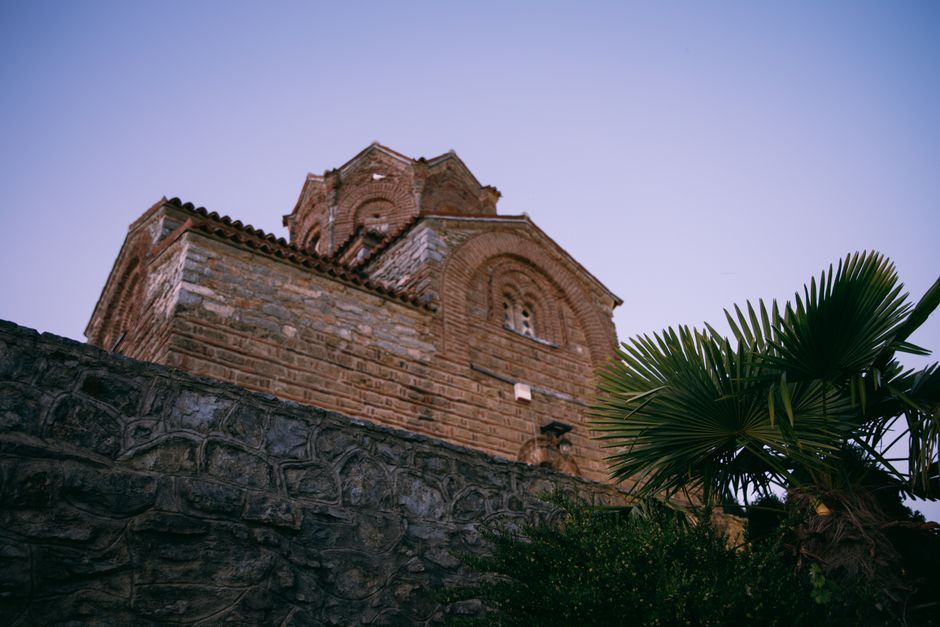
The Church of St. Nicholas (Kruševo) — Located in the nearby town of Kruševo, this wooden church is a lesser-known gem, tucked away in a quiet neighborhood. Built in the 19th century, it features a simple, unadorned exterior that belies the beauty of its interior. The walls are covered with vibrant frescoes, and the altar is adorned with gold leaf. The church is still in use, and visitors are welcome to attend services. Entry is free, and the atmosphere is peaceful and contemplative.
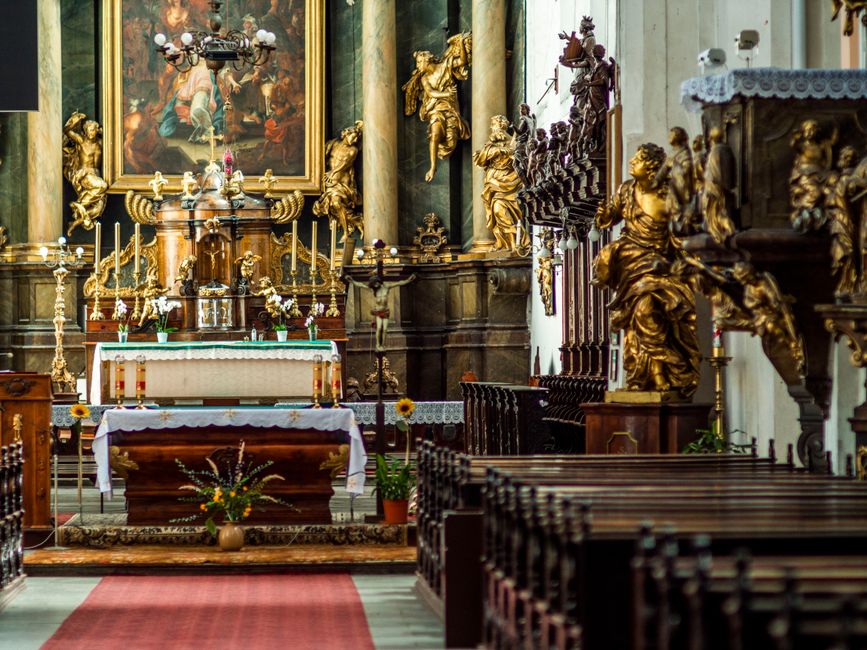
The Church of St. Panteleimon (Galičica) — Situated on the slopes of Galichica Mountain, this remote wooden church is a haven for hikers and pilgrims alike. The church is small and simple, with a thatched roof and wooden walls that have weathered to a silvery gray. Inside, the frescoes are faded but still visible, depicting scenes from the life of St. Panteleimon. The climb to the church is challenging, but the sense of isolation and tranquility is unparalleled. There is no entry fee, but visitors are asked to respect the sanctity of the site.
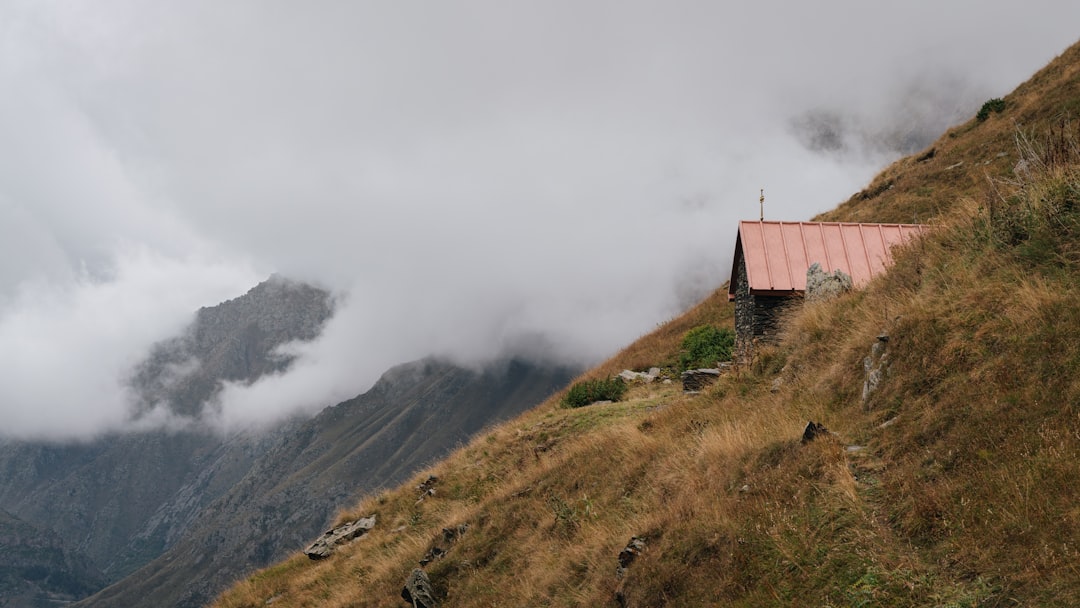
The Church of St. George (Debarca) — This wooden church, located in the village of Debarca, is a rare example of a church that has been preserved in its original location. Built in the 18th century, it features a distinctive octagonal shape and a wooden dome. The interior is decorated with folk art motifs, reflecting the local cultural traditions. The church is a popular stop for tourists exploring the region, and there are several cafes and shops nearby. Entry is free, and the church is open to visitors throughout the day.

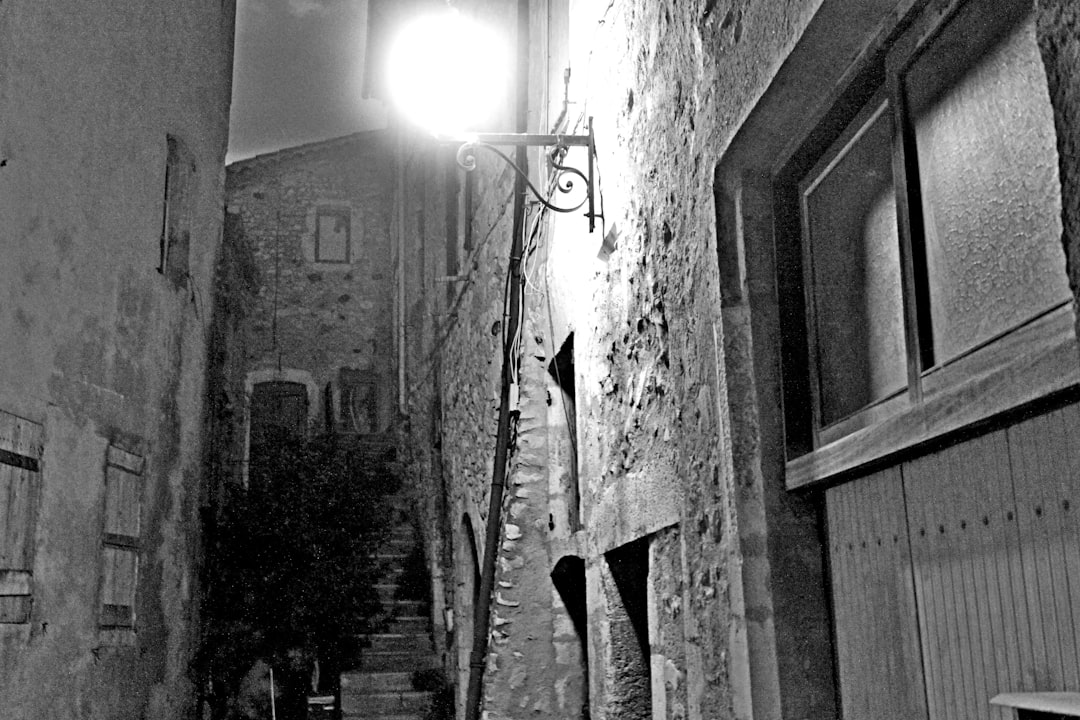
The Church of St. Demetrius (Ohrid Old Town) — Hidden in the labyrinthine streets of Ohrid's Old Town, this small wooden church is a surprise discovery for many visitors. Built in the 16th century, it is one of the oldest wooden churches in the city. The interior is dark and intimate, with flickering candles casting shadows on the walls. The church is still in use, and visitors are welcome to attend services. Entry is free, and the atmosphere is deeply spiritual.
What to Eat & Drink
After exploring the wooden churches, you'll need to refuel. The region around Ohrid is known for its hearty, rustic cuisine, perfect for warming up after a day of hiking and sightseeing. Start with shopska salad — a refreshing mix of tomatoes, cucumbers, onions, and peppers, topped with a generous amount of sirene cheese. It's a staple at every restaurant and costs around 3-4 EUR. For a main course, try cevapi — grilled minced meat sausages served with somun bread and onions. They're a Balkan classic and cost around 4-5 EUR. If you're feeling adventurous, try trapa — a freshwater fish from Lake Ohrid, grilled or fried and served with lemon and herbs. It's a local delicacy and costs around 8-10 EUR per serving.
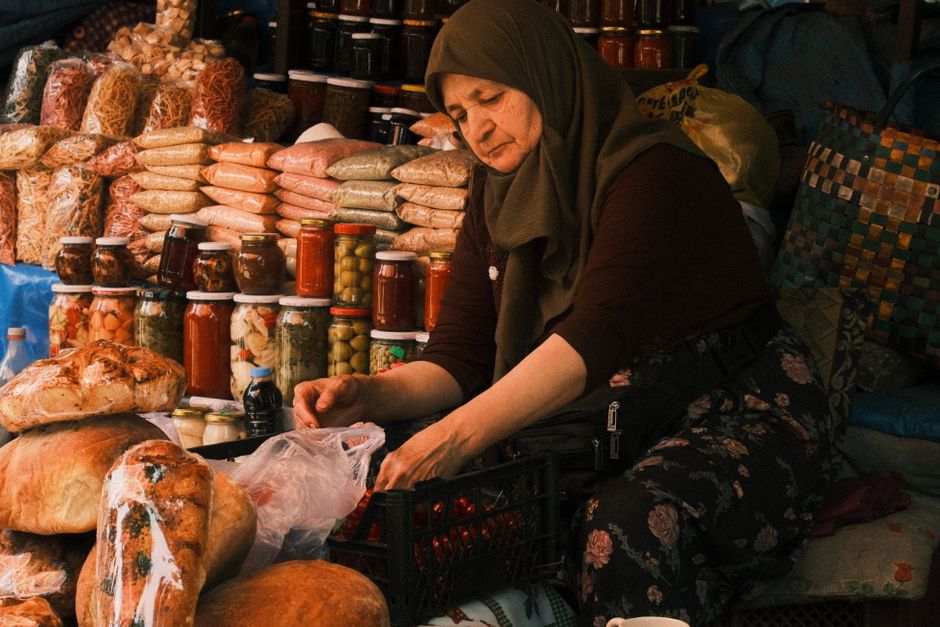
For a drink, order a glass of Vranec — a robust red wine produced in the nearby Tikveš region. It's a perfect pairing with the local cuisine and costs around 3-4 EUR per glass. If you're looking for a sweet treat, try gibanica — a savory cheese pie that's a Balkan staple. It's served warm and costs around 2-3 EUR per slice. For a budget meal, head to the Ohrid Bazaar — a covered market in the Old Town where you can find cheap, delicious street food. Try burek — a flaky pastry filled with meat, cheese, or spinach. It's filling and costs around 1-2 EUR per piece.

Nightlife
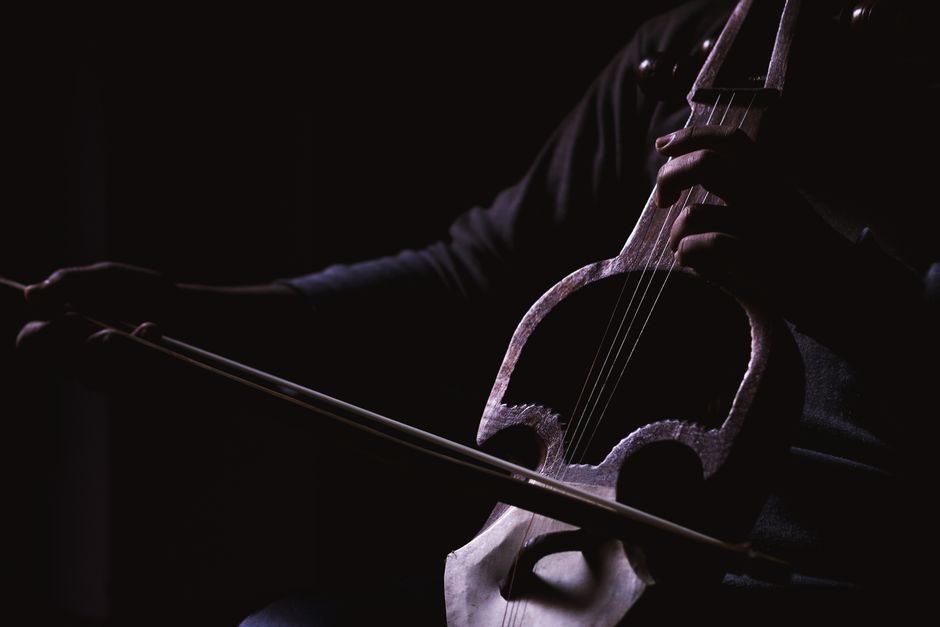
Ohrid's nightlife is surprisingly vibrant, with a mix of traditional taverns and modern bars catering to different tastes. The main nightlife district is centered around Dejca Beach and the Old Town, where you'll find a variety of venues serving local and international drinks. For a traditional experience, head to Krsta — a popular tavern known for its live folk music and homemade rakija. The atmosphere is lively and authentic, and the cover charge is 2-3 EUR. If you're looking for something more modern, try Blue Moon — a trendy bar with a rooftop terrace overlooking the lake. It's a popular spot for young locals and tourists, and the cover charge is 5-6 EUR. For a late-night dance, head to Club 1000 — a large nightclub with a DJ and a dance floor. The music is a mix of electronic and pop, and the cover charge is 8-10 EUR.
Getting There & What to Expect
The nearest airport to Ohrid is Saint Paul the Apostle Airport in Ohrid, which has limited international flights. For more options, fly into Skopje Alexander the Great Airport and take a bus or train to Ohrid. The bus journey takes around 3 hours and costs around 10-12 EUR. Alternatively, you can drive from Skopje, which takes around 2.5 hours. From the airport in Ohrid, you can take a taxi to the city center, which costs around 10-15 EUR. Once in the city, most attractions are within walking distance, but you can also rent a bicycle or take a local bus. The wooden churches are located in the hills surrounding the city, so you'll need to hike or take a taxi to reach them. The hike to St. John at Kaneo takes around 1 hour and is moderate in difficulty. The hike to St. Panteleimon is more challenging and takes around 2 hours.
Accommodation in Ohrid ranges from budget hostels to luxury hotels. A bed in a hostel dormitory costs around 15-20 EUR per night, while a private room in a mid-range hotel costs around 40-60 EUR per night. There are also several guesthouses and apartments available for rent, which can be a good option for longer stays. The best time to visit Ohrid is between May and October, when the weather is warm and sunny. July and August are the busiest months, so expect larger crowds and higher prices. If you're planning to visit the wooden churches, bring comfortable hiking shoes and a hat, as the trails can be steep and exposed. Also, bring a small donation to leave at the churches, as they rely on visitor support for maintenance.
Search accommodation in Ohrid on Booking.com →
The Weight of the Beam
I left Ohrid with the smell of resin still clinging to my jacket, a scent that felt less like perfume and more like a memory of the mountain itself. The wooden churches hadn't just shown me history; they had handed me a physical piece of it, splintered and raw. In a region defined by stone monuments and imperial grandeur, these fragile structures were a quiet rebellion. They didn't shout their existence; they whispered it from the forest floor, demanding nothing but a moment of your attention. As the bus rattled back toward Skopje, I realized that the true architecture of the Balkans isn't found in the palaces of kings, but in the humble, hand-hewn beams of the people who survived them. The wood remembers what the stone forgets, and in that splintered silence, I found the loudest truth of the place.
Comments