


History & Identity
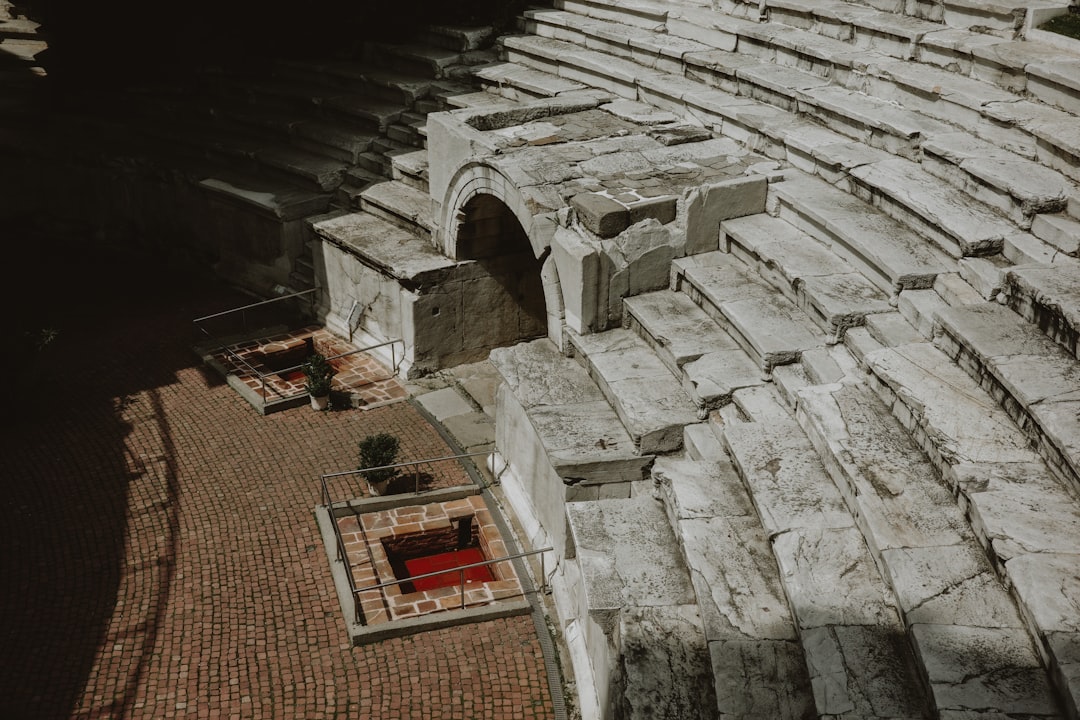
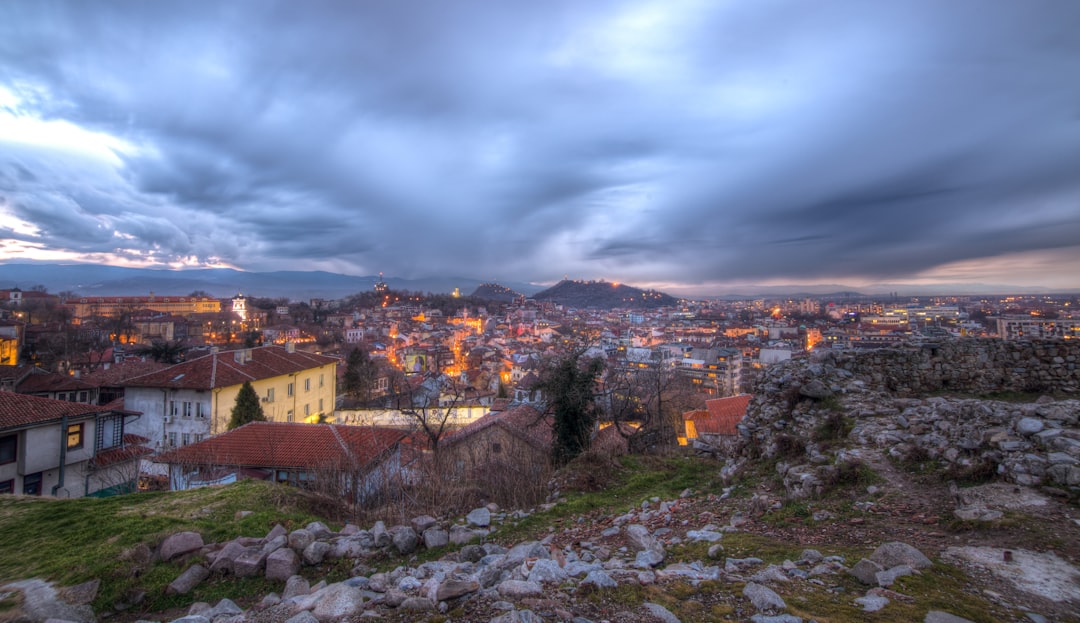
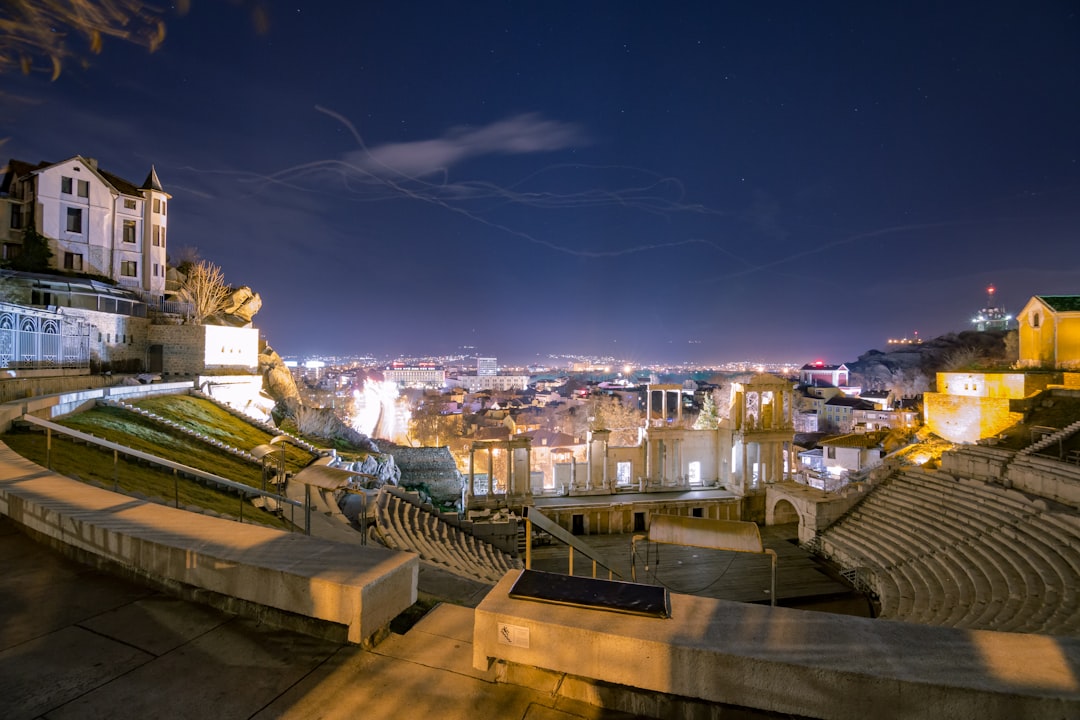
You can’t understand the food here without understanding the ground you’re standing on. Plovdiv is one of the oldest continuously inhabited cities in Europe, a fact that hits you hard when you’re staring at the Plovdiv Roman Theatre. Built in the 1st century AD, this amphitheater hosted gladiatorial games and theatrical performances. But back then, the audience wasn’t just sitting there in silence. They were eating. The ancient Romans brought their culinary habits with them, mixing them with the Thracian traditions of the region. The identity of this district is a palimpsest. Layer upon layer of culture has been written over it. After the Romans came the Byzantines, then the Ottoman Empire, and finally modern Bulgaria. Each layer left a culinary fingerprint. The Ottomans brought the spices, the slow-cooking techniques, and the love for lamb. The Thracians gave us the wine culture and the reverence for nature. The Romans gave us the infrastructure — the roads, the markets, and the social spaces where food was shared. Today, walking around the theater district, you’re walking through a living museum of gastronomy. The narrow cobblestone streets of the Old Town, just a short walk from the theater, are lined with restaurants that serve dishes with names that sound like poetry and taste like comfort.Where to Go
Plovdiv Roman Theatre — This is the anchor of the district. By day, it’s a stunning archaeological site where you can walk among the ancient seats and imagine the roar of the crowd. By night, it transforms into a venue for concerts and plays. It’s free to enter the exterior grounds, but guided tours cost money. The best time to visit is early morning or late evening when the light hits the stone perfectly and the crowds are thin.
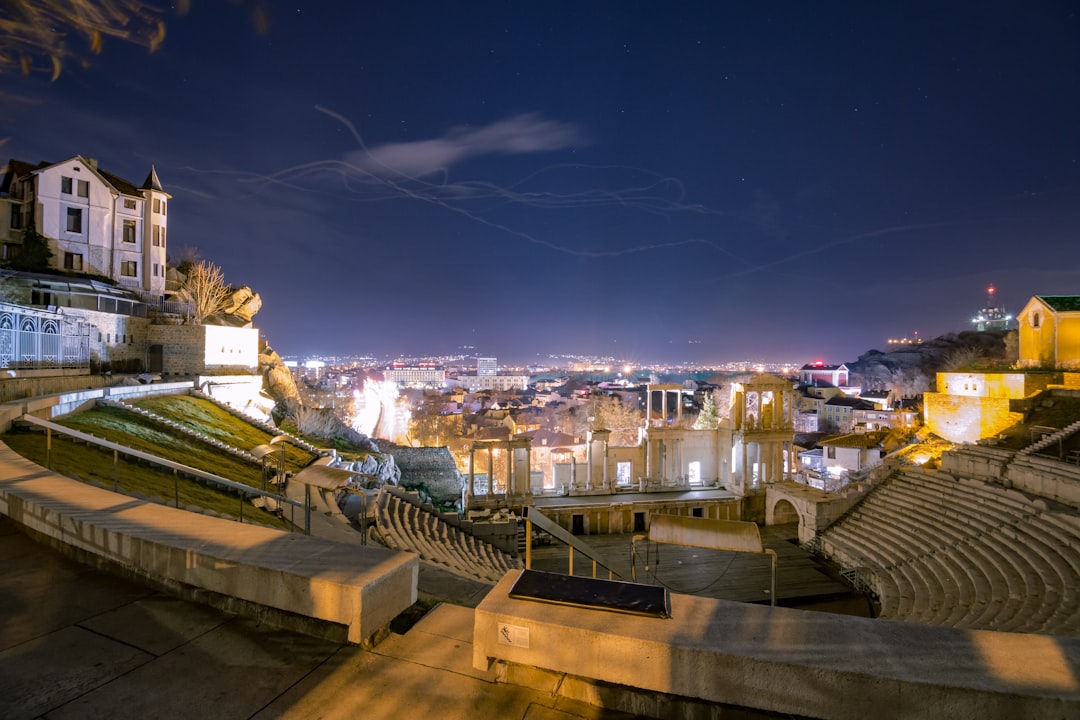
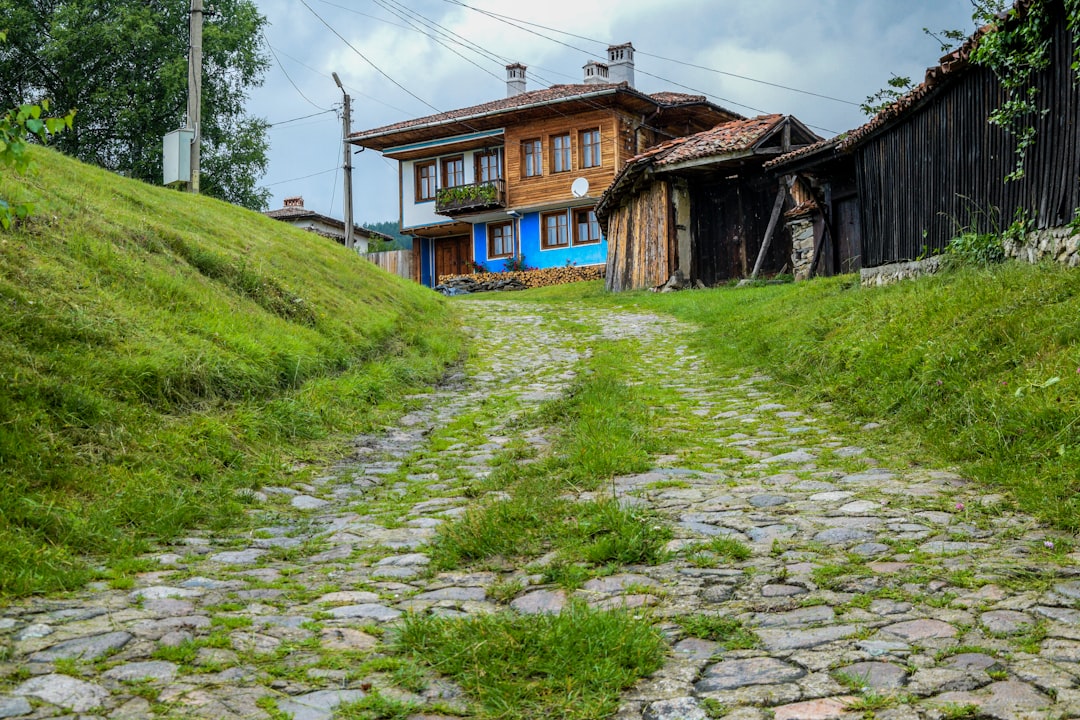
The Old Town of Plovdiv — Just a ten-minute walk from the theater, the Old Town is a maze of narrow streets and restored 19th-century merchant houses. It’s the heart of the city’s culinary scene. Wander through the streets, and you’ll find everything from high-end restaurants to tiny family-run cafes. The architecture is stunning, with colorful facades and wrought-iron balconies. It’s a photographer’s dream and a foodie’s paradise.
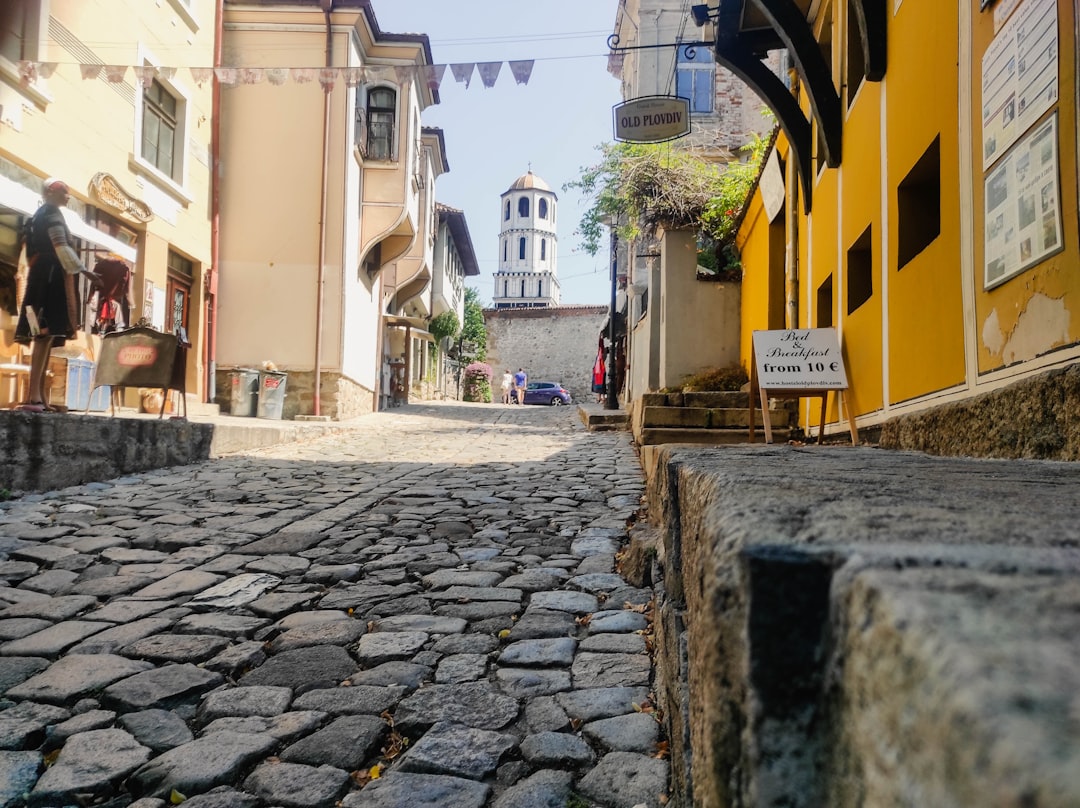
Neighborhood of the Artisans — A specific, vibrant quarter within the Old Town. This area is known for its bohemian vibe, with galleries, small museums, and some of the best cafes in the city. It’s a great place to start your day with a strong coffee and a pastry. The streets here are steep and winding, so wear comfortable shoes. The atmosphere is lively, with street musicians often playing in the squares.
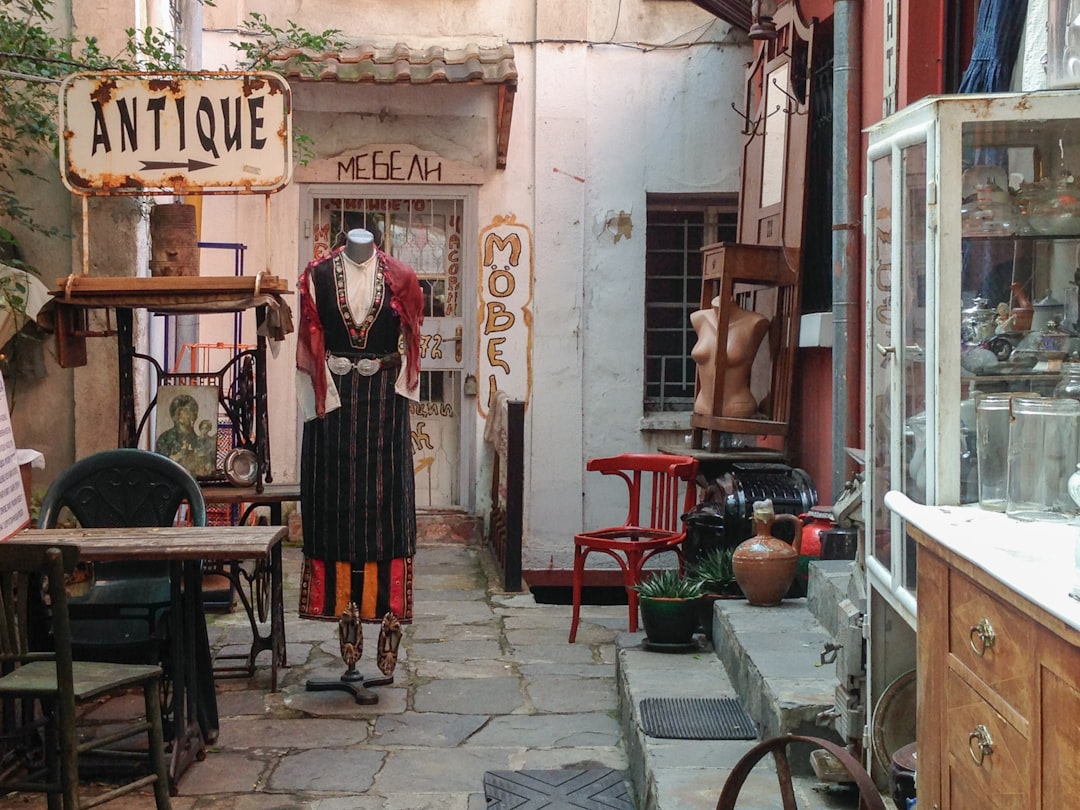
Etara Open-Air Museum — A short drive from the city center, this museum is a collection of traditional Bulgarian wooden houses and workshops. It’s a great place to see how food was prepared in the past, from cheese making to bread baking. There are also small shops where you can buy local products. It’s a bit of a trek, but worth it for the authentic experience.
What to Eat & Drink
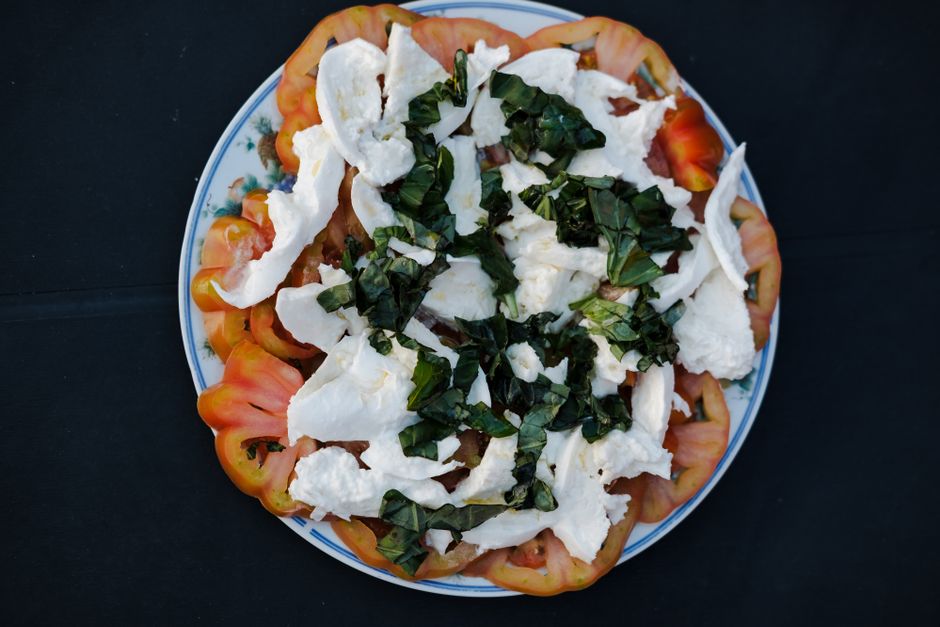
The culinary history of this district is best experienced through its dishes. Here’s what you need to eat to understand the soul of Plovdiv. Shopska Salata — 3-5 EUR per serving. This is the national salad of Bulgaria, and you’ll find it on every menu. It’s simple: diced tomatoes, cucumbers, onions, and capsicum, topped with a generous amount of grated white cheese (sirene). It’s fresh, crisp, and the perfect antidote to the heavier meats. The secret is in the cheese — it should be salty and creamy. Arnautchanica — 10-15 EUR per serving. This is a Plovdiv specialty, a spicy lamb stew cooked in a copper pot with red wine, paprika, and various spices. It’s rich, flavorful, and deeply satisfying. The meat is tender and falls off the bone. It’s a dish that demands to be shared, so order it with friends. Kebapche — 2-4 EUR per serving. These are small, grilled sausages made from minced meat (usually pork and beef) and spices. They’re served in a bread roll with a slice of tomato and a dollop of salsa. They’re cheap, delicious, and the perfect street food. You’ll find them at every kebab shop in the Old Town. Banitsa — 2-3 EUR per slice. A savory pastry made with layers of phyllo dough and a filling of eggs, white cheese, and sometimes spinach or potatoes. It’s the ultimate breakfast food, best eaten fresh and hot with a strong coffee. Rakia — 2-5 EUR per shot. This is the national spirit of Bulgaria, a fruit brandy that’s strong and sweet. It’s usually served as an aperitif or digestif. The most common varieties are made from plums, grapes, or apricots. It’s a potent drink, so sip it slowly. Budget Breakdown: * Street food / take-away: 2-5 EUR per meal. Kebapche, banitsa, and shopska salata are your best friends here. * Sit-down local restaurant: 8-15 EUR per person. You can get a full meal with a drink for this price in many traditional restaurants. * Mid-range restaurant: 15-25 EUR per person. These places offer a wider selection of dishes, better wine, and a more comfortable atmosphere. Food Streets & Markets: * **Kapana District**: An industrial-turned-arts district with a great selection of bars, cafes, and restaurants. It’s a bit more modern and trendy than the Old Town. * **Central Market Hall**: A massive, covered market where you can buy fresh produce, meat, cheese, and spices. It’s a sensory overload, and a great place to see how locals shop for food.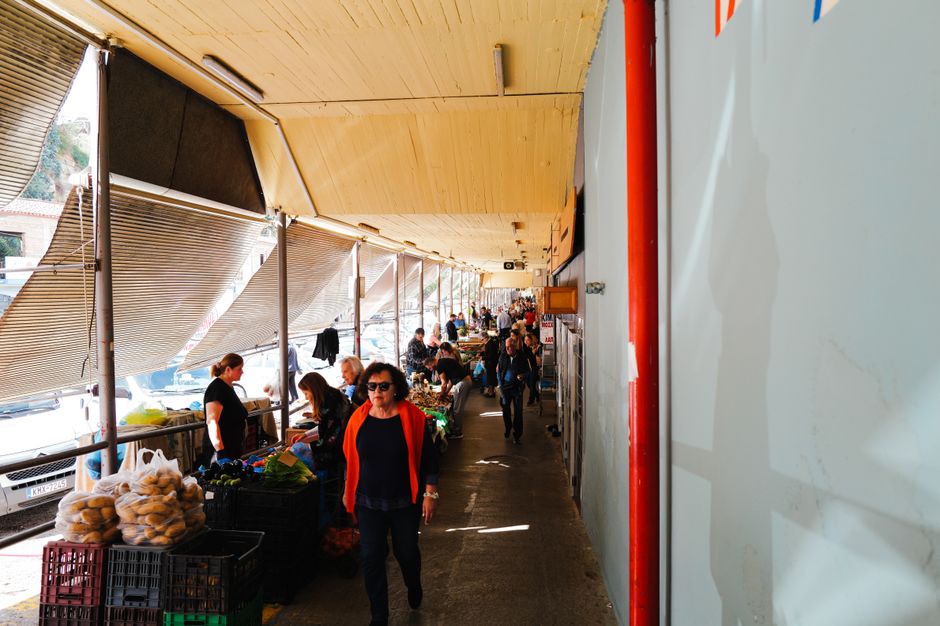
Nightlife
When the sun goes down, the Roman Theatre district comes alive. The Old Town and the Kapana District are the main hubs for nightlife. The streets fill with people, and the bars and clubs start pumping out music. Kapana District — This is the place to be for a more modern, trendy nightlife. The converted warehouses house bars, clubs, and restaurants. The atmosphere is lively, with a mix of locals and tourists. Music ranges from electronic to indie rock. Cover charges vary, but many places are free to enter. Old Town Bars — For a more traditional experience, head to the bars in the Old Town. These places are often smaller and more intimate, with live folk music or jazz. The atmosphere is relaxed, and it’s a great place to have a drink and a chat. Cover charges are usually low or non-existent. Live Music Venues — Plovdiv has a vibrant live music scene, with venues hosting everything from folk bands to rock concerts. Check the local listings for upcoming events. Tickets are usually affordable, ranging from 5-15 EUR.
Getting There & What to Expect
Getting to Plovdiv is easy. The nearest airport is Plovdiv Airport, which has limited international connections. Most travelers fly into Sofia Airport and take a bus or train to Plovdiv. The journey takes about two hours and costs around 5-10 EUR. There are also direct flights from some European cities to Plovdiv. From the airport, you can take a bus or taxi to the city center. Taxis are affordable, costing around 10-15 EUR to the Old Town. Buses are cheaper, but less convenient if you have luggage. Accommodation in Plovdiv is reasonably priced. Budget hostels cost around 10-20 EUR per night, while mid-range hotels range from 40-70 EUR per night. Luxury hotels can cost over 100 EUR per night. The best time to visit Plovdiv is in the spring (April to June) or autumn (September to October). The weather is mild, and the crowds are smaller than in the summer. Summer can be hot, but it’s also festival season, with many events taking place at the Roman Theatre.Search accommodation in Plovdiv on Booking.com →
Comments