


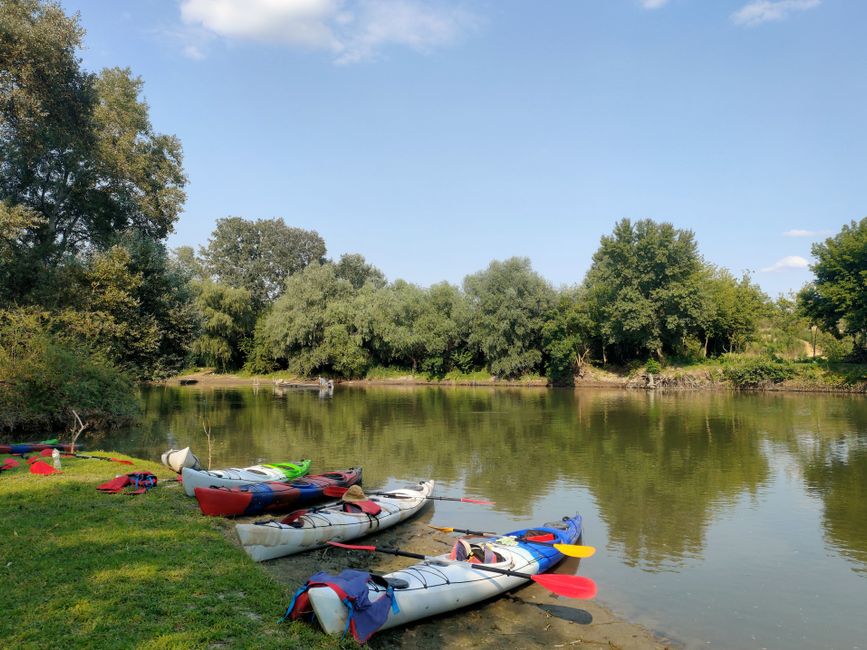
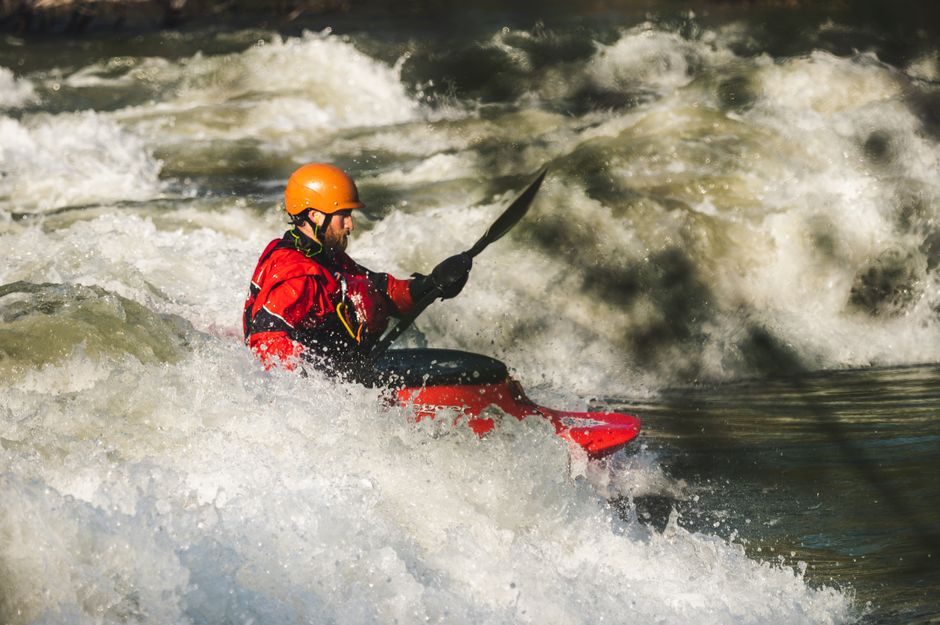
The water hits my chest with the force of a wet concrete wall. I am not swimming; I am being carried. The Neretva River Neretva does not ask for permission, it takes it. One minute I am laughing at the absurdity of my life choices, the next I am flipping through a white-water rapid that smells of pine resin and ancient limestone. My kayak is a bright yellow blister against the turquoise chaos, and for a second, the only thing that exists is the roar of the water and the realization that I am very, very small. This is not a spa holiday. This is Herzegovina, where the mountains slice the sky like jagged teeth and the rivers run with the fury of a thousand unspoken histories.
I am here to paddle the Neretva, the longest river in Bosnia and Herzegovina, a waterway that has shaped empires, flooded valleys, and carved canyons so deep they swallow the light. But let's get one thing straight: you do not just "go kayaking" here. You commit. You pack your life into a dry bag, you check your gear until your hands cramp, and you respect the river like a volatile lover. The air in Mostar Mostar is thick with the scent of grilled meat and woodsmoke, a stark contrast to the cold, clear bite of the water upstream. I am chasing the green heart of the Balkans, and the Neretva is the vein that pumps it.
The Upper Canyons: Where the River Wakes Up
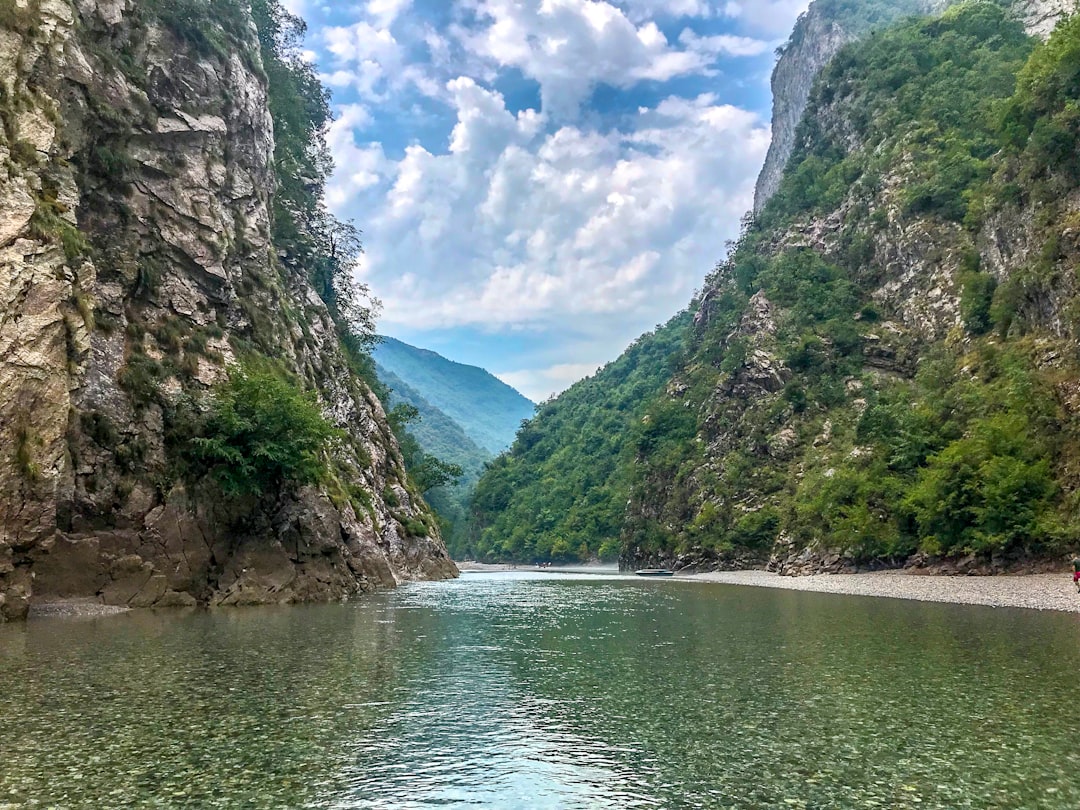
The journey begins high in the Prokletije mountains Accursed Mountains, where the air is thin and the silence is heavy. The source of the Neretva is not a gentle trickle; it is a violent emergence from the karst landscape, bubbling up from underground caves with enough force to shake the ground. This section of the river is for the experienced, the obsessed, the ones who dream in rapids. The water here is glacial, shockingly clear, and cold enough to numb your fingers in minutes. The canyon walls rise vertically, sheer cliffs of limestone that block out the sun for hours, creating a cathedral of stone and water. Paddling here is a meditation on survival. Every stroke is a conversation with the current, every turn a negotiation with gravity. The rapids are technical, demanding precision and focus. One mistake and you are tumbling into the depths, a swirling vortex of white water and adrenaline.
As you descend, the canyon opens up, revealing glimpses of the sky and the rugged beauty of the surrounding peaks. The landscape is raw, untouched, and fiercely independent. There are no hotels here, no restaurants, no Wi-Fi. Just the river, the rocks, and the relentless forward motion. Campsites are scarce, often just a flat patch of gravel beside the water, where you pitch your tent and cook your dinner under the stars. The nights are cold, the silence profound, broken only by the distant call of an owl or the rustle of a wild boar in the underbrush. This is the wild heart of Herzegovina, a place that demands respect and rewards those who earn it with memories that will last a lifetime.
The Middle Reaches: Forests and Villages
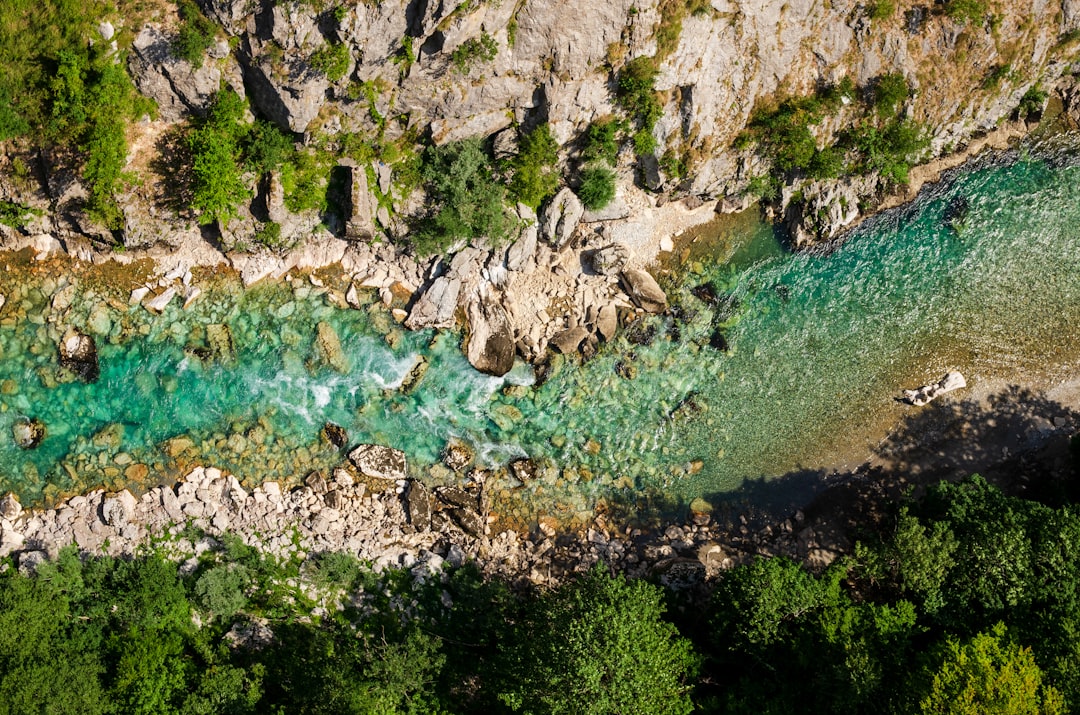
Below the canyons, the river slows, widening into a broad, emerald ribbon that winds through dense forests and ancient villages. This is the section where the river reveals its softer side, where the rapids give way to gentle currents and the landscape opens up to reveal glimpses of daily life. The water here is still cold, but the air is warmer, carrying the scent of pine and wildflowers. The forests are thick with oak, beech, and maple, their leaves forming a canopy that filters the sunlight into dappled patterns on the water. Paddling here is a different kind of challenge, one that requires patience and observation rather than brute force. The river meanders, creating long, lazy bends that invite you to stop and explore, to climb out and walk through the woods, to visit the small villages that cling to the riverbanks.
These villages are living museums, where time seems to have slowed to a crawl. The houses are built of stone and wood, their roofs tiled with clay, their gardens overflowing with herbs and vegetables. The people are friendly, curious, and proud of their heritage, often stopping to chat with passing kayakers, offering advice, food, or a cold drink. You might find yourself invited into a home for coffee and burek Burek, a flaky pastry filled with meat or cheese, a taste of the local cuisine that is as comforting as it is delicious. The river here is a lifeline, a source of water, food, and transportation, a vital part of the community that has sustained these people for generations. Paddling through this section is like reading a story, each village a chapter, each bend a new revelation.
The Lower River: Bridges and History
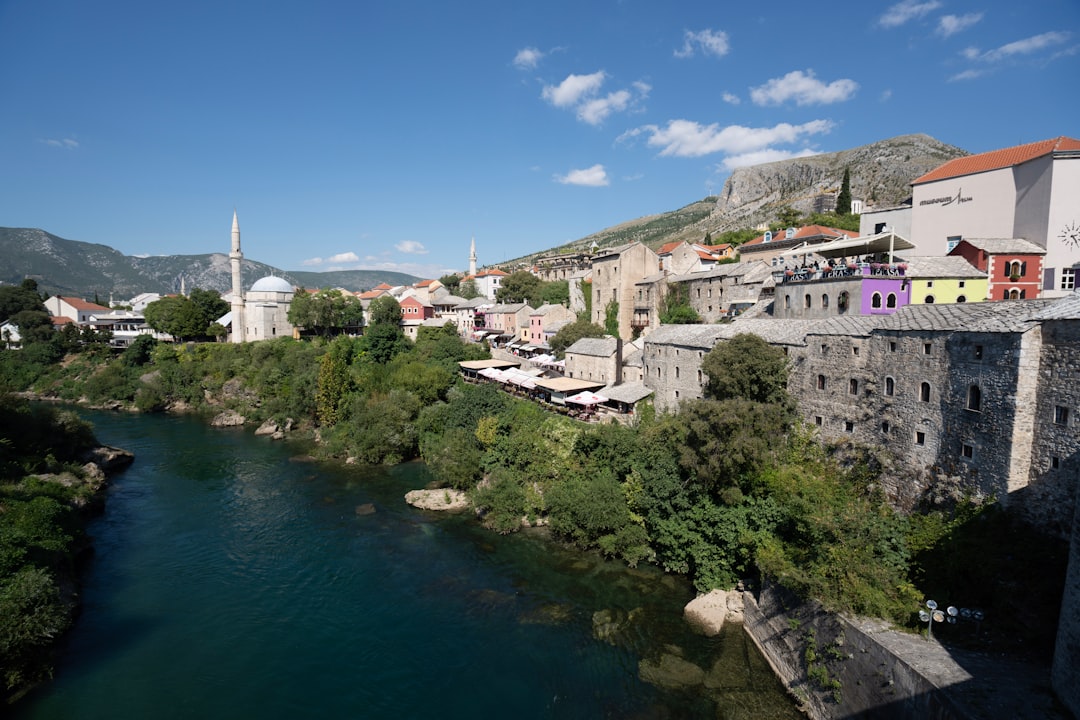
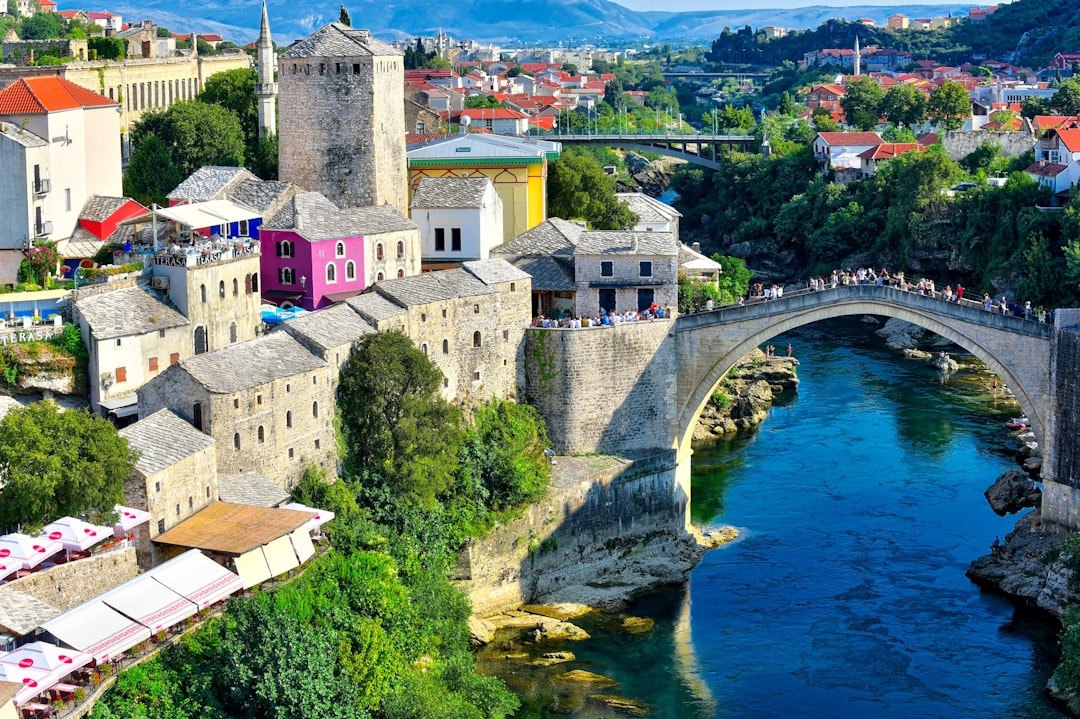
As the Neretva approaches Mostar, the landscape changes again, becoming more open, more urban. The river widens further, its currents slower, its color a deeper, richer green. This is the section where the river meets the city, where the wild beauty of the upper reaches gives way to the human drama of the lower reaches. The most iconic sight here is the Stari Most Stari Most, the Old Bridge, a masterpiece of Ottoman architecture that spans the river like a stone arc. Built in the 16th century, destroyed in 1993, and rebuilt in 2004, the bridge is a symbol of resilience, a testament to the enduring spirit of the people of Mostar. Paddling under the bridge is a surreal experience, a moment of reflection on the history of this place, the wars, the destruction, the rebuilding. The water here is calmer, but the currents are still strong, and the rapids below the bridge are a reminder of the river's power.
Beyond Mostar, the river continues its journey to the Adriatic, passing through the city of Travnik Travnik, a former Ottoman capital, and the town of Čapljina Čapljina, where the river widens into a broad, slow-moving channel. The landscape here is more agricultural, with fields of wheat and corn stretching to the horizon, dotted with olive trees and vineyards. The air is warmer, the pace of life slower, more relaxed. Paddling here is a gentle way to explore the region, to visit the historical sites, the museums, the cafes, the markets. The river is still beautiful, but it is no longer wild. It is a river that has been tamed, shaped by human hands, a reflection of the culture and history of the people who live along its banks. It is a fitting end to the journey, a reminder that the Neretva is not just a river, but a story, a living, breathing entity that has shaped the lives of millions.
Routes & Trail Info
The Neretva offers several distinct kayaking routes, each with its own challenges and rewards. The most popular is the Upper Neretva route, which starts near the source and ends in the town of Kupres Kupres. This route is for experienced paddlers only, with Class IV and V rapids, steep drops, and technical maneuvers. The total distance is approximately 30 kilometers, with an elevation gain of 500 meters. The estimated duration is 2-3 days, depending on water levels and weather conditions. The difficulty is Experienced. Another option is the Middle Neretva route, which starts in Kupres and ends in Mostar. This route is suitable for intermediate paddlers, with Class II and III rapids, gentle currents, and scenic landscapes. The total distance is approximately 50 kilometers, with an elevation gain of 200 meters. The estimated duration is 1-2 days. The difficulty is Intermediate. For those who prefer a more relaxed pace, the Lower Neretva route, which starts in Mostar and ends in the Adriatic, offers gentle currents, historical sites, and cultural experiences. The total distance is approximately 70 kilometers, with an elevation gain of 100 meters. The estimated duration is 1 day. The difficulty is Beginner.
Getting There & What to Expect
The nearest major city to the starting points of the Neretva kayaking routes is Sarajevo Sarajevo, the capital of Bosnia and Herzegovina. From Sarajevo, you can rent a car and drive to Kupres, a journey of approximately 200 kilometers and 3 hours. Alternatively, you can take a bus from Sarajevo to Kupres, a journey of approximately 4 hours. Once in Kupres, you can find local guides and outfitters who offer kayaking tours and equipment rentals. The trailhead for the Upper Neretva route is near the village of Rastoke Rastoke (Bosnia and Herzegovina), a small settlement on the riverbank. The trailhead for the Middle Neretva route is in Kupres itself, where you can find parking and facilities. The trailhead for the Lower Neretva route is in Mostar, where you can find parking and facilities along the river. Children under the age of 12 are not recommended for the Upper Neretva route due to the difficulty and danger. Children over the age of 12 may be able to paddle the Middle Neretva route with experienced supervision. Accommodation in Kupres is limited, with budget hotels and guesthouses available for 30-50 EUR per night. In Mostar, there are many options, from budget hostels for 20-40 EUR per night to mid-range hotels for 50-80 EUR per night. Typical meal prices in Kupres are 5-10 EUR for a main dish, and in Mostar 8-15 EUR for a main dish. The best months to visit are May to September, when the water levels are high and the weather is warm.
Search accommodation in Mostar on Booking.com →
The Water Remembers
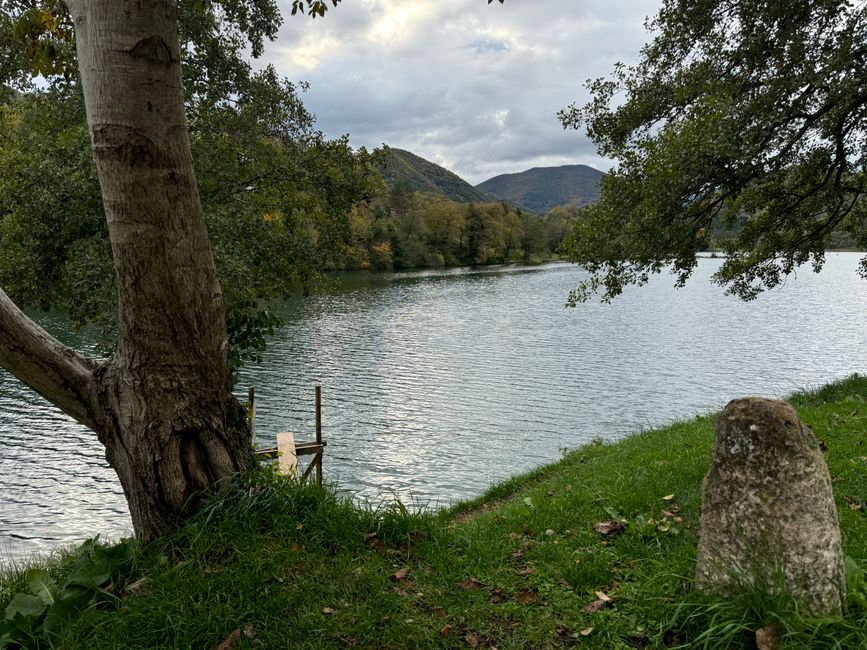
I sit on the bank of the Neretva, my kayak upside down next to me, the water lapping gently at my feet. The sun is setting, casting a golden light over the river, turning the water into liquid fire. I am exhausted, my muscles aching, my skin sunburned, but I am alive, more alive than I have been in years. The Neretva has given me something that no other place can, a sense of connection to the land, to the history, to the people. It has shown me the beauty of the wild, the power of the water, the resilience of the human spirit. I will carry this with me, long after the water has dried from my skin, long after the sun has set on this journey. The Neretva is not just a river; it is a memory, a story, a part of me now. And I will return, again and again, to paddle its wild, emerald currents, to feel its power, to hear its song. Because in the end, that is what travel is all about, not just seeing new places, but finding new parts of yourself, hidden in the depths of the water, waiting to be discovered.
Comments