


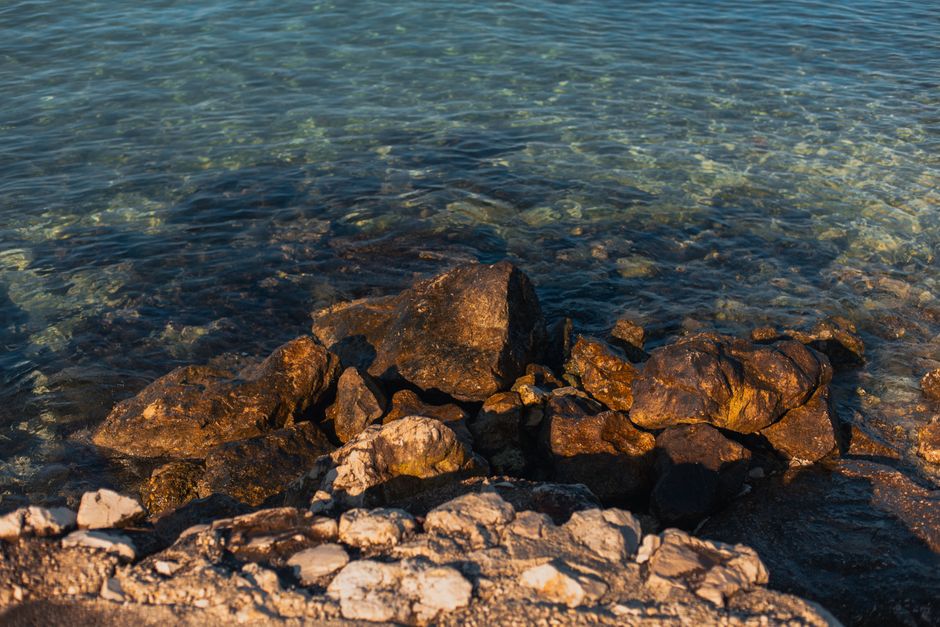
I sat on a slab of limestone at Viganj Beach that looked less like a sunbathing spot and more like a geological warning label. The Adriatic sun beat down, turning the rock into a skillet, but I wasn’t thinking about heat. I was thinking about the fact that this rock had edges sharp enough to slice through a swimsuit. A local fisherman, peeling garlic with a knife that looked just as aggressive as the coastline, told me, “The sea doesn’t polish this place. It fights it.” That’s the first thing you need to understand about Viganj on the island of Korčula: this isn’t a soft, sandy surrender. It’s a hard, stony confrontation with the Mediterranean.
Most tourists come to the Croatian coast expecting the postcard version of paradise: soft pebbles, gentle slopes, and water like glass. Viganj doesn’t give a damn about postcards. It gives you tectonic plates, karst topography, and rock formations that have been grinding against each other for millions of years. The sharpness you feel under your bare feet isn’t an accident. It’s the raw, unfiltered geology of the Dinaric Alps crashing into the sea. If you want soft, go to the beaches of Dubrovnik. If you want to feel the weight of the earth, you come here.
The Karst Battlefield
The reason the rocks at Viganj Beach are so sharp comes down to one word: karst. This is the dominant landscape of Korčula and much of the Adriatic coast. Karst is a terrain formed from the dissolution of soluble rocks like limestone, dolomite, and gypsum. But here’s the thing: not all karst is smooth. In this part of the Adriatic Sea, the limestone is young, fractured, and constantly being pushed upward by tectonic activity. The sea doesn’t have millions of years to smooth these edges into gentle curves. Instead, it crashes against them, breaking off sharp shards that pile up on the shore.
When you walk on the beach, you’re walking on a debris field. The rocks are angular, jagged, and often layered with fossils from when this land was underwater. The Apennine-Maghhrebian chain of mountains, which includes the Dinarides, is still active. That means the ground is moving, the rocks are cracking, and the sea is constantly reshaping the coastline. It’s a dynamic, violent process disguised as a quiet seaside town. The sharp rocks are the scars of that violence.
Locals know this. They don’t try to change it. There are no imported sand piles or artificial smoothing projects here. The beach is what it is: a rugged, rocky stretch where the Adriatic meets the Korčula hinterland. And if you’re not wearing proper footwear, you’ll learn that lesson quickly.
Why Smooth Beaches Are a Myth Here
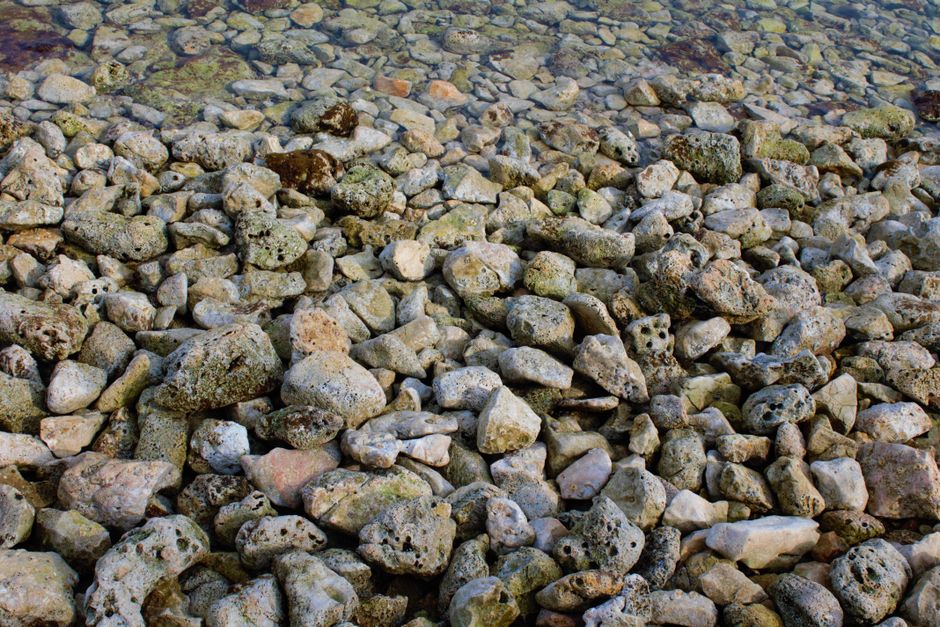
People ask why Croatia doesn’t have more sandy beaches. The answer is simple: geology doesn’t care about your comfort. The Adriatic is a young sea, geologically speaking. Unlike the Mediterranean basins that have had millennia to settle and erode, this coast is still in the throes of formation. The limestone here is hard, resistant, and breaks into sharp pieces rather than fine grains. Sand beaches exist, but they’re rare, often small, and usually protected by breakwaters or located in sheltered bays. Viganj isn’t one of those bays. It’s exposed.
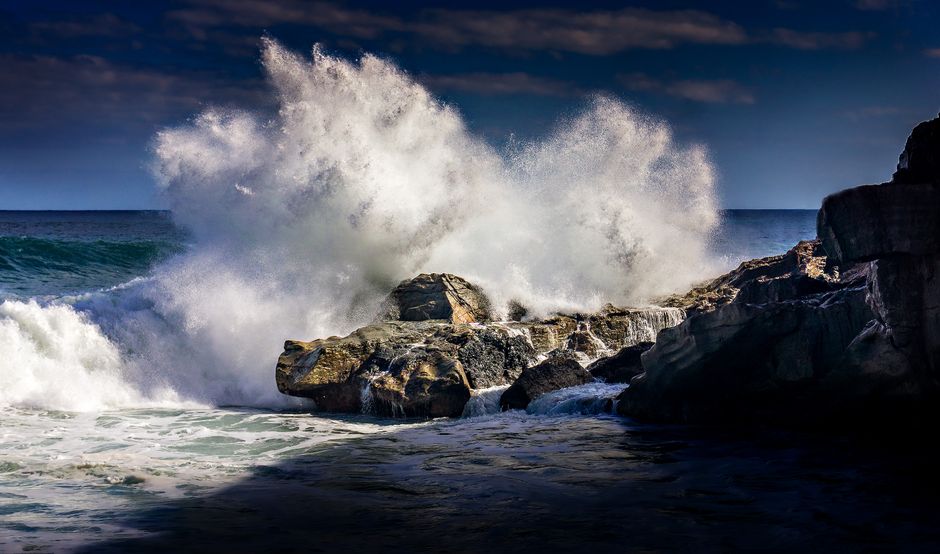
The waves here don’t roll in gently. They pound against the rocks, creating a spray that stings your face and a rhythm that sounds like a drumbeat. This constant impact prevents the rocks from smoothing out. Instead, they stay sharp, angular, and dangerous if you’re not paying attention. It’s not that the Adriatic is hostile; it’s just honest. It doesn’t pretend to be something it’s not. And that honesty is part of its charm.
If you’re looking for a soft place to lie down, you’ll be disappointed. But if you’re looking for a place that feels real, alive, and unapologetically rugged, Viganj delivers. The sharp rocks are a reminder that this isn’t a manufactured paradise. It’s a living, breathing landscape that has been shaped by forces far greater than human desire.
The Fossil Layers in the Stone
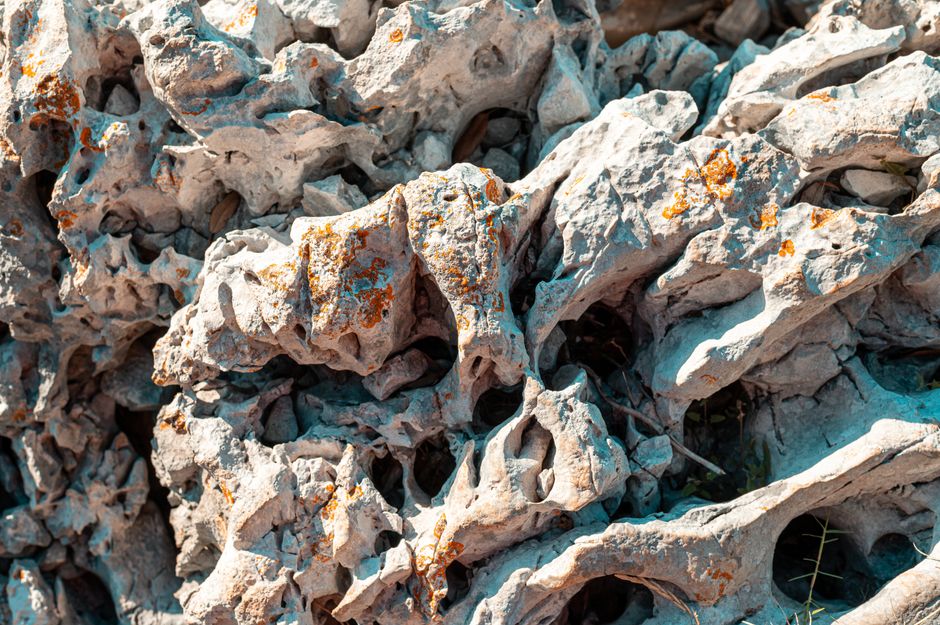
Look closely at the rocks on Viganj Beach, and you’ll see more than just sharp edges. You’ll see history. Many of the limestone formations are packed with fossils — ancient shells, coral fragments, and marine organisms that lived here millions of years ago. These fossils are embedded in the rock, visible if you know where to look. It’s a tangible connection to the past, a reminder that this land was once underwater, part of a vast Tethys Ocean that covered much of Europe.
The presence of these fossils isn’t just a curiosity; it’s evidence of the geological processes that shaped the Adriatic. When the Dinaric Alps rose up, they brought these ancient seabeds with them. The rocks you see today are the remnants of a world that existed long before humans walked the earth. And the sharpness of those rocks is a testament to the fact that they haven’t had time to weather away. They’re still raw, still fresh, still telling the story of their creation.
Geologists love this place. It’s a textbook example of karst topography, tectonic uplift, and marine erosion. But you don’t need a degree to appreciate it. You just need to look, to touch, to feel the weight of the stone in your hand. And to respect it. Because this isn’t a beach you conquer. It’s a beach that conquers you, if you’re not careful.
Practical Advice for the Unprepared
If you’re planning to visit Viganj Beach, forget about flip-flops. Bring sturdy sandals, water shoes, or go barefoot if you have thick skin. The rocks are sharp, and they don’t care about your feet. There are no lounge chairs here, no umbrellas, no soft sand to cushion your back. It’s a rugged, minimalist experience. And that’s part of the appeal. You come here to connect with the raw Adriatic, not to be pampered by it.
The water is clear, cold, and invigorating. It’s perfect for swimming, snorkeling, or just sitting on the rocks and watching the waves. But you need to be aware of your surroundings. Slippery algae, sharp edges, and sudden drops make this a beach that demands respect. Don’t wander off the main path. Don’t climb the unstable rock formations. And don’t complain about the lack of amenities. This isn’t a resort. It’s a natural wonder.
For those who appreciate geology, history, and the raw power of nature, Viganj is a must-see. For those who want a soft, easy beach, look elsewhere. But don’t blame the rocks. They’re just doing what they’ve been doing for millions of years: resisting the sea, staying sharp, and telling the truth about this place.

Getting There & What to Expect
Getting to Viganj is straightforward. It’s located on the western tip of Korčula, accessible by car or bus from Korčula Town. The drive takes about 30 minutes, and the bus runs regularly during the summer months. Once you arrive, there’s a small parking area near the beach. No entry fee, no crowds, just the sound of the waves and the sight of the sharp rocks.
Accommodation in Viganj is limited, but there are guesthouses and apartments nearby. Prices range from 50-100 EUR per night for a basic room to 150-250 EUR for a luxury villa. If you’re staying in Korčula Town, you can take a short bus ride or taxi to Viganj. The town itself is a UNESCO World Heritage Site, with medieval walls, narrow streets, and a rich history. It’s a great base for exploring the island.
Food in Viganj is simple, fresh, and delicious. Seafood is the main attraction, and you’ll find it in every restaurant along the coast. A typical meal of grilled fish, salad, and wine will cost around 15-25 EUR per person. For a quick snack, there are kiosks and small cafes that offer sandwiches, ice cream, and local drinks. Prices are reasonable, and the quality is high.
The best time to visit Viganj is from May to October, when the weather is warm and the sea is swimmable. July and August are the busiest months, so expect more crowds. But even then, Viganj retains its rugged charm. It’s not a place that changes for tourists. It’s a place that stands its ground, sharp and unapologetic, just like the rocks beneath your feet.
Search accommodation in Korčula on Booking.com →
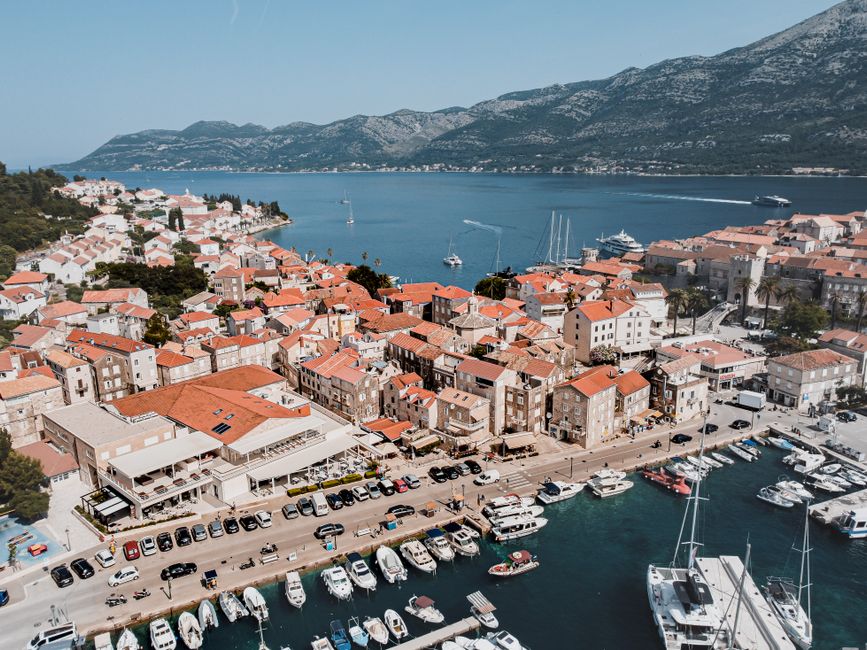
The Edge of the Adriatic
I left Viganj with a blister on my heel and a story in my head. The rocks didn’t apologize for being sharp. The sea didn’t apologize for being cold. And I didn’t apologize for being there. This isn’t a beach for the faint of heart. It’s a beach for those who want to feel the earth, to touch the history, to stand on the edge of the Adriatic and know that they’re alive. The sharpness isn’t a flaw. It’s a feature. And if you’re brave enough to walk on it, you’ll leave with more than just a souvenir. You’ll leave with a memory that cuts deeper than any rock.
Comments