


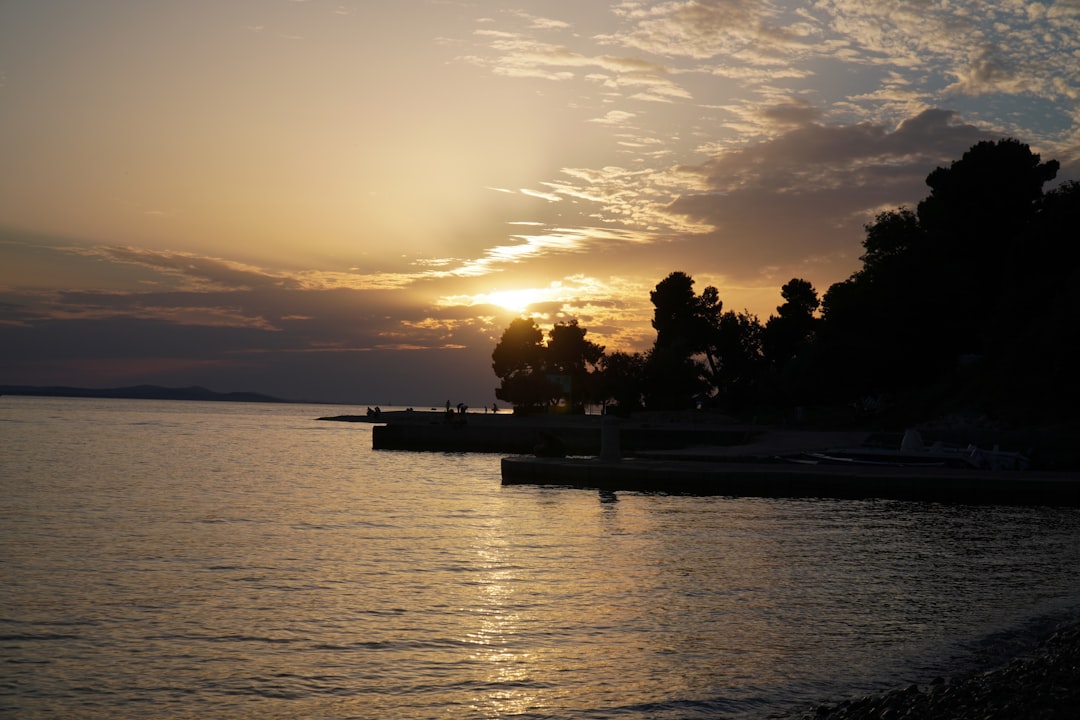
The first time I tried to build a sandcastle on the Croatian coast, I didn't just fail. I was humiliated. I stood there on the shoreline of Zadar, shoveling a pile of fist-sized granite rocks and polished limestone into a lopsided heap that collapsed under its own weight before I could even stick a plastic flag in it. A local fisherman, watching from his battered motorboat, laughed so hard he nearly capsized himself. He pointed at my pathetic rock-pile and said something that sounded suspiciously like "You tourist." Then he tossed a single, smooth white pebble at my feet. It wasn't an act of aggression. It was a lesson. In this part of the world, sand is a myth sold by postcards and resort brochures. The reality is harder, sharper, and infinitely more interesting.
Forget the soft, sinking comfort of the Mediterranean's sandy paradises. The Dalmatian Coast is a geological battleground, a place where the Adriatic Sea has spent millennia grinding down mountains into billions of smooth, colorful stones. To walk on a beach here is to walk on the bones of the earth itself. This isn't a coast that invites you to lie down and nap. It demands that you move, that you balance, that you respect the stone. And if you're smart, you'll stop trying to find sand and start learning to read the rock.
The Mountain That Fell Into the Sea
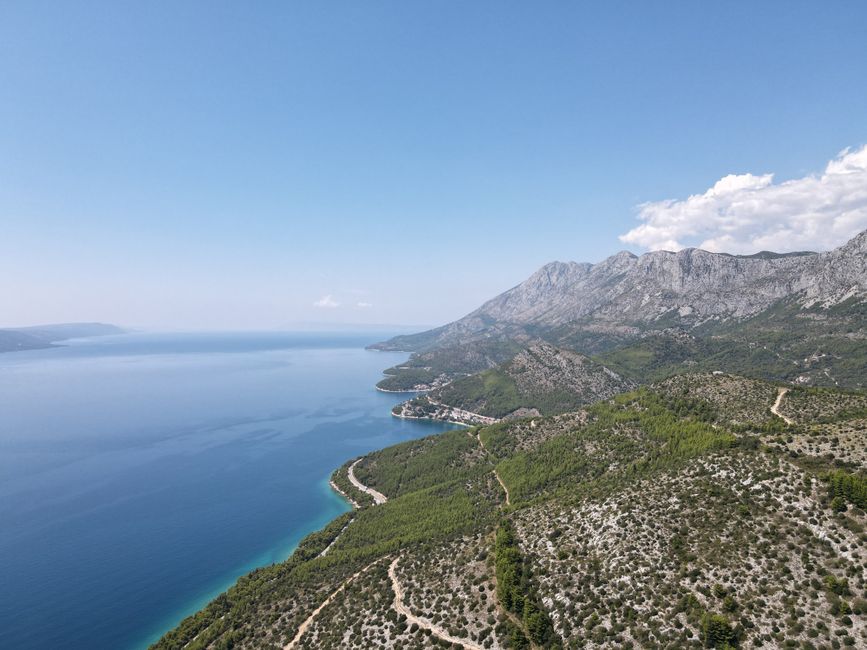
To understand why Zadar and its neighbors have no sand, you have to look inland. The Dalmatian Coast is backed by the Dinaric Alps, a massive limestone mountain range that runs like a jagged spine through Croatia, Bosnia, and Montenegro. Unlike the volcanic islands of Greece or the sedimentary deltas of Egypt, this coastline is essentially the edge of a giant mountain that collapsed into the sea. The geology here is young, violent, and unapologetically hard.
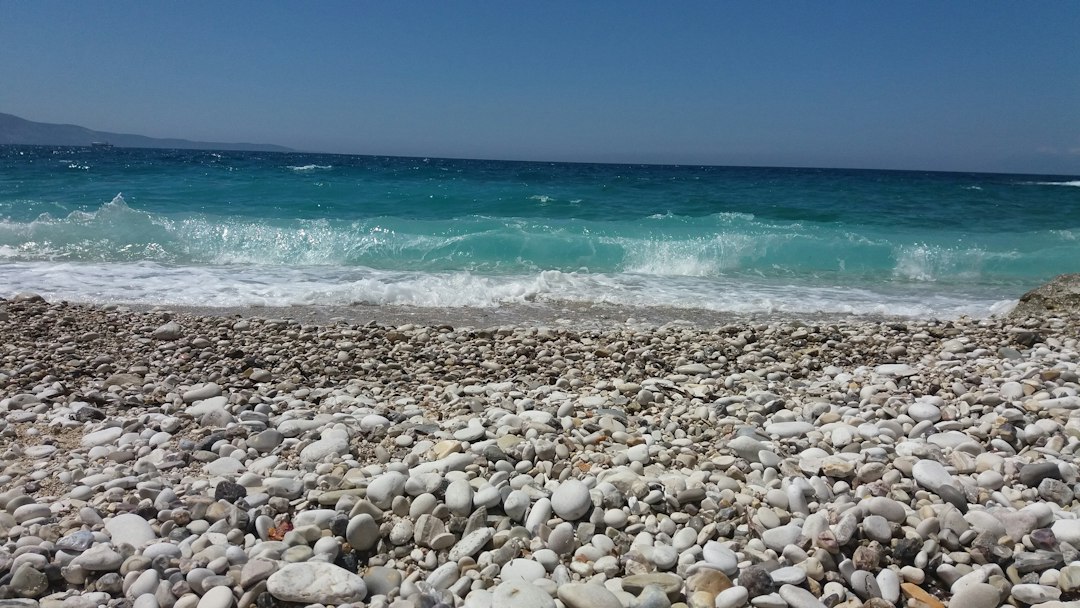
When rivers flow from the Dinaric Alps into the Adriatic, they don't carry fine silt. They carry rocks. These rocks tumble down steep valleys, crashing into the sea with enough force to keep breaking themselves apart. But the Adriatic is a relatively shallow, clear, and energetic sea. Instead of depositing fine particles that settle into sand, the waves act as a giant, natural tumbler. They pick up the rocks, throw them against each other, and grind them down. Over thousands of years, sharp edges become smooth curves. Granite turns into polished spheres. Limestone becomes flat, white discs. The result is what locals call šljunak — pebbles, gravel, and stones of every size from pea to boulder.
This process is ongoing. If you visit a river mouth like the Zrmanja River, you can see the raw material being fed into the system. The water is so clear you can watch the stones shifting on the bottom. But once those stones hit the open sea, the transformation begins. The wind, the tides, and the sheer volume of water moving through the Adriatic ensure that nothing soft stays here. Sand is washed away, dispersed, or buried under layers of gravel. What remains is the durable, the heavy, the permanent.
The Palette of the Adriatic
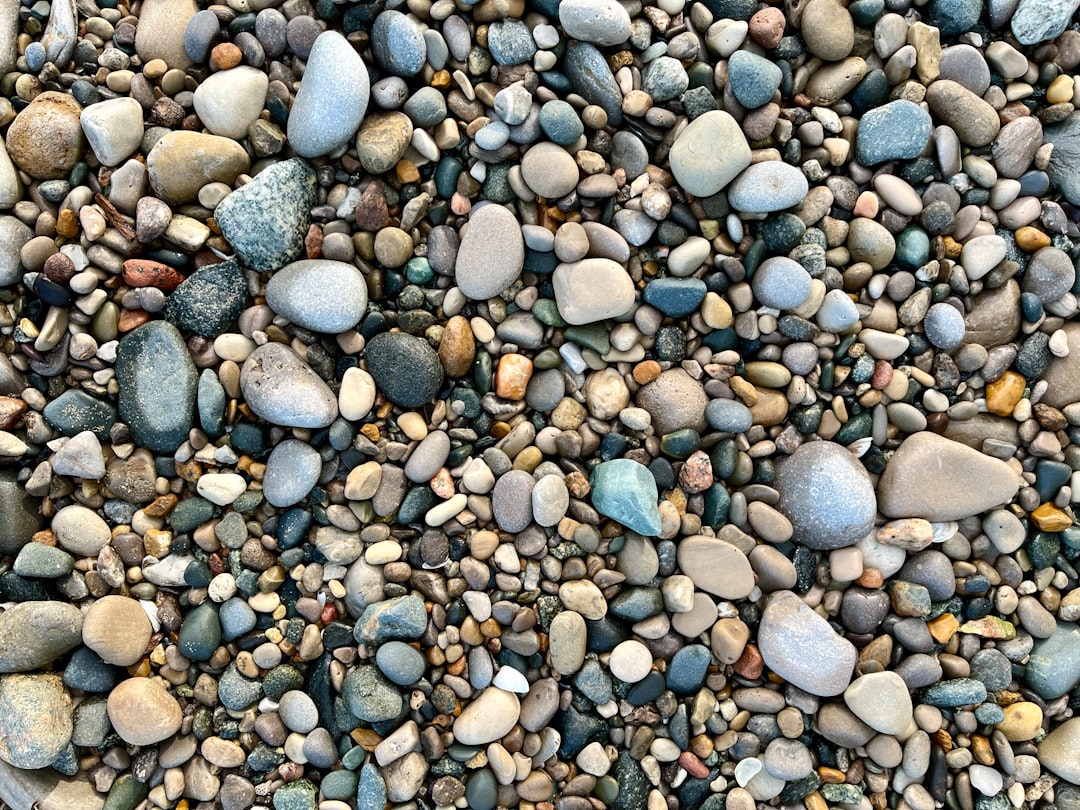
Walk along any pebble beach in Dalmatia, and you'll notice something strange: the colors. These aren't just gray rocks. They're a mosaic of white, pink, gray, black, and even occasional specks of red and yellow. This is because the Dinaric Alps are geologically complex, composed of different rock types formed under different conditions. Limestone is the most common, giving you the bright white and cream pebbles that dominate the beaches near Sibenik and Trogir. But mix in granite from the older mountain cores, and you get the dark, speckled stones that absorb heat and can burn your feet in mid-July.
In Zadar, the pebbles on the beach in front of the old town are a mix of white limestone and darker igneous rock, creating a striped effect that looks almost artificial. Further south, near Split, you'll find more quartz and feldspar, which catch the sunlight and sparkle like tiny mirrors. Some beaches, like those near the Kornati Islands, are almost entirely white, so bright they hurt your eyes. Others, like the pebble shores of Rab Island, are a deep, cool gray that stays comfortable underfoot all day.
This diversity isn't just aesthetic. It tells a story of the region's deep past. Each pebble is a time capsule, carrying minerals from millions of years ago. Geologists love this coast because it's an open-air museum of tectonic activity. You can see the layers of the earth's crust exposed in the cliffs above the water, and you can hold the evidence of ancient earthquakes and volcanic activity in your hand. When you collect a handful of pebbles, you're not just picking up rocks. You're holding a piece of the planet's history.
Life on the Stones
Living with a pebble coast changes everything. It changes how you swim, how you sunbathe, how you build your homes. You can't just wander out to sea in bare feet here. You need shoes. Not flimsy flip-flops, but proper water shoes with thick soles. The pebbles are slippery when wet, and they're sharp enough to cut if you're not careful. Locals learn this as children, and tourists learn it the hard way, usually after a few painful steps.
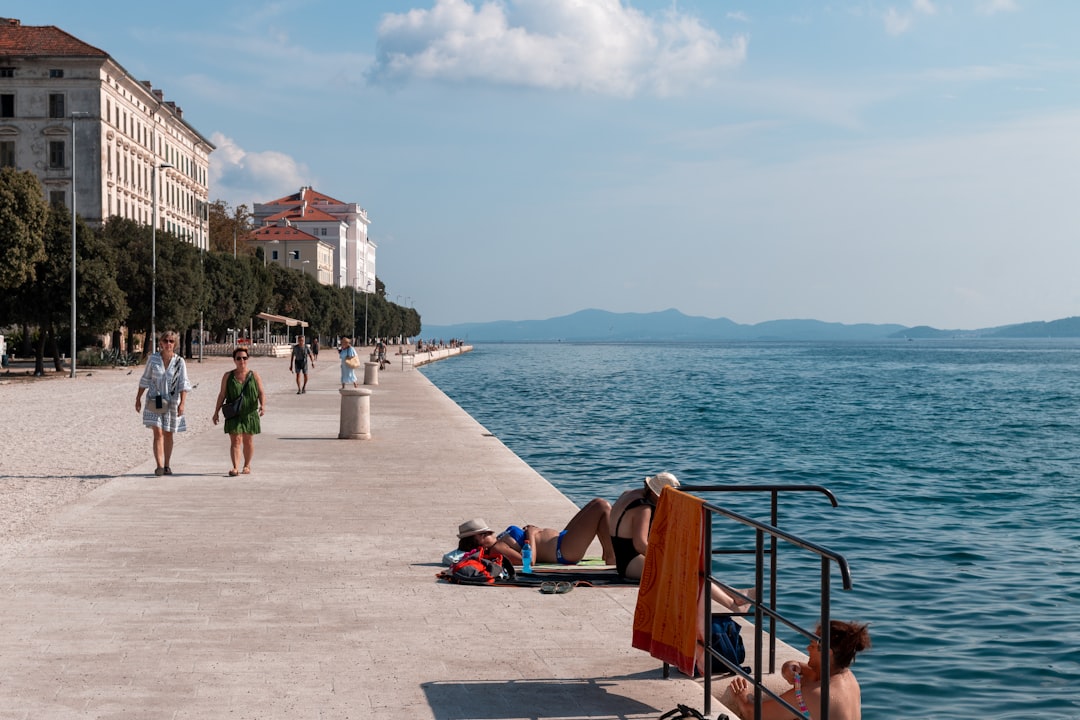
Beach culture here is different, too. You don't spread out a towel on the ground. You use a deck chair, or a thick mat, or you just stand in the water. Sunbathing on pebbles is uncomfortable, so people tend to stay in the shade of umbrellas or under the porticoes of coastal buildings. This creates a more active beach scene. People are walking, playing football with a ball that bounces unpredictably on the stones, or swimming with fins to avoid the rocky seabed. It's not a place for passive relaxation. It's a place for movement.
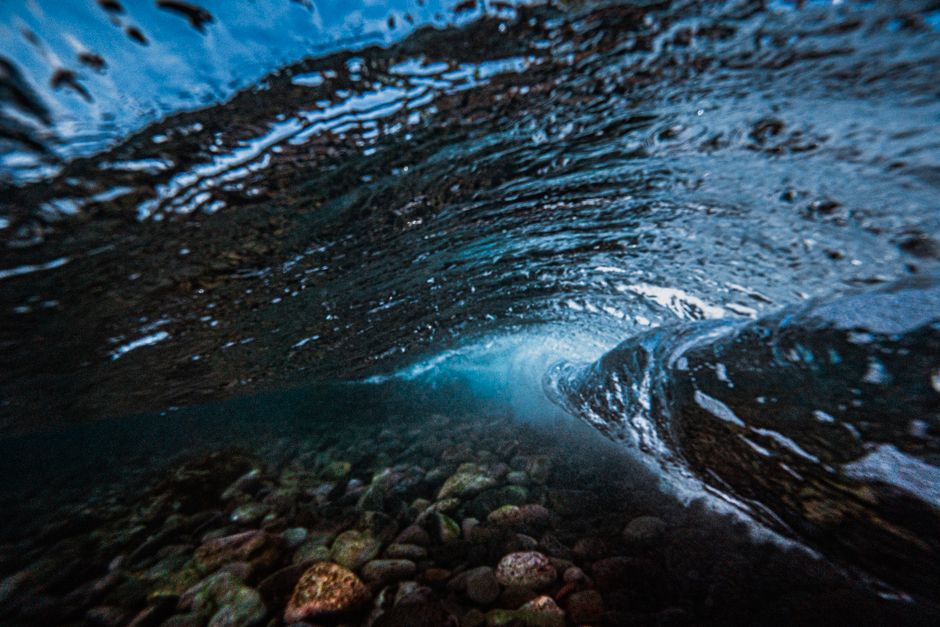
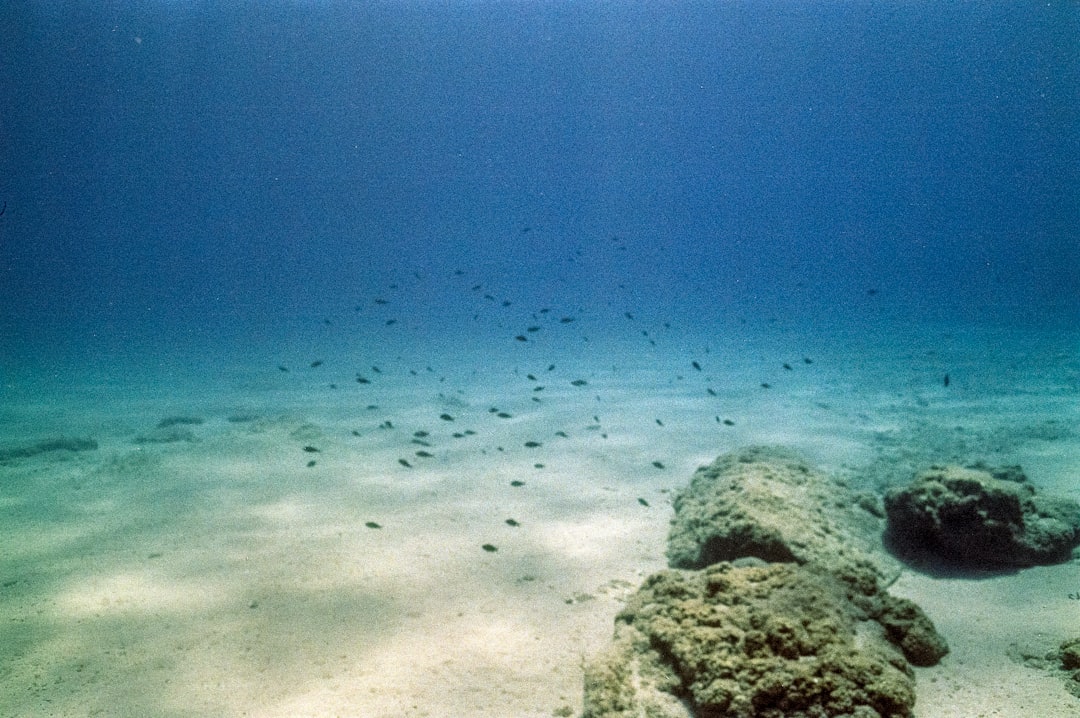
Even the wildlife adapts. The pebbles provide a unique habitat for small creatures. Between the stones, you'll find crabs, sea snails, and tiny fish that hide in the crevices. The clear water, kept clean by the lack of silt and mud, is perfect for diving. Scuba divers love the pebble coast because visibility is often exceptional. You can see down to the bottom, where the stones create a mosaic of patterns on the sea floor. Seaweed grows on the larger rocks, and colorful anemones attach themselves to the submerged boulders. It's a vibrant ecosystem built on a foundation of stone.
The Architecture of Resistance
The pebble coast has shaped the architecture of Dalmatia as much as it has shaped its culture. The buildings here are built to resist the sea. Stone is the primary material, not just for aesthetic reasons, but because it's what's available. The same limestone that forms the pebbles on the beach is used to build the walls of the old towns. This creates a seamless connection between the land and the sea, where the buildings look like they've grown out of the rock itself.
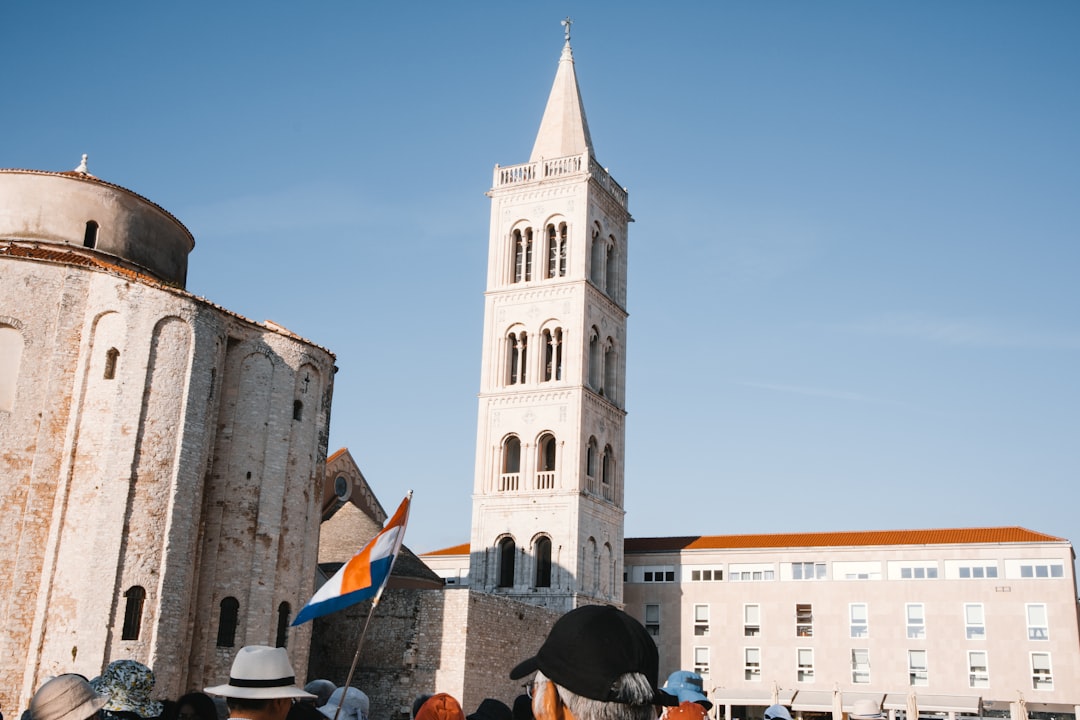
In Zadar, the old town is built entirely of local stone, with narrow streets that wind between buildings that have withstood centuries of storms and salt spray. The sea walls are made of massive blocks of limestone, stacked without mortar, designed to absorb the energy of the waves. Even the modern buildings along the coast often use stone cladding, paying homage to the traditional materials. This isn't just nostalgia. It's practicality. Stone lasts. Stone resists. Stone belongs here.
The pebble beach itself is often reinforced with stone breakwaters and jetties, built to protect the shoreline from erosion. These structures are functional, but they also add to the rugged beauty of the coast. They create sheltered coves where the water is calmer and the pebbles are smaller, making swimming easier. They also create interesting patterns in the sea, where the water swirls around the rocks and creates small whirlpools and currents. It's a landscape that's constantly being reshaped by the interaction between human engineering and natural forces.
How to Walk on Stone
If you're planning to visit the pebble coast of Croatia, here's the practical advice you won't find in the glossy brochures. First, buy water shoes. Seriously. Go to a local shop in Zadar or Sibenik and buy a pair of sturdy water shoes with rubber soles. You'll thank yourself later. Second, don't expect to find soft sand anywhere. Even the beaches that look sandy from a distance are usually covered in fine gravel or crushed shells. Third, bring a towel or a mat if you want to sit on the beach. The pebbles will seep through a thin towel and make you miserable.
For swimming, the water is usually clear and clean, but be careful of the rocky seabed. Don't dive in unless you know the depth. The bottom can be uneven, with large boulders hidden just under the surface. Fins are a great idea, as they allow you to swim more easily over the rocky bottom. For sunbathing, seek out the shaded areas or the wooden platforms that some beaches provide. These platforms are built over the pebbles to create a flat, comfortable surface for lounging.
Finally, take the time to look at the pebbles. Really look at them. Pick up a handful and examine the colors, the shapes, the textures. Each one is unique. Some are perfectly round, others are flat or angular. Some are smooth as glass, others are rough and pitted. They're the signature of this coast, the thing that makes it different from every other beach in the world. And once you start to appreciate them, you'll realize that the pebble coast isn't a flaw. It's a feature. It's what makes Dalmatia, Dalmatia.
Getting There & What to Expect
The nearest major airport is Zadar Airport, which has seasonal flights from many European cities. From the airport, you can take a bus or taxi to the city center, which is about 15 kilometers away. Bus tickets cost around 5-8 EUR and take about 30 minutes. Taxis are more expensive, around 25-35 EUR. If you're coming from Split, the journey by bus or car takes about 2 hours along the coastal highway. The road is scenic but winding, with views of the islands and the sea.
Accommodation in Zadar ranges from budget hostels to luxury hotels. A bed in a hostel dorm costs around 15-25 EUR per night, while a private room in a mid-range hotel is 60-100 EUR per night. Luxury hotels can cost 150-300 EUR per night. For those on a tighter budget, there are also apartments and guesthouses available, especially in the neighborhoods just outside the old town. Meals at a local restaurant range from 8-15 EUR for a main course, while a coffee and pastry cost around 2-4 EUR.
The best time to visit is between May and September, when the weather is warm and the sea is clear. July and August are the peak months, when the beaches are crowded and the prices are highest. If you prefer a quieter experience, visit in June or September, when the crowds have thinned but the weather is still pleasant. The water temperature is warm enough for swimming from June to October.
Search accommodation in Zadar on Booking.com →
The Stone Remembers
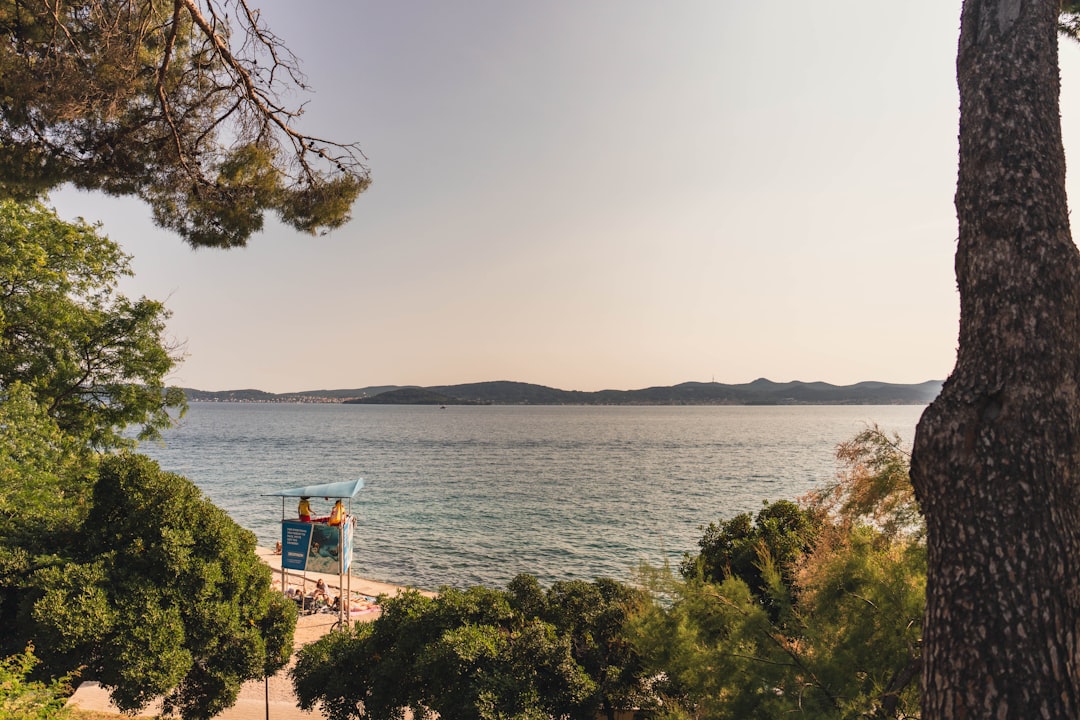
There's a moment that stays with you after you leave the pebble coast. It's not a dramatic moment, nothing cinematic. It's just a quiet moment, standing on the shore at dusk, when the sun is setting and the water is calm. You look down at your feet, at the stones that you've been walking on all day. They're warm from the sun, smooth from the sea, and ancient from the earth. You pick one up, just one, and hold it in your hand. It's heavy, solid, real. And for a second, you understand. This isn't a coast that gives you comfort. It gives you truth. It gives you the earth, unfiltered and unapologetic. And that's enough.
Later, you'll find that stone in your pocket, back in your hotel room. You'll take it out and look at it, remembering the feel of the pebbles under your feet, the clarity of the water, the laughter of the fisherman. It's a small thing, a single stone, but it carries the weight of the entire coast. It's a reminder that some places don't need to be soft to be beautiful. Some places are beautiful because they're hard. Because they're real. Because they're stone.
Comments