


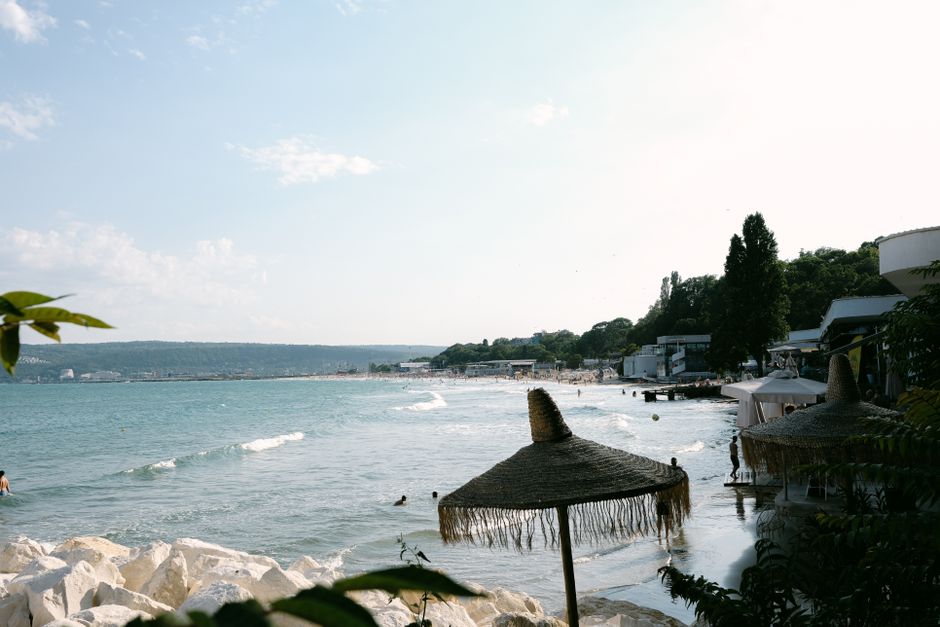
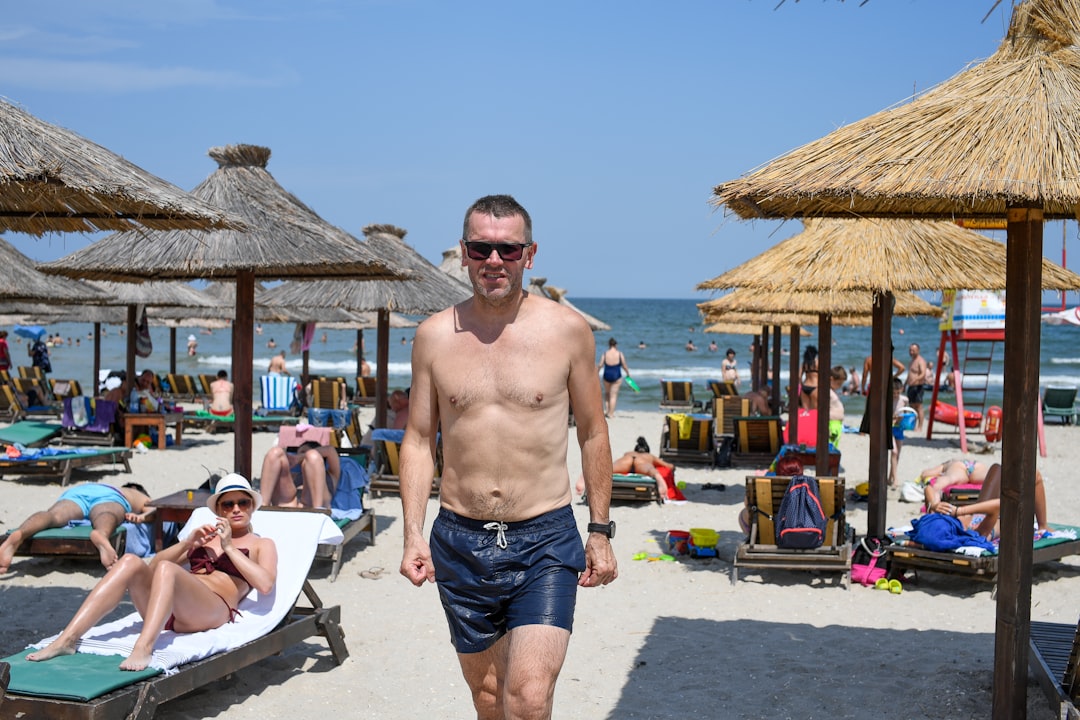
The sun here doesn't just sit on your skin; it bakes into the pores. I am standing on the boardwalk of Golden Sands, watching the Black Sea churn with a peculiar, oily calm. The air smells of salt, sunscreen, and the faint, metallic tang of industrial smoke from the north. Most travelers come for the parties, the all-inclusive resorts, or the cheap beer. I came for the sand. Not the golden dust of the Caribbean, but this specific, heavy, white-grained stuff that feels strangely warm underfoot even when the wind cuts through from the east. There is a geological reason why this strip of coast feels different from the rocky, jagged shores further south. It is a story of ancient rivers, shifting tectonic plates, and a microclimate that defies the usual harshness of the Black Sea.
Local geologists whisper about the "thermal anomaly" of this region. The sand retains heat. The water, surprisingly, warms up faster here than in the colder currents to the north. It is a geological accident that turned a remote, muddy delta into one of the most visited coastal destinations in the Balkans. To understand why this place stays warm, you have to look beneath your feet, into the layers of sediment that have been washing ashore for millennia.
The Sedimentary Engine
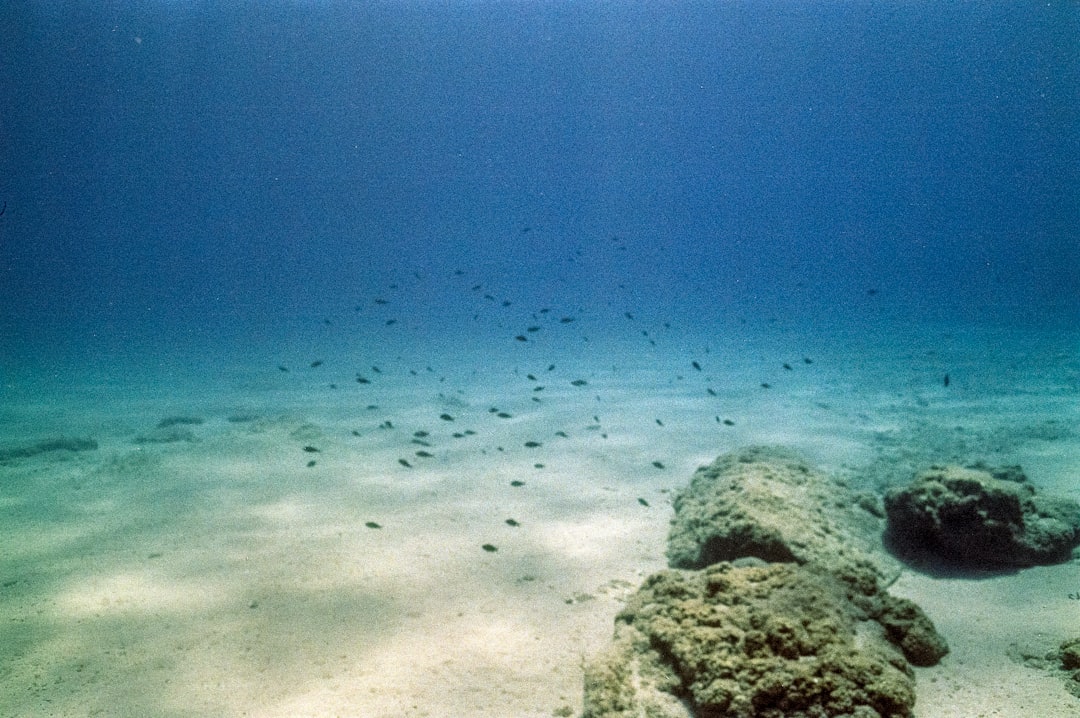
The foundation of Golden Sands is not bedrock, but a massive blanket of sediment. This entire coastal plain is the result of the Danube River dumping billions of tons of silt, sand, and gravel into the Black Sea over thousands of years. The Danube, Europe's second-longest river, acts as a giant conveyor belt, transporting material from the Alps, the Carpathians, and the Balkan Mountains. When this sediment reaches the coast, it creates a shallow, sandy shelf. This shallow bathymetry is critical. Unlike the deep, dark waters of the open ocean, the water here is often less than ten meters deep for kilometers offshore. Shallow water absorbs solar radiation much faster than deep water, leading to higher summer temperatures.
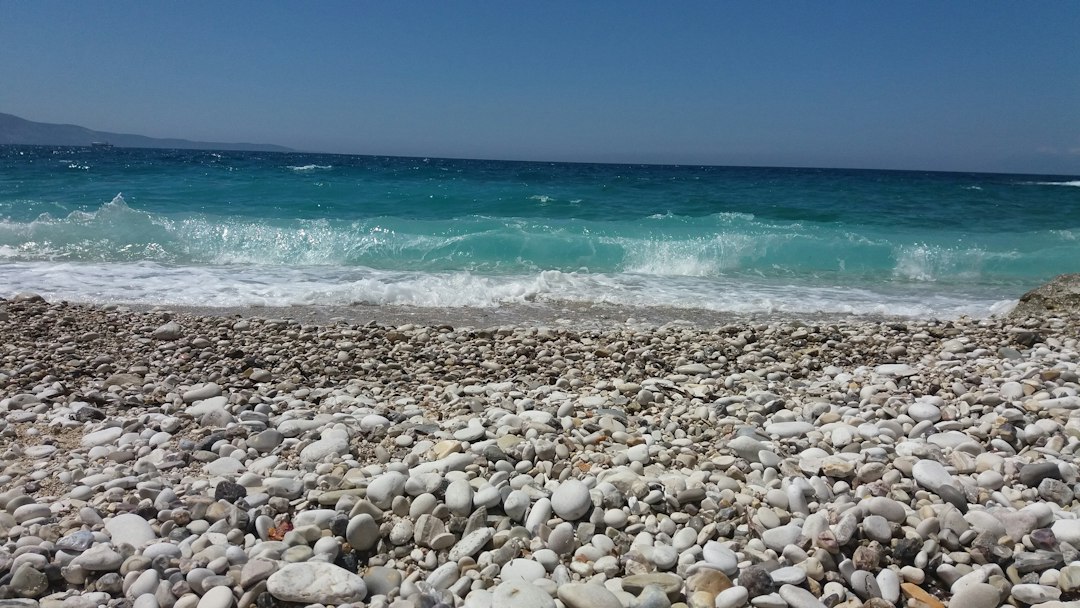
The sand itself is composed primarily of quartz and feldspar, minerals that are resistant to weathering. These grains are well-sorted, meaning they are mostly uniform in size, which creates that fine, powdery texture tourists love. The light color of the sand plays a role in the local microclimate. While dark surfaces absorb heat, the reflective nature of the white sand creates a complex interplay of radiation. The sand heats up during the day, radiating warmth into the air, which then mixes with the sea breeze. This creates a localized warming effect that can make the air feel several degrees warmer than inland areas at the same latitude.
Geological surveys indicate that the coastal dunes here are still active, shifting with the wind. The Cape Kaliakra to the south provides a natural barrier, blocking some of the harshest northwesterly winds. This protection allows the warm air masses to linger, contributing to the "staying warm" phenomenon. The combination of shallow waters, light-colored sand, and wind protection creates a thermal pocket that is unique on the Bulgarian coast.

Tectonic Warmth and the Thracian Basin
Beneath the surface, the story gets more complex. Bulgaria sits on the edge of the Thracian Basin, a large sedimentary basin that has been subsiding for millions of years. This basin is filled with thick layers of sediment that insulate the ground. In some areas, geothermal activity is detectable, though not enough to create hot springs on the coast itself. However, this underlying warmth contributes to the overall thermal stability of the region. The ground here retains heat from the summer well into the autumn, delaying the cooling process that affects other coastal areas.
The Thracian Basin is also a region of significant seismic activity, though usually minor. The fault lines that run through this area can influence groundwater flow, bringing slightly warmer water to the surface in some coastal springs. This is not a major geothermal feature like those seen in Iceland or New Zealand, but it is a subtle geological factor that adds to the warmth. The combination of solar heating, shallow waters, and underlying geothermal insulation creates a environment where the sand stays warm long after the sun sets.
This geological setup also affects the vegetation. The coastal pine forests that line the back of the beach are adapted to this specific microclimate. Their roots penetrate the sandy soil, which retains moisture and heat. The trees provide a windbreak, further stabilizing the temperature on the beach. Without this natural barrier, the sand would cool much faster at night. The interplay between geology and biology is evident here, creating a self-reinforcing system of warmth.
Erosion and the Changing Coastline
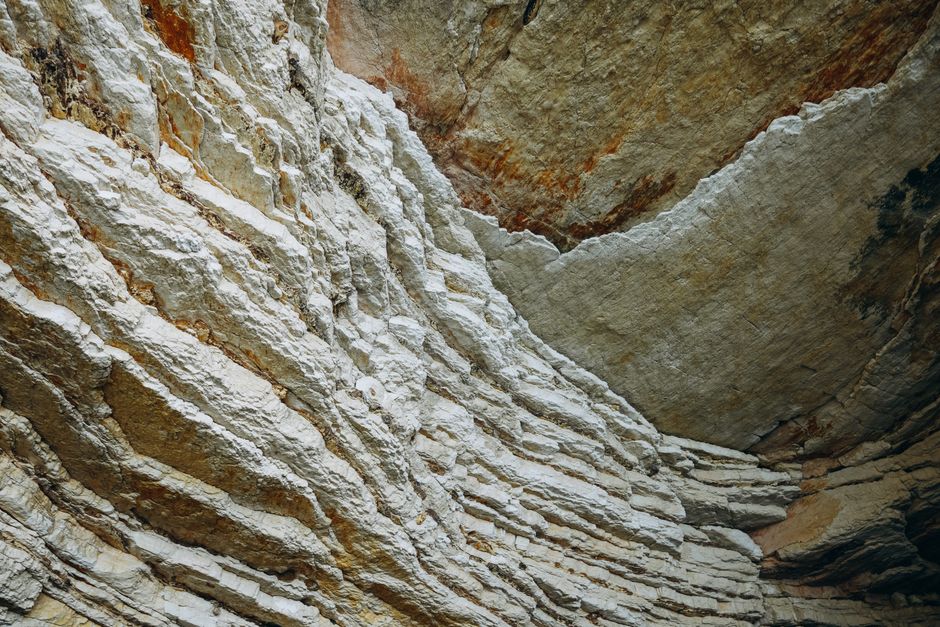
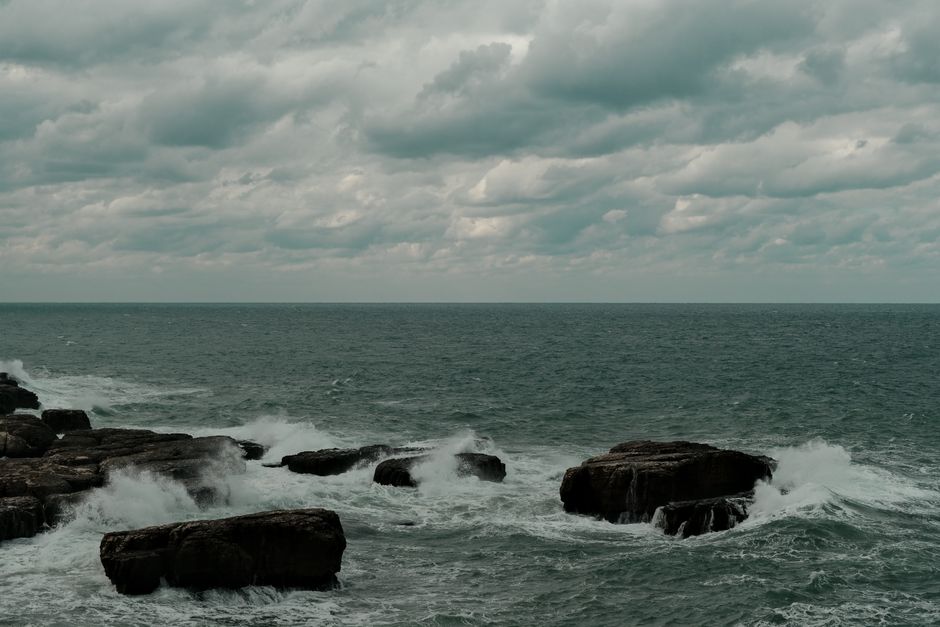
Despite its stability, the coastline of Golden Sands is not static. Erosion is a constant threat. The Black Sea is known for its stormy winters, and these storms can strip away meters of sand in a single season. To combat this, the Bulgarian government has invested in coastal protection measures, including groynes and seawalls. These structures trap sand, building up the beach, but they also disrupt the natural flow of sediment. This has led to erosion in some areas further down the coast, where the natural supply of sand is blocked.
The geological composition of the sand is also changing. As the Danube's flow is regulated by dams upstream, the amount of sediment reaching the coast has decreased. This means that the new sand being deposited is often finer and less resistant to erosion. Geologists are studying this change closely, as it could have significant implications for the future of the coastline. If the sand supply continues to decrease, the beach could narrow, exposing the underlying dunes and increasing the risk of flooding.
Nevertheless, the current geological conditions still favor warmth. The shallow shelf remains, and the sand, though changing, still retains its heat-absorbing properties. The challenge for the future will be maintaining this delicate balance between tourism development and geological preservation. The warmth that makes Golden Sands attractive is a fragile gift of nature, one that depends on a complex interplay of rivers, tectonic plates, and sea currents.
Getting There & What to Expect
Reaching Golden Sands is straightforward. The nearest major airport is in Varna, which is about 18 kilometers south of the resort. From Varna, you can take a bus or a taxi. The bus journey takes about 30-40 minutes and costs around 2-3 EUR. Taxis are more expensive, typically 15-20 EUR. If you are coming from Sofia, the capital, you can take a direct bus or a train to Varna, then transfer to a bus for the final leg. The journey from Sofia takes about 6-7 hours by bus.
Accommodation ranges from budget hostels to luxury resorts. A bed in a hostel dormitory costs around 15-25 EUR per night, while a mid-range hotel room can be found for 60-100 EUR per night. Luxury resorts can cost 150-300 EUR or more. Food prices are reasonable. A meal at a local restaurant costs around 10-15 EUR per person, while street food like kebabs or sandwiches costs 3-5 EUR.
The best time to visit is between June and September, when the water is warmest. July and August are the peak months, with crowds and higher prices. May and September offer a quieter experience, with slightly cooler water but still pleasant air temperatures. The geological warmth of the sand makes even the shoulder months comfortable for walking and sunbathing.
Search accommodation in Varna on Booking.com →
The Heat Remains
As the sun dips below the horizon, the sand retains its warmth, radiating a gentle heat that lingers into the night. It is a geological embrace, a reminder that the earth beneath our feet is alive and dynamic. The story of Golden Sands is not just about tourism; it is about the power of natural forces to shape our environment. The Danube, the Black Sea, the Thracian Basin — all these elements have come together to create a place that defies the usual cold of the northern seas. It is a testament to the resilience of nature, and a warning of its fragility. As we walk on this warm sand, we are walking on a history of sediment, stone, and sea, a history that is still being written.
Comments