


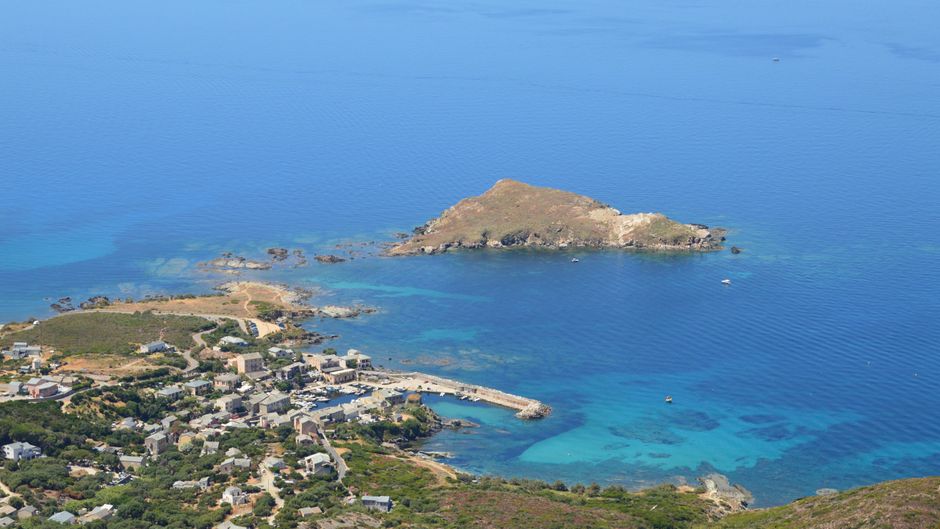
I sat on a crumbling concrete wall in Ksamil, watching a tour bus vomit out another wave of sunburned tourists, all clutching oversized iced coffees and looking for the nearest selfie spot. The air smelled of sunscreen, fried calamari, and desperation. Just three kilometers south, in the jagged cove of Rovinj—wait, no, that's Croatia. I meant Dhërmi. The difference is everything. In Dhërmi, the air smelled of pine resin and wood smoke. A local fisherman was mending a net, ignoring the camera lens of a vlogger who had wandered off the main drag. This is the central tension of the Albanian Riviera right now. It is a land caught in the headlights of its own discovery, split violently between the polished, commercialized resort towns that promise Instagram perfection and the stubborn, weathered fishing villages that still remember what the coast looked like before the concrete poured in.
My rental car, a beat-up Fiat 500 with a questionable suspension, rattled along the SH8 highway, the coastal artery that stitches together this dramatic stretch of coastline. I was looking for the line where the resort ends and the real coast begins. It's not a clean line. It's a jagged, messy border of billboards for new luxury hotels overlooking ancient olive trees. But if you know where to look, the old soul of the Riviera is still breathing, gasping for air under the weight of its own sudden popularity.
History & Identity
The Albanian Riviera isn't just a marketing term for a stretch of coast; it's a geographical reality defined by the clash between the Adriatic Sea and the Ceraunian Mountains. For decades, during the communist isolation of the Hoxha era, this region was essentially closed to the outside world. The beaches were wild, the villages were self-sufficient, and the hotels were state-run dormitories for party elites. When the borders opened in the 1990s, the world didn't just peek in; it rushed through an open door.
The identity of the Riviera is now a battle between two visions. On one side, you have the resort model, epitomized by Ksamil and the northern parts of Sarandë. Here, the identity is curated. The streets are paved, the restaurants serve international menus alongside local ones, and the vibe is relaxed, commercial, and accessible. On the other side are the traditional fishing communities like Gjiri i Palasë and Kurina. Their identity is rooted in the sea. The houses are built vertically up the cliffs, clinging to the rock face, with narrow staircases replacing roads. These places haven't just been developed; they've been preserved by their own inaccessibility and the stubborn pride of their residents.
Understanding this divide is crucial for any traveler. Are you here for the convenience of a resort town with its nightly buskers and beach bars? Or are you here for the raw, unfiltered experience of a village where the wifi is spotty and the sunset is the only show in town? The Riviera offers both, but they feel like two different countries separated by a few kilometers of winding road.
Where to Go
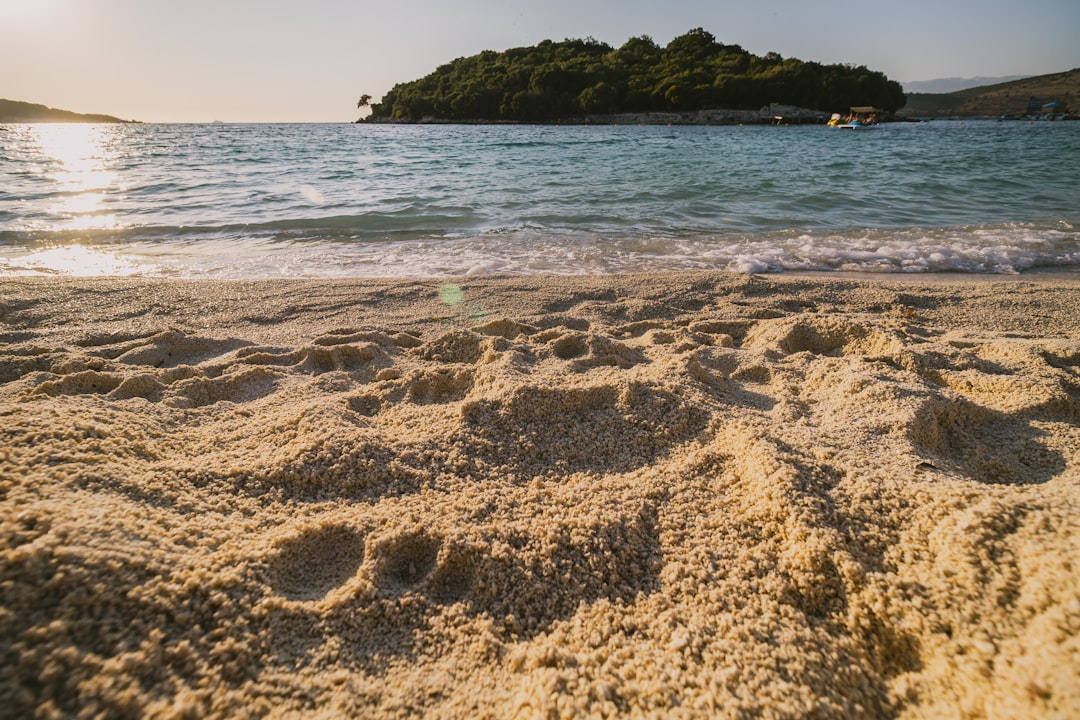
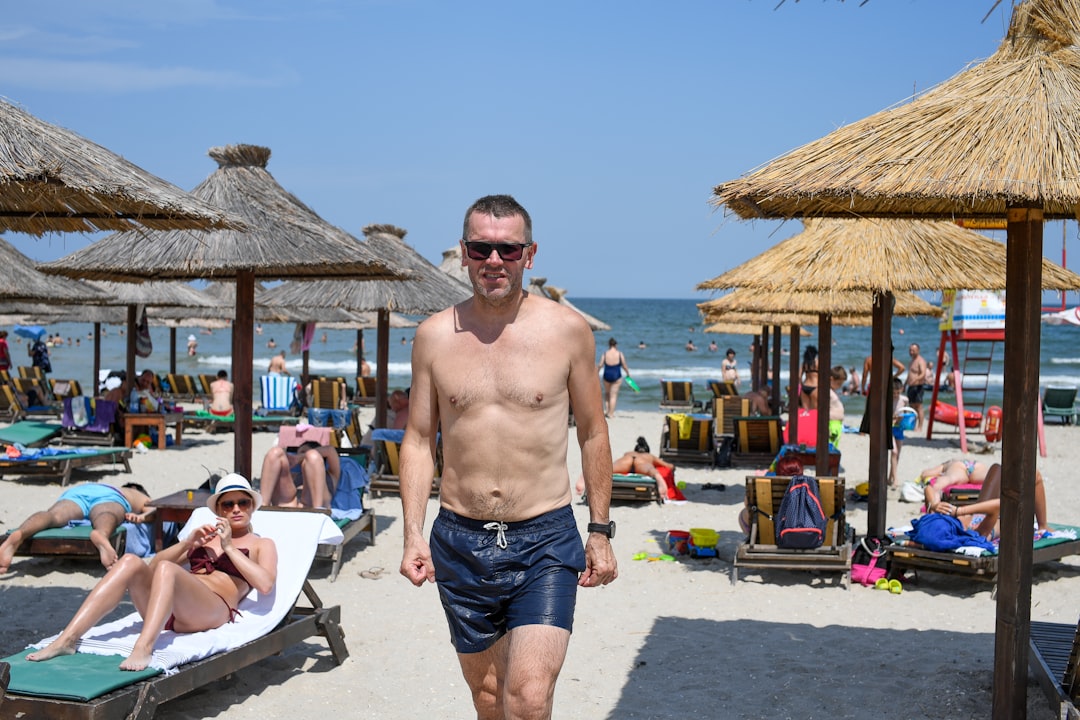
Ksamil — If you want to see the resort boom in full force, go to Ksamil. It is the gateway to the Ksamil National Park, a cluster of small islands and turquoise waters that look like they were photoshopped into the Adriatic. The town itself is a grid of hotels, beach clubs, and souvenir shops. It is crowded, expensive, and undeniably beautiful. The sand here is fine and white, a rarity on the Albanian coast. It is the place to go if you want convenience, nightlife, and crystal-clear waters without hiking up a mountain. Entry to the national park areas is free, but beach chairs and umbrellas will cost you 10-15 EUR per set.
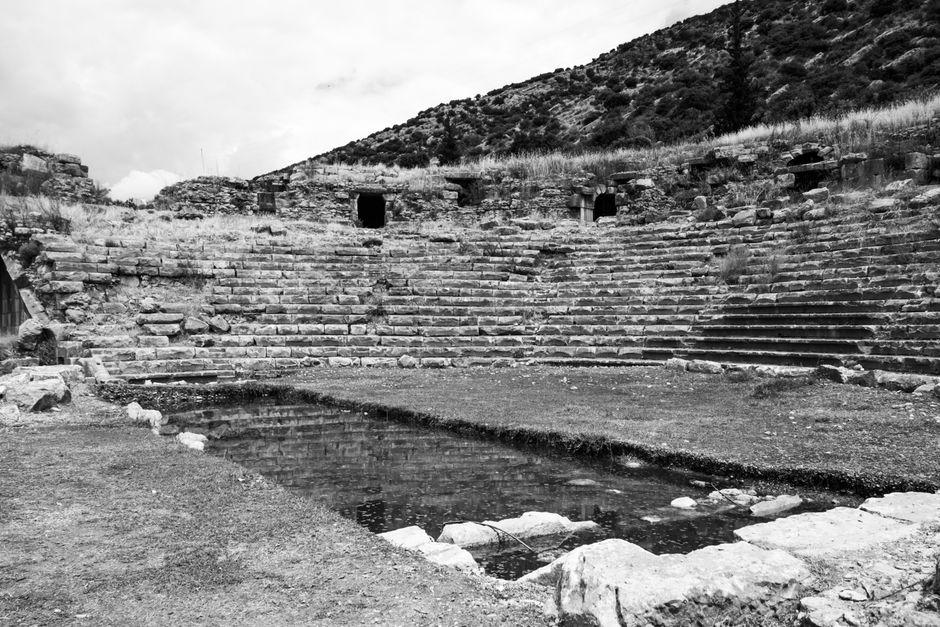
Butrint National Park — Just north of Sarandë, this UNESCO World Heritage site is a time machine. It is not a beach destination, but it is essential for understanding the layers of history beneath the Riviera's surface. Once a major Greek colony, then a Roman city, then an early Christian center, and finally a Venetian stronghold, the ruins are scattered through a lush forest. The theater is still used for performances in the summer. It's a stark contrast to the beach clubs, offering silence and stone instead of noise and neon. Entry fee is 5 EUR.
Dhërmi — This is the bridge between the resort and the village. Dhërmi has a main beach with a promenade lined with cafes and clubs, but it also has a historic castle perched on a hill and a more laid-back atmosphere than Ksamil. It's a good base for exploring the surrounding area. The town has grown significantly, but it retains a certain charm that the more commercialized towns have lost. It's where you can find a mix of backpacker hostels and boutique hotels.
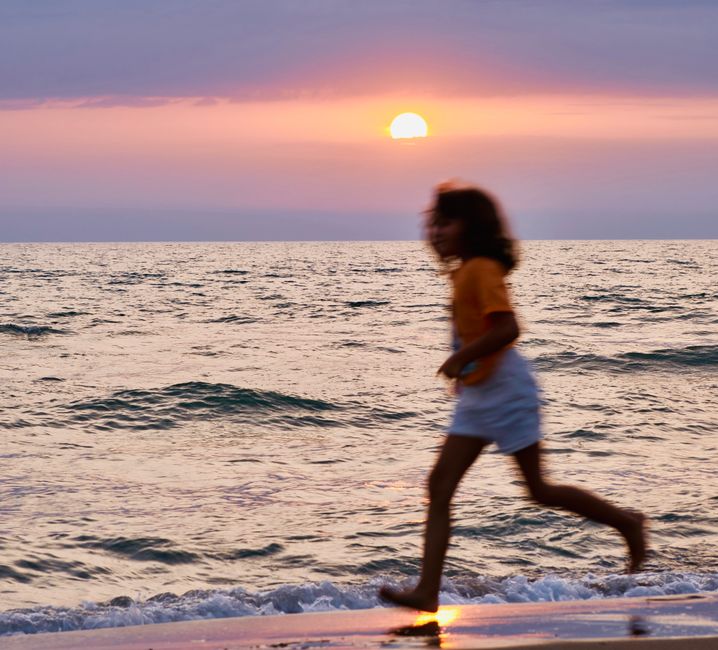
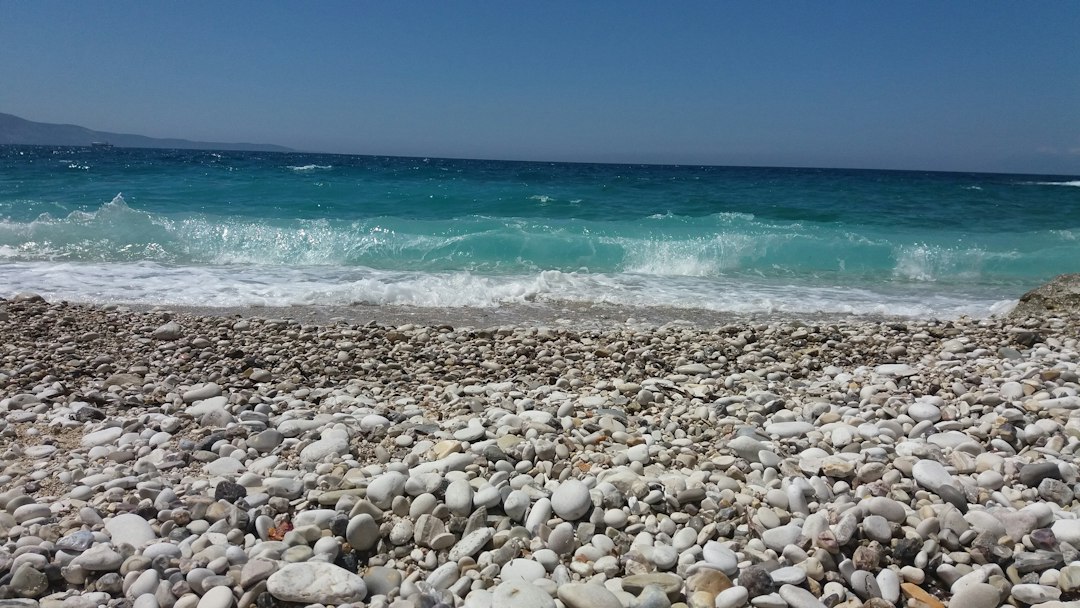
Gjiri i Palasë — This is the fishing village you've been looking for. Located just south of Dhërmi, Palas is a cluster of white houses built directly into the cliffside. There are no cars here; you walk down narrow stone steps to reach the tiny, pebble beach below. The view is spectacular, with the sea crashing against the rocks and the mountains rising steeply behind. It's quiet, authentic, and incredibly photogenic. There are a few tavernas here serving fresh fish, and the prices are lower than in Dhërmi. It's the kind of place where you can hear the waves over the music.
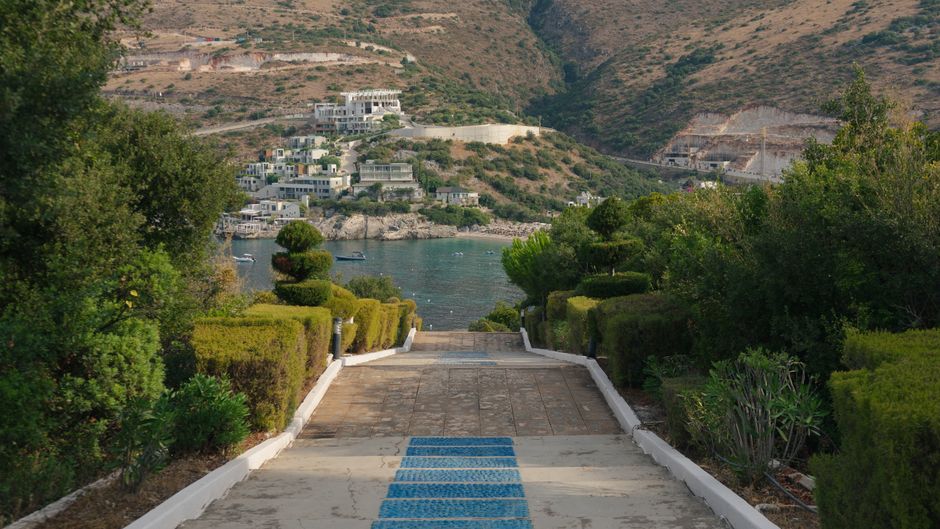
Kurina — Further south, Kurina is even more remote and rugged. It's a small fishing village with a long wooden pier that juts out into the sea. The houses here are traditional, with flat roofs and whitewashed walls. It's a great place to see how locals live, with fishermen mending nets and drying their catch on the pier. The beach is small and rocky, but the water is clear. It's a peaceful spot, far from the crowds of Ksamil. There are a few small restaurants here, serving simple, delicious meals.
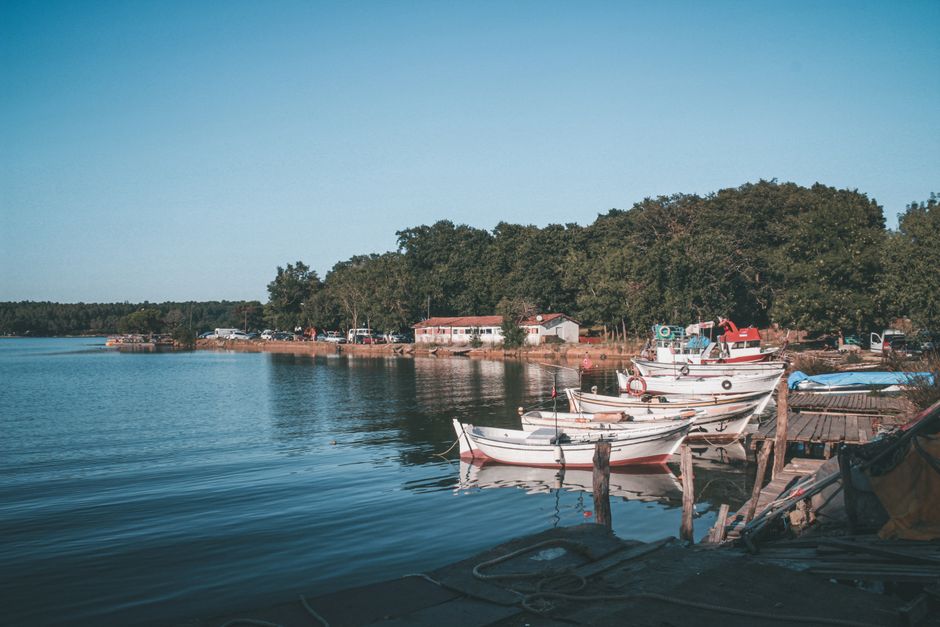
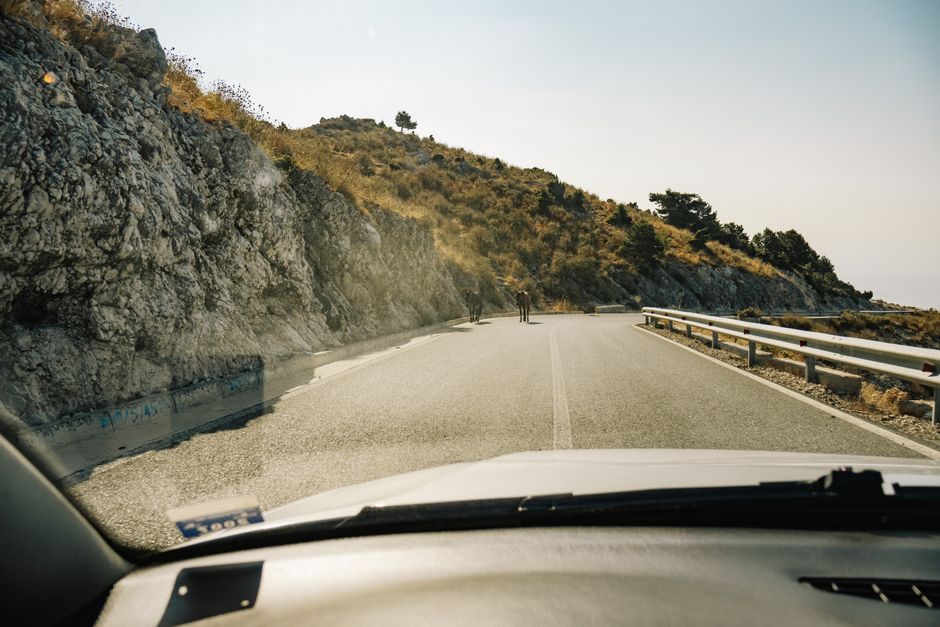
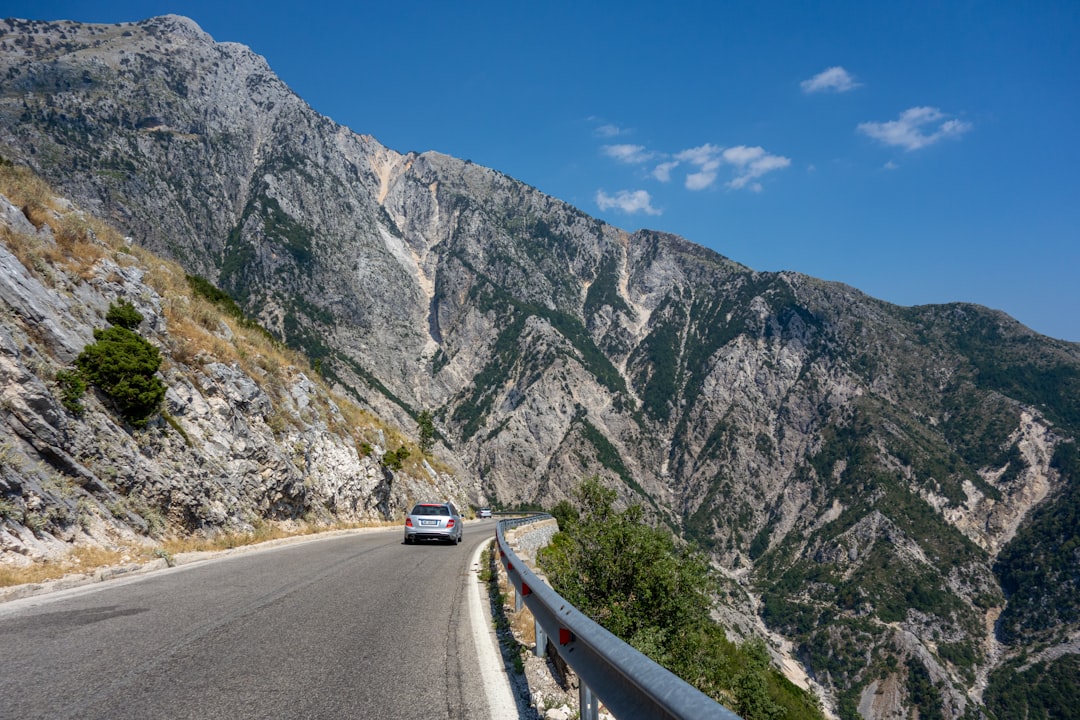
Llogara National Park — Not a village, but a vital part of the Riviera experience. The Llogara Pass is a mountain road that connects the coast to the interior, offering some of the most dramatic views in the country. From the top, you can see both the Adriatic and the Ionian seas. The park itself is filled with pine forests, hiking trails, and wildflowers. It's a great place to escape the heat of the coast and get some fresh air. Entry to the park is free, but there are fees for certain hiking trails.
What to Eat & Drink
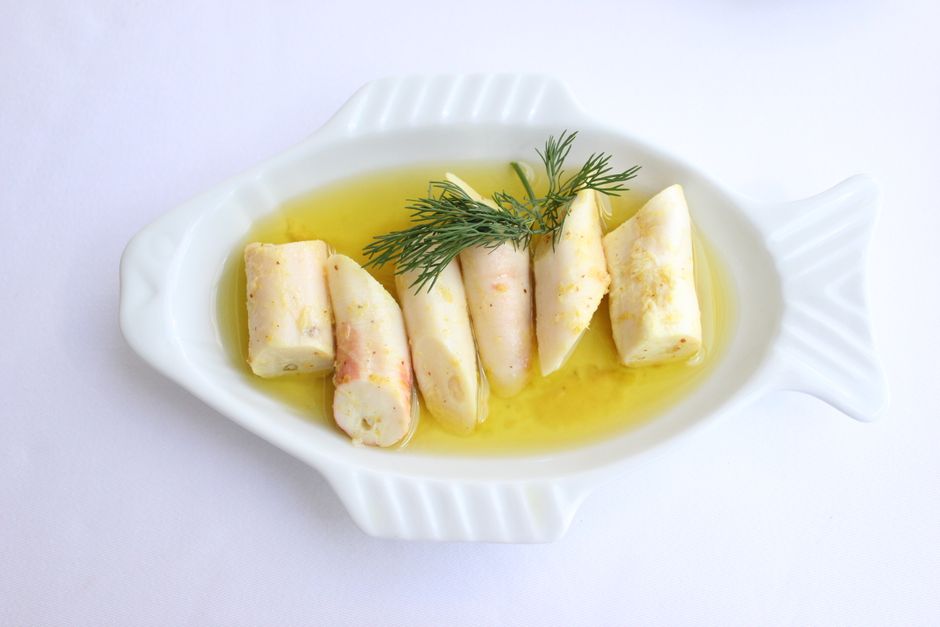
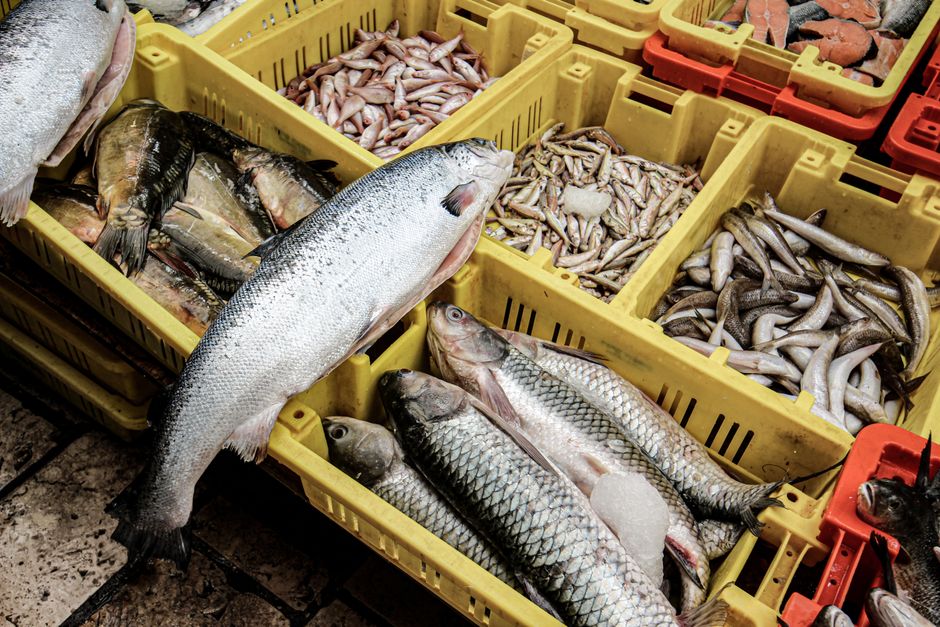
Eating on the Albanian Riviera is a study in contrasts. In the resort towns, you'll find everything from Italian pizzerias to vegan cafes. But in the fishing villages, the menu is dictated by the sea. The star of the show is always the fish, caught that morning by the local fishermen. Grilled squid is a must-try, often served with lemon and olive oil. It's tender, smoky, and delicious. A plate of grilled squid will set you back 8-12 EUR. Fresh octopus is another favorite, often grilled or served in a salad. It's chewy, flavorful, and packed with protein. Expect to pay 10-15 EUR for a portion. Fish soup, known locally as çorba peshku, is a hearty, comforting dish made with a mix of white fish, vegetables, and herbs. It's perfect for a chilly evening. A bowl costs around 5-8 EUR.
For a more traditional meal, try fërgesë, a baked dish made with eggplant, peppers, tomatoes, and cheese. It's a staple of Albanian cuisine and is found in almost every restaurant. A serving costs 4-6 EUR. Byrek, a savory pastry filled with cheese, spinach, or meat, is a great option for a quick breakfast or snack. It's cheap, filling, and delicious. A slice costs 1-2 EUR.
Budget breakdown: Street food and take-away options, like byrek or grilled corn, are under 5 EUR per meal. A sit-down meal at a local restaurant, with a main course and a drink, will cost 8-15 EUR per person. Mid-range restaurants with a view or more elaborate menus will charge 15-25 EUR per person. In the resort towns, prices can be higher, especially in Ksamil. In the fishing villages, you'll find better value for money.
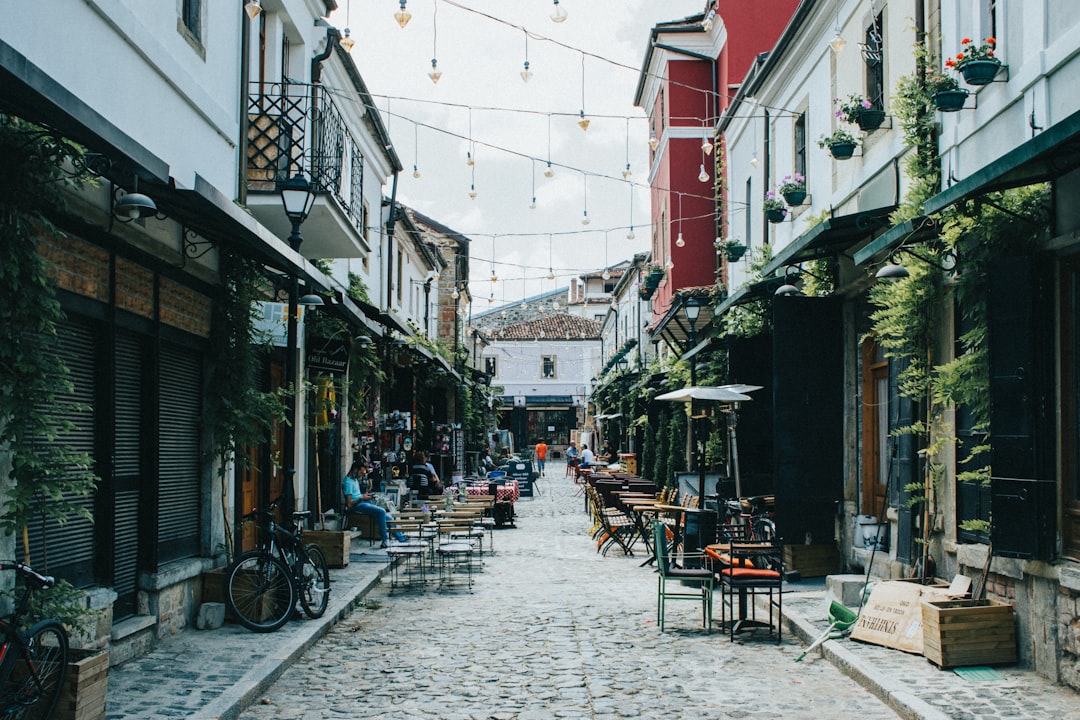
For budget travelers, the local markets are a goldmine. In Sarandë, the central market offers fresh produce, cheese, and meats at low prices. You can also find take-away options and food courts in the larger towns. For a more authentic experience, try the small family-run tavernas in the fishing villages. They often have simple menus with fresh, local ingredients.
Nightlife
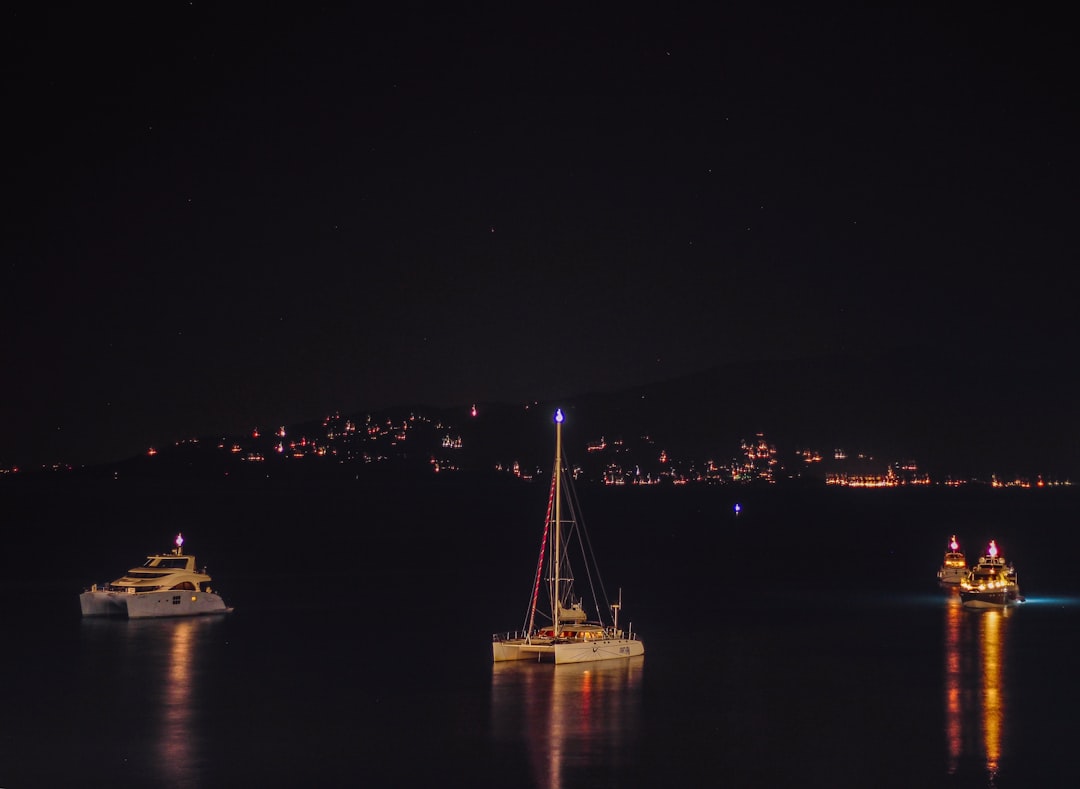
Nightlife on the Albanian Riviera is concentrated in the resort towns. Ksamil is the party capital, with beach clubs and bars lining the shore. The music is a mix of house, techno, and pop, and the crowds are young and energetic. Cover charges at the big clubs can be 10-20 EUR, but many bars have no cover. Dhërmi has a more relaxed nightlife scene, with cafes and bars along the promenade. The music is softer, and the vibe is more chill. It's a good place to unwind after a day on the beach.
In the fishing villages, nightlife is non-existent. The lights go out early, and the only sound is the waves. This is a feature, not a bug, for many travelers. It's a chance to disconnect and enjoy the peace and quiet. If you're looking for a party, stick to the resort towns. If you're looking for a quiet evening, head to the villages.
Getting There & What to Expect
The nearest airport is Ioannina Airport in Greece, which is about 60 kilometers from Sarandë. There are regular buses and taxis from the airport to the Riviera. The journey takes about 1.5 hours and costs around 20-30 EUR for a taxi. Another option is Tirana International Airport, which is about 250 kilometers from Sarandë. Buses from Tirana to Sarandë take about 4-5 hours and cost 10-15 EUR.
Once you're on the Riviera, the best way to get around is by car. The roads are winding and can be challenging, but they offer stunning views. Renting a car from Tirana or Ioannina is a good option. Budget hostels in the resort towns cost 20-40 EUR per night. Mid-range hotels cost 60-120 EUR per night. In the fishing villages, accommodation is more limited, but you can find guesthouses and apartments for 30-60 EUR per night.
The best months to visit are May, June, September, and October. July and August are hot and crowded. In the shoulder seasons, the weather is still warm, but the crowds are smaller and the prices are lower.
Search accommodation in Sarandë on Booking.com →
The View from the Cliff Edge
I ended my trip in Palas, sitting on the steps leading down to the beach. The sun was setting, painting the sky in shades of orange and purple. A fisherman pulled his boat onto the shore, his movements practiced and efficient. There were no tourists here, no cameras, no noise. Just the sea, the rocks, and the quiet rhythm of life. It was a stark contrast to the chaos of Ksamil, but it was also a reminder of why this place is so special. The Albanian Riviera is more than just a beach destination. It's a living, breathing landscape, caught between the past and the future. And if you're willing to look past the billboards and the beach clubs, you can still find the soul of the coast.
Comments