


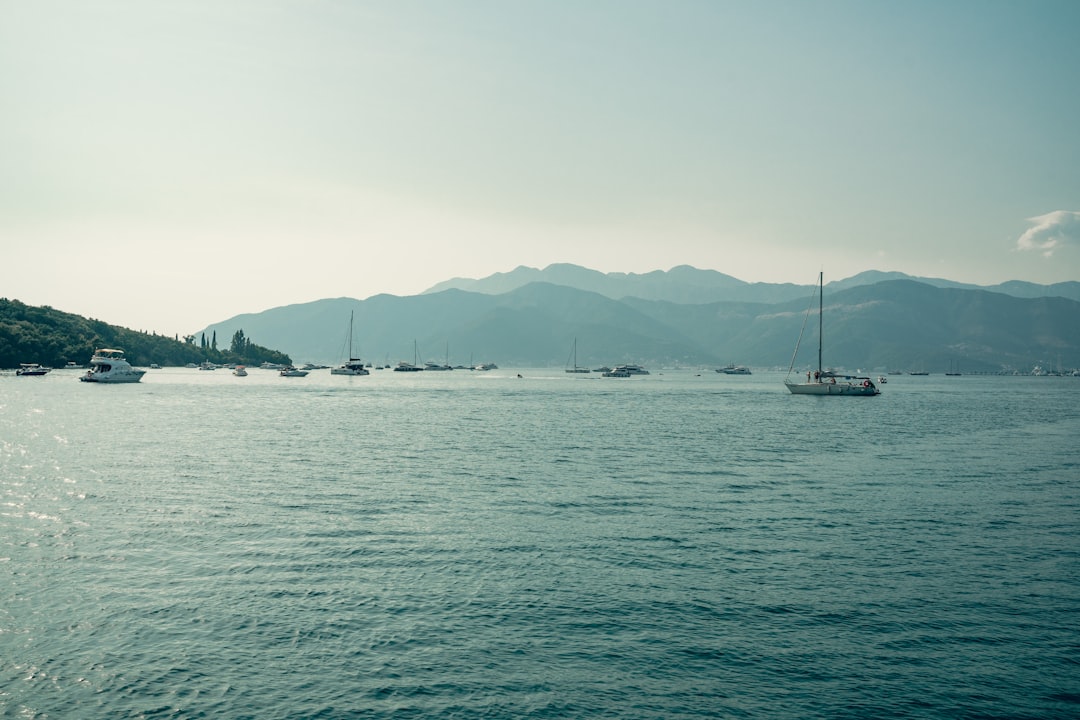
I sat on a plastic stool in a taverna in Bar, watching a white yacht cut through the sapphire water like a scalpel. The engine hummed a low, expensive frequency. My waiter, a guy named Marko with salt in his beard and patience for tourists, poured me a rakija that burned going down. "You see the island?" he pointed two kilometers out, to the postcard silhouette of Sveti Stefan. "That is not a village. That is a museum. You cannot go there. You can only look." He laughed, a dry, rattling sound. In the Balkans, there is a specific kind of resentment reserved for places that are technically public but practically privatized. Sveti Stefan is the king of that resentment. It is a symbol of Montenegro's pivot from Yugoslav socialist republic to boutique playground for the global elite. It is beautiful, yes. But it feels like staring into a shop window where everything is on sale and you are broke.
Yet, you cannot ignore it. The island defines the Adriatic Coast of Montenegro. It anchors the Bulgarian Riviera—wait, no, the Bulgarian Riviera is far away. The Montenegrin Riviera. It is the visual anchor of the Boka Kotorska bay's northern neighbor, the Bay of Kotor is further south, but Sveti Stefan sits right at the heart of the Ulcinj to Kotor stretch. It is a stone fortress turned luxury hotel, connected to the mainland by a narrow isthmus. It is a paradox: a medieval fishing village frozen in amber, surrounded by the glitz of the Luxury Hotel Sveti Stefan. I came to see if the magic survives the markup.
History & Identity
The story of Sveti Stefan is a story of transformation that mirrors the entire Balkans. For centuries, it was a humble fishing village, connected to the mainland by a fragile sandbar. The stone houses, with their red-tiled roofs and whitewashed walls, were built to withstand the Adriatic storms. In the 16th century, the village was fortified against Ottoman pirates. The walls you see today are not just decorative; they are defensive. The island was isolated, self-sufficient, and poor.
Then came the Yugoslav era. In the 1960s, the state saw potential. The village was bought out, the residents relocated to the mainland, and the stone houses were converted into a luxury hotel. It became a retreat for political elites and celebrities. The transformation was abrupt. The fishing boats were replaced by yachts. The nets were replaced by linens. The identity of the place shifted from a community to a commodity. Today, it stands as a monument to that shift. It is a place where history is not lived but displayed. The stone walls tell a story of survival, but the hotel tells a story of exclusivity.
The mainland village, also called Sveti Stefan, was rebuilt to serve the hotel. It is a grid of streets lined with boutiques, restaurants, and cafes. It is clean, orderly, and expensive. The identity of the mainland is now entirely dependent on the island. It is a satellite. The soul of the place is complicated. It is a place of stunning beauty, but it feels artificial. The history is there, in the stones, but it is packaged for consumption. It is a gilded cage, and the question is whether you are the bird or the keeper.
Where to Go
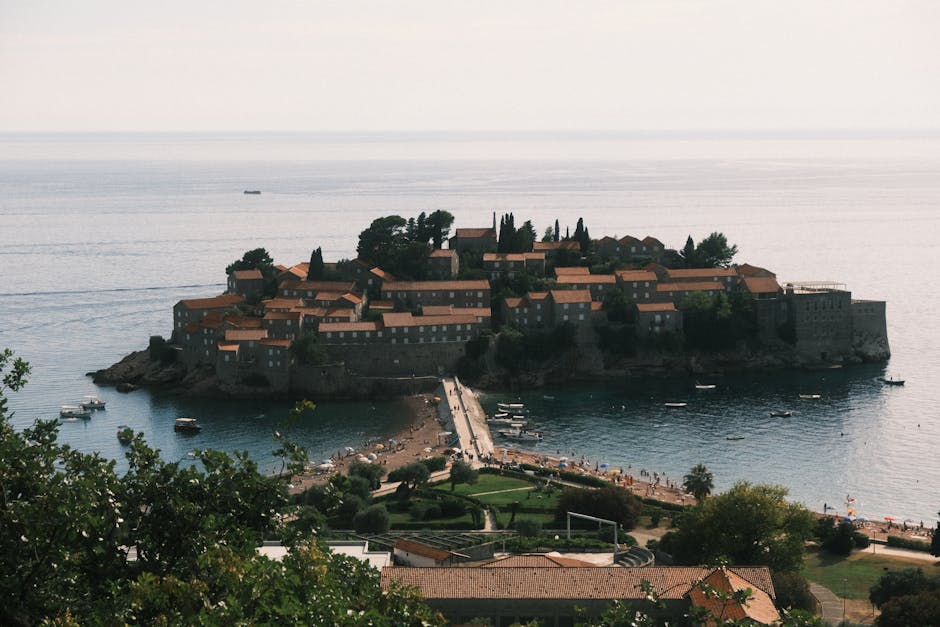
The Island of Sveti Stefan — This is the main attraction. You cannot walk onto the island unless you are a guest of the hotel or dining at the restaurants. But you can view it from the mainland. The best view is from the Isthmus, the narrow strip of land connecting the island to the mainland. The stone houses, perched on the rocky promontory, look like a set from a fairy tale. The contrast between the ancient stone and the modern luxury is stark. It is a visual masterpiece. Sveti Stefan
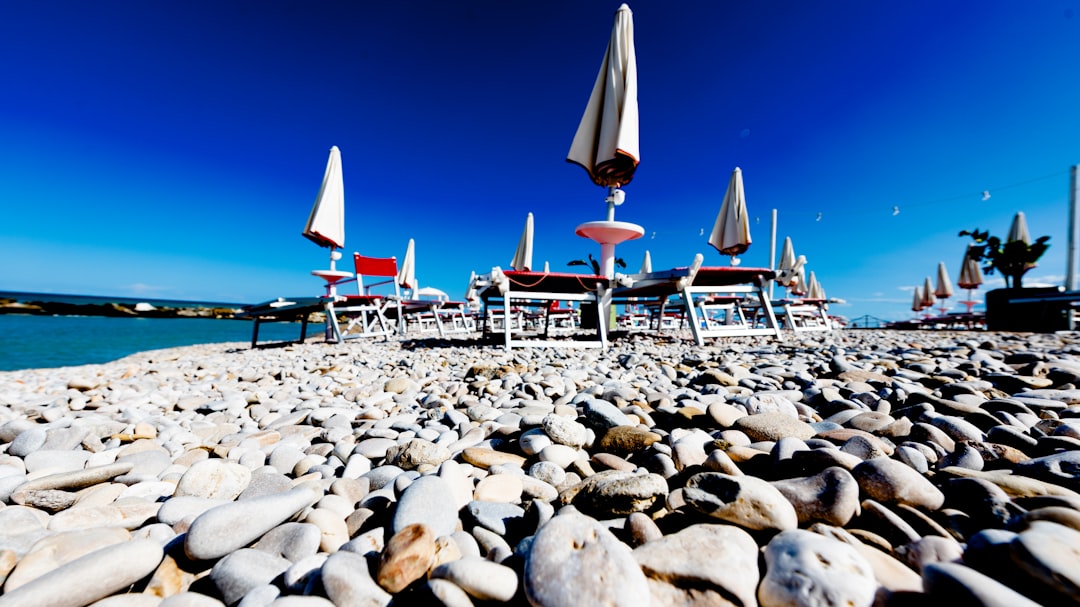
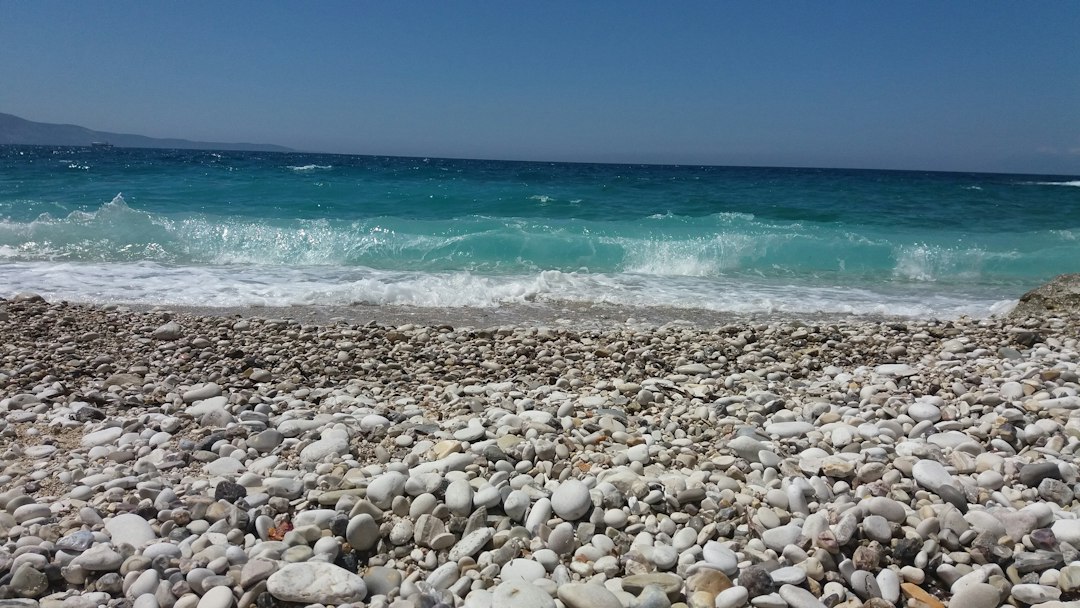
Main Beach — The beach in front of the island is pebbly, not sandy. The water is clear and blue. You can rent a sunbed and umbrella for a fee. It is crowded in the summer, but the views of the island are worth it. The beach is well-maintained, with facilities and cafes. It is a place to relax and soak up the sun, but be prepared to pay for the privilege.
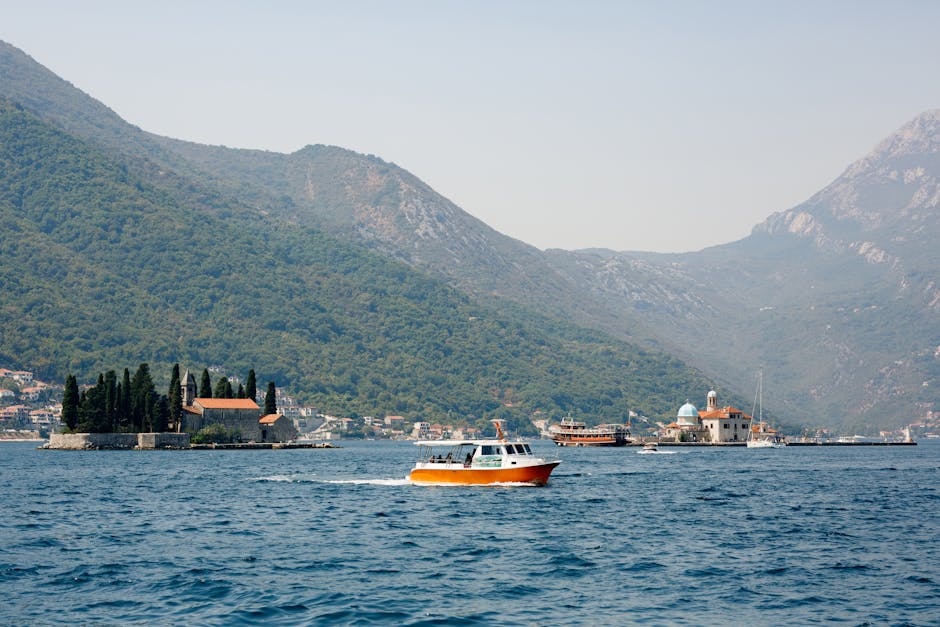
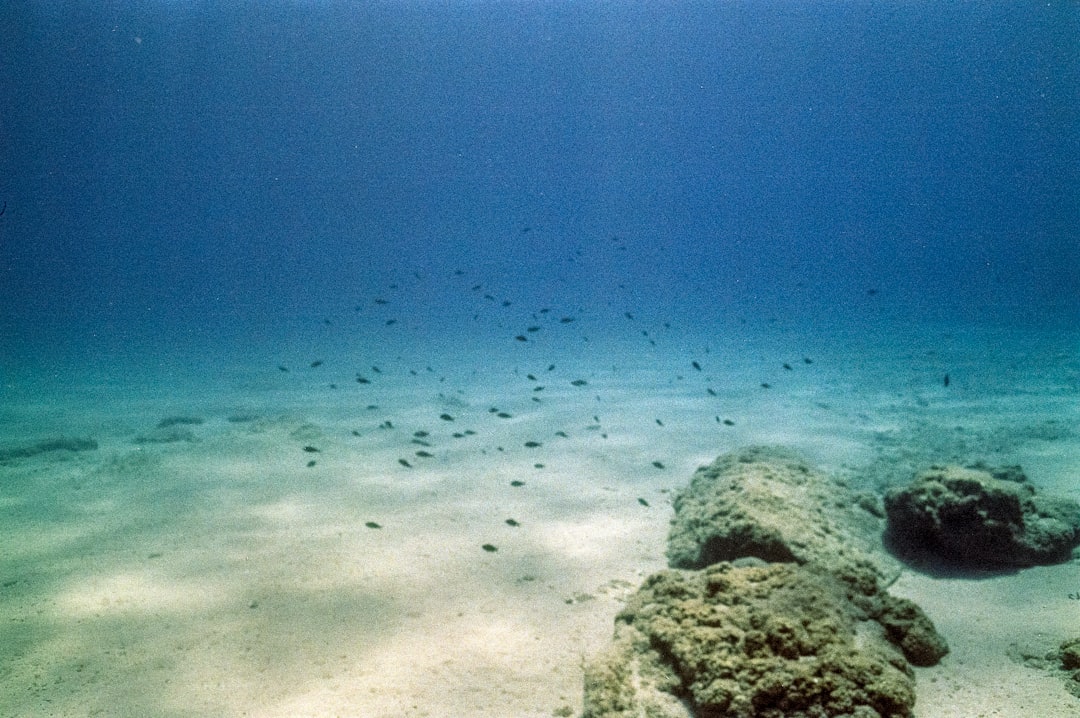
St. George Island — A short boat ride from Sveti Stefan is St. George Island. It is a small, rocky islet with a chapel dedicated to St. George. It is a popular spot for swimming and snorkeling. The water is calm and clear. You can rent a kayak or take a boat tour. It is a peaceful escape from the crowds of the main island.
Old Town of Budva — Just a few kilometers south is Budva. The Old Town is a medieval fortress with narrow streets, stone houses, and a cathedral. It is more lively than Sveti Stefan, with a vibrant nightlife and a more authentic feel. It is a great place to explore history and culture. Budva
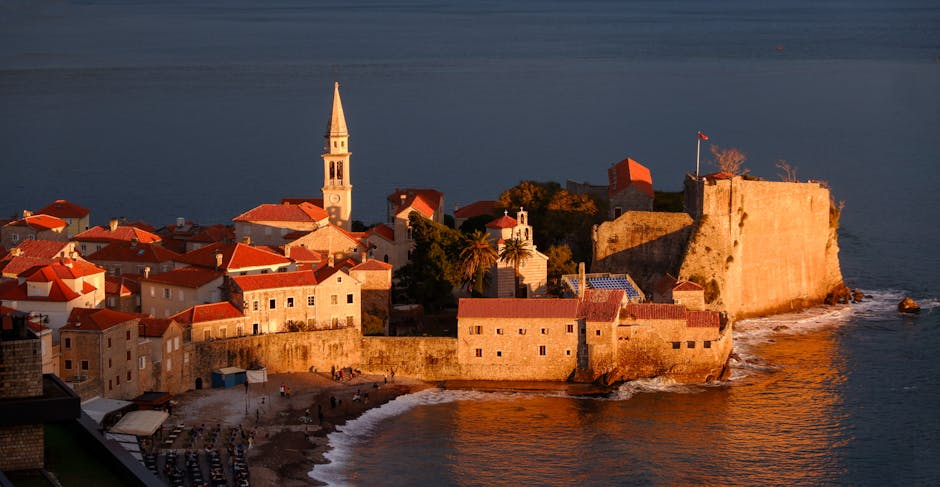
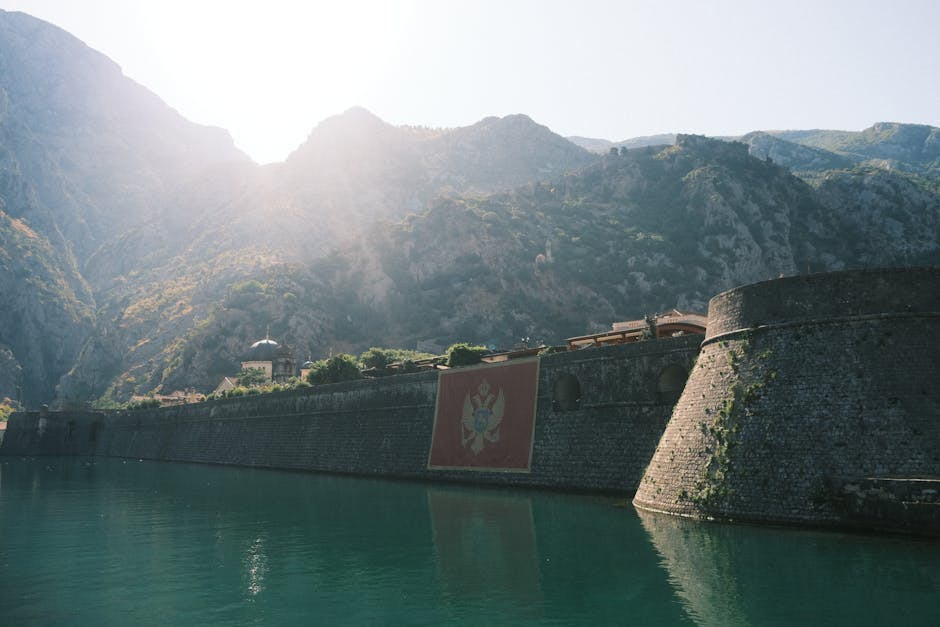
Prison Island — In the Bay of Kotor, a bit further south, is Prison Island. It is a small island with a prison that is no longer in use. You can take a boat tour to see the island and the surrounding bay. It is a unique historical site.
What to Eat & Drink
Eating in Sveti Stefan is an experience. The restaurants are high-end, with prices to match. A simple meal can cost 30-50 EUR per person. The food is good, but it is expensive. If you want to save money, head to the mainland village or Budva. There, you can find local dishes for a fraction of the price.
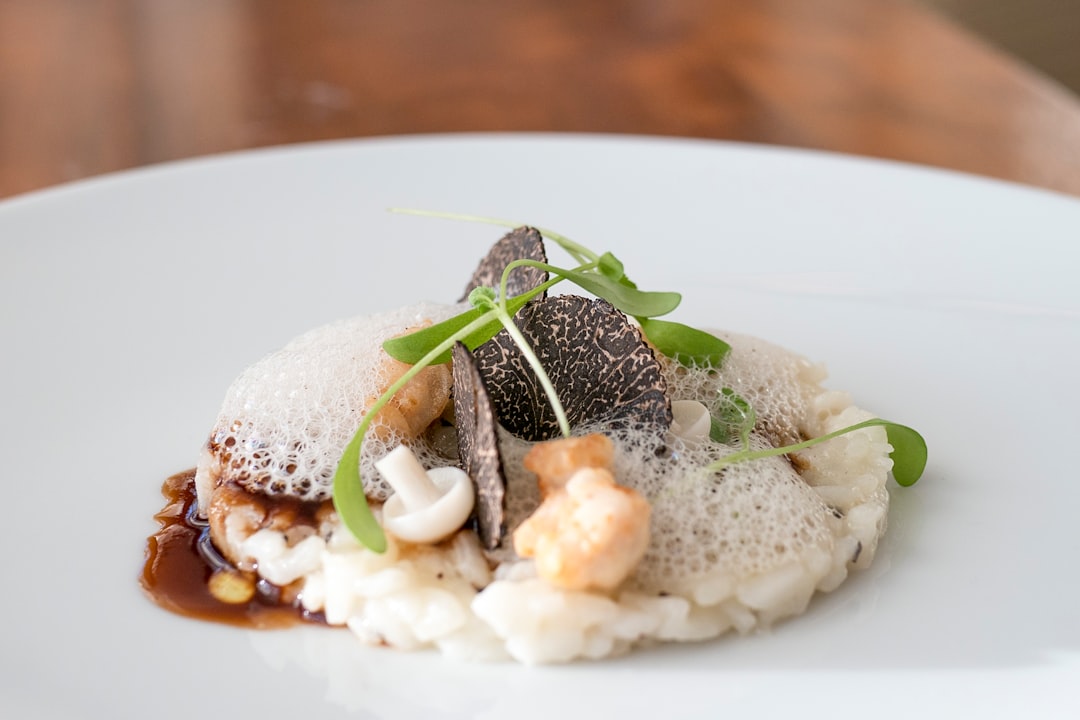
Try Black Risotto — a squid ink risotto that is black, creamy, and delicious. It is a local specialty. Price: 15-20 EUR. Try Pasulj — a bean stew that is hearty and filling. It is a traditional Montenegrin dish. Price: 8-10 EUR. Try Prosciutto and Feta — a simple appetizer of cured ham and cheese. It is a classic Balkan snack. Price: 5-8 EUR.
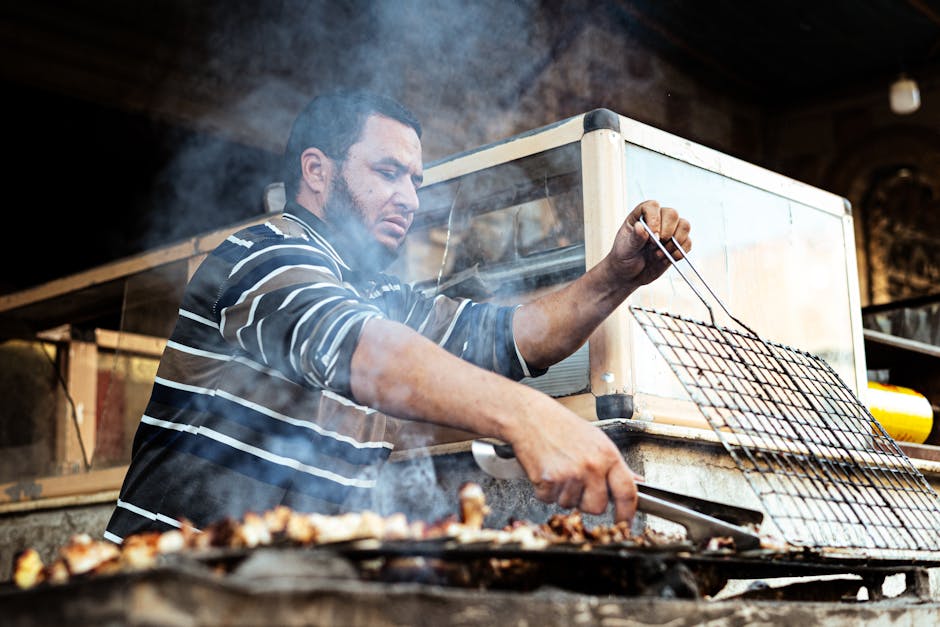
For a budget meal, look for pljeskavica — a grilled meat patty served with bread and onions. It is a Balkan burger. Price: 6-10 EUR. For drinks, try Vranac — a local red wine that is bold and fruity. Price: 5-8 EUR per glass. Or try Maraska — a cherry liqueur that is sweet and strong. Price: 4-6 EUR per shot.
The food scene in Sveti Stefan is dominated by the hotel restaurants. They are beautiful, with views of the sea and the island. But they are expensive. If you want a more authentic experience, head to Budva or Bar. There, you can find local tavernas and street food. It is a better value for money.
Nightlife
Nightlife in Sveti Stefan is quiet. The island is a hotel, not a party destination. The mainland village has some bars and cafes, but they close early. If you want to party, head to Budva. The Old Town has a vibrant nightlife, with clubs and bars that stay open late. It is a popular spot for tourists and locals alike.
The Savina Mala beach in Budva is home to several beach clubs. They are open in the summer, with music, drinks, and dancing. It is a lively scene. Price: 10-20 EUR for a cocktail. The Old Town has several clubs, including Club 88 and Barbary Coast. They are popular with tourists and locals. Price: 5-10 EUR cover charge.
If you want a more relaxed evening, try the cafes in Sveti Stefan mainland. They are nice, with views of the sea and the island. You can have a drink and watch the sunset. It is a peaceful end to the day.

Getting There & What to Expect
The nearest airport is Tivat Airport, which is about 40 kilometers away. There are flights from major European cities. From the airport, you can take a taxi or bus to Sveti Stefan. A taxi costs 30-40 EUR. A bus costs 5-10 EUR. The journey takes about an hour.
You can also fly into Podgorica Airport, which is further away. It is about 80 kilometers from Sveti Stefan. From the airport, you can take a bus or train to Bar, and then a bus to Sveti Stefan. The journey takes about two hours.
Accommodation in Sveti Stefan is expensive. The Luxury Hotel Sveti Stefan charges 300-600 EUR per night. There are also other hotels and apartments in the mainland village. They are cheaper, but still expensive. A budget hotel costs 80-150 EUR per night. A mid-range hotel costs 150-300 EUR per night.
The best time to visit is June to September. The weather is warm and sunny. But it is also crowded. If you want to avoid the crowds, visit in May or October. The weather is still nice, but there are fewer tourists.
Expect to pay for everything. Sveti Stefan is a luxury destination. It is not a place for budget travelers. But if you have the money, it is a beautiful place to visit. The views are stunning, and the history is fascinating. It is a unique experience.
Search accommodation in Sveti Stefan on Booking.com →
The Gilded View
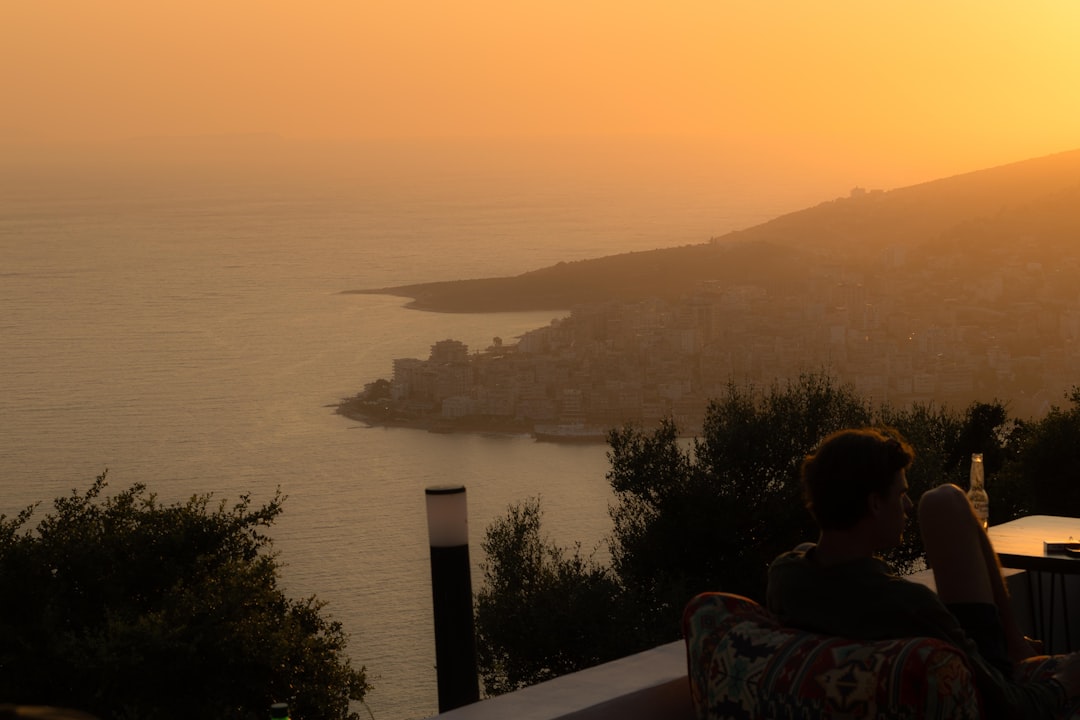
I left Sveti Stefan as the sun went down. The lights of the island turned on, golden and warm against the darkening sea. It looked like a jewel. But as I walked back to my hostel in Bar, I couldn't shake the feeling of exclusion. It is a place that is meant to be seen, not touched. It is a symbol of wealth and power. And in the Balkans, that is a complicated thing.
The Balkans are a region of contrasts. Poor and rich, old and new, real and fake. Sveti Stefan embodies all of these contrasts. It is a beautiful place, but it is also a reminder of the inequalities that exist in the world. It is a gilded cage, and the view from outside is not always comfortable. But it is a view that is worth seeing. Just don't expect to be invited in.
Comments