


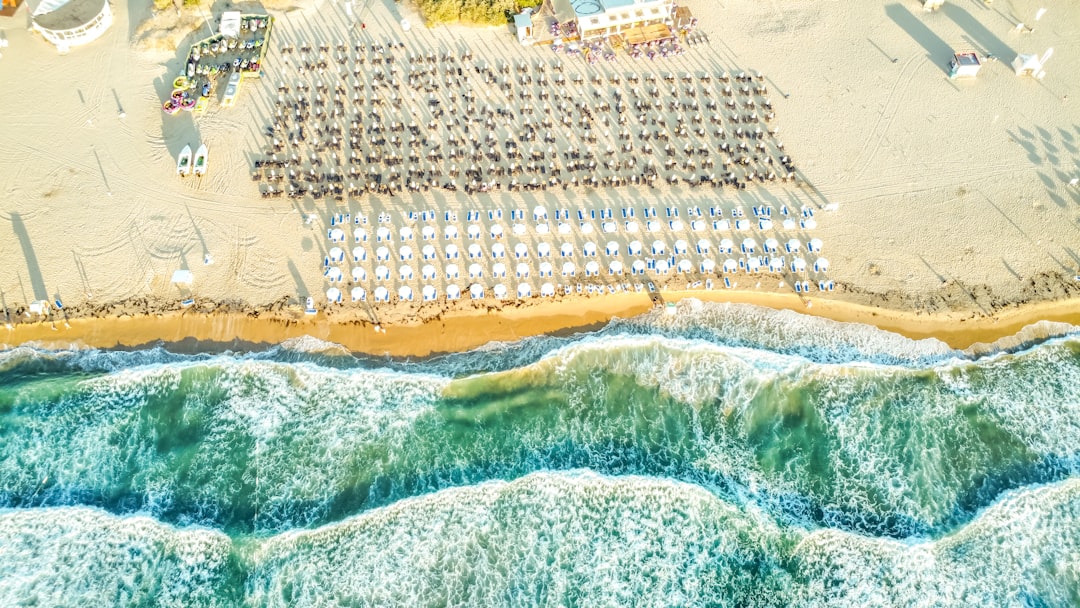
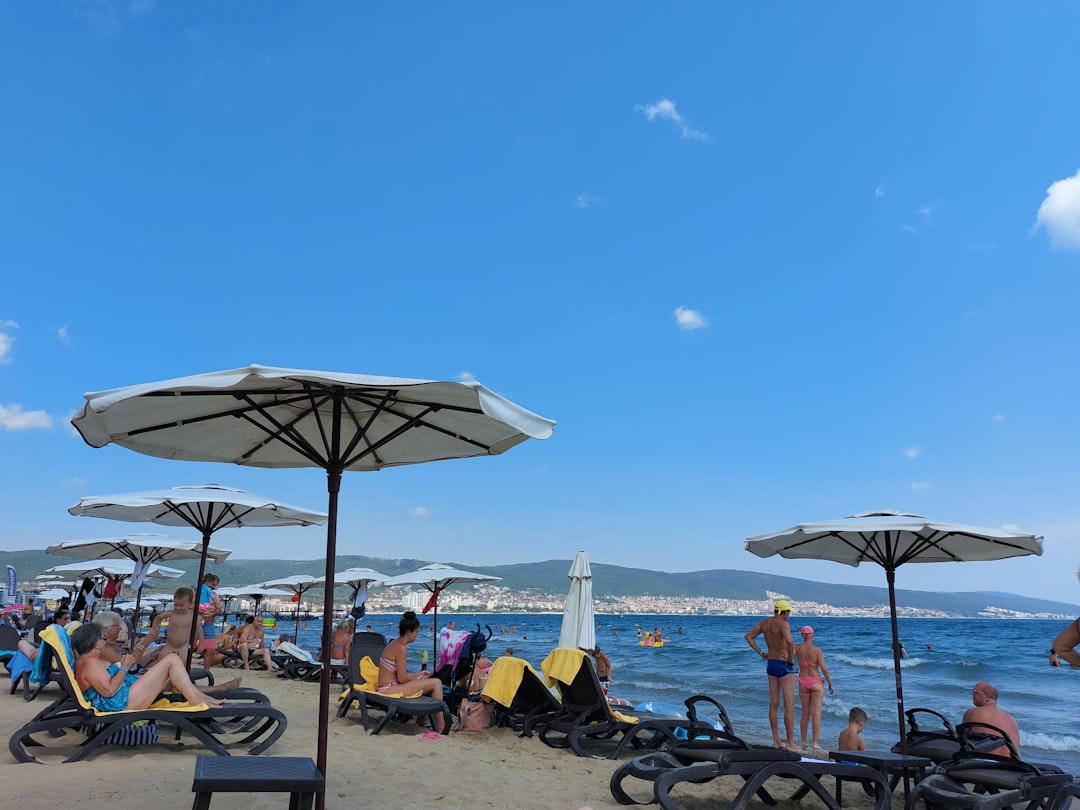
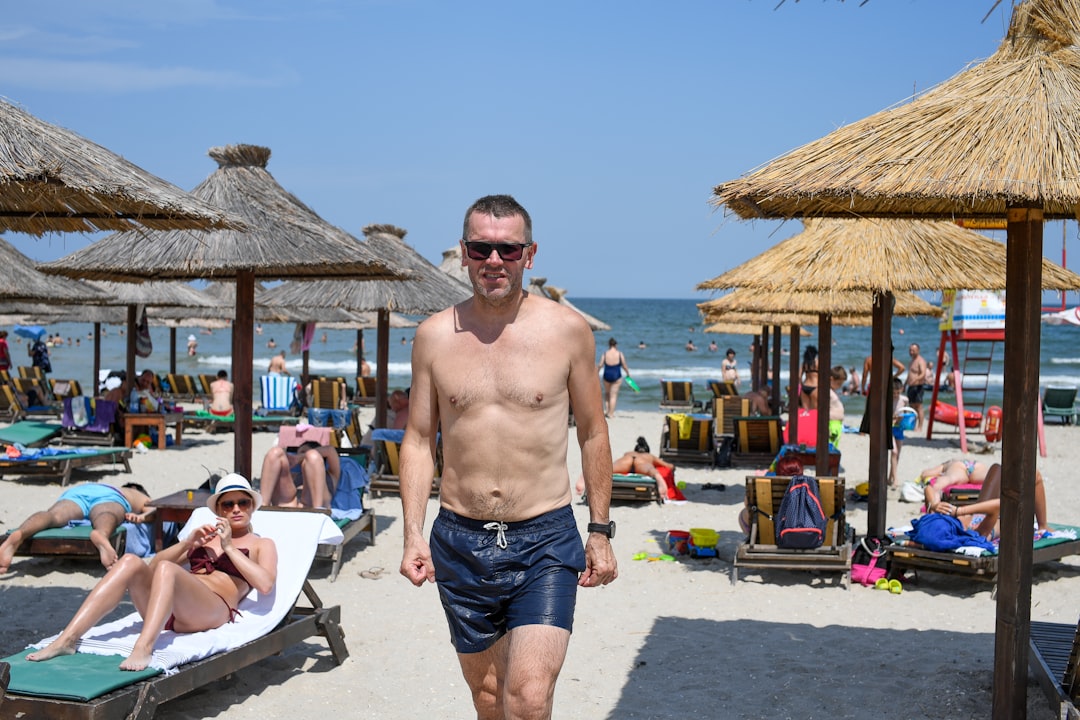
The sand at Sunny Beach is not soft; it is a grit that finds its way into your shoe laces, your swimsuit zipper, and eventually, your soul. I arrived at the southern end of the resort strip on a Tuesday afternoon, expecting the polite, measured chaos of a European holiday. What I found was a sensory assault of neon swimwear, bass-heavy techno thumping from open-air bars, and the smell of cheap sunscreen mixed with frying fish. A local bartender, wiping down a counter sticky with spilled beer, told me that the Black Sea here doesn't care about your vacation plans. It is cold, it is grey, and it is indifferent to your tan lines. But there is a raw, electric energy to this stretch of coastline that feels less like a resort and more like a frontier. It is not the Mediterranean postcard; it is something grittier, louder, and far more honest.
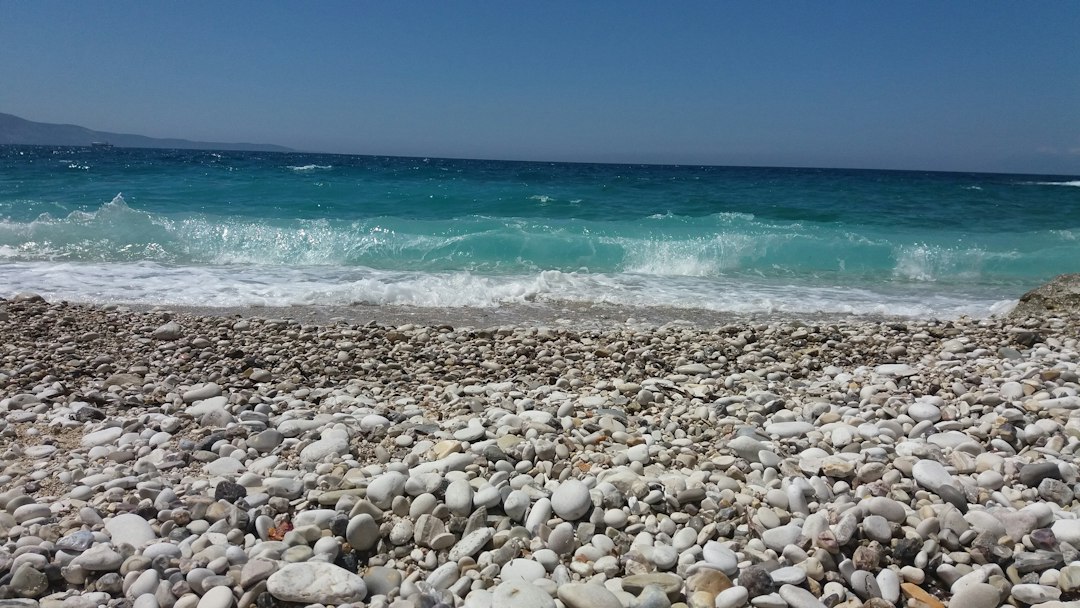
I walked away from the main promenade, where the hotel blocks rise like concrete cliffs, and headed toward the dunes at the edge of the Black Sea. The wind here is a physical thing, pushing against your chest, carrying the sharp, briny tang of the open water. This is the Balkan coast in its most unfiltered form. It is not about relaxation in the traditional sense; it is about survival, adaptation, and finding the one perfect wave in a sea that looks like hammered iron. If you come here expecting calm, turquoise lagoons, you are in the wrong country. If you come for the thrill of the deep, the taste of fresh seafood, and the relentless pulse of summer nightlife, you have arrived.
History & Identity
The concept of Sunny Beach is a relatively modern invention, born from the Cold War era's need for a controlled holiday zone. In the late 1960s, the Bulgarian government designated this strip of land, then known as Slanchev Bryag, as a tourism hub. It was a deliberate shift from a quiet fishing area to a mass-market destination. For decades, it was a closed loop for Eastern Bloc tourists, a place where the state managed every aspect of leisure. This history has left a distinct imprint on the architecture and the social fabric of the resort. The wide, straight avenues and the uniform hotel blocks reflect a planned, industrial approach to tourism that feels alien to the organic growth of Mediterranean coastal towns.
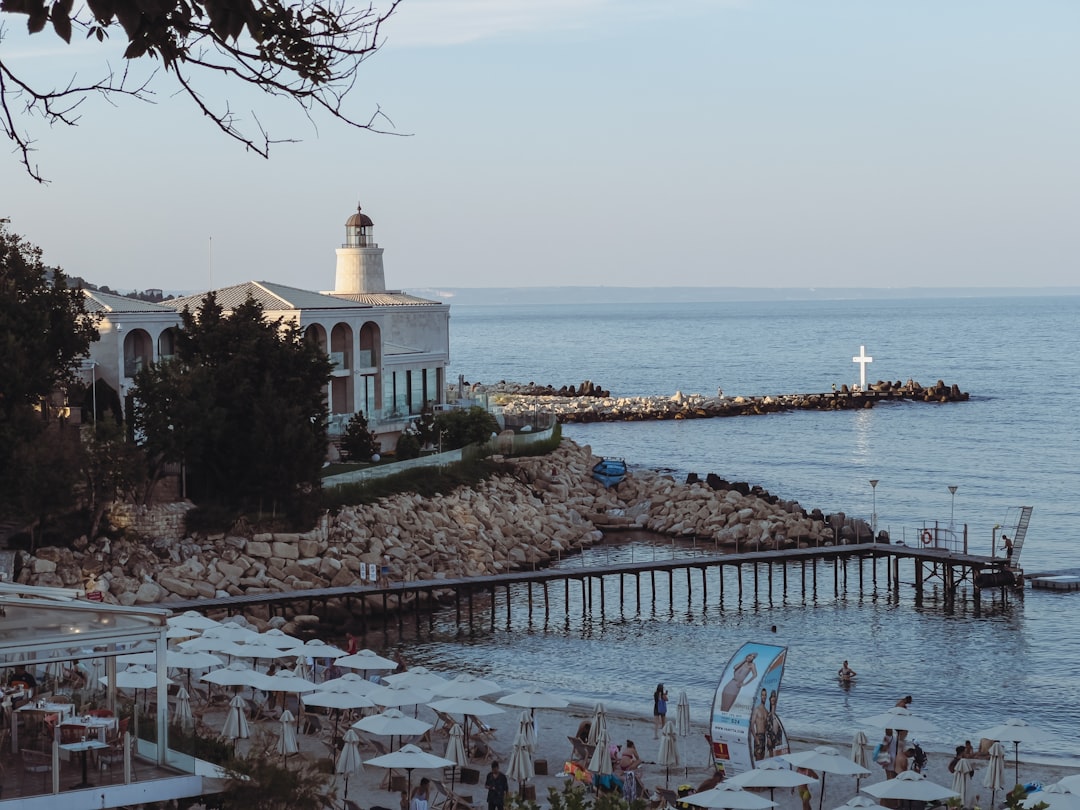
After the fall of the Iron Curtain, the identity of the resort shifted dramatically. It became a playground for the newly freed region, and later, a magnet for international package tourists seeking cheap sun and sea. The transition was not smooth. The area struggled to shed its reputation for rowdy excess and low-quality infrastructure. However, in recent years, there has been a conscious effort to diversify. The southern end, in particular, has seen a rise in boutique hotels and quieter stretches of beach, catering to a demographic that wants the sea without the spectacle. This duality defines the place today: a clash between the old, hard-partying image and a new, more refined reality.
Where to Go
Golden Sands — Located just north of Sunny Beach, this resort is often paired with it but offers a slightly different vibe. It is cleaner, more organized, and generally quieter. The beach is wide, with fine sand and clear water, making it a better option for families or those seeking a more relaxed experience. The promenade is lined with palm trees, giving it a faux-Mediterranean feel. Entry to the beach is free, but sunbeds cost around 10-15 EUR per day. It is worth crossing over if you want to escape the density of Sunny Beach.
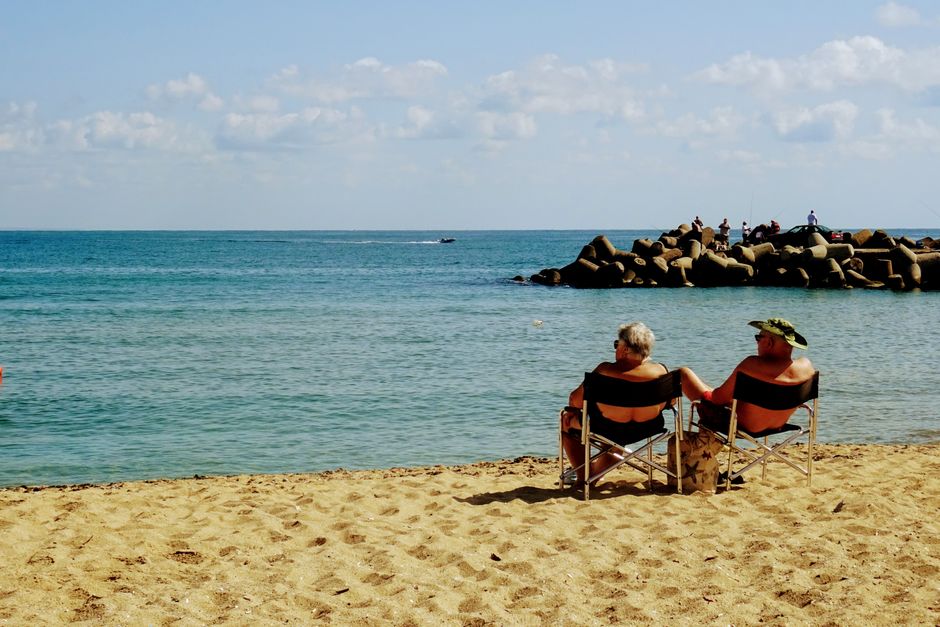
The Southern Dunes — At the very southern tip of the resort, the manicured hotels give way to natural dunes and pine forests. This is the most atmospheric part of the coastline. The beach here is wilder, with fewer amenities and more privacy. It is a great spot for sunset walks or for those who want to swim in a less crowded area. The water is deeper here, and the currents can be stronger, so caution is advised. There are no entry fees, just the cost of getting there, which is a short taxi ride from the center for about 3-5 EUR.
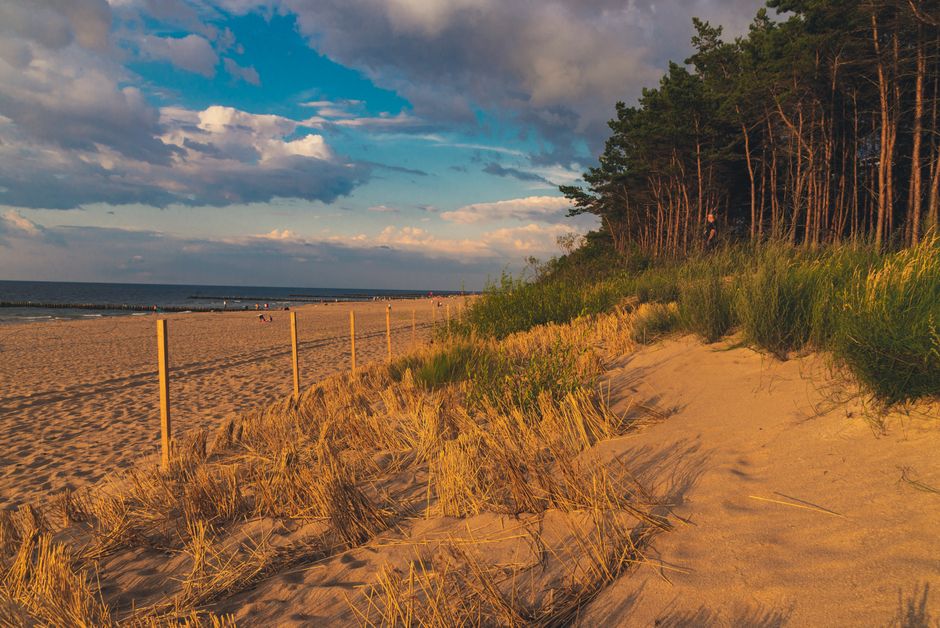
Seaside Mall — For those who need a break from the sun, this shopping center is a hub of activity. It offers a mix of international brands and local shops, along with a cinema and food court. It is a good place to find affordable clothing, souvenirs, and quick meals. The prices are comparable to other European malls, with fast food meals costing around 5-8 EUR. It is air-conditioned, which is a blessing on the hottest days.
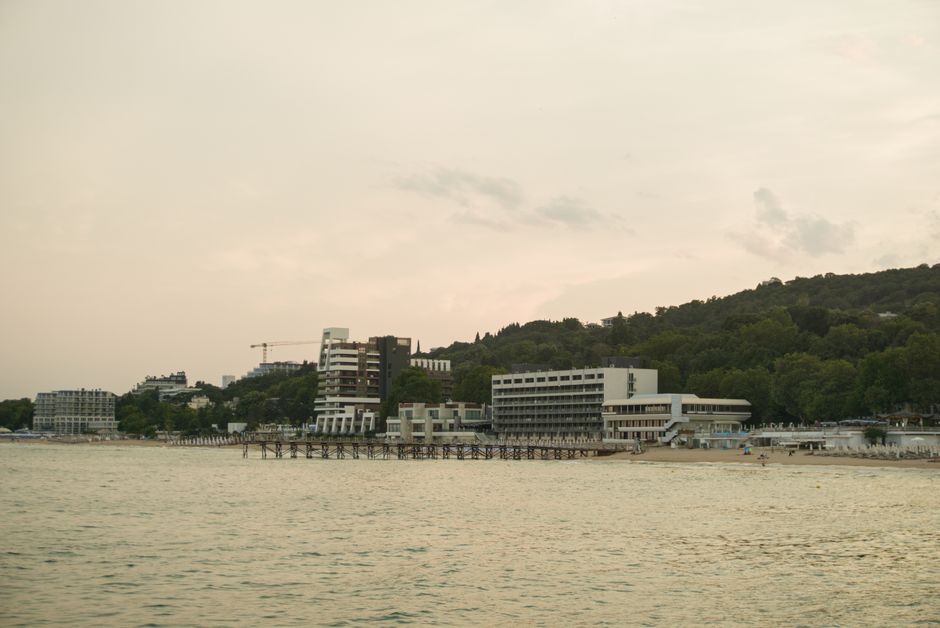
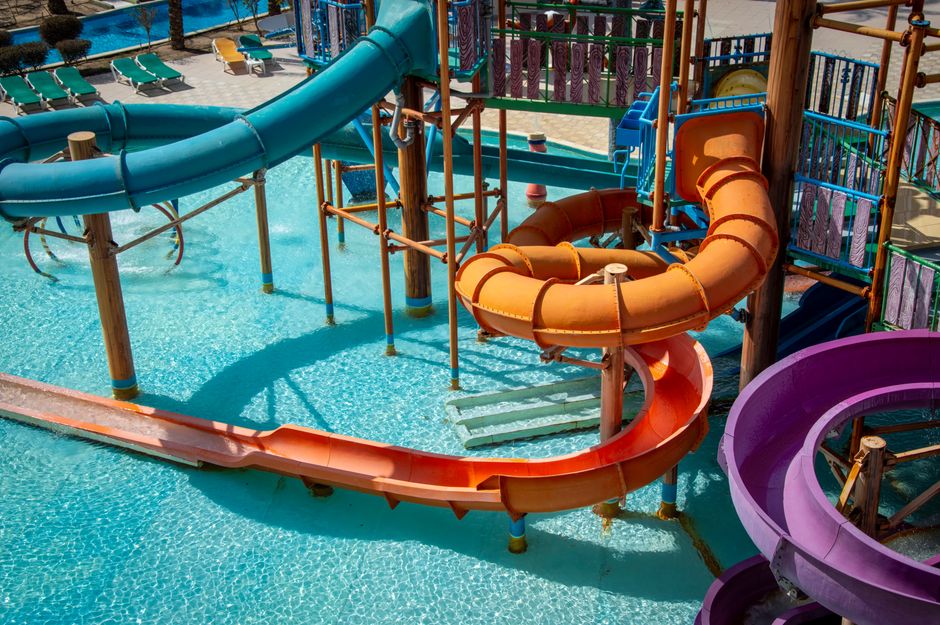
Water World — This water park is a major attraction for families and thrill-seekers. It features a variety of slides, pools, and a wave pool. The entry fee is approximately 20-30 EUR for adults, which is reasonable given the size and quality of the facilities. It is best visited on cooler days or in the morning to avoid the worst of the heat. The park is well-maintained and offers a fun escape from the beach.
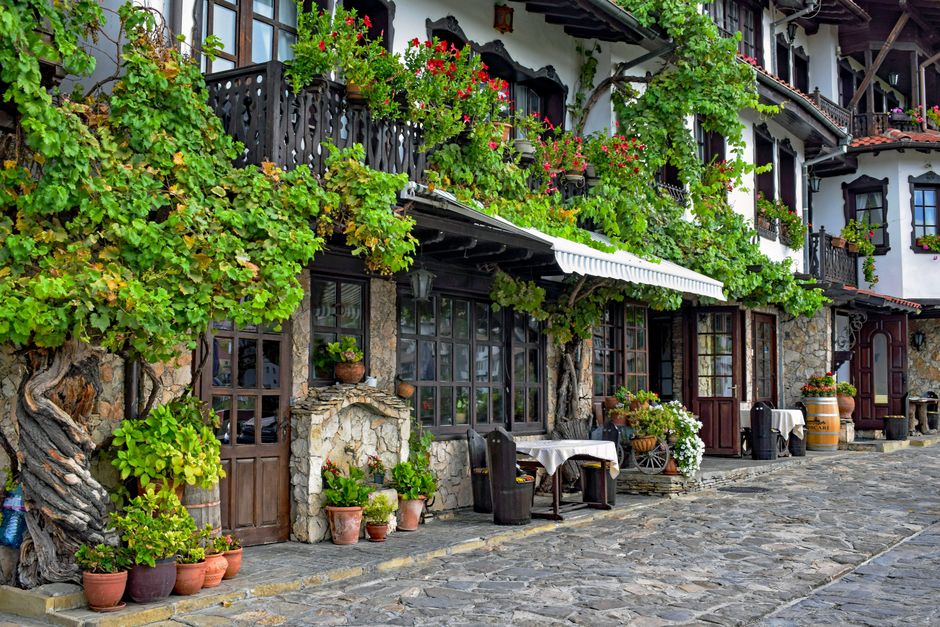
Old Town Varna — Just a short bus ride away, the capital of the Bulgarian Black Sea Coast offers a stark contrast to the resort. The Old Town is a maze of narrow streets, Ottoman-era houses, and medieval churches. The Archaeological Museum houses some of the world's most significant gold treasures, including the Varna Necropolis finds. Entry to the museum is around 5 EUR. This is essential for anyone who wants to understand the deeper history of the region beyond the party scene.
What to Eat & Drink
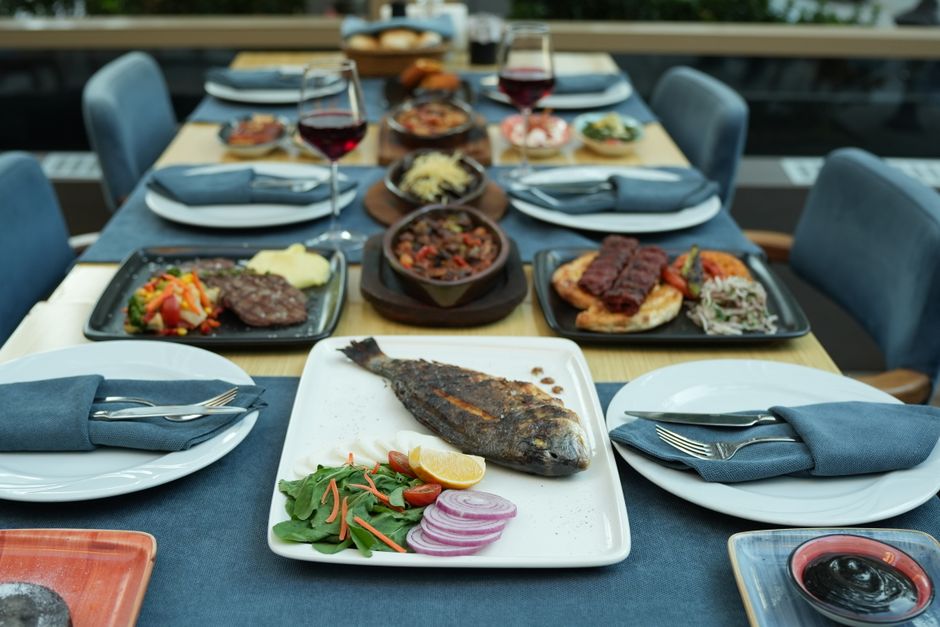
The food scene in Sunny Beach is a mix of fast, cheap options and surprisingly good local cuisine. If you want to eat like a local, head to the smaller, family-run restaurants away from the main promenade. Śuvlak — a grilled pork kebab — is a staple, costing around 3-5 EUR per portion. Kebapche — a spiced meat sausage — is another favorite, typically priced at 2-4 EUR. Pair these with Shopska Salata — a refreshing mix of tomatoes, cucumbers, onions, and sirene cheese — for about 2-3 EUR.
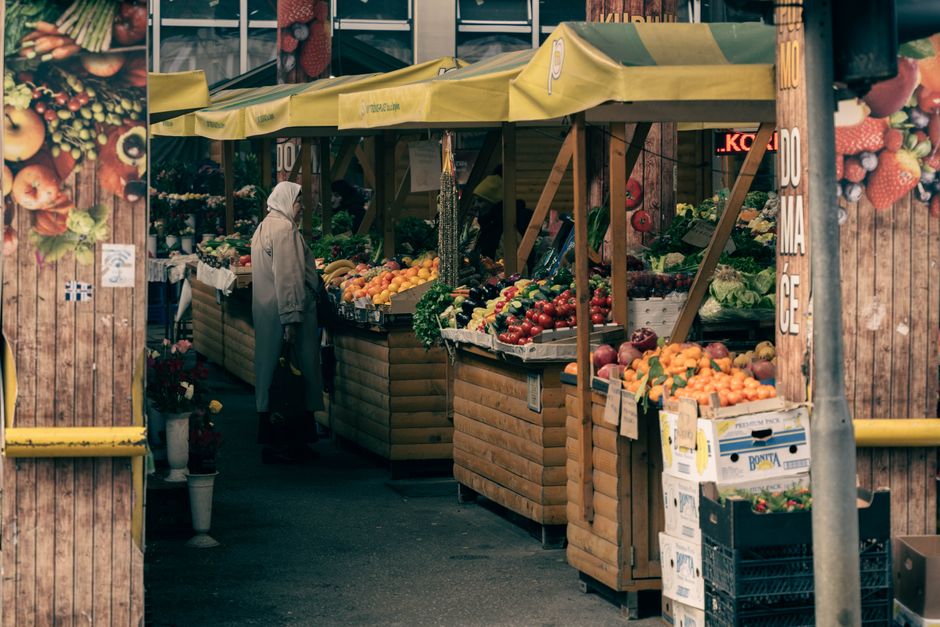
For seafood, look for restaurants serving Black Sea Trout or Sprat — a small, oily fish that is a regional delicacy. A plate of grilled sprat costs around 5-7 EUR and is often served with fresh bread and lemon. The best place to find these options is the Central Market area, where street vendors sell fresh produce and cooked food. A full meal here, including a drink, will set you back about 10-15 EUR. For a more upscale experience, the waterfront restaurants offer grilled fish and international cuisine, with prices ranging from 20-35 EUR per person.
Nightlife
The nightlife in Sunny Beach is legendary, and for good reason. The resort is divided into three main zones, each with its own character. The North Zone is the heart of the party, with clubs like Chillout and Paradise pumping out techno and house music until dawn. Cover charges are typically around 5-10 EUR, and drinks cost between 3-5 EUR. The atmosphere is high-energy, with crowds from all over Europe.
The Central Zone offers a mix of bars and lounges, with a slightly more relaxed vibe. This is where you will find cocktail bars and live music venues. The South Zone is quieter, with beach bars and chill-out spots that are perfect for winding down after a day in the sun. The best time to experience the nightlife is from July to August, when the weather is at its peak and the crowds are largest. However, even in June and September, the party continues, albeit with a slightly smaller crowd.
Getting There & What to Expect
The nearest airport is Varna Airport, which is about 40 kilometers north of Sunny Beach. Taxis and shuttles are available, with fares ranging from 20-30 EUR. Buses also run regularly from the airport to the resort, costing around 5 EUR. From Sofia, the capital, you can take a bus or a train to Varna, which takes about 6-7 hours. The bus fare is approximately 15-20 EUR. From Varna, local buses connect to Sunny Beach every 15-20 minutes, with tickets costing 1 EUR.
Accommodation options range from budget hostels and guesthouses to luxury hotels. A bed in a hostel costs around 15-25 EUR per night, while a mid-range hotel room is about 50-80 EUR. Luxury hotels can exceed 150 EUR per night. The best time to visit is from June to August, when the weather is warm and the sea is swimmable. However, July and August are the most crowded and expensive months. May and September offer milder weather and fewer tourists, making them good alternatives for budget travelers.
Search accommodation in Sunny Beach on Booking.com →
The Salt Remains
Leaving Sunny Beach is like waking up from a fever dream. The silence of the bus ride back to Varna is jarring after days of constant noise. My skin is tight, coated in a layer of salt and sunscreen that feels permanent. I look back at the strip of lights fading in the distance, and I realize that this place is not about beauty. It is about intensity. It is about the raw, unfiltered experience of summer in the Balkans. The Black Sea does not offer you comfort; it offers you a challenge. And if you meet it on its own terms, it gives you something real. A memory that sticks, like the grit in your shoes, long after you have left.
Comments