


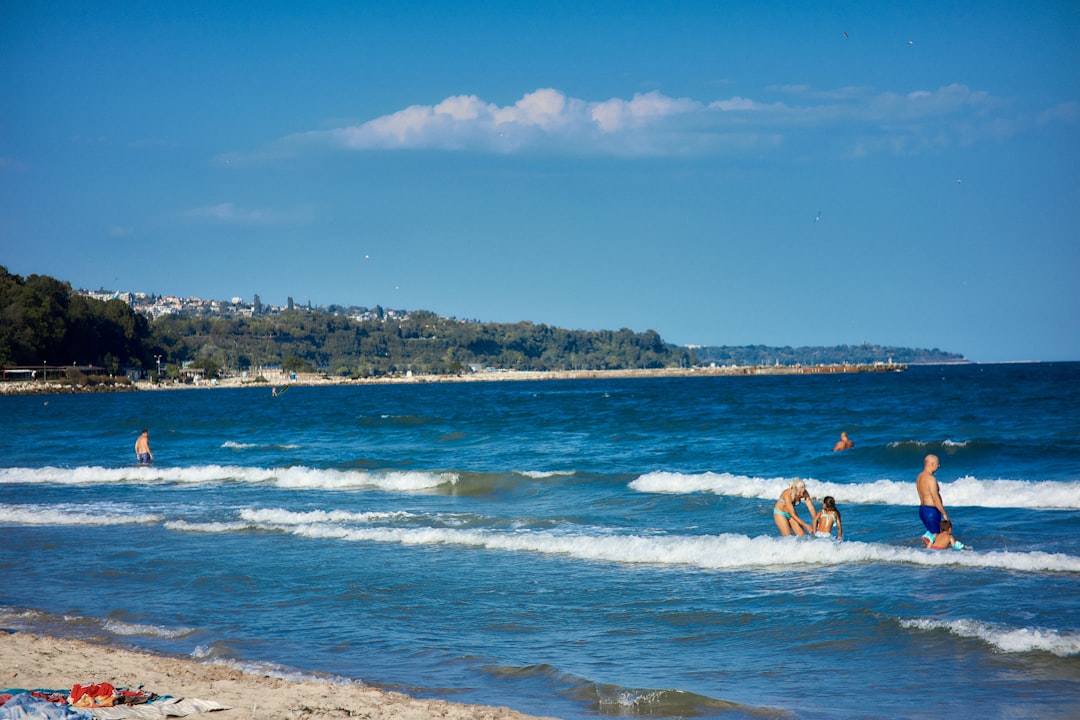
I woke up with sand in places sand has no business being and a head full of cheap Bulgarian beer. It was 3 AM in Golden Sands, and the neon lights of the all-inclusive hotels were humming like a dying transformer. A stray dog, looking more like a tumbleweed with legs, trotted past my feet, sniffing a half-eaten kebab wrapper. This wasn't the polished Riviera of France or the sanitized beaches of Turkey. This was the Balkans' raw, unfiltered edge. I had come for the sun, but I stayed for the chaos—a glorious, sweaty, salt-spray madness where the Black Sea slaps you in the face and tells you to bring your own towels.
The Bulgarian Black Sea Coast isn't a single destination; it's a fractured mosaic of Soviet-era concrete, ancient Thracian ruins, and aggressive resort marketing. It's where you can swim in crystal-clear water in the morning, haggle for counterfeit designer bags at noon, and dance until dawn in a club that smells like wet dog and expensive perfume. It's not pretty in the traditional sense. It's ugly-beautiful, gritty, and utterly unforgettable. Let's cut through the brochure lies and talk about what's actually happening on this stretch of coast.
History & Identity
The history of this coast is written in salt and blood. Long before the first concrete block of Albena was poured, these shores were the domain of the Thracians, fierce warriors who worshipped the sun and buried their kings in golden treasures. You can still find traces of their presence in the scattered ruins that dot the cliffs. Later, the Greeks set up colonies here, trading wine and grain, leaving behind a legacy of names and architecture that still echoes in the region.
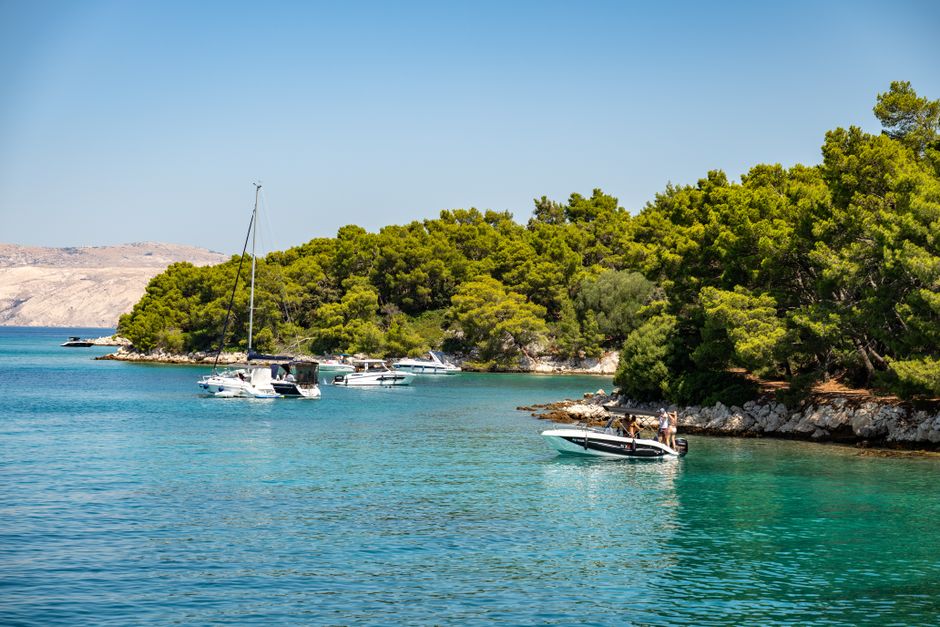
But the modern identity of the Bulgarian coast was forged in the Cold War. The communist regime turned this rugged shoreline into a showcase of socialist leisure, building massive, brutalist resort complexes like Sunny Beach and Albena. These weren't just vacation spots; they were ideological statements, proof that the state could provide paradise for the worker. The result is a landscape that feels like a time capsule, where giant, blocky hotels loom over the beach like concrete fortresses, a stark contrast to the organic, rocky inlets and pine forests that still cling to the coast.
Today, that identity is in flux. The old resorts are being renovated, privatized, and repackaged for a new generation of tourists. But the soul of the place remains stubbornly unchanged. It's a place of contrasts, where ancient history meets Soviet nostalgia, and where the wild, untamed nature of the Black Sea fights a constant battle against the encroaching tide of commercialization.
Where to Go
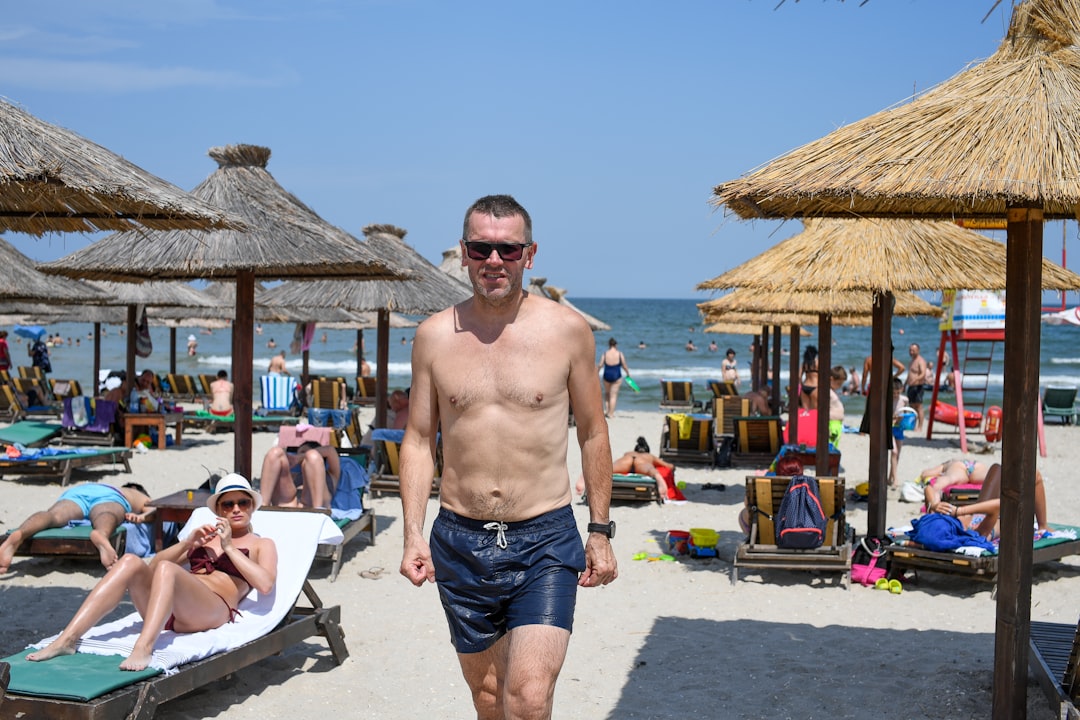
Sunny Beach — If you want chaos, this is it. A six-kilometer strip of sand packed with nightclubs, bars, and all-inclusive hotels. It's loud, it's expensive, and it's incredibly fun if you're into that scene. Best for: party animals and those who don't mind a bit of noise. Entry is free, but expect to spend 20-50 EUR on drinks and club entry.
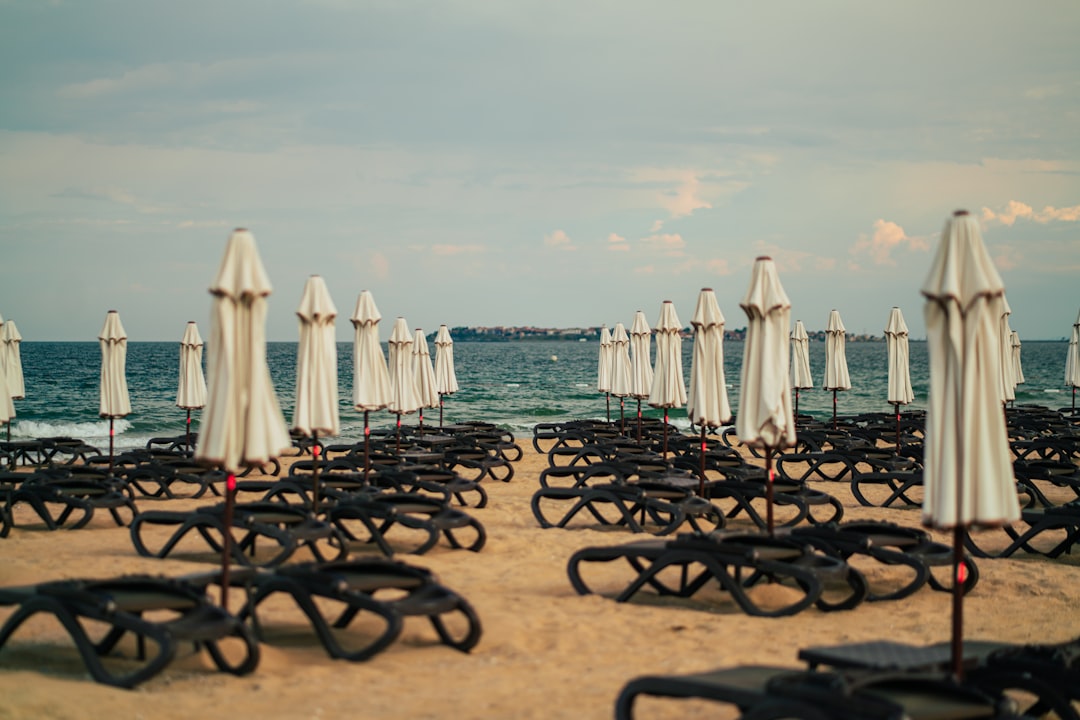
Albena — The older, more established sibling of Sunny Beach. Built in the 1960s, it has a distinct Soviet-era charm, with wide boulevards, manicured gardens, and a more relaxed atmosphere. It's less about partying and more about sunbathing and swimming. Best for: families and those who prefer a quieter vibe. Entry is free, but accommodation is pricey.
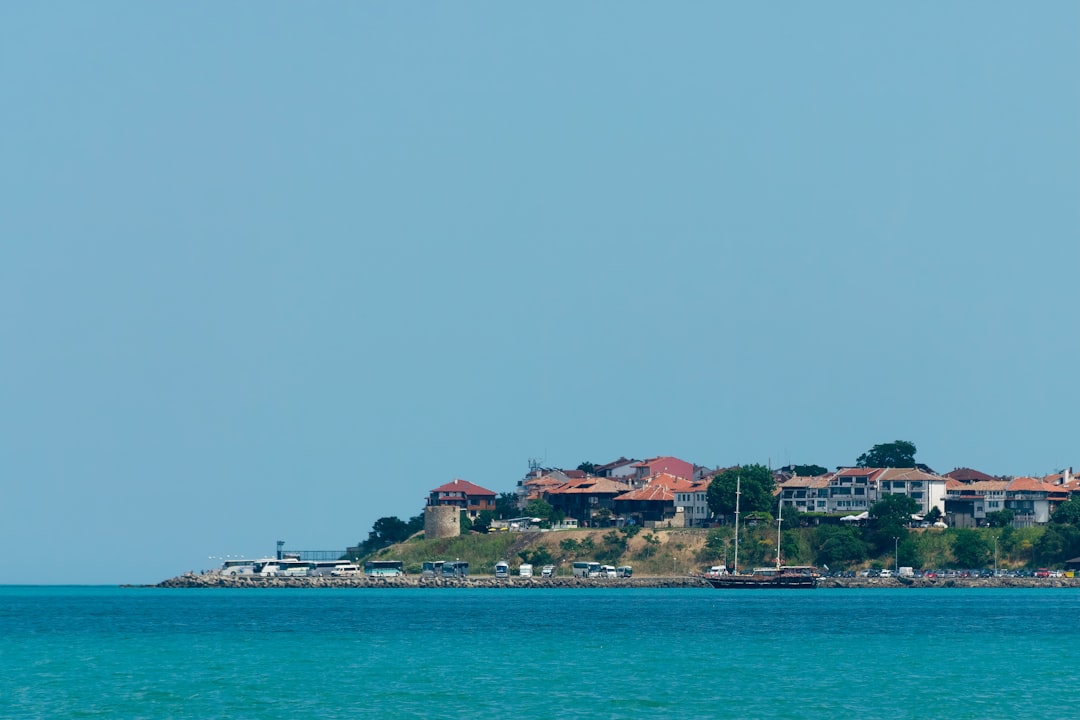
Sozopol — The jewel of the Bulgarian coast. A medieval town with cobblestone streets, wooden houses, and a vibrant artistic community. It's a UNESCO World Heritage site for a reason. The old town is a maze of narrow alleys, tiny galleries, and boutique hotels. Best for: culture vultures, romantics, and those who want to escape the resort madness. Entry to the old town is free, but museums charge around 3-5 EUR.
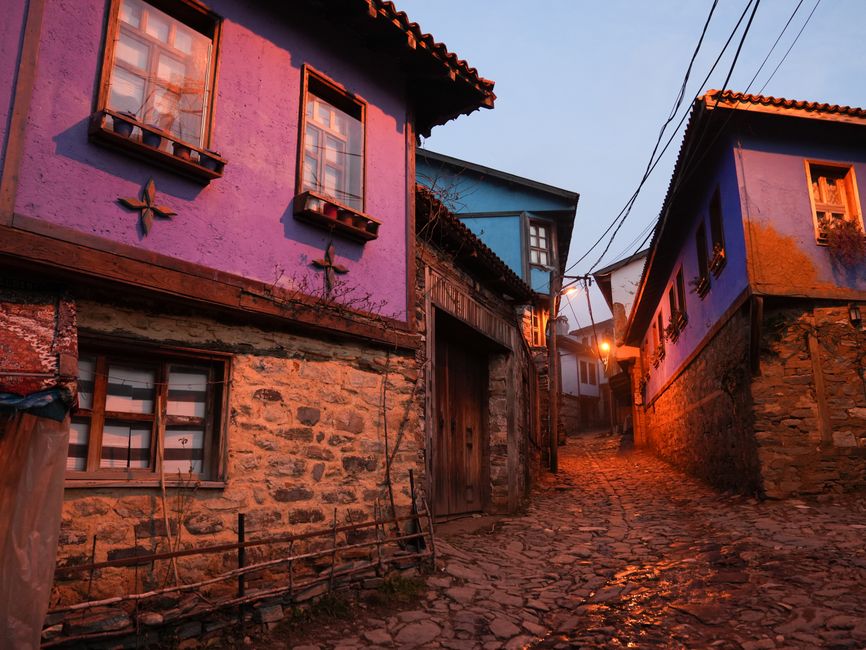
Primorsko — A more laid-back resort, known for its pine forests and clean beaches. It's a favorite among Bulgarian locals, which means the prices are more reasonable and the atmosphere is less touristy. Best for: nature lovers and those who want a more authentic experience. Entry is free.
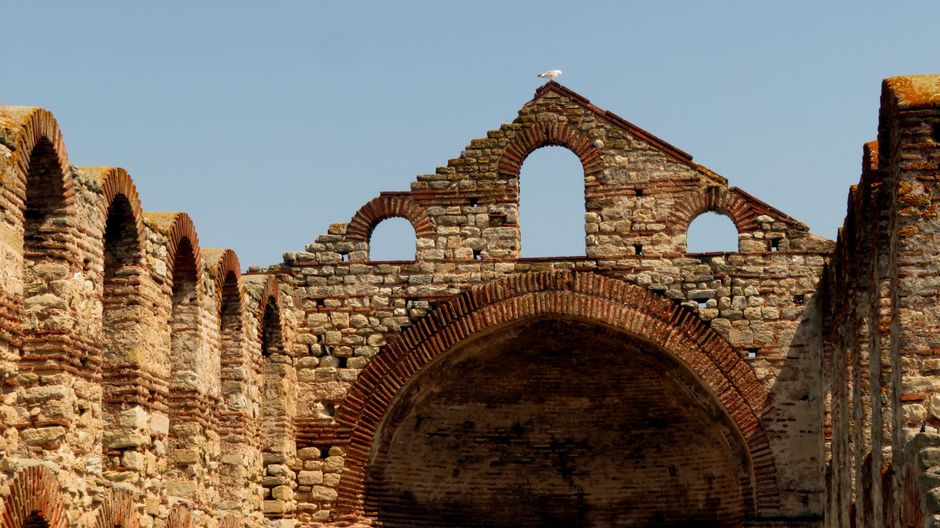
Nesebar — Another UNESCO site, just a short ferry ride from Sozopol. This ancient town is built on an island, connected to the mainland by a causeway. It's packed with Byzantine churches, medieval fortifications, and narrow, winding streets. Best for: history buffs and photographers. Entry to the town is free, but churches charge a small fee, around 2-3 EUR.
What to Eat & Drink
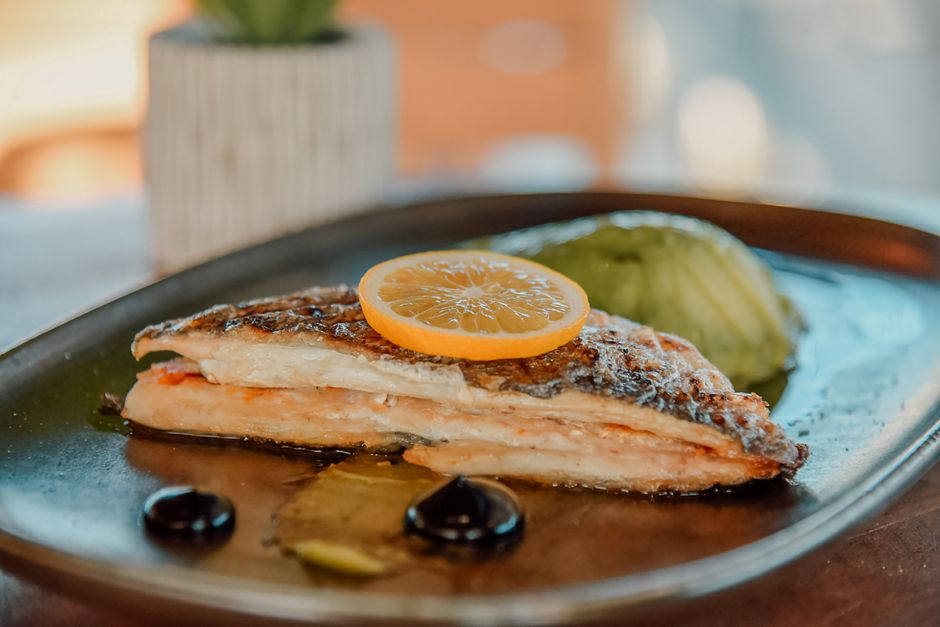
Food on the Bulgarian coast is a delicious mix of Mediterranean and Balkan influences. You'll find fresh fish grilled to perfection, hearty stews, and plenty of grilled meats. Don't leave without trying kyufte (minced meat balls) — 3-5 EUR — or shopska salata (tomato, cucumber, onion, and sirene cheese salad) — 4-6 EUR. For seafood, scampi are a local specialty, often served grilled with garlic and lemon — 10-15 EUR.
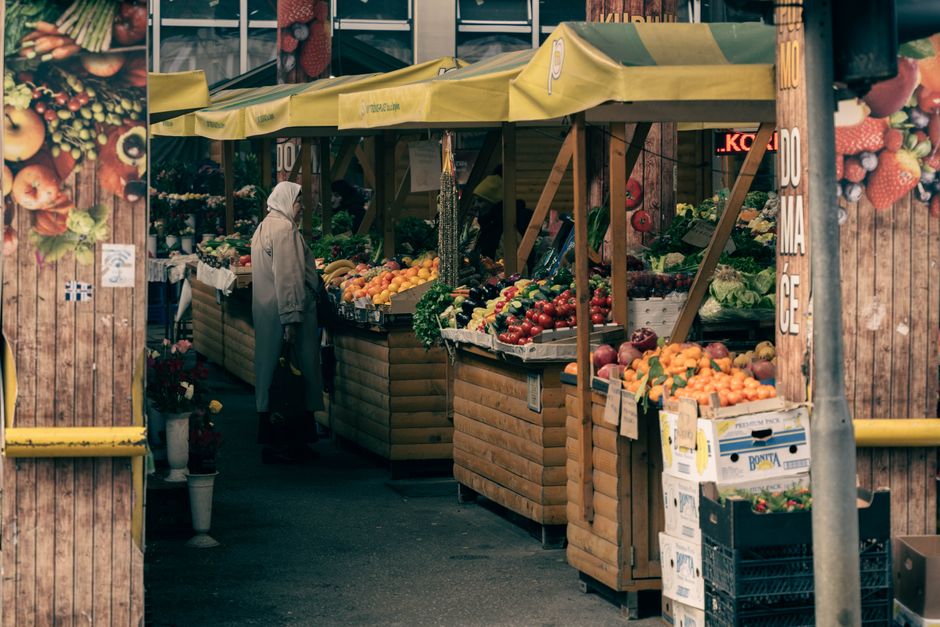
Budget breakdown: Street food and takeaway options are plentiful, with kebabs and sandwiches costing around 3-5 EUR. Sit-down local restaurants will set you back 10-20 EUR per person, while mid-range hotels and tourist traps can charge 20-40 EUR. For the best prices and most authentic experience, head to the local markets or smaller, family-run restaurants away from the main beachfront.
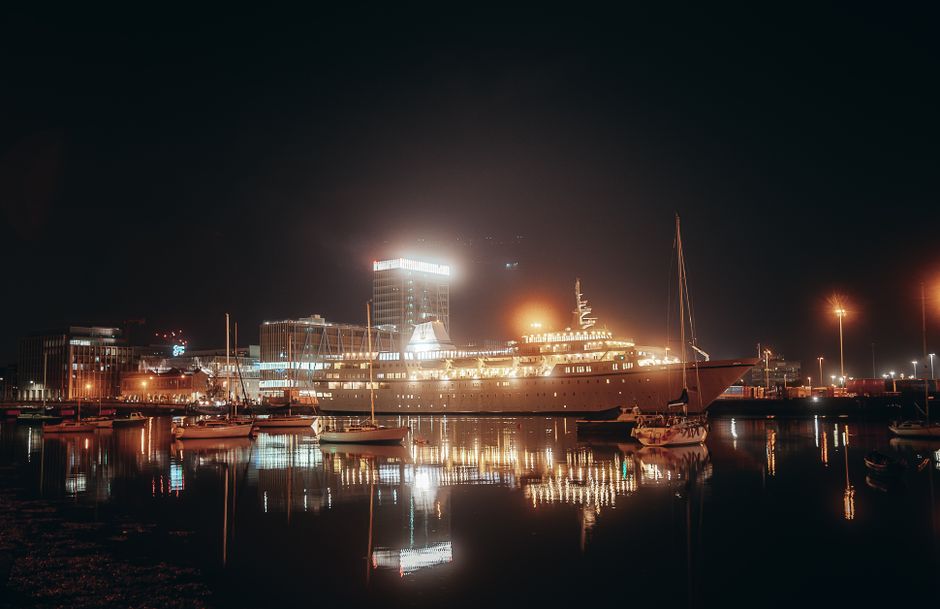
Two food streets to watch: The Sozopol Old Town is packed with small cafes and restaurants serving everything from traditional Bulgarian dishes to gourmet Mediterranean fare. In Varna, the Port Area has a growing number of trendy restaurants and bars, especially along the waterfront.
Nightlife
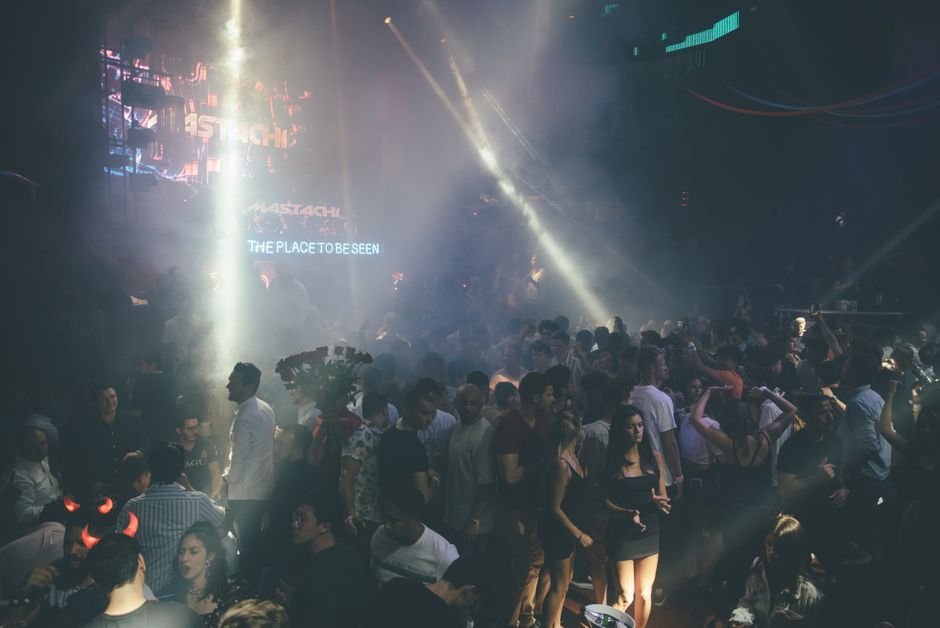
Nightlife on the Bulgarian coast is a spectacle of neon lights, loud music, and endless dancing. Sunny Beach is the undisputed king of partying, with dozens of clubs and bars lining the beach. Places like La La Land and Monte Carlo are legendary, attracting DJs and partygoers from all over Europe. Expect cover charges of 10-20 EUR and drink prices that can make your wallet weep.
For a more sophisticated vibe, head to Sozopol. The old town is filled with cozy bars and small clubs, where you can enjoy live music, wine, and a more relaxed atmosphere. Varna also has a vibrant nightlife scene, with clubs and bars scattered throughout the city, particularly near the port and the Golden Sands resort.
Getting There & What to Expect
The nearest major airport is Varna Airport, which handles flights from many European cities. From there, you can take a bus or taxi to any of the resorts. Buses are cheap, costing around 5-10 EUR, and take about an hour to reach Sunny Beach or Albena. Taxis are more expensive, around 20-30 EUR, but offer more convenience. You can also rent a car, which gives you the freedom to explore the coast at your own pace. Rental prices start at around 30-50 EUR per day.
Accommodation ranges from budget hostels and guesthouses to luxury all-inclusive hotels. Budget options start at around 20-40 EUR per night, mid-range hotels cost 50-100 EUR, and luxury resorts can charge 150-300 EUR or more. The best time to visit is from June to September, when the weather is warm and the sea is inviting. July and August are the peak months, so expect crowds and higher prices. June and September are quieter and more affordable.
Search accommodation in Varna on Booking.com →
The Salt in Your Wounds
I left Bulgaria with a sunburn that peeled in sheets and a playlist full of Balkan brass band remixes. The coast is a mess, sure. The concrete is ugly, the prices can be steep, and the crowds in August are suffocating. But there's a raw energy here that you can't find anywhere else. It's a place where the past and present collide, where the sea is wild and the people are warm, and where you can lose yourself in the chaos and find something real.
Don't go for the postcards. Go for the grit. Go for the taste of salt and smoke, the sound of waves crashing against Soviet concrete, and the feeling of being somewhere that hasn't been polished to death. The Bulgarian Black Sea Coast isn't perfect. It's alive. And that's worth every sand grain in your shoe.
Comments