


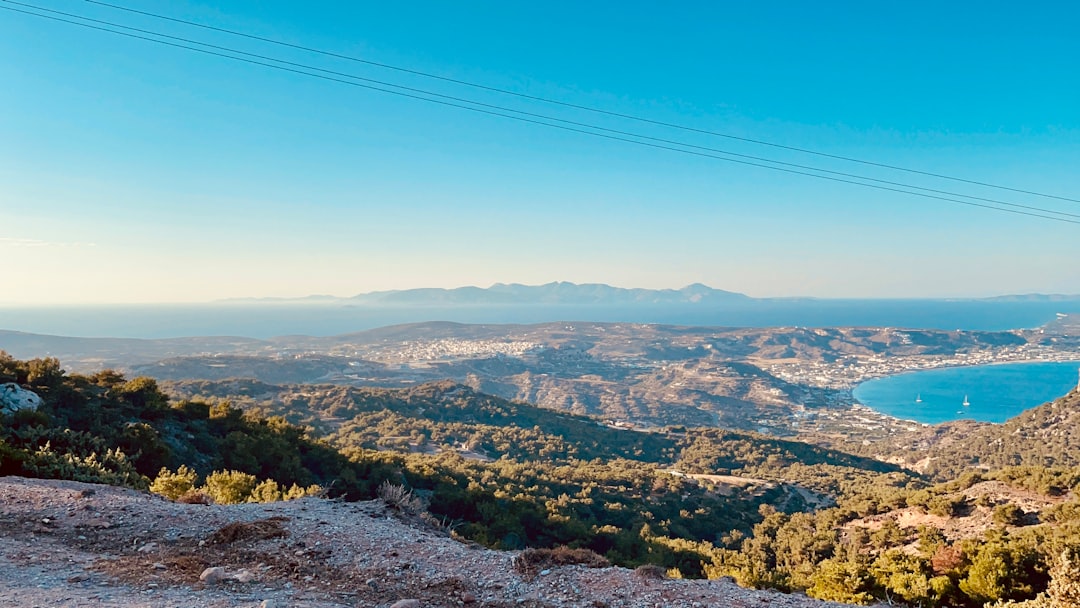
I didn't climb Mount Olympus to find Zeus. I climbed it because my ego thought I could handle a mountain that has been breaking hikers' spirits for three thousand years. The air at the trailhead in Litochoro tastes like pine resin and impending regret. You stand there, looking up at the jagged spine of Mytikas Peak, and you realize the myths weren't exaggerations—they were warnings. The gods didn't live up there because the view was nice; they lived there because it was the only place on earth where mortals stopped complaining and started praying.
The first hour is a lie. The trail from Spiro is wide, dusty, and deceptively easy. You feel like a tourist in sandals. By the time you hit the Skolio refuge, the lie ends. The path narrows into a goat track, the scree turns to loose gravel, and the thin air starts to punch you in the lungs. This isn't a hike. It's a vertical assault on your cardiovascular system, disguised as a Greek holiday. I met a guy from Athens who brought a camera and no water. He didn't make it past the first ridge. He's probably still down there, trying to convince himself he's just "resting."
History & Identity
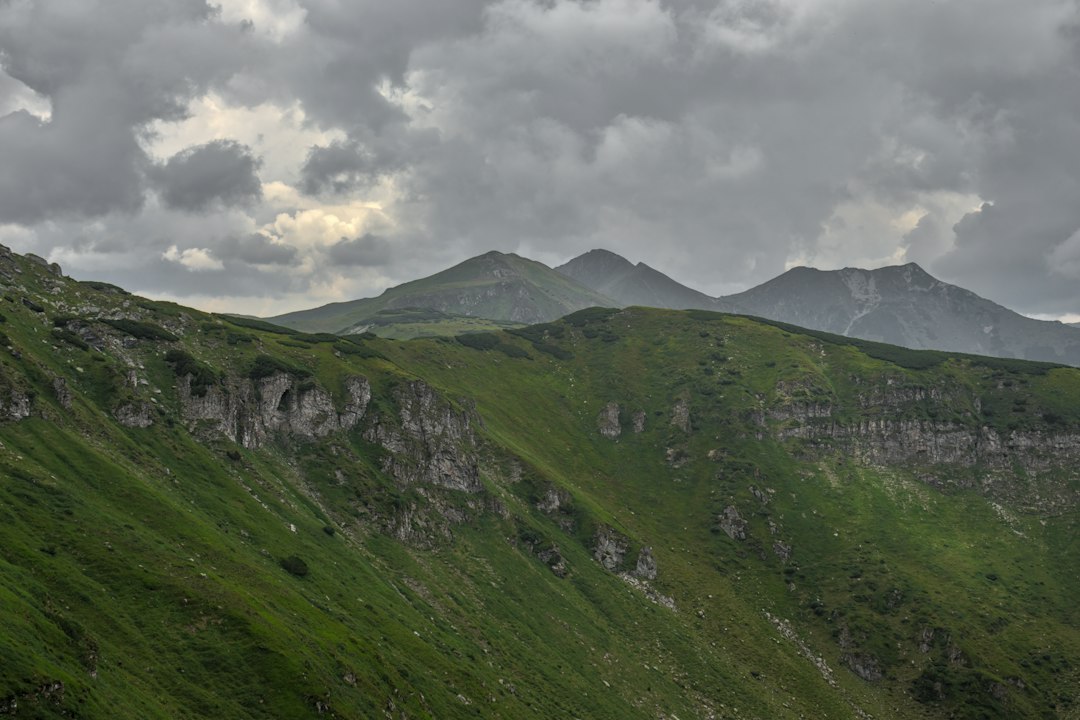
Mount Olympus isn't just a mountain; it's a theological statement carved in limestone. For the ancient Greeks, this wasn't a place you visited; it was the ceiling of the world. The summit, Mytikas Peak Mount Olympus, stands at 2,917 meters, a jagged tooth that pierces the clouds and separates the realm of men from the realm of gods. The identity of the mountain is built on exclusion. You don't belong here. The wind howls through the Enipeas Gorge like it's trying to tell you to leave. This isn't a gentle, rolling landscape; it's a hostile, vertical fortress that demands respect.
The modern identity of the climb is defined by the tension between the myth and the sweat. Tourists come expecting to see the Palace of Zeus; they leave with blisters, altitude sickness, and a profound lack of respect for the weather. The mountain doesn't care about your Instagram followers. It cares about your grip strength, your hydration, and your ability to keep moving when your legs feel like lead. The history here is written in the footprints of hikers who made it up and the ones who turned back. The mountain remembers both.
Where to Go
Spiro Trailhead — The starting point for the standard ascent. It's a dusty parking area with a few basic facilities. The trail begins here, winding up through pine forests before hitting the rocky alpine zone. Entry to the mountain itself is free, but you need to pay for the cable car if you want to skip the first 3,000 meters of walking. The trail is well-marked but demanding. Best time to start: 4:00 AM to beat the heat and the crowds.
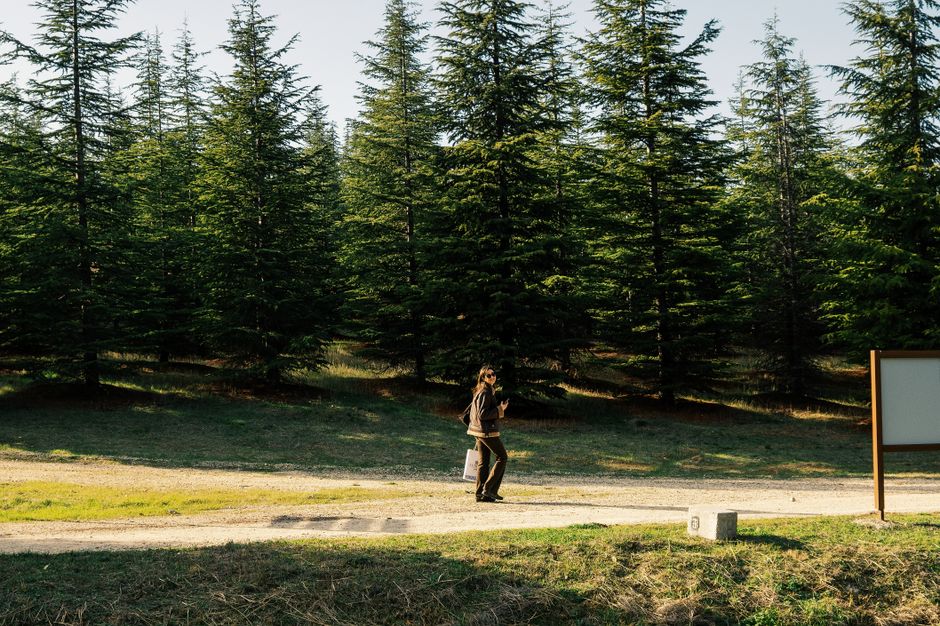
Skyra Refuge — Located at 2,470 meters, this is the last place you can eat, drink, and sleep before the final push to the summit. It's a concrete block with basic beds and a canteen. The food is cheap but essential: pasta, soup, and coffee. The beds are hard, the toilets are communal, and the air is thin. You sleep here to acclimatize before the final assault on Mytikas. It's not luxury; it's survival.
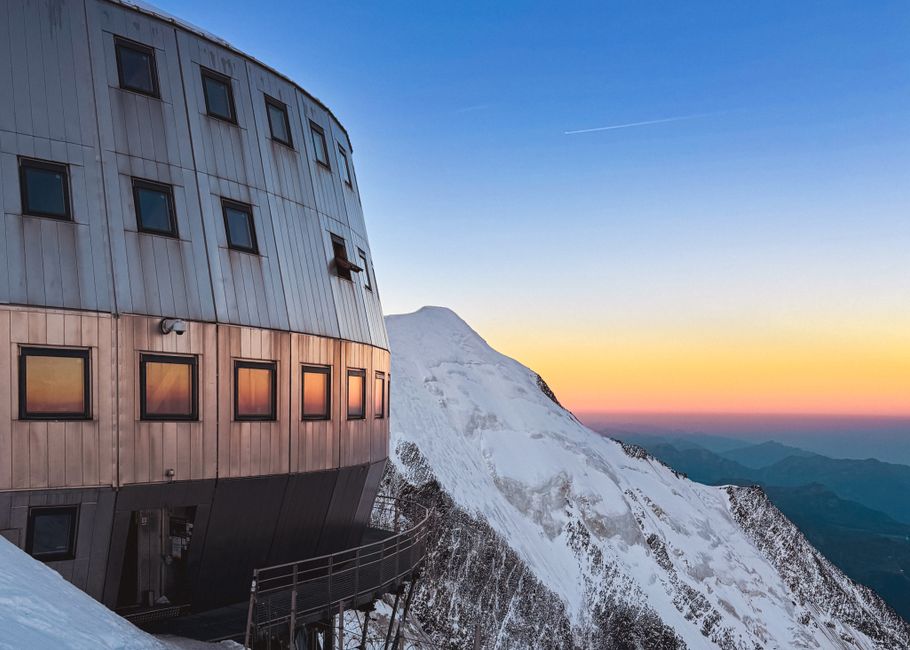
Mytikas Peak — The summit of Greece. The final 200 meters from Skyra are a brutal scramble up loose rock and steep inclines. There's no view from the top because the top is usually in the clouds. The reward isn't the view; it's the fact that you're standing on the highest point in the country. The wind is fierce, the temperature is low, and the sense of accomplishment is real. Bring gloves, even in summer.
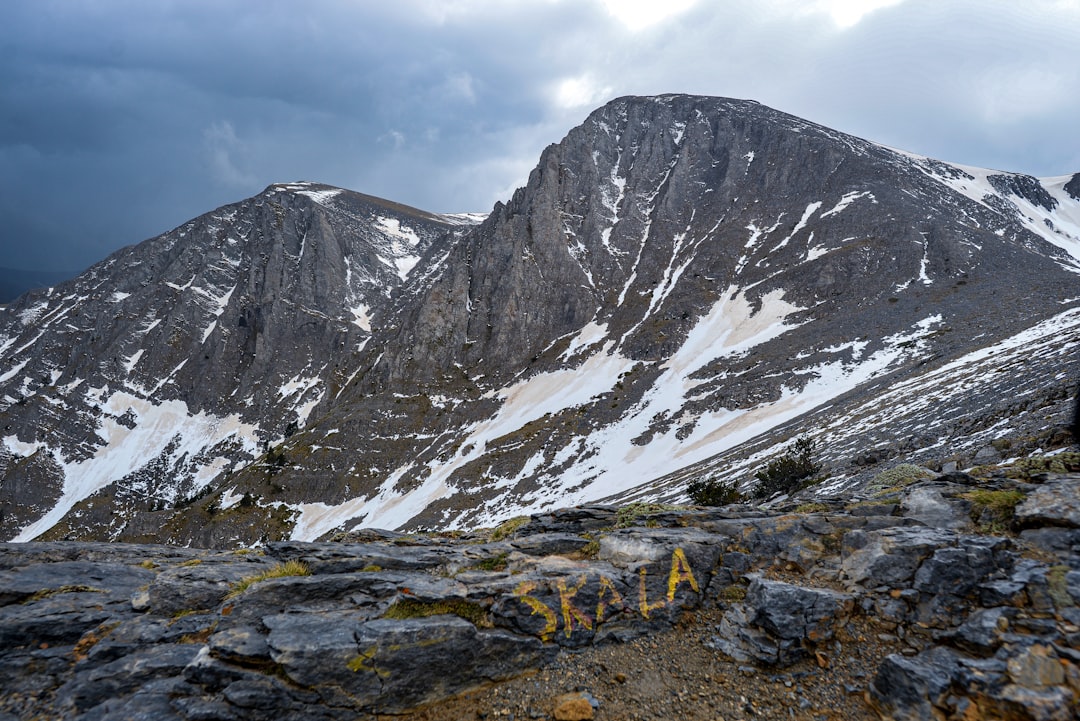
Enipeas Gorge — For those who don't want to climb, the gorge offers a stunning walk through the heart of the mountain. The trail is flat, easy, and surrounded by deep valleys and rushing water. It's the perfect alternative for families or those with bad knees. The scenery is dramatic, with waterfalls and ancient trees. It's the mountain's gentle side, but it's still powerful.
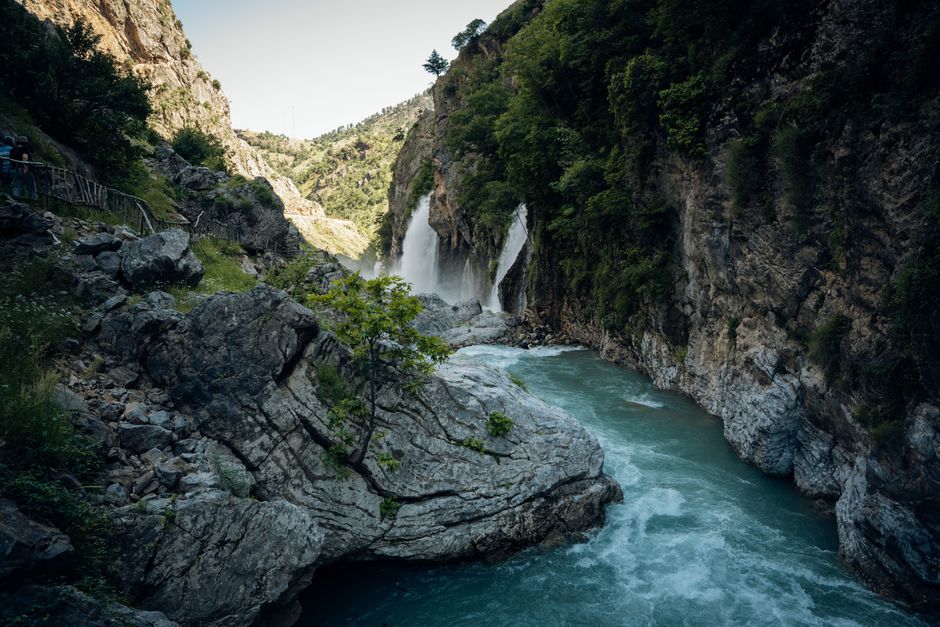
Platanos Village — The starting point for the Enipeas Gorge hike. A small, quiet village with a few tavernas and guesthouses. It's the gateway to the lower parts of the mountain, offering a more relaxed experience than the chaos of Litochoro. The people are friendly, the food is good, and the pace is slow. It's a good place to recover after a climb.
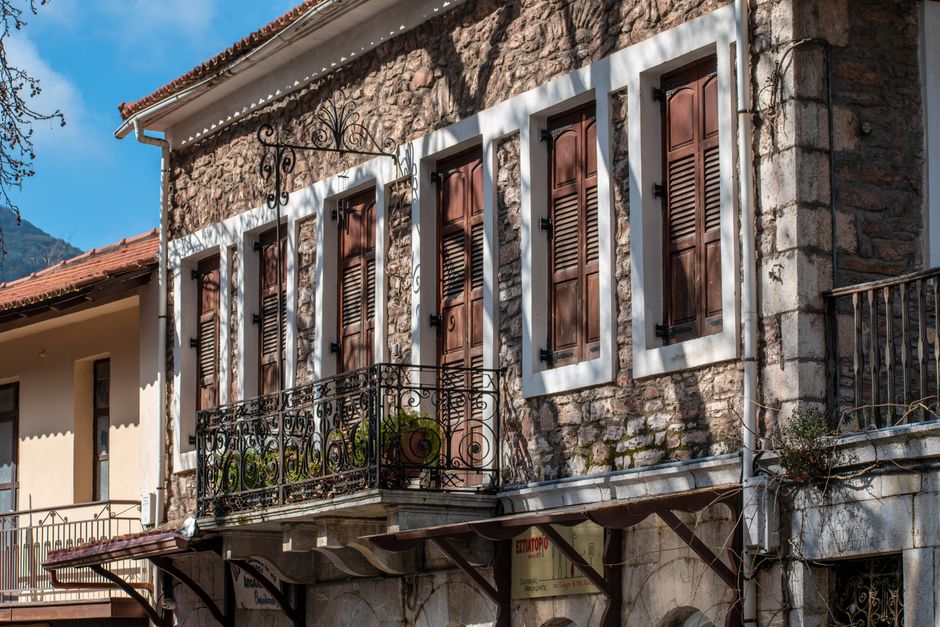
What to Eat & Drink
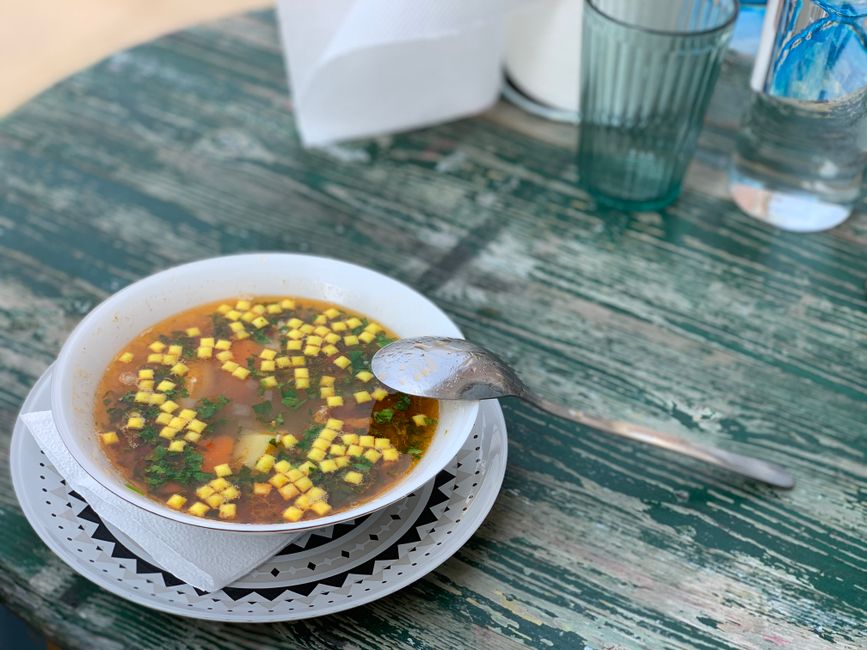
Food on the mountain is functional, not gourmet. You're eating for fuel, not flavor. At the Skyra Refuge, you'll find pasta with tomato sauce 8-10 EUR, lentil soup 5 EUR, and coffee 2 EUR. It's not Michelin-starred, but it's hot, filling, and keeps you going. Down in Litochoro, the food is better. You can find stifado (beef stew) 12-15 EUR, horta (wild greens) 6 EUR, and local cheese 4-6 EUR. Eat well before you climb. You'll need the energy.
Budget breakdown: A meal at the refuge is 10-15 EUR. A sit-down meal in Litochoro is 15-25 EUR per person. Street food and take-away options in the town are 5-8 EUR. Don't eat heavy, greasy food right before the climb. Stick to carbs and protein. Hydration is critical. Buy water at the bottom. It gets expensive up top.
Nightlife
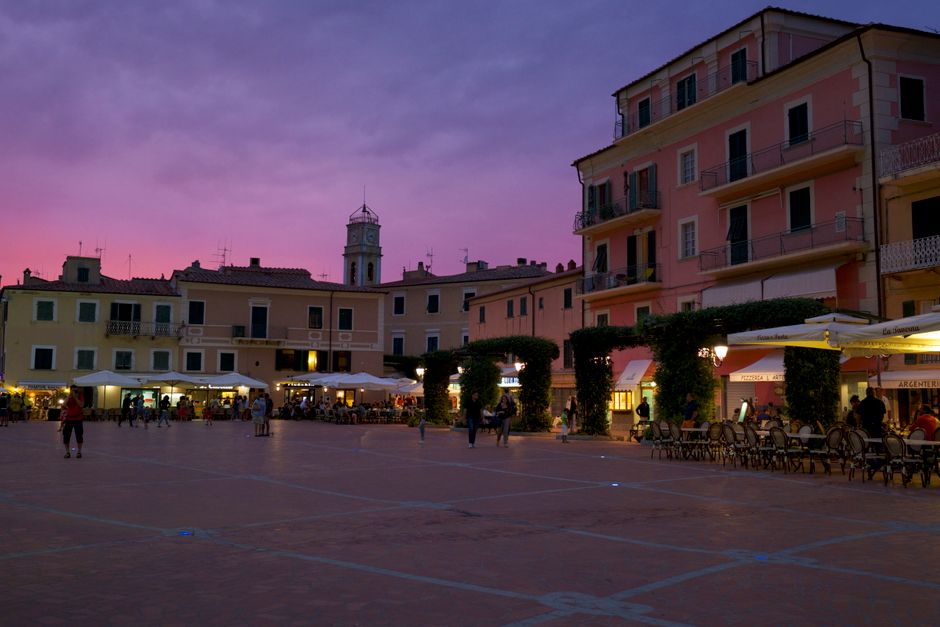
There is no nightlife on the summit. There are no bars at 2,917 meters. The only party up there is the wind. If you want nightlife, you go down to Litochoro. The town has a few bars and clubs along the main street. Club 8 is a popular spot for locals and tourists to drink beer and dance to Greek music. Taverna 1900 is a more relaxed option, with live music and local drinks. The nightlife is low-key, friendly, and centered around food and wine. It's not a party town, but it's a good place to unwind after a long day on the mountain.
Getting There & What to Expect
The nearest major city is Thessaloniki, about 100 km north. You can take a bus from Thessaloniki to Litochoro in 1.5 hours 5-7 EUR. The bus runs frequently during the day. If you drive, it's a scenic route through the Tempi Valley. The road is good, but it gets busy in summer. From Litochoro, you can take a bus to Spiro or drive up in a 4x4. The road to Spiro is steep and winding. Don't drive it if you're not comfortable with narrow mountain roads.
Accommodation: Budget hostels in Litochoro are 20-30 EUR/night. Mid-range hotels are 50-80 EUR/night. At the Skyra Refuge, a bed is 25-30 EUR/night. Book in advance during peak season (July-August). The refuge fills up fast. Best months to visit: June to September. The weather is stable, and the trails are clear. Avoid October and November. The rain and snow make the climb dangerous.
Search accommodation in Litochoro on Booking.com →
The Verdict: Gods Don't Care About Your Strava
I stood on the summit of Mytikas, shivering in the wind, and I didn't feel like a god. I felt like a tired, dehydrated idiot who had made a very expensive mistake. But it was a good mistake. The mountain doesn't give you what you want. It gives you what you need. It strips away the ego, the pretension, and the noise. It leaves you with nothing but the rock, the wind, and the realization that you're small. That's the point. The myths weren't about power; they were about humility. Mount Olympus doesn't care if you make it to the top. It only cares that you tried. And if you're smart, you'll listen to the mountain, respect the challenge, and come back down before it breaks you. Because the gods are still up there, laughing.
Comments