


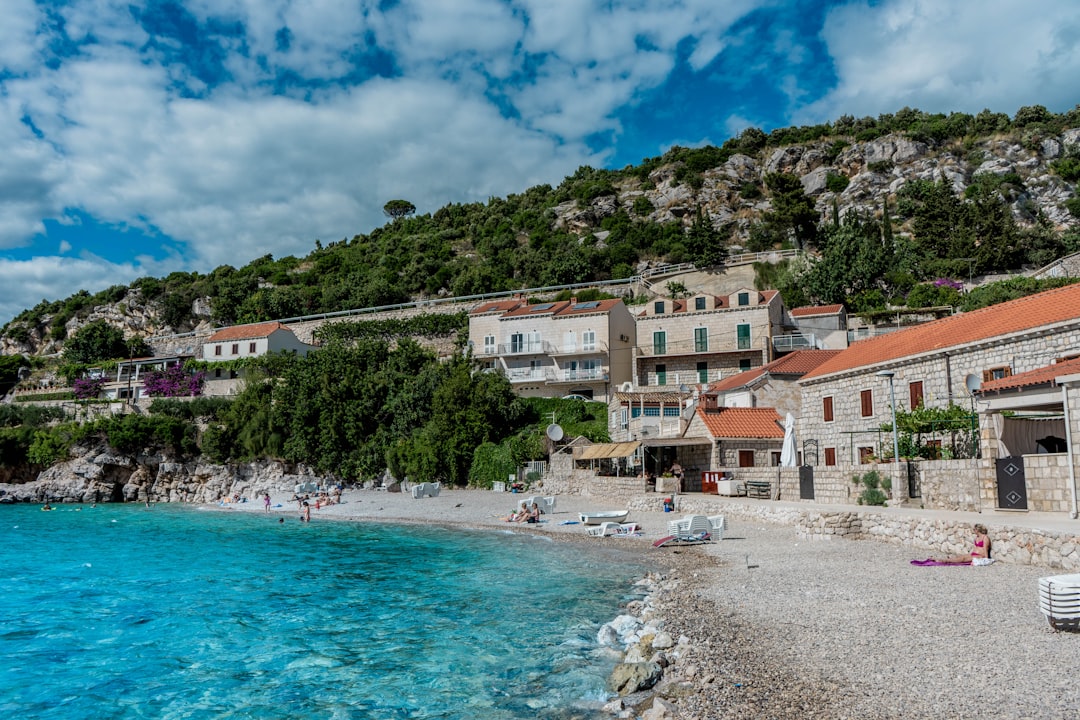
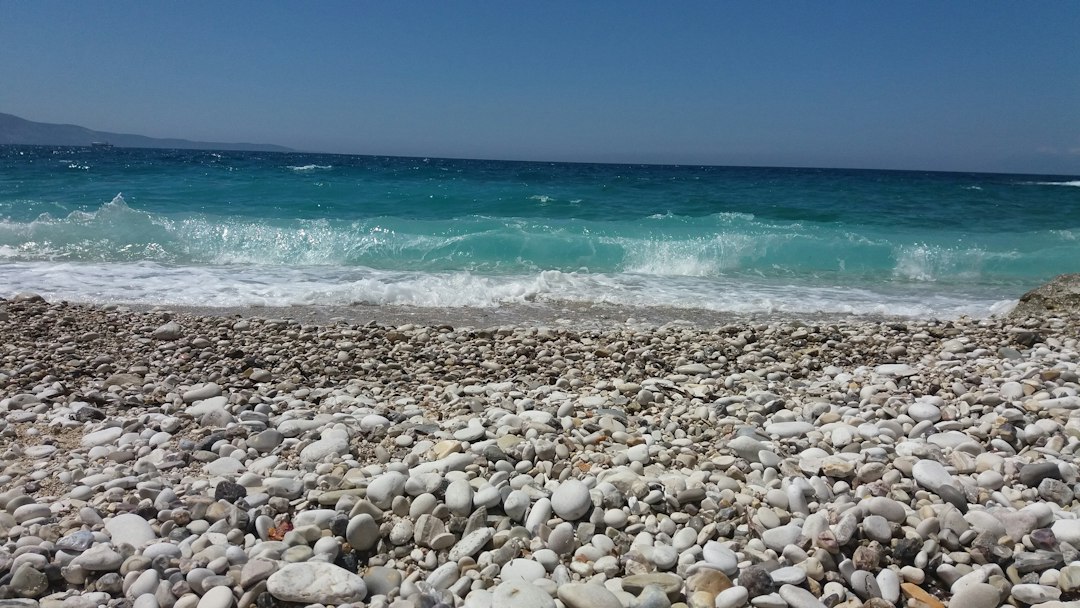
I am standing on a rock. Not a metaphorical rock. A literal, fist-sized piece of limestone that has been tumbled by the Adriatic Sea for ten thousand years until it is smooth as a river stone and white as bone. I am in Split, Croatia, and the entire beach is made of these things. Šunj, the locals call it. Pebbles. Thousands of them, packed tight, crunching under my sandals like gravel on a road. There is no sand here. There never was. The sea slaps against this armored shore with a sound like a thousand marbles hitting a tin roof.
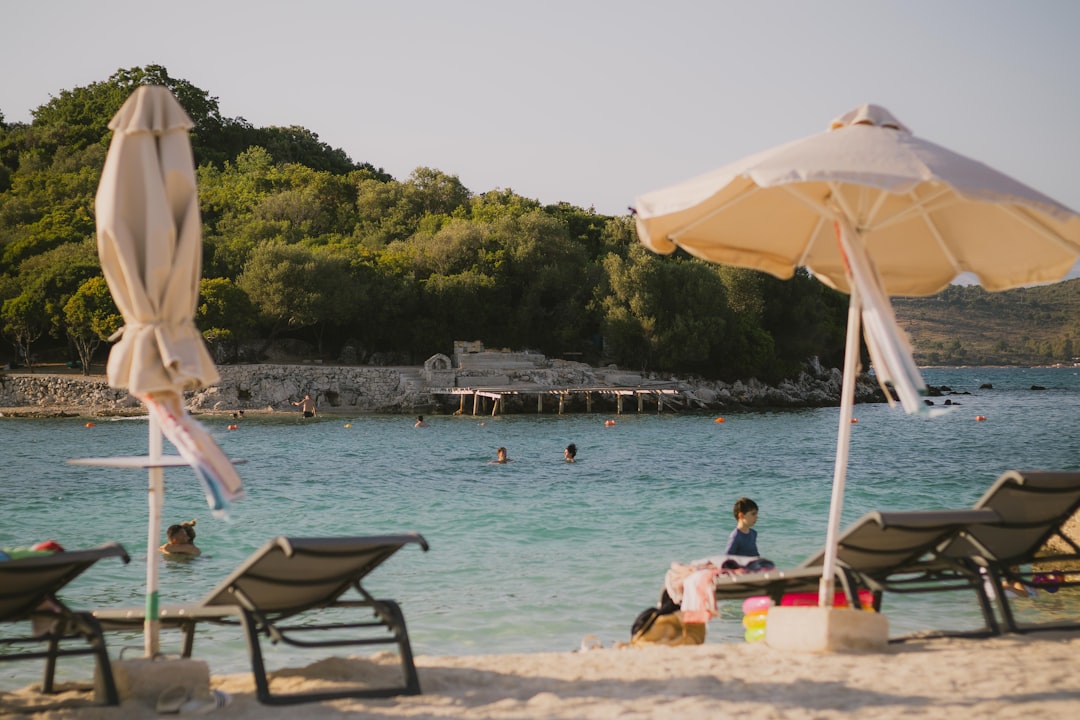
Three hundred kilometers south, the script flips. I am in Sarandë, Albania, and I am sinking. My feet are buried in fine, golden powder. The sea here whispers. It laps at the shore with a soft, hushed intimacy that feels alien compared to the percussive crash of the Croatian coast. This is not just a difference in comfort. This is a difference in geology, in history, and in the very soul of the Balkan coastline. One side of the Adriatic is built on ancient, hard stone; the other is built on the sediment of rivers that refuse to let go.
The Limestone Fortress
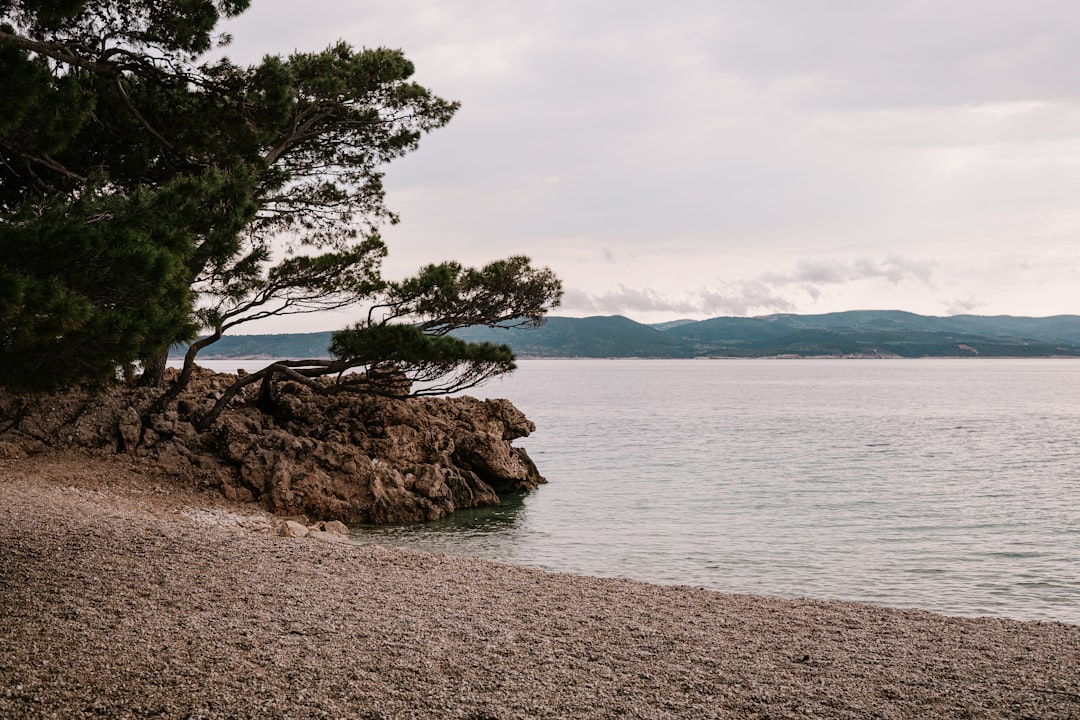
The Croatian coast is a geological fortress. For millions of years, this part of the Dinaric Alps was submerged under a warm, shallow sea. As the tectonic plates of Africa and Eurasia smashed together, the seabed was thrust upward, creating a jagged spine of limestone and karst. This rock is porous, brittle, and relentless. When the waves hit it, they do not erode it into sand. They shatter it into pebbles. The Adriatic current sweeps these stones along the coast, polishing them, rounding their edges, but never breaking them down small enough to become sand.
This is why beaches in Dubrovnik, Split, and Zadar are almost entirely composed of šunj. The rocks range from tiny grains to fist-sized boulders, depending on the slope of the seabed. In some places, like the island of Brac, the stone is so white it glows in the sun. This is the same limestone that clad the Sebilj fountain in Zagreb and the exterior of many historic buildings. The coast is an extension of the mountain. The water is crystal clear, yes, but it is cold, deep, and unforgiving. You do not lounge on these beaches; you navigate them.
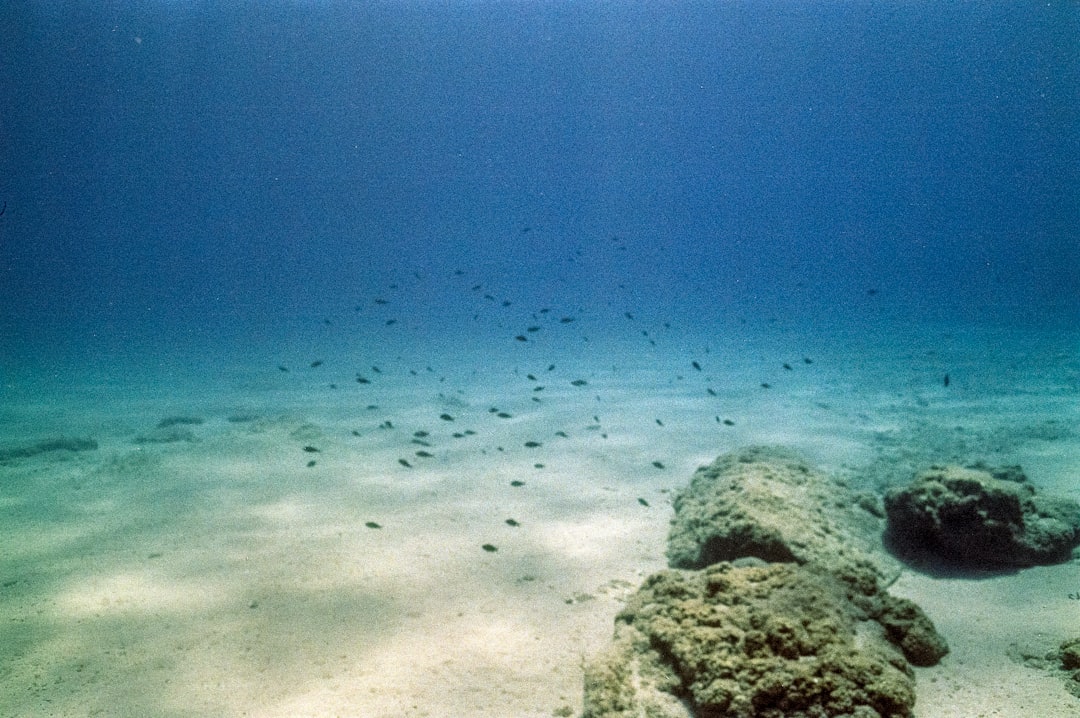
The lack of sand is not a bug; it is a feature of the landscape. It means the water stays clean. There is no silt to cloud the visibility. You can see the bottom for fifty meters out. But it also means you need the right footwear. Flip-flops are for tourists who want to bleed. Locals wear gospa, rubber sandals with thick soles, designed to withstand the abrasive crunch of the stones. The beach is a place of endurance, not just relaxation.
The River's Gift
Turn south into Albania, and the geology changes dramatically. The Albanian coast is part of the Pindus mountain range extension, but it is also the terminus of several major rivers. The Drin River, the Vjosa, and the Seman carry millions of tons of sediment from the mountains every year. Unlike the dry, rocky rivers of Dalmatia, these waterways are heavy with clay, silt, and fine particles. When they hit the Adriatic and the Ionian Sea, they deposit this load, building up vast deltas and sandy beaches.
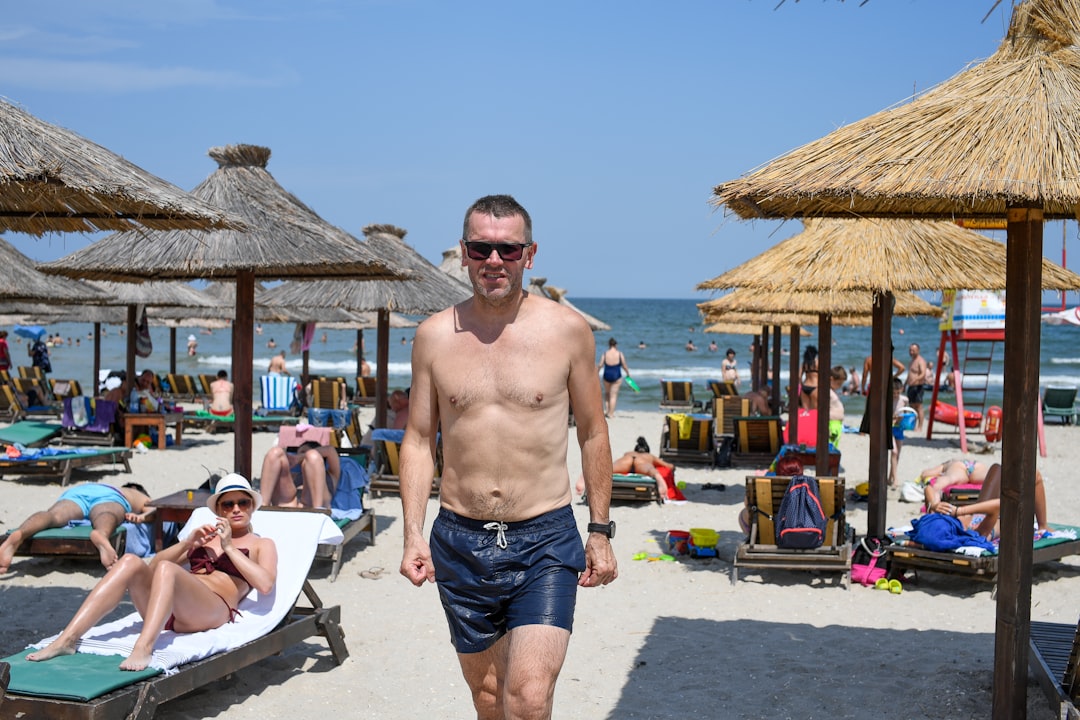
The result is a coastline of soft, golden sand. The beaches in Ksamil, Butrint, and Porto Palermo are wide, flat, and inviting. The sand is often mixed with shells, adding a pearlescent quality to the shore. The water here is shallower, warmer, and calmer. It is a family beach. Children can run out a hundred meters without getting wet. The sea does not crash; it caresses. This is a Mediterranean coast in the classic sense, reminiscent of Greece or southern Italy, rather than the rugged, karstic coast of Croatia.
But this sand is fragile. It is constantly shifting, reshaped by winds and storms. The beaches are not permanent features; they are temporary accumulations of sediment that must be replenished. This makes them more vulnerable to erosion and human impact. The sand can disappear if the rivers are dammed or diverted, cutting off the supply of fresh sediment. The Albanian coast is a living, breathing system, constantly in flux.
The Human Element
The geology shapes the culture, and the culture shapes the geology. In Croatia, the pebble beaches have led to a culture of konoba dining. You sit at a table on the stone, drink plava nada (Blue Hope), and eat grilled fish. The beach is a place for adults, for conversation, for enduring the elements with style. The infrastructure is built to last, carved into the rock, designed to withstand the sea. The hotels are concrete, the promenades are stone, the atmosphere is permanent.
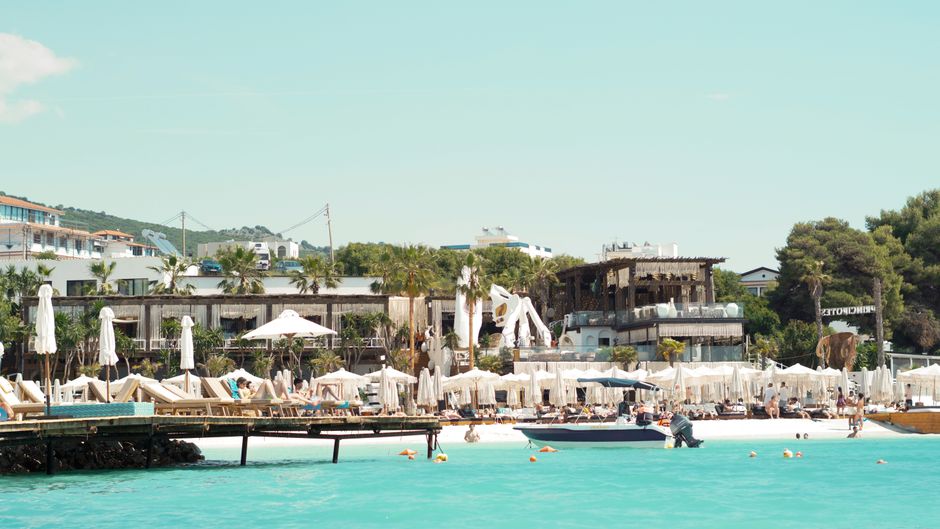
In Albania, the sand beaches have led to a culture of all-inclusive tourism and vibrant nightlife. The beaches are crowded, lively, and colorful. Umbrellas are planted in the sand like flowers, and bars are built on stilts over the water. The infrastructure is more temporary, more adaptable. The beach is a place for fun, for sunbathing, for losing yourself in the crowd. The atmosphere is fleeting, like the sand itself.
Both approaches have their merits. The Croatian coast offers clarity, permanence, and a connection to the ancient earth. The Albanian coast offers softness, warmth, and a sense of flow. They are two different ways of being with the sea. One is a fortress; the other is a river. One is stone; the other is sand.
Getting There & What to Expect
Reaching these two distinct worlds requires different approaches. For the Croatian coast, fly into Split Airport or Dubrovnik Airport. Both have connections from major European hubs. From Split, you can take a bus to Dubrovnik, a journey of about 4-5 hours along the stunning Dalmatian coast. The roads are well-maintained, and the scenery is breathtaking. For the Albanian coast, fly into Tirana International Airport and take a bus or drive south to Sarandë. The journey takes about 4-5 hours, passing through the stunning Albanian Riviera. The roads are improving, but they can be challenging in places. Alternatively, fly directly into Korçë Airport for a closer start, though options are limited.
Accommodation prices vary significantly. In Croatia, expect to pay 80-150 EUR per night for a mid-range hotel in Split or Dubrovnik. Hostels are available for 20-40 EUR per night. In Albania, prices are significantly lower. A mid-range hotel in Sarandë or Ksamil will cost 40-80 EUR per night, while hostels are available for 10-20 EUR per night. Food is also cheaper in Albania, with local dishes like byrek and fërgesë available for 3-5 EUR per serving. In Croatia, expect to pay 8-15 EUR for a similar meal.
The best time to visit Croatia is from June to September, when the weather is warm and the sea is calm. The peak season is July and August, when the beaches are crowded and prices are high. For Albania, the best time is from May to October, with September being particularly pleasant. The sea is warm, the crowds are thinner, and the prices are lower. Both coasts offer stunning sunsets, but the Albanian coast has the added bonus of warmer water temperatures.
Split Sarandë Dinaric AlpsSearch accommodation in Split on Booking.com →
The Final Verdict
I leave the Croatian coast with a sense of solidity. The stones under my feet feel like the bones of the earth, ancient and unyielding. I leave the Albanian coast with a sense of lightness. The sand in my toes feels like the breath of the wind, fleeting and free. Both are beautiful. Both are real. But they are not the same. The Adriatic is a mirror, reflecting the geology of the land that holds it. One side is stone; the other is sand. Choose your beach wisely.
Comments