


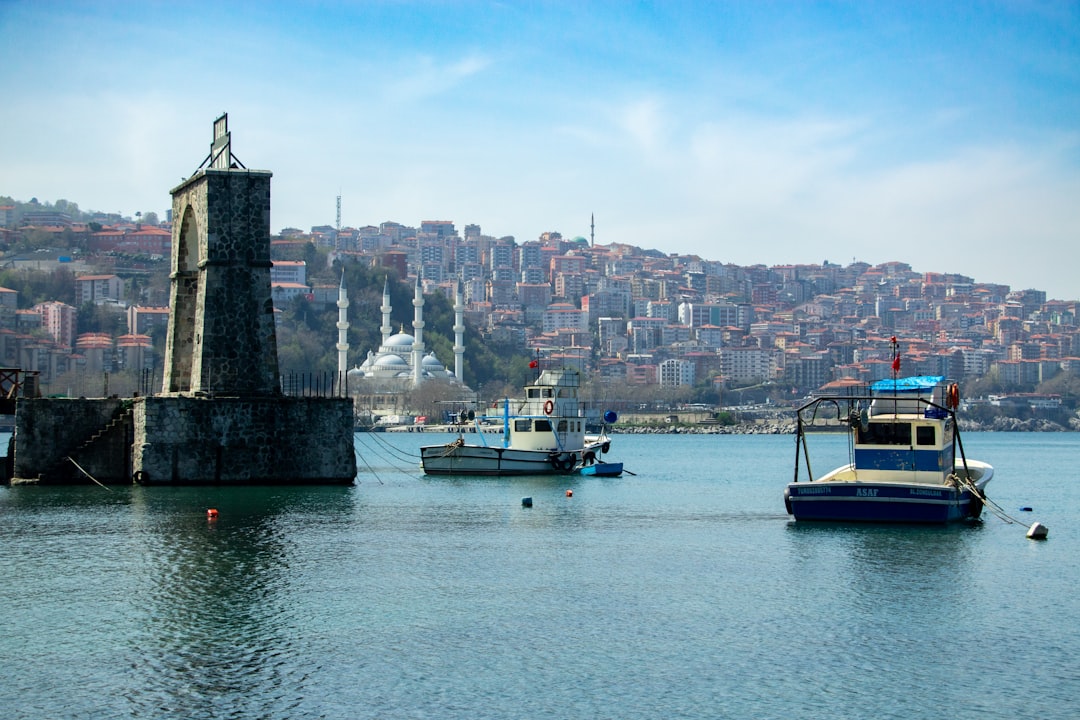
The heat in Ephesus doesn't just sit on you; it interrogates you. It’s 3 PM, the sun is a white-hot coin nailed to the sky, and I’m standing ankle-deep in a sea of tour groups, all of them sweating through their linen shirts, all of them staring at the same broken columns as me. I bought a ticket at the gate, shoved a crumpled map into my pocket, and immediately got lost in the crowd. A Turkish guide with a megaphone is screaming about Romans, another is whispering about Christians, and somewhere in the middle, a kid in a backpack is trying to sell me a "handmade" souvenir that smells like plastic and desperation. I push past them, ignoring the collective flow of humanity, and duck into a shadowed alleyway of stone. The noise fades. The marble under my feet is warm enough to fry an egg. This isn't a museum. It’s a graveyard of ambition, and I’m the only one who seems to realize that the silence between the ruins is louder than the guides’ shouts.
I come here not to check off a bucket list, but to feel the weight of a city that once held the world in its palm. Ephesus wasn’t just a town; it was a metropolis, a hub of trade, religion, and power that rivaled Rome itself. Now, it’s a skeleton. But skeletons have stories, and if you listen closely, the wind through the colonnades still carries the whispers of merchants, priests, and philosophers. I’m here to find them, or at least to find the echo of their lives in the dust and the stone.
History & Identity
Ephesus rises from the ruins of a city that was founded by the Ionian Greeks around the 10th century BC, but it was the Romans who turned it into a spectacle. By the first century BC, it was one of the largest cities in the Mediterranean, home to over 250,000 people. The identity of this place is layered, almost like sedimentary rock. You have the Greek foundations, the Roman grandeur, the early Christian fervor, and the Byzantine decline, all stacked on top of each other. The Temple of Artemis, one of the Seven Wonders of the Ancient World, stood here, drawing pilgrims from across the known world. When Paul the Apostle arrived, he didn’t just preach; he sparked a riot because his message threatened the local economy of idol-making. That’s the kind of power this place held.
The city’s decline was slow and brutal. The harbor, once a bustling port for ships from Egypt and Asia, began to silt up as the Cayster River changed its course. By the Middle Ages, the city was largely abandoned, swallowed by the earth and the sea. What we see today is the result of over a century of archaeological excavation, mostly by German teams starting in the 19th century. The identity of modern Ephesus is that of a reconstructed memory, a place where the past is so vivid it feels like it’s waiting to step back into life. The marble streets are polished by millions of feet, both ancient and modern, creating a strange continuity across the millennia.
Today, Ephesus is part of the broader Selçuk district in İzmir Province, serving as a bridge between the ancient world and modern Turkey. The town of Kuşadası nearby provides the modern infrastructure, but the soul of the place remains here, in the dust and the stone. It’s a place where history isn’t just read; it’s walked, touched, and felt in the heat of the afternoon sun.
Where to Go
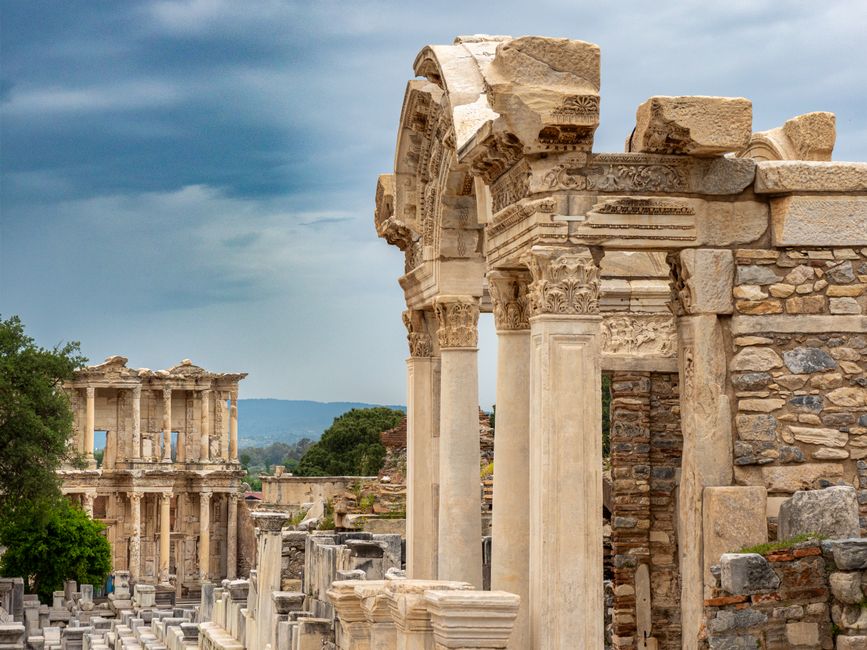
The Library of Celsus — This is the icon, the postcard image, the reason most people come. The facade is a masterpiece of Roman architecture, with towering columns, intricate carvings, and statues of Wisdom, Knowledge, Intelligence, and Valor. Inside, it was a tomb for the Roman proconsul Tiberius Julius Celsus Polemaeanus. The entrance fee is included in the general ticket, and it’s best visited early in the morning or late in the afternoon to avoid the worst of the crowds and the heat. The play of light on the marble is dramatic, almost theatrical.
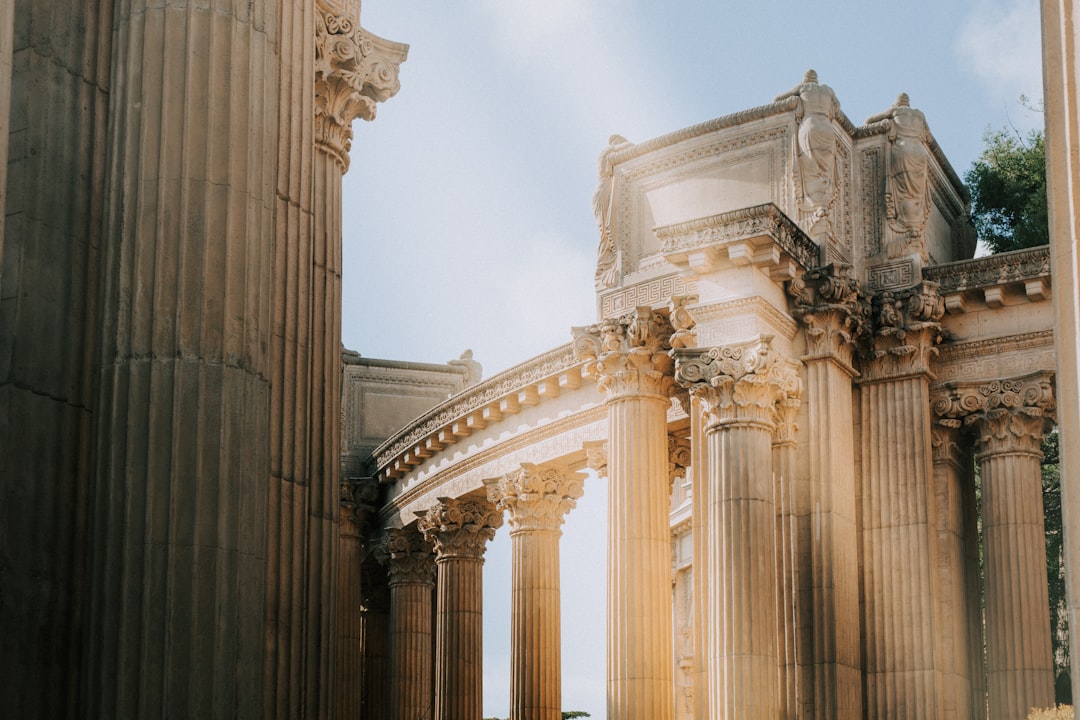
The Great Theatre — This wasn’t just a place for plays; it was a political arena where crowds of 25,000 gathered to hear speeches, watch gladiatorial games, and riot. The acoustics are still perfect; a whisper from the stage can be heard in the highest seats. Paul is said to have spoken here, and the energy of the place is palpable. It’s a massive structure, carved into the hillside, and climbing the steps gives you a view of the entire ancient city. It’s physically demanding but worth it for the perspective.
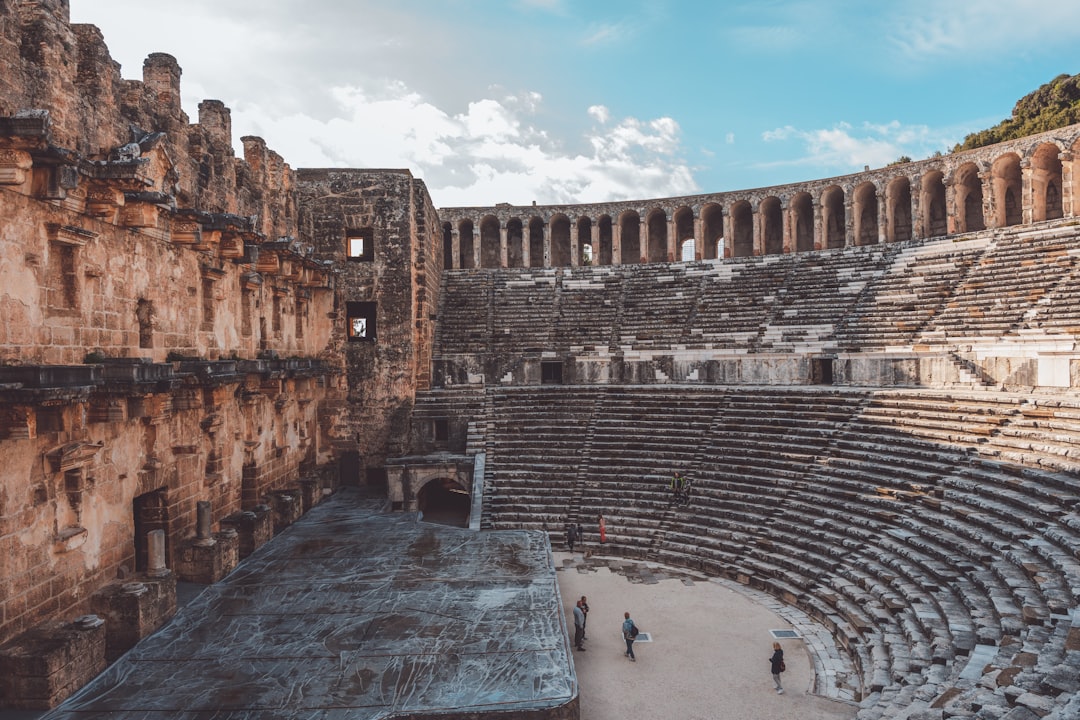
The Terrace Houses — These are the jewels of Ephesus, discovered relatively recently in the 1970s. They were the mansions of the wealthy elite, featuring mosaic floors, frescoes, and advanced plumbing systems. The preservation is remarkable, with colors still visible on the walls and intricate designs on the floors. It’s a separate ticket, but it’s essential for understanding the daily life of the people who lived here. The intimacy of the spaces contrasts sharply with the grandeur of the public buildings.
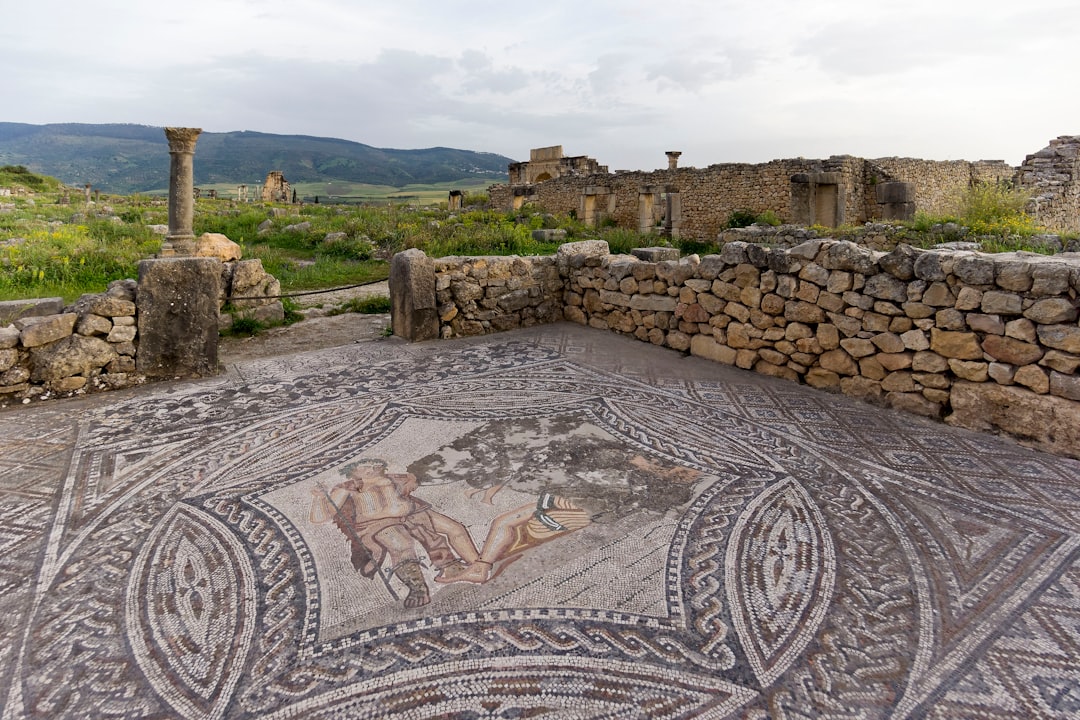
The Curetes Street — This is the main artery of the ancient city, a wide, marble-paved street lined with shops, fountains, and temples. Walking down it, you can almost hear the hustle and bustle of the market. The street is divided into three sections, with the central part reserved for pedestrians and the sides for carts. It’s a testament to the urban planning of the Romans, who understood the importance of order and flow in a busy city.
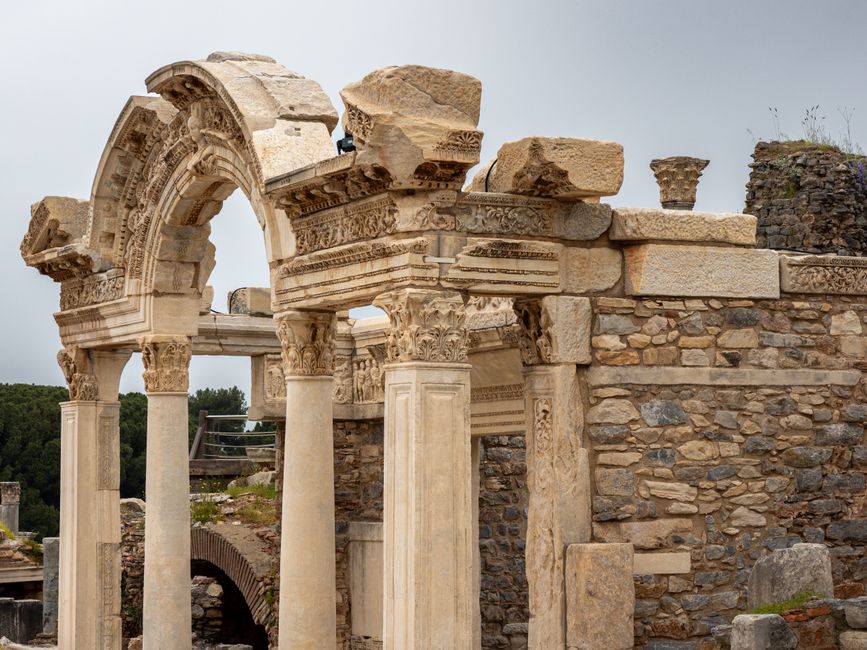
The Temple of Hadrian — A small, well-preserved temple dedicated to the Roman emperor Hadrian. It’s located near the end of the Curetes Street and offers a quiet spot to reflect on the imperial cult that was central to Roman life. The architecture is simple but elegant, with a porch supported by four columns. It’s a reminder that even emperors were worshipped as gods.
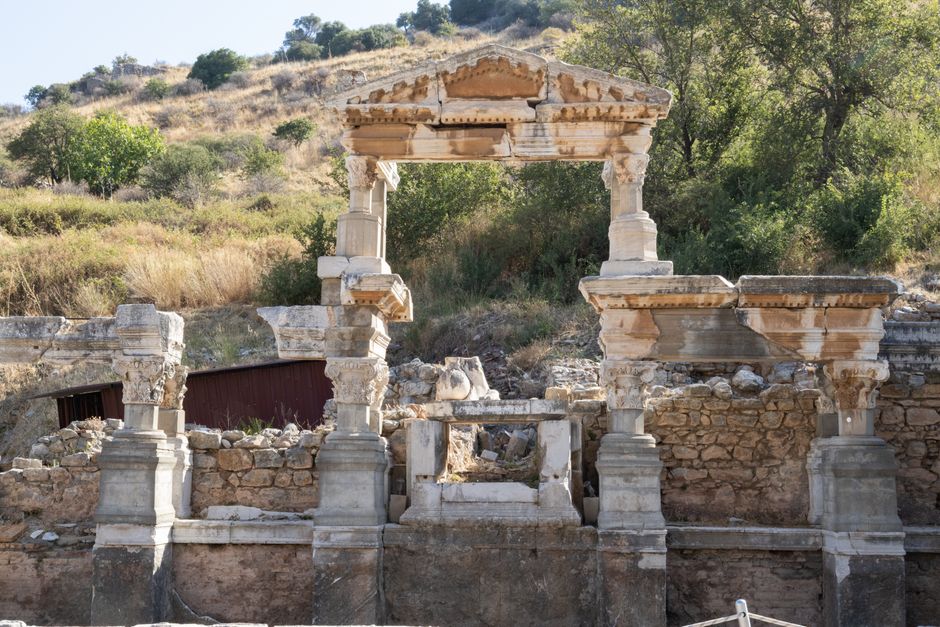
The Ancient Harbor — The harbor is now far inland, a victim of silting, but the remains of the quay and the columns that once lined it are still visible. It’s a poignant reminder of the city’s decline, as the sea retreated and the city was left high and dry. The view from the harbor area back towards the city is dramatic, with the ruins rising from the earth like a dream.
What to Eat & Drink
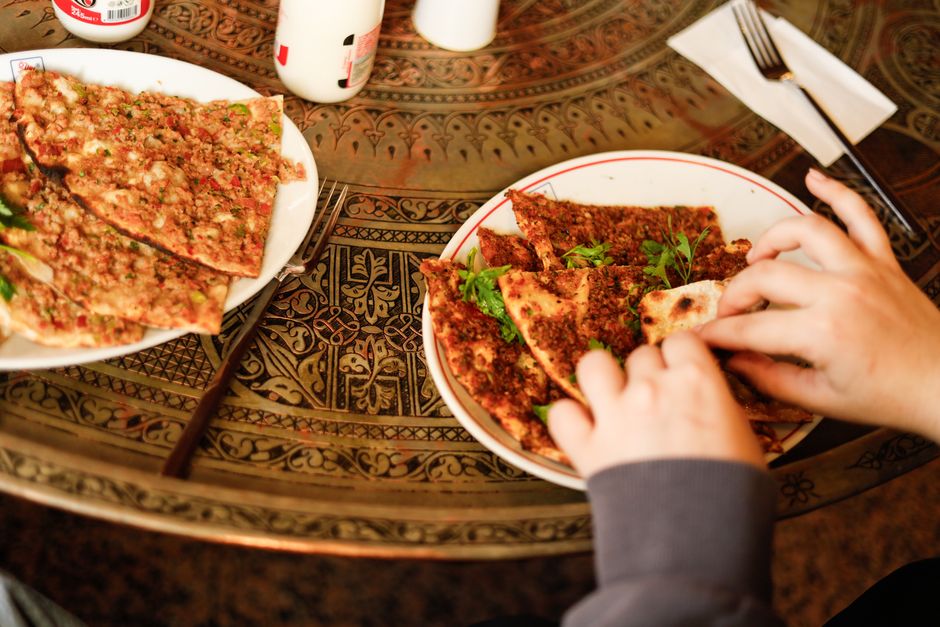
The food scene in and around Ephesus is a mix of Turkish classics and local specialties. In the nearby town of Selçuk, you’ll find plenty of options, from street food stalls to sit-down restaurants. Lahmacun — a thin, crispy pizza-like dish topped with minced meat, vegetables, and herbs — is a must-try, costing around 3-5 EUR per plate. It’s often eaten with lemon and onions, wrapped up like a taco. Kayseri Kebap — grilled meat skewers served with flatbread and yogurt — is another staple, priced at 8-12 EUR. For a lighter option, Fava — a yellow split pea puree served with onions and olive oil — is a local favorite, costing around 2-4 EUR.
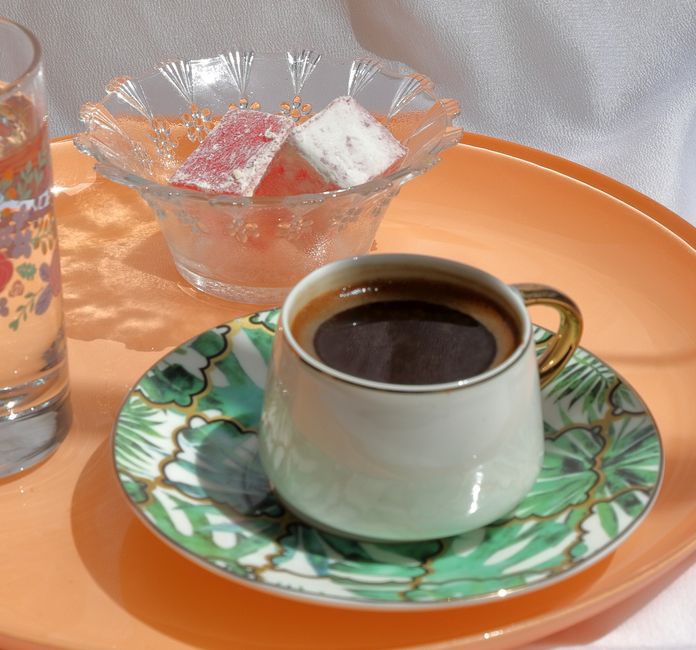
Budget travelers can easily eat for 5-10 EUR per day by sticking to street food and local markets. Sit-down meals at mid-range restaurants will set you back 15-25 EUR per person, including drinks. The Selçuk Central Market is a good place to sample local produce and snacks, and there are several food courts near the bus station for quick, cheap meals. For a taste of something different, try Turkish Coffee — strong, sweet, and served with a piece of lokum (Turkish delight) — for about 2-3 EUR.
Nightlife
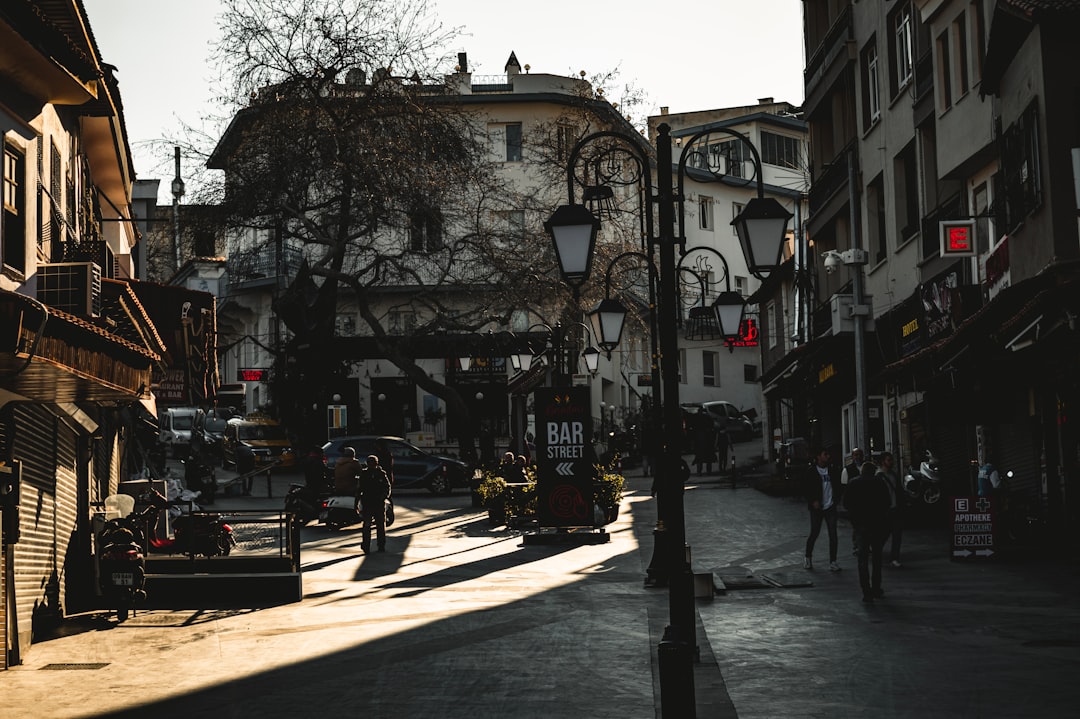
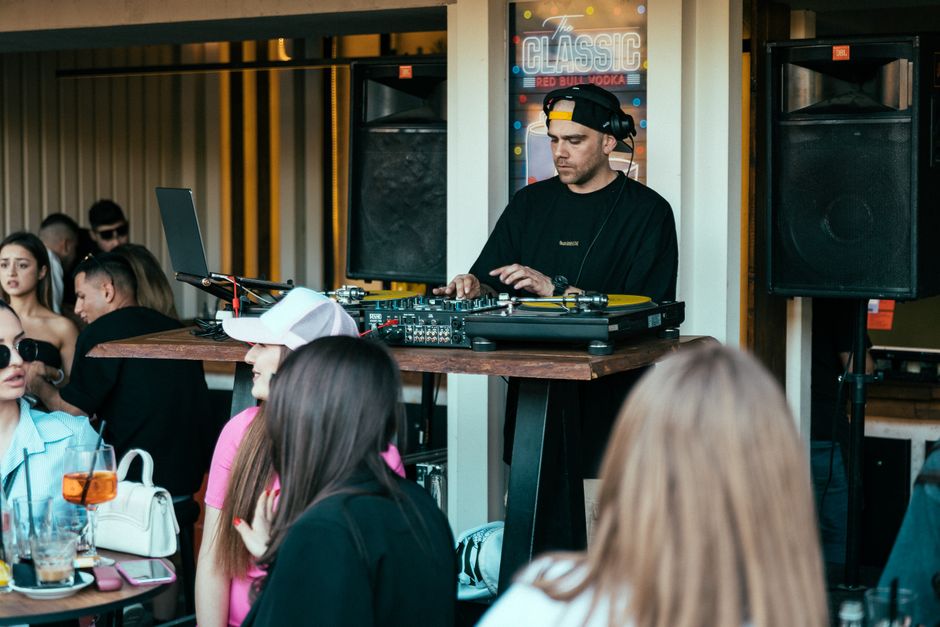
Nightlife in Ephesus itself is non-existent; the site closes at sunset, and the area is quiet and dark. For evening entertainment, you need to head to Kuşadası, a coastal resort town about 15 kilometers away. The main strip, Bar Caddesi, is lined with bars, clubs, and restaurants, catering to a mix of tourists and locals. Venues like Lele Bar and Atlantis Beach Club offer live music, DJs, and a lively atmosphere, with cover charges ranging from 5-10 EUR depending on the night. The vibe is more European resort than ancient wonder, but it’s a good way to unwind after a day of exploring the ruins.
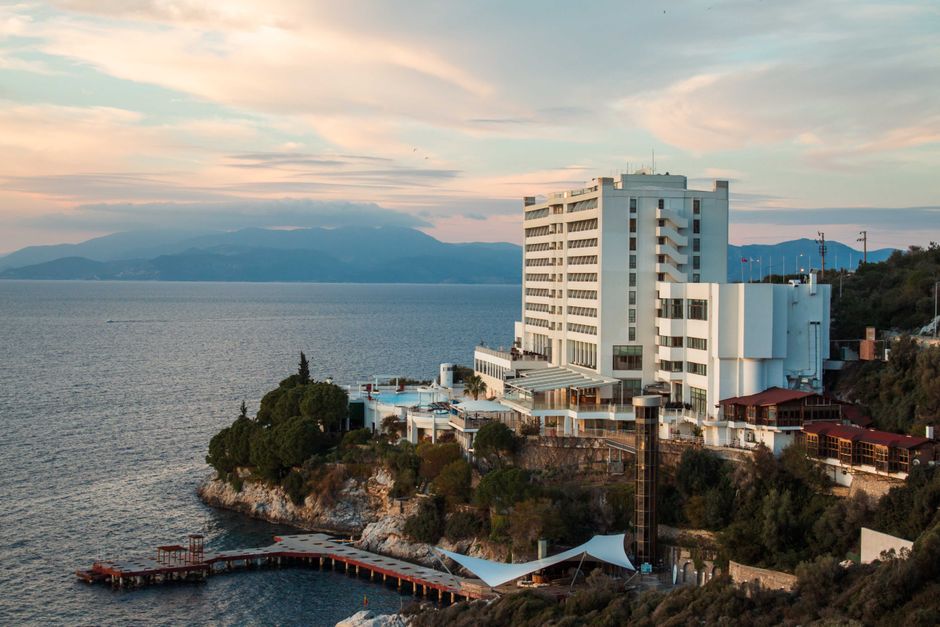
For a more subdued experience, the hotel bars in Kuşadası offer sea views and cocktails, with prices starting at 8-15 EUR per drink. The nightlife scene is seasonal, peaking in the summer months, and can be quite crowded. If you prefer a quieter evening, many hotels in Selçuk offer rooftop terraces with views of the ruins, perfect for a glass of wine or a local rakı under the stars.
Getting There & What to Expect
The nearest major airport is Adnan Menderes Airport in İzmir, about 80 kilometers from Ephesus. From the airport, you can take a shuttle bus to Kuşadası or Selçuk, costing around 10-15 EUR and taking about 1.5 to 2 hours. Alternatively, you can rent a car for 30-50 EUR per day, which gives you more flexibility to explore the surrounding area. Buses run regularly from İzmir to Selçuk, costing around 5-8 EUR and taking about 1.5 hours.
Accommodation in Selçuk ranges from budget hostels at 15-30 EUR per night to mid-range hotels at 40-80 EUR per night. In Kuşadası, prices are higher, with budget options starting at 20-40 EUR and mid-range hotels at 60-120 EUR. The best months to visit are April to June and September to October, when the weather is mild and the crowds are thinner. Summer can be extremely hot and crowded, while winter is cool and rainy, with some sites partially closed.
Search accommodation in Selçuk on Booking.com →
The Silence After the Crowd
I leave as the sun begins to set, casting long shadows across the marble streets. The tour groups are gone, the guides have packed up their megaphones, and the silence is back. It’s a different kind of silence now, heavier, more profound. I walk back down the Curetes Street, my feet tired, my mind full. The ruins are no longer just stone; they are a testament to the fragility of human ambition. Empires rise and fall, cities are built and abandoned, but the earth remains. I step off the marble and onto the dirt road leading back to the modern world, carrying a piece of the past with me. It’s not just a place to see; it’s a place to feel, to remember, and to question. And in that questioning, there is a strange kind of peace.
Comments