


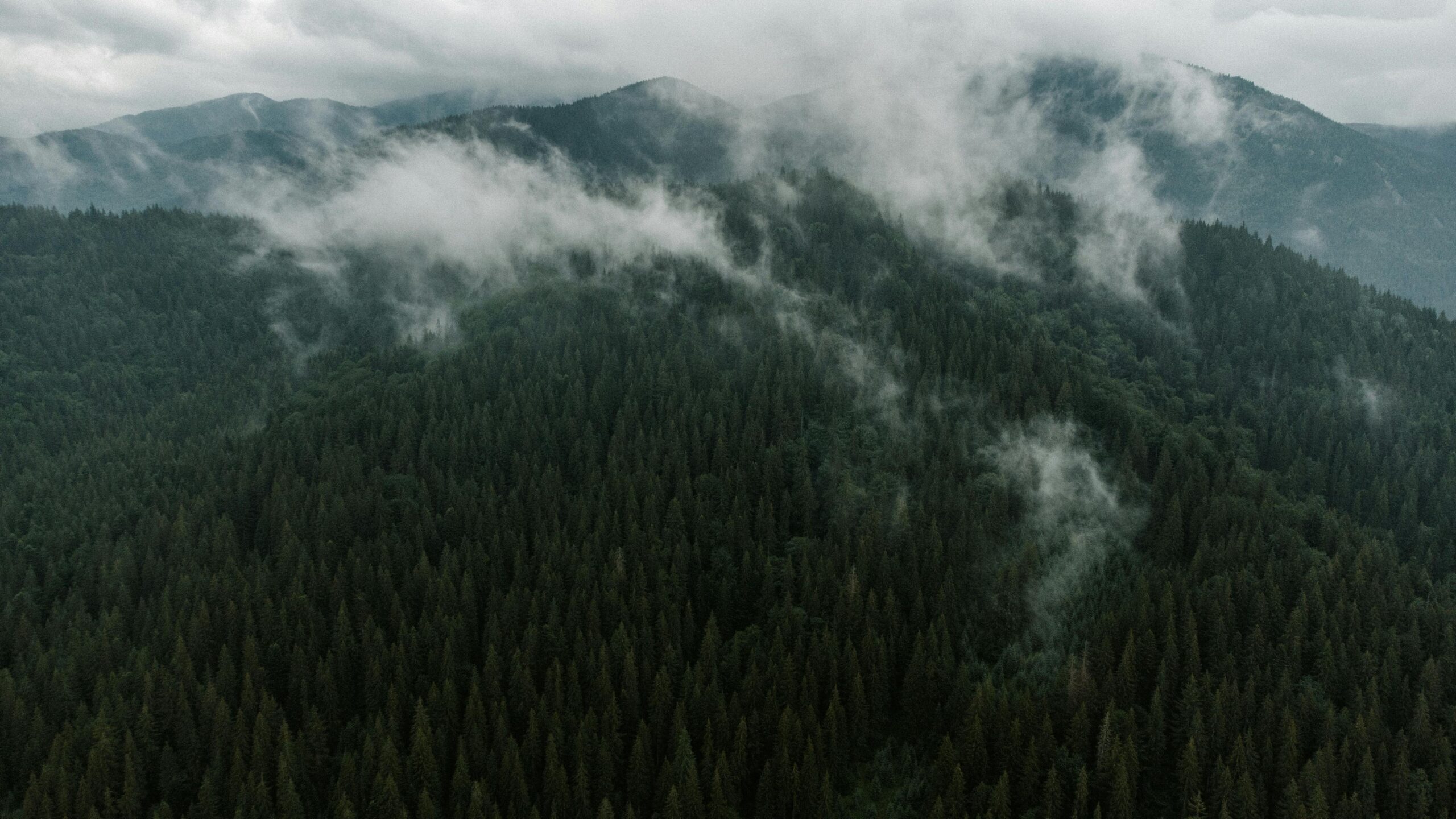
A Lush Anomaly in the Karst Mountains
Tucked away in the rugged northern slopes of the Velebit mountain range, Štirovača stands as one of Croatia's most enigmatic natural treasures. While the broader Velebit landscape is often defined by dry, rocky karst terrain and exposed peaks, this high-altitude forest basin offers a striking contrast. Situated at roughly 1,100 meters above sea level, the valley is a sheltered pocket of cool microclimate, dense with thick stands of beech and spruce. The area feels enclosed, wet, and vibrantly green, almost like a natural amphitheater of forest life suspended high in the mountains.
The water system here is particularly unusual for a karst region, where surface water typically drains quickly underground. Štirovača, however, retains a network of springs, small streams, and moist grasslands that sustain its rich ecosystem. This abundance of water allows the dense coniferous and mixed forests to thrive, creating a habitat that ecologists describe as a remnant of colder climatic periods in European natural history. These spruce and beech communities are rare at this latitude, surviving only in specific mountain microclimates, which makes the valley scientifically significant as well as visually striking.
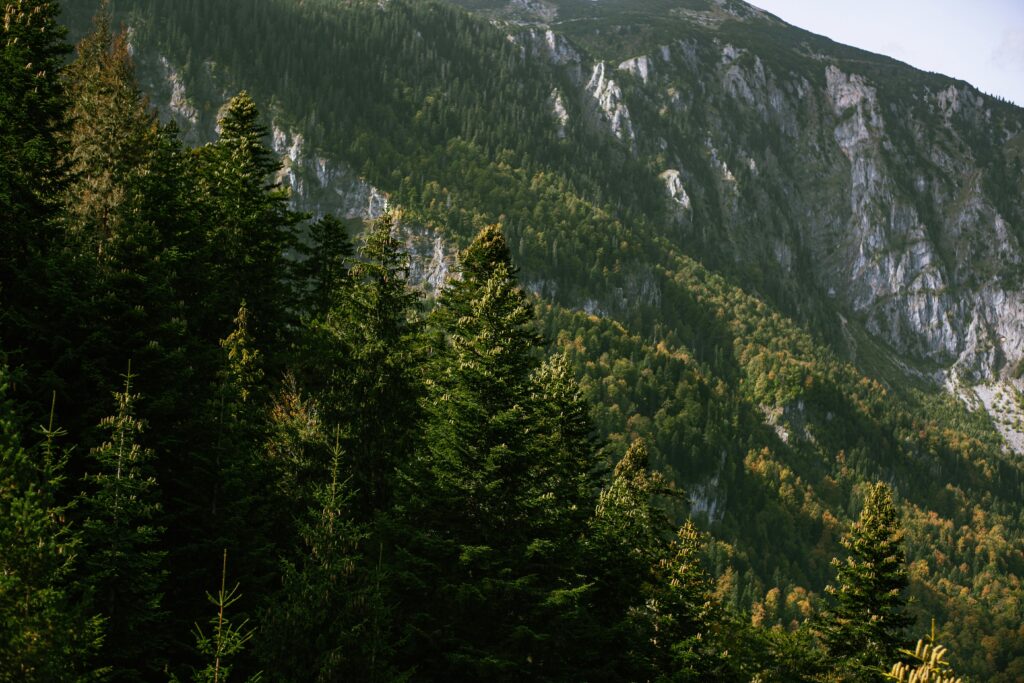
A Brief History of National Park Status
What truly sets Štirovača apart is its unusual conservation history. In the late 1920s, the area was among the very first in Croatia to be designated for national park-level protection. This move predated the formal establishment of many of the country's best-known protected areas. However, the status was short-lived. Due to shifting conservation policies and priorities at the time, the national park designation was revoked after only about a year. Today, Štirovača is no longer a standalone national park, but parts of it remain protected as a forest vegetation reserve within the broader Velebit conservation framework.
The valley has not always been untouched wilderness. Throughout the early and mid-20th century, the area saw forestry activity, seasonal settlements, and small-scale infrastructure like sawmills and workers' housing. These human activities left their mark on the landscape, shaping it alongside natural processes. Despite this history of use, large sections of the forest remain dense and atmospheric, preserving their ecological integrity. For local hikers and nature enthusiasts, Štirovača remains a well-recognized excursion spot, offering a quiet, immersive experience far from the crowds of more famous Croatian destinations.
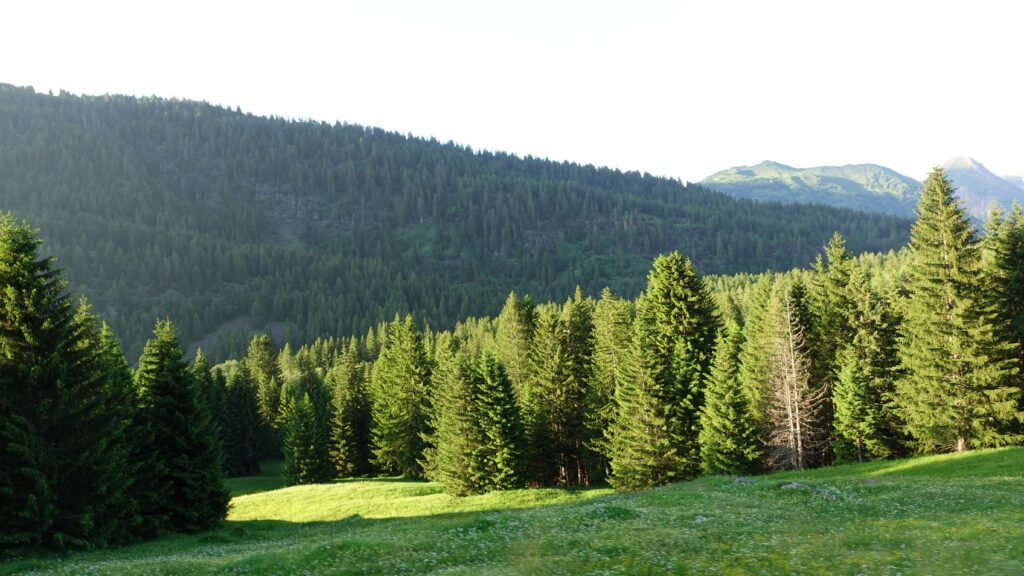


Štirovača? never heard of it tbh. looks like a solid hike if u hate crowds. those 1920s park plans sound super ambitious for back then. wonder if the trails are still maintained or just rough paths rn...