


Millions of residents across Istanbul, Turkey's sprawling metropolis and the economic heart of the Balkan-adjacent region, are bracing for significant water supply disruptions. The Istanbul Water and Sewerage Administration, known locally as İSKI, has announced scheduled maintenance works that will halt water flow to large sections of the city. This infrastructure event has surged in search trends as citizens scramble to secure alternative water sources, highlighting the fragility of urban utilities in one of Europe's most populous cities. For the Balkan audience, particularly those in neighboring Turkey and Bulgaria who frequently interact with Turkish economic and social dynamics, the stability of Istanbul's infrastructure remains a point of regional interest.
The disruption is not merely an inconvenience but a logistical challenge for a city of nearly 16 million people. As summer temperatures rise, the demand for water peaks, making any interruption in supply a critical issue. The announcement has triggered a wave of public response, with social media platforms filling with queries regarding affected neighborhoods and alternative supply points. This situation underscores the ongoing challenges faced by rapidly urbanizing areas in balancing infrastructure maintenance with uninterrupted service delivery.
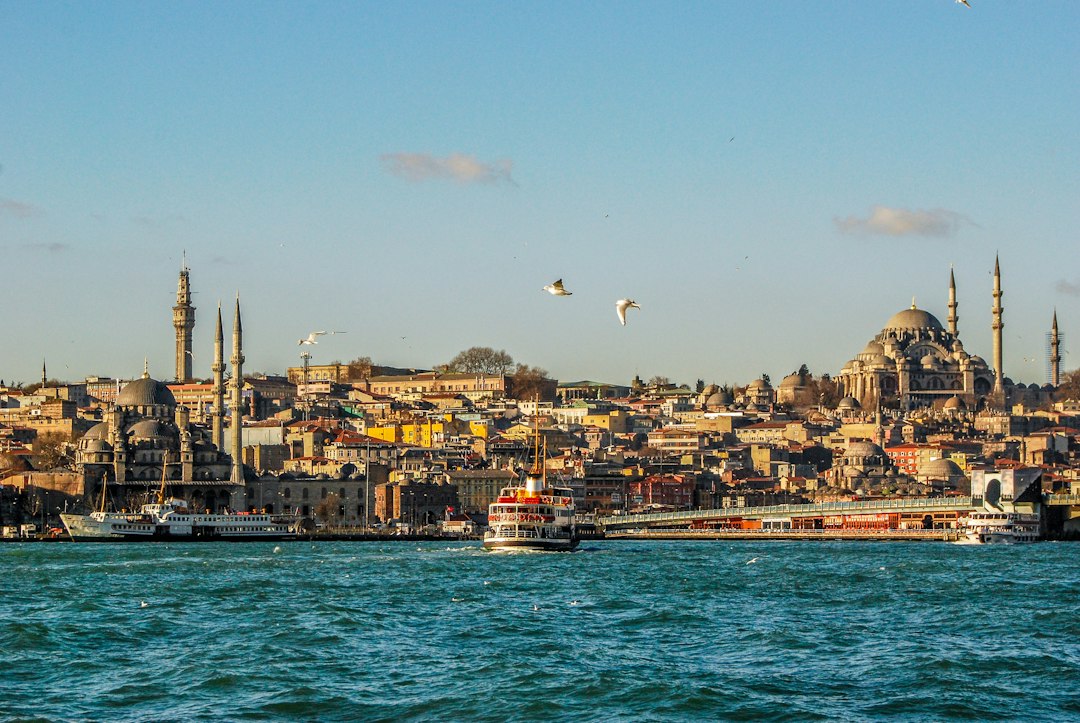
Scope and Logistics of the Maintenance
According to official announcements, the water cuts are part of a broader maintenance schedule aimed at repairing aging pipe networks and upgrading distribution systems. İSKI has identified specific districts and neighborhoods that will experience total or partial water outages. These areas often include densely populated residential zones where the lack of running water can severely impact daily life. The administration has urged residents to store sufficient water for drinking, cooking, and hygiene purposes before the scheduled start times.
The logistical complexity of such an operation in a city divided by the Bosphorus Strait cannot be overstated. Pumping stations and reservoirs must be carefully managed to ensure that pressure is maintained in unaffected areas while work proceeds in targeted zones. İSKI has deployed mobile water tankers to distribute drinking water in the most severely affected districts, attempting to mitigate the hardship for vulnerable populations. This approach is standard for large-scale municipal maintenance but requires precise coordination to avoid public unrest.
Impact on Daily Life and Regional Infrastructure
The immediate impact of the water cuts is felt most acutely in households and small businesses. Residents are advised to minimize water usage and prepare for potential delays in restoring full service. Hospitals, hotels, and restaurants have been notified in advance to implement contingency plans, ensuring that essential services continue without interruption. For the average citizen, the disruption means a temporary return to pre-modern habits, such as carrying water containers and using alternative sanitation methods.
From a broader perspective, this event highlights the strain on Turkey's infrastructure. Istanbul has grown exponentially over the past few decades, often outpacing the capacity of its municipal services. The need for frequent maintenance reflects the wear and tear on systems that were not designed for the current population density. This issue is not unique to Istanbul; many cities in the Balkans and the wider Mediterranean region face similar challenges as they balance rapid urbanization with sustainable infrastructure development.
Balkan Context and Future Outlook
While the water cuts are a local Turkish issue, they resonate with audiences across the Balkans. Turkey is a key regional player, and the stability of its major cities has implications for cross-border trade, tourism, and migration. Residents in neighboring countries, particularly in Bulgaria and Greece, often monitor such developments as indicators of broader economic and social trends. The ability of a major city like Istanbul to manage its resources efficiently is seen as a barometer for the country's overall administrative competence.
Looking ahead, İSKI plans to continue its maintenance schedule throughout the summer, with periodic announcements regarding affected areas. The administration has emphasized its commitment to modernizing the water network to reduce the frequency and duration of future disruptions. For residents, the advice remains consistent: stay informed, store water, and use resources wisely. As the region faces increasing climate pressures, including hotter summers and potential droughts, the importance of robust water infrastructure will only grow.
The upcoming weeks will test the resilience of Istanbul's residents and the efficiency of its municipal services. For the Balkan audience, watching how Turkey handles this logistical challenge provides insight into the broader regional dynamics of urban management and resource allocation. The situation serves as a reminder that even in major global cities, basic utilities remain a vulnerable yet essential pillar of modern life.



Comments