



Aleksandar Pulev, a prominent Bulgarian political figure and former minister, has issued a stark warning regarding the security architecture of the Black Sea region. In recent public statements, Pulev emphasized that Bulgaria, Turkey, and Romania must coordinate their defense efforts to ensure the stability of the Black Sea basin. He identified the region as a critical geopolitical point, arguing that fragmented national approaches are no longer sufficient to address emerging threats. This call for cooperation comes amid heightened tensions in Eastern Europe, where the Black Sea has become a focal point for naval activity and strategic maneuvering.
The relevance of Pulev's comments extends beyond Bulgaria's borders, touching on the security concerns of NATO allies and regional partners alike. As a former Minister of Interior and a key figure in Bulgarian conservative politics, Pulev's perspective carries weight in domestic policy debates. His advocacy for a trilateral security framework highlights the growing recognition that the Black Sea cannot be secured by any single nation. The implications of his proposals could reshape how regional powers collaborate on intelligence sharing, naval patrols, and crisis response mechanisms.
The Strategic Importance of the Black Sea Basin
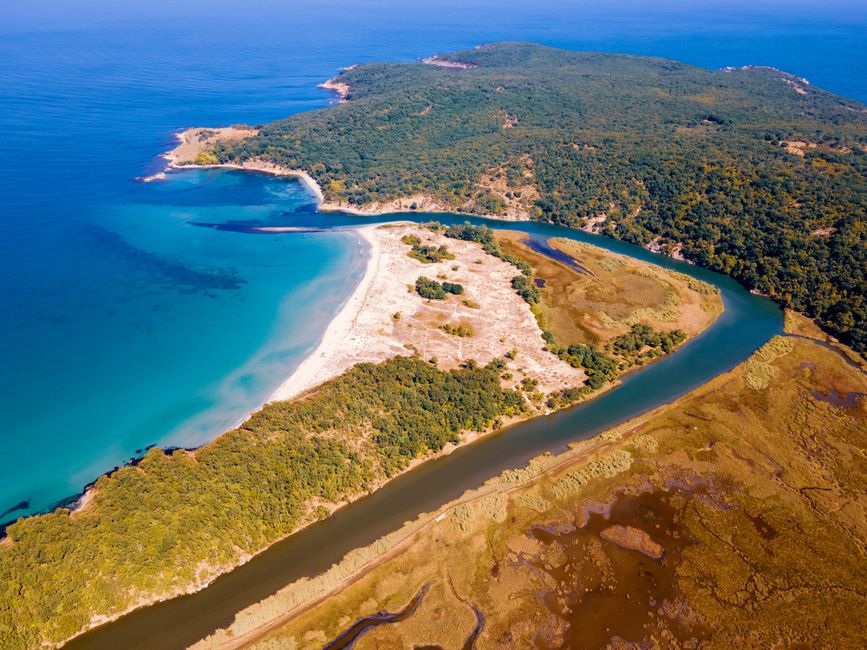
The Black Sea is more than a geographical feature; it is a vital artery for energy, trade, and military logistics. For Bulgaria, Romania, and Turkey, the sea represents both an economic lifeline and a potential vulnerability. The region hosts critical infrastructure, including gas pipelines and shipping lanes that connect Europe to Asia. Any disruption to this flow could have cascading effects on energy prices and supply chains across the continent. Pulev's argument centers on the idea that these shared interests demand a shared security approach, rather than isolated national strategies.
Historically, the Black Sea has been a zone of competition among great powers. Today, the presence of Russian naval forces and the ongoing conflict in Ukraine have intensified these dynamics. Turkey, as a NATO member with significant naval capabilities, plays a dual role as both a regional power and a bridge to the Middle East. Romania, with its extensive coastline and NATO bases, serves as a frontline state for the alliance. Bulgaria, positioned between these two, often finds itself balancing relationships with Ankara, Bucharest, and Moscow. Pulev's proposal seeks to turn this geographical reality into a strategic advantage by fostering deeper cooperation.
The economic stakes are equally high. The Black Sea supports a significant portion of global grain exports, particularly from Ukraine and Russia. Disruptions to maritime trade in the region can lead to food insecurity in dependent nations. Furthermore, the development of energy projects, such as the TurkStream pipeline and potential wind farms in the Black Sea, requires a stable security environment. Pulev's emphasis on trilateral coordination underscores the need to protect these economic assets from geopolitical instability.
Pulev's Political Stance and Regional Impact
Aleksandar Pulev is a familiar face in Bulgarian politics, known for his strong nationalist views and emphasis on national sovereignty. As a member of the GERB party, he has often advocated for stronger ties with Western allies while maintaining a cautious approach toward Russia. His recent statements on Black Sea security reflect a broader trend within Bulgarian political circles to prioritize regional stability. Pulev's background in law enforcement and his tenure as Interior Minister lend credibility to his security-focused proposals. He has consistently argued that Bulgaria must take a more proactive role in regional security, rather than relying solely on NATO's collective defense mechanisms.
The potential impact of Pulev's proposal extends to the broader Balkan region. While the Black Sea is not directly adjacent to all Balkan countries, its stability influences the security environment for nations like Serbia, North Macedonia, and Albania. These countries rely on secure trade routes and energy supplies that pass through or near the Black Sea. A more coordinated security framework among Bulgaria, Turkey, and Romania could create a buffer against instability, benefiting the entire Southeastern European region. Additionally, it could set a precedent for other regional initiatives, encouraging cross-border cooperation on issues such as migration and counter-terrorism.
Critics of Pulev's approach argue that trilateral cooperation may be difficult to achieve given the differing political priorities of the three nations. Turkey's independent foreign policy and its relationship with Russia complicate efforts to align with NATO-centric strategies. Romania, meanwhile, has been a vocal advocate for stronger NATO presence in the Black Sea, sometimes clashing with Turkey's more cautious stance. Bulgaria, under Pulev's influence, may find itself mediating between these positions. The success of any trilateral framework will depend on the ability of these nations to find common ground despite their divergent interests.

What to Watch Next
The coming months will be critical in determining whether Pulev's vision for Black Sea security gains traction. Analysts will be watching for concrete steps toward trilateral cooperation, such as joint naval exercises or intelligence-sharing agreements. Bulgaria's upcoming elections could also influence the direction of its foreign policy, with Pulev's proposals potentially becoming a key campaign issue. The response from Turkey and Romania will be equally important; their willingness to engage in deeper cooperation will signal the viability of a unified security framework.
International observers, particularly within NATO, will monitor these developments closely. The alliance has long emphasized the importance of the Black Sea region, and any move toward greater regional coordination could enhance NATO's strategic posture. Conversely, failure to achieve cooperation could leave the region vulnerable to external pressures and internal instability. For Balkan audiences, the outcome of these discussions will have implications for their own security and economic prospects. A stable Black Sea is essential for regional prosperity, making Pulev's call for unity a matter of significant concern for all nations in Southeastern Europe.



Comments