


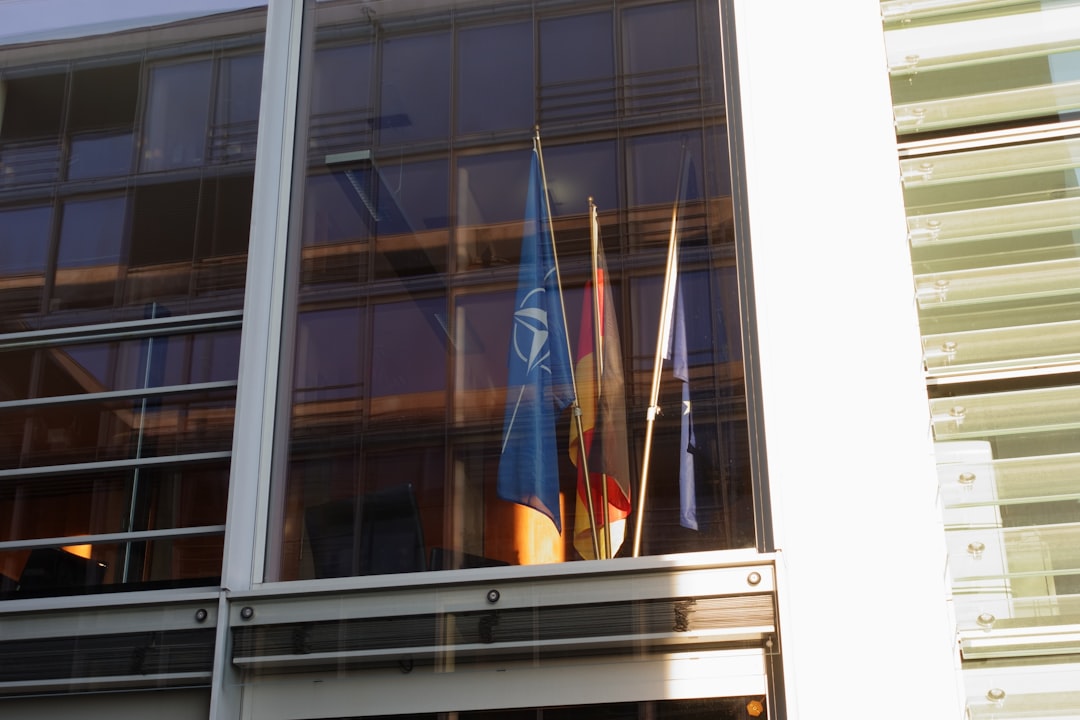
Tensions in Southeastern Europe reached a fever pitch this week as Romania, a key NATO ally bordering the war-torn Black Sea region, formally requested enhanced security measures and intelligence sharing from the Alliance. The move, driven by escalating Russian naval activity and drone incursions near its coast, has triggered a urgent diplomatic response in Brussels and Washington. For the Balkan audience, this is not merely a distant geopolitical shift; it represents a direct test of Article 5 of the Washington Treaty, the collective defense clause that guarantees an attack on one member is an attack on all. The speed and substance of NATO’s response will define the security architecture of the entire region for years to come.
Romanian officials, including Foreign Minister Nicușor Dan and defense experts, have voiced concerns that the threat is no longer theoretical. With Russia deploying advanced electronic warfare systems and long-range drones in Crimea, the Black Sea has transformed into a contested zone. Romania’s request for immediate support, including additional air policing missions and enhanced radar coverage, highlights the vulnerability of NATO’s eastern flank. The situation underscores the reality that the Balkans, once considered a stable periphery, are now on the frontline of a broader European security crisis.
The Mechanics of the Alliance Response
NATO’s reaction to Romania’s plea has been swift but carefully calibrated. The Alliance has reaffirmed its commitment to collective defense, stating that any violation of Romanian airspace would be treated as an attack on the entire North Atlantic Treaty Organization. This includes deploying additional F-16 fighter jets to Romanian bases and increasing the presence of multinational battlegroups in the region. The strategic importance of Romania cannot be overstated; it hosts critical NATO infrastructure, including the Aegis Ashore missile defense system at Deveselu, which is designed to intercept ballistic missiles threatening Europe.
However, the internal dynamics of the Alliance are complex. While the United States and Western European powers have largely aligned with Romania’s security concerns, some member states remain cautious about further escalation. The debate centers on how far NATO should go in deterring Russian aggression without triggering a direct confrontation. This delicate balance is being scrutinized closely in the Balkans, where countries like Bulgaria and Greece are also NATO members with shared borders and security interests. The consistency of the Alliance’s message will be a key indicator of its long-term cohesion and effectiveness.
Analysts point out that Romania’s proactive stance has set a precedent for other eastern flank members. By clearly articulating the threat and demanding tangible support, Bucharest has forced NATO to confront the evolving nature of hybrid warfare. This includes not just kinetic military threats, but also cyberattacks, disinformation campaigns, and economic coercion. The Alliance’s ability to address these multi-dimensional challenges will be crucial in maintaining stability in the region and reassuring its citizens.

Implications for the Balkan Security Landscape
The ripple effects of this crisis extend deep into the Balkans. Bulgaria, Romania’s neighbor to the south, shares similar security anxieties regarding Black Sea stability. Sofia has already begun coordinating closely with Bucharest to enhance joint surveillance and defense capabilities. This bilateral cooperation is likely to strengthen into a broader regional framework, involving Greece, Turkey, and potentially non-NATO states like Serbia and Montenegro, which seek to maintain neutrality while ensuring their own security. The Balkans have historically been a crossroads of conflict, and the current situation threatens to reignite old tensions if not managed carefully.
Turkey’s role is particularly significant in this context. As a NATO member with substantial military power and a strategic position in the Black Sea, Turkey holds the key to regional balance. Its relationship with Russia is complex, characterized by both cooperation and competition. Ankara’s stance on Romania’s security concerns will influence how NATO navigates the crisis. If Turkey supports a unified front, it could deter further Russian aggression. Conversely, any hesitation or conflicting interests could complicate NATO’s response and leave the Balkans more vulnerable.
Furthermore, the crisis has reignited discussions about the EU’s strategic autonomy and its relationship with NATO. The Balkan countries aspiring for EU membership, such as North Macedonia and Albania, are watching closely. They see the security vacuum as a reason to accelerate their integration into Western institutions. However, they also face pressure from Russia and China, who offer economic incentives in exchange for political alignment. The choice these countries make will shape the future geopolitical map of Southeastern Europe, determining whether the region remains firmly within the Western orbit or becomes a contested zone of influence.
What to Watch Next
The coming weeks will be critical in determining the trajectory of this crisis. Observers should monitor the deployment of additional NATO assets to Romania and Bulgaria, as well as the outcome of diplomatic talks between NATO and Russia. Any miscalculation or accidental clash in the Black Sea could escalate tensions rapidly. Additionally, the response of non-NATO Balkan states, particularly Serbia and Bosnia, will be telling. Their ability to maintain neutrality amidst growing pressure from both East and West will test their diplomatic resilience.
For the Balkan audience, the stakes are high. The security of the region is inextricably linked to the stability of NATO and the broader European order. If the Alliance proves effective in deterring aggression and protecting its members, it will reinforce the value of collective defense and encourage further integration. If it falters, the Balkans could face a return to instability, with economic and social consequences that would be felt for generations. The world is watching to see if the post-Cold War security architecture can withstand the pressures of a new era of great power competition.
Ultimately, Romania’s appeal for help is a wake-up call for all of Europe. It highlights the urgent need for a cohesive and robust security strategy that addresses the realities of the modern threat landscape. The Balkans, often overlooked in broader geopolitical discussions, are now at the center of the stage. Their fate will depend on the decisions made in Brussels, Washington, and Moscow in the immediate future. As the dust settles, one thing is clear: the era of complacency in Southeastern Europe is over.


Comments