


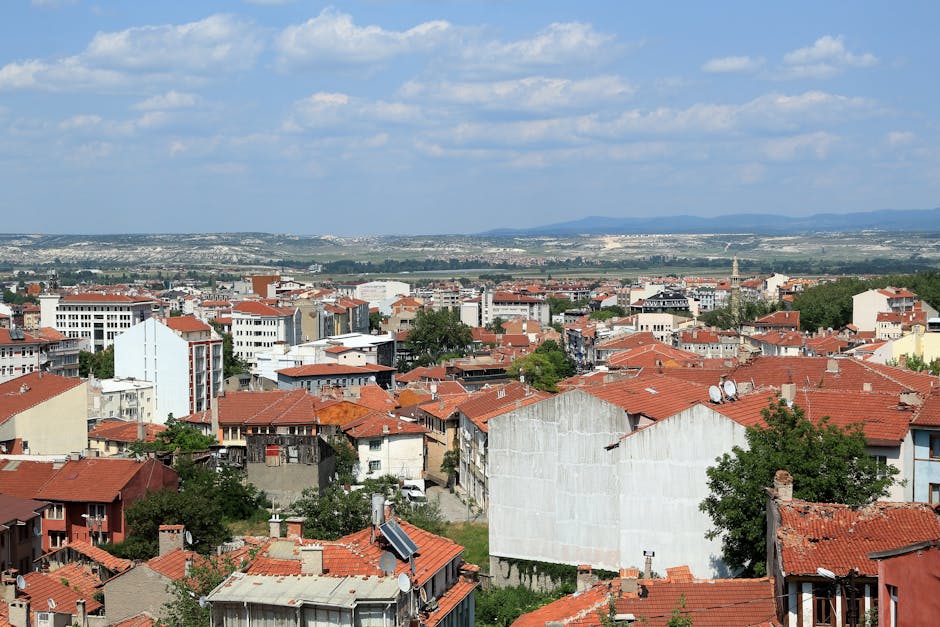
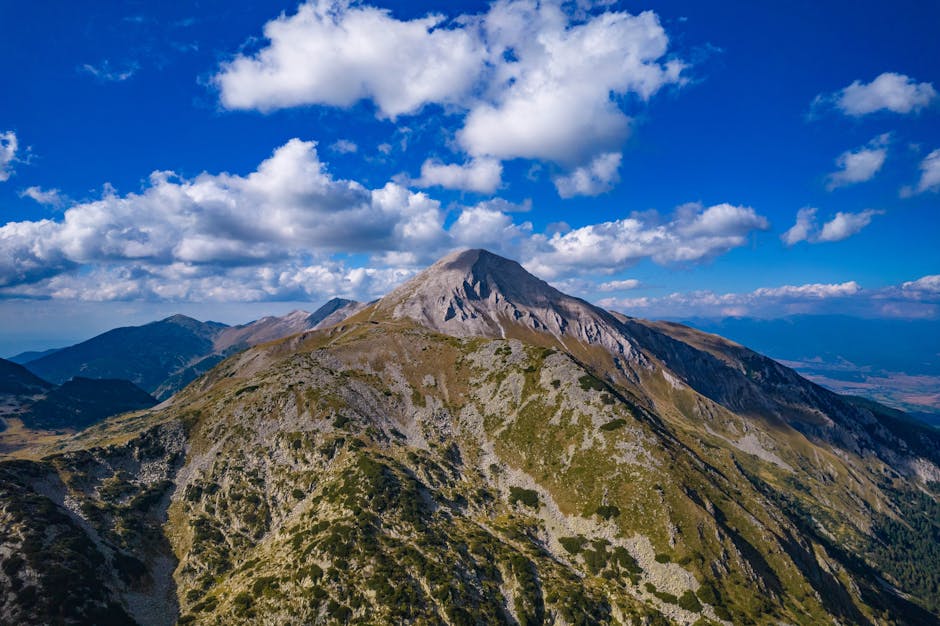
The wind on the ridge doesn't ask for permission. It hits you with the force of a drunk uncle at a wedding, smelling of pine needles, cold stone, and something older than the Ottoman Empire. I am standing on a narrow spine of rock in Central Balkan National Park, shivering in a jacket that is suddenly inadequate, watching a golden eagle circle a thermal current that has been rising from these valleys for ten thousand years. There is no cell service here. There is no Wi-Fi. There is just the raw, unfiltered noise of nature and the sudden, crushing realization that the rest of the Balkans is moving too fast, while this place is standing still, stubborn and magnificent.
I didn't come here to find peace. I came to find the spine of Bulgaria. They call it Stara Planina, the Old Mountain, but that translation feels lazy. It is the backbone of the peninsula, a jagged scar of granite and limestone that has divided empires, stopped armies, and sheltered rebels. Standing here, miles from the nearest paved road, I understand why the locals treat this range with a mix of reverence and fear. It is not a playground for Instagram influencers. It is a wild, ancient entity that demands respect.
History & Identity
The history of the Balkan Mountains is written in blood and stone. This range has been the dividing line between Europe and Asia, between the Roman Empire and the barbarian hordes, between the Ottomans and the resisting Balkan principalities. The name "Stara Planina" itself is a testament to its enduring presence, a constant in a region defined by chaos. The mountain passes, particularly the Shipka Pass and the Troyan Pass, were choke points where empires broke. The Battle of Shipka in 1877-1878 is not just a date in a textbook; it is a visceral memory etched into the landscape, where Bulgarian volunteers and Russian troops held off massive Ottoman forces in brutal winter conditions.
This history has forged a specific identity for the towns and villages nestled in the valleys. They are not cosmopolitan hubs. They are stoic, resilient, and deeply traditional. The people here remember the old ways because the mountains forced them to. Self-reliance wasn't a lifestyle choice; it was a survival mechanism. This creates a cultural texture that feels authentic, not curated for tourism. When you walk into a village in the Central Balkans, you are not entering a theme park. You are entering a living, breathing community that has adapted to the harsh realities of mountain life for centuries.
The identity of this region is also tied to its spiritual significance. The Banya Peak is not just the highest point in the range; it is a pilgrimage site. The small chapel at the summit, built by the Bulgarian army in 1907, is a symbol of national liberation and spiritual ascent. Climbing to the top is not just a physical challenge; it is a ritual. The view from the summit, stretching across the entire Balkan Peninsula, is a reminder of the smallness of human conflicts against the scale of the landscape.
The Wild Heart: Nature & Wildlife
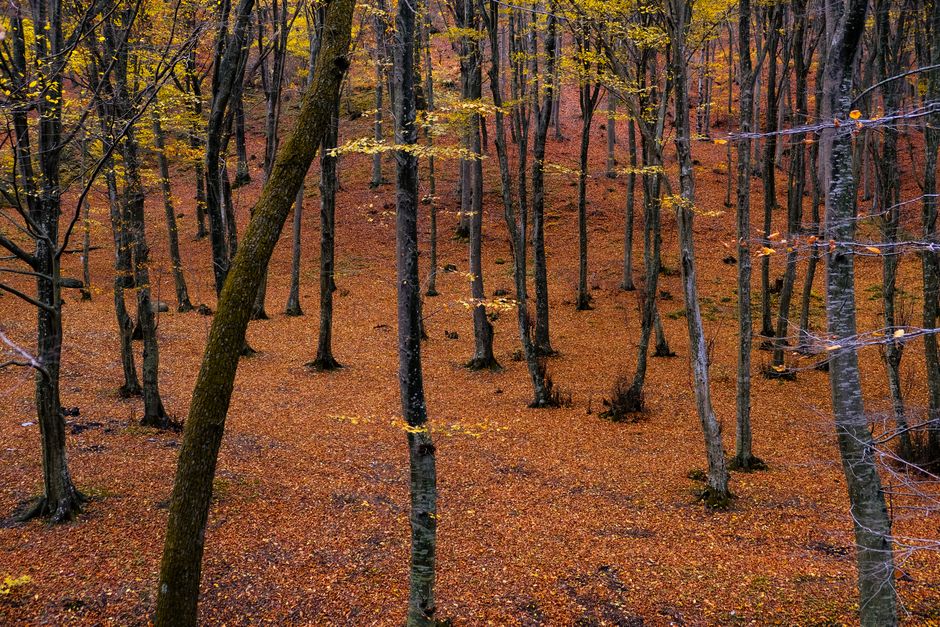
The Central Balkan National Park is a sanctuary for species that have disappeared from much of Europe. The forests here are dense, dark, and ancient, dominated by beech, fir, and spruce. The air is thick with the scent of resin. This is the territory of the Balkan chamois, a sure-footed goat-antelope that navigates the vertical cliffs with impossible grace. You might spot them on the ridges, silhouetted against the sky, looking like ghosts. The park is also home to wolves, bears, and lynx, predators that roam freely in the vast, uninhabited valleys.
The biodiversity is staggering. The forests are home to hundreds of species of birds, including the white-tailed eagle, the golden eagle, and the black stork. The meadows are a riot of color in the summer, filled with wildflowers that have not been seen in the wild for centuries. The rivers that cut through the mountains are clear and cold, teeming with trout and other fish. This is not a manicured park. It is wild, untamed, and unpredictable. The weather changes in minutes. A sunny morning can turn into a blinding snowstorm by afternoon. This volatility is part of the appeal. It keeps you on your toes.
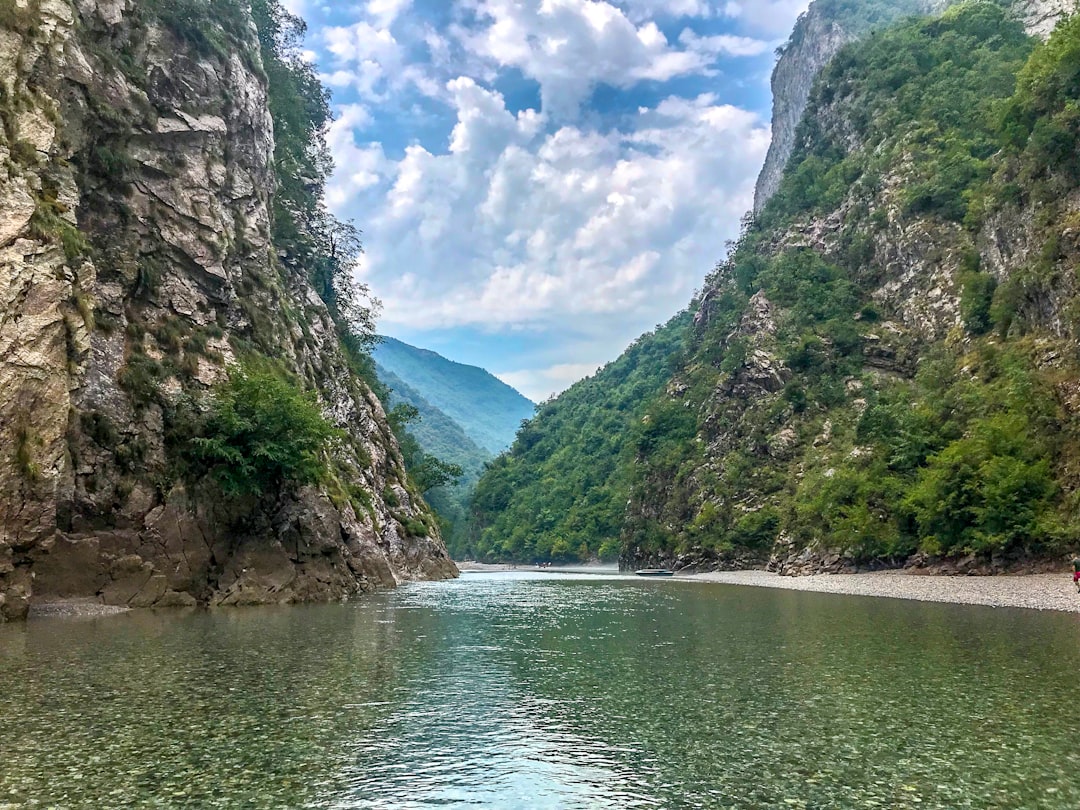
The landscape itself is dramatic. The peaks are jagged and imposing, rising abruptly from the valleys below. The ridges are narrow and exposed, offering vertigo-inducing views. The valleys are deep and narrow, with rivers carving through the rock. The contrast between the harshness of the peaks and the lushness of the valleys is striking. This is a place of extremes, where beauty and danger coexist. It is a landscape that demands to be experienced, not just seen.
Where to Go: Peaks, Valleys & Monasteries
Banya Peak — The highest point in the Balkan Mountains at 2,376 meters. The climb is moderate but long, starting from the Banya Peak Hut. The view from the top is panoramic, stretching from the Black Sea to the Aegean. The chapel at the summit is a poignant reminder of the mountain's history. Entry is free, but the hike is demanding. Best visited in summer or early autumn.
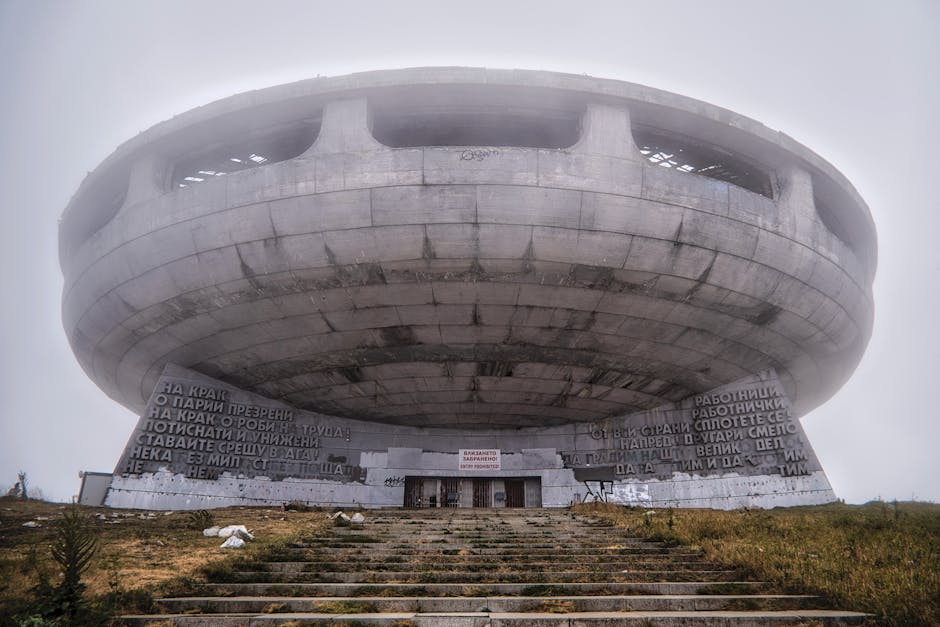
Shipka Pass — A historic mountain pass and the site of the famous battle for Bulgarian liberation. The monument on the ridge is a massive, imposing structure that dominates the landscape. The museum inside is well-curated, offering a detailed account of the battle and the history of the region. The pass is a crucial route between Sofia and the Black Sea coast. Entry to the monument is 3 EUR.
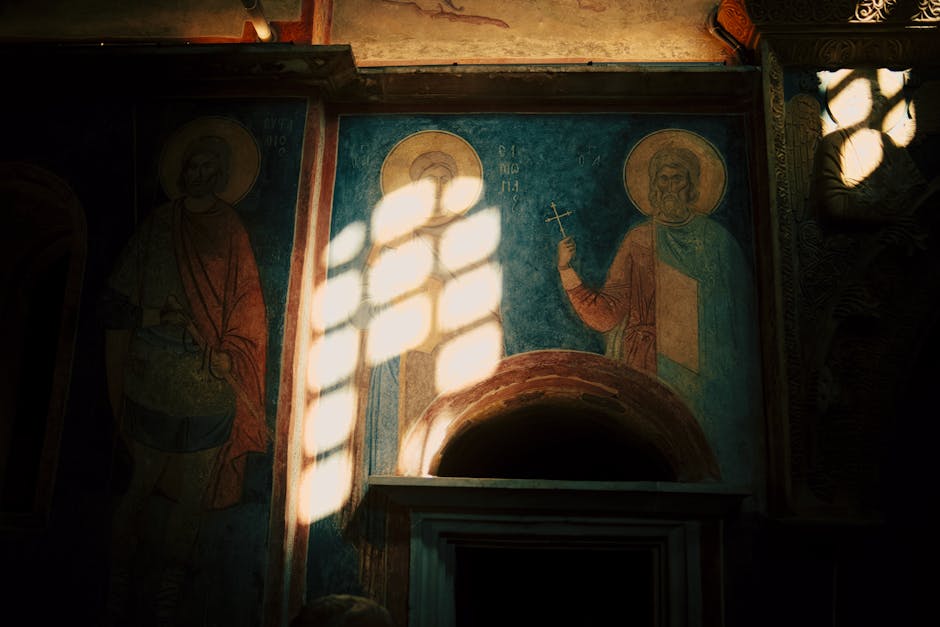
Troyan Monastery — Located in the foothills of the Balkan Mountains, this is one of the most impressive Orthodox monasteries in Bulgaria. The architecture is a mix of Byzantine and Baroque styles, with intricate frescoes and ornate decorations. The monastery is a functioning religious site, so dress modestly. The surrounding village of Troyan is known for its rakia distilleries. Entry is 5 EUR.
Borovan Glacier — A prehistoric glacier lake located in the Central Balkan National Park. The lake is surrounded by pine forests and offers a serene escape from the crowds. The hike to the lake is moderate, passing through beautiful forest trails. The water is clear and cold, perfect for a refreshing dip in the summer. There are no facilities at the lake, so bring your own food and water.
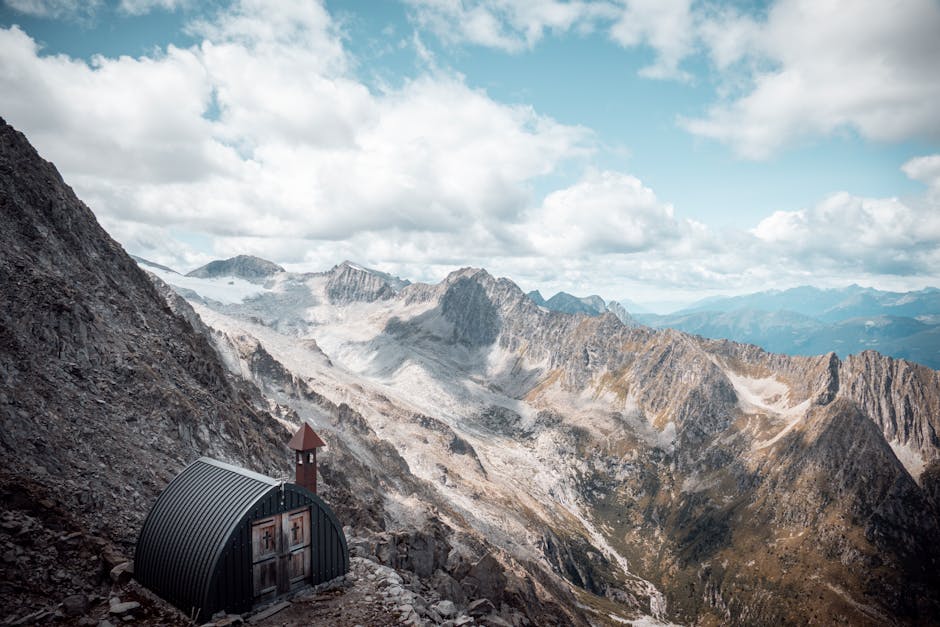
Shipka Peak — A prominent peak near the Shipka Pass, offering some of the best views in the range. The hike is steep and rocky, but the reward is a panoramic view of the surrounding peaks and valleys. The peak is a popular spot for climbers and hikers. There is a small shelter at the summit, providing basic protection from the wind.
What to Eat & Drink
The food in the Balkan Mountains is hearty and rustic, designed to fuel long days of hiking and hard labor. The local cuisine is based on fresh, local ingredients, including dairy, meat, and vegetables. The flavors are bold and savory, with a heavy use of garlic, onions, and paprika. The drinks are equally robust, with local rakia and beer being the staples.
- Kashkaval — A semi-hard cheese made from sheep's or cow's milk. It is salty and tangy, perfect for grazing with bread and wine. Typical price: 3-5 EUR per serving.
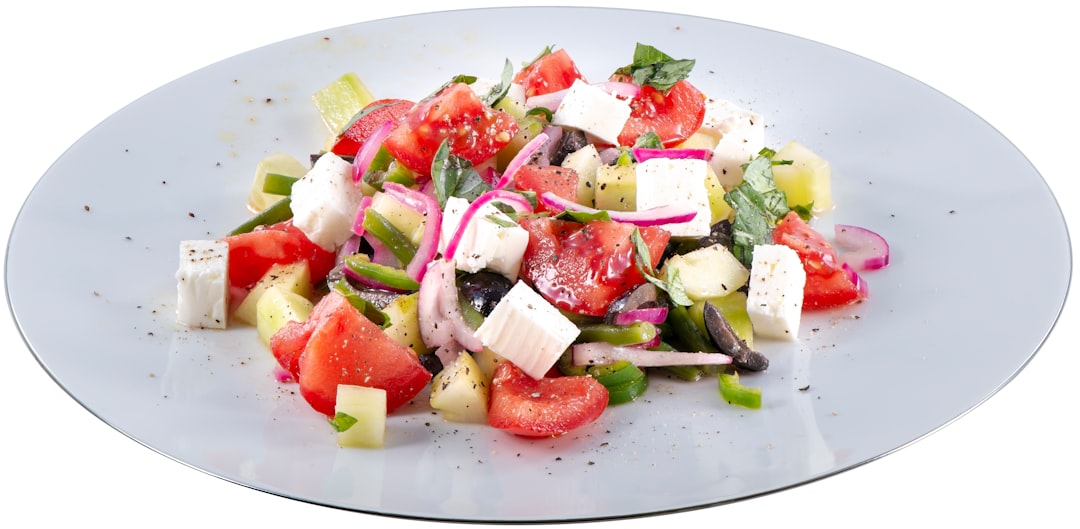
- Shopi Salata — A fresh salad made with tomatoes, cucumbers, peppers, onions, and grated kashkaval. It is crisp and refreshing, a perfect counterpoint to the heavy meat dishes. Typical price: 4-6 EUR.
- Shopska Salata — Another variation of the fresh salad, often served with grilled meats. It is a staple in every restaurant in the region. Typical price: 4-6 EUR.
- Moussaka — A baked dish made with layers of eggplant, potatoes, and minced meat, topped with a creamy béchamel sauce. It is rich and comforting, perfect for a cold evening. Typical price: 7-10 EUR.
- Rakia — A strong fruit brandy, usually made from plums or grapes. It is distilled twice and aged in oak barrels. It is a social lubricant and a digestive aid. Typical price: 2-4 EUR per glass.
Budget breakdown: Street food or take-away is under 5 EUR per meal. A sit-down local restaurant costs 8-15 EUR per person. Mid-range restaurants are 15-25 EUR. For budget travelers, look for local bakeries and shops for fresh bread, cheese, and fruit. There are no major food courts, but village markets are the best place for fresh, local produce.
The main food streets are in the larger towns like Troyan and Panagyurishte. These towns have a concentration of restaurants and cafes, offering a variety of local and international dishes. The markets are the best place to find fresh, local ingredients, and the vendors are often happy to chat and recommend recipes.
Nightlife
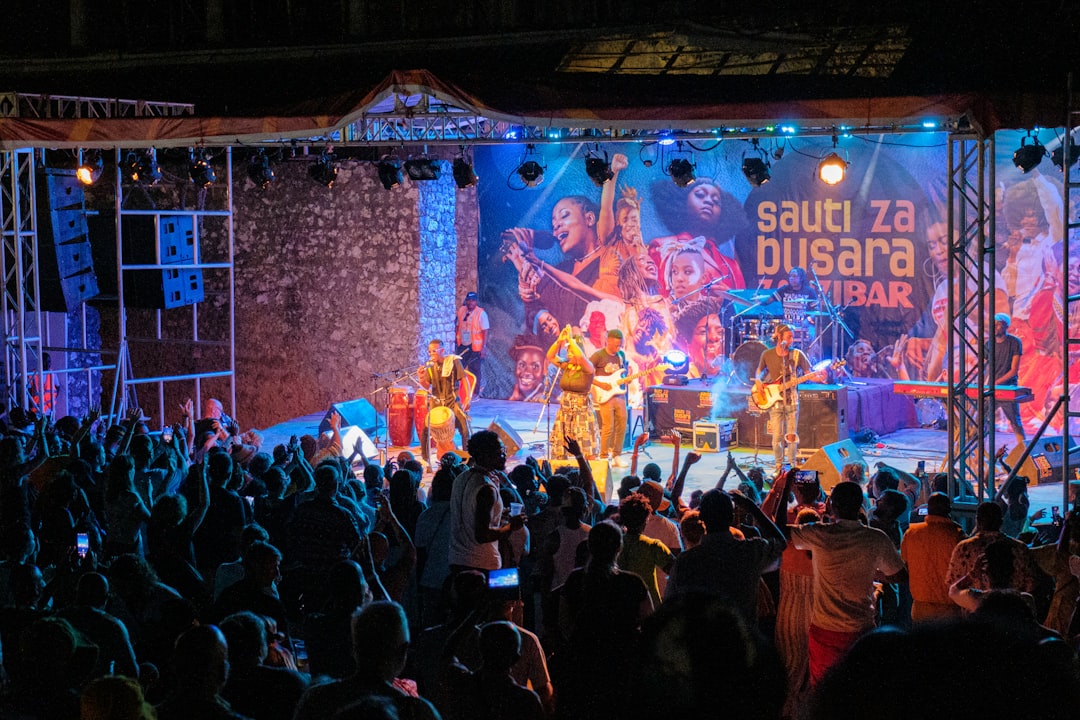
Nightlife in the Balkan Mountains is not about clubs and raves. It is about community, conversation, and music. The evenings are spent in the town squares, around outdoor cafes, or in the village taverns. The music is traditional folk music, played on live instruments like the gaida (bagpipes) and the kaval (flute). The atmosphere is relaxed and friendly, with locals and tourists mixing freely.
In towns like Troyan and Panagyurishte, there are a few bars and pubs that cater to a younger crowd. These venues play a mix of pop, rock, and electronic music, and they are popular with students and locals. The cover charge is usually low, around 2-5 EUR, and the drinks are reasonably priced. The atmosphere is casual, with people sitting at tables outside, smoking and drinking.
The best nightlife is in the village taverns, where the music is live and the food is homemade. These places are usually run by families, and the atmosphere is warm and inviting. The music is traditional, and the dancing is energetic. The drinks are strong, and the nights go late. This is the real Balkan experience, far removed from the tourist traps of the coast.
Getting There & What to Expect
The nearest major city is Sofia, the capital of Bulgaria. From Sofia, you can take a bus or a train to the towns in the Balkan Mountains. The bus journey to Troyan takes about 1.5 hours and costs around 5-7 EUR. The train journey is slower, taking about 2 hours, but it offers beautiful views of the landscape. From Troyan, you can take a local bus or a taxi to the trailheads and villages.
For those driving, the road from Sofia to the Balkan Mountains is well-maintained, with good signage. The drive takes about 1.5 hours, and the scenery is spectacular. There are parking areas at the trailheads, but they can get crowded in the summer. It is best to arrive early in the morning to avoid the crowds.
Accommodation options range from budget hostels to mid-range hotels. A night in a budget hostel costs 20-40 EUR, while a mid-range hotel costs 40-80 EUR. There are also guesthouses in the villages, which offer a more authentic experience. A night in a guesthouse costs around 30-60 EUR, usually including breakfast.
The best months to visit are June to September, when the weather is warm and the trails are clear. The winter months are for skiing and snowshoeing, but the conditions can be harsh. Spring and autumn are also good times to visit, but the weather can be unpredictable.
Search accommodation in Sofia on Booking.com →
The Last Stand of Authenticity
As I descend from the ridge, the sun is setting, casting long shadows across the valleys. The air is cooling, and the sounds of the day are fading. I feel a sense of peace, but also a sense of urgency. This place is changing. The roads are getting better, the hotels are getting bigger, and the tourists are getting more numerous. But for now, the soul of the Balkans still beats here, in the wild heart of the Stara Planina. It is a fragile thing, easily lost, but still alive. And as long as it is, this place will remain a sanctuary for those who seek something real in a world of facades.
I will leave this place, but I will carry it with me. The wind, the stone, the silence. It is a reminder that there is still a wild, untamed world out there, waiting to be discovered. And for those who are willing to seek it, the Balkans offer a experience that is unlike any other. It is not just a destination. It is a feeling. A sense of connection to something ancient, something enduring, something real.
Comments