



Residents of Cluj-Napoca and the wider Transylvania region are experiencing an unseasonal heatwave that has pushed daytime temperatures to a record-breaking **25°C** (77°F) for this time of year. According to the latest meteorological reports from Monitorul de Cluj, the city is basking under clear skies with intense solar radiation, marking a sharp departure from the typically cool and variable spring weather in northwestern Romania. This sudden shift in climate patterns has not only altered daily routines for locals but has also drawn attention from international weather observers tracking early warming trends across Southeast Europe. The phenomenon highlights the increasing volatility of regional weather systems, where winter remnants quickly give way to near-summer conditions, impacting everything from agricultural planning to tourism activities in the historic city.
Unseasonal Warmth and Meteorological Context
The meteorological situation in Cluj-Napoca is characterized by a high-pressure system dominating the Carpathian Basin, allowing for uninterrupted sunshine and rapid temperature rises. Historical climate data for Cluj indicates that average highs in late spring usually hover around 15°C to 18°C, making the current 25°C readings significantly above the norm. Meteorologists attribute this spike to a persistent anticyclone that has blocked cooler Atlantic fronts from moving into the region. Instead, warm air masses from the south have settled over Transylvania, creating ideal conditions for rapid warming. This pattern is not unique to Cluj; similar temperature anomalies have been reported across neighboring countries, including Hungary and Serbia, suggesting a broader regional weather event rather than an isolated local occurrence.
Despite the pleasant conditions, authorities have issued reminders for residents to stay hydrated and protect themselves from excessive sun exposure. The ultraviolet index has reached high levels, prompting public health advisories, particularly for vulnerable groups such as the elderly and young children. Romanian National Meteorological Administration forecasts suggest that while temperatures may fluctuate slightly in the coming days, the overall trend remains warmer than average for the season. This early onset of summer-like weather is disrupting traditional seasonal cycles, leading to earlier blooming of flora and changes in wildlife behavior. The rapid transition also poses challenges for infrastructure, as roads and buildings are not always prepared for the thermal expansion associated with sudden heat spikes.
Impact on Local Life and Tourism
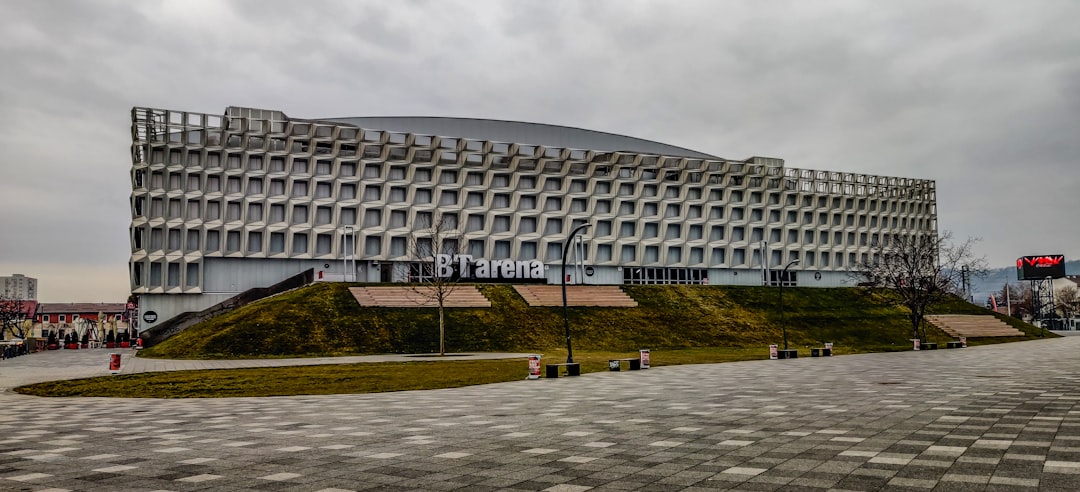
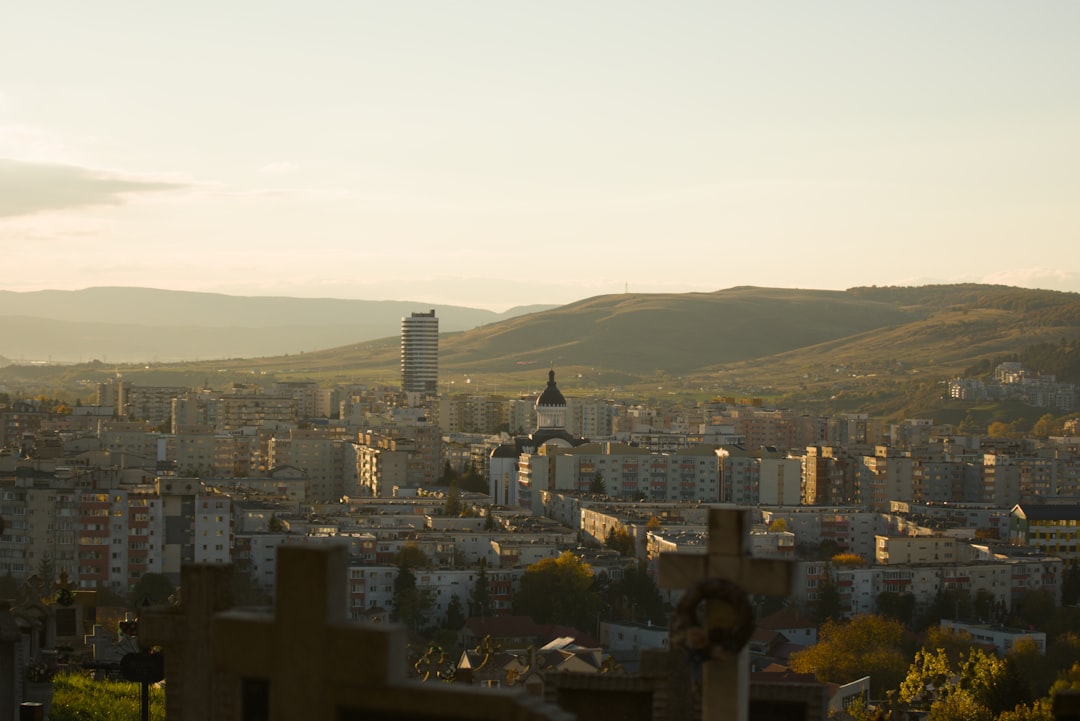
The unexpected warmth has transformed the atmosphere in Cluj-Napoca, turning its numerous parks and outdoor cafes into bustling social hubs. Cluj-Napoca, known as the cultural capital of Transylvania, attracts thousands of visitors annually, and this weather boost is likely to extend the outdoor tourism season. Tourists are taking advantage of the mild conditions to explore landmarks such as the City Hall and the Avram Iancu Park without the usual chill. Local businesses, particularly those in the hospitality sector, are reporting increased foot traffic, with outdoor seating areas fully occupied. This surge in activity provides a significant economic lift to the city, which is already a major hub for technology and education in Romania.
However, the heatwave has also led to increased energy consumption as residents adjust to the warmer days. While winter heating demands have dropped, cooling needs are rising earlier than usual, putting pressure on local power grids. Romania's energy sector is monitoring this shift closely, as early peaks in electricity usage can strain resources if not managed efficiently. Additionally, the dry and warm conditions have raised concerns about fire risks in surrounding forested areas. Forest management agencies have increased patrols in the hills surrounding Cluj to prevent wildfires, which have become more frequent in the Balkans and Southeast Europe due to changing climate patterns. The juxtaposition of tourist enjoyment and environmental caution underscores the complex relationship between weather and urban life.
Balkan Climate Trends and Future Outlook
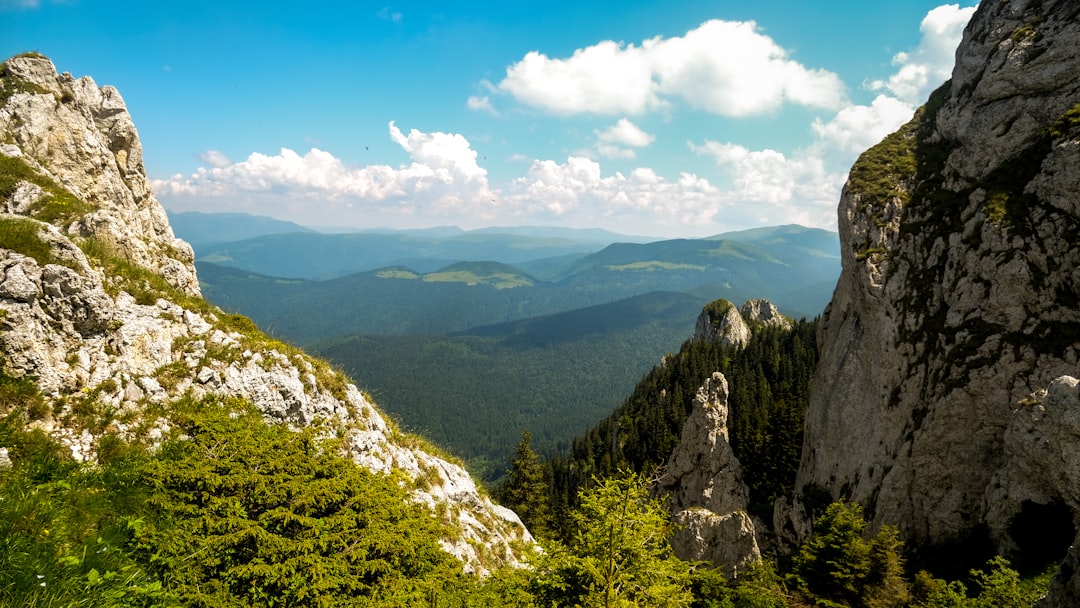
The weather pattern in Cluj-Napoca mirrors broader trends observed across the Balkan Peninsula, where spring is becoming increasingly erratic. Countries such as Bulgaria, Serbia, and Greece have also reported earlier-than-average heatwaves in recent years, signaling a potential shift in regional climate dynamics. Scientists warn that these anomalies may become more frequent and intense as global temperatures rise. The Balkans are particularly vulnerable to extreme weather events, including heatwaves, droughts, and heavy rainfall, which can have profound impacts on agriculture, water resources, and public health. The current situation in Cluj serves as a microcosm of these larger regional challenges, highlighting the need for adaptive strategies in urban planning and resource management.
Looking ahead, meteorologists predict that temperatures in Cluj-Napoca may stabilize slightly, but the overall trend will remain warmer than historical averages. Residents and visitors alike are advised to stay informed through reliable weather sources, such as AccuWeather or local Romanian meteorological services, to prepare for potential fluctuations. The coming weeks will be critical in determining how sustained this warm spell will be and whether it will lead to longer-term changes in seasonal patterns. For the Balkan region, the early arrival of summer in Cluj is a reminder of the urgent need to address climate change and its tangible effects on daily life. As the region grapples with these shifting patterns, the ability to adapt and mitigate risks will be essential for maintaining resilience in the face of environmental uncertainty.


Comments