


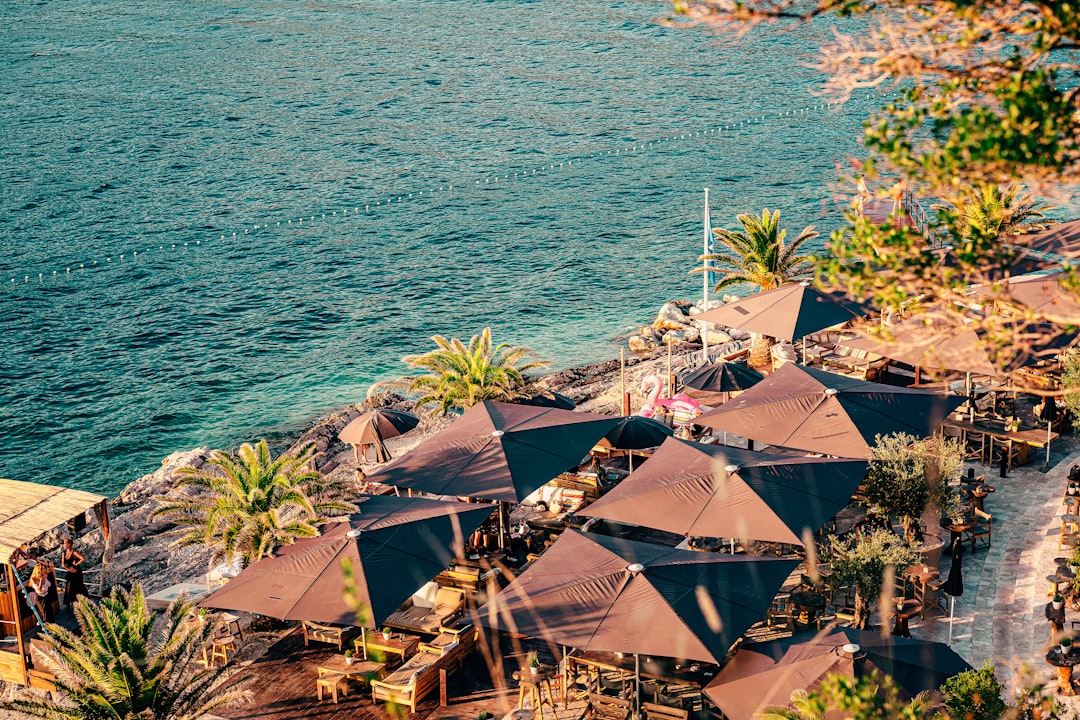
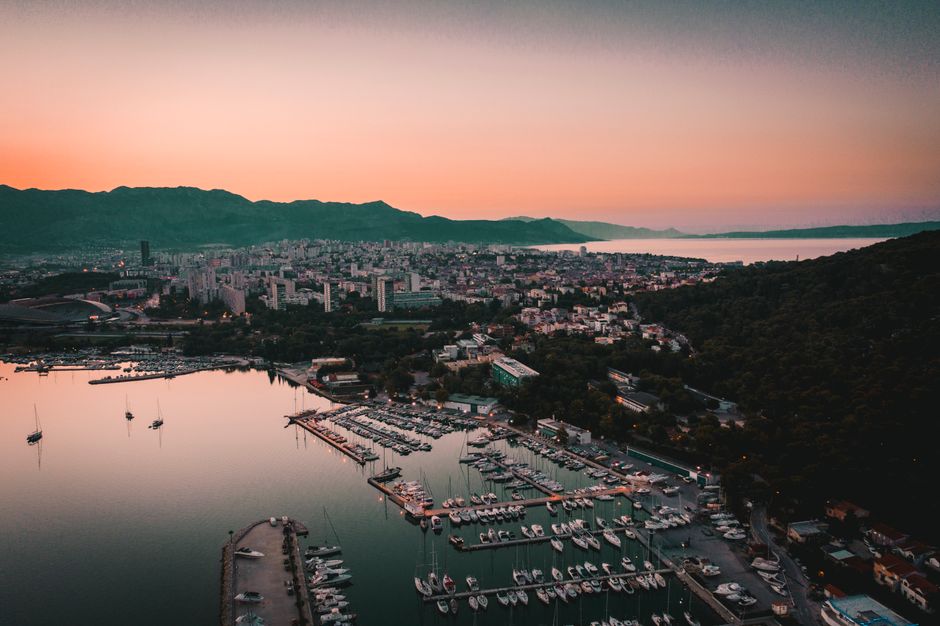
I wake up with the taste of salt and stale beer on my tongue, my ears still ringing from the bass that shook the floorboards of a bar in the Old Town until 5 a.m. The sun is already blazing over the Adriatic, turning the limestone of Diocletian's Palace into a blinding white fortress. I stumble out of my hostel, eyes half-closed, dragging my feet across the cobblestones of the Perečina street. A group of students in neon shirts laughs past me, already heading to the beach for a pre-game rum. This is Split in July: a city that doesn't sleep, it just changes venues. The ancient Roman emperor built this place as a retirement home, but today it's a playground for the restless, the hungover, and the relentlessly young. I'm here to find out where the party really lives, and it turns out, it's everywhere and nowhere at once.
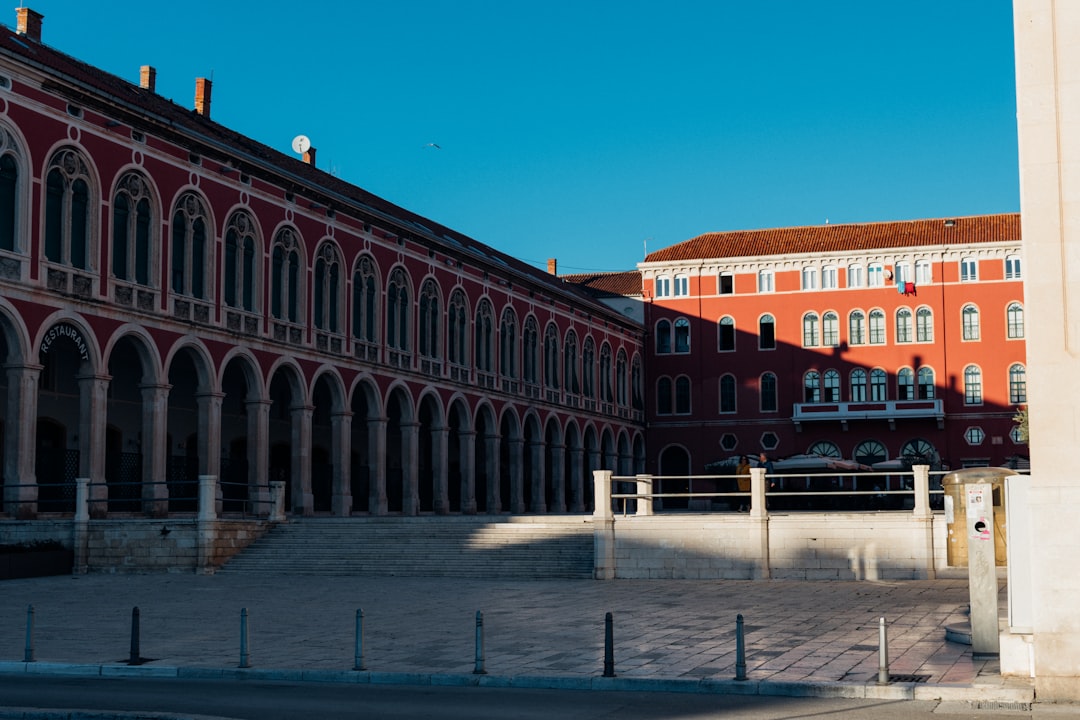
The vibe here is a chaotic mix of historical weight and modern excess. You have Diocletian's Palace Diocletian's Palace, a UNESCO World Heritage site, surrounded by a sea of cocktail umbrellas and techno beats. It's jarring, beautiful, and utterly exhausting. I'm not here to write a polite guide. I'm here to survive the night. So, let's break down the madness, from the cheap shots in the back alleys to the exclusive beach clubs where entry costs more than my daily meal budget.
History & Identity
Split is not a city that was built; it's a city that was dug out of a tomb. Emperor Diocletian Diocletian retired here in the 4th century, constructing a massive palace complex that now forms the entire old town. For centuries, locals lived inside the walls, adding layers of medieval, Venetian, and Austro-Hungarian architecture to the Roman core. Today, this dense, maze-like center is the heart of the nightlife. The narrow streets, like Perečina and Obali Hrvatskog Narodnog Preporoda, are lined with bars that spill out into the night, creating a continuous wall of sound and light. The identity of Split is one of resilience and hedonism. The locals, or Splitovi, take pride in their city's ability to blend the ancient with the absurdly modern. You can sip wine in a 16th-century church and then dance on a floating platform in the harbor. It's a dissonance that works, creating a unique energy that feels both timeless and frantic.
The modern nightlife scene exploded with the rise of the Bačvice beach club scene and the annual Split Summer Festival Split Summer Festival, which brings thousands of tourists to the city. But the real identity is found in the local bars, where the music is a mix of Balkan pop, indie rock, and deep house. The city doesn't just cater to tourists; it thrives on the interaction between locals and visitors, creating a vibrant, if sometimes overwhelming, social fabric. The history isn't just in the stones; it's in the way the night unfolds, layer upon layer, until dawn breaks over the Adriatic.
Where to Go
Diocletian's Palace — The entire old town is the attraction. By night, the stone walls glow under streetlights, and the streets are packed with people. There is no entry fee to walk around, but the bars inside charge a premium for the view. The best time to visit is late evening, when the crowds thin out slightly and the atmosphere becomes more intimate. The Peristyle square is the central hub, always bustling, always loud.
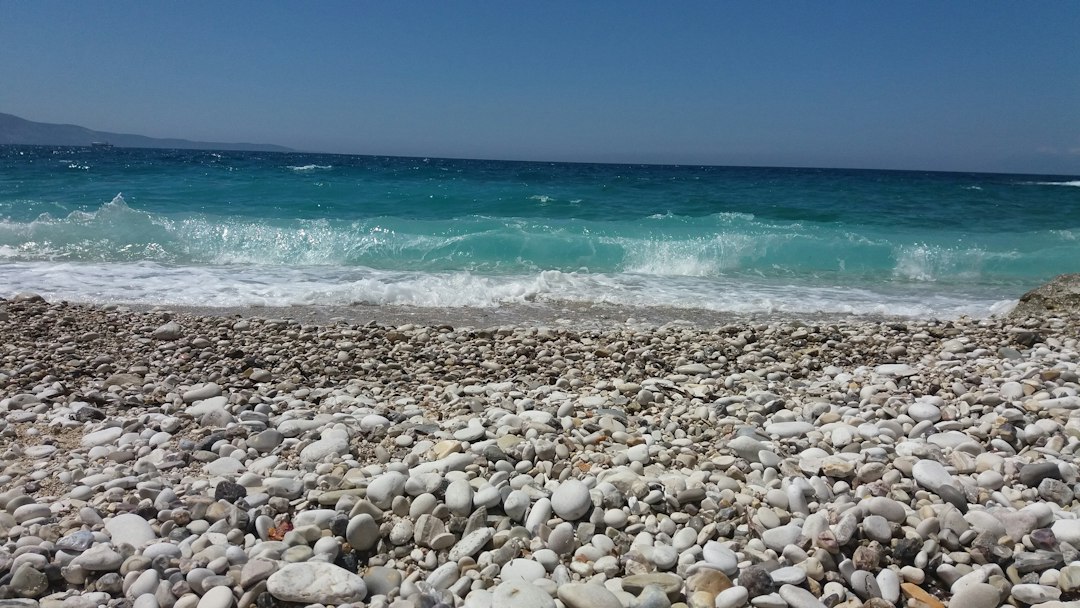
Bačvice Beach — This small pebble beach is the heart of Split's beach party scene. By day, it's a spot for locals playing šahovnica, a traditional checkered board game. By night, it transforms into a series of beach bars and clubs, with Bac and Amfora being the most famous. The sand is imported, the prices are high, but the energy is unmatched. Entry to the beach is free, but drinks and music will cost you.
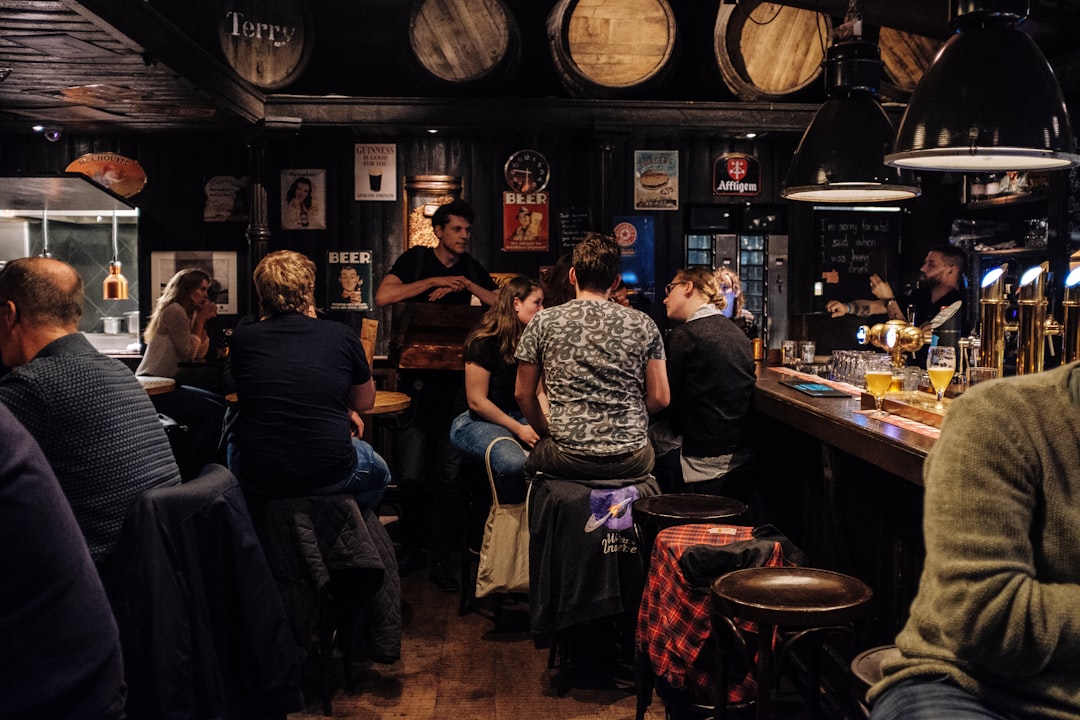
Gripe Bar — Located in the basement of the Palace, this is one of the oldest bars in the city. It's small, dark, and smells of old stone and cheap beer. It's a local favorite, popular with students and artists. The music is eclectic, and the prices are reasonable. It's not about the view; it's about the vibe. A pint of Staropramen costs around 3-4 EUR.
Scrooge Club — A legendary underground club located in the basement of the Palace. It's known for its electronic music scene, featuring local and international DJs. The space is cramped, hot, and sweaty, but the music is top-notch. Cover charge is around 5-10 EUR, depending on the night. It's a must-visit for anyone who loves deep house and techno.
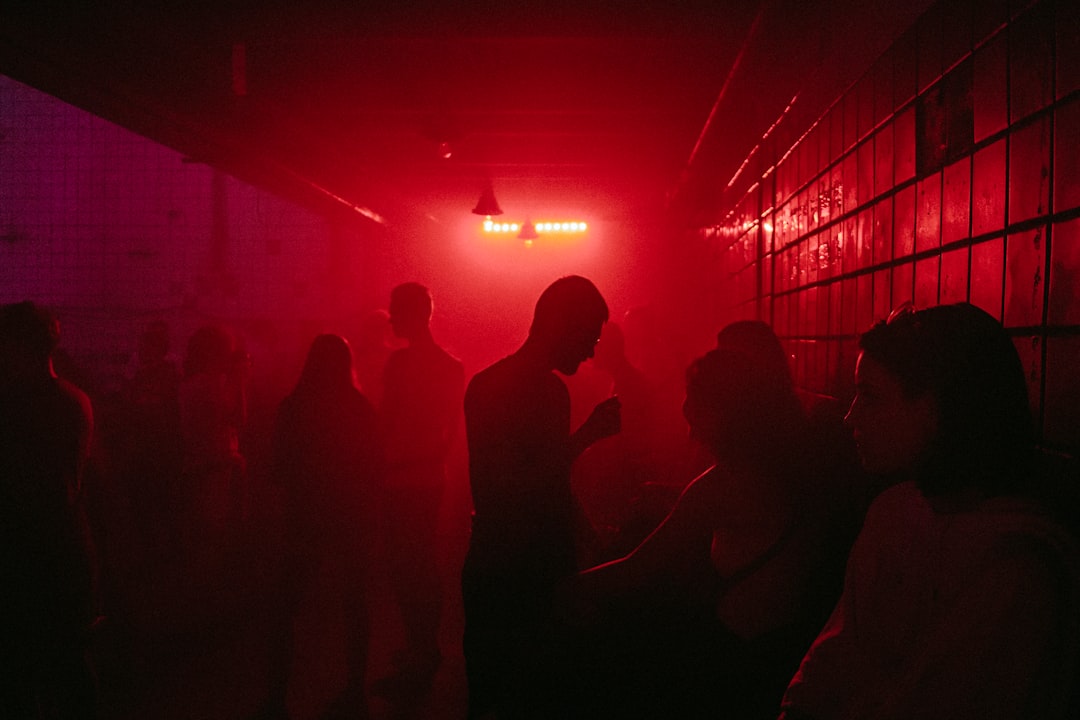
Bruna Bar — Perched on a cliff overlooking the Adriatic, Bruna is one of the most romantic and exclusive bars in Split. The view is stunning, especially at sunset, but the prices reflect that. A cocktail can cost 10-15 EUR. It's a place to dress up and be seen, rather than to lose yourself in the crowd. The music is soft, the service is impeccable, and the atmosphere is sophisticated.
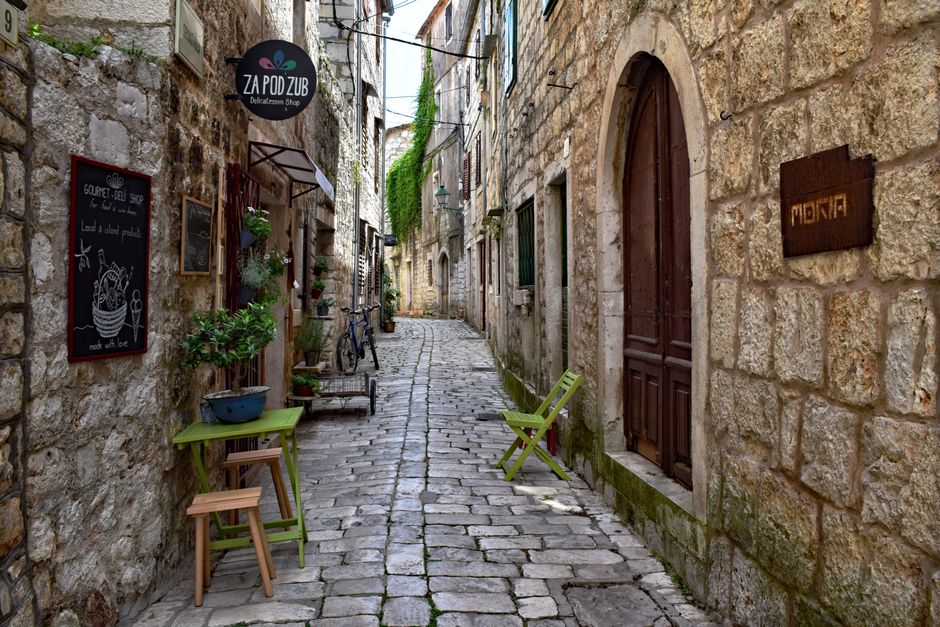
Old Town Streets — The streets themselves are the attraction. Perečina, Obali Hrvatskog Narodnog Preporoda, and Trg Domovinskog Rata are lined with bars, each with its own character. Some are loud and crowded, others are quiet and intimate. The best way to experience them is to wander, drink, and let the night guide you. There are no entry fees, just the cost of your drinks.
What to Eat & Drink
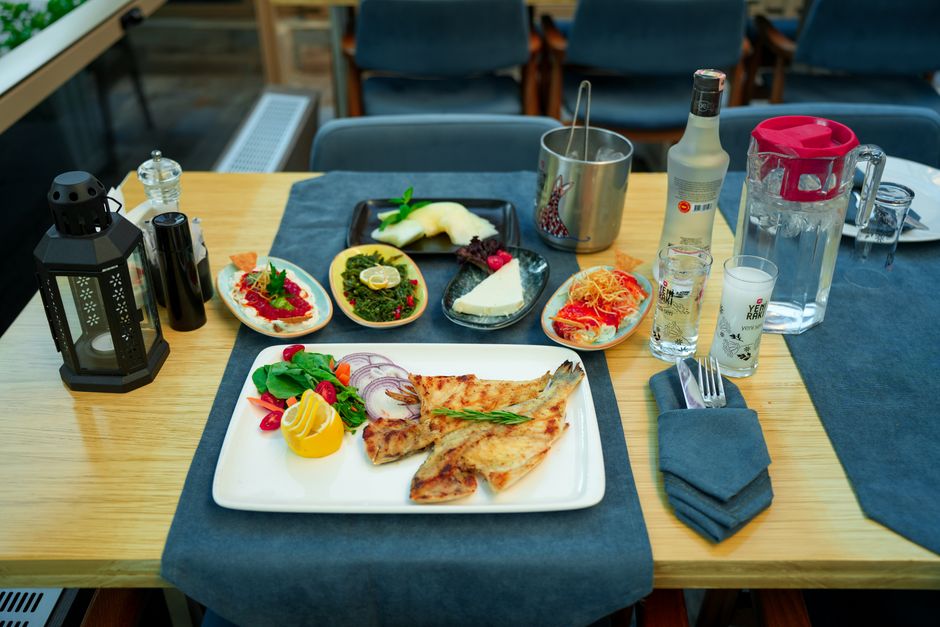
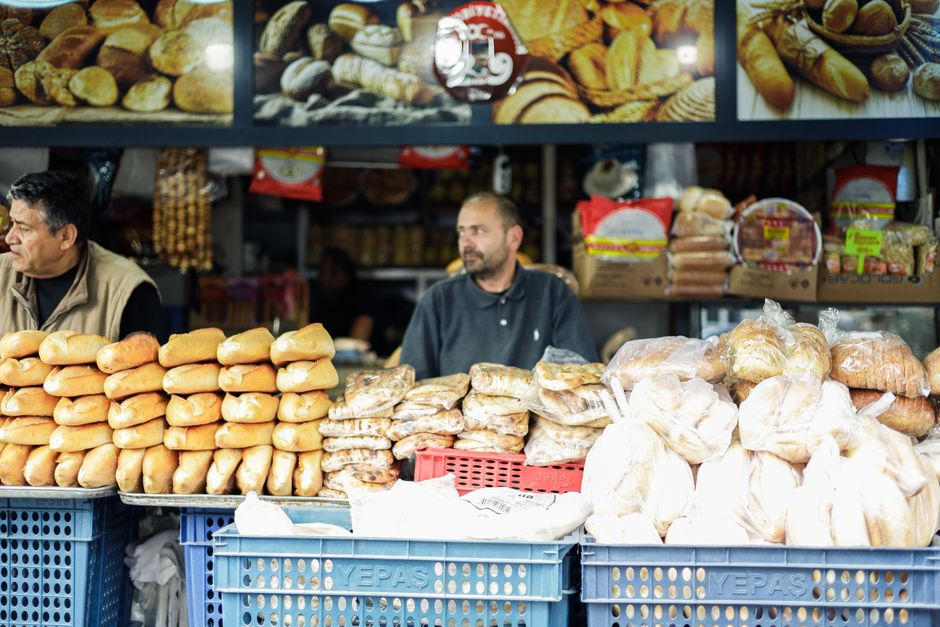
Eating in Split at night is a mix of quick bites and lingering meals. The local cuisine is heavily influenced by the sea, so seafood is a must. Crni rižot (black risotto) is a local specialty, made with squid ink and served with fresh seafood. A portion costs around 12-15 EUR. Pašticada, a slow-cooked beef stew with pržoljci (fried pasta), is another classic, often served in the more traditional restaurants. A plate costs 15-20 EUR. For something lighter, try Škampi na žaru (grilled prawns), which are fresh, cheap, and delicious. A portion of 10-12 prawns costs 8-10 EUR.
Street food is also abundant. Pogača, a savory bread roll, is a popular snack, often filled with cheese or ham. A roll costs 2-3 EUR. Pljeskavica, a Balkan-style burger, is another favorite, served with onions, peppers, and ajvar. A pljeskavica costs 5-7 EUR. For drinks, Staropramen is the local beer, cheap and refreshing. A pint costs 3-4 EUR in most bars, but more in tourist traps. Rakija, a strong fruit brandy, is the national spirit. A shot costs 3-5 EUR.
The Split Market Split Market is a great place to buy fresh produce and snacks during the day, but it closes early. For night-time dining, the streets around the Palace are your best bet. Obali Hrvatskog Narodnog Preporoda is lined with restaurants and bars, offering a wide range of options. For budget travelers, take-away options are plentiful, with many shops selling pizza, sandwiches, and pastries late into the night. A slice of pizza costs 2-3 EUR, and a sandwich costs 3-4 EUR.
Nightlife
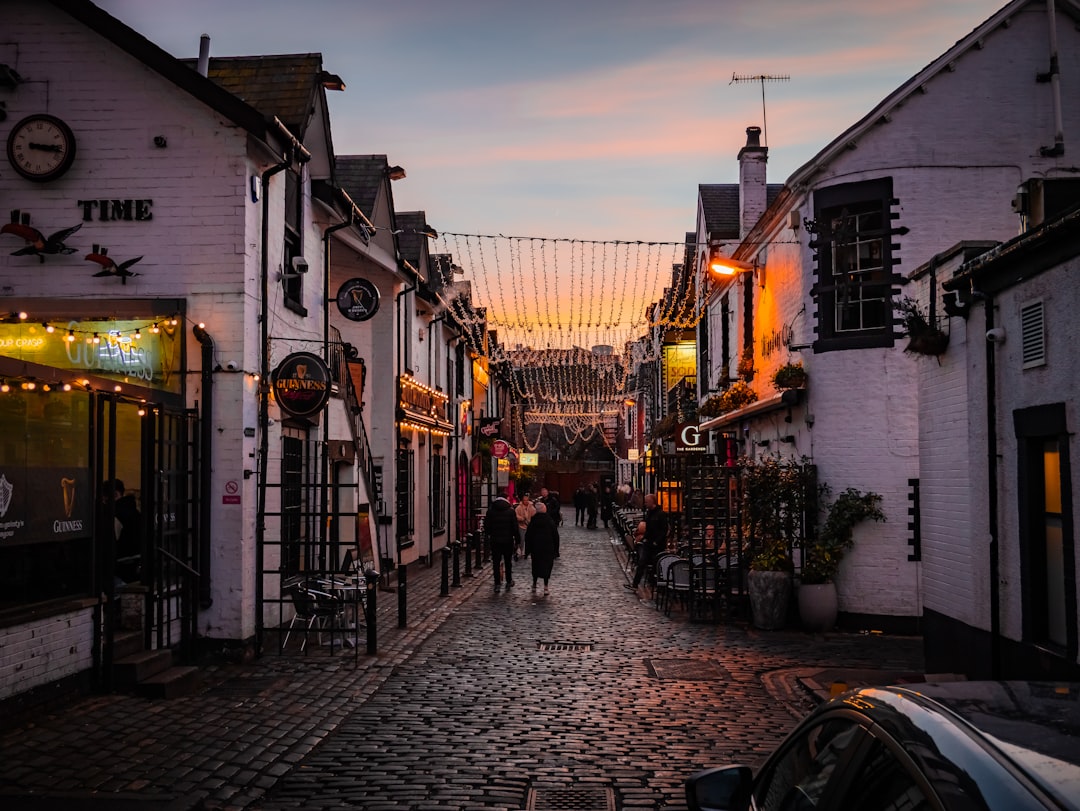
The nightlife in Split is divided into two main zones: the Old Town and the Beach Clubs. The Old Town is dense with bars, each with its own atmosphere. Perečina is the main street, packed with tourists and locals alike. Bars like Laika and Scrooge are popular for their music and vibe. Laika is known for its indie rock and alternative music, while Scrooge is a techno haven. Cover charges are low, usually 0-5 EUR, but drinks are expensive. A beer costs 4-6 EUR, and a cocktail costs 8-12 EUR.
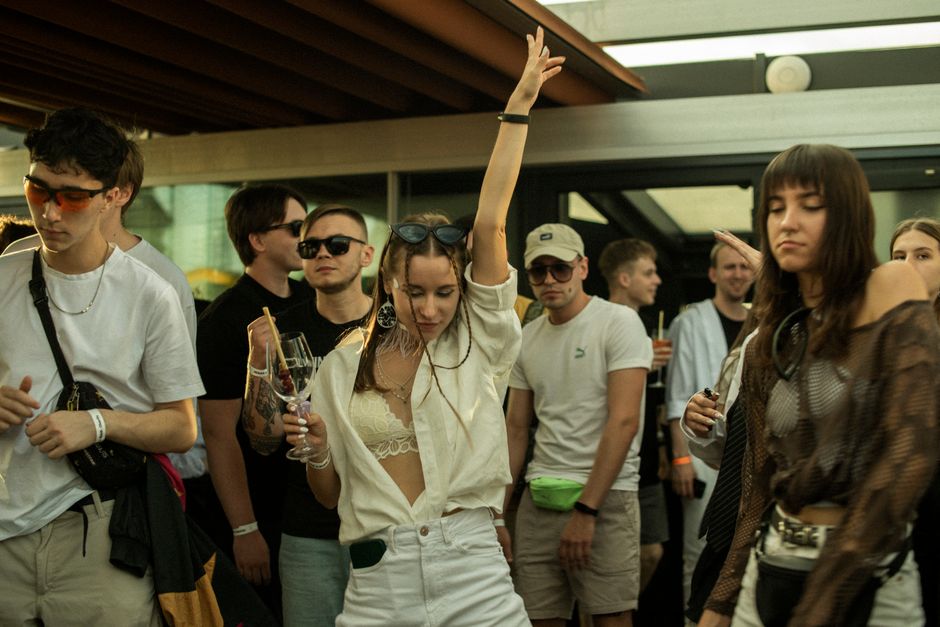
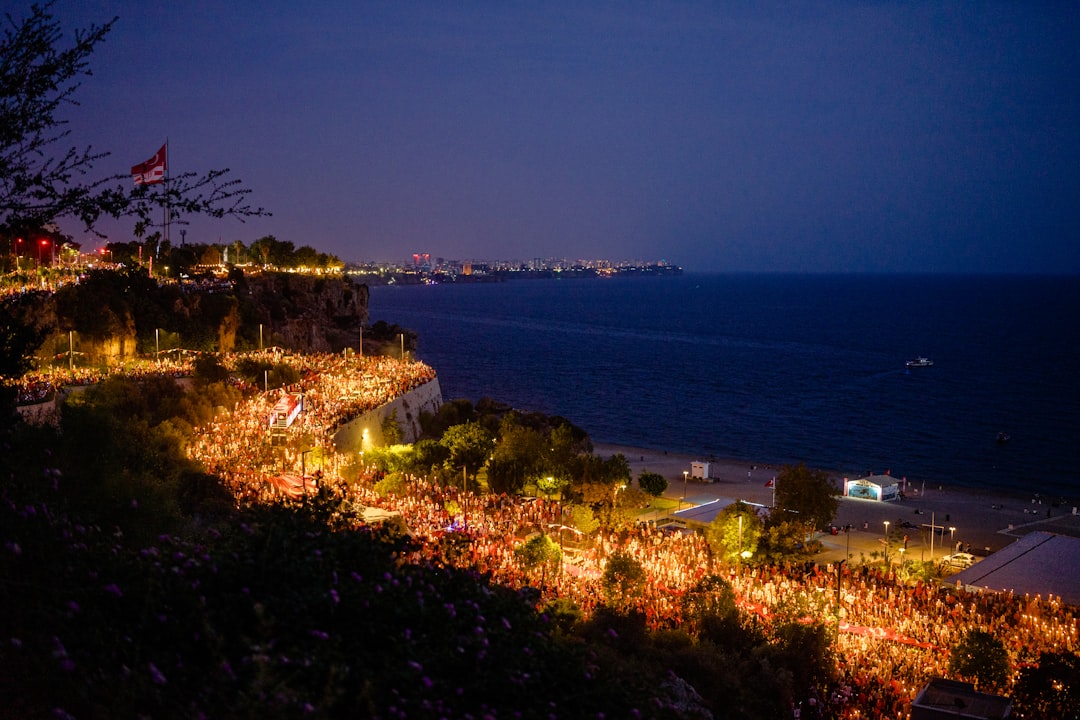
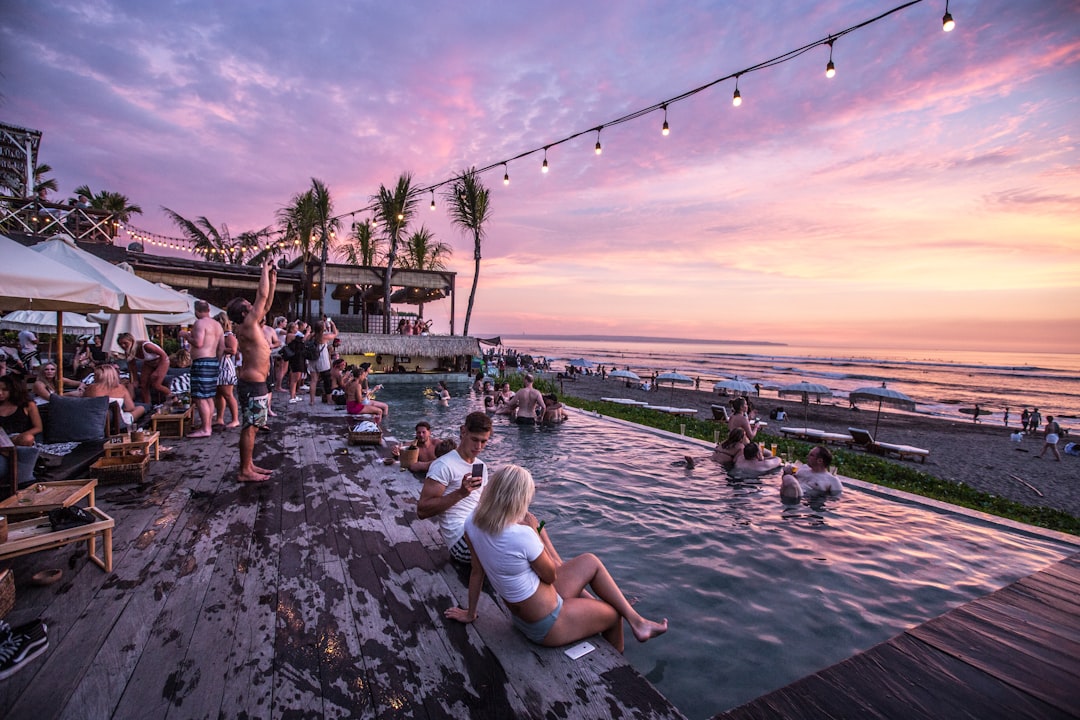
The Beach Clubs are a different beast. Bac and Amfora are the most famous, located on Bačvice beach. They are open until dawn, with DJs playing until the sun comes up. Entry is often free, but there are minimum spends for tables. A table for four can cost 100-200 EUR in drinks. The atmosphere is flashy and energetic, with people dancing on the sand and in the water. It's not for everyone, but it's a unique experience. Amfora is slightly more upscale, with a focus on electronic music and a younger crowd. Bac is more chaotic, with a mix of music and a more international crowd.
For a more local experience, head to Gripe Bar or Old Town streets. These places are cheaper, louder, and more authentic. The music is a mix of everything, from Balkan pop to indie rock. The crowds are a mix of students, artists, and locals. It's a more relaxed vibe, but no less fun. The key is to wander, explore, and let the night surprise you.
Getting There & What to Expect
Split is well-connected by air, sea, and land. The Split Airport Split Airport is located about 20 km from the city center, with regular bus and taxi services. A bus ticket costs 10-15 EUR, and a taxi costs 40-50 EUR. From Zagreb Zagreb, the drive is about 3-4 hours, with frequent buses and trains available. A bus ticket costs 20-30 EUR, and a train ticket costs 25-35 EUR. From Dubrovnik Dubrovnik, the drive is about 6-7 hours, with buses and trains available. A bus ticket costs 30-40 EUR.
Accommodation in Split ranges from budget hostels to luxury hotels. A bed in a hostel costs 15-25 EUR per night, a mid-range hotel costs 60-100 EUR per night, and a luxury hotel costs 150-300 EUR per night. The best time to visit is June to September, when the weather is warm and the nightlife is at its peak. However, this is also the busiest and most expensive time. May and October are quieter, with milder weather and lower prices.
What to expect: Crowds, heat, and noise. Split is not a quiet city, especially in the summer. The streets are packed, the bars are loud, and the prices are high. But the energy is infectious, and the experience is unforgettable. Come prepared for a long night, wear comfortable shoes, and keep your wallet close. The city will test you, but it will also reward you with memories that last a lifetime.
Search accommodation in Split on Booking.com →
The Morning After
I sit on the steps of the Peristyle, watching the sun rise over the Adriatic. My head throbs, my feet ache, and my wallet is lighter than it was yesterday. But I'm smiling. This city is a beast, but it's a beautiful one. It doesn't care about your comfort or your budget. It only cares about your energy. And if you have enough of it, it will give you everything. I stand up, stretch my stiff legs, and head towards the nearest coffee shop. The night is over, but the city is already waking up for another one. Split is not just a place; it's a state of mind. And I'm still in it.
Comments