


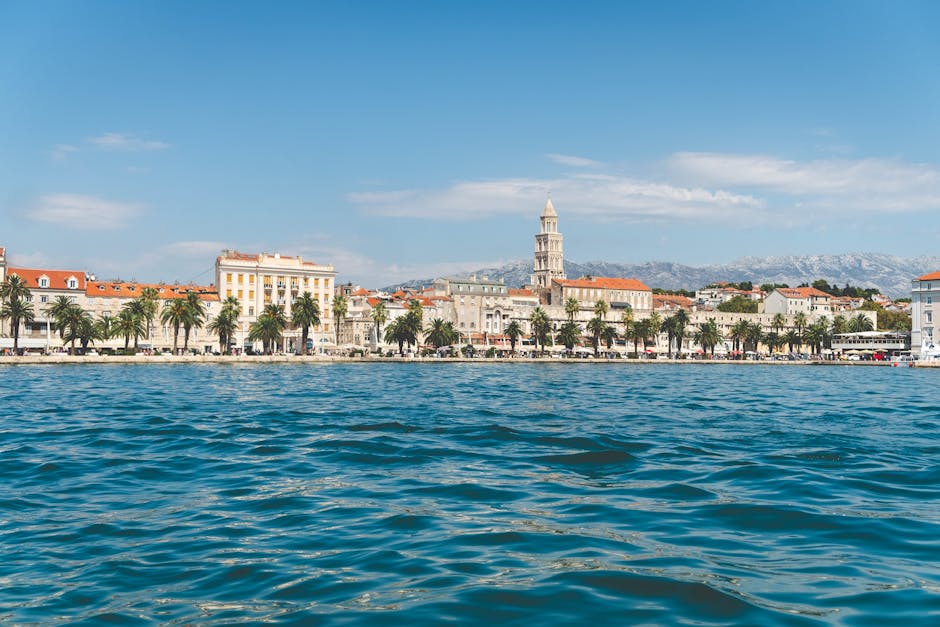
The sun in Dalmatia doesn't just shine; it interrogates. It beats down on the limestone pavement of the Riva promenade until the air shimmers with a heat haze that makes the Adriatic look like a mirage. I sat on a plastic chair in a taverna, sweating through my shirt, watching a tourist in a pristine white suit stumble past a street musician playing a cittern. The musician didn't look up. He was too busy counting the coins dropping into his case. This is Split, Croatia, a city that refuses to be just a cruise ship stop. It is a living, breathing organism where Roman concrete meets modern chaos, where the ancient walls of an emperor's mausoleum are now the living rooms of locals who have never seen a gladiator but know exactly how to grill octopus.
I came here to escape the polished veneer of resort tourism, but I found something more intense. The city is a labyrinth. Every corner you turn, you hit a wall that is two thousand years old. The noise of the ferries, the shouting of vendors, the clinking of glasses in the Diocletian's Palace — it all blends into a cacophony that feels dangerously alive. This isn't a museum. It's a city that happened to be built inside a fortress.
History & Identity
To understand Split, you have to forget what you think you know about Roman ruins. Usually, they are silent, empty shells in the desert or the countryside. Here, the ruins are the city. In the 3rd century, the Roman Emperor Diocletian retired to the Dalmatian coast. He didn't just build a villa; he built a fortified city-state. The Diocletian's Palace was his final resting place and his power base. It was designed to be impenetrable, a massive rectangular complex with walls up to 20 meters high and four monumental gates.
When the Roman Empire collapsed, the palace didn't fall into disrepair. It became a refuge. Locals from the surrounding countryside moved inside the walls for safety. Over centuries, the imperial residence transformed into a medieval town. The Roman peristyle became a public square, the mausoleum became a cathedral, and the triumphal arch became a city gate. This organic evolution is what makes Split unique. You aren't visiting a site; you are walking through the daily life of people who have adapted to the empire's infrastructure for 1,700 years.
The identity of Split is fiercely independent. The city has a history of rebellion and resistance, from the Venetian rule to the Yugoslav era. The people here take pride in their resilience. The palace isn't just a tourist attraction; it is their home. This creates a tension between the millions of visitors who come to see the "Roman" past and the locals who are trying to live in the present. The result is a city that feels raw, unpolished, and incredibly authentic.
Where to Go
Diocletian's Palace — The entire historic center is the palace. There is no single entry fee for the streets, but you can pay to enter specific structures. The best way to experience it is to wander the Peristyle, the central square that was the heart of the emperor's residence. Today, it is surrounded by cafes and filled with tourists, but at night, it transforms into a lively social hub. The architecture is a mix of Roman columns and later additions. Visit early in the morning or late at night to avoid the cruise ship crowds and feel the true atmosphere. Entry to the underground necropolis is 7 EUR.
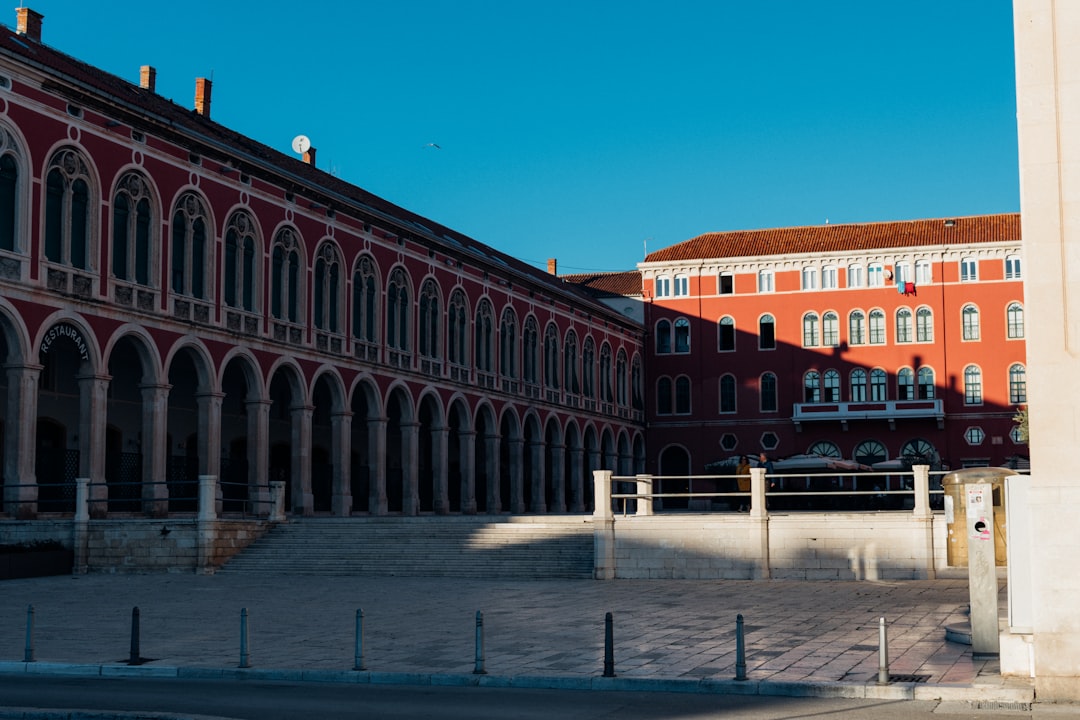
Cathedral of Saint Domnius — This is actually Diocletian's mausoleum, converted into a cathedral in the 7th century. The exterior is a Roman temple with a cylindrical drum and a dome, while the interior is a Romanesque basilica. The view from the top of the bell tower is worth the climb. You get a 360-degree view of the palace, the sea, and the surrounding islands. The climb is steep and the stairs are narrow, but the perspective is unmatched. Entry is 4 EUR.
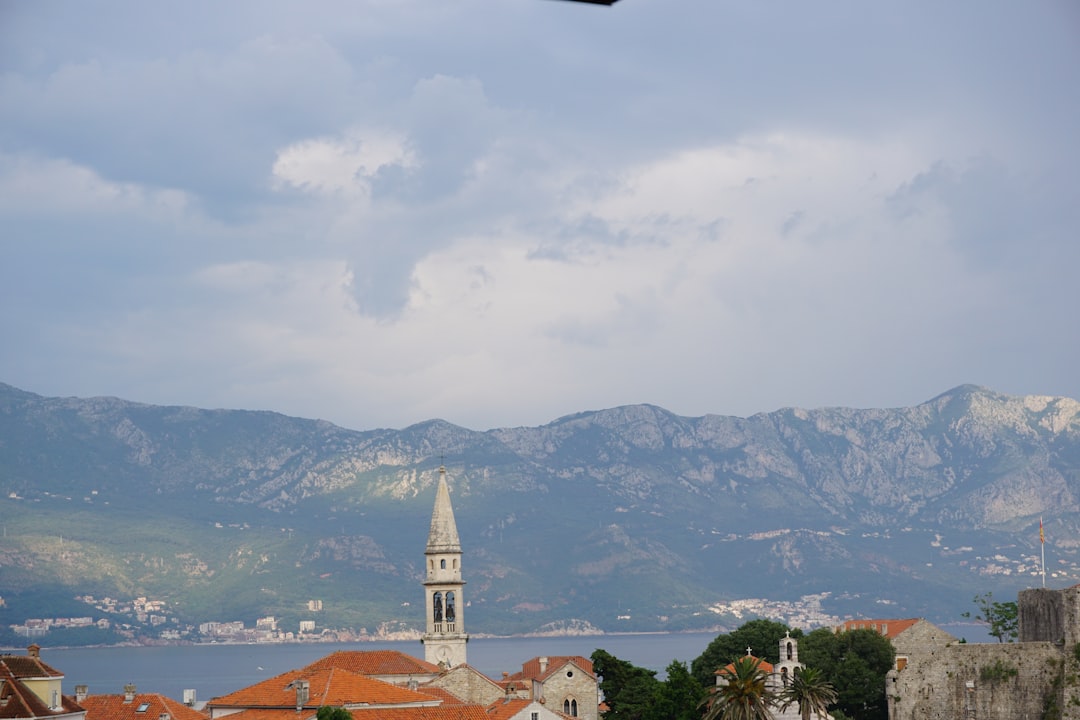
Golden Gate — The eastern entrance to the palace, this is where Diocletian's body was brought. It is the most ornate of the four gates, decorated with reliefs and statues. It leads directly to the Peristyle. The area around the gate is quieter than the main squares, making it a good spot for a contemplative moment. At night, the gate is illuminated, creating a dramatic entrance to the old town.
Marjan Hill — Located just outside the palace walls, this is a park and forested hill that offers a green escape from the stone labyrinth. It is dotted with Roman ruins, including the remains of a villa and an amphitheater. The hill is perfect for a hike, with trails leading to viewpoints and beaches. The air is cooler here, and the scent of pine and juniper fills the air. It is a favorite spot for locals to jog and picnic.
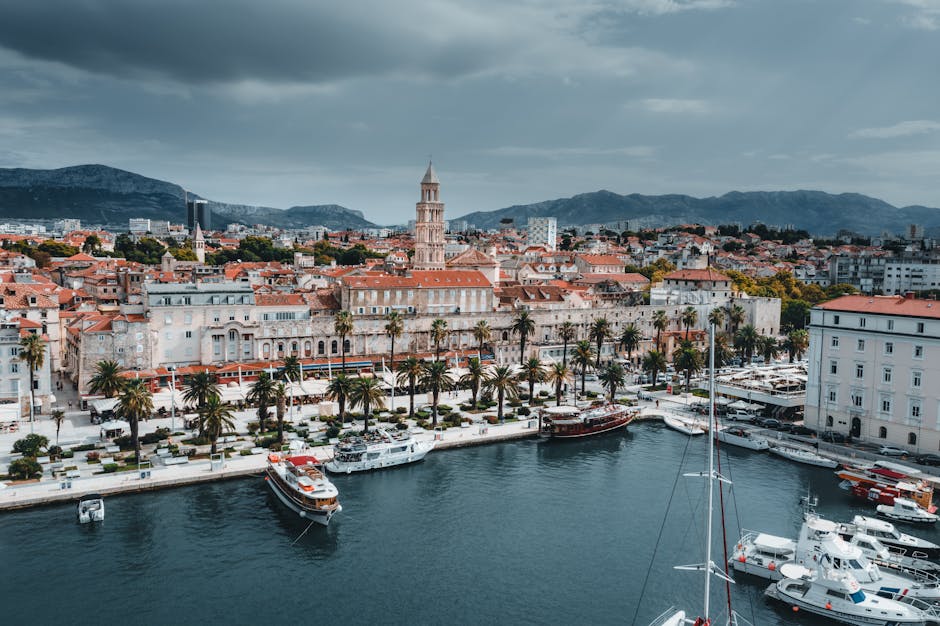
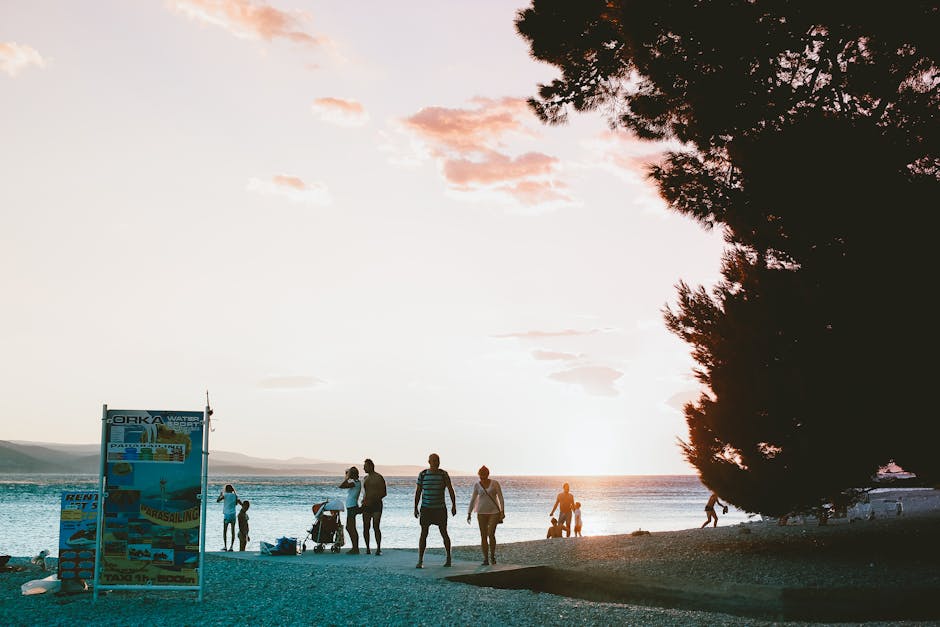
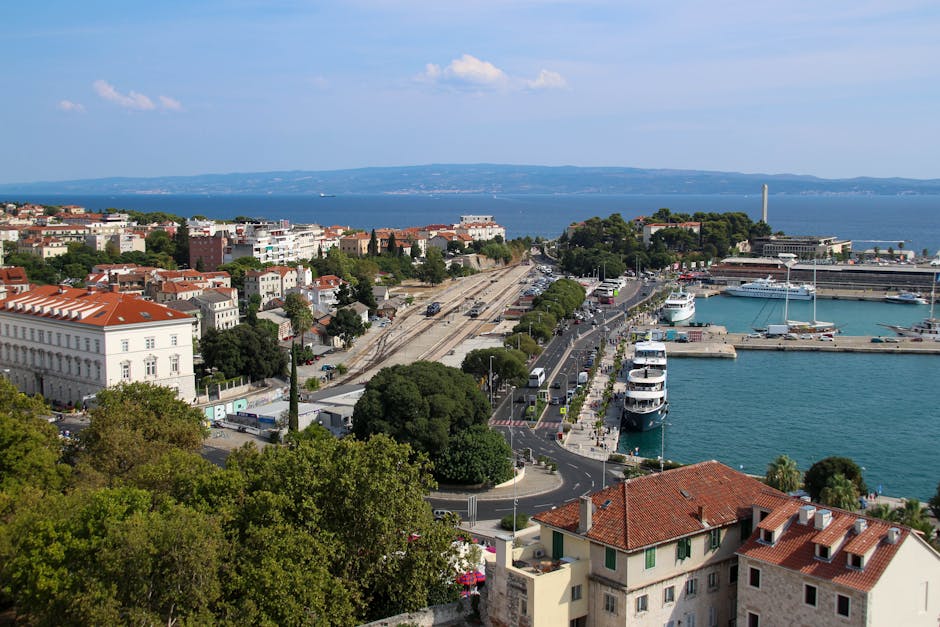
Riva Promenade — The waterfront walkway that runs along the eastern side of the palace. It is lined with cafes, bars, and street performers. This is the main artery of the city, where the old meets the new. You can see the cruise ships docked nearby, a stark contrast to the ancient walls. It is the best place to watch the sunset, with the light reflecting off the water and the palace walls turning golden.
What to Eat & Drink
Eating in Split is a study in contrasts. You can find high-end seafood restaurants with menus that look like novels, or you can grab a street food snack that costs less than a coffee. The key is to eat like a local, which means focusing on fresh, simple ingredients. The Dalmatian diet is based on fish, olive oil, and vegetables. Do not leave without trying the local specialties.
Black Risotto — Made with cuttlefish ink, this dish is black in color and rich in flavor. It is a specialty of the Adriatic coast. A serving costs 8-12 EUR. Grilled Octopus — Tender, smoky, and served with olive oil and lemon. A must-try appetizer. 6-10 EUR. Pašticada — A slow-cooked beef stew with prunes and raisins, served with homemade pasta. It is hearty and complex. 10-15 EUR. Fritule — Small, sweet doughnuts served with honey or jam. A perfect dessert. 2-3 EUR.
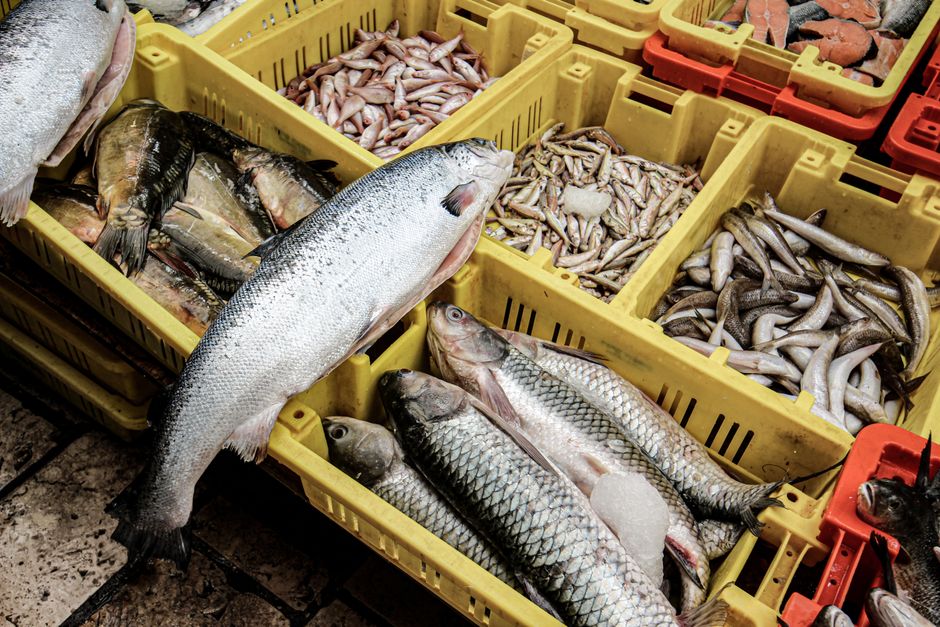
For budget travelers, the Split Market is a goldmine. You can buy fresh produce, cheese, and meat to cook yourself, or grab a quick sandwich from a stall. A meal here costs 3-5 EUR. For a sit-down meal, a local taverna in the palace will charge 15-25 EUR per person, including a drink. Avoid the restaurants right on the Riva with pictures of food outside; they are overpriced and low quality. Walk a few streets inland to find better value and atmosphere.
Nightlife
Split's nightlife is concentrated in two areas: the palace and the modern part of the city. Inside the palace, the bars are atmospheric, set in Roman courtyards and cellars. The Peristyle is the epicenter, with bars like Gold Gulp and Barok attracting a mixed crowd of tourists and locals. The music is usually a mix of pop and electronic, and the vibe is lively but not overly rowdy. Cover charges are rare, but drinks are expensive, with a beer costing 3-5 EUR.
For a more local experience, head to the Bacvice beach area. The bars here are more relaxed, with a focus on cocktails and sunset views. Barok is a popular spot, known for its rooftop terrace and panoramic views. The music is louder, and the crowd is younger. If you want to party until dawn, you need to go to the modern part of the city, where clubs like Amfora and Hard Rock Cafe host DJ sets and live bands. Entry to clubs can be 5-10 EUR, depending on the event.
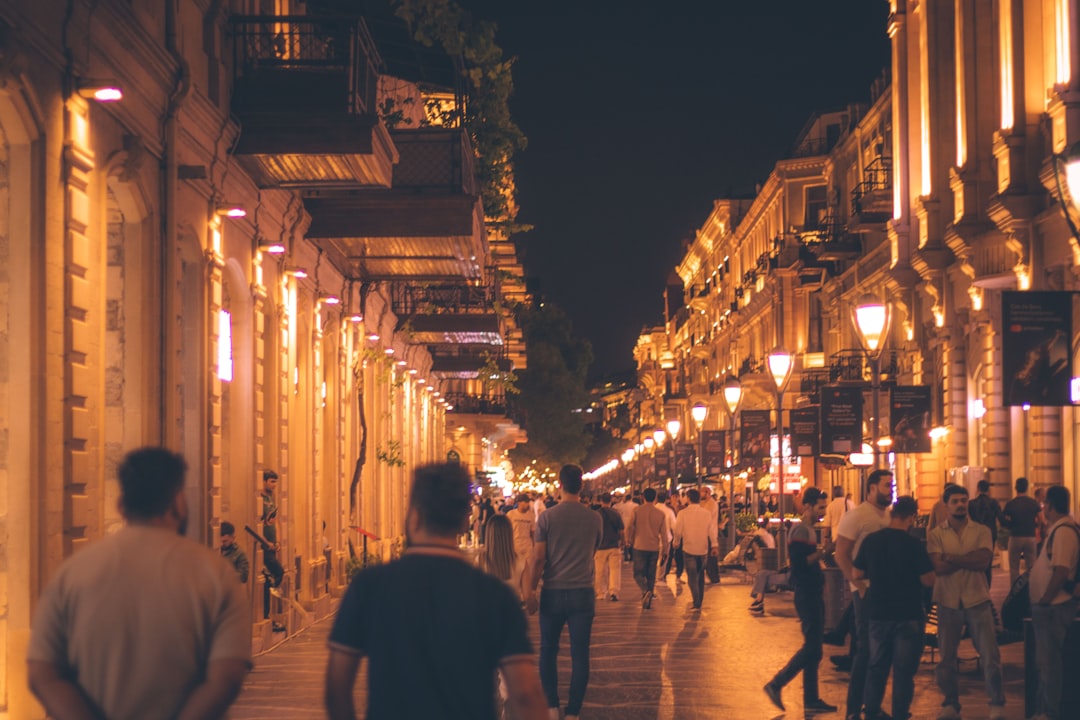
The nightlife in Split is not about extravagant parties; it is about socializing. People sit outside, drink wine, and talk late into the night. The atmosphere is convivial and inclusive. Whether you are in a Roman cellar or a beach bar, you will find that the locals are friendly and welcoming. Just be prepared for the heat; the stone walls trap the sun's warmth, making it feel like an oven even in the evening.
Getting There & What to Expect
Split is well-connected, with an international airport that handles flights from major European cities. The airport is 20 kilometers from the city center, and a bus ride takes about 30 minutes, costing 5 EUR. You can also fly into Zagreb or Dubrovnik and take a bus or train to Split. The journey from Zagreb takes about 5 hours by bus or 3.5 hours by train, costing 15-25 EUR. From Dubrovnik, the bus ride is 6-7 hours, costing 20-30 EUR.
Accommodation in Split ranges from budget hostels to luxury hotels. A bed in a hostel dorm costs 15-25 EUR per night, while a private room in a mid-range hotel costs 50-80 EUR. Luxury hotels near the palace can charge 150-300 EUR per night. The best time to visit is May or September, when the weather is warm but the crowds are smaller. July and August are peak season, with high prices and long lines.
Expect to walk a lot. The palace is compact, but the streets are steep and uneven. Wear comfortable shoes. Also, expect to deal with cruise ship crowds. If you can, arrive early in the morning or stay late in the evening to enjoy the city when it is quieter. The heat can be intense, so drink plenty of water and take breaks in the shade. Split is a city that rewards patience and exploration.
Search accommodation in Split on Booking.com →
The Ghost in the Machine
I left Split with a bruised heel and a head full of contradictions. The city is a palimpsest, where every layer of history is visible but none is fully legible. The Roman stones are worn smooth by two thousand years of footsteps, and the modern city is built on top of them like a fever dream. It is a place that feels both ancient and urgent, quiet and loud, welcoming and aloof.
As I walked out of the Golden Gate one last time, I looked back at the palace. The sun was setting, casting long shadows across the Peristyle. The tourists were gone, and the locals were sitting in the cafes, drinking their wine and talking. For a moment, the empire faded away, and I saw just a city, living its life in the ruins of a dream. It was beautiful, in a rough, unpolished way. And that is what makes Split worth the heat, the crowds, and the confusion. It is real.
Comments