


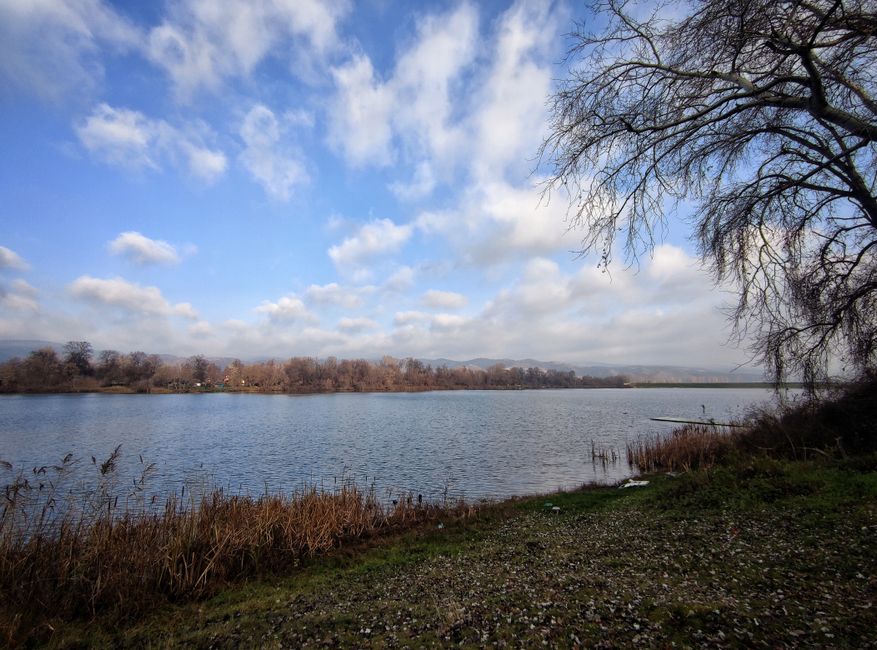
I didn't expect to find a hot spring experience that felt less like a spa and more like a geological accident, but here I am, waist-deep in lukewarm mineral water at Sremski Karlovci, watching the sunset bleed over the Danube. The water isn't the boiling, sulfuric sludge you find in some places; it's a gentle, almost shy warmth that seeps into your joints with the persistence of a bad memory. A local fisherman on the shore is casting a line, completely unbothered by the half-naked tourists shivering in the evening air. This is Fruška Gora, a mountain that isn't really a mountain, more like a large, green hump on the map of Serbia, and it is absolutely drenched in thermal history.
The vibe here is chaotic, unpretentious, and deeply Balkan. There are no five-star infinity pools overlooking the Adriatic. Instead, you have concrete baths, peeling paint, and water that has been heating up underground for millions of years. The air smells of wet stone, pine needles, and the faint, metallic tang of minerals. I'm here to find out if these thermal springs are worth the detour from Belgrade, and so far, the answer is a muddy, warm yes.
History & Identity
The thermal springs of Fruška Gora have been a draw for humans for millennia, but the modern era of tourism really kicked off in the 19th century. The mountain, which is actually a tectonic island rising from the Pannonian Plain, has a unique geological structure that traps rainwater underground, where it heats up and absorbs minerals before surfacing. This isn't just a tourist gimmick; the water is genuinely rich in magnesium, calcium, and sulfate, making it a magnet for those with rheumatism, skin conditions, and general existential dread.
The identity of this region is tied to the water. The spa towns that dot the slopes didn't just grow around the springs; they were built by them. Sremski Karlovci became a summer residence for the Serbian court in the 19th century, and the aristocracy flocked here for the "waters." Today, the legacy remains, though the clientele has shifted from kings and counts to budget travelers, regional health tourists, and anyone looking to escape the urban grind of Novi Sad or Belgrade. The architecture reflects this: a mix of Austro-Hungarian elegance, socialist-era functionalism, and post-Yugo decay.
What makes Fruška Gora unique is its accessibility. It's not a remote wilderness. You can drive from Belgrade to the springs in under an hour. This proximity has kept the area alive but also means it can get crowded. The springs are a communal experience, a place where social barriers dissolve in the heat of the water. You'll see doctors bathing next to farmers, and students next to retirees, all united by the simple pleasure of warm water on a cold day.
Where to Go
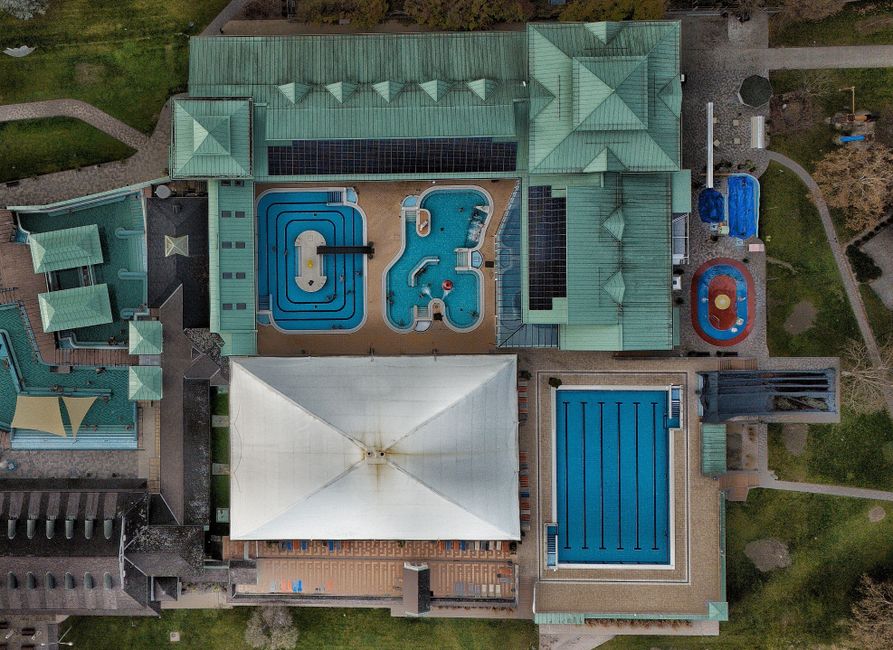
Topolovačka Banja — This is the oldest spa in the region, established in the 19th century. It's located in a dense pine forest, giving it a secluded, almost mystical atmosphere. The main attraction is the large thermal pool, but the real draw is the variety of treatments available, from mud baths to mineral water drinking cures. It's a bit more upscale than some of the other options, with a hotel complex and a more formal vibe. Entry to the pools is around 3-5 EUR, but treatments cost extra.
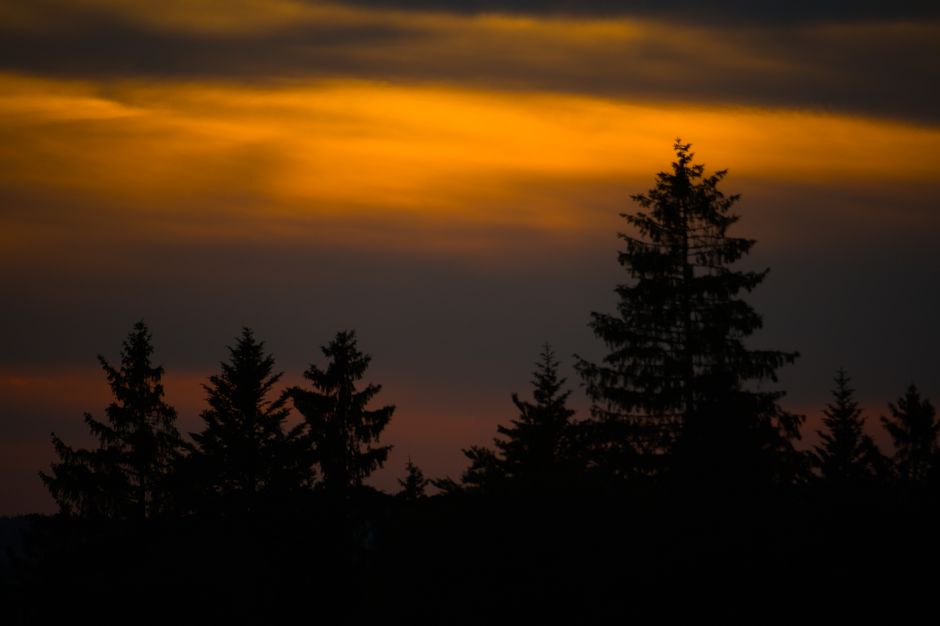
Sremski Karlovci Spa — Located in the charming town of Sremski Karlovci, this spa offers a more relaxed experience. The pools are smaller and more intimate, and the town itself is a great place to wander after a soak. There are plenty of cafes, wine bars, and historic churches to explore. The thermal water here is known for its high mineral content, and the spa offers a range of therapies. Entry fees are reasonable, around 2-4 EUR for the pools.
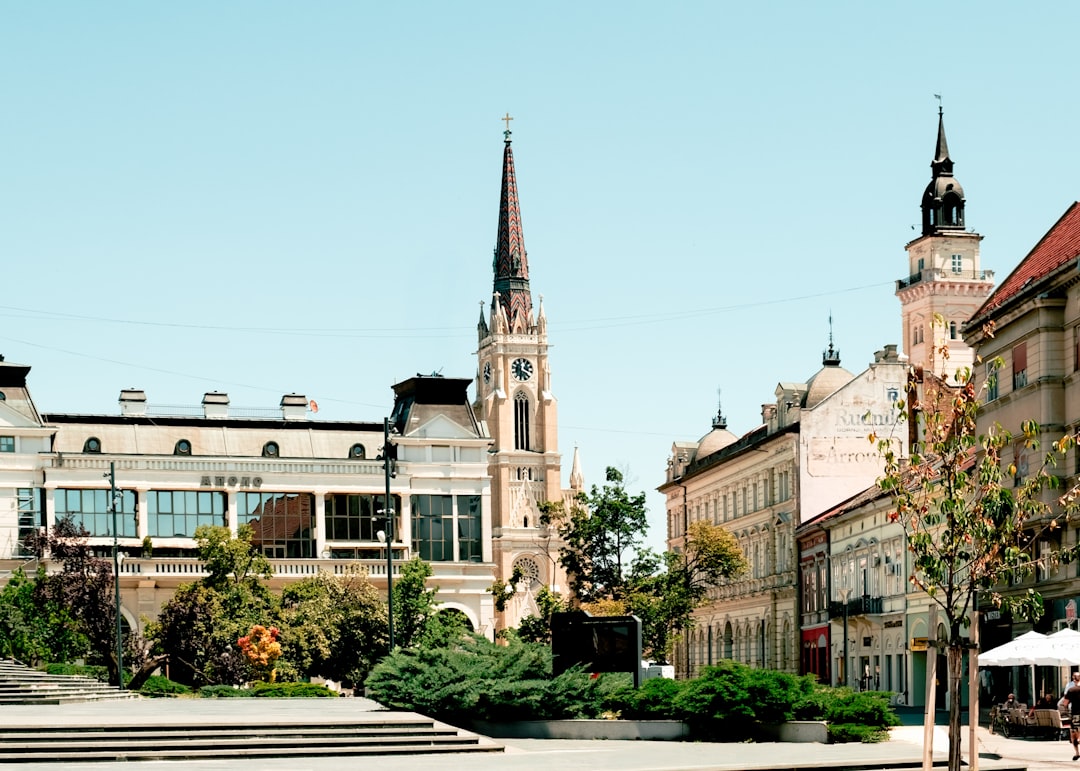
Vrdnik Spa — Vrdnik is a small village perched on the slopes of Fruška Gora, known for its wine and its thermal springs. The spa here is modest, with a few outdoor and indoor pools. The water is warm and mineral-rich, and the setting is beautiful, with views of the surrounding hills. It's a great place for a quiet soak, away from the crowds. Entry is around 2-3 EUR.
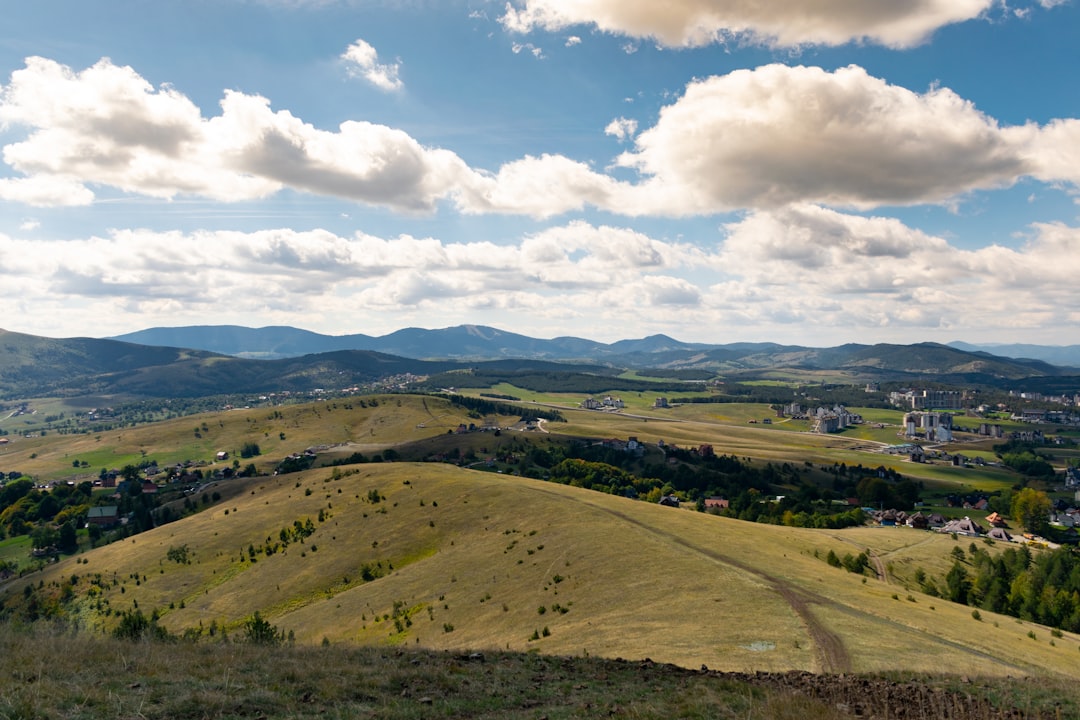
Beočin Spa — Located near the town of Beočin, this spa is a bit more industrial in feel, with concrete pools and a no-frills approach. However, the water is excellent, and the prices are very low. It's a popular spot for locals, and it has a genuine, unpretentious atmosphere. Entry is around 1-2 EUR.
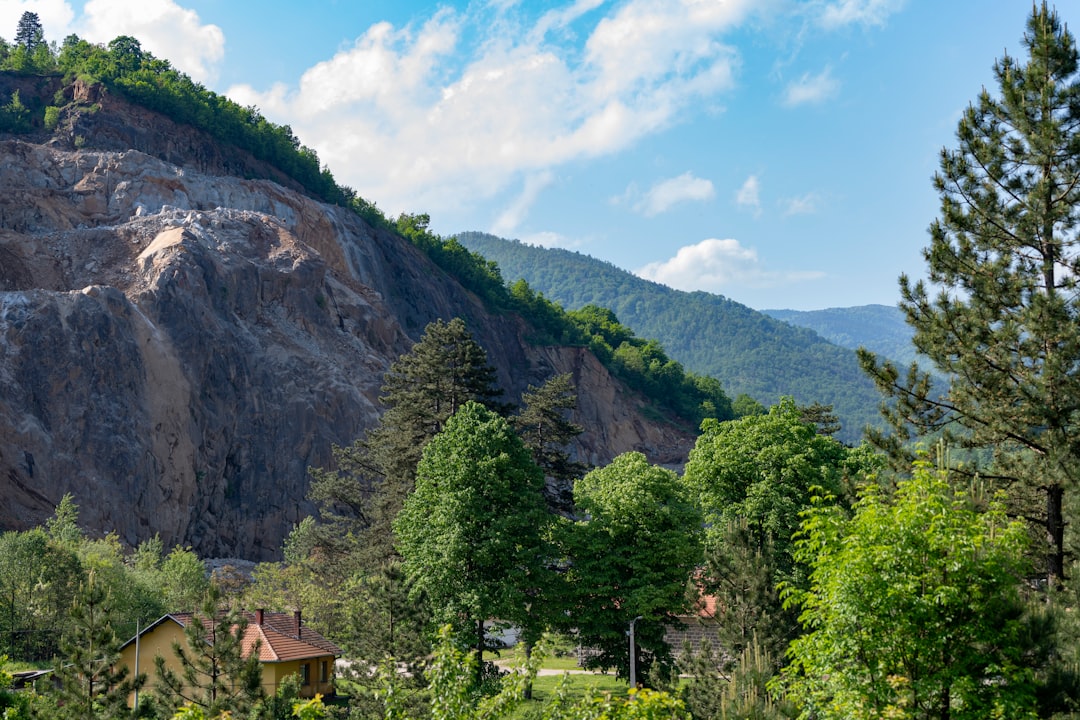
Železnik Spa — Železnik is another small town with a thermal spa. The pools are small and simple, but the water is warm and the location is peaceful. It's a good option if you're staying in the northern part of Fruška Gora. Entry is around 2-3 EUR.
What to Eat & Drink
After a soak, you'll need to refuel, and the food in Fruška Gora is hearty and satisfying. The region is known for its pork, and you'll find it on almost every menu. Čevapi — small grilled meat sausages, served with onions and flatbread — are a must, and you can get a plate of ten for around 4-6 EUR. Šnicle — breaded pork cutlet, often served with fries or salad — is another staple, costing around 6-8 EUR. For a lighter option, Šopska salata — a fresh salad of tomatoes, cucumbers, onions, and peppers, topped with feta cheese — is refreshing and cheap, around 2-3 EUR.
The region is also famous for its wine, particularly the white varieties like Smederevka and Grasevina. You can find these wines in almost every restaurant and cafe, and a glass will cost you around 1-2 EUR. For a more substantial meal, try Pasulj — a thick bean stew, often cooked with pork — which is comforting and filling, around 4-5 EUR.
Budget travelers will find plenty of options for cheap eats. Street food vendors sell Pljeskavica — a large grilled burger — for around 3-4 EUR, and there are bakeries that sell Pogaca — a type of flatbread — for 1-2 EUR. For a sit-down meal, a local restaurant will charge around 8-12 EUR per person for a main course and a drink. Mid-range restaurants can cost around 15-20 EUR per person.
Nightlife
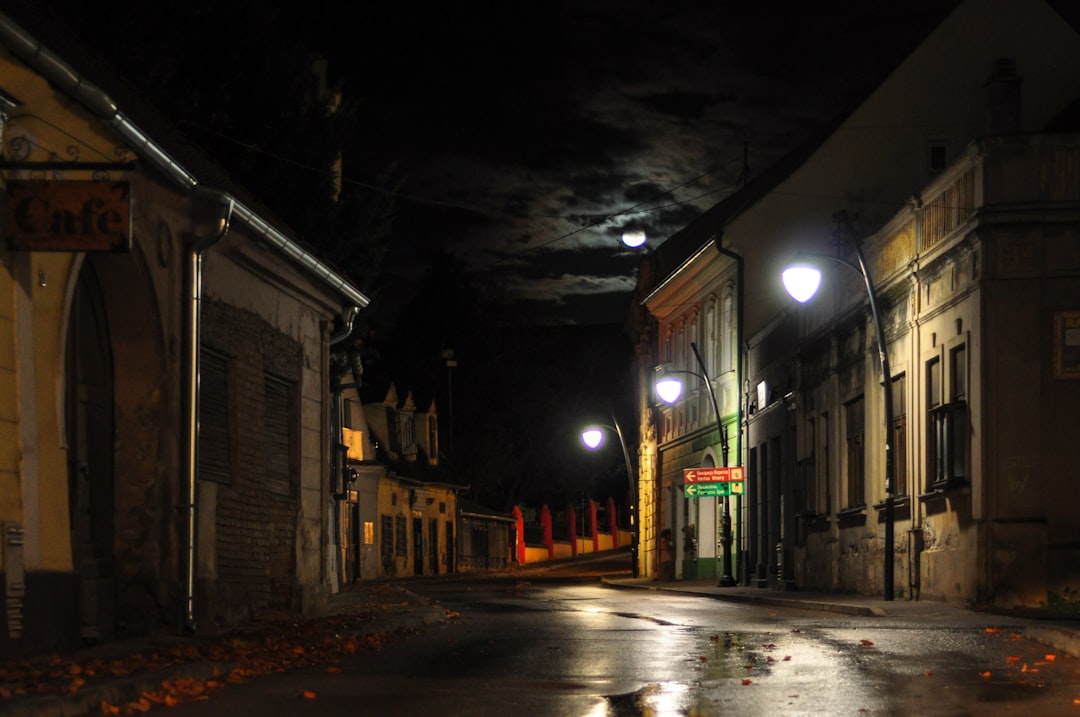
Nightlife in Fruška Gora is not about clubs and DJs. It's about wine bars, cafes, and live music. Sremski Karlovci is the main hub for nightlife, with a number of bars and restaurants that stay open late. The atmosphere is relaxed, and you'll often find local musicians playing traditional folk music. Vrdnik also has a few bars and restaurants, and it's a good place to enjoy a glass of wine and some live music. Beočin and Železnik have fewer options, but there are still some cafes and bars that stay open late.
One of the best places to experience the nightlife in Sremski Karlovci is the main square, where there are several cafes and bars that spill out onto the street. It's a great place to people-watch and enjoy the atmosphere. In Vrdnik, the main street is lined with bars and restaurants, and it's a good place to start your evening. The music is usually traditional, but you might also find some pop or rock music.
Cover charges are rare, and drinks are cheap. A beer will cost you around 1-2 EUR, and a glass of wine around 1-2 EUR. It's a relaxed, unpretentious scene, and it's a great way to end a day spent soaking in the thermal springs.
Getting There & What to Expect
The nearest major city is Belgrade, which is about 40 kilometers away. You can drive from Belgrade to Fruška Gora in about 45 minutes, and there are regular buses that run between the two cities. The bus takes about an hour and costs around 3-5 EUR. If you're coming from Novi Sad, it's even closer, about 20 kilometers away, and you can drive there in about 30 minutes. There are also buses from Novi Sad to the spa towns, and the journey takes about 45 minutes and costs around 2-3 EUR.
Accommodation in Fruška Gora is relatively cheap. Budget hostels and guesthouses can be found for around 15-25 EUR per night, while mid-range hotels cost around 30-50 EUR per night. There are also some more upscale options, but they are rare. If you're on a tight budget, you can camp in the national park, but you need to check the rules and regulations first.
The best time to visit Fruška Gora is in the spring or autumn, when the weather is mild and the crowds are smaller. In the summer, it can get hot and crowded, and in the winter, it can be cold and some of the outdoor pools might be closed. However, the indoor pools are open year-round, so you can still enjoy the thermal springs even in the depths of winter.
Search accommodation in Sremski Karlovci on Booking.com →
The Radioactive Truth
There's a rumor that some of the thermal springs in Fruška Gora have a slight radioactive content, and while I can't confirm that, it adds to the allure. It's not a resort; it's a raw, unfiltered experience. You're not paying for luxury; you're paying for the water, the history, and the feeling of being part of something ancient and enduring. The peeling paint, the concrete pools, the local fisherman — it's all part of the charm. This is Serbia, and it's not afraid to show its scars. Soak in the warm water, eat some čevapi, drink some wine, and forget about the world for a while. It's not perfect, but it's real, and that's worth more than any five-star spa.
Comments