


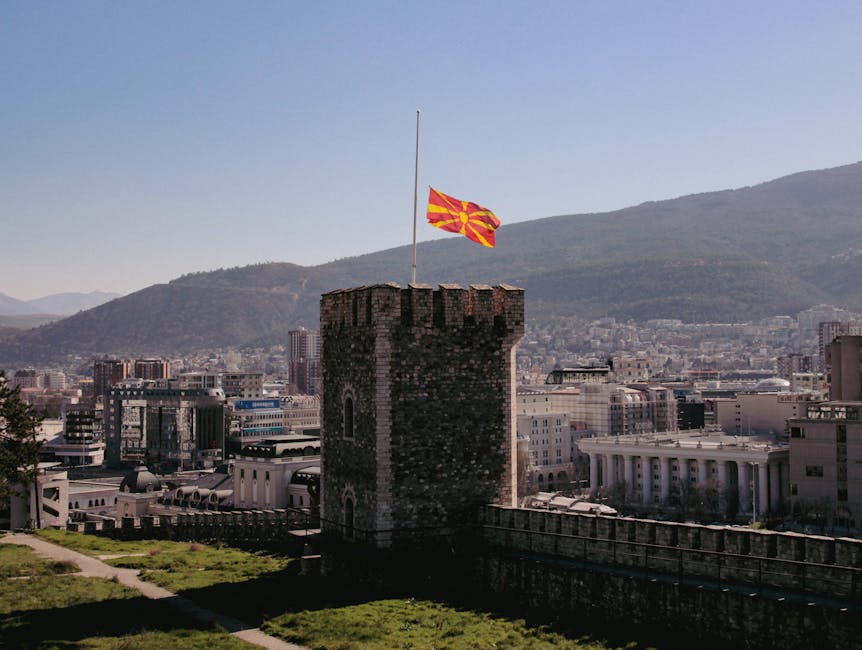
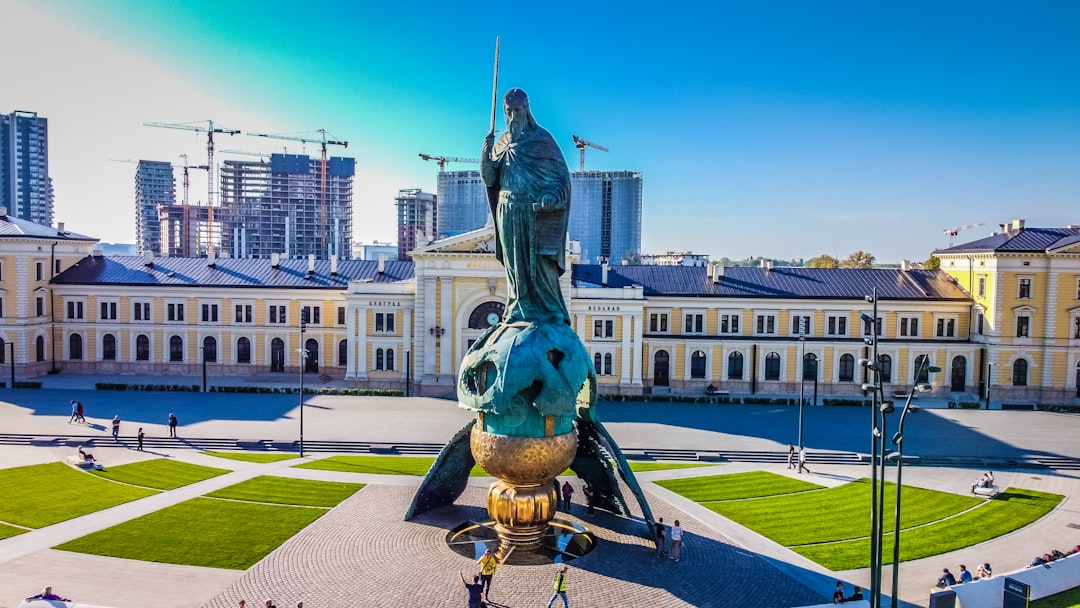
The coffee in Skopje doesn't just sit in your hand; it anchors you to a chair that has seen three regimes rise and fall. I'm sitting on a plastic stool outside a café in Skopje, staring at a bronze giant holding a sword, while a street vendor next to me argues with a pigeon over a crust of bread. The air smells of roasted beans, diesel, and the faint, metallic tang of the Vardar River. This city doesn't whisper. It shouts. It screams in marble, in neon, in the clatter of tea glasses, and in the sudden, deafening silence of a tram braking too hard on a curve. I came here expecting a post-communist ghost town. I found a place where the past is plastered over the present like cheap wallpaper, and somehow, it holds.
Skopje is a city of aggressive contradictions. It’s where Ottoman minarets pierce the sky beside Soviet-era brutalist blocks, which are now overshadowed by a forest of bronze heroes erected in a political fever dream. It’s a place where you can get lost in a labyrinthine bazaar that feels centuries old, then turn a corner and find a sleek, glass-fronted bank that looks like it belongs in Frankfurt. There’s no single narrative here. There’s only the noise, the dust, and the relentless, stubborn life that pushes through the cracks.
History & Identity
Skopje’s identity is built on layers of destruction and rebirth. The city was devastated by the 1963 earthquake, which wiped out most of its Ottoman and Austro-Hungarian heritage. In its place, the communist government built a modernist capital, complete with wide boulevards and concrete monoliths. But the real identity crisis began in the 2000s, with the "Skopje 2014" project. This massive urban redevelopment campaign flooded the city with statues, fountains, and neoclassical buildings, aiming to construct a national identity rooted in ancient Macedonian history. The result is a city that looks like a theme park designed by a committee of conflicting historians.
Yet, beneath the bronze and marble, the old city still breathes. The Ottoman quarter, with its narrow streets and wooden houses, remains the heart of Skopje’s cultural soul. Here, the past isn’t a political tool; it’s a living, breathing reality. The city’s identity is a tug-of-war between this organic, multicultural past and the manufactured, nationalist present. It’s a tension that you can feel in every street corner, every conversation, every cup of raki.
Where to Go
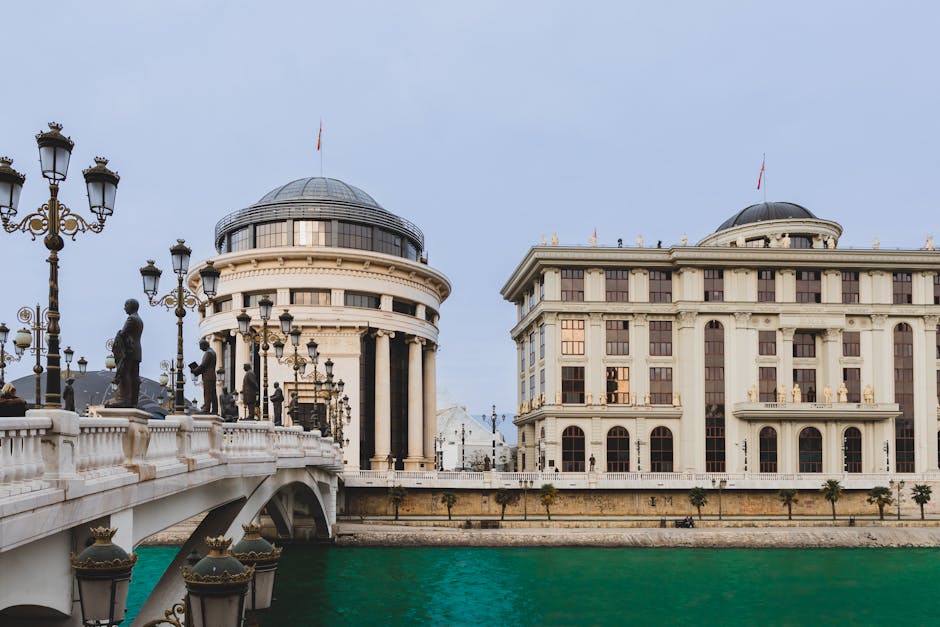
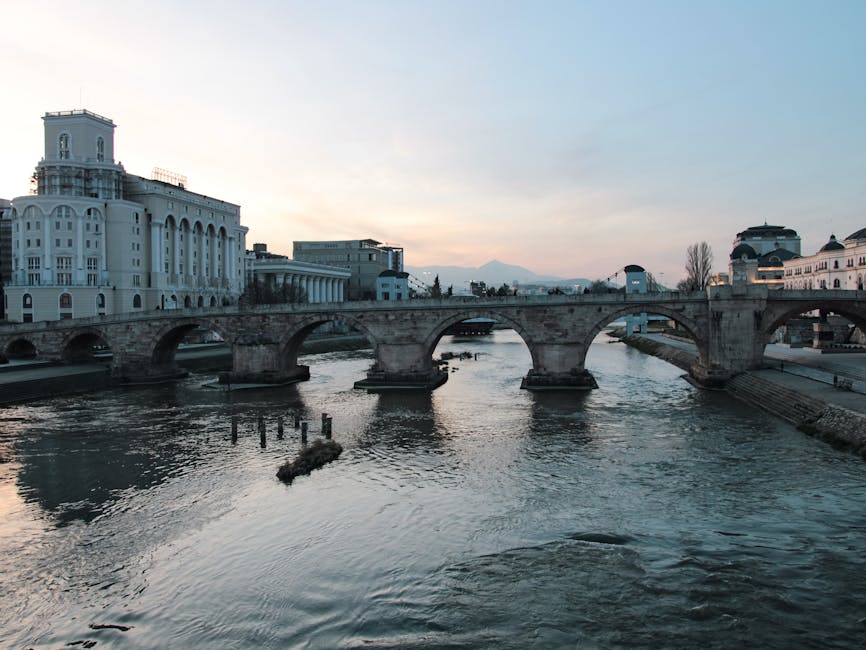
Stone Bridge — This iconic bridge spans the Vardar River, connecting the old town with the new. It’s a 15th-century Ottoman structure that has been rebuilt and restored multiple times. It’s the postcard image of Skopje, especially at sunset when the lights reflect off the water. No entry fee. Best visited in the evening for the atmosphere.
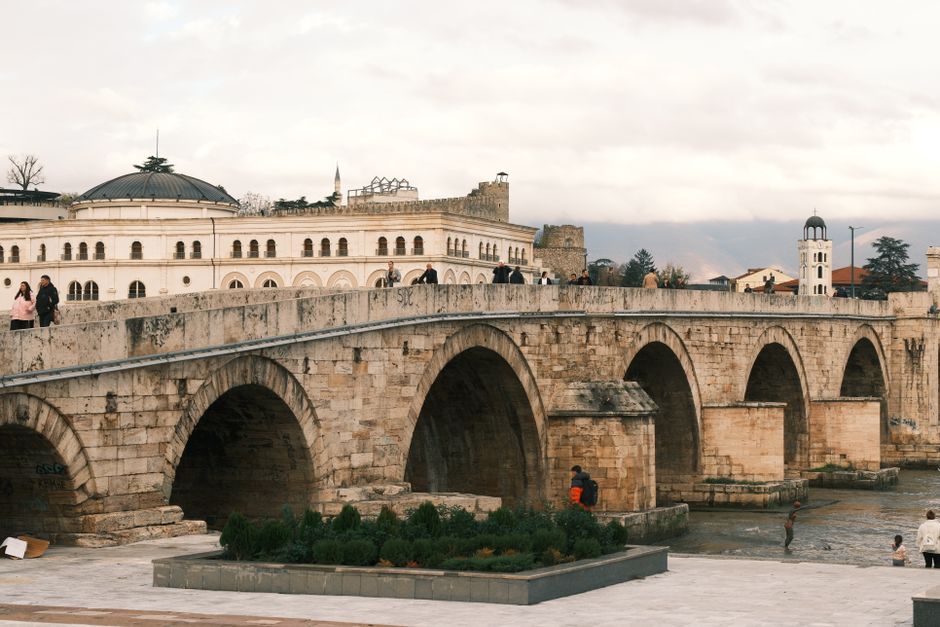
Kale Fortress — Perched on a hill above the old town, this fortress offers panoramic views of the city. It dates back to the Roman era, but most of the current structure is from the Ottoman period. It’s a great place to escape the noise of the city and reflect on its history. Entry fee is nominal, around 2 EUR. Best visited in the morning to avoid the heat.
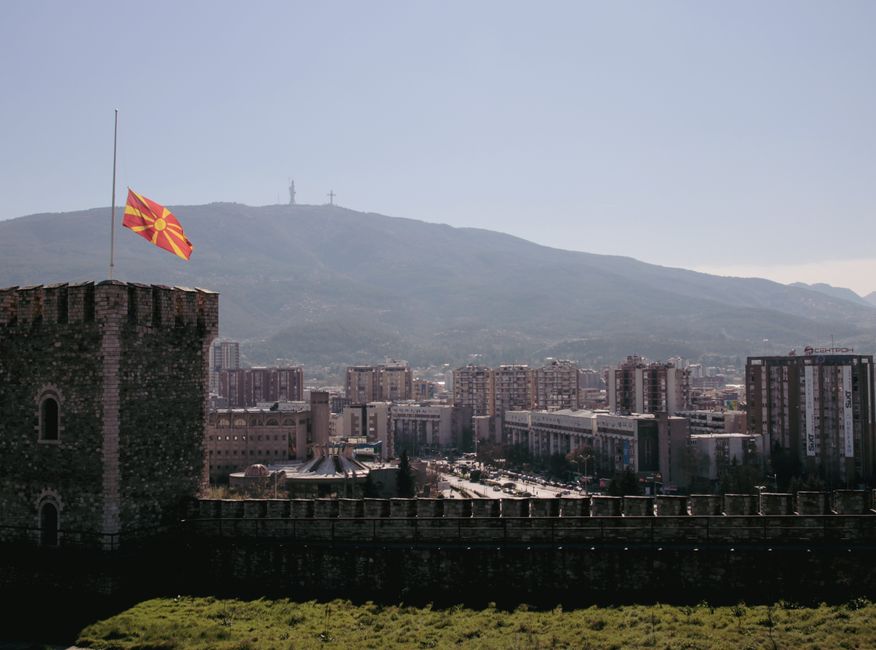
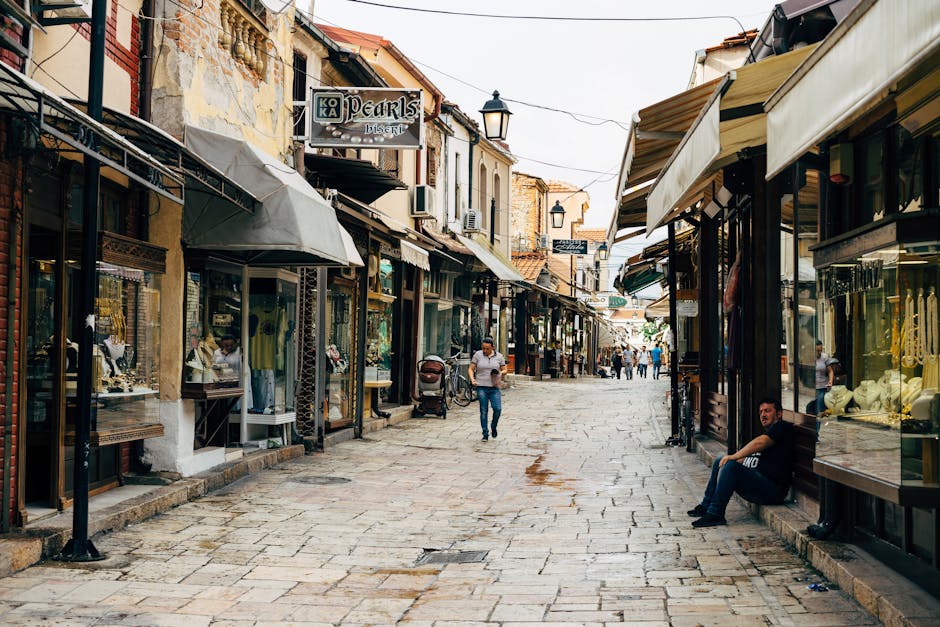
Old Bazaar — This is the heart of Skopje’s Ottoman heritage. A labyrinth of narrow streets lined with shops selling spices, textiles, and handmade crafts. It’s a sensory overload of sights, sounds, and smells. Don’t miss the lead crafts shops, where artisans still shape lead into intricate objects. No entry fee. Best visited during the day.
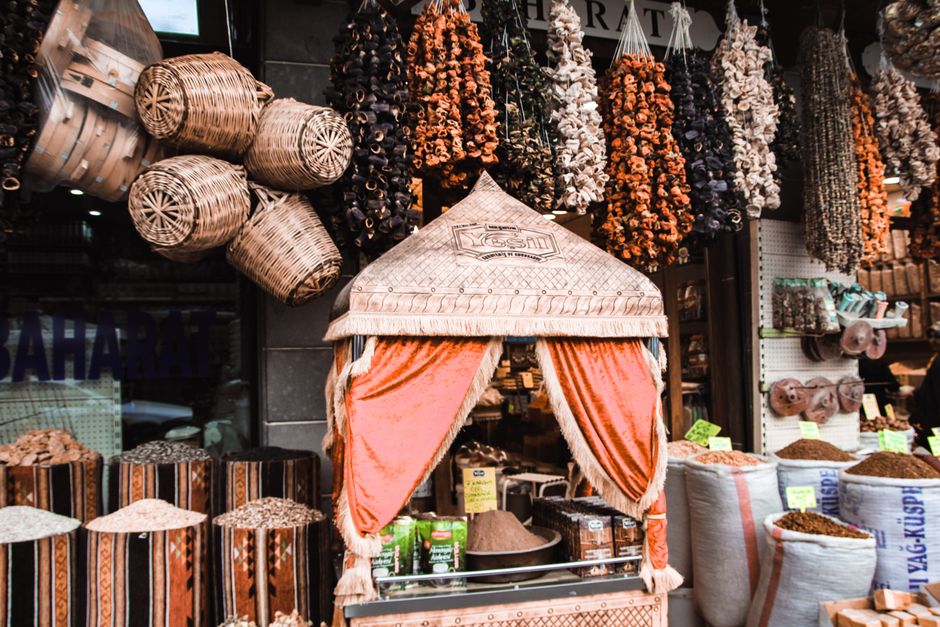
Macedonian National Opera and Ballet — A stunning example of Skopje 2014’s neoclassical revival. This building looks like it was plucked from 19th-century Europe and dropped into the Balkans. It hosts opera, ballet, and other performances. Entry fees vary by performance, typically 10-30 EUR. Best visited during a performance.
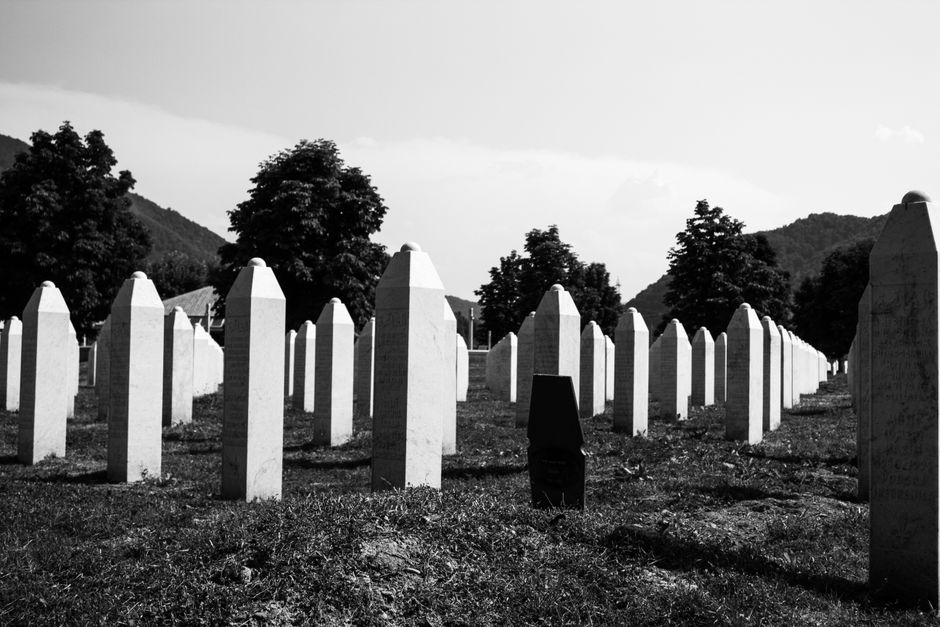
Partisan Cemetery — A vast, forested cemetery dedicated to those who died in the fight for Macedonia’s independence. It’s a place of quiet reflection, with a striking memorial church and a museum. Entry fee is 3 EUR. Best visited in the morning.
What to Eat & Drink
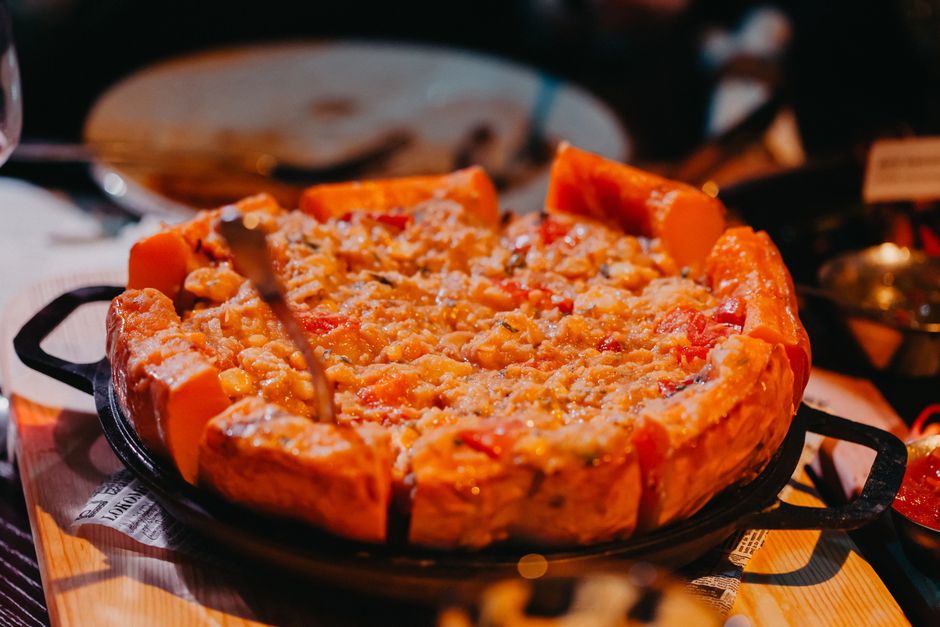
Skopje’s food scene is a blend of Ottoman, Balkan, and modern influences. Don’t leave without trying ćevapi — grilled minced meat sausages served with somun bread and onions (3-5 EUR). For a lighter option, go for shopska salad — a mix of tomatoes, cucumbers, onions, and sirene cheese (2-4 EUR). If you’re feeling adventurous, try tavče gravče — a baked bean dish with meat (4-6 EUR). For dessert, trilece — a three-milk cake — is a must (2-3 EUR).
Budget travelers can eat well for under 5 EUR per meal at street stalls or take-away shops. A sit-down meal at a local restaurant will set you back 8-15 EUR per person. Mid-range restaurants range from 15-25 EUR per person. The Old Bazaar is a great place for budget eats, with many small shops selling ćevapi and other local dishes. For a more upscale experience, head to the Vodno area, where you’ll find a range of international and Macedonian restaurants.
Nightlife
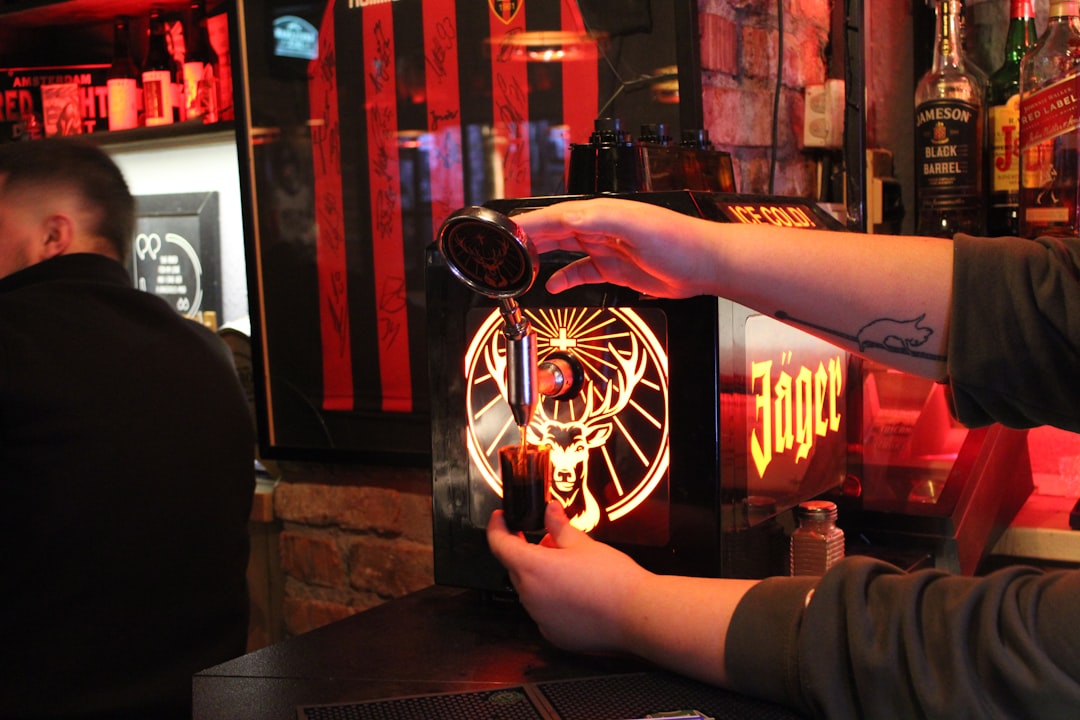
Skopje’s nightlife is centered around the Vardar River and the city center. The main bar and club district is along the riverfront, where you’ll find a mix of outdoor bars, live music venues, and nightclubs. City Bar is a popular spot for live music and cocktails, with a cover charge of around 5 EUR. Bar 2001 is a trendy club known for its electronic music and stylish crowd, with a cover charge of 10 EUR. Old Bazaar Bars offer a more traditional experience, with live folk music and rakija tasting.
For a more laid-back vibe, head to the Vodno area, where you’ll find a range of wine bars and lounges. The nightlife scene is vibrant and diverse, with something for everyone. Just be prepared for loud music and late nights.

Getting There & What to Expect
The nearest airport is Skopje Alexander the Great Airport, which has connections to major European cities. From Sofia, it’s about a 3-hour drive or a 4-hour bus ride, costing around 15-20 EUR. From Belgrade, it’s a 6-hour bus ride, costing around 25-30 EUR. Trains are also available, but they’re slower and less frequent.
Accommodation in Skopje ranges from budget hostels at 15-25 EUR per night to mid-range hotels at 40-70 EUR per night. Luxury hotels can cost per night. The best time to visit is from April to June or September to October, when the weather is mild and the crowds are smaller.
Search accommodation in Skopje on Booking.com →
The Bronze Illusion
I left Skopje as the sun was rising, casting long shadows over the bronze giants. The city was quiet, almost peaceful, but I knew the noise would return. Skopje is a city that refuses to be defined. It’s a place of contradictions, of beauty and ugliness, of past and present, of reality and illusion. It’s a city that demands to be seen, heard, and felt. And once you’ve been there, it’s hard to forget.
Comments