


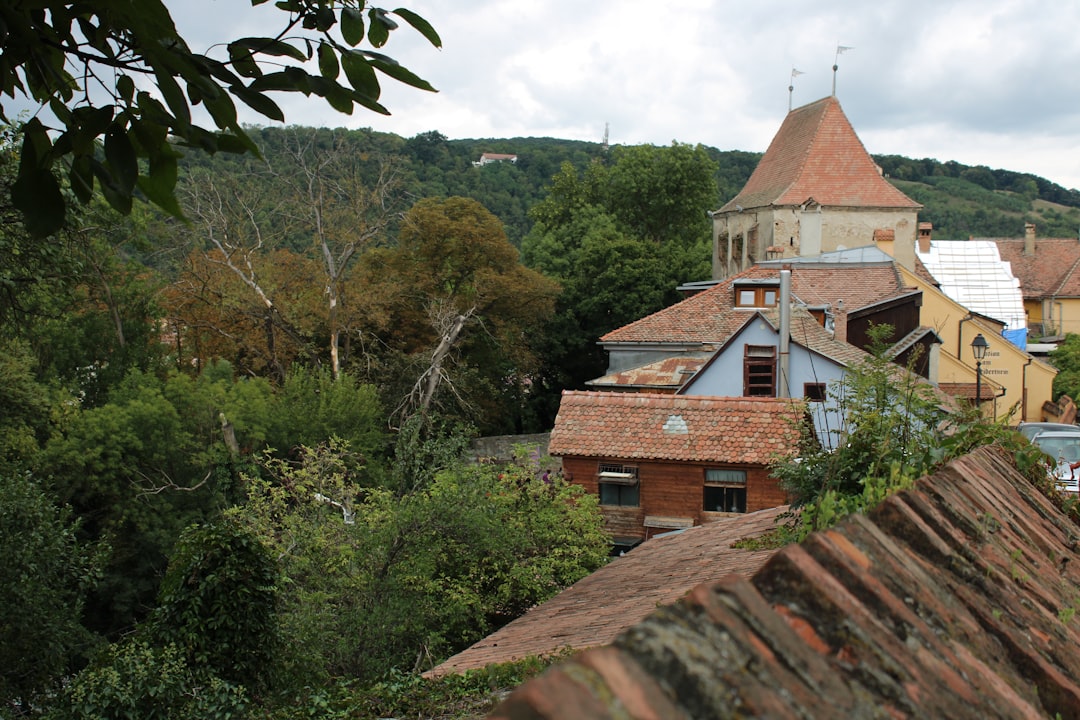
The cobblestones of Sighisoara don't just hurt your feet; they test your soul. I arrived in Sighisoara on a Tuesday morning that smelled of wet slate and woodsmoke, my camera bag heavy enough to serve as a weapon. The town isn't a museum; it's a living, breathing fortress that forgot how to expand. Every alleyway feels like a secret passage in a spy novel, and the locals, mostly Saxon descendants and Romanians, move with a brisk, practical energy that belies the postcard-perfect facades. I stopped at a corner bakery, buying a warm, sugar-dusted pastry for 1-2 EUR, and watched an old man in a wool cap argue with a pigeon over a crust. This isn't performance tourism. This is daily life inside a medieval skin.
People come here for Vlad the Impaler. They come for the Dracula connection. But if you're here just for the vampire, you're missing the point. Sighisoara is a masterpiece of urban planning from the Middle Ages, a place where the church wasn't just a building but the center of gravity for the entire community. The fortified churches of Transylvania are UNESCO World Heritage sites, but Sighisoara takes it a step further: the whole town is a fortified entity. The clock tower, the bastions, the narrow streets leading to the main square — it's all part of a defensive masterpiece that has survived sieges, fires, and centuries of political shifts. I'm here to climb the highest point, eat the best mămăligă, and understand why this town refuses to fade into the past.
History & Identity
Sighisoara was founded by Transylvanian Saxons in the 12th century, a German-speaking minority invited to fortify the borderlands of the Kingdom of Hungary. For centuries, they were the dominant force, building the town's iconic structures and establishing a distinct cultural identity. The town's name comes from the Saxon word Schlossburg, meaning "fortified castle." The Saxons built not just homes but a defensive network, with walls, towers, and gates that could withstand attack. The Citadel, or Cetatea, was the heart of this defense, a walled area that housed the most important buildings and the wealthiest citizens.
The town's most famous resident, Vlad III, also known as Vlad the Impaler or Dracula, was born here in 1431. His birthplace, located on Calea Cetății, is now a museum, drawing tourists from around the world. But Vlad's legacy is just one thread in the complex tapestry of Sighisoara's history. The town played a crucial role in the defense of Transylvania against Ottoman invasions, and its fortified churches served as refuges for the local population during times of war. The Saxons maintained their cultural identity until the mid-20th century, when many were expelled or emigrated, leaving behind a rich architectural heritage and a sense of mystery that continues to captivate visitors.
Today, Sighisoara is a Romanian town with a Saxon soul. The population is predominantly Romanian, but the Saxon influence is everywhere, from the architecture to the cuisine to the local festivals. The town has become a hub for cultural tourism, hosting the Sighisoara International Theatre Festival every summer, which draws actors, directors, and audiences from across Europe. But beneath the cultural veneer, the town retains a gritty, authentic character. It's not a polished theme park; it's a living community that has learned to monetize its history without losing its soul.
Where to Go
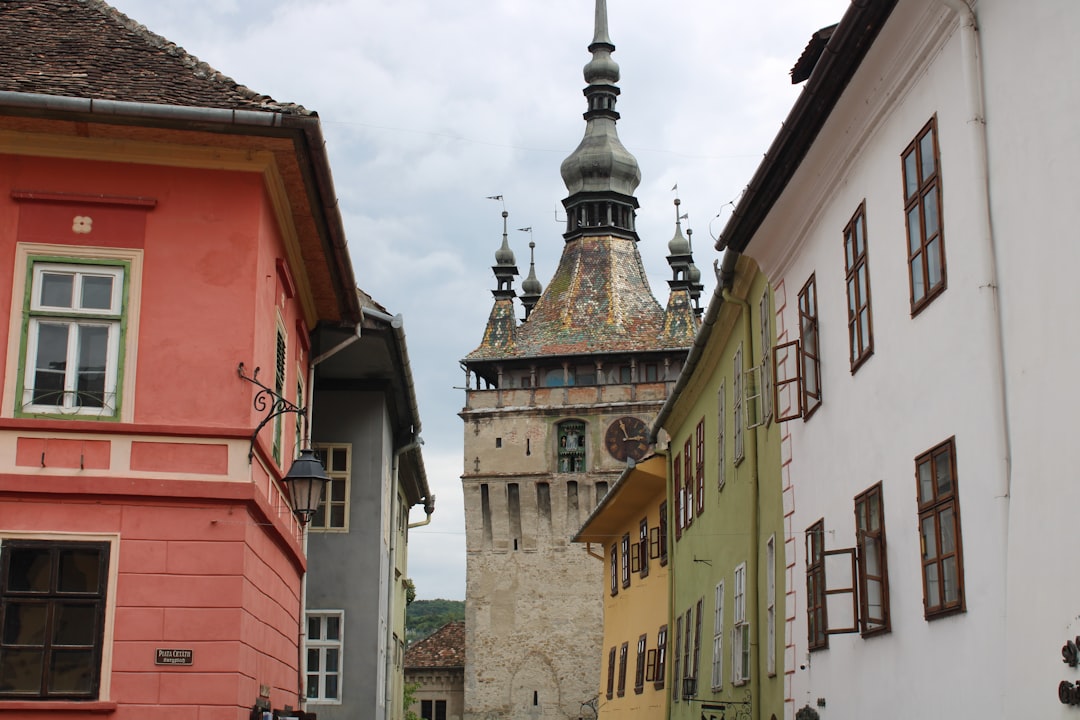
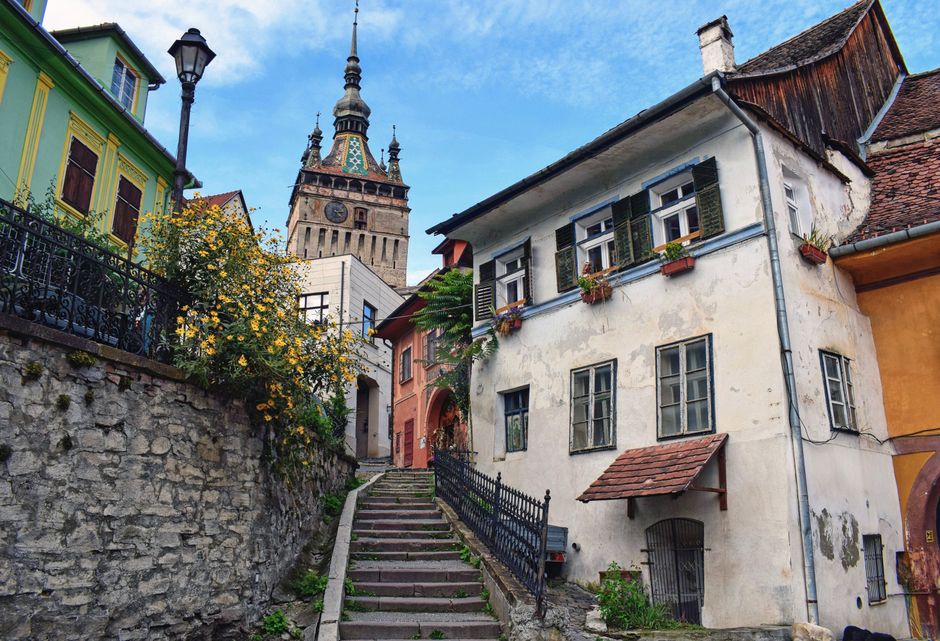
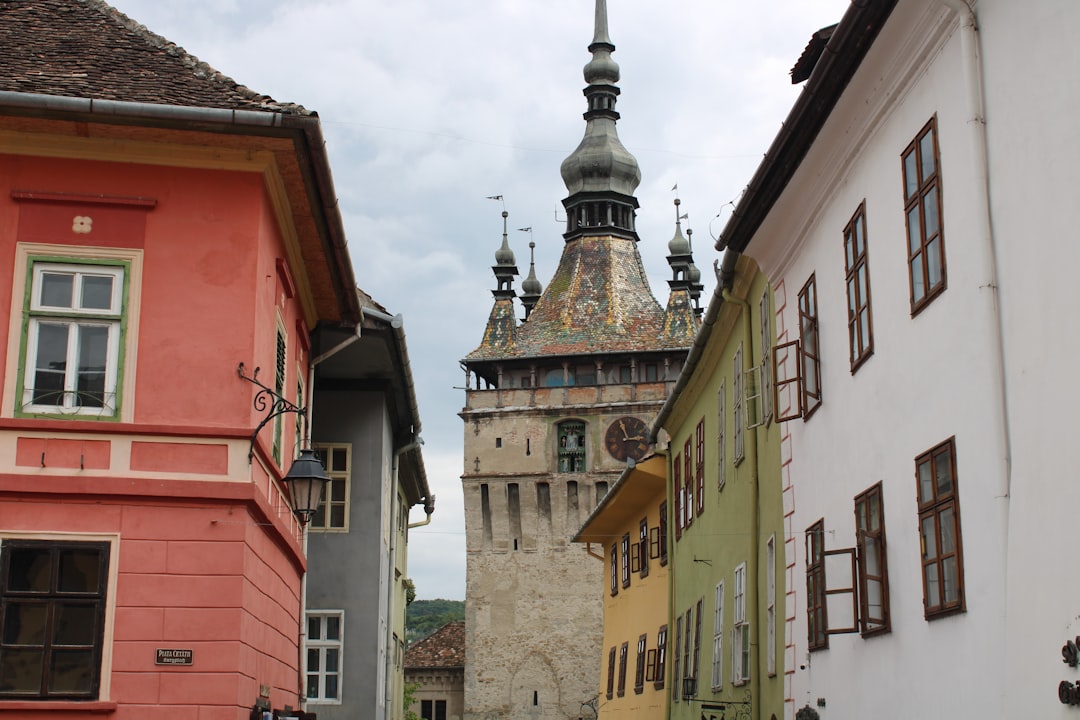
Clock Tower — The most iconic landmark in Sighisoara, the Clock Tower offers panoramic views of the town and the surrounding hills. Built in the 14th century, the tower is 64 meters tall and has 142 steps to the top. The climb is steep and narrow, but the reward is worth it: you can see the entire Citadel, the colorful houses, the fortified walls, and the rolling landscape beyond. Entry is 6 EUR, and it's best to go early in the morning or late in the afternoon to avoid the crowds and get the best light for photos. The tower also houses a small museum with exhibits on the history of the town and the Saxon community.
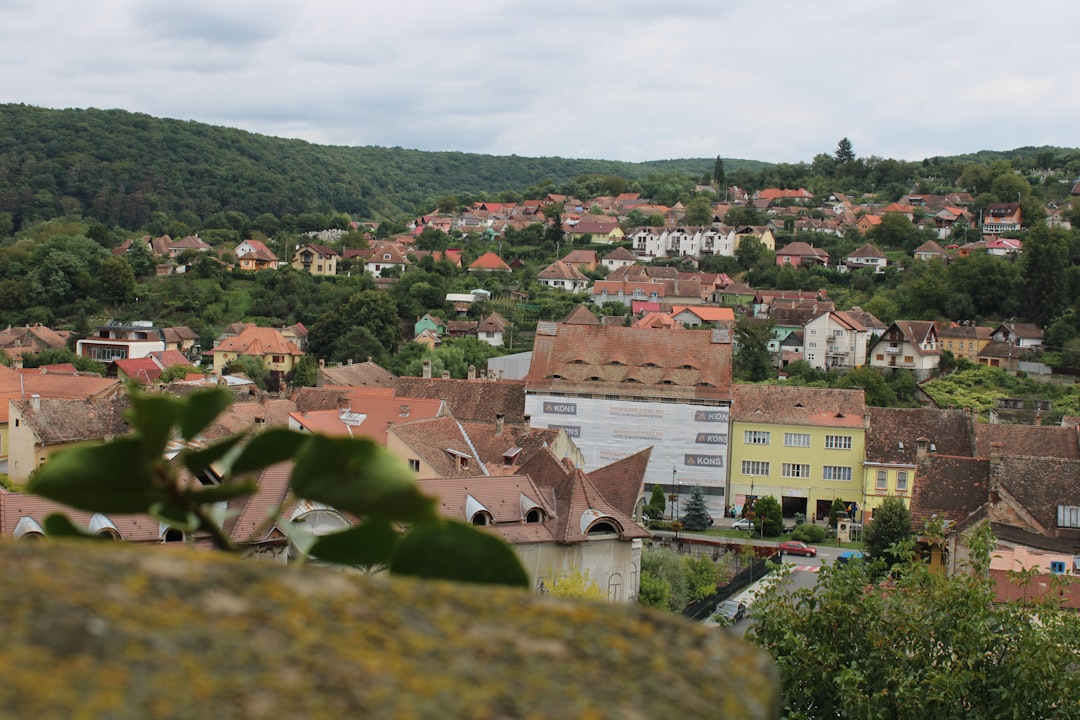
Birthplace of Vlad III — Located on Calea Cetății, the house where Vlad the Impaler was born is now a museum dedicated to his life and legacy. The building is a typical Saxon house with a timber-framed upper story and a stone ground floor. Inside, you'll find exhibits on Vlad's life, his reign as Prince of Wallachia, and his connection to the Dracula legend. There are also displays on the history of the town and the Saxon community. Entry is 5 EUR, and the museum is small but informative. It's a must-visit for Dracula enthusiasts, but even if you're not a fan of vampires, the building itself is a beautiful example of medieval architecture.
Fire Tower and Bastions — The Fire Tower is one of the most important defensive structures in the Citadel. Built in the 15th century, the tower was used to spot fires and enemy attacks. Today, it houses a museum with exhibits on the history of the town's defense and the Saxon community. The tower is connected to the fortified walls and bastions, which offer a great view of the town and the surrounding landscape. You can walk along the walls and explore the bastions, which are still in good condition. Entry to the Fire Tower is 4 EUR, and access to the walls is free. It's a great place to escape the crowds and get a sense of the town's defensive history.
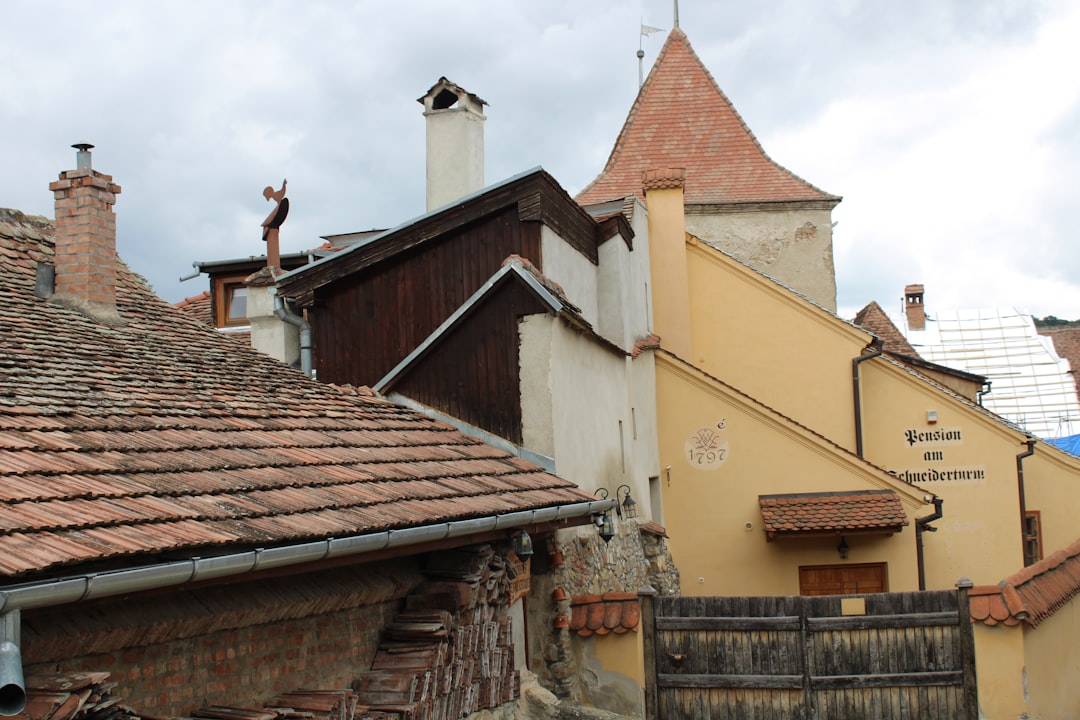
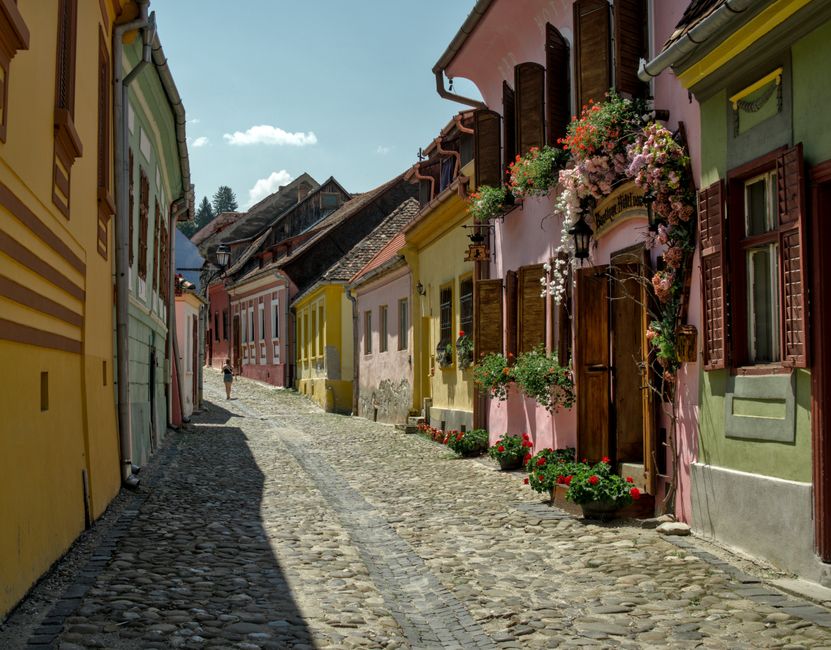
Union Square — The heart of Sighisoara, Union Square (or Piața Unirii) is a beautiful example of medieval urban planning. The square is surrounded by colorful Saxon houses, many of which date back to the 16th and 17th centuries. The houses have distinctive facades with timber framing, painted shutters, and ornate decorations. In the center of the square is a statue of Vlad the Impaler, and there are several cafes and restaurants where you can sit and people-watch. The square is also the site of the Sighisoara International Theatre Festival every summer, when it comes alive with performances, music, and street vendors. It's the perfect place to start your exploration of the town.
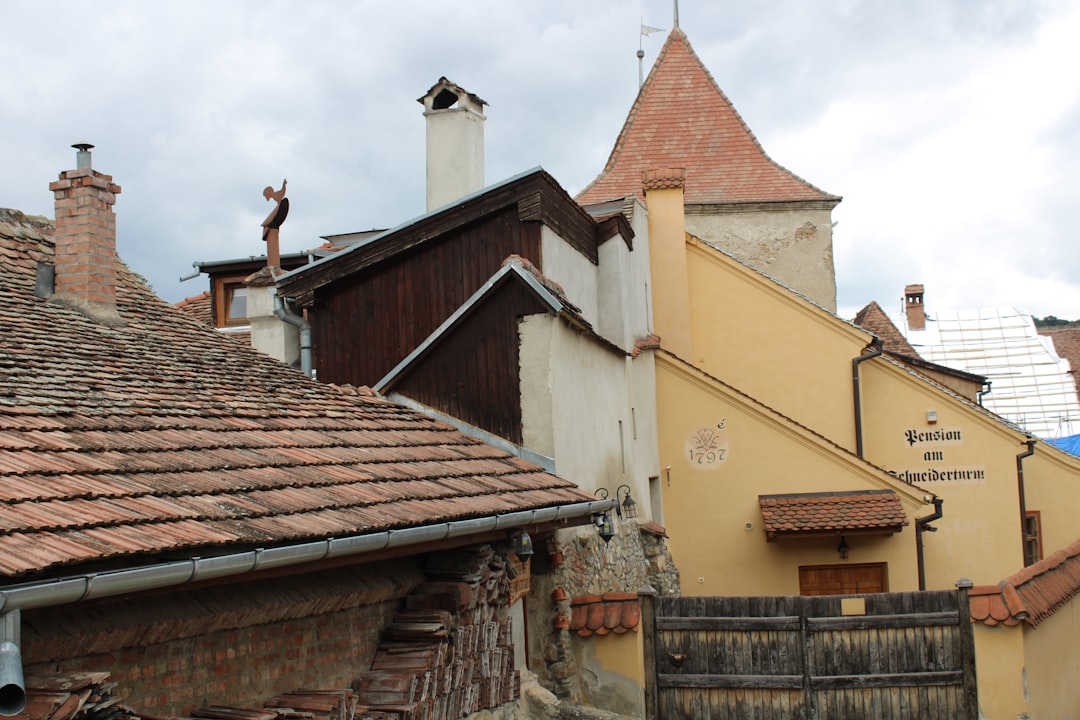
Old Jail Museum — Located near the Clock Tower, the Old Jail Museum is a small but fascinating exhibit on the history of justice in Sighisoara. The building was used as a jail from the 16th to the 19th centuries, and the museum displays original cells, torture devices, and documents. It's a grim but interesting look at the harsh realities of medieval life. Entry is 3 EUR, and the museum is small enough to explore in 30 minutes. It's a must-visit for history buffs and anyone interested in the darker side of medieval society.
What to Eat & Drink
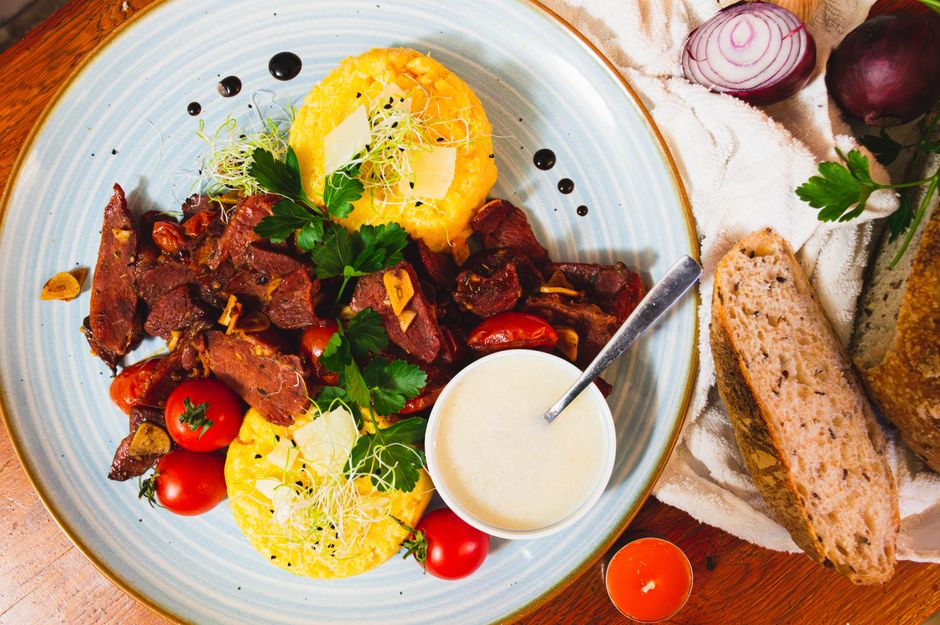
Sighisoara is a foodie's paradise, with a mix of traditional Romanian and Saxon cuisine. The town is known for its mămăligă (polenta), which is served with a variety of toppings, including cheese, sour cream, and stew. Another must-try is sarmale (cabbage rolls), which are stuffed with meat and rice and served with sour cream. For something lighter, try țuică, a traditional Romanian plum brandy, which is strong and fiery. There are also several cafes and bakeries where you can try local pastries, such as cozonac (a sweet bread) and plăcinte (filled pastries).
Here's a budget breakdown for eating in Sighisoara: street food and take-away options, such as plăcinte and sandwiches, cost 2-4 EUR per meal. Sit-down local restaurants, such as Hospodăria Mureșenilor and La Casa lui Andrei, offer meals for 8-15 EUR per person. Mid-range restaurants, such as Restaurant Casa Dracula and La Mădăraș, offer meals for 15-25 EUR per person. There are also several food courts and take-away options in the Citadel, where you can grab a quick bite for 5-10 EUR.
For the best food experience, head to Calea Cetății, the main street in the Citadel. This street is lined with cafes, restaurants, and bakeries, and it's a great place to sample local cuisine. You can also visit the Weekly Market, which is held on Saturdays in Union Square. The market sells fresh produce, local cheeses, and traditional crafts, and it's a great place to soak up the local atmosphere.
Nightlife
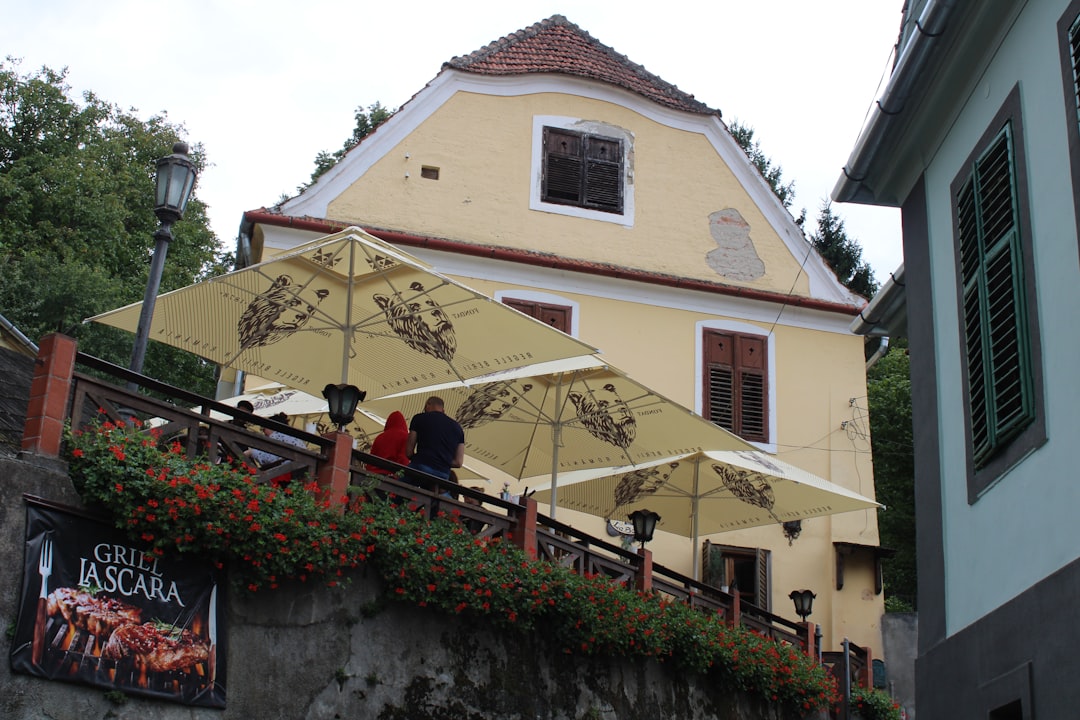
Sighisoara isn't known for its nightlife, but there are several bars and pubs in the Citadel where you can relax after a day of exploring. The main bar district is around Union Square and Calea Cetății, where you'll find a mix of traditional pubs and modern bars. Pubul la Mădăraș is a popular spot for locals and tourists alike, offering a wide selection of beers and wines, as well as live music on weekends. Barul la Casa lui Andrei is another good option, with a cozy atmosphere and a great selection of cocktails. If you're looking for something more upscale, try Restaurant Casa Dracula, which has a bar area with a view of the Clock Tower.
The nightlife in Sighisoara is relaxed and low-key, with most bars closing by midnight. But there are several events and festivals throughout the year that bring the town alive, such as the Sighisoara International Theatre Festival in August and the Christmas Fair in December. These events draw crowds from across Romania and beyond, and they're a great way to experience the town's vibrant cultural scene. If you're visiting during one of these events, you'll find a more lively nightlife scene, with live music, dancing, and street vendors.
For a unique experience, try a ghost tour of the Citadel. These tours are led by local guides who share stories and legends about the town's dark past, including tales of vampires, ghosts, and haunted houses. It's a fun and spooky way to spend an evening in Sighisoara, and it's a great way to learn more about the town's history and folklore. Tours typically cost 10-15 EUR per person and last about two hours.
Getting There & What to Expect
The nearest airport to Sighisoara is Cluj-Napoca International Airport, which is about 60 kilometers away and has connections to major Balkan hubs such as Bucharest, Istanbul, and Vienna. From the airport, you can take a bus or a taxi to Sighisoara, which takes about an hour and costs 10-15 EUR for a bus or 30-40 EUR for a taxi. There are also direct buses from Bucharest and Cluj-Napoca to Sighisoara, which take about 4-5 hours and cost 5-10 EUR. If you're driving, the road from Cluj-Napoca to Sighisoara is well-maintained and scenic, and it takes about an hour.
Accommodation in Sighisoara ranges from budget hostels to luxury hotels. A budget hostel, such as Hostel Sighisoara or Dracula Hostel, costs 20-40 EUR per night. A mid-range hotel, such as Hotel Sighisoara or Pension Casa Dracula, costs 50-80 EUR per night. There are also several guesthouses and apartments available for rent, which offer a more authentic and affordable experience. It's best to book in advance, especially during the summer months and the Sighisoara International Theatre Festival, when the town is crowded with tourists.
The best months to visit Sighisoara are May through October, when the weather is mild and the town is alive with festivals and events. The summer months are the busiest, but they're also the best time to experience the town's vibrant cultural scene. If you're looking for a quieter experience, try visiting in the spring or fall, when the crowds are smaller and the weather is still pleasant. Winter is also a good time to visit, especially if you're interested in the Christmas Fair and the town's festive decorations.
Search accommodation in Sighisoara on Booking.com →
The Saxon Legacy in the Stone
I stood on the ramparts of the Citadel as the sun dipped below the horizon, casting long shadows across the Clock Tower and the colorful houses below. The air was crisp, and the sound of church bells echoed through the narrow streets. It was a moment of pure, unadulterated magic, a reminder of why I travel. Sighisoara isn't just a town; it's a time machine, a place where the past and present collide in a beautiful and chaotic dance. The Saxons may be gone, but their legacy lives on in every stone, every street, every face. And for those who know how to look, it's a place of endless discovery and wonder. I bought a bottle of țuică from a local vendor, sat on a bench in Union Square, and watched the world go by. It was the perfect end to a perfect day.
If you're planning a trip to Transylvania, don't miss Sighisoara. It's a place that will stay with you long after you've left, a place that will make you question everything you thought you knew about history, culture, and identity. It's a place that will challenge you, inspire you, and maybe even scare you a little. But most of all, it's a place that will make you feel alive. So pack your bags, grab your camera, and come see for yourself. The Citadel is waiting.
Comments