


The rain in Sibiu doesn't fall; it attacks. I'm standing on a cobblestone street in the old town, holding a paper cup of black coffee that costs 2-3 EUR, watching a flock of pigeons scatter from a roof adorned with those famous, absurd-looking eyes. The eyes are everywhere here, painted on the shutters, staring down at you with a judgmental gaze. A local taxi driver, smoking a cigarette with the window down, leans over and shouts something in Romanian that sounds like "Vampire?" I laugh, shake my head, and tell him I'm here for the food, not the dead kings. He grins, reveals a missing tooth, and points down the street toward a bakery. That's the first rule of visiting Transylvania: ignore the Hollywood monsters. The real story is written in stone, wood, and the smell of roasting pork.
Most tourists come here expecting a gothic nightmare, fueled by Bram Stoker's fiction. They want fog, bats, and a brooding castle on a cliff. What they get instead is a region that feels like a time capsule of the Habsburg Empire, dotted with fortified Saxon churches, dense beech forests, and towns that have somehow survived centuries of Ottoman sieges, communist neglect, and modern tourism. The vibe is less "horror movie" and more "academic retreat with a dark history." It's gritty, it's beautiful, and it's completely misunderstood.
History & Identity
The identity of Transylvania is a tangled knot of Romanian, Hungarian, and Saxon German history. For centuries, this region was a buffer zone between the Ottoman Empire and Central Europe. The Transylvanian Saxons, German settlers invited by the Hungarian king in the 12th century, built the fortified churches and the grid-plan towns you see today. They created a distinct cultural layer that sits atop the ancient Romanian substrate.
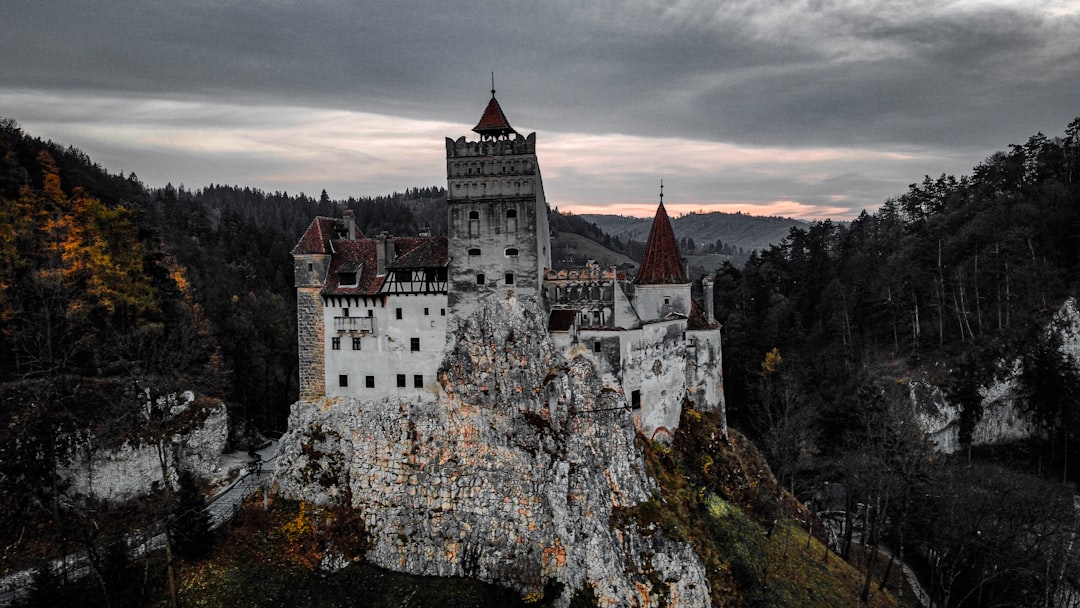
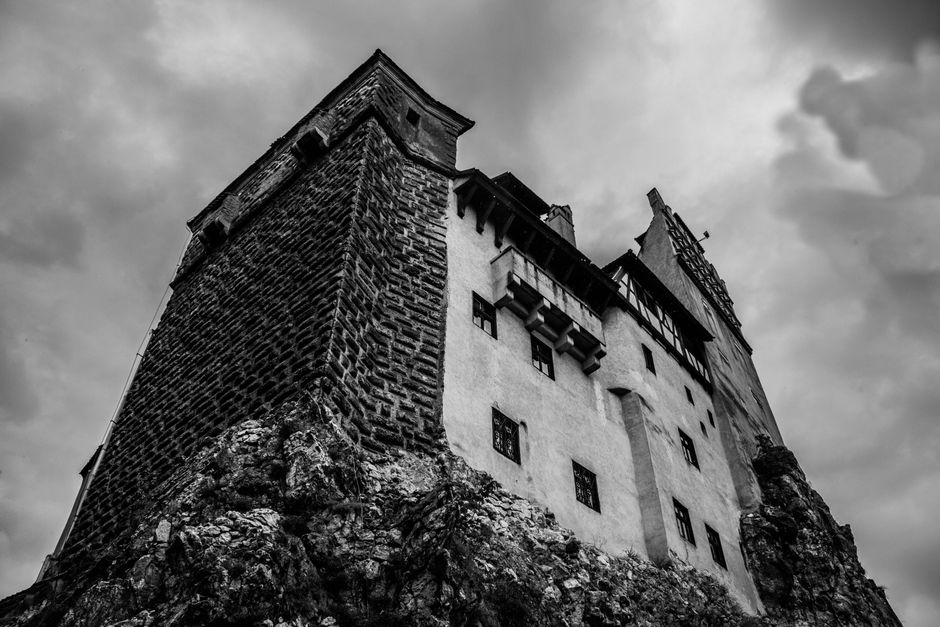
Then there's the Dracula connection. Bran Castle is often called "Dracula's Castle," but the historical Vlad the Impaler probably never spent more than a few days here. It's a tourist trap in the purest sense, but it's a necessary one. The castle sits on a strategic pass, and its architecture is a patchwork of different eras, from medieval fortifications to 19th-century romantic additions. The myth sells tickets, but the real history is in the streets of Sighișoara, the actual birthplace of Vlad, where the Saxon merchant class once ruled with an iron fist.
Today, the region is a mix of post-communist decay and rapid modernization. You'll see crumbling communist-era apartment blocks next to beautifully restored historic centers. The people are proud, often defensive about their heritage, and fiercely protective of their local traditions. It's a place where history isn't just in museums; it's in the language, the food, and the way people look at you when you ask about vampires.
Where to Go
Bran Castle — The undisputed king of tourist attractions in Romania. Perched on a rocky outcrop, it offers views over the Bran Pass. The interior is filled with furniture and artifacts supposedly owned by Queen Marie, not Vlad. It's crowded, expensive, and absolutely essential for the first-time visitor. Entry is around 25 EUR, and you'll need a guide or an audio tour to make sense of the rooms. Go early in the morning to avoid the coach buses.
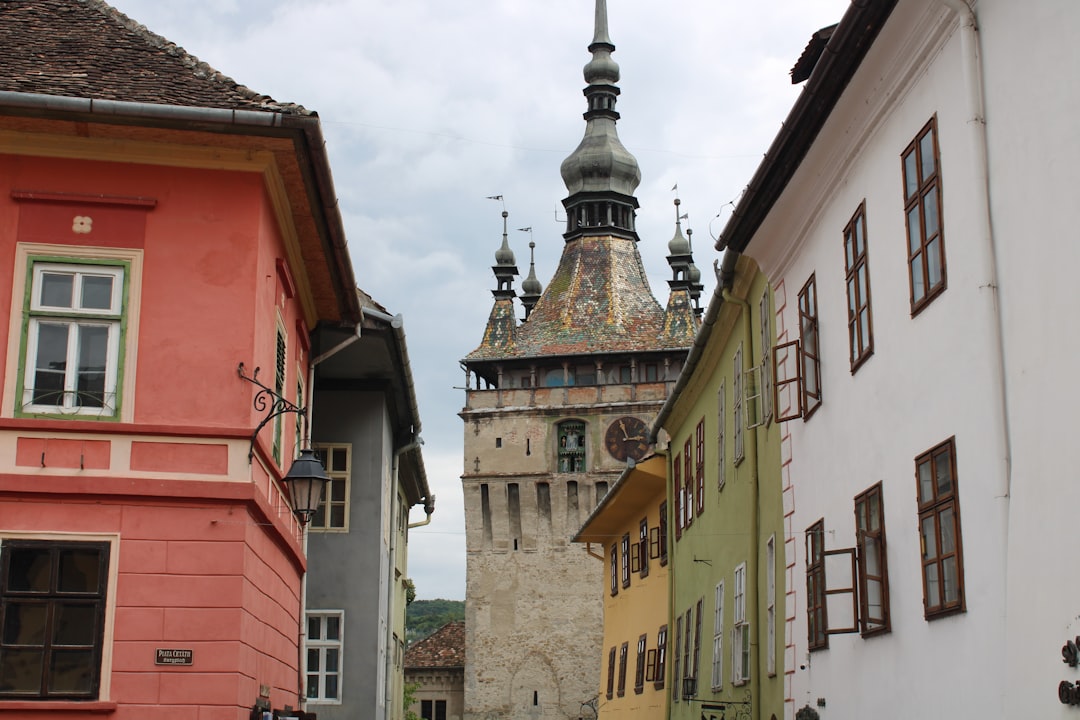
Sighișoara Citadel — If Bran is the myth, Sighișoara is the reality. This UNESCO World Heritage site is a perfectly preserved medieval citadel. The Clock Tower is the centerpiece, but the real magic is in the narrow, winding streets and the colorful houses. You can see the house where Vlad the Impaler was born. It's a living town, not a museum, with cafes and shops tucked into the historic buildings. Entry to the citadel area is free, but specific towers cost extra.
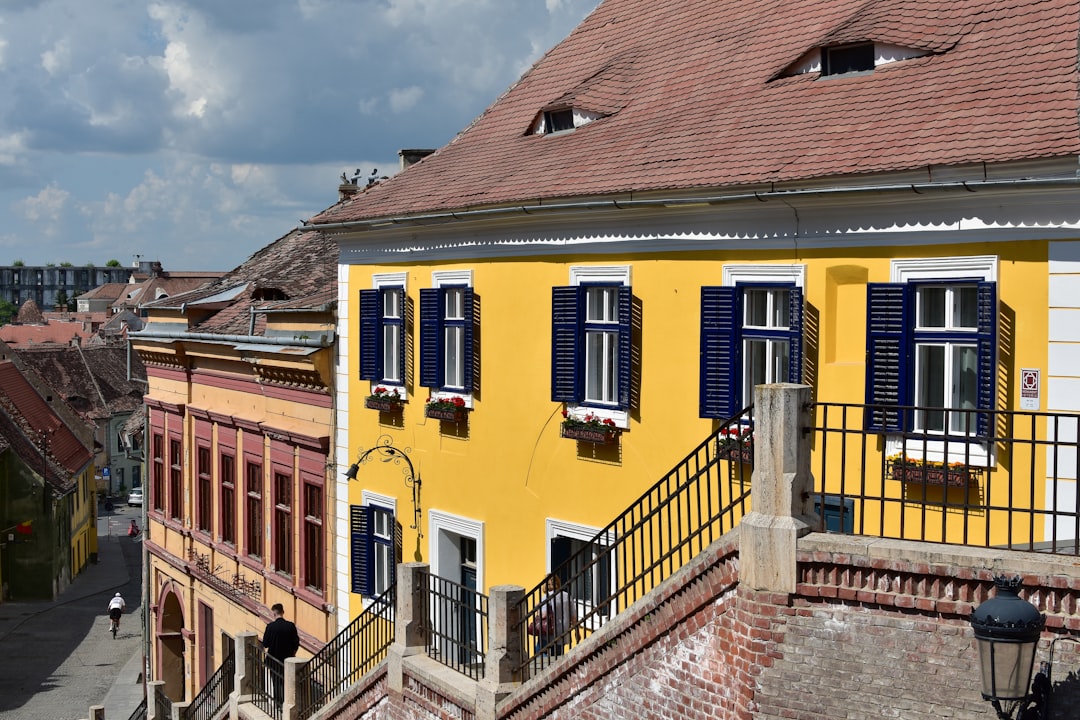
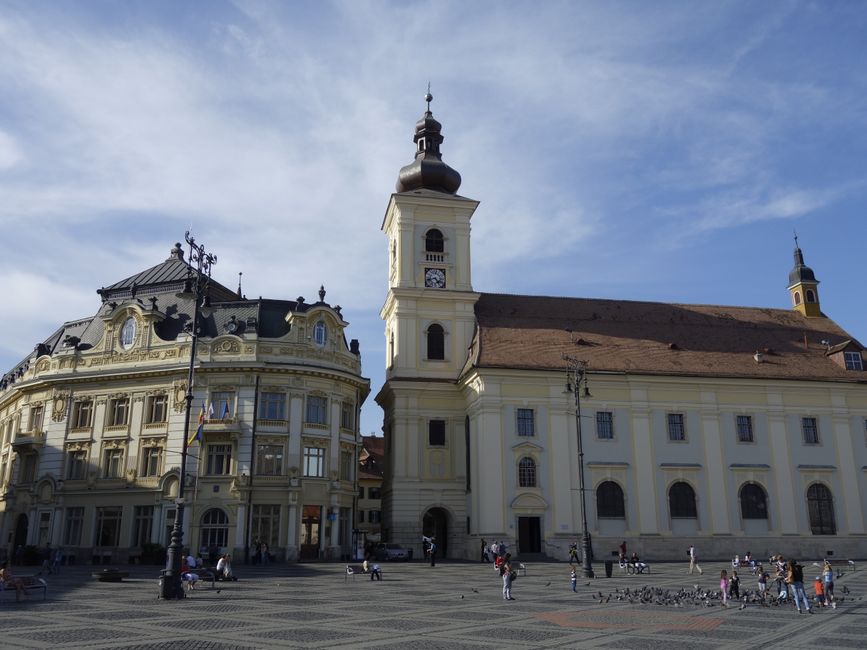
Sibiu Old Town — The cultural capital of Transylvania. The Great Square (Piața Mare) is a masterpiece of Saxon architecture, with its rows of houses featuring those iconic "watching eyes" on the roofs. The Covered Bridge is a romantic spot for photos, and the ASTRA Museum in the nearby suburb of Căpățâneni is an open-air museum of Romanian folk architecture. It's a walkable, vibrant city with a great food scene.
Fortified Church of Biertan — Located about an hour from Sibiu, this is one of the most impressive fortified churches in the region. The massive walls and towers were built to defend against Ottoman raids. The interior is a UNESCO site, featuring beautiful frescoes and a choir loft. It's a stark, powerful reminder of the region's turbulent past. Entry is around 5 EUR.
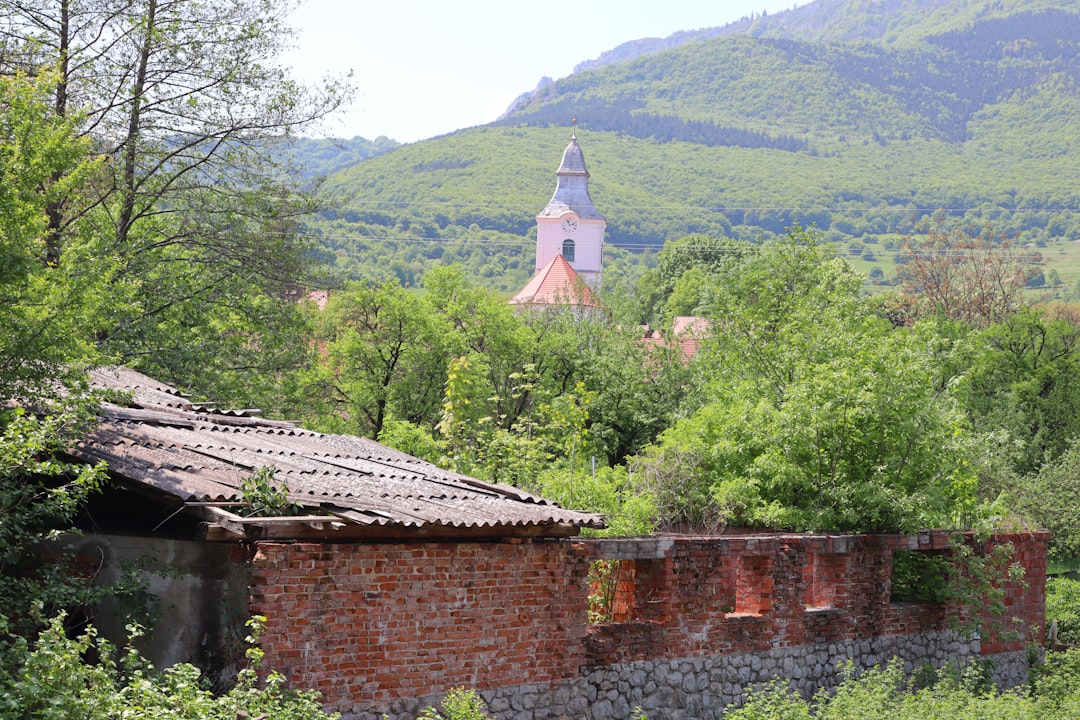
Peleș Castle — Located in Sinaia, this is not a medieval fortress but a 19th-century Neo-Renaissance palace built by King Carol I. It's opulent, filled with intricate woodwork, stained glass, and royal artifacts. It's a complete contrast to Bran, offering a glimpse into the Romanian royal family's wealth and taste. Entry is around 25 EUR, and the grounds are beautiful for a walk.
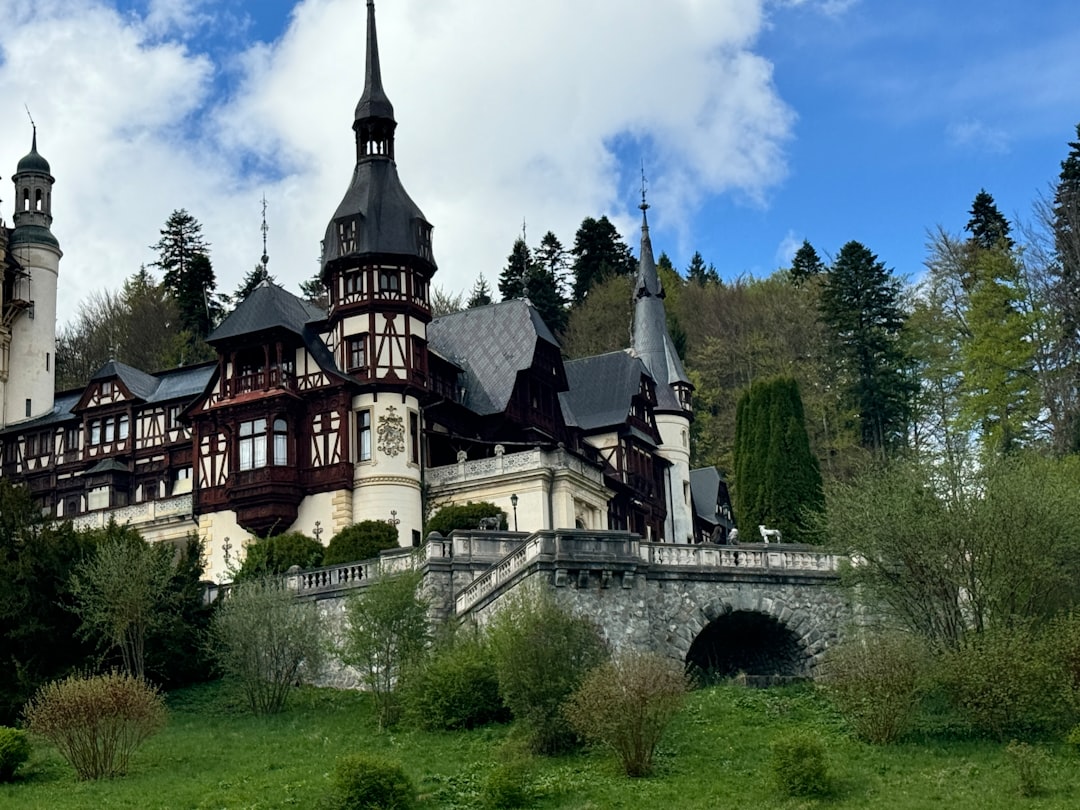
Râșnov Fortress — Just south of Brașov, this stone fortress sits on a hill overlooking the city. It's less crowded than Bran and offers a more authentic medieval experience. The views of the Bucegi Mountains are spectacular. You can climb the towers for a small fee. It's a great spot for a quick afternoon visit if you're based in Brașov.
What to Eat & Drink
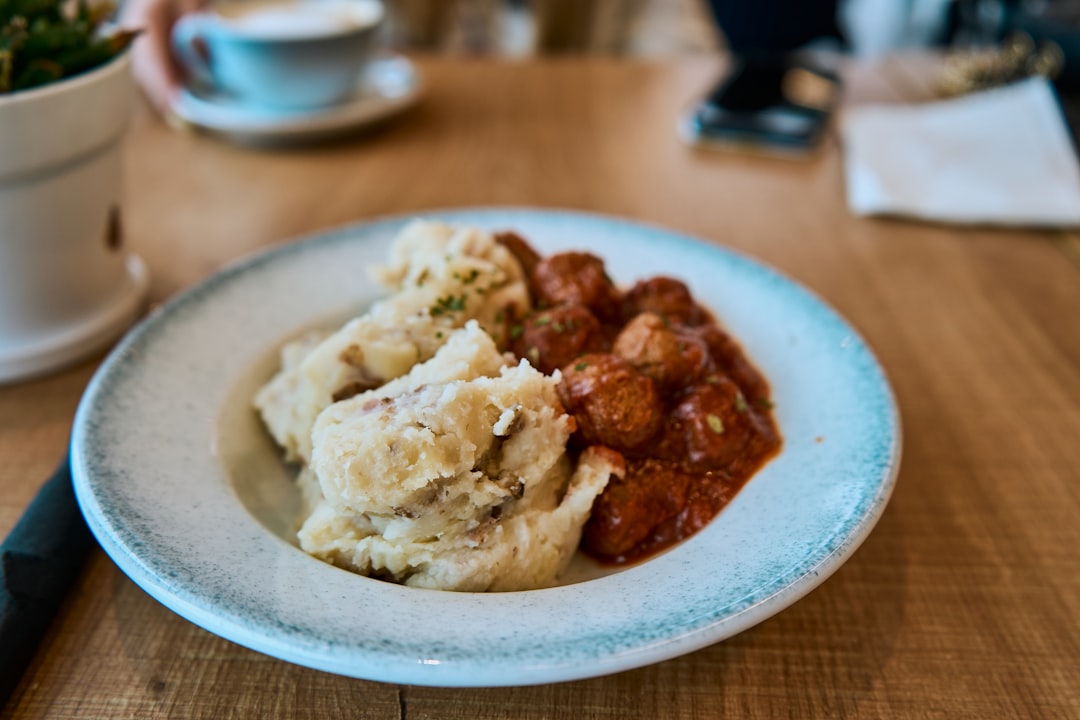
Transylvanian food is hearty, meat-heavy, and deeply satisfying. It's not light Mediterranean fare; it's food for people who worked hard in the cold. Expect lots of pork, potatoes, and sour cream.
- Sarmale — Cabbage rolls stuffed with pork, rice, and spices, served with sour cream and polenta. 8-12 EUR
- Mămăligă cu Brânză și Smântână — Polenta topped with sheep's cheese and sour cream. A simple, classic dish. 4-6 EUR
- Ciorbă de Burtă — A sour tripe soup. It sounds unappealing, but it's delicious. Sour, spicy, and complex. 5-7 EUR
- Papanasi — A sweet dessert of fried dough balls, topped with sour cream and jam. 2-4 EUR
- Șnitsel — Breaded pork cutlet, served with fries or potatoes. A Saxon influence. 8-10 EUR
Budget-wise, you can eat well on 10-15 EUR per day if you stick to local restaurants and avoid tourist traps. Street food is limited but available, with mititei (grilled meat rolls) and plăcinte (savory pastries) costing around 2-4 EUR. For a sit-down meal in a mid-range restaurant, expect to pay 15-25 EUR per person, including a drink. Sibiu has a great food scene, with many cafes and restaurants in the old town. Brașov also has a vibrant culinary scene, with a mix of traditional and modern Romanian cuisine.
Nightlife
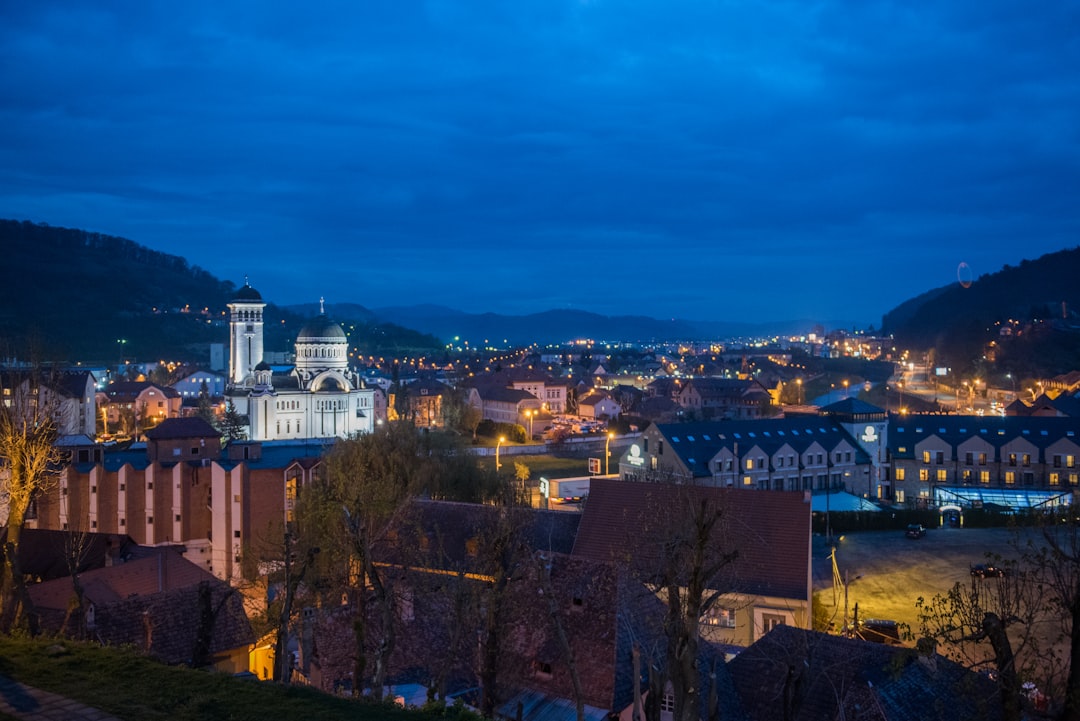
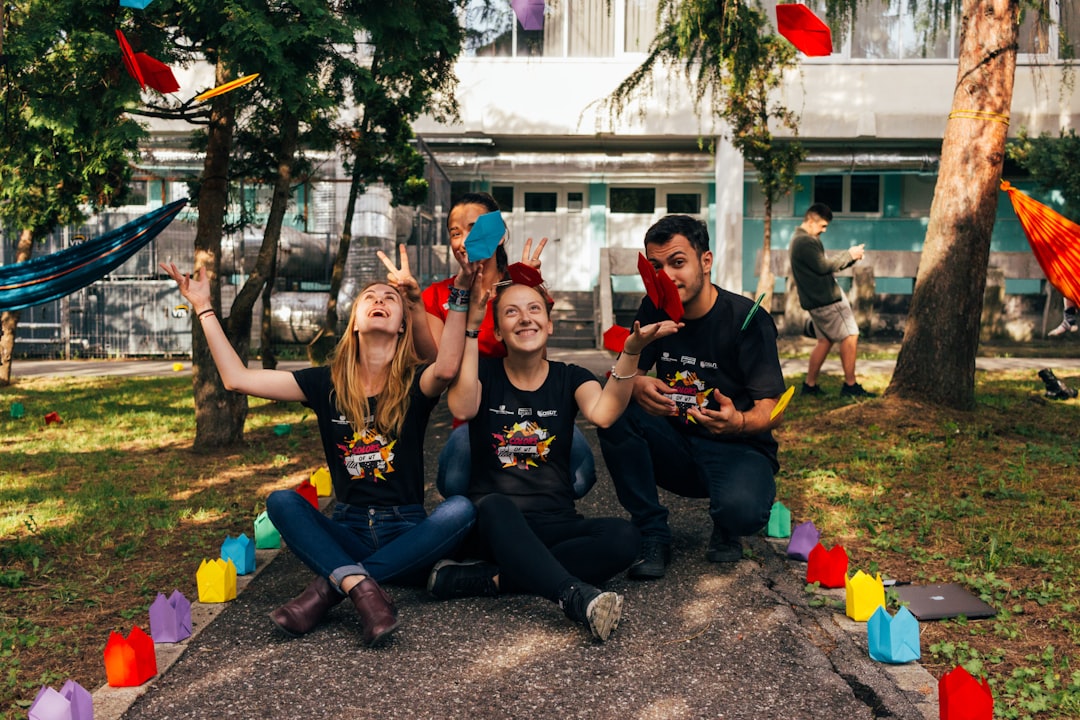
Nightlife in Transylvania is centered around the university towns. Sibiu has a lively scene, with bars and clubs in the old town and the surrounding streets. The music ranges from electronic to live bands, and the atmosphere is relaxed and friendly. Cluj-Napoca, the largest city in Transylvania, has a more vibrant nightlife, with a wide range of bars, clubs, and live music venues. It's a city that stays up late, with a strong student population keeping the energy high.
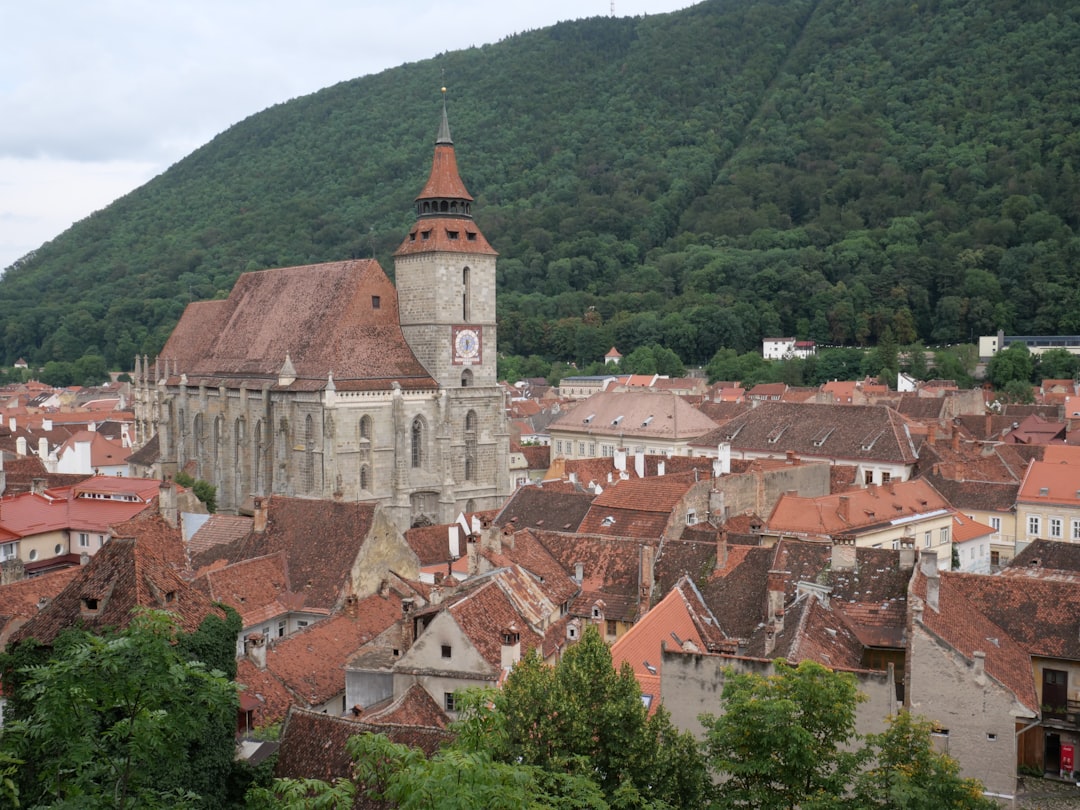
In Brașov, the nightlife is more subdued, centered around the old town and the nearby neighborhoods. You'll find pubs, wine bars, and a few clubs, but it's not a party destination like Cluj. The vibe is more about enjoying a drink with friends and soaking in the atmosphere.
Getting There & What to Expect
The nearest major airport is Bucharest Henri Coandă Airport, but it's a long drive to Transylvania. For a more direct option, Cluj-Napoca Airport and Sibiu International Airport offer connections to major European cities. From Cluj, you can reach Sibiu or Brașov by bus or train in about 3-4 hours. Bus tickets cost around 10-15 EUR. Trains are cheaper but slower.
Accommodation varies widely. In Sibiu, you can find budget hostels for 15-25 EUR per night, mid-range hotels for 40-60 EUR, and luxury options for . In Brașov, prices are similar, with a wide range of options. In smaller towns like Sighișoara, accommodation is more limited, but you can find guesthouses and pensions for 30-50 EUR.
The best time to visit is between May and October, when the weather is mild and the countryside is green. Winter is cold and snowy, but it's a great time for skiing in the nearby mountains. Summer can be crowded, especially at Bran Castle, so plan accordingly.
Search accommodation in Sibiu on Booking.com →
The Road Less Traveled
As the sun sets over the Făgăraș Mountains, the lights of Sibiu twinkle like scattered jewels. I'm sitting on a bench in the Great Square, watching the locals stroll by, laughing and talking. The "watching eyes" on the roofs seem less judgmental now, more like quiet observers of a town that has seen it all. Transylvania isn't just about castles and vampires. It's about the people, the history, and the resilience of a region that has survived against the odds. It's a place that demands to be seen, not just heard about. And once you've walked its streets, tasted its food, and felt its history, you'll understand why it's so much more than a myth.
Comments