


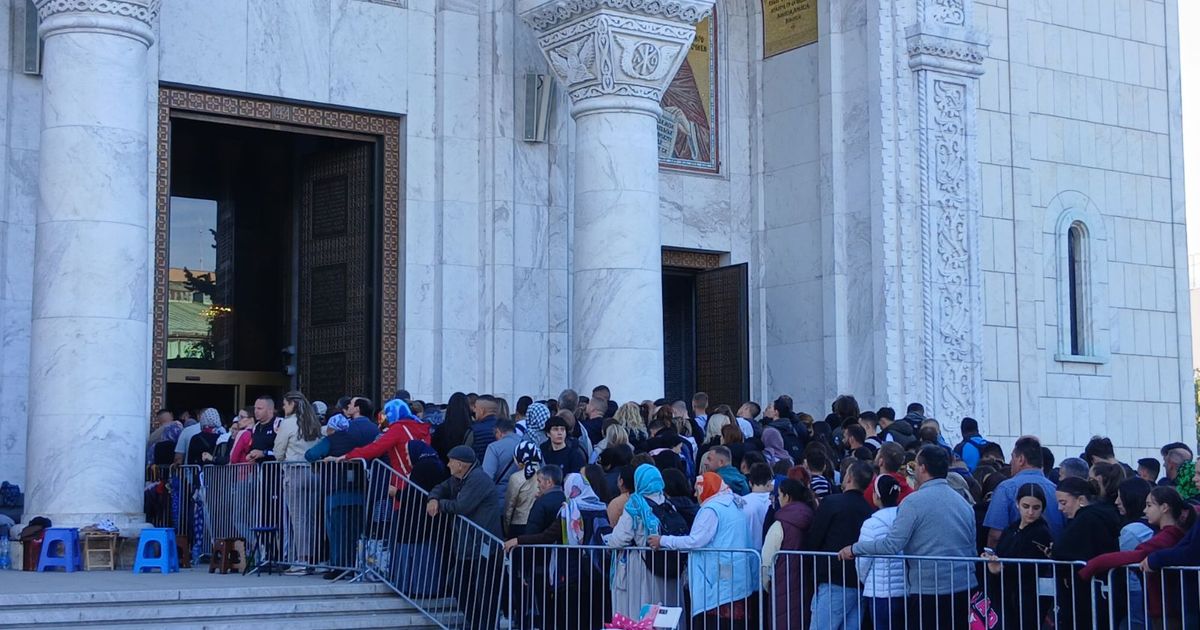
The Girdle of the Theotokos, one of Christianity’s most revered relics, concluded its visit to Belgrade under the auspices of the Serbian Orthodox Church, drawing hundreds of thousands of pilgrims to Temple of Saint Sava. As the relic prepared for its departure back to Mount Athos, church leadership issued a series of pastoral appeals aimed at preserving order, dignity, and spiritual authenticity during the massive public veneration.
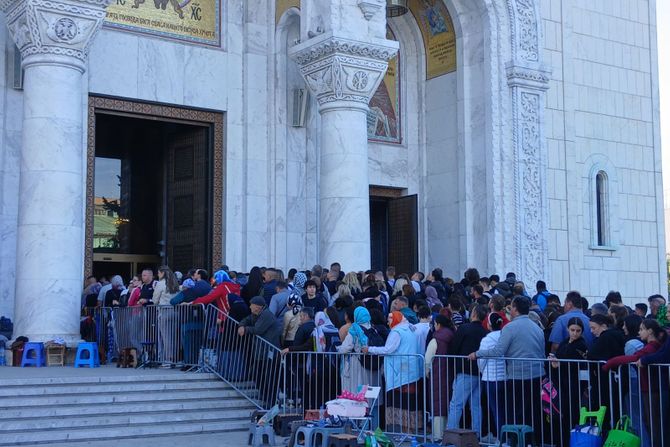
With queues stretching for hours and tens of thousands waiting in close quarters, church authorities emphasized patience and mutual respect. The waiting period itself, they noted, is an integral part of the pilgrimage experience, requiring humility and love for one’s neighbor. Incidents of pushing or agitation were discouraged, as the process of waiting in prayerful silence is considered spiritually formative.
Combating Magical Thinking
The church repeatedly warned against “magical” approaches to the relic. While many pilgrims seek healing for infertility, cancer, or other serious illnesses, clergy stressed that physical contact with the fabric does not automatically resolve personal struggles. Healing, they reminded the faithful, comes from God through genuine faith, repentance, fasting, and prayer. The Girdle serves as a tangible reminder and catalyst for spiritual growth, not a supernatural talisman.
Guidelines for Sacred Ribbons
Alongside the Girdle, monks from the Vatopedi Monastery on Mount Athos traditionally distribute small cotton ribbons consecrated by touching the relic. Many women experiencing fertility issues wear these around their waists. Church leaders clarified that wearing the ribbon must be accompanied by a committed spiritual life, including joint prayer, fasting, regular liturgical participation, and communion. The ribbon is not a substitute for active faith but a symbol of it.
Respecting Veneration Protocols
Due to the enormous crowds, time spent directly before the reliquary is limited to just a few seconds. Pilgrims were asked not to linger, to avoid leaving personal items like clothing or icons on the reliquary for blessing unless permitted, and to keep the line moving. Blocking the path for thousands behind them was strongly discouraged.
Proper Attire and Conduct
As with all major religious events, modest dress was reiterated. Visitors were asked to cover shoulders and knees, avoid heavy makeup or perfume, and maintain silence inside the temple. Photography of the veneration process was restricted where prohibited, and mobile phone use minimized to preserve the sacred atmosphere.
The Serbian Orthodox Church’s core message was clear: external rituals must align with internal sincerity. Only then can the pilgrimage yield true spiritual benefit rather than becoming a superficial or aesthetic experience. For thousands who stood in line on the final day, the hope was that the encounter would deepen their faith and leave a lasting impression of divine grace.
fenerbahce fans were right about patience tbh, waiting hours in line is no joke lol. honestly didn't see the church stressing so much about the ribbons though. maybe it's just me but feels like they're trying to control everything rn...