


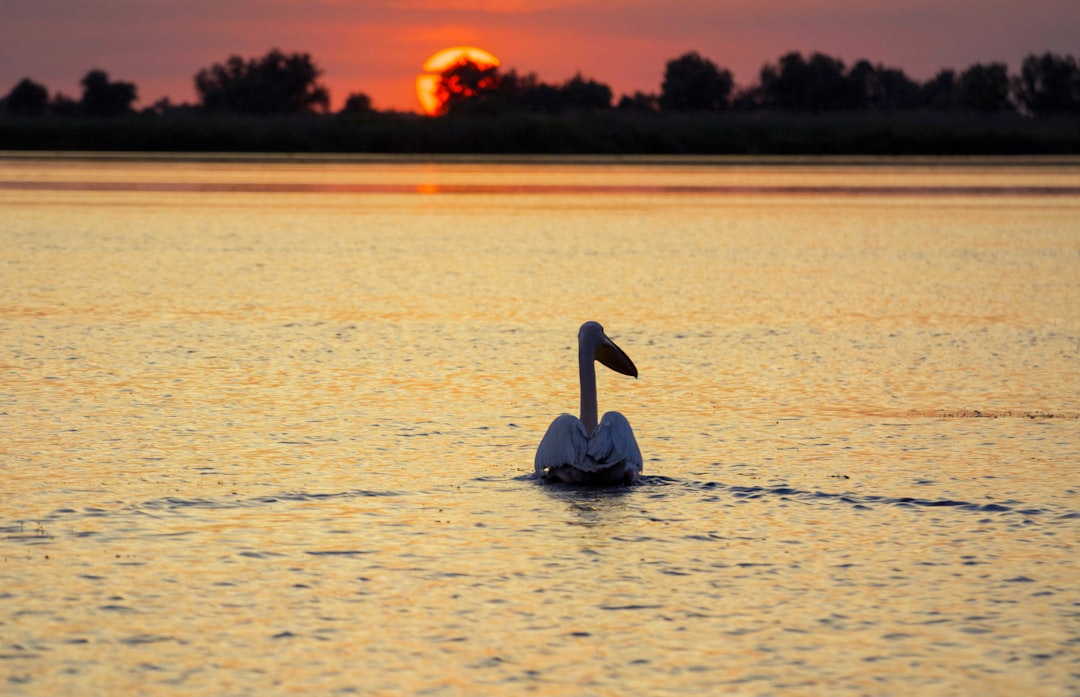
I woke up with the taste of river mud in my mouth and the sound of water slapping against reeds in my ears. I had overslept in a rented room above a fisherman's shack on the edge of the Palić Lake basin, only to realize I was three hours away from the real prize: the Danube's final gasp before it splits into the Delta proper. The air was thick, humid, and smelled of wet earth and decaying vegetation. I wasn't here for the polished resorts of the Mediterranean. I was here for the raw, untamed edge of the continent, where the river doesn't just flow; it sprawls, chokes, and breathes. The "Delta" in Serbia is a misnomer to the uninitiated. It's not the bird sanctuary of Romania. It's a gritty, industrial-adjacent wetland where the river widens into a chaotic expanse of sandbars, oxbow lakes, and hidden beaches that feel less like tourist spots and more like secrets kept by the water itself.
I drove down from Belgrade, the city of stone and smoke, watching the skyline dissolve into flatlands and forests. The goal was simple: find the best freshwater swimming spots in this part of the Danube basin before the crowds of the summer months turned these wild stretches into parking lots. What I found was a landscape of contrasts. On one side, the heavy industry of the border towns. On the other, stretches of pristine, golden sand where the only footprints were those of cranes and herons. This is not a place for the faint of heart or the overly sanitized traveler. It's for those who want to swim in water that has traveled thousands of kilometers, carrying the silt and stories of the entire Balkan peninsula.
The Geography of the Borderlands
The area known as the Serbian Danube Delta isn't a single protected park like its Romanian counterpart. It's a collection of river islands, floodplains, and oxbow lakes near the border. The most accessible and visually striking part is around Kladovo, a town perched on a hill overlooking a massive bend in the river called the Iron Gate. Here, the river is deep, fast, and dramatic, cutting through the gorge. But as you move east, towards the border with Romania, the water slows. It spreads out. The current gives way to eddies and backwaters, creating the perfect conditions for freshwater beaches. The water is often warm in July and August, heated by the shallow depths and the summer sun. It's murky, yes, but clean in a way that chlorinated pools never are. It's alive.
The landscape is defined by its duality. You have the Iron Gate I Hydroelectric Power Station looming in the background, a testament to human engineering, and in the foreground, the untouched reed beds that have stood for millennia. This tension is what makes the region compelling. It's not a postcard; it's a photograph. The colors are saturated, the textures are rough, and the silence is broken only by the occasional roar of a cargo ship passing through the gorge. For the swimmer, this means privacy. There are no lifeguards, no changing cabins, and no beach bars. Just you, the river, and the vast, open sky.
Where to Swim: The Hidden Beaches
Ada Kalafat — This is the crown jewel of the Serbian side of the Danube delta. An island located right on the border with Romania, accessible via a bridge from the village of Kladovo. The island is a mix of forest and open sand, with shallow, warm waters perfect for wading. It's wild and largely undeveloped, offering a true sense of escape. There is no entry fee, but you must bring your own supplies. The best time to visit is early morning or late afternoon to avoid the heat and the few local anglers who frequent the deeper channels. The sand is soft and golden, and the water is surprisingly clear in the shallows.
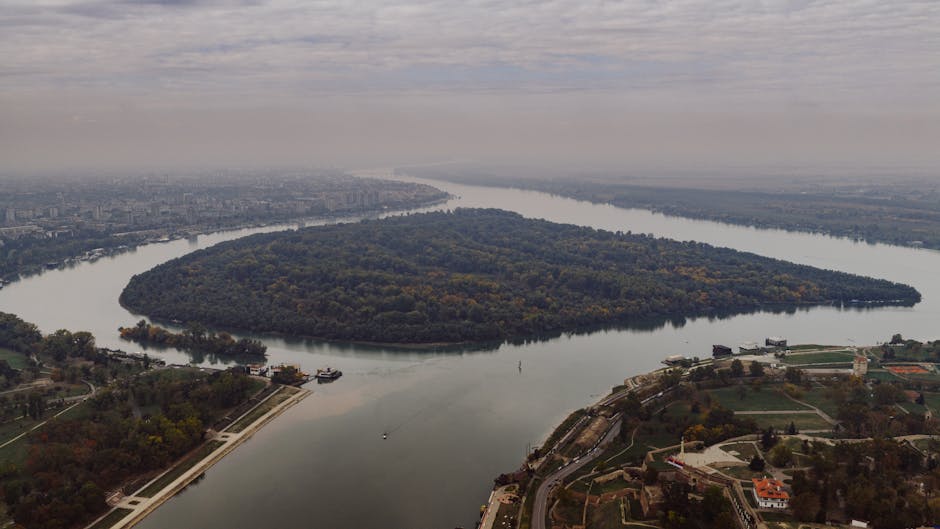
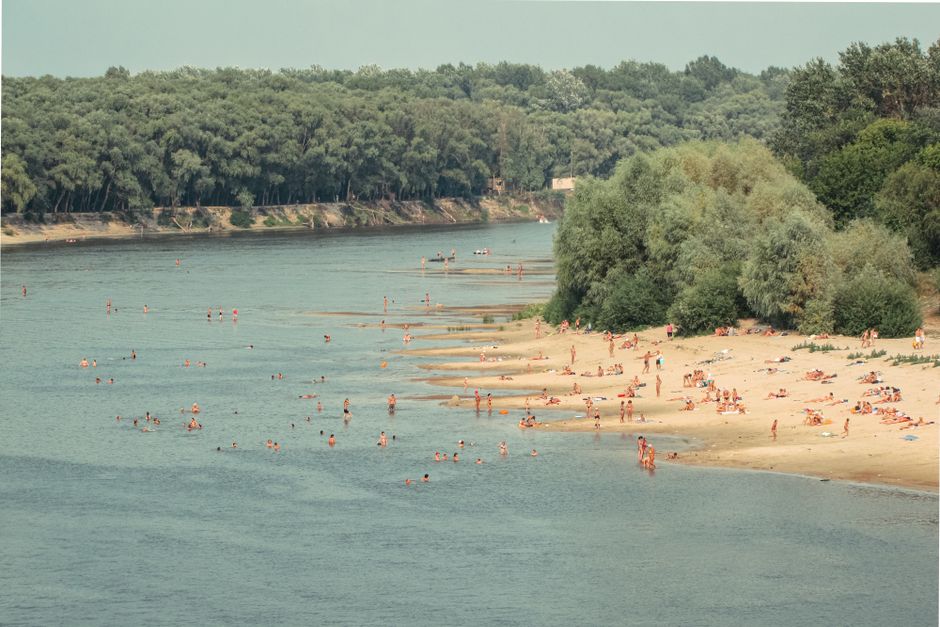
Bečmen — Located just north of Kladovo, this is a more accessible beach option with slightly more infrastructure. It's a popular spot for locals from the nearby town, so expect some crowds on weekends. The beach is wide and sandy, with gradual entry into the river. There are small kiosks selling cold drinks and snacks, a rare luxury in this region. The water here is deeper closer to the shore, making it better for strong swimmers. It's a good base for those who want a bit of comfort without sacrificing the river experience. Prices for refreshments are low, typically around 1-3 EUR for a bottle of water or a beer.
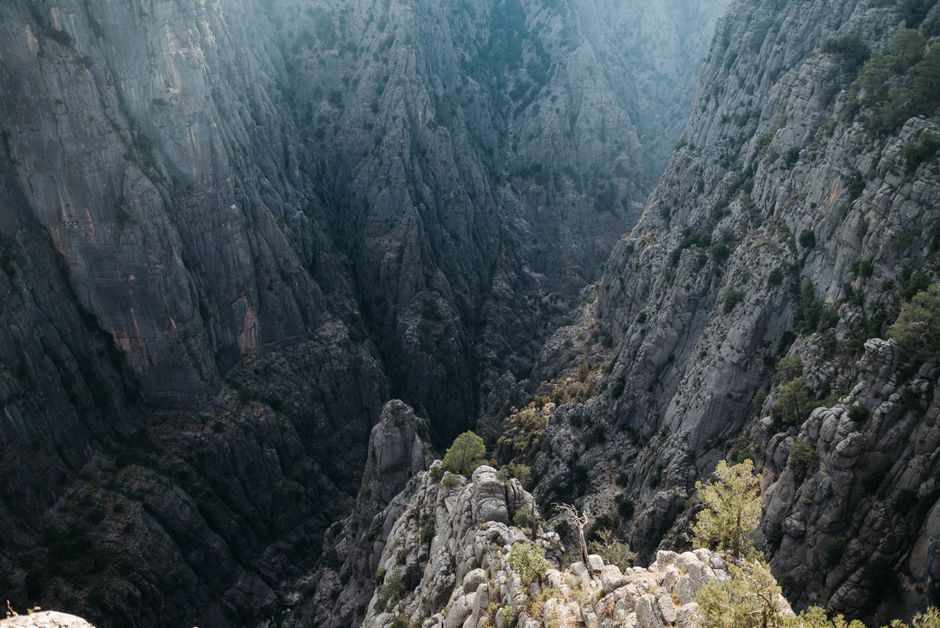
Iron Gate Gorge Viewpoint Beaches — While not a traditional beach, there are several rocky outcrops and small sandbars along the gorge near Kladovo where you can take a quick dip. These spots are more for the adventurous swimmer who doesn't mind cold, fast-moving water. The views are spectacular, with the cliffs rising steeply on either side. It's a place for photos as much as for swimming. Safety is paramount here; the current is strong, and the water is deep. Only attempt this if you are a confident swimmer and are prepared to enter the water from rocks rather than a sandy slope.
What to Eat & Drink: River Food
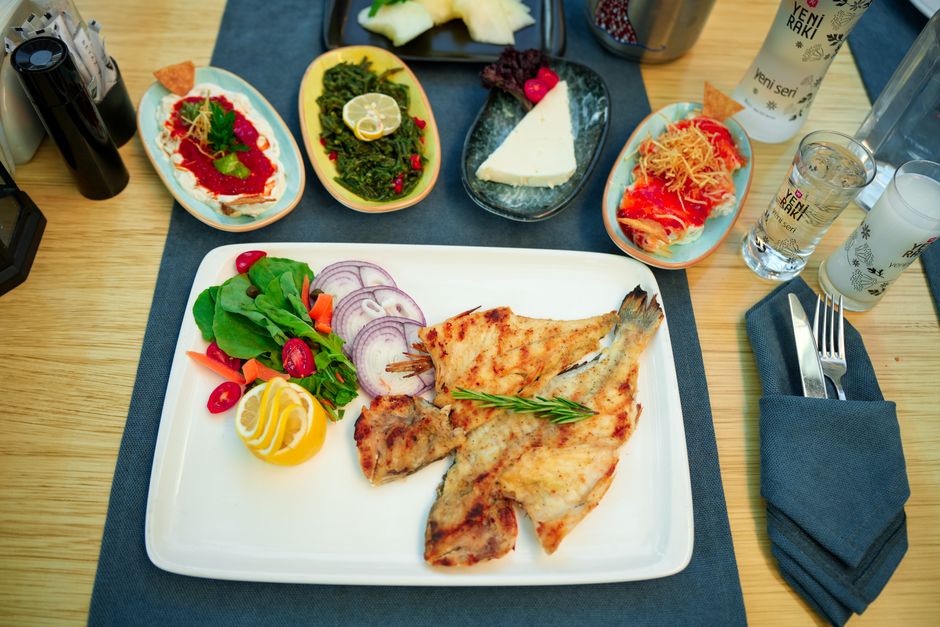
In a region defined by water, the food is naturally tied to the river. The local cuisine is simple, hearty, and deeply rooted in tradition. The star of the show is river fish, particularly carp, catfish, and pike. In the small restaurants in Kladovo and the nearby village of Majdanpek, you'll find grilled fish served with potatoes and a simple salad. The fish is fresh, often caught that morning, and cooked over an open flame. It's smoky, flaky, and incredibly flavorful. A main course of grilled carp will set you back around 8-12 EUR, a bargain for the quality. Accompany this with a glass of local white wine, such as Graševina or Zelen, and you have a meal that captures the essence of the region.
Grilled Carp — The local specialty. Fresh river carp, marinated in garlic and paprika, and grilled over charcoal. Served with roasted potatoes and a side of Ajvar, a roasted red pepper relish that is a staple of Balkan cuisine. Price: 8-12 EUR per serving.
Smoked Catfish — A richer, fattier fish that is often smoked locally. Served cold as an appetizer or hot as a main course with rice. The smoking process gives it a deep, complex flavor that pairs well with strong beer. Price: 6-10 EUR per serving.
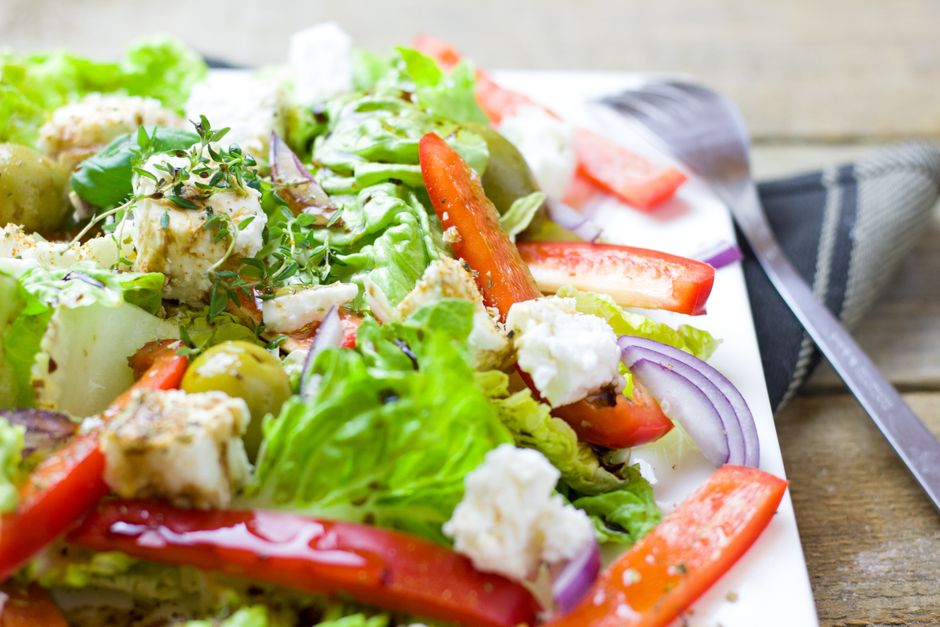
Šopska Salata — A fresh salad of diced tomatoes, cucumbers, onions, and green peppers, topped with a layer of strained white cheese (kashkaval). It's a refreshing counterpoint to the heavy grilled meats and fish. Price: 3-5 EUR per serving.
For budget travelers, the local markets in Kladovo offer fresh produce, bread, and cheese at low prices. You can pick up a loaf of bread for 1-2 EUR and a block of cheese for 3-5 EUR. There are no major food streets or bustling restaurant districts here; the dining experience is intimate and local. For nightlife, it's non-existent in the traditional sense. The evenings are for sitting on the riverbank, drinking rakija (a strong fruit brandy), and watching the sun set over the water. The atmosphere is quiet, reflective, and deeply communal.
Getting There & What to Expect
Reaching the Serbian Danube Delta requires a bit of effort. The nearest major city is Belgrade, from which Kladovo is approximately 250 kilometers away, a drive of about 3 to 3.5 hours. The road is well-paved and scenic, passing through the Fruška Gora mountain and along the Sava River before joining the Danube. Alternatively, you can take a bus from Belgrade to Kladovo, which takes about 4 hours and costs around 10-15 EUR. There are no direct trains to Kladovo, so driving or taking a bus is your best option.
Accommodation in Kladovo is limited but affordable. There are a few small hotels and guesthouses in the town, with prices ranging from 30-50 EUR for a basic double room. For a more authentic experience, consider staying in one of the private rooms offered by locals in the surrounding villages. These can be found for as little as 15-25 EUR per night. Camping is also an option on Ada Kalafat, though facilities are non-existent. You must bring your own tent, sleeping bag, and food. The weather in July and August is hot and humid, with temperatures often reaching 30-35°C (86-95°F). The river provides a welcome respite, but be prepared for mosquitoes in the evenings. Bring repellent, sturdy shoes for walking on the rocky shores, and a sense of adventure.
Search accommodation in Kladovo on Booking.com →
The River's Whisper
I left the river as the sun dipped below the horizon, painting the sky in shades of orange and purple. My skin was sticky with river water and sunscreen, my clothes smelled of woodsmoke and fish, and my mind was quiet in a way it hadn't been in years. This place doesn't offer the polished perfection of a Mediterranean resort. It offers something else: a connection to the land, to the water, to the slow, relentless flow of time. The Danube doesn't care about your deadlines or your social media feed. It just flows, carrying its secrets to the sea. If you're looking for a beach vacation, look elsewhere. But if you're looking for an experience, for a moment of raw, unfiltered reality, come to the Serbian Danube. Swim in the mud. Eat the fish. Listen to the water. It might just change you.
Comments