


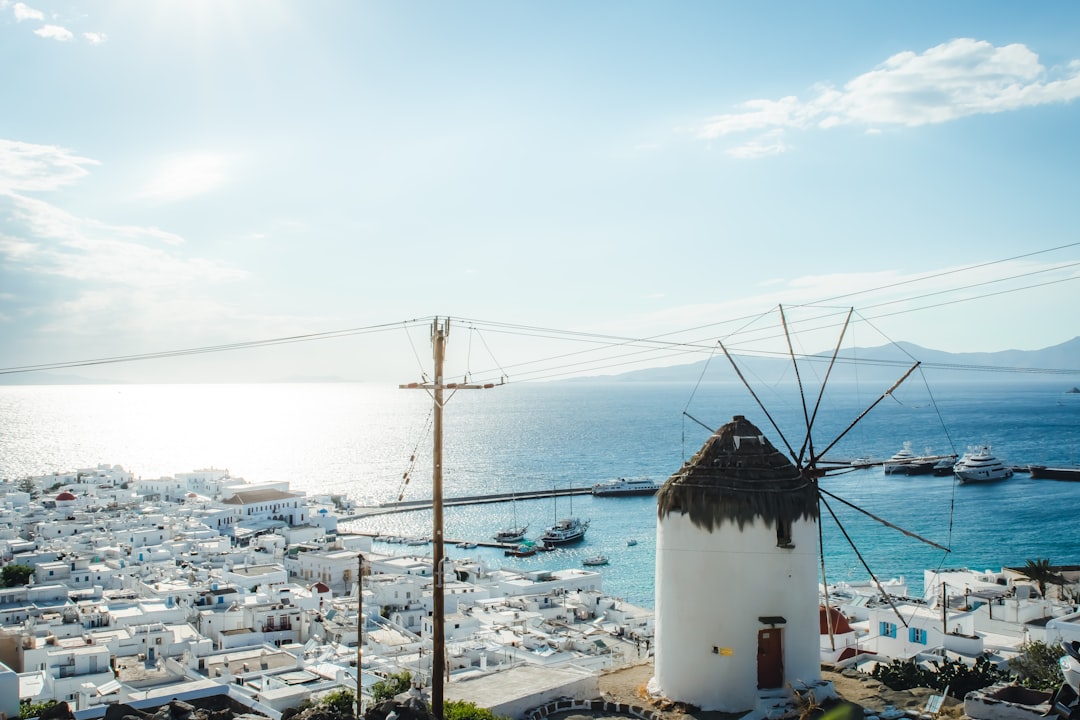
I’m sitting on a plastic chair in a taverna in Fira, nursing a warm beer that costs more than my hourly wage, watching a cruise ship unload three thousand tourists onto a port that wasn’t built for it. The sun is setting over the caldera, painting the sky in shades of violent orange and bruised purple. It’s postcard-perfect, and it’s absolutely exhausting. This is Santorini Santorini in July. Now, contrast that with three weeks earlier in Mykonos Mykonos, where I was sweating through a linen shirt in a beach bar, listening to a DJ spin techno while waiters balanced trays of ouzo on their heads like circus acts. One island is a geological miracle turned tourist trap; the other is a hedonistic playground with a soul of marble and wind. Choosing between them isn’t just about geography; it’s about what kind of holiday hangover you’re willing to survive.
Both islands are staples of the Cyclades, but they operate on entirely different frequencies. Santorini is about drama — the cliffs, the history, the volcanic soil, and the sheer visual impact of a landscape that looks like it was carved by gods who hated flat surfaces. Mykonos is about energy — the parties, the fashion, the whitewashed chaos of the town, and the relentless Greek summer sun. I’ve spent a week on each, slept in both budget hostels and mid-range hotels, and eaten enough seafood to last a lifetime. Here’s the raw breakdown of which island deserves your money and your time.
History & Identity
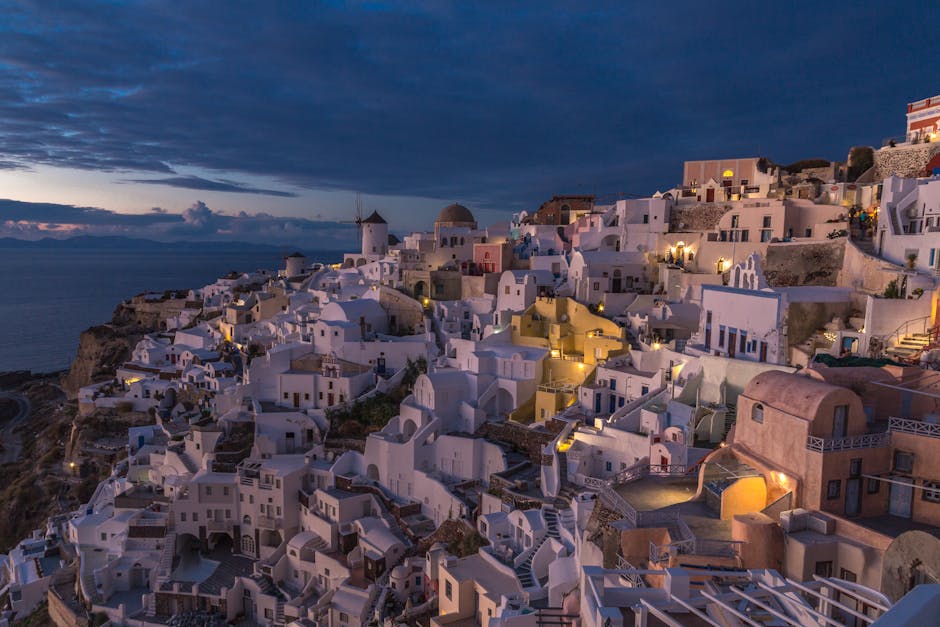
Santorini isn’t just a pretty face; it’s a geological and historical heavyweight. The island is the rim of a massive volcanic caldera, formed by one of the largest volcanic eruptions in recorded history around 1600 BC. This eruption is widely believed to have inspired the legend of Atlantis. Today, the island’s identity is tied to that dramatic landscape. The white-washed buildings with blue domes aren’t just aesthetic choices; they’re a response to the intense sunlight and the need to reflect heat. The town of Fira Fira clings precariously to the cliff edge, offering views that are unmatched in the Aegean. The history here is palpable, from the ancient ruins of Akrotiri Akrotiri, a Minoan settlement preserved in volcanic ash like Pompeii, to the Venetian fortresses that dot the landscape.
Mykonos, by contrast, has a more maritime and cosmopolitan identity. It was once a major maritime power in the Cyclades, with wealthy shipowners building grand mansions in the town of Chora Mykonos Town. The island’s history is intertwined with the Greek Revolution and the rise of the Greek merchant marine. Today, that history is layered under a veneer of luxury tourism and nightlife. The narrow, winding streets of Chora are a labyrinth of neoclassical architecture, boutique shops, and tavernas. The iconic windmills of Paraporti Mykonos Windmills stand as a reminder of the island’s agricultural past, but the dominant force now is the sea and the party culture that revolves around it. Mykonos is less about ancient history and more about modern Greek hedonism.
Where to Go
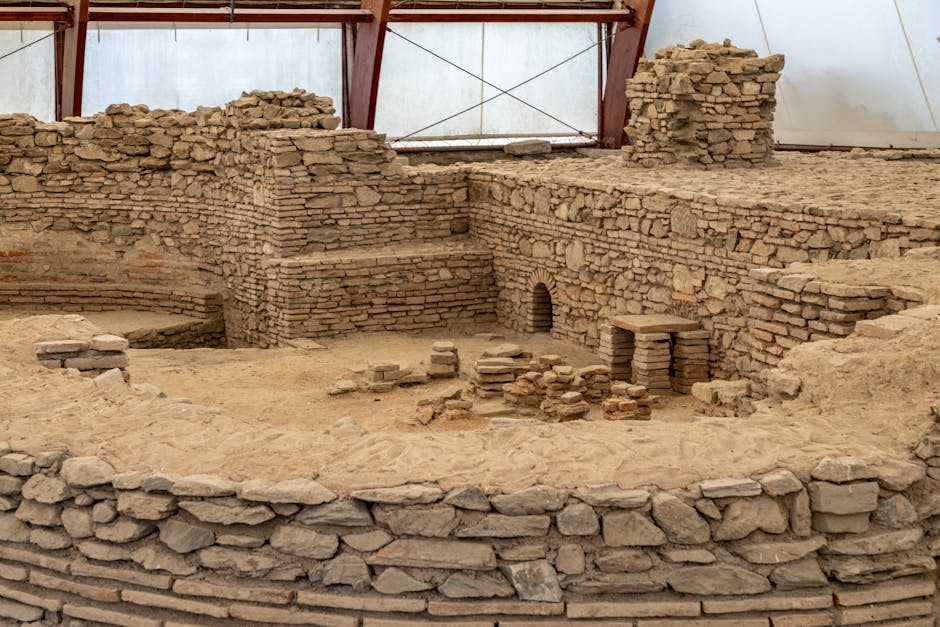
Akrotiri Archaeological Site — This is the crown jewel of Santorini. Buried under layers of pumice and ash, the Minoan settlement of Akrotiri offers a time capsule of Bronze Age life. The ruins are well-preserved, with multi-story buildings, frescoes, and advanced drainage systems. It’s a must-visit for history buffs, and the site is less crowded than you might expect given the island’s popularity. Entry is 12 EUR, and it’s open daily from 8:00 AM to 8:00 PM in summer. Spend at least two hours here to fully appreciate the scale and detail of the ruins.
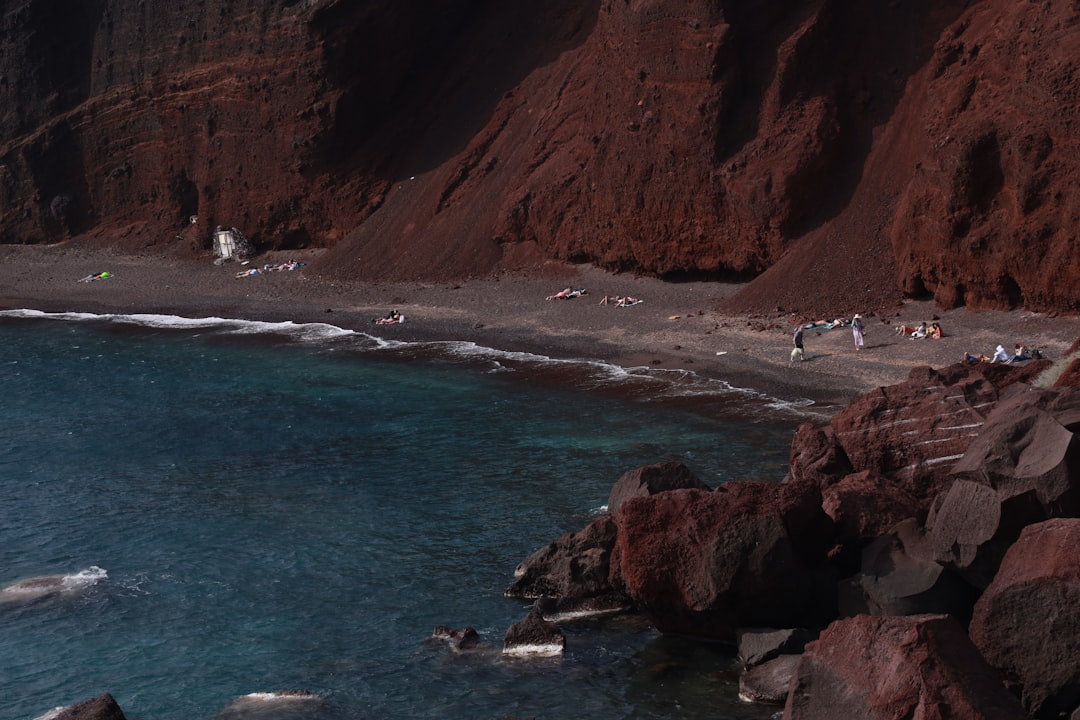
Red Beach — As the name suggests, this beach features striking red volcanic cliffs and sand. It’s a stark contrast to the white buildings of the island and offers a dramatic backdrop for photos. The water is clear and calm, making it a good spot for swimming, though the rocks can be slippery. It’s located near the village of Exo Gonia Exo Gonia, and there’s a small cafe on site for snacks and drinks. No entry fee, but parking can be tricky during peak hours.
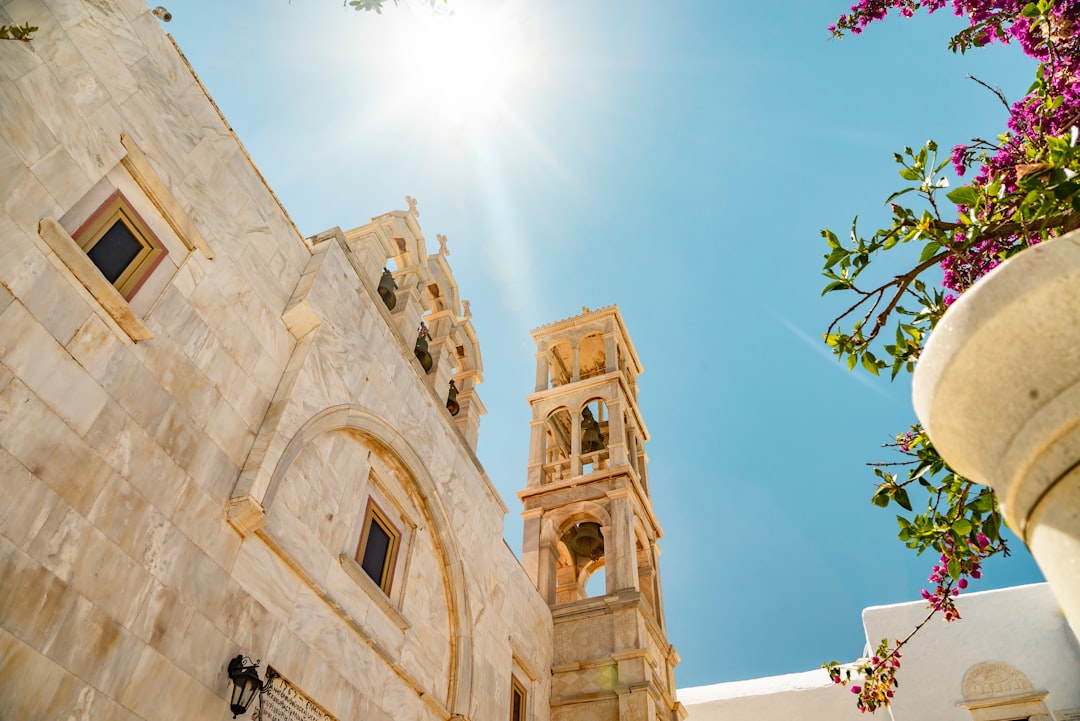
Paraportiani Church — Located in the heart of Mykonos Town, this 16th-century church is a symbol of the island. Its whitewashed walls and multiple domes make it a photographer’s dream. The church is no longer in use, but it remains a powerful landmark and a reminder of Mykonos’ religious heritage. It’s free to visit, and the surrounding area is filled with cafes and shops.
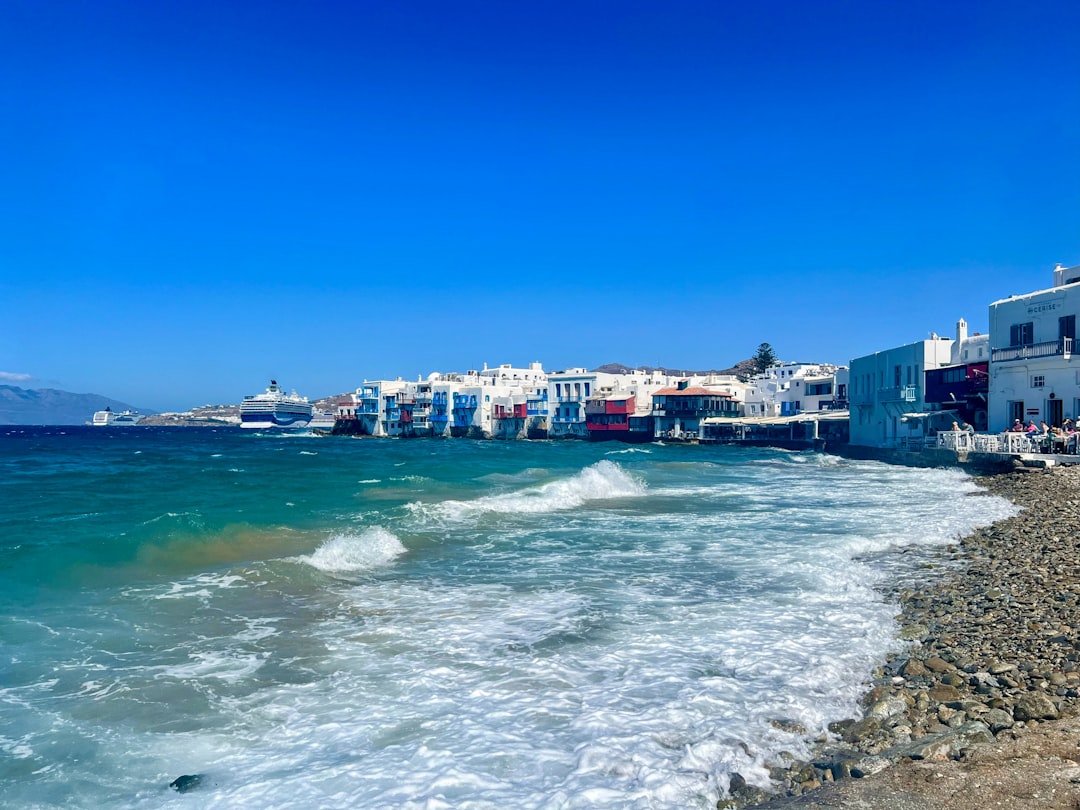
Little Venice — This picturesque area of Mykonos Town features colorful houses built right on the edge of the sea. It’s a popular spot for sunset drinks and dinner, with several restaurants and bars offering tables with sea views. The atmosphere is lively and romantic, and the narrow streets leading to Little Venice are filled with boutiques and souvenir shops. It’s a must-visit for anyone looking to experience the charm of Mykonos.
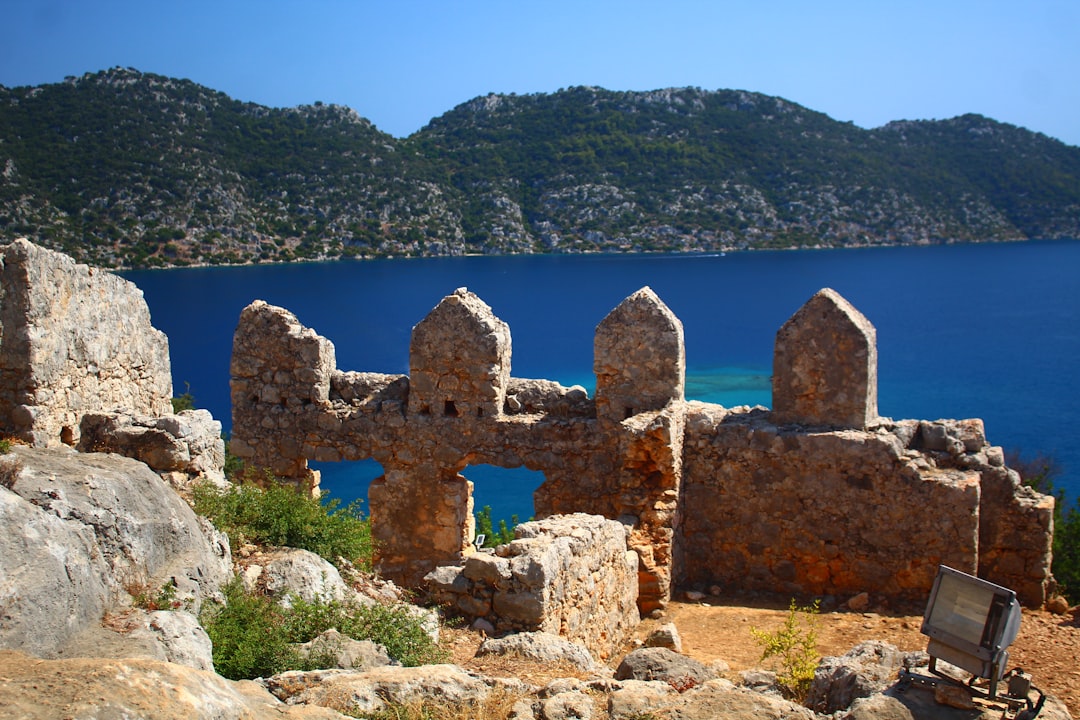
Delos Island — A short boat ride from Mykonos, Delos is a UNESCO World Heritage Site and one of the most important archaeological sites in the Aegean. It was a major religious and commercial center in ancient times, and the ruins include temples, theaters, and houses. The island is small and can be explored in a day, but it’s a fascinating glimpse into ancient Greek life. Entry is 12 EUR, and boats leave regularly from Mykonos Town.
What to Eat & Drink
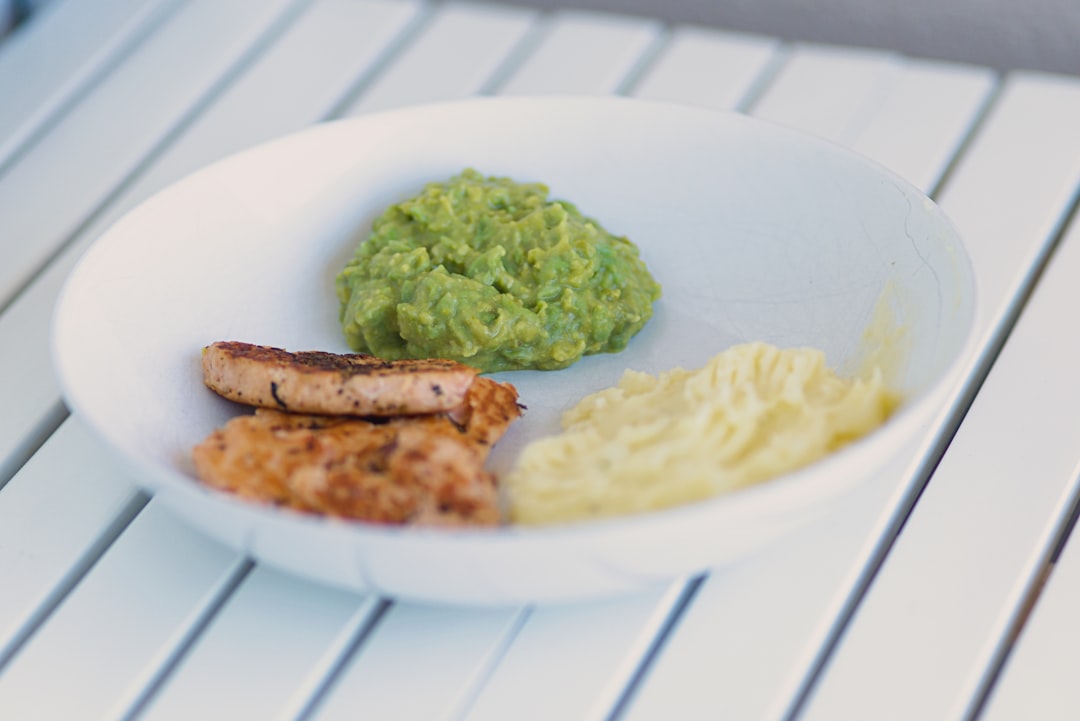
Food in Santorini is a reflection of its volcanic soil and isolated location. The island is famous for its Tomatoes Santorini Tomato, which are small, juicy, and incredibly flavorful. They’re often used in Tomato Keftedes 4-6 EUR, a type of tomato fritter that’s a local specialty. Fava 5-7 EUR, a yellow split pea puree, is another staple, often served with onions and capers. Seafood is also a highlight, with Grilled Octopus 8-10 EUR and White Sea Bass 12-15 EUR being popular choices. For a budget meal, Pita 2-3 EUR with gyros is widely available, and Wine from local vineyards is a must-try. The Fira Fira market area is a good spot for affordable eats, and there are several food courts in the main town.
Mykonos, on the other hand, is more about international cuisine and high-end dining. You’ll find everything from Greek Salad 6-8 EUR to Steak 15-20 EUR and Sushi 12-15 EUR. The island is also known for its Kokkino 3-5 EUR, a local red wine, and Ouzo 2-4 EUR, an anise-flavored spirit. For a budget meal, Souvlaki 3-4 EUR is widely available, and there are several food stalls in Mykonos Town Mykonos Town. The Matogianni Street Matogianni Street area is a hub for dining, with a mix of local and international restaurants. If you’re looking for a sit-down meal, expect to pay 15-25 EUR per person at a mid-range restaurant.
Nightlife
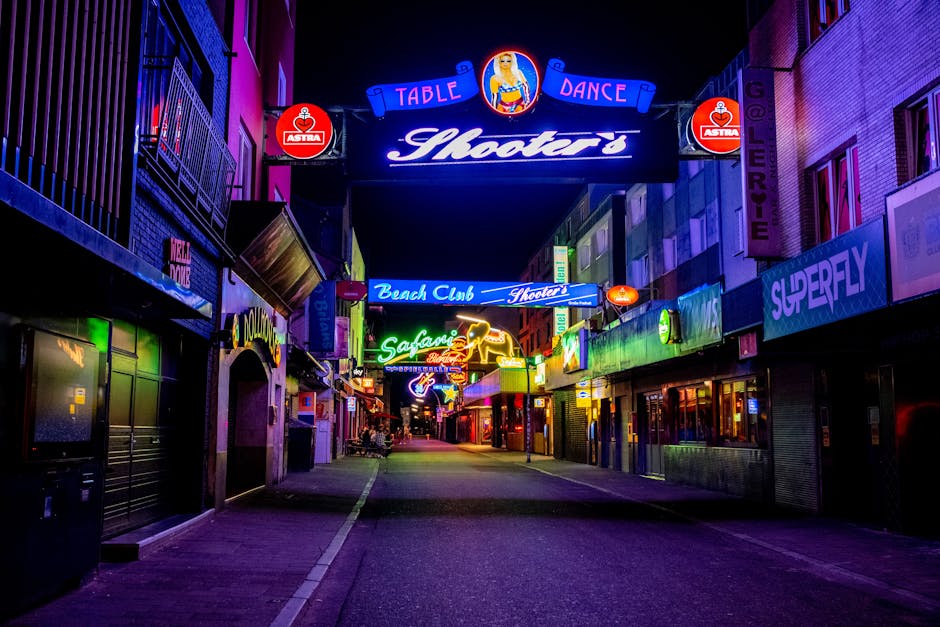
Santorini’s nightlife is more subdued and focused on sunset views and live music. The main party scene is in Fira Fira, with several bars and clubs along the main street. Bohemian Bar is a popular spot for cocktails and live music, with a cover charge of 5-10 EUR. Alex Bar offers a more relaxed atmosphere with sea views and a good selection of drinks. For a more upscale experience, Perivoli is a beach club with a DJ and a dance floor, with entry ranging from 10-20 EUR. The nightlife here is more about enjoying the view and the company than dancing until dawn.
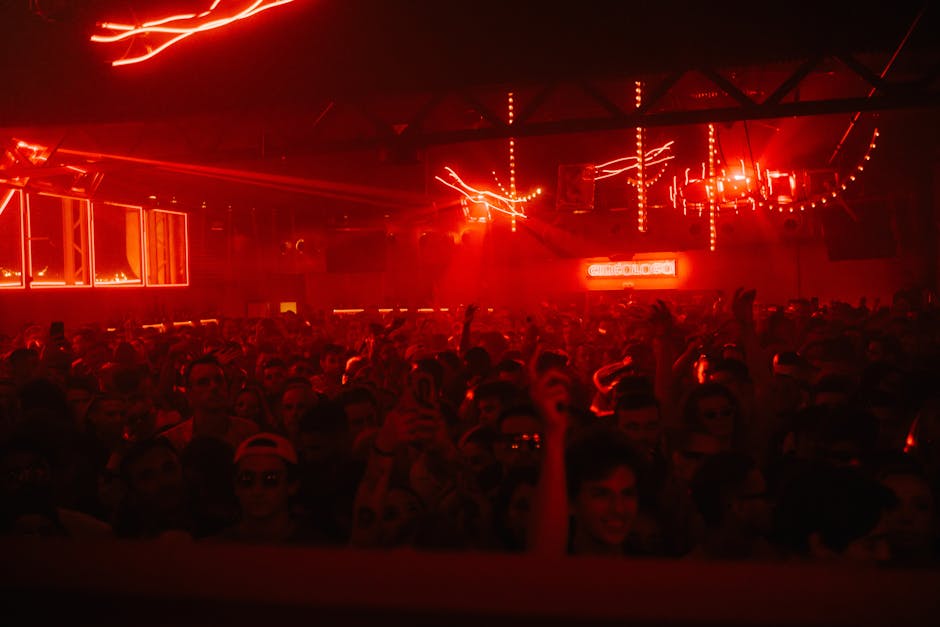
Mykonos, by contrast, is a nightlife mecca. The island is famous for its beach clubs and late-night parties. Cavo Paradiso is one of the most famous beach clubs, with a reputation for its parties and celebrity sightings. Entry can range from 20-50 EUR depending on the night and the DJ. Scorpios is another popular spot, with a more relaxed atmosphere during the day and a lively party scene at night. Andreas Lounge is a good option for a more upscale experience, with a focus on cocktails and live music. The main party district is in Mykonos Town Mykonos Town, with several bars and clubs along Matogianni Street Matogianni Street. Expect to pay 10-30 EUR for entry to most clubs, and drinks can range from 5-15 EUR.
Getting There & What to Expect
Getting to Santorini is easiest by flight from Athens Athens, with several daily flights taking around 45 minutes. Flights can range from 50-150 EUR depending on the season and how early you book. Ferries from Athens take around 5-8 hours and cost 30-60 EUR. Once on the island, the best way to get around is by rental car or ATV, with prices ranging from 30-60 EUR/day. Budget hostels in Fira Fira range from 20-40 EUR/night, while mid-range hotels can cost 80-150 EUR/night. The best time to visit is from April to October, with July and August being the busiest and most expensive months.
Search accommodation in Santorini on Booking.com →
Getting to Mykonos is also easiest by flight from Athens Athens, with several daily flights taking around 45 minutes. Flights can range from 50-150 EUR depending on the season and how early you book. Ferries from Athens take around 4-6 hours and cost 30-60 EUR. Once on the island, the best way to get around is by rental car or ATV, with prices ranging from 30-60 EUR/day. Budget hostels in Mykonos Town Mykonos Town range from 20-40 EUR/night, while mid-range hotels can cost 80-150 EUR/night. The best time to visit is from May to October, with July and August being the busiest and most expensive months.
Search accommodation in Mykonos on Booking.com →
The Verdict: Which Island Wins?
I’m standing on the cliff edge in Fira, watching the sun dip below the horizon, and I feel a strange mix of awe and exhaustion. Santorini is beautiful, but it’s also crowded, expensive, and often feels more like a theme park than a real place. Mykonos, on the other hand, is chaotic, loud, and often overwhelming, but it’s also alive, vibrant, and full of energy. If you’re looking for a romantic getaway with stunning views and a touch of history, Santorini is the way to go. But if you’re looking for a party-filled holiday with great food, drink, and nightlife, Mykonos is the better choice. In the end, it’s not about which island is better; it’s about which island fits your mood. I’ve left both with a hangover and a camera full of photos, and I’ve left both wondering if I’ll ever come back.
Comments