


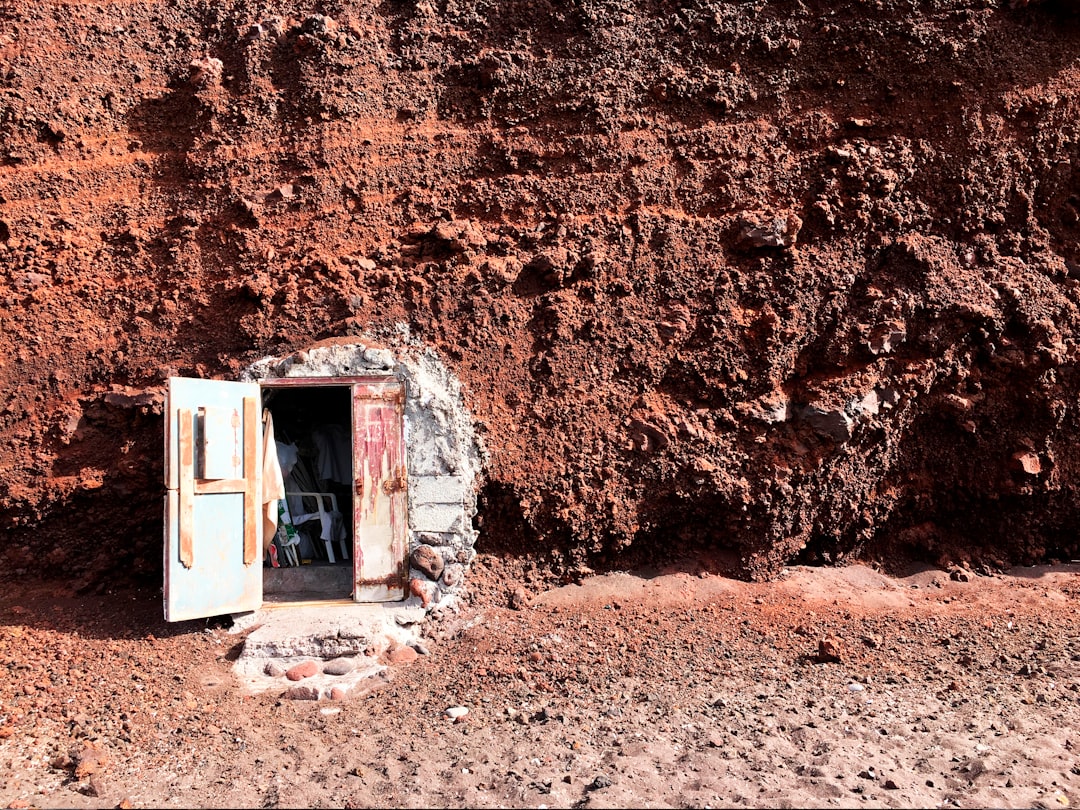
I'm standing ankle-deep in water that looks like ink spilled into a glass of gin, and the sun is hammering the caldera walls until my eyelids feel like sandpaper. This isn't the postcard-perfect white pebble beach I was promised. It's Santorini, and the sand beneath my feet is coarse, volcanic grit, black as coal and hot enough to fry an egg if you leave it long enough. A local fisherman in a faded blue shirt walks past, laughing at my grimace. He tells me this beach is called Kamari, and it's not for lounging; it's for surviving. The Aegean isn't just turquoise water and white cubes. It's a geological battleground where fire meets sea, and the contrast between the volcanic black shores and the crystalline white gravel is the real story of this archipelago. I came here to escape the heat of Athens, but I found myself wrapped in the raw, elemental power of a sleeping volcano.
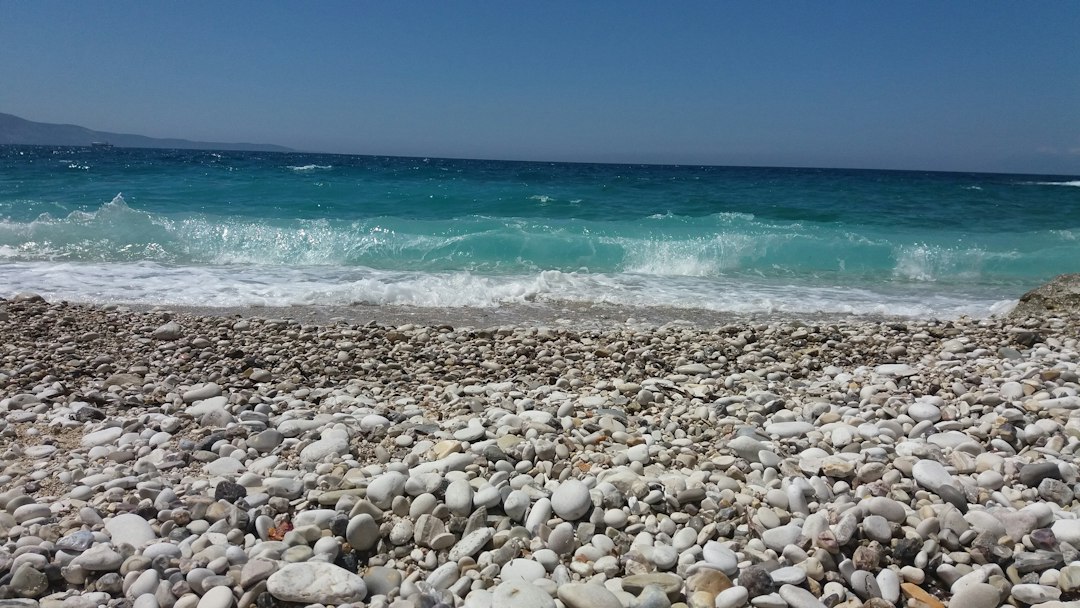
The Aegean Sea is often painted with broad, romantic strokes: endless blue, endless white. But anyone who has actually walked these islands knows the truth is far more complex. The geology here is violent, ancient, and constantly shifting. You can drive from the white marble beaches of Naxos to the black lava fields of Santorini in a day, and it feels like crossing into a different planet. This contrast isn't just aesthetic; it shapes the culture, the food, and the very way people live on these islands. The white beaches are for relaxation, for the slow, languid days of summer. The black beaches are for adventure, for feeling the pulse of the earth beneath you. And in the middle, there are the hidden coves, the secret spots where the two worlds collide.
The Volcanic Heart: Santorini's Black Shores
Santorini is the poster child for volcanic drama. The island is essentially the rim of a massive caldera, formed by one of the largest volcanic eruptions in recorded history. The beaches here are not made of eroded rock or coral; they are made of ash, pumice, and lava. Kamari is the most famous, stretching along the north coast with its distinctive black sand. The water is warm, thanks to the volcanic heat beneath the seabed, and the sand is fine enough to be pleasant, but it's the color that gets you. It's stark, dramatic, and unforgettable. Perissa, further south, is similar but with a more rugged coastline and fewer facilities. Perivolos connects the two, offering a quieter, more windswept experience. These beaches are not for the faint of heart. The sun reflects off the black sand, intensifying the heat, and the wind can be fierce. But there's a primal satisfaction in standing on a beach that was once fire.
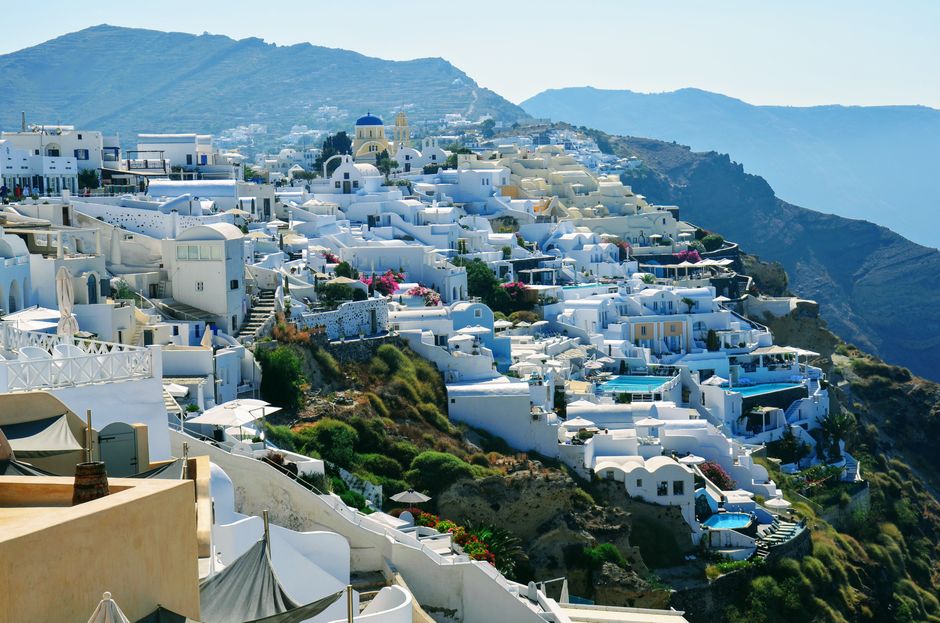
The volcanic landscape extends beyond the beaches. The island's interior is a maze of dried lava flows, red soil, and white-washed villages clinging to the cliffs. The contrast between the black beaches and the white villages is striking, almost surreal. The villages of Oia and Fira perch on the caldera rim, offering views that are nothing short of spectacular. But it's the beaches that tell the real story of the island. They are a reminder of the power of nature, and the fragility of human life. The eruption that created Santorini also destroyed the ancient Minoan civilization, leaving behind the ruins of Akrotiri, a city frozen in time. The black sand is a constant reminder of that destruction, and the resilience of the people who rebuilt their lives on top of it.
The White Marble Dream: Naxos and Paros
If Santorini is fire, then Naxos and Paros are ice. These islands are made of marble, and their beaches reflect that. The sand here is white, fine, and powdery, like sugar. The water is crystal clear, turquoise, and inviting. Agios Prokopios on Naxos is one of the most famous beaches in the Aegean, with its long stretch of white sand and shallow water. Plaka is nearby, offering a more relaxed atmosphere. On Paros, Golden Beach and Polybios are the main draws, with their white pebbles and clear water. These beaches are for lounging, for swimming, for soaking up the sun. They are the antithesis of Santorini's volcanic drama, offering a sense of peace and tranquility that is hard to find elsewhere.
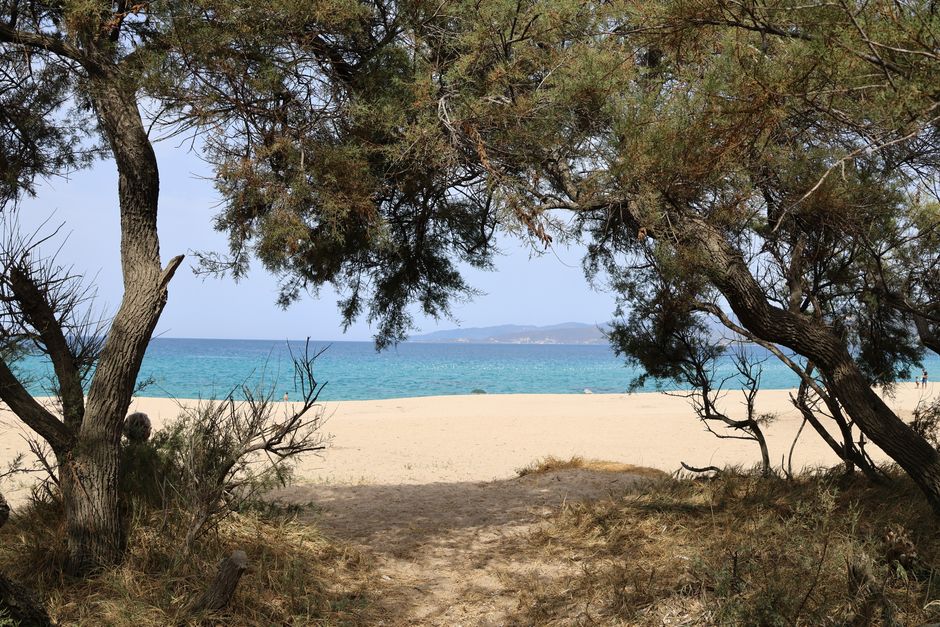
The white beaches of Naxos and Paros are not just beautiful; they are practical. The white sand reflects the sun, keeping the beaches cooler than the black sand of Santorini. The water is generally calmer, making it easier to swim and snorkel. The islands themselves are more agricultural, with olive groves, vineyards, and orchards dotting the landscape. The culture is more relaxed, more traditional. You can spend a day exploring the charming villages, eating fresh seafood, and then relax on the beach in the evening. It's a different kind of Aegean experience, one that is more about comfort and leisure than adventure and drama.
The Hidden Gems: Where Black Meets White
But the Aegean is not just about extremes. There are islands where the black and white beaches meet, creating a unique and unexpected landscape. Milos is one such island, with its volcanic origins but also its white beaches. Sarakiniko is the most famous, with its moon-like landscape of white rock and turquoise water. Firiplaka is another, with its black sand and white pebbles. Sifnos and Kimolos are similar, with their volcanic soil and white villages. These islands offer a blend of the two worlds, a chance to experience both the volcanic drama and the white marble dream in one trip. They are less crowded, less commercialized, and more authentic. They are for the traveler who wants to discover something new, something unexpected.
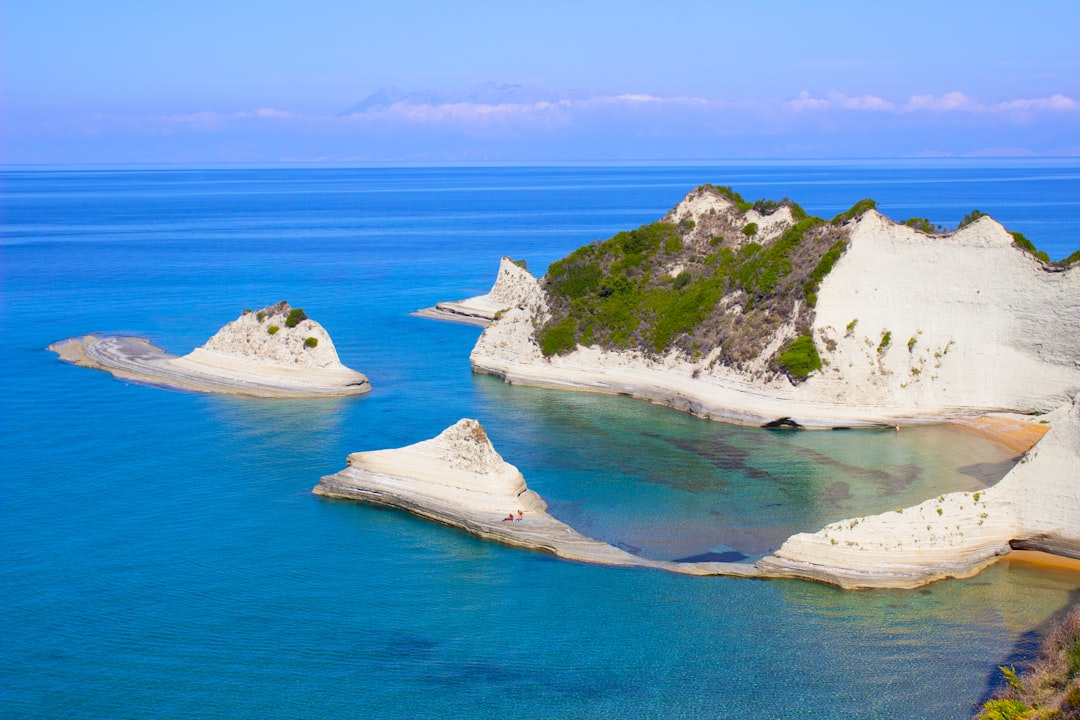
The hidden gems of the Aegean are not just about the beaches; they are about the culture, the food, the people. These islands are home to small communities that have maintained their traditions despite the pressures of tourism. You can eat fresh seafood, drink local wine, and talk to the locals about their lives. You can explore the villages, the churches, the museums. You can hike the trails, swim in the coves, and relax on the beaches. It's a different kind of travel, one that is more about connection and discovery than sightseeing and shopping. It's the real Aegean, the one that is often overlooked in favor of the more famous islands.
Getting There & What to Expect
Getting to the Aegean islands is easy, but it requires planning. The main gateway is Athens, from where you can take a ferry to most of the islands. Ferries are frequent, but they can be expensive, especially in peak season. Flights are also available to some of the larger islands, like Santorini, Naxos, and Paros, but they are limited and can be pricey. Once you're on the island, you can rent a car, a scooter, or a bicycle to get around. Public transport is limited, so having your own wheels is essential. Accommodation ranges from budget hostels to luxury hotels, with prices varying depending on the season and the location. A budget hostel in Santorini might cost 50-80 EUR per night, while a mid-range hotel could be 150-250 EUR. In Naxos and Paros, prices are generally lower, with hostels starting at 30-50 EUR and mid-range hotels at 100-180 EUR.
Search accommodation in Santorini on Booking.com →
The best time to visit the Aegean islands is from May to October, with July and August being the peak season. The weather is hot and sunny, but the crowds can be intense. April and November are quieter, but the weather can be unpredictable. The beaches are generally open from April to October, but the water is warmest from June to September. The volcanic beaches of Santorini are best visited in the early morning or late afternoon, when the sun is less intense. The white beaches of Naxos and Paros are good all day, but the shade is essential. The hidden gems of Milos, Sifnos, and Kimolos are best visited in the shoulder season, when the crowds are thinner and the prices are lower.
The Final Burn
I leave Santorini with my skin blistered and my soul satisfied. The black sand is still under my nails, a permanent reminder of the volcanic power that shaped this place. I've seen the white marble beaches of Naxos, the hidden coves of Milos, and the rugged shores of Sifnos. I've eaten the food, drunk the wine, and talked to the people. I've experienced the contrast, the duality, the complexity of the Aegean. It's not just a postcard. It's a place of fire and ice, of destruction and creation, of beauty and brutality. And it's worth every blister, every burn, every moment of discomfort. Because in the end, that's what travel is about. It's not about comfort. It's about transformation. And the Aegean, with its black sands and white gravel, is the perfect place to begin.
Comments