


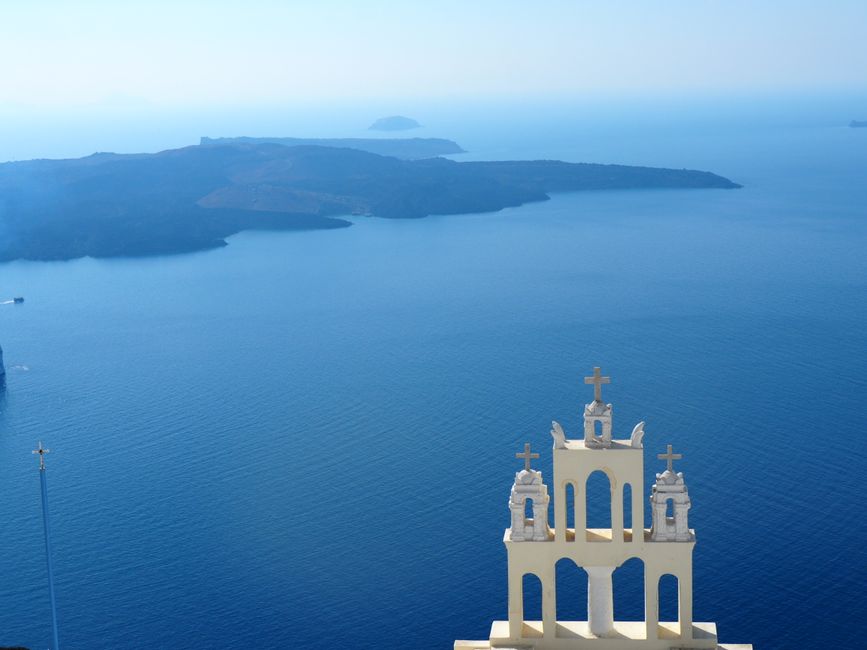
The sun doesn't just hit the water here; it bounces off it with a violence that feels personal. I am standing on the black volcanic sand of Kamari Beach on Santorini, wait, no, scratch that. I am on the black volcanic sand of Voutas Beach on Chios, and the heat is rising off the pebbles like a mirage. A local fisherman, skin cured like leather, shouts something in Greek that sounds suspiciously like a warning about the wind, then tosses a net with a fluidity that defies his age. This is the Northern Aegean. It is not the polished, Instagram-ready postcard of the Cyclades. It is raw, rugged, and stubbornly authentic. The water here is a deeper, more intense blue, the islands are larger and greener, and the beaches are hidden behind cypress trees or tucked into volcanic craters. If you want a lounger with a cocktail on tap, go south. If you want to wrestle with the terrain and be rewarded with solitude, you come here.
My boots are caked in red dust from a hike up a ridge on Samos, and my sunscreen is failing against the relentless Mediterranean glare. The Northern Aegean is a region that demands effort. You don't just find these beaches; you earn them. The roads are winding, the ferries are slow, and the hospitality is warm but not performative. This is where the Aegean meets the Asian Minor coast, where the history is layered with Byzantine fortresses, medieval monasteries, and ancient temples. The beaches are the cherry on top of a cake that is mostly made of mountain, olive groves, and history. Let's get lost in the details.
Chios: The Island of Mastic and Volcanic Black Sands
Chios is the northernmost of the large Aegean islands, a place of dramatic contrasts. The north is dominated by Mount Piros, a jagged peak that rises sharply from the sea, while the south is a patchwork of mastic groves and olive orchards. The beaches here are not your typical white-sand paradises. They are volcanic, rugged, and often colored in shades of black, red, and grey. The island's most famous export, mastic gum, is resin harvested from the roots of the mastic tree, found only in the southern villages. It tastes like pine and has been used for centuries as a digestive aid and a luxury spice.
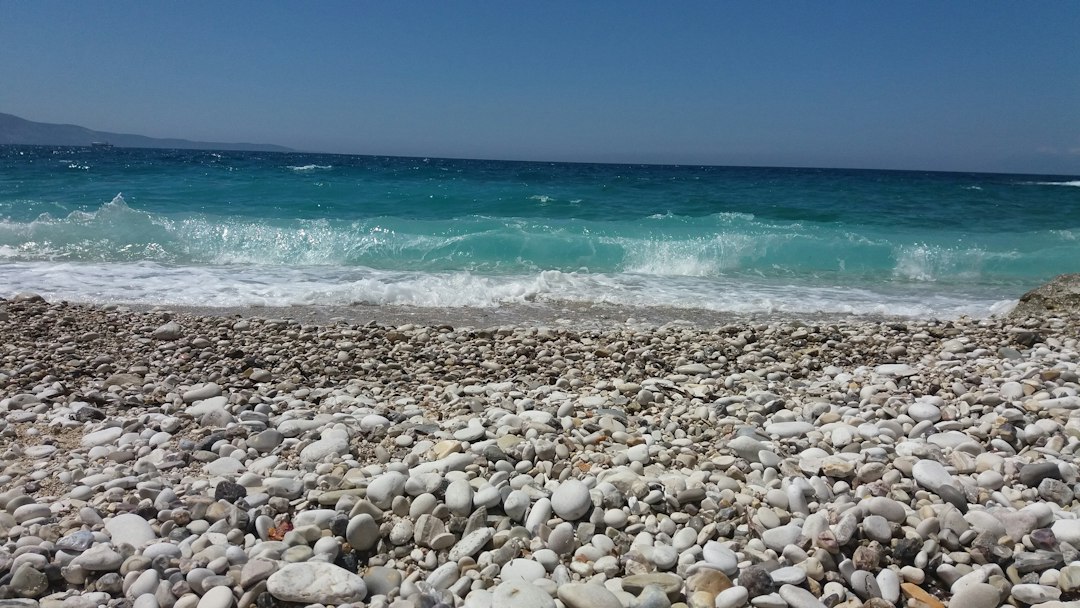
The beaches on Chios are scattered along the coastline, many of them small coves accessible only by boat or a short hike. Voutas Beach is the most famous, a long stretch of black volcanic sand and pebbles backed by pine trees. It is organized, with umbrellas and tavernas, but the real magic is in the smaller coves nearby. Pyrgi Beach is a tiny, sheltered bay near the village of Pyrgi, perfect for a quiet swim. The water is clear and cool, and the view of the Turkish coast across the strait is striking. Further north, Agios Minas Beach offers a more rugged experience, with cliffs and caves overlooking the sea.
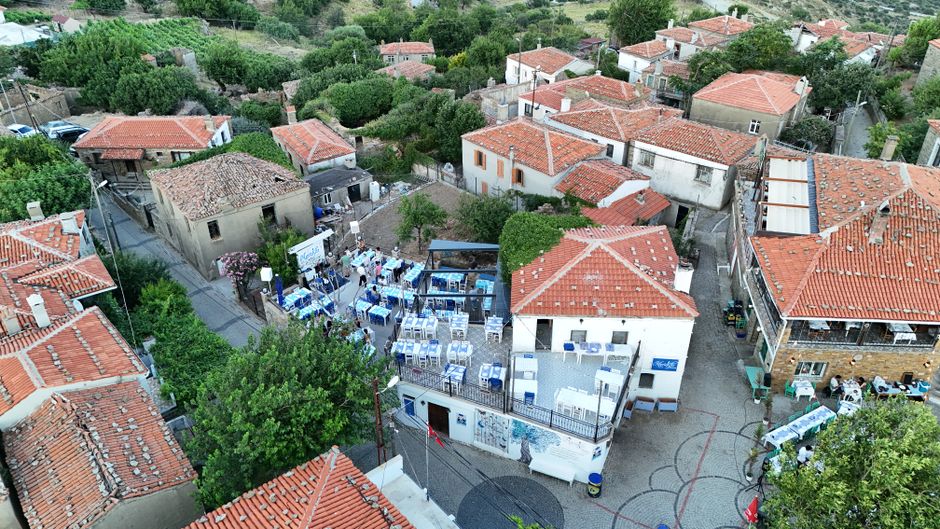
The culture on Chios is deeply tied to its history and its produce. The island is known for its Chian wine, particularly the Syntagma blend, made from Assyrtiko, Mavro, and Moschofilero grapes. The villages are perched on hillsides, with stone houses and narrow streets that wind up to churches and monasteries. The Nea Moni Monastery, a UNESCO World Heritage site, is a masterpiece of Byzantine architecture, with intricate mosaics and frescoes that date back to the 11th century. It is a place of profound beauty and spiritual significance, set against the backdrop of the island's rugged mountains.
Samos: The Green Giant and the Temple of Hera
Samos is the greenest of the Northern Aegean islands, a lush paradise of olive groves, vineyards, and pine forests. The island is dominated by Mount Kerkis, which rises to over 1,400 meters and provides a stunning backdrop to the beaches. Samos is also the birthplace of Pythagoras, the ancient philosopher and mathematician, and the island's history is steeped in ancient Greek culture. The Temple of Hera, one of the largest ancient temples in Greece, stands as a testament to the island's rich past. The ruins are set in a park, with views of the sea and the surrounding mountains.
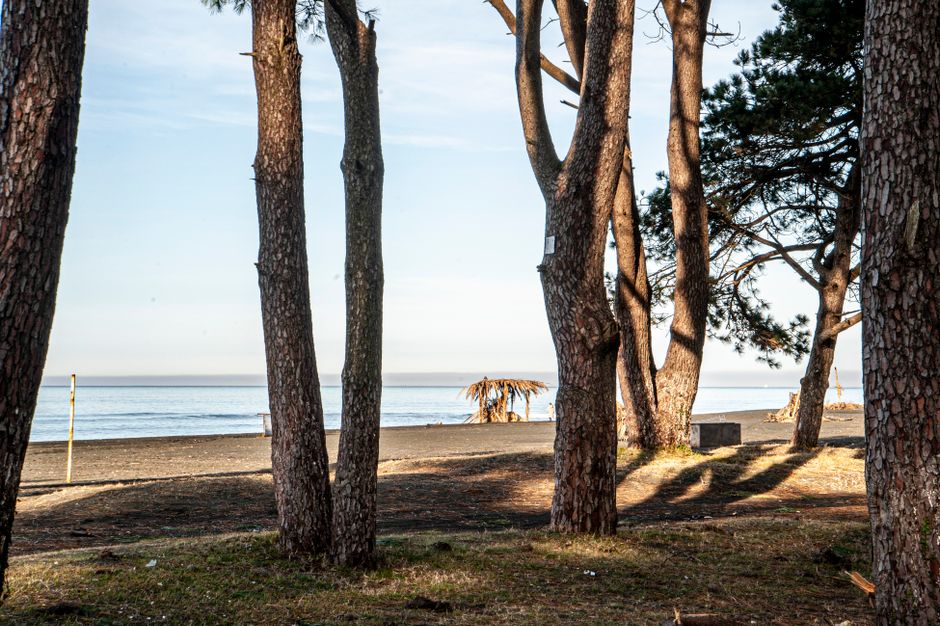
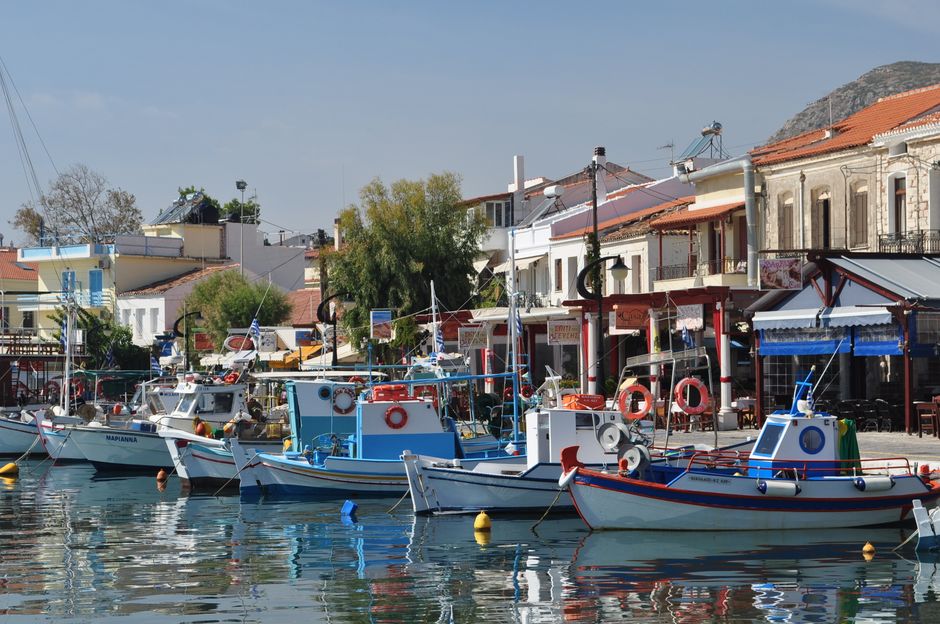
The beaches on Samos are diverse, ranging from long stretches of golden sand to small pebble coves. Potami Beach is the most popular, a long, organized beach with golden sand and shallow, clear water. It is perfect for families, with plenty of facilities, including restaurants, bars, and water sports. Marathokambos Beach is another favorite, a sandy beach backed by pine trees and dunes. It is less crowded than Potami and offers a more relaxed atmosphere. For those seeking solitude, Kokkari Beach is a small, sheltered cove near the village of Kokkari, known for its seafood tavernas and traditional fishing boats.
The food on Samos is exceptional, with a focus on fresh, local ingredients. The island is famous for its Samos wine, particularly the Vinsanto, a sweet dessert wine made from sun-dried grapes. The olive oil is also top-notch, with a fruity, peppery flavor that reflects the island's volcanic soil. The villages are charming, with stone houses and narrow streets that wind up to churches and monasteries. Pythagoreion, the capital of Samos, is a bustling port town with a lively waterfront, ancient ruins, and a variety of restaurants and cafes. The Archaeological Museum houses an impressive collection of artifacts from the island's ancient past, including statues, pottery, and inscriptions.
Lesvos: The Wine Island and the Wild Coast
Lesvos is the third-largest island in Greece, a place of vast plains, rugged mountains, and wild coastlines. The island is known for its wine production, particularly the Skiatros grape, which is used to make a distinctive white wine. Lesvos is also the birthplace of Sappho, the ancient Greek poet, and the island's culture is steeped in poetry and music. The Archaeological Museum of Mytilene houses artifacts from the island's ancient past, including statues, pottery, and inscriptions that tell the story of Sappho and her contemporaries.
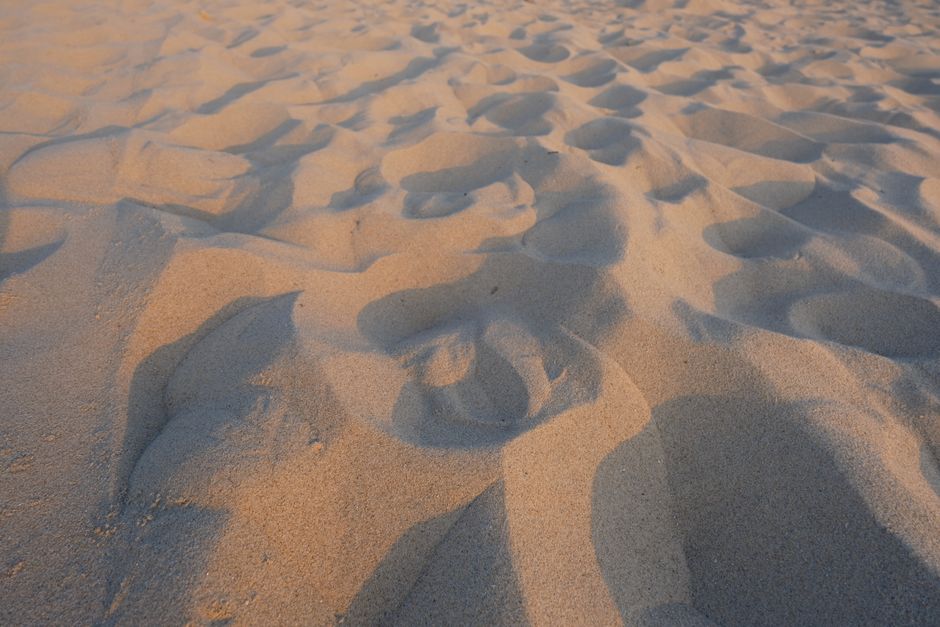
The beaches on Lesvos are varied and often wild. Eresos Beach is a long, sandy beach near the town of Eresos, with shallow, clear water and plenty of facilities. It is a popular spot for families and water sports enthusiasts. Molyvos Beach is a small, sheltered cove near the town of Molyvos, known for its pebbles and clear water. The town itself is a charming medieval port, with stone houses, narrow streets, and a variety of restaurants and cafes. For those seeking solitude, Kalloni Beach is a long, sandy beach in the south of the island, with dunes and wildflowers. It is a protected area, home to rare birds and plants.
The culture on Lesvos is deeply tied to its history and its produce. The island is known for its olive oil, with a fruity, peppery flavor that reflects the island's volcanic soil. The villages are perched on hillsides, with stone houses and narrow streets that wind up to churches and monasteries. Mytilene, the capital of Lesvos, is a vibrant city with a lively waterfront, ancient ruins, and a variety of restaurants and cafes. The Castle of Mytilene offers panoramic views of the city and the surrounding islands, and the Archaeological Museum houses an impressive collection of artifacts from the island's ancient past.
Where to Go: The Essential Beaches
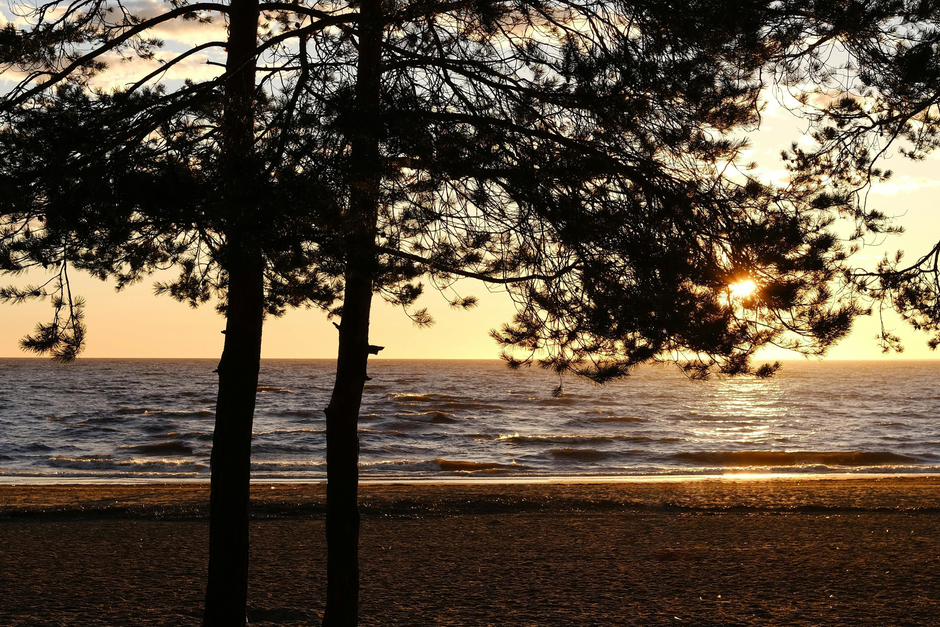
Voutas Beach, Chios — The iconic black volcanic sand beach. It is long, organized, and backed by pine trees. The contrast between the black sand and the blue sea is striking. Entry is free, but umbrellas cost 10-15 EUR. Best visited in early morning or late afternoon to avoid the midday heat.
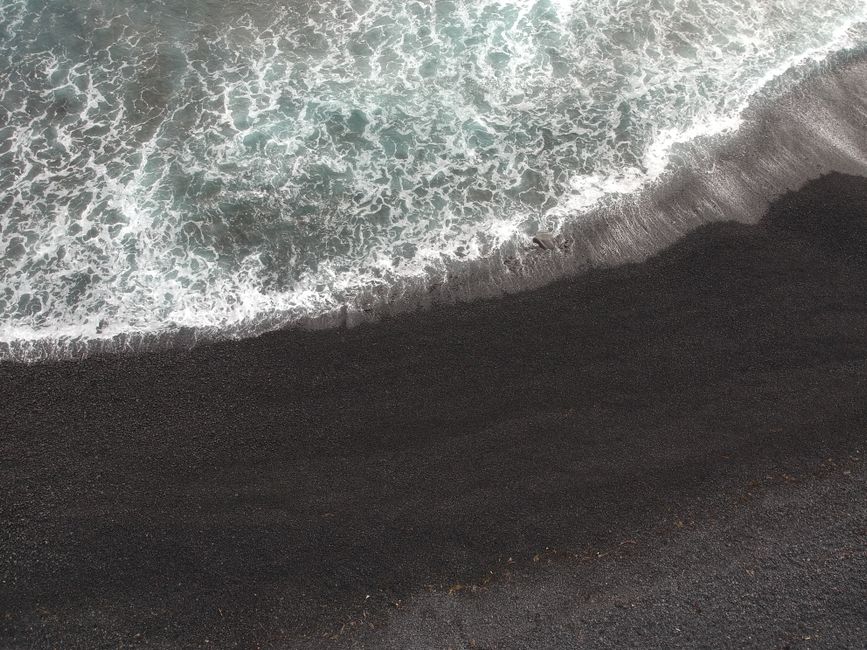
Potami Beach, Samos — A long stretch of golden sand with shallow, clear water. It is well-organized with restaurants, bars, and water sports. Entry is free, but umbrellas cost 10-12 EUR. Best for families and those seeking convenience.
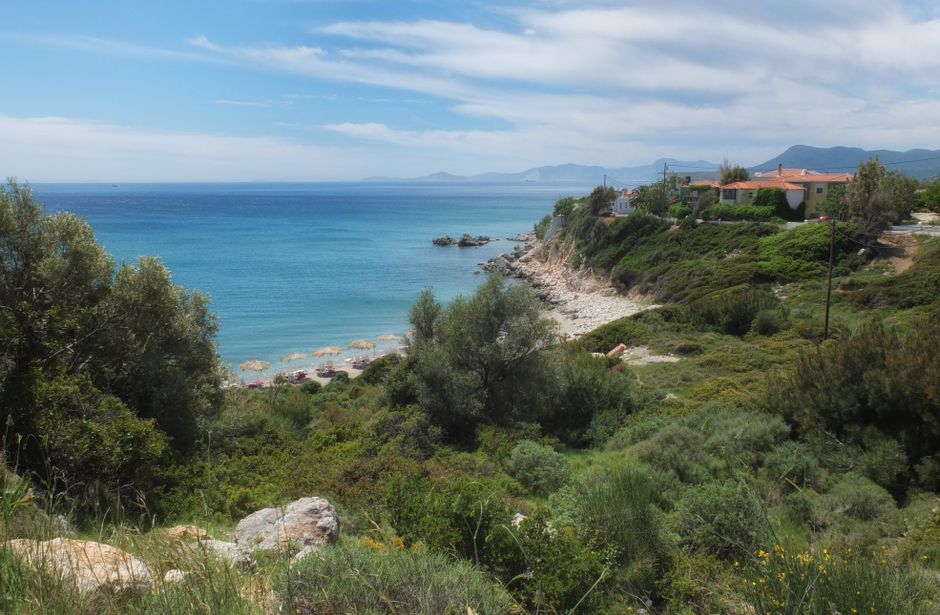
Eresos Beach, Lesvos — A long, sandy beach with shallow, clear water. It is popular for water sports and families. Entry is free, but umbrellas cost 8-10 EUR. Best visited in the morning for calm waters.
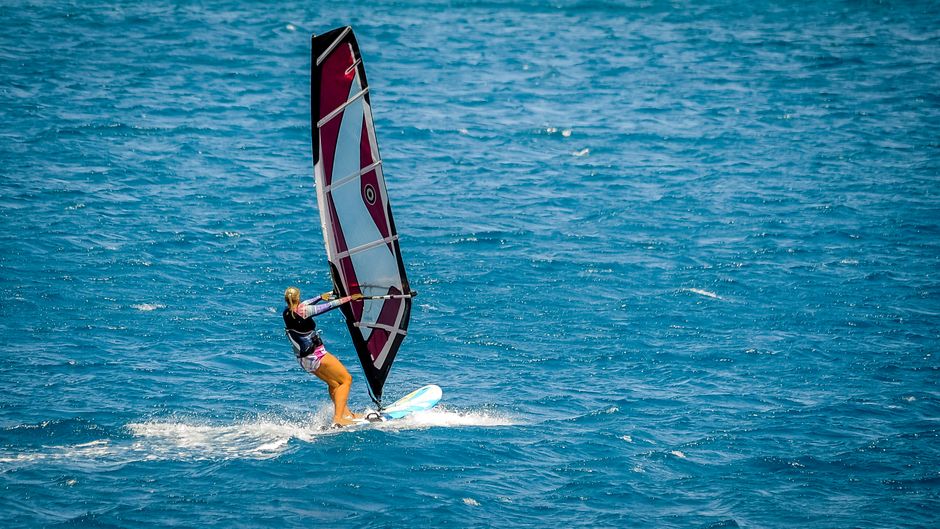
Agios Minas Beach, Chios — A rugged, pebble beach with cliffs and caves. It is less organized and more secluded. Entry is free. Best for those seeking solitude and dramatic scenery.
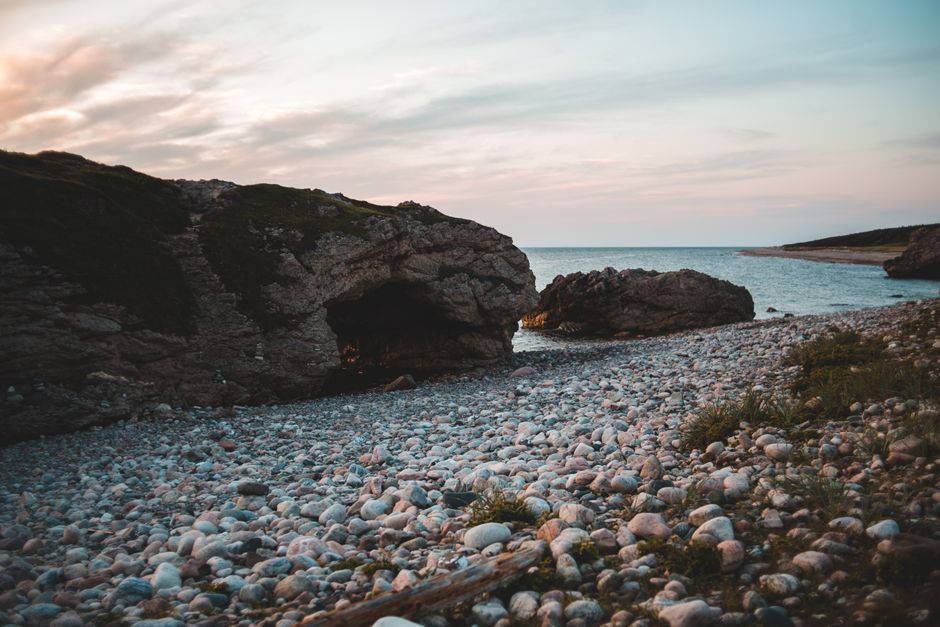
Marathokambos Beach, Samos — A sandy beach backed by pine trees and dunes. It is less crowded and more relaxed than Potami. Entry is free, but umbrellas cost 8-10 EUR. Best for a quiet swim and a picnic.
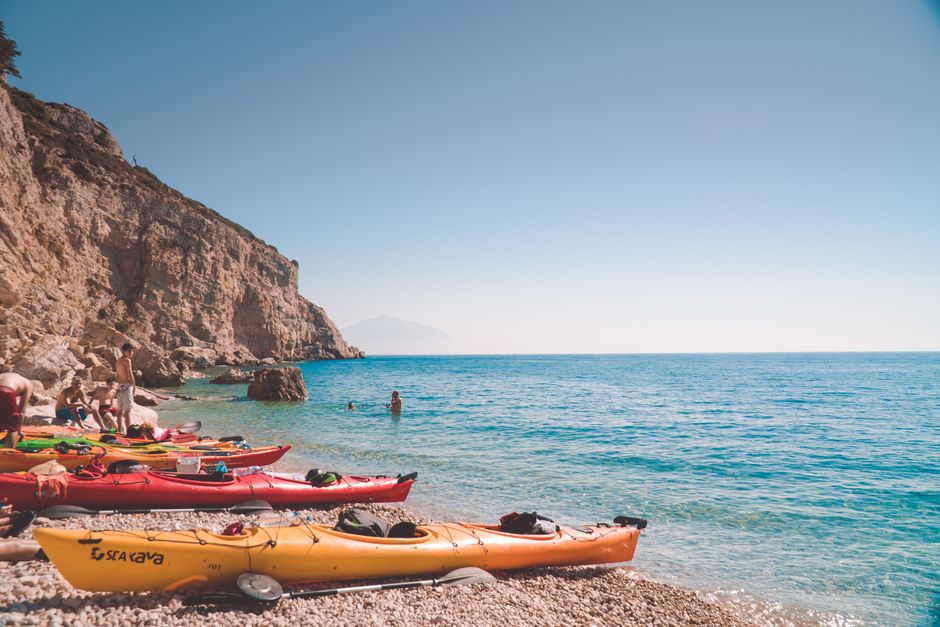
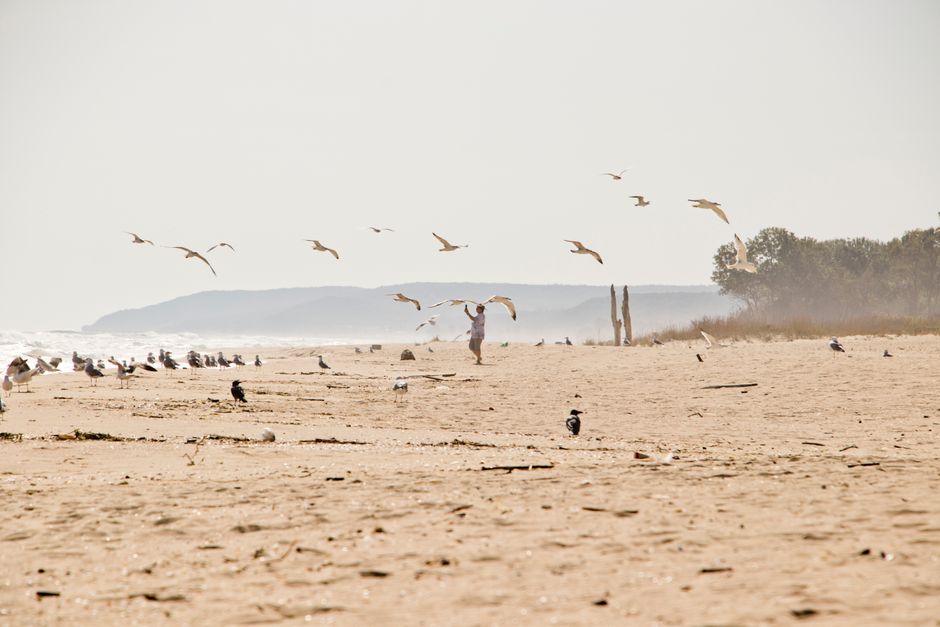
Kalloni Beach, Lesvos — A long, sandy beach in a protected area. It is home to rare birds and plants. Entry is free. Best for nature lovers and birdwatching.
What to Eat & Drink
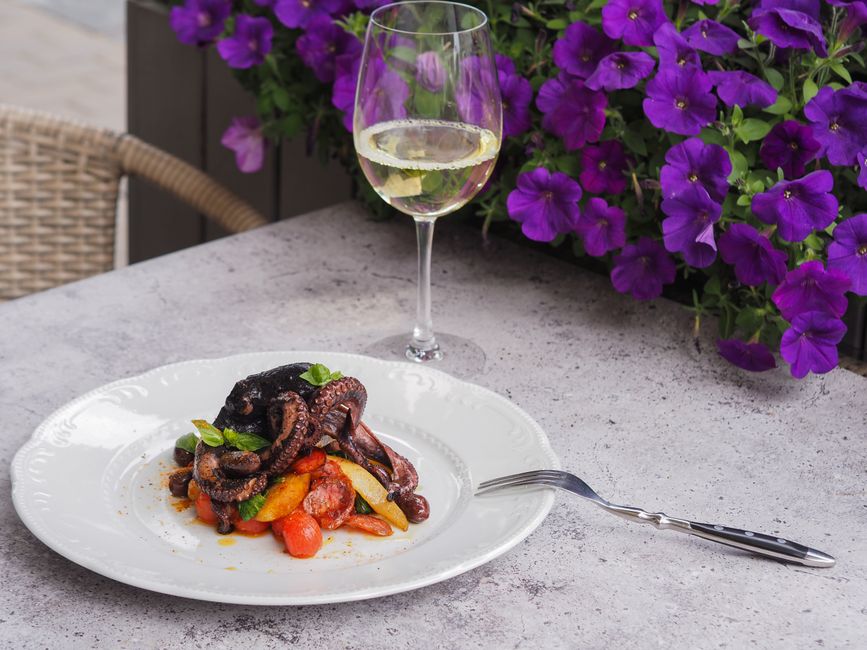
The cuisine of the Northern Aegean is a reflection of its geography and history. The islands are known for their fresh seafood, olive oil, and wine. Fava, a yellow split pea purée, is a specialty of Santorini, but it is also found on Chios, where it is made with local ingredients. Pithia is a traditional dish from Chios, made with lamb, potatoes, and mastic. Stifado is a beef stew with onions and cloves, popular on Samos. Grilled octopus is a must-try on all three islands, often served with lemon and olive oil. Samos wine, particularly the Vinsanto, is a sweet dessert wine that pairs well with cheese or fruit. Chian wine, particularly the Syntagma, is a dry white wine with a crisp, refreshing taste. Lesvos wine, particularly the Skiatros, is a distinctive white wine with a floral aroma.
Budget breakdown: Street food, such as souvlaki or pita, costs 3-5 EUR. A sit-down meal at a local taverna costs 10-15 EUR per person. A mid-range restaurant with a view costs 20-30 EUR per person. Take-away options are available in most towns and villages, with prices similar to street food. Food courts are not common on the islands, but most beaches have small kiosks or restaurants that serve simple meals.
On Chios, the Chora (capital) has a lively market area with fresh produce, cheese, and mastic. On Samos, the Pythagoreion waterfront is lined with tavernas serving fresh seafood. On Lesvos, the Mytilene old town has a variety of restaurants and cafes, with a focus on local ingredients.
Nightlife
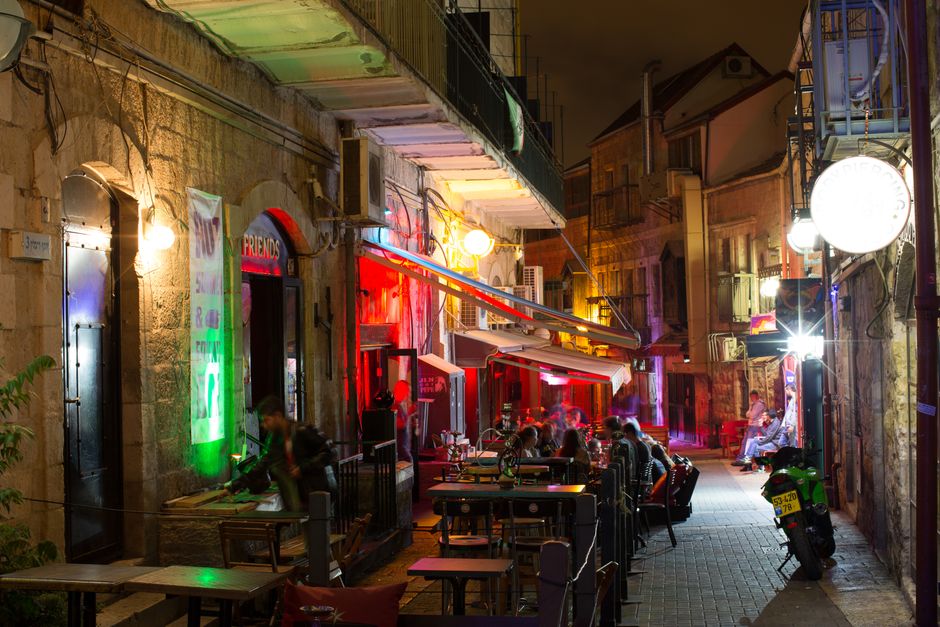
Nightlife in the Northern Aegean is relaxed and low-key. The main nightlife districts are in the capital towns of each island. On Chios, the Chora has a few bars and cafes, with live music on weekends. On Samos, the Pythagoreion waterfront has a variety of bars and clubs, with DJ sets and live bands. On Lesvos, the Mytilene old town has a lively nightlife scene, with bars, clubs, and cafes. The music is a mix of Greek traditional, pop, and electronic. Cover charges are rare, but drinks cost 5-8 EUR.
For those seeking a more relaxed atmosphere, the beaches often have bars and tavernas that stay open late, with music and dancing under the stars. The Kokkari village on Samos is known for its traditional music and dancing, with live performances in the tavernas. The Eresos town on Lesvos has a few bars and clubs, with a more bohemian vibe.
Getting There & What to Expect
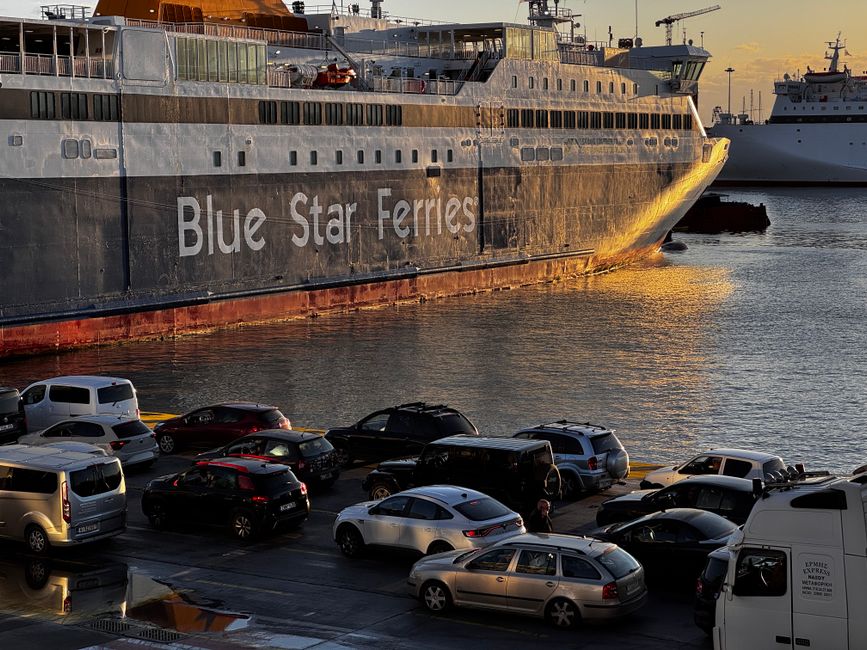
The nearest international airports are Athens International Airport and Istanbul Airport. Ferries connect the Northern Aegean islands to the mainland and to each other. Ferries from Athens to Chios take and cost 50-80 EUR for a standard ticket. Ferries from Athens to Samos take and cost 50-80 EUR for a standard ticket. Ferries from Athens to Lesvos take and cost 50-80 EUR for a standard ticket. Domestic flights from Athens to Chios, Samos, and Lesvos are available, with travel times of and costs of 100-200 EUR one-way.
Budget hostels on the islands cost 20-40 EUR per night. Mid-range hotels cost 60-100 EUR per night. Luxury hotels and villas cost 150-300 EUR per night. Typical meal prices are 10-15 EUR for a sit-down meal at a local taverna. The best months to visit are May, June, September, and October, when the weather is warm but not too hot, and the crowds are smaller. July and August are peak season, with higher prices and larger crowds.
The Northern Aegean is a region that rewards exploration. The beaches are not the only attraction; the history, the culture, and the food are all part of the experience. The islands are connected by ferries, making it easy to visit multiple islands in one trip. The pace of life is slow, and the hospitality is warm. This is a place to unwind, to explore, and to discover the true essence of the Aegean.
Search accommodation in Chios, Samos, Lesvos on Booking.com →
The Final Burn
I am sitting on a rock at the edge of Voutas Beach, the black sand still warm under my feet. The sun is setting, painting the sky in shades of orange and purple. The fisherman from the morning is gone, but his net is still hanging to dry, a testament to the rhythm of life here. The Northern Aegean is not for everyone. It demands effort, it challenges your expectations, and it refuses to be tamed. But for those who are willing to put in the work, it offers something rare: a sense of place that is authentic, unpretentious, and deeply moving. This is not a paradise of loungers and cocktails. This is a paradise of wild coastlines, volcanic sands, and the relentless beauty of the Mediterranean. And it is worth every step.
Comments